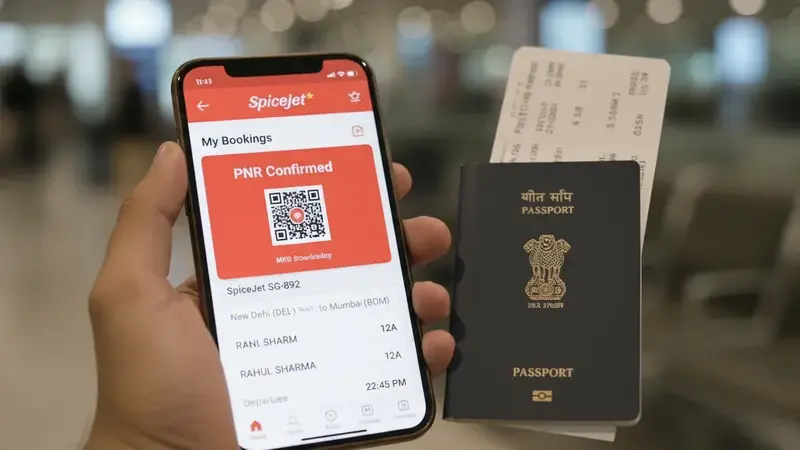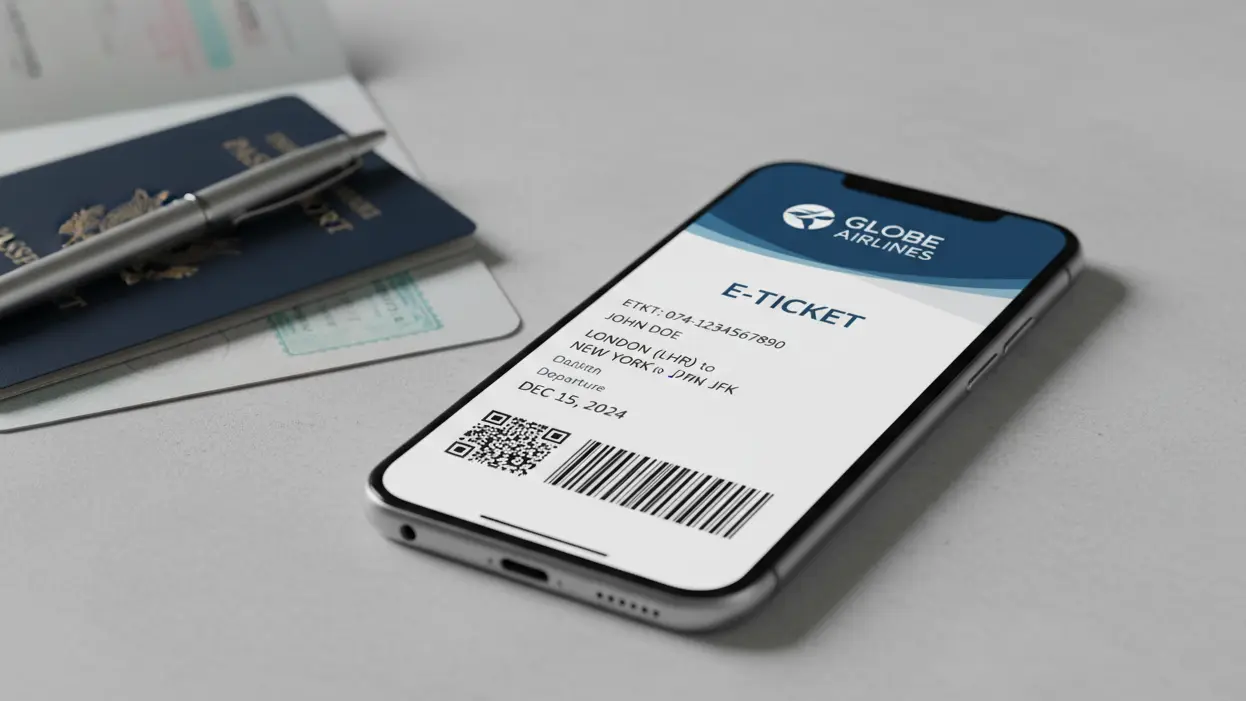
Egypt is a high-intent travel destination: Cairo, the pyramids, Nile cruises, Red Sea resorts and quick regional trips all create real demand. But tourist visa planning often gets messy because travelers hear three different answers at once: apply online, get a visa on arrival, or prepare a consular file. Then someone suggests a “fake ticket” to satisfy the travel-proof line. That is where risk begins.
This guide keeps the focus practical: what “proof of travel” means for Egypt, why fake tickets are a bad gamble, which safer alternatives keep flexibility, and how to prepare a flight reservation that supports the visa route without creating contradictions.
In This Guide
How Your Egypt Visa Path Changes What Proof of Travel Means
Your Egypt visa route decides how strict your travel-proof preparation should be. An e‑Visa, visa on arrival and consular visa can all lead to Egypt, but they do not create the same document pressure at the same moment. If you understand the route first, you will know whether you need a full ticket, a temporary reservation, or simply a consistent itinerary.
E‑Visa, Visa on Arrival or Consular Visa?
The e‑Visa path is usually the cleanest for eligible travelers because the official portal handles the application online. The Egypt e‑Visa FAQ lists India among countries whose nationals may apply through the portal. The applicant enters required information, pays online and receives the result electronically.
Visa on arrival is different. Some nationalities can obtain a tourist visa after landing at Egyptian airports, but the traveler still needs to satisfy airline and entry checks before and during the trip. A visa-on-arrival plan can feel flexible, but airline staff may still want to see that your passport, route, hotel and travel purpose make sense.
A consular visa is the most document-heavy route. Embassy or consulate pages can ask for copies of passport pages, photos, accommodation and round-trip or itinerary evidence. If you are applying through a consulate, do not treat travel proof as optional unless that specific office says so.
What Egypt’s Official E‑Visa Portal Implies About Timing
The official portal says e‑Visa applications should be created at least 7 days before departure. That one line explains why people panic-buy tickets. They book the flight first, realize the visa timing is close, then rush to create travel proof because the itinerary field feels urgent.
The better workflow is calmer. Choose a realistic travel window, apply early enough, and use a flight reservation or travel itinerary that matches your intended trip. Do not buy a nonrefundable ticket just because a form asks for travel details. Do not use a fake PDF because the deadline feels tight. Both choices can create avoidable risk.
The Three Checkpoints Where Fake Ticket Risk Shows Up
Fake-ticket risk can appear at three points:
- Visa or e‑Visa review, when details do not match the application.
- Airline check-in, when staff ask for visa, itinerary, hotel or return proof.
- Arrival in Egypt, when passport authorities check the visa and may ask about travel purpose or stay plan.
The e‑Visa FAQ says Egyptian port authorities can check the validity of the e‑Visa in their system and may refuse entry to an e‑Visa holder. That is a reminder that approval is not the only checkpoint. Your documents still need to make sense when you travel.
Why People Panic-Buy Tickets for Egypt
Egypt trips often become urgent because the traveler already has hotel dates, tour dates or group travel plans. A Nile cruise may start on a fixed day. A Red Sea resort package may have limited availability. A family may already have vacation leave approved. Once those dates exist, the flight proof feels like the last missing piece.
Panic happens when applicants treat the itinerary field like a demand for a final ticket. They buy a nonrefundable flight before the visa is ready, or they download a fake PDF because they do not want to risk the fare. Both reactions are avoidable. A verifiable temporary reservation gives the file a travel shape while protecting the traveler from premature purchase.
The calmer approach is to separate three decisions: the visa application date, the proof-of-travel document, and the final ticket purchase. Those do not always need to happen on the same day. Your proof should be current and credible, but your final paid ticket can wait until the visa and trip timing are safe.
Where Travelers Misread Requirements
Travelers often confuse “travel itinerary” with “fully paid ticket.” They are not always the same. A travel itinerary can be a planned flight schedule or reservation. A paid ticket is a completed purchase. A fake ticket is a document that pretends to be a reservation or ticket without a real basis.
For Egypt, the strongest interpretation is simple: show credible travel plans without overstating them. A verifiable dummy ticket can help when it is a temporary reservation with truthful passenger and route details. A fake ticket is not a safer shortcut.
What Counts as a Fake Ticket in 2026 and Why Egypt Trips Are High-Stakes

A fake ticket is not the same as a dummy ticket. A genuine dummy ticket is a temporary reservation or itinerary created from truthful details for documentation use. A fake ticket is fabricated, manually edited, expired, unverifiable, or designed to mislead the reviewer about payment or ticket status.
The Four Fake Ticket Types That Cause Trouble
- Edited PDFs where names, dates or routes are manually changed.
- Expired reservations reused as if they are still active.
- Invented PNRs that do not connect to a retrievable booking.
- Documents showing ticket numbers or “confirmed” wording when no ticket exists.
Any of these can damage credibility. Even if the traveler did not intend fraud, the document can look careless or misleading. For a visa or entry process, that is exactly the impression you want to avoid.
Why “It Worked for My Friend” Fails With Egypt Travel Flows
Egypt travelers compare stories constantly. One person says nobody asked for a return ticket. Another says the airline checked everything. A third says their consulate demanded a round trip. These stories can all be true because the checkpoint, nationality, airline, visa type and route can differ.
Do not build your file around someone else’s luck. Build it around your own path. If you apply by e‑Visa, follow the official portal and prepare arrival documents. If you use a consulate, follow that consulate’s checklist. If your airline is strict, be ready at check-in. The fake-ticket risk increases when travelers try to copy a shortcut without understanding the route.
The Hidden Risk: Third-Party E‑Visa Sites and Lookalike Services
Travel.State.Gov warns that many sites claim to offer Egypt e‑Visas and some charge much more than the official source. The official e‑Visa portal is the source you should use for the visa itself. This matters because fake-ticket behavior and unofficial visa-site confusion often travel together: rushed applicants search online, click the first result, and pay for documents they do not fully understand.
Use the official visa portal for the visa. Use a trustworthy reservation provider only for the travel-proof document. Do not let a third-party site blur those two tasks together.
Credibility Cues Reviewers and Airline Agents Notice
Most officers are not judging graphic design. They react to practical consistency:
- Does the name match the passport?
- Does the arrival date match the visa timing?
- Does the hotel cover the stay?
- Does the route look normal for the origin and destination?
- Does the return or onward date sit inside the permitted stay?
- Does the document avoid impossible connections?
If the answers are clean, the itinerary supports the file. If several answers are messy, the ticket becomes a reason to ask more questions.
Departing From Delhi With a Gulf Transit
Many India-to-Egypt routes use Gulf or Middle East connections. That is normal. A Delhi-to-Cairo route through Doha, Abu Dhabi, Dubai, Muscat or another logical hub can look straightforward. The problem begins when the route is overcomplicated for no reason.
Use one sensible connection when possible. Avoid long, strange layovers that look like hidden side trips. If your Egypt plan is Cairo plus Hurghada, the international route should not suggest a completely different itinerary unless you explain it through internal travel. Simple routes reduce scrutiny.
What a Normal Egypt Tourist Route Usually Communicates
A strong Egypt itinerary usually communicates one of a few clear patterns. It may show Cairo in and Cairo out for a classic city-and-pyramids trip. It may show Cairo in and Hurghada or Sharm El Sheikh out for a combined history-and-resort trip. It may show a Red Sea resort round trip when the whole trip is a package holiday. None of those patterns needs to be complicated.
Problems appear when the route suggests one trip and the supporting documents suggest another. A flight into Cairo with hotels only in Sharm El Sheikh needs an internal-transfer explanation. A return from Hurghada after a Cairo-only hotel plan creates a missing segment. A multi-city route can work beautifully, but the hotel and itinerary need to make the movement obvious.
This is why a dummy ticket for Egypt should be route-aware. It should not simply pick the cheapest airport pair. It should show the path your application is trying to describe.
Safer Alternatives That Keep Flexibility Without Gambling on a Fake Itinerary

You do not need to choose between an expensive nonrefundable ticket and a fake itinerary. Egypt travel proof can be handled with safer options depending on your timing and certainty.
Workflow A: “I Do Not Know My Exact Dates Yet, But I Need to Apply Now”
If dates are not final, use an intended travel window rather than a fantasy plan. Pick a realistic arrival and exit date, align the hotel or places-to-visit details, and use a temporary reservation that can be refreshed if timing moves.
This workflow fits travelers waiting for leave approval, family confirmation, tour dates, cruise timing or visa results. It keeps the application moving without locking money into a fare that may need to change.
Workflow B: “I Have Dates, But I Might Change Them After the Visa”
If your dates are mostly fixed, a verifiable dummy ticket can still be useful. It shows the planned trip while leaving room for final booking after approval. The important part is to keep the reservation valid during the relevant review or travel-proof window.
If the visa is approved and the trip is ready, you can buy the real ticket. If the dates shift, update the travel documents instead of carrying old versions.
Workflow C: “My Hotel or Tour Is Fixed, But Flights Are Not”
This is common for Egypt. A traveler may already have a Cairo hotel, a Luxor-Aswan cruise, or a Hurghada resort booking, but the flight is not final because fares keep changing. In that case, the temporary reservation should be built around the fixed anchor. If the hotel begins on March 10, the flight should not arrive on March 13 unless the missing days are explained elsewhere.
Use the fixed booking as the calendar anchor. Then choose flight dates that support it. If your trip starts with a Cairo hotel, arrive in Cairo before check-in. If your first commitment is a cruise, give yourself enough time to reach the departure city. If the resort package has fixed dates, make the return flight align with checkout. This makes the flight proof feel practical rather than decorative.
When the E‑Visa Form Nudges You Toward Specifics
Online visa forms can make applicants feel like every field must reflect a final purchase. That is not always true. You should be accurate and truthful, but you do not need to pretend a final ticket exists if your travel is still in planning. A temporary reservation or intended itinerary can support the information you submit.
For broader visa-document strategy, the dummy ticket for visa complete guide explains how to match flight proof with forms, hotels, insurance and cover letters. For Egypt, the same rule applies: the itinerary should match the travel story.
The “Do Not Accidentally Downgrade Yourself” Rule
Safer options become risky when people use them carelessly. A refundable ticket can be risky if it drains money needed for the trip. A dummy ticket can be risky if it expires before review. An OTA booking can be risky if it only shows an internal order number. A hotel booking can be risky if it contradicts arrival dates.
Choose the option that fits the checkpoint:
| Option | Best fit | Main risk |
|---|---|---|
| Verifiable dummy ticket | Flexible travel dates and visa proof without full fare purchase. | Must remain current and consistent. |
| Refundable ticket | Stable travel dates and enough cash flow. | High upfront cost and refund delays. |
| Consular checklist itinerary | Embassy or consulate filing with clear document wording. | Must match the exact office’s requirements. |
| Hotel or tour proof only | Accommodation support. | Does not prove when you leave Egypt. |
The Exceptions That Blow Up Otherwise Perfect Egypt Tourist Visa Plans

Most Egypt tourist visa files fail quietly through small inconsistencies, not dramatic problems. These exceptions are the ones to check before submission and before departure.
One-Way Itineraries
A one-way ticket is not automatically wrong. It can make sense for multi-country trips, cruise departures, onward land travel or flexible plans. But it needs an exit explanation. If your visa route, airline or consulate expects a return or onward plan, a one-way ticket without support creates uncertainty.
The two legitimate interpretations are:
- You have a one-way entry plus a separate onward/return reservation.
- You have a documented reason for leaving by another method or from another country.
If neither is true, create a cleaner exit plan before travel.
Tight Turnarounds and Last-Minute Changes
Egypt’s official e‑Visa portal tells applicants to create the application at least 7 days before departure. Last-minute travelers often create mismatches because they update one document and forget the rest. They change the flight but not the hotel. They shift the hotel but not the itinerary. They apply with one date and travel with another.
Use one master travel window. If it changes, update every document that contains dates. Do not carry multiple versions to the airport.
Name Mismatches and Passport Spelling
Passport identity is non-negotiable. Your e‑Visa, ticket, hotel booking and application details should use the same name logic. Small airline formatting differences happen, but different surnames, missing given names or old passport names create avoidable problems.
Before submission, check:
- Passport number.
- Name spelling and order.
- Date of birth if shown.
- Nationality.
- Arrival and departure dates.
Connecting Flights and Multi-City Egypt Trips
Egypt trips often include Cairo, Luxor, Aswan, Hurghada, Sharm El Sheikh or Nile cruises. If your international flight proof shows Cairo but your hotel proof begins in Hurghada, the itinerary should explain how you get there. A missing domestic leg is not always fatal, but a confusing route can raise questions.
For multi-city Egypt plans, keep the international proof simple and the internal route believable. If you enter Cairo and exit Hurghada, show hotels or a day plan that supports the movement. If you are only visiting a Red Sea resort, do not create a Cairo-heavy itinerary unless you actually plan to go there.
Consular Filing From India With Slow Appointment Slots
If you apply through a consulate or document center, timing becomes more important. A short-validity dummy ticket created too early may expire before the file is reviewed. A ticket created too late may force rushed mistakes. Match the reservation validity to the submission date and any expected review window.
If the appointment moves, refresh the ticket and re-check the hotel, insurance and cover letter dates. Do not submit an old reservation because it is already printed.
When a Multiple-Entry Egypt Plan Needs Stronger Travel Logic
Egypt’s e‑Visa FAQ lists both single-entry and multiple-entry tourist visa fees. A multiple-entry request needs stronger route logic than a simple one-week Cairo trip. If you ask for multiple entries, the travel itinerary should explain why. For example, you may enter Egypt, visit Jordan or another nearby country, then return to Egypt before flying home. That pattern can be reasonable, but it should be visible in the itinerary.
Do not request multiple entry while showing only a basic single-entry holiday unless you have another reason. The flight proof should support the visa type. If you are applying for single entry, keep the route simple. If you are applying for multiple entry, make sure the travel sequence, dates and hotels justify the request.
Egypt Tourist Visa Requirements: Mistake Checklist
Use this as your final check before submitting the Egypt visa file or leaving for the airport.
Pre-Submit Checklist
- Use the official Egypt e‑Visa portal if applying online.
- Create the e‑Visa application at least 7 days before departure where applicable.
- Check passport validity of at least 6 months from arrival date.
- Prepare the e‑Visa printout or consular visa document.
- Match flight itinerary dates with hotel dates.
- Make sure the travel itinerary shows a realistic Egypt route.
- Avoid fake, expired or manually edited tickets.
- Keep supporting letters only when relevant to business or family visits.
Pre-Departure Checklist
- Carry printed and digital copies of the e‑Visa or visa.
- Carry the flight itinerary or reservation used for proof.
- Carry hotel booking or place-to-visit details.
- Confirm passport, visa and ticket names match.
- Check airline transit rules if connecting through another country.
- Make sure the reservation is still current if it may be checked.
- Archive old ticket versions so you do not show the wrong one.
Your Final Egypt Flight Proof Check Before You Fly
The final question is simple: if an airline agent or officer looks at your documents for 30 seconds, do they tell one clear story? Passport valid, visa route clear, arrival date sensible, hotel details ready, exit or travel itinerary credible. If yes, your flight proof is doing its job.
If you still need a temporary travel reservation, create a dummy ticket booking with accurate Egypt travel details. Keep it truthful, current and aligned with the rest of the file.
Use DummyFlights to create a temporary reservation that supports your Egypt visa or travel itinerary while keeping your dates flexible.
FAQ: Egypt Tourist Visa Requirements and Dummy Tickets
Does Egypt require a travel itinerary for an e‑Visa?
Egypt’s official e‑Visa FAQ lists travel itinerary under arrival requirements, along with passport validity, e‑Visa printout and hotel or place-to-visit details for tourists.
Do I need to buy a real flight ticket before applying for an Egypt tourist visa?
Not always. Depending on the visa route, a travel itinerary or verifiable reservation may support the file without buying a nonrefundable ticket before approval.
Is a fake ticket safe for an Egypt visa?
No. Fake, edited, expired or unverifiable tickets can create credibility problems. Use a truthful reservation or itinerary instead.
Can I use a dummy ticket for an Egypt tourist visa?
Yes, when it is a genuine temporary reservation with accurate passenger details, realistic route and dates that match the visa and hotel plan.
How early should I apply for Egypt e‑Visa?
Egypt’s official e‑Visa portal says applicants should create an e‑Visa application at least 7 days before departure.
What passport validity does Egypt require?
The Egypt e‑Visa FAQ lists passport validity of at least 6 months from the arrival date as an arrival requirement.
Does Egypt e‑Visa guarantee entry?
No. The Egypt e‑Visa FAQ states that port authorities have the right to refuse entry to an e‑Visa holder.
Should my Egypt hotel booking match my flight itinerary?
Yes. Hotel or place-to-visit details should match the arrival, stay length and route shown in the travel itinerary.
Is a refundable ticket better than a dummy ticket?
A refundable ticket can work when dates are stable and you can handle the cost. A dummy ticket is usually more flexible when you need temporary proof before final booking.
Can I use a one-way ticket for Egypt?
A one-way ticket may be explainable for multi-country or onward travel, but you should have a clear exit or onward plan if asked.
What makes an Egypt flight proof document strong?
It should show accurate passenger name, realistic route, dates inside the planned stay, hotel consistency and a current reservation or itinerary.
What is the safest way to avoid fake-ticket risk?
Use the official visa route, prepare truthful travel details, avoid edited PDFs, keep reservations current, and match flight proof with hotels and visa dates.