
Photoshop flight tickets are risky because visa desks, airlines and border officers can compare the PDF against live booking data, passenger details, route logic and document integrity signals; a legitimate dummy ticket is the safer route when the requirement allows a reservation or itinerary. Edited tickets may look clean on screen, but they fail when the booking cannot be opened, the PNR does not match, the dates contradict the file, or the document shows signs of unauthorized alteration.
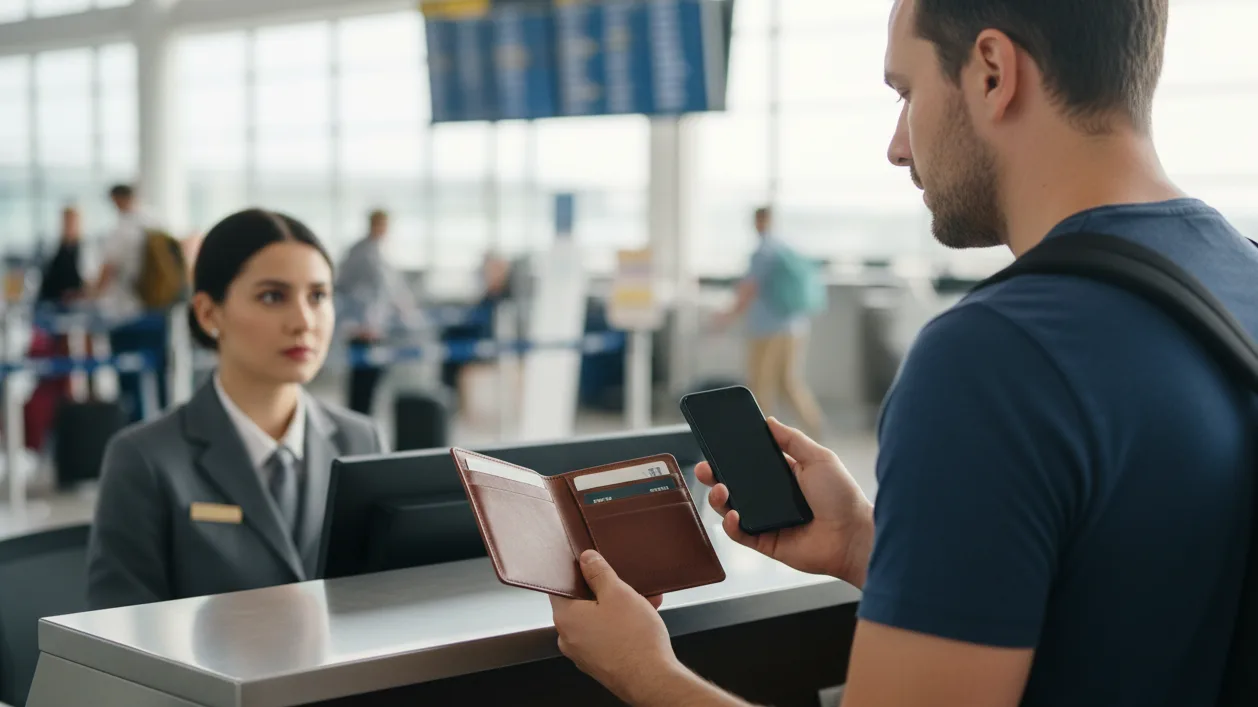
The clerk flips your itinerary over, pauses, and asks the question that ends a lot of airport stories: “Can you open this booking live right now?” That moment is where a designed-looking PDF stops being a document and becomes a problem.
Photoshop flight tickets can look convincing to the traveler who made them. They can show real airline names, neat dates and believable routes. But travel-proof checks are not design contests. Visa desks, airline agents and border officers look for consistency, retrievability, passenger identity, document status and whether the story survives basic questioning.
This guide explains why edited flight tickets get detected, what officers and airline staff usually check, why PNR verification matters, and how to prepare safer travel proof without using fake screenshots or manipulated PDFs. The goal is not to scare you. The goal is to keep your file defendable from application review to boarding.
Key facts before using any flight proof:
- Photoshop flight tickets can create document-integrity problems even when the trip plan is genuine.
- Visa desks often compare flight dates with forms, hotels, insurance, cover letters and leave windows.
- Airlines may ask for live proof because they face risk when passengers are refused entry.
- A PNR that exists today is useful only if the details match and remain retrievable when checked.
- Fake or edited ticket language is more dangerous than a clean reservation presented honestly.
- If a checklist asks for a reservation or itinerary, use proper travel proof instead of editing a ticket.
Need travel proof without fake edits? Create a clean dummy ticket with DummyFlights and use a readable PDF built for visa and travel-proof situations.
In This Guide
Official-source check: official rules do not reward altered travel documents. The EU Visa Code requires supporting documents that help assess journey purpose, accommodation, funds and intention to leave before visa expiry. UK carrier guidance says carriers are expected to check travel documents and may face charges for carrying inadequately documented passengers. GOV.UK’s Authority to Carry scheme also refers to refusal where travel documents or permissions appear false or altered. Sources: EU Visa Code Article 14, GOV.UK carrier document checks and GOV.UK Authority to Carry Scheme.
Reviewed for: edited-ticket risk, PNR terminology, airline verification practicality, Schengen and carrier-liability wording, fake-document claim safety, route-date consistency and official-source alignment.
When a Ticket PDF Becomes a Question
You already know the document you are handing over is “just an itinerary.” The person reading it may treat it as a claim they can test. That is the difference many travelers miss.
Visa desk review vs travel-day enforcement
During a Schengen short-stay application, a flight itinerary is often read as a consistency check. The consulate wants to see whether entry city, exit city, travel dates, hotel dates, insurance dates and leave window all line up. The officer may not open every booking live, but the file still needs to make sense.
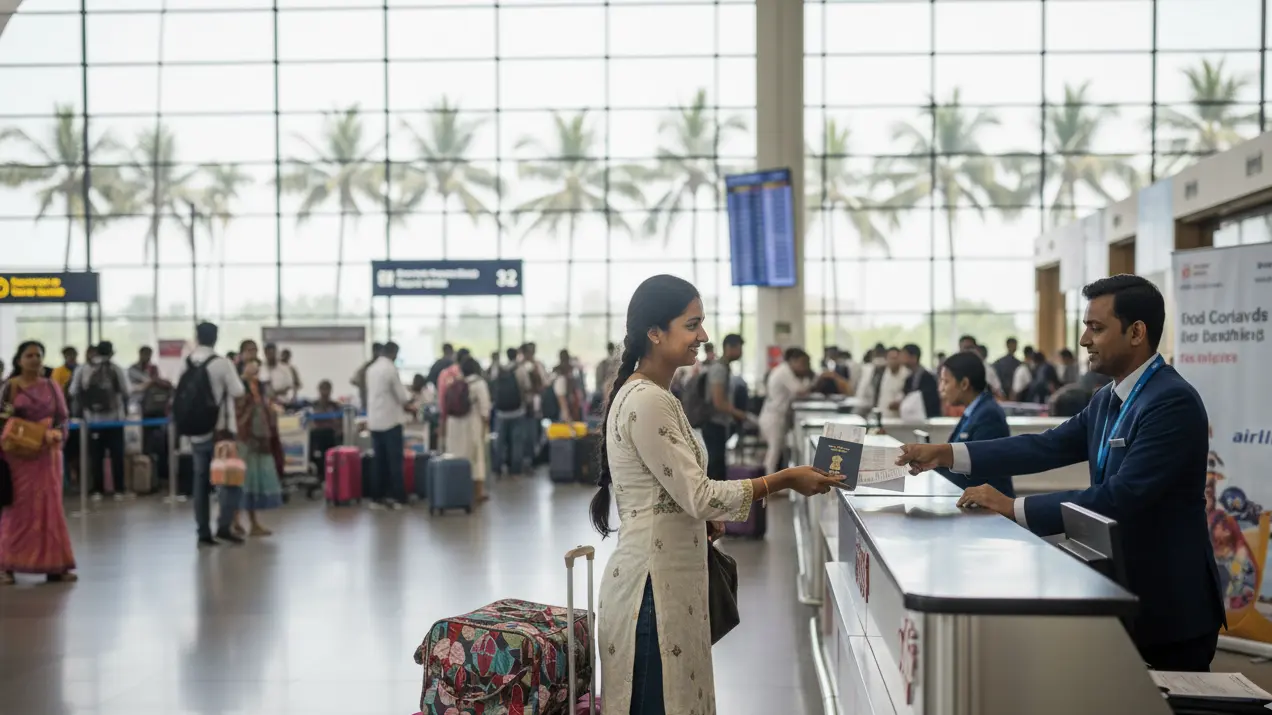
On travel day, the rules feel different. Airlines can be strict because they may carry responsibility if a passenger is refused entry. A check-in agent for Istanbul to Amsterdam, Doha to Paris, Delhi to Rome or Bangkok to Singapore may treat proof of onward travel as a hard requirement if the route, passport or ticket type triggers a warning.
A visa desk can accept a plausible itinerary and still leave you exposed at the airport if the airline wants live proof. The airline agent is not grading your PDF layout. They are deciding whether the travel plan can be verified quickly enough to protect the carrier from risk.
What officers and agents do when they verify
Verification can be simple or strict. At a visa counter, it may mean scanning the itinerary for impossible connections, mismatched dates or an exit flight that lands after your requested leave ends. If something looks off, the follow-up is often conversational: “Why are you entering through Osaka but departing Tokyo two days later?”
At the airport, verification can become more operational. The agent may ask you to open the booking live, show the confirmation email, display the reservation in an airline app, or explain why the PNR does not resolve. Those prompts are less about curiosity and more about liability.
Border officers can also test travel proof, especially on high-traffic visitor routes. A friendly arrival conversation can turn into a structured check if your route, stay length, funds, return plan or document format feels unclear.
The six-layer integrity check
Most Photoshop flight tickets do not fail because one pixel is wrong. They fail because the document cannot survive several simple layers of review.
Common verification layers include:
- Identity check: passenger name, passport spelling and surname order.
- Route check: entry city, exit city, transit logic and destination rules.
- Date check: travel dates against visa dates, insurance and accommodation.
- PNR check: whether the reference exists and supports the displayed itinerary.
- Status check: whether the booking is active, expired, canceled, pending or ticketed.
- Document-integrity check: whether fonts, spacing, logos, timestamps or layout look altered.
Any one layer can trigger questions. A fake-looking PDF may fail before anyone checks the PNR. A beautiful PDF may fail when the PNR does not match. A real reservation may fail when the dates contradict the cover letter. The safest proof is boring, aligned and retrievable.
Scenario: clean-looking PDF, fast failure
Imagine a traveler flying from Delhi to Milan with a tight Schengen file. The PDF shows a return flight, but the hotel checkout is two days earlier, insurance ends one day before the flight, and the booking reference does not open on the airline site. The officer does not need to prove Photoshop was used. The file already contains enough uncertainty.
Now imagine the same route with a proper dummy booking. The passenger name matches the passport. The dates match the hotel and insurance. The onward or return segment leaves the Schengen Area inside the requested stay. The PNR or booking reference is clearly labeled. That document gives the reviewer fewer reasons to stop.
The hidden reason Photoshop is risky
The consequence is not “bad formatting.” The consequence is a false-document narrative. Once an officer believes a travel document may have been altered, the issue becomes trust. The application is no longer only about flight proof. It becomes about whether the applicant can be relied on.
That is why Photoshop flight tickets are a poor shortcut. They may save a few minutes at the start and create a far bigger problem later. If the checklist allows reservation proof, a proper dummy ticket is cleaner. If the checklist requires a paid ticket, buy or reserve the correct ticket type instead of editing a file.
Why Edited Tickets Fall Apart

Edited tickets fail because “looks real” is a design standard, while verification is a systems standard. A designer can copy the appearance of a ticket. They cannot make the airline, PNR, route, status and application file agree unless there is a legitimate record behind the proof.
Looks real is not the same as checks real
A polished ticket image can still be weak. It may use a correct airline logo and standard-looking tables, but the PNR may not resolve. The status may not match. The flight number may not exist on that date. The airport code may be wrong. The date format may contradict the application form.
Officers and agents do not need to inspect every graphic detail. They can ask one practical question: can this booking be verified? If the answer is no, the image becomes a liability.
The three data elements that matter most
Three data points matter more than the PDF design: passenger identity, route-date logic and booking reference. If these three work, the document is easier to trust. If one breaks, the proof becomes fragile.
Passenger identity means the name matches the passport. Middle names, no-surname passports, married names, child passengers and group bookings need special care because one mismatch can look like a different traveler.
Route-date logic means the trip works on a calendar. The flight should not depart before the visa is valid, return after insurance ends, skip an unexplained country, or contradict the city order in the cover letter.
Booking reference means the PNR or reservation code is labeled and tied to the itinerary. A random six-character code on a fake-looking PDF is not enough. It must support the displayed route and passenger details.
What changed by 2026
Travel checks have become more connected. Digital permissions, airline pre-departure screening, transit rules, eVisas, ETAs and document-check systems all make weak proof easier to challenge. That does not mean every officer checks every ticket deeply. It means the margin for sloppy or edited proof is smaller.
A passenger may pass a visa intake desk and still face questions at check-in. Another may board smoothly and then get asked at the border. The same document has to survive different contexts: paper review, airline liability, route rules and real-time questioning.
This is why a what is a dummy ticket foundation matters. A legitimate dummy ticket is a temporary travel-proof document used where reservation or itinerary proof is acceptable. It is not a Photoshop ticket and should never be treated as a fake paid airfare receipt.
Innocent edits that create contradictions
Some travelers do not intend fraud. They edit a date because the appointment moved. They adjust a name because the airline display is truncated. They crop a screenshot to make it neat. They replace a logo because the old PDF looks ugly. The problem is that these “small fixes” can create contradictions that are hard to explain under questioning.
Common risky edits include:
- Changing the return date without updating hotel and insurance dates.
- Adding a passenger name that does not exist in the booking record.
- Replacing an airline logo or layout manually.
- Editing fare status, payment wording or ticket-number fields.
- Cropping the PNR label or timestamp from a screenshot.
- Combining different itinerary versions into one PDF.
If the plan changes, update the booking proof properly. Do not edit the old proof to look current. A clean update is easier to defend than a manipulated file.
Myths that get applicants in trouble
Myth one: “Embassies only glance at tickets.” Sometimes they do. Sometimes they do not. You cannot build a serious file around the hope that nobody checks.
Myth two: “A Photoshop ticket is fine if the route is real.” No. A real route shown through an altered document can still become a document-integrity issue.
Myth three: “A paid-looking ticket is always stronger than a reservation.” Not if the checklist accepts a reservation and the paid-looking ticket cannot be verified. Honest reservation proof is safer than fake purchase proof.
Myth four: “Only airports check live PNRs.” Visa desks, intake teams and consular staff can also question unclear proof. The method varies, but the risk is the same: the file must make sense.
A Safer Workflow for Verifiable Proof

The safer workflow starts with one rule: choose proof that matches the real requirement. If the checklist asks for a reservation or itinerary, use a reservation or itinerary. If it asks for a ticket number or payment receipt, do not pretend a reservation is a paid ticket.
Choose the proof type that matches your risk
A fully paid ticket can be useful when the visa is low-risk, dates are fixed and the fare is refundable or affordable. It can be expensive when dates are uncertain. Refundable tickets reduce risk but may still involve fees, refund delays and fare-rule traps.
Airline holds can work for short windows, but they can expire before review. Screenshots are weak because they do not behave like stable evidence. A dummy flight ticket can be the cleaner middle path when the checklist accepts travel reservation proof and you need to avoid buying full airfare before approval.
flight reservation for visa explains the difference between a flight plan, reservation and issued ticket. Use genuine records and do not alter a document to imply a booking or payment that did not occur.
Build verifiable-first flight evidence
Verifiable-first proof means the document is built around fields a reviewer can understand quickly. The design comes second. The record comes first.
Verifiable-first proof should show:
- Full passenger name matching the passport.
- Route and dates in a clear order.
- Flight numbers or transport details for each segment.
- Booking reference or PNR where applicable.
- Status wording that does not misrepresent payment or ticketing.
- Document generation date or current timestamp.
- One clean PDF, not stitched screenshots.
If the proof is for a visa application, match it against the form before upload. If it is for airline check-in or border control, make sure it opens offline and can be shown quickly. The best document is the one that reduces questions, not the one that looks most dramatic.
The live proof kit
A live proof kit prevents panic at the counter. Save the PDF on your phone. Keep a printed copy if the airport is known for manual document checks. Keep the confirmation email. Know the PNR or booking reference. Make sure the name and date are easy to find.
Do not depend entirely on airport Wi-Fi. Do not bury the PDF in a chat thread. Do not show a gallery of screenshots and ask the agent to choose. The faster the agent can see the document, the less the conversation grows.
Mistake checklist: errors that behave like fraud flags
Some errors look like intentional manipulation even when they came from rushing. Before you submit or travel, check for:
- Different passenger names across flight, hotel and insurance proof.
- Flight dates outside the visa validity or requested stay.
- Return route from a country you never explain visiting.
- PNR shown without a label or connected itinerary details.
- Ticket number shown when the booking is not actually ticketed.
- Mixed fonts, pasted logos or uneven spacing from manual editing.
- Multiple itinerary versions with different dates.
If you find one of these issues, fix the underlying proof instead of editing the image. A fresh, accurate document is safer than a patched PDF.
When appointment dates may change
If your appointment is closing and travel dates may change, do not create a fake final ticket. Use proof that can be updated legitimately. Keep the route logic stable, choose dates that still make sense if the review takes longer, and avoid creating a plan that depends on impossible approval timing.
The dummy ticket for visa guide explains this application-stage use case in more detail. The practical idea is simple: the proof should support the file during review without forcing you into an irreversible airfare purchase before the visa decision.
Uncommon Cases and Travel-Day Risks

Even legitimate proof can create questions when the route is complicated. The solution is not to edit documents. The solution is to make the itinerary easy to understand.
The separate-tickets trap
Separate tickets can be legal and still look suspicious when presented badly. If you fly Mumbai to Doha on one ticket and Doha to Madrid on another, the route is real, but the proof may look incomplete unless both segments are visible.
Separate PNRs need clearer organization. Put the documents in order. Make sure the connection time is realistic. If baggage must be collected and rechecked, the transit rule matters. If the onward segment is hidden in a different email, the airline agent may treat the first ticket as one-way travel.
Low-cost carriers, charters and codeshares
Plane ticket verification varies by carrier. Some low-cost carriers show minimal booking screens. Some charters use different confirmation formats. Codeshares can display one airline name on the itinerary and another operating carrier on the actual flight. None of that is automatically wrong, but it makes clean proof more important.
If the airline name differs after a codeshare or merger, avoid editing the logo or carrier line manually. Add a clear supporting note only if needed, or use a fresh itinerary that shows the operating carrier honestly.
One-way travel that is legitimate
One-way travel is not automatically suspicious. Digital nomads, students, long-stay applicants, backpackers and workers can all have legitimate reasons for flexible return plans. But one-way travel needs clean logic because airline and border checks often ask what happens next.
An onward ticket helps when the rule or airline counter asks for proof that you will leave the destination or travel zone. It should show a realistic next step, not a random cheap route chosen only because it was available.
Last-minute airline ticket changes
Last-minute changes can accidentally create a false-document narrative. If the airline changes a flight number, terminal, time or operating carrier, update your proof from the legitimate source. Do not edit the old PDF by hand.
If the change affects the visa file, check every connected document. A new arrival date can affect hotel check-in. A new return date can affect insurance. A canceled connection can affect transit rules. The file is a system, not a stack of unrelated PDFs.
Border questioning: how to answer without making it worse
Keep answers short. If asked for travel proof, show the document. If asked when you leave, state the date. If asked where you go next, name the destination. Do not volunteer that you edited anything, downloaded a template, or bought a fake ticket. Better: do not use edited proof in the first place.
Safe answers sound like this:
- “I leave on this date, and here is my itinerary.”
- “This is my onward booking reference.”
- “My hotel and insurance dates match this route.”
- “The airline changed the schedule, so this is the updated confirmation.”
The goal is calm consistency. Long explanations often create more follow-ups than the document itself.
Make Your Itinerary Defendable
Photoshop flight tickets are fragile because they depend on appearance. Defendable travel proof depends on consistency. It can be read by a visa clerk, checked by an airline agent, questioned by a border officer and still tell the same story.
If your checklist accepts reservation proof, use a clean dummy ticket or dummy booking that matches the file. If your checklist requires a paid ticket, follow that requirement. If your route changes, update the proof properly. If your PNR expires, create fresh proof instead of editing the old document.
For full timing, route and document-alignment strategy, the dummy ticket for visa 2026 complete guide is the stronger internal foundation. For this topic, the core rule is sharper: never let a Photoshop ticket turn a simple travel-proof requirement into a credibility problem.
The cleanest file is not the most decorated one. It is the one that answers obvious questions quickly: who is traveling, when are they going, when are they leaving, and does the proof match the rest of the application?
Skip risky edits and fake ticket templates. Create a clean DummyFlights dummy ticket with readable route, date and booking details for safer visa and travel-proof use.
FAQ
Are Photoshop flight tickets safe for visa applications?
No. Edited flight tickets can create serious document-integrity problems. If the visa checklist accepts a reservation or itinerary, use proper travel proof instead of altering a ticket image or PDF.
Can embassies detect edited flight tickets?
They may detect them through mismatched dates, inconsistent formatting, missing booking status, incorrect airline details, unverifiable PNRs or contradictions with the rest of the application. They do not need to prove every edit if the document is unreliable.
Is a dummy ticket better than a Photoshop ticket?
Yes, when the requirement allows a reservation or itinerary. A dummy ticket should be presented honestly as travel proof, while a Photoshop ticket is an altered document that can damage credibility.
Does a verifiable PNR mean the ticket is fully paid?
Not always. A PNR can support a reservation, but a paid ticket may require ticket-number or payment proof. Read the checklist carefully and do not present a reservation as a paid ticket if it is not ticketed.
Why do airlines ask to open bookings live?
Airlines may face cost and operational risk if a passenger is refused entry. Staff often need quick proof that the traveler has the required documents, visa, onward plan or destination compliance before boarding.
What should a safer dummy flight ticket show?
It should show passenger name, route, travel dates, flight or transport details, booking reference or PNR where applicable, and status wording that does not falsely claim payment or ticketing.
Can I edit a flight ticket if my appointment date changes?
No. Update the travel proof properly instead of editing the old PDF. The updated document should match the new timeline, hotels, insurance and cover-letter dates.
What if the embassy asks for a paid ticket?
If the checklist or officer specifically asks for a paid ticket, e-ticket number or payment proof, use the required ticket type. A dummy ticket should not be used to claim that full payment has been made.
How do I avoid fake-ticket red flags?
Use one clean PDF, keep names and dates consistent, avoid pasted logos or stitched screenshots, show all route segments, and make sure the proof matches the visa form, hotel bookings and insurance.
Friendly reminder: DummyFlights provides temporary travel-proof documents for planning and application support. Requirements vary by destination, airline, route and applicant situation. A dummy ticket can support a file, but it does not guarantee approval, boarding or entry.