Can Airlines Deny Boarding During War or Political Crisis? The Ticket Is Only One Layer
Your visa may be valid, your reservation may still show confirmed, and the departure board may still list the flight. That still does not mean you will be allowed to board. During war, civil unrest, border crackdowns or sudden political shocks, airlines start judging more than tickets. They judge route safety, transit viability, airspace access, staffing, airport functioning, government instructions and whether your journey can actually be completed.
This guide is about reading the weak point before check-in becomes a gamble. The weak point might be your origin airport, transit hub, carrier, destination, return leg, insurance position or visa timeline. Once you see which part is fragile, you can change the route, adjust timing, update the reservation or pause travel before a valid-looking itinerary becomes a denied-boarding problem.
In This Guide
- When “you have a ticket” stops being enough during a crisis
- How airlines actually make boarding decisions when the news turns bad
- Which part of your route is most likely to break first?
- If your visa is fine but the route looks fragile, what should you change first?
- What airline staff and check-in systems want to see when conditions change fast
- How to protect your visa timeline when conflict disrupts a reservation
- When it is smarter not to fly at all
- FAQ
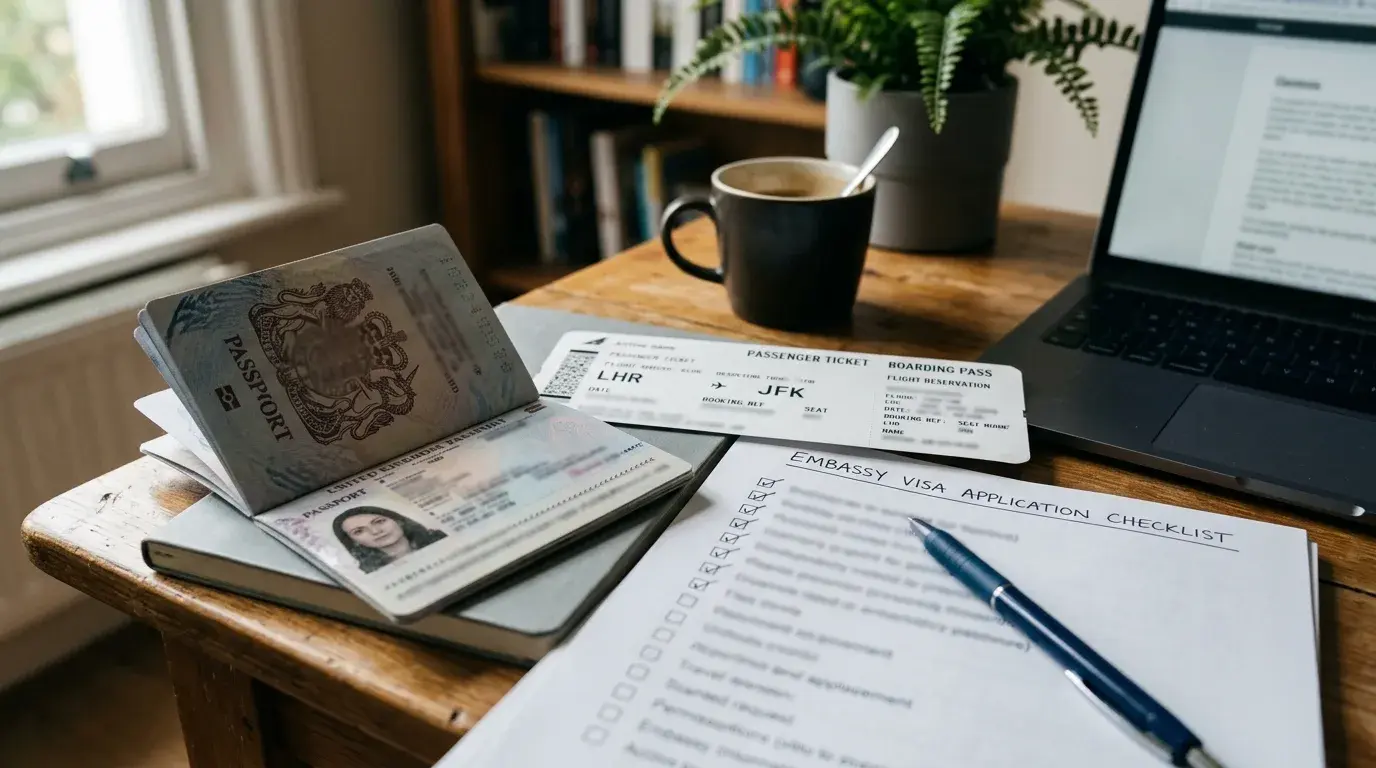
If the crisis has disrupted a visa file and you need to understand the broader role of temporary reservations, start with the Dummy Ticket for Visa 2026 complete guide. It explains the difference between a travel-intent reservation and a paid ticket, then this guide shows how that reservation should be handled when route safety or political conditions change quickly.
When “You Have a Ticket” Stops Being Enough During a Crisis
A confirmed itinerary can look normal right up to the moment it stops being useful. In a war, border emergency or political shock, the real question is not whether your booking exists. It is whether the airline still sees your journey as safe, legal and operationally possible.
Valid reservation versus boardable journey
A valid reservation tells you that space was held, a fare was issued, or a route was linked to your name. A boardable journey is different. It means the airline believes you can lawfully and realistically complete the trip from check-in to arrival.
That gap matters most when conditions change fast. You can hold a confirmed ticket to a country that still accepts your visa class, yet fail the boarding test because your transit point tightened rules overnight. You can also have an active booking to a city that remains open, while the road to the airport, the airport itself or the onward connection has become unstable.
A journey is only boardable when all parts still work together:
- The departure airport is functioning normally.
- The carrier is still operating the route with confidence.
- The transit point still permits the connection.
- The destination remains practically reachable.
- The airline does not expect you to become stranded mid-journey.
- Your documents still match the changed conditions.
During a political crisis, those points can separate quickly. Your reservation may survive on paper longer than the route survives in practice.
Can airlines refuse before a formal cancellation?
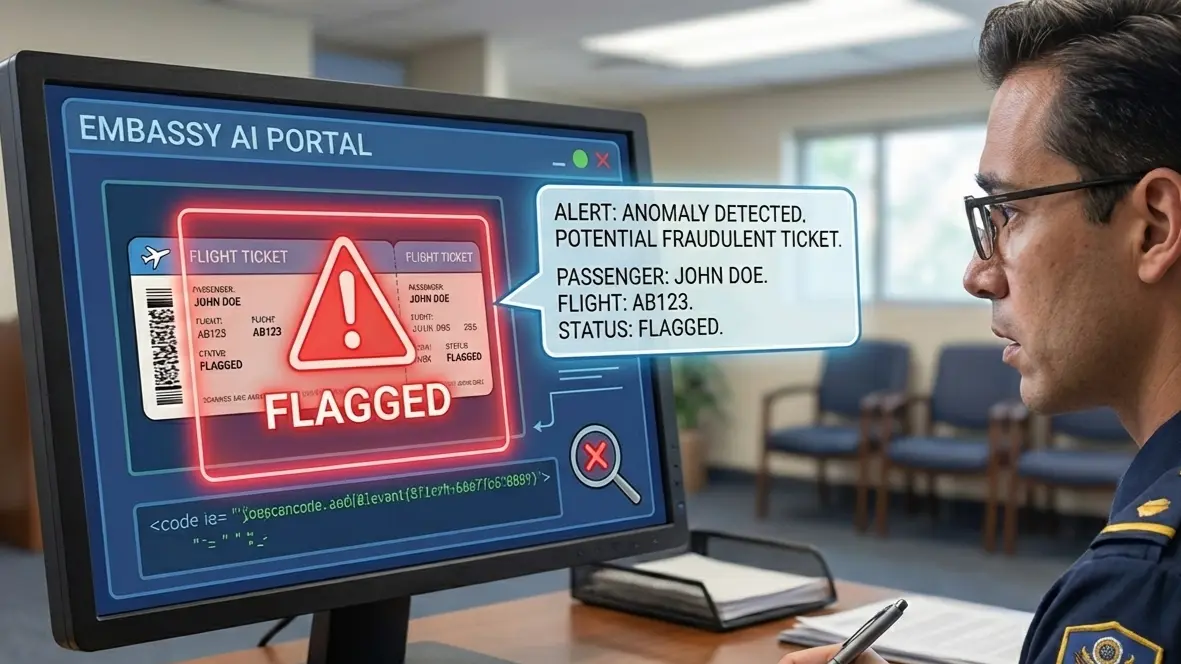
Many travellers assume denial can only happen after a formal cancellation. In real disruption, airlines may act earlier. A flight may still appear in the booking system while frontline staff receive internal guidance about route risk, document concerns, transit uncertainty or government restrictions.
This is especially common when the crisis is moving faster than public messaging. A route may still appear bookable because the system has not fully caught up. The flight may not yet be cancelled, but staff may already know that certain passengers cannot be safely or lawfully carried through a particular connection.
That is why “my ticket still says confirmed” is not enough. Confirmation is a booking status. Boarding is an operational decision.
What can change overnight?
Political shocks create cascading travel problems. One event can affect multiple parts of the journey within hours.
| Change | How it affects boarding | What to check |
|---|---|---|
| Airspace restriction | The airline may reroute, delay, cancel or stop carrying passengers through a region. | Airline alerts, NOTAMs, regulator notices and route updates. |
| Border closure | Passenger may be denied if destination or transit entry is no longer possible. | Destination government and transit-country rules. |
| Airport disruption | Check-in, security, ground handling or departures may become unstable. | Airport operations page and airline service advisory. |
| Travel advisory escalation | Insurance or employer travel approval may be affected. | Government travel advice and policy wording. |
| Transit tightening | A passenger who could connect yesterday may not be permitted today. | Transit visa, airside rules and airline document check. |
The practical skill is to find the first weak link. Do not wait until all links fail.
Why a dummy ticket needs extra caution during crisis travel
A dummy ticket or temporary reservation can help with visa evidence and date planning, but it should not be used to pretend a fragile route is safe. During a crisis, the route itself becomes part of the evidence. If the route passes through unstable airspace, a disrupted hub or a destination under severe advisory, the reservation may create more questions than clarity.
For foundational safety, understand what a dummy ticket is before using one in a crisis. It is a travel-intent document, not a promise that the airline will operate, that airspace will stay open, or that a border authority will admit you.
The five-layer boarding test during crisis travel
During normal travel, passengers often think in one layer: ticket equals flight. During crisis travel, the airline is thinking in at least five layers. If any layer fails, boarding can become uncertain.
| Layer | Question airline staff may ask | Common failure during crisis |
|---|---|---|
| Booking layer | Does the reservation exist and is the passenger on the flight? | Ticket still exists, but the route no longer operates as planned. |
| Document layer | Can the passenger enter or transit according to current rules? | Transit or destination rules changed after booking. |
| Operational layer | Can the aircraft, crew and airport support the journey? | Airspace, curfew, airport staffing or fuel planning changes. |
| Security layer | Is the route safe enough for the airline to operate? | Conflict-zone warnings, missile risk, unrest near airport or security NOTAMs. |
| Stranding layer | Could the passenger become stuck mid-route? | Connection collapses, onward leg cancels or transit country refuses entry. |
This is why boarding can fail even when the booking layer is fine. Travellers who understand the five layers can act earlier, before the counter becomes the first place they discover the weak link.
Normal denied boarding versus crisis denied boarding
Normal denied boarding usually makes people think of overbooking, late check-in, missing documents or unruly behaviour. Crisis denied boarding is different. The airline may not be saying you did anything wrong. It may be saying the journey cannot be safely or lawfully completed under changed conditions.
That difference matters when you request help from the airline. If the issue is overbooking, passenger-rights rules may point one way. If the issue is conflict, airspace closure or government instruction, the airline may treat it as disruption outside its normal control. You still need written proof of what happened, but the remedy may be refund, waiver, rerouting, credit, care or no compensation depending on the route, law and ticket terms.
What to screenshot before the situation changes again
When crisis conditions are moving quickly, save evidence before pages update. Screenshots will not solve everything, but they help you reconstruct the timeline later.
- Your original booking status and itinerary.
- Airline service advisories and route-change notices.
- Airport disruption notices.
- Government travel advice for origin, transit and destination.
- Visa appointment or submission confirmation if relevant.
- Insurance policy wording about conflict, civil unrest and travel advisories.
- Any airline chat, email or counter document explaining the denial or reroute.
Do this calmly. You are not building a courtroom file; you are protecting your ability to explain why the itinerary changed.
How Airlines Actually Make Boarding Decisions When the News Turns Bad
Airline boarding decisions during crisis conditions are not made by one person at the counter guessing from headlines. Frontline staff may be following a mix of system alerts, operations instructions, government restrictions, document-check tools, station manager guidance and airline risk policy.
Operations control can override the booking page
Airline operations teams watch airspace, crew positioning, aircraft routing, fuel requirements, overflight permissions, airport curfews, security risk and diversion options. If a route becomes unsafe or impractical, the booking page may lag behind the operational decision.
This is why a traveller can see “confirmed” online while the counter says boarding is not possible. The counter may be working from a newer operational instruction than the public-facing booking status.
Government instructions can narrow who can travel
In a political crisis, governments can change entry, exit, transit or airspace rules quickly. They can restrict nationals, suspend visa categories, close land borders, limit flights from certain regions, or require airlines to verify additional documents. Airlines that ignore those instructions risk fines, operational penalties or having passengers stranded.
The airline is not only asking whether you bought a ticket. It is asking whether carrying you creates a compliance problem.
Document checks become stricter when routes are unstable
When conditions are calm, staff may review ordinary document requirements quickly. During crisis periods, the same staff may scrutinize details more closely because the cost of a mistake is higher.
- Transit permission may be reviewed more carefully.
- Return or onward proof may be checked if destination rules tighten.
- Visa category and purpose may be compared against new restrictions.
- Passport validity may matter more if rerouting creates extra transit points.
- Accommodation or destination contact details may be requested if evacuation or disruption is likely.
These checks do not mean the airline is acting randomly. They mean the risk environment changed.
Airlines may worry about stranding you
Airlines do not want to carry a passenger into a journey that cannot be completed. If your connection is likely to collapse, the destination airport may close, or the transit country may refuse you, the airline may decide that boarding you creates a bigger problem than delaying you at origin.
This can feel unfair when you are holding a paid ticket. But from an operational perspective, stopping the journey before it begins may be safer than leaving you stranded in a closed airport, conflict-adjacent hub or country where you cannot legally enter.
Passenger rights and refunds may depend on control
IATA’s passenger-rights guidance points to a key distinction: disruptions within an airline’s control are treated differently from events like air traffic control, weather, airport strikes or other outside disruptions. War, airspace closure and political unrest often sit in the “extraordinary” or outside-control category under many passenger-rights systems, though exact rights depend on the departure country, airline, ticket conditions and local law.
Do not assume the same compensation rules apply to every crisis cancellation. Ask the airline for the written reason, keep screenshots, and check the passenger-rights framework for your departure country.
Why airline staff may not give a detailed explanation at the counter
During a fast-moving crisis, the counter agent may not have a long written explanation. They may only see a system instruction, routing block, document warning or station manager message. That can feel vague from the passenger side. It does not always mean the decision is baseless; it may mean the frontline system is compressing a complicated operational decision into a short denial code.
Ask for the cleanest written record available:
- the reason category for denial or non-acceptance;
- whether the flight is cancelled, delayed, rerouted or operating with restrictions;
- whether the issue is document-related, transit-related, security-related or operational;
- whether the airline is offering rebooking, refund, waiver or travel credit;
- which office or channel should handle follow-up.
Do not argue only from emotion. Ask for categories and records. That makes later repair easier.
Who is responsible: airline, airport, government or passenger?
Crisis travel rarely has one clean responsible party. The airline may be reacting to a government restriction. The airport may be affected by local security. The passenger may have documents that were valid yesterday but no longer satisfy a changed transit rule. Insurance may follow government advice rather than airline status.
Think in responsibilities:
| Actor | What they control | What they may not control |
|---|---|---|
| Airline | Whether it accepts passengers, operates route, reroutes or offers waivers. | Foreign government entry rules, airspace closures and insurance coverage. |
| Airport | Terminal operations, security, ground handling and local disruption notices. | Visa validity, airline policy and destination border decisions. |
| Government | Travel advice, entry rules, airspace restrictions and emergency measures. | Private ticket refunds unless local passenger-rights rules apply. |
| Passenger | Documents, route choice, insurance, timing and whether to travel. | War, closures, airline cancellations and sudden official restrictions. |
Once you separate responsibility, you can choose the right next step instead of asking the wrong party for the wrong fix.
Which Part of Your Route Is Most Likely to Break First in a Political Crisis?
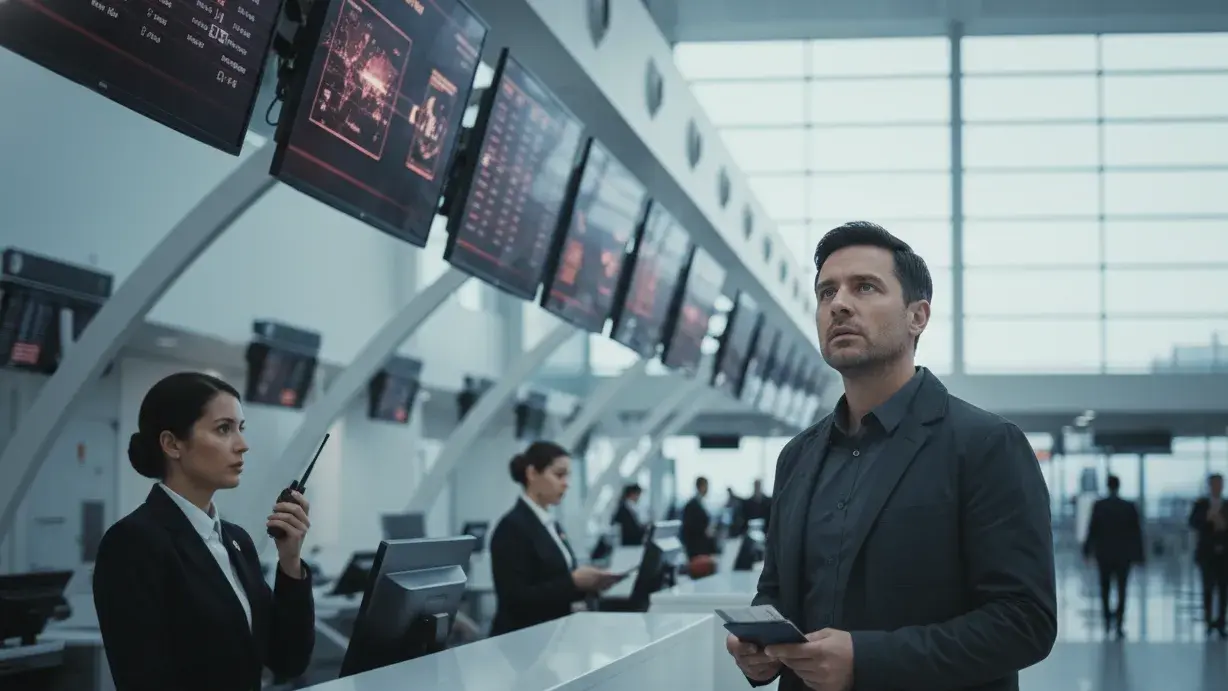
Most travellers look at the destination first. That is logical, but it is not always where the route breaks first. Sometimes the destination remains open while the transit hub becomes impossible. Sometimes the airline keeps flying but the overflight corridor changes. Sometimes the airport works but insurance, employer travel approval or onward proof fails.
Weak point 1: origin airport
Your origin airport can break because of civil unrest, curfew, road closures, fuel shortages, staff shortages or security measures. If you cannot reach the airport safely or check-in counters are not operating normally, the ticket becomes less useful.
Check local transport, airport alerts, curfew rules and whether the airline has moved check-in times. During crisis conditions, arriving at the normal time may be too late.
Weak point 2: transit hub
Transit hubs are often the first hidden failure. You may not be entering the transit country, but the airline still needs to know that you can lawfully and practically connect. If the hub changes rules, closes airspace, restricts certain nationalities, or stops accepting passengers from a region, your whole itinerary can fail.
This is especially important for separate-ticket itineraries. If you must collect bags and re-check, you may need legal entry into the transit country. A crisis can make that requirement stricter or less predictable.
Weak point 3: overflight and airspace
Passengers rarely think about overflight rights, but airlines do. A route can become unworkable if aircraft cannot safely or legally cross certain airspace. The plane may need more fuel, different crew planning, a new aircraft type, or a stopover. In some cases the airline cancels because the reroute is not operationally practical.
FAA restrictions, NOTAMs and similar aviation notices exist because airspace safety changes can be serious. Travellers do not need to read every technical notice, but they should understand that an airline’s decision may be based on airspace risk that is not obvious from the ticket.
Weak point 4: destination border
The destination may change entry rules, suspend visas, require special permits, limit airport operations, or restrict arrivals from certain regions. Your old visa may still be valid on paper, but the airline may need confirmation that it remains usable under the new conditions.
If your destination has issued emergency rules, check official government pages rather than relying on old visa blogs or screenshots.
Weak point 5: onward or return proof
When a country fears overstays, stranded passengers or evacuation pressure, onward proof can get closer attention. A weak onward ticket, expired reservation, mismatched date or fragile connection may become a boarding issue even if it would have passed during calm conditions.
Weak point 6: insurance and employer travel approval
Even when the airline is willing to carry you, your insurer or employer may not support the trip. Government advisories can affect insurance coverage, and employers may block staff travel to high-risk regions. If you travel against advice, you may later discover that medical, evacuation or cancellation coverage is weaker than expected.
This matters for students, workers, business travellers and visa applicants. A flight that technically operates may still be a bad decision if your support system disappears during the trip.
Weak point 7: return leg collapses before outbound travel
Sometimes the outbound flight is fine, but the return or onward leg becomes fragile. Airlines may worry that you can enter but not leave. Immigration authorities may worry about stranded visitors. Your visa file may rely on a return date that no longer looks credible.
If the return leg collapses, do not ignore it simply because the outbound flight still operates. Update the whole route logic.
Weak point 8: local movement after arrival
The destination airport may be open while local movement is unsafe. Roads may be blocked, curfews may apply, trains may stop or the city may be under emergency controls. Airlines may not always assess your hotel transfer, but you should. A boardable flight is not the same as a safe arrival plan.
Route risk scoring before you decide
Use a quick route-risk score before you go to the airport. Give each layer a simple green, amber or red rating.
- Origin airport access.
- Airline operation and waiver status.
- Transit hub stability.
- Destination entry and local safety.
- Return or onward proof.
- Insurance and advisory position.
- Visa and supporting document consistency.
If one layer is red, solve that layer before travelling. If several layers are amber, the journey may be too fragile even without a formal cancellation.
If Your Visa Is Fine but the Route Looks Fragile, What Should You Change First?
If the visa is still valid but the route feels risky, do not rebuild everything at once. Diagnose the failure point and change the smallest part that restores a boardable journey.
Change the transit hub before changing the destination
If your destination remains open but the transit hub is unstable, reroute through a calmer hub. This can be faster and cleaner than changing the whole trip. Choose a transit country where your passport, visa and baggage situation are straightforward.
- Avoid self-transfers during crisis periods.
- Prefer one-ticket itineraries where possible.
- Give yourself longer layovers.
- Check transit visa rules again, even if you checked last month.
- Avoid hubs under fresh travel advisories or airspace warnings.
Change the airline if the carrier is exposed
Some carriers are more exposed to certain conflicts because of their network, nationality, aircraft positioning or overflight patterns. If one carrier is cancelling repeatedly, another may still operate through a different region. Do not assume all airlines see the same route risk.
Change the travel date if the crisis is moving fast
Sometimes the safest change is time. If fighting, protests or border rules are changing hourly, a 48-hour pause can prevent a bad airport experience. This matters for visa applicants whose reservation was built for a submission date rather than actual travel.
Delay can be frustrating, but it may protect both safety and documentation. If you travel into a disruption and cannot reach the destination, your visa timeline can become harder to repair.
Change the onward proof if it no longer survives scrutiny
If the onward or return proof uses a fragile route, expired reservation or risky transit point, update it. A fresh, simpler itinerary can be stronger than an old reservation that technically exists but no longer looks usable.
If you need a visa-focused framework for how flight reservations are reviewed, the Dummy Ticket for Visa guide explains the consistency checks: name, dates, route, purpose and supporting documents. During crisis travel, add one more check: can the route still be completed?
Change the destination only if the purpose changes too
Changing a transit hub is often simple. Changing the destination is bigger. If your visa, hotel, invitation, school, work or event is tied to one country or city, changing the destination can break the application story. Do not swap destinations casually just because another flight is available.
If the destination itself becomes unsafe or closed, the better move may be postponement rather than pretending the original trip can happen somewhere else.
Change the document set when the route changes
Route changes create document changes. A new transit hub may require a transit visa. A new arrival date may require new insurance. A new arrival city may require updated hotel proof. A new return date may require a revised cover letter. Treat the itinerary as connected to the whole file, not as a standalone object.
Use a “minimum-change” repair plan
When the crisis is already stressful, do not over-edit the trip. Use the smallest repair that restores boardability.
- If transit is the problem, change transit first.
- If airspace is the problem, choose a carrier with safer routing.
- If timing is the problem, move the date.
- If documents are the problem, update the document set.
- If destination safety is the problem, pause travel.
This hierarchy prevents panic decisions. The goal is a stable, explainable itinerary, not a completely new travel story every time the news changes.
Use DummyFlights to prepare a reviewable flight-reservation PDF that can be aligned with updated dates, safer routing and visa-document consistency.
What Airline Staff and Check-In Systems Want to See When Conditions Change Fast
When crisis conditions change quickly, check-in becomes less routine. Staff may need to confirm that your journey is not only booked, but also document-compliant and operationally realistic.
Carry evidence in layers
Do not rely on one screenshot. Carry the documents that explain the route.
- Passport and visa or entry authorization.
- Airline itinerary and booking reference.
- Updated onward or return proof if required.
- Transit visa or exemption evidence if relevant.
- Accommodation or host details for the destination.
- Official travel approval if travelling for work or study.
- Insurance details and emergency contacts.
- Airline disruption notice, waiver or rebooking confirmation if available.
Expect different checks at different counters
Online check-in, bag drop, document verification, security, gate boarding and transit transfer can all involve different checks. Passing one stage does not always mean every later stage is safe. During a crisis, a gate agent may receive a new instruction after you already checked in.
This is why you should stay near airline communication channels and monitor alerts until boarding is complete.
Keep answers short and consistent
In crisis travel, unclear answers create friction. Know your route, purpose, destination address, transit rules and onward plan. Do not improvise a different reason for travel at the counter from the one in your visa documents.
- “I am travelling to Paris for a visa-approved visit and have updated onward proof.”
- “My original transit through X was changed because of disruption; this new route avoids that hub.”
- “My destination remains open and my accommodation starts on this date.”
- “I have checked transit rules for this connection and do not need to enter the transit country.”
Do not hide crisis-related route changes
If your route changed because of airspace closure, political unrest or airline disruption, say so plainly if asked. Hiding the reason can make the file look suspicious. A clean explanation is stronger: the original route became fragile, so you selected a safer routing that keeps the same destination and visa timeline.
What not to say at check-in
Stress makes people overtalk. During a crisis, overexplaining can create confusion. Avoid dramatic or uncertain statements that make staff think the journey is not controlled.
- Do not say “I hope they let me enter” if you actually have valid documents.
- Do not say “I will figure out transit there” if transit rules are the weak point.
- Do not say “my onward ticket is just for show” even if you are using a temporary reservation.
- Do not say “the embassy does not care about the new route” if documents changed.
- Do not say “the airline website still says confirmed” as your only argument.
Use factual answers. The staff need to know that your documents and route still work. They do not need a debate about the news.
How to handle online check-in failure
Online check-in may fail during crisis periods because the airline wants manual document review, because the route is under special handling, or because the system cannot verify transit eligibility. This does not always mean you are denied. It means you should act early.
- Check the airline service advisory.
- Contact the airline before going to the airport if time allows.
- Ask whether the issue is document review, route disruption or operational restriction.
- Prepare printed and offline copies of key documents.
- Arrive earlier than normal if the airline confirms manual check-in is required.
Do not wait until the normal cutoff time. Crisis check-in queues can move slowly because every passenger has a different problem.
If the gate decision changes after check-in
Passing check-in does not always end the risk. A new NOTAM, airspace closure, security update or government instruction can change the gate decision. If that happens, ask whether you are being denied boarding individually or whether the flight/route is disrupted for a wider group of passengers.
The distinction matters. An individual denial may relate to documents. A wider route disruption may relate to operations or safety. The repair path is different.
How to Protect Your Visa Timeline When Conflict Disrupts a Flight Reservation After Submission
A crisis can disrupt a flight reservation after you already submitted a visa application. That is stressful because the original itinerary may now be stale, cancelled or unsafe. The solution is not to panic-edit documents. It is to preserve a clean record and update through the right channel if needed.
First decide whether the visa file needs an update
Not every flight disruption requires an immediate visa update. If the travel date is far away and the route can be rebooked later without changing the trip purpose, you may simply wait. If the appointment is near, the decision is pending, or the embassy requests updated proof, you may need a fresh itinerary.
Ask three questions:
- Did the entry date change?
- Did the destination or main stay change?
- Did supporting documents such as hotel, insurance or invitation dates change?
If the answer is yes, update the whole document set, not only the ticket.
Keep old and new versions separated
Do not submit two conflicting itineraries without explanation. If the original was disrupted by conflict, keep a copy for your records, but submit the current version if the embassy asks for updated travel proof. Your cover note can briefly state that the route was changed due to airline disruption or safety concerns.
Refresh instead of manually editing
Manual PDF edits create risk. If dates or route changed, create a clean updated reservation. The new itinerary should match the same passport name, visa purpose and supporting documents.
Protect appointment and insurance timing
If the flight moves, insurance and hotel dates may need to move too. A common mistake is changing the flight but leaving insurance on the old dates. During crisis disruptions, officers may understand that routes change, but they still expect the final submitted file to be coherent.
When to use a flexible dummy ticket
A flexible dummy ticket can help when travel intent is real but route certainty is low. It is most useful when the visa application requires a flight itinerary but buying a paid ticket during a crisis is financially risky. It is less useful if the destination itself is unsafe or closed. In that case, the travel plan may need to pause rather than refresh.
How to write a short update note after disruption
If you must update a visa office, employer, school or appointment provider, keep the note short and document-based. Do not write a long essay about politics. State what changed and what you updated.
A clean note can follow this structure:
- Original itinerary date and route.
- Reason for change: airline disruption, airspace restriction, official advisory or safety concern.
- New itinerary date and route.
- Confirmation that hotel, insurance, invitation or appointment dates were updated if needed.
- Statement that the trip purpose remains the same.
This helps the reviewer understand that the change is controlled. The more dramatic the outside event, the simpler your explanation should be.
How to protect Schengen-style files
For Schengen-style visa files, the main risk is date and country consistency. If a route change moves the entry country, arrival date or main-stay logic, the file may need more than a new ticket. Insurance dates, hotel reservations and main-destination explanation may need to move too.
If the visa was issued for a specific travel window, check whether the new plan still fits the visa validity, duration and entry conditions. Do not assume that a rebooked flight outside the original logic is automatically fine.
How to protect work, study and family files
Work and study files often depend on a start date. Family or invitation files often depend on a host event or relationship timeline. If conflict disrupts travel, the replacement itinerary should preserve the anchor date where possible. If the anchor date changes, get updated employer, school, host or invitation evidence.
Do not let the flight become the only updated document. In long-stay or purpose-specific files, the flight is downstream from the main evidence.
When to request a fresh reservation versus a final paid ticket
Before visa approval or while conditions are unstable, a fresh reservation may be enough to show updated intent. After approval and once the route stabilizes, a final paid ticket may be appropriate. The problem is buying too early in a situation where the route may change again tomorrow.
| Situation | Better move | Why |
|---|---|---|
| Visa appointment needs updated itinerary but route still uncertain | Fresh temporary reservation | Shows current plan without locking risky spend. |
| Visa approved and airline route stable | Final ticket | Travel is closer and dates are safer to lock. |
| Destination under severe advisory | Pause travel | Ticket format cannot fix safety or insurance exposure. |
| Transit hub unstable but destination open | Reroute through safer hub | Preserves trip purpose while repairing weak link. |
When It Is Smarter Not to Fly at All — Even If the Airline Has Not Cancelled Yet
The hardest decision is not always “which route?” Sometimes it is “should I fly at all?” If the airline has not cancelled but the situation is deteriorating, the safest option may be to wait.
Do not fly when official advice says the risk is too high
Government travel advice exists because risks can exceed ordinary travel inconvenience. The UK FCDO says it may advise against travel due to armed conflict, coups, civil unrest and similar conditions, and warns that travel against advice can affect insurance. Other governments issue similar advisory levels.
If your destination or transit point has escalated to a severe advisory, do not treat a cheap fare as the deciding factor. Check insurance, employer obligations, family safety and whether you can leave again if conditions worsen.
Do not fly when the route has no safe fallback
A route with no safe fallback is fragile. If the transit hub closes, where do you go? If the destination airport closes, can the airline divert? If the onward leg cancels, can you legally remain in the transit country? If the answer is unclear, the route is not strong.
Do not fly just to “save” a visa date
Visa applicants sometimes feel forced to travel because a reservation, appointment or approval window is tied to a date. That pressure is real, but safety comes first. If conflict conditions make travel unsafe, document the disruption and ask the relevant authority or adviser about the correct next step.
Do not fly if your documents no longer match the new route
A reroute can create new document requirements. A different transit country may require a transit visa. A longer layover may require entry permission. A new arrival city may affect hotel dates. If the documents no longer match, pause and fix them before travel.
Choose the route you can actually trust
The best route during a crisis is not always the cheapest or shortest. It is the route with the fewest fragile assumptions. Prefer stable hubs, one-ticket itineraries, realistic layovers, clear transit rules, updated travel proof and documents that match the changed plan.
A confirmed ticket is useful. A valid visa is important. But during war or political crisis, the real test is whether the whole journey is still boardable. When the answer is uncertain, change the weak link before the airline changes the decision for you.
Red-line conditions: stop and reassess
Some warning signs should stop the trip until you reassess. They do not always mean travel is impossible, but they mean the risk has moved beyond ordinary delay.
- Official advice changes to “do not travel” or equivalent severe warning.
- Your insurer says the route or destination is not covered.
- The airline removes online check-in and cannot confirm acceptance.
- The transit country changes rules for your passport or visa status.
- The destination airport remains open but local movement is unsafe.
- Your onward or return proof collapses and cannot be replaced logically.
- Your visa, hotel, insurance and flight dates no longer match.
Decision tree for crisis travel
Use this sequence before leaving for the airport:
- Is the destination officially open and reasonably safe for your purpose?
- Is the transit route legal for your passport and documents?
- Is the airline still operating the full route or offering a waiver?
- Does insurance still cover the journey?
- Do hotel, invitation, work, study or visa dates still match?
- Can you leave the destination if conditions worsen?
- Can you explain the route in one minute without contradictions?
If the answer is no at the top of the tree, do not solve the bottom first. A new ticket is not useful when the destination itself is the problem. If the answer is yes at the top but no in the middle, repair the weak route layer. If the only issue is document consistency, update the file.
After a denial: what to do in the first hour
If boarding is denied, the first hour matters. You are collecting facts, not trying to solve every consequence at once.
- Ask for the reason category in writing if possible.
- Ask whether the issue is personal documents, route disruption or flight-wide restriction.
- Ask what rebooking, waiver or refund options are available.
- Save screenshots of the flight status, advisory and airline messages.
- Contact your insurer if travel advice or conflict is involved.
- If a visa timeline is affected, note the date and reason for later explanation.
Do not delete the old itinerary. Keep it as evidence of the disruption. But do not keep using it as current travel proof if the route is no longer viable.
Real Crisis Scenarios and the Smart Move
Every crisis route breaks differently. The safest response depends on whether the problem is airspace, transit, destination rules, airline operations, visa timing or insurance. Use these scenarios as models rather than scripts.
Scenario 1: Your destination is open, but the transit hub becomes risky
This is one of the most common patterns. Your visa is valid. Your destination has not closed. But the hub you planned to use is suddenly affected by unrest, airspace warnings, strikes, attacks, curfew or government restrictions.
Smart move: reroute through a calmer hub while keeping the same destination and travel purpose. Update the itinerary and check whether the new transit country requires a visa. If your visa file already contains the old route, keep the destination and trip dates aligned so the change looks like a route repair, not a new trip.
Scenario 2: The airline cancels your route, but other carriers still fly
Different airlines may react differently because their aircraft, crew bases, overflight permissions and risk policies are different. One airline may cancel while another continues through a safer corridor.
Smart move: compare carriers by operational stability, not only price. A slightly more expensive route with clear transit rules can be better than a cheap replacement through another fragile hub. If using a reservation for visa proof, choose the route you would actually be willing to fly if approved.
Scenario 3: Your visa appointment is tomorrow and the flight reservation just became unusable
This is a document-timing problem. The old reservation may no longer support the file because the route is cancelled or unsafe. But rewriting the entire application overnight can create errors.
Smart move: create a clean updated itinerary with the same destination, same purpose and matching support dates. If hotel or insurance dates need to move, update them too. If the change is significant, add a short note explaining that the route was updated because of airline disruption or safety-related rerouting.
Scenario 4: The destination advisory escalates after visa approval
This is not just a ticketing problem. It is a safety and insurance problem. The airline may still operate, but government advice, employer approval, university policy or insurance coverage may now change the real risk.
Smart move: pause and check official advice, insurance terms and whether the trip remains essential. Do not fly only because the visa was hard to get. A visa permits travel under certain conditions; it does not make unsafe conditions safe.
Scenario 5: You are already in transit when the route changes
This is the most stressful version because your options are narrower. The onward leg may cancel while you are in the hub. The transit country may not let you enter. Hotels may be full. The airline may be rebooking many passengers at once.
Smart move: stay inside the airline’s official handling channel. Ask whether you are being rebooked, returned to origin, held for a later flight or required to clear immigration. Do not leave the airside area unless you are sure you can legally enter. Contact your insurer and keep all receipts if the airline instructs you to arrange accommodation.
Scenario 6: Your onward proof is now through a country under restriction
This often happens with proof-of-onward-travel documents. The main trip may still work, but the onward route now looks unrealistic because the onward country or transit point is disrupted.
Smart move: replace the onward proof with a route that remains realistic. Do not keep an onward ticket simply because it was the one originally submitted. During crisis periods, stale onward proof can create more doubt than no explanation.
Scenario 7: Airline staff say the visa is fine but the route is not
This is actually useful information. It means the issue may not be your immigration eligibility. It may be transit, airspace, airline operation or destination feasibility.
Smart move: ask which part of the route is failing. If the answer is transit, reroute. If the answer is destination restrictions, pause. If the answer is airline policy, ask whether another carrier or future date is acceptable. Diagnose before buying a replacement.
Passenger Rights, Refunds and Evidence During Crisis Disruption
When a crisis disrupts travel, passengers often ask, “Do I get compensation?” The honest answer depends on where the flight departs, which airline operates it, what caused the disruption, and what the ticket conditions say. War, political unrest, airspace restrictions and government orders are often treated differently from airline-controlled problems.
Refund, reroute, waiver and compensation are different
These terms get mixed together, but they are not the same.
| Term | Meaning | Why it matters |
|---|---|---|
| Refund | Money back for an unused ticket or cancelled service, depending on rules. | May be available even when compensation is not. |
| Reroute | Airline moves you to another route or carrier option. | May preserve travel without needing a new visa itinerary. |
| Waiver | Airline relaxes change fees or fare rules for affected routes. | Useful when you need date flexibility. |
| Compensation | Additional statutory or policy payment for certain disruptions. | Often depends on whether disruption was within airline control. |
| Care assistance | Meals, hotel or communication support in some delay/cancellation situations. | Rules vary by jurisdiction and situation. |
Ask the airline which category applies. A passenger who asks only for “compensation” may miss a useful waiver or reroute. A passenger who accepts a refund too quickly may lose a rebooking option. Read the offer carefully before deciding.
Evidence to keep for insurance or visa repair
If you later need to claim insurance, explain a missed visa appointment or update a travel file, evidence matters. Keep:
- original ticket or reservation;
- airline cancellation or denial message;
- screenshots of service advisories;
- government travel advice on the date of disruption;
- receipts for hotels, transport and replacement tickets;
- proof of communication with airline, insurer or visa office;
- updated itinerary and supporting documents.
Organize these by date. Crisis timelines can become confusing after the fact, especially if several airlines or governments update advice on the same day.
When not to accept a rushed replacement route
A replacement route is not automatically better than a cancelled route. If the new route has a risky transit country, tight connection, separate-ticket transfer or destination mismatch, it may create another denial later.
Before accepting, check whether:
- the new route avoids the disrupted region;
- the connection is legally possible for your passport;
- the destination arrival date still matches your visa and hotel dates;
- the airline protects you through the whole itinerary;
- the return or onward leg still works.
How to Keep Visa Documents Clean After Crisis Rerouting
Crisis rerouting often creates a paper trail. That is fine if the paper trail is clean. It becomes a problem when old and new versions conflict without explanation.
Keep one current itinerary in the live file
Your live visa file should contain one current itinerary. Keep older versions in your records, but do not upload or print several competing routes unless the visa office specifically asks for disruption history. Too many versions can make the application look messy.
Update linked documents in the right order
When the flight changes, update documents in this order:
- Travel dates and route.
- Accommodation dates.
- Insurance dates.
- Invitation, employer, school or event timing if affected.
- Cover letter or explanation note.
- Final PDF packet or CMS article fields if you are publishing a guide.
This order prevents the most common mismatch: new flight, old hotel, old insurance, old explanation.
Do not turn a crisis explanation into a fear signal
A short explanation is enough. “The original transit route was changed due to airline disruption and updated routing now avoids the affected hub” is usually cleaner than a long emotional description of the conflict. Visa reviewers need document clarity, not a news essay.
Use neutral wording
Words matter. Avoid exaggeration. Do not write “dangerous war zone route” if the actual issue was a temporary airline reroute. Do not write “airport closed” if the airport was operating but your connection was cancelled. Use neutral, verifiable wording.
- “Updated due to airline schedule disruption.”
- “Rerouted to avoid affected transit hub.”
- “Travel dates adjusted to match revised flight availability.”
- “Accommodation and insurance dates updated accordingly.”
Neutral wording makes you sound organized. Dramatic wording can create new questions.
FAQ
Can airlines deny boarding during war or political crisis?
Yes. Airlines can refuse boarding if the journey no longer appears safe, legal or operationally possible because of airspace restrictions, government instructions, border closures, transit problems, security risks or document concerns.
Can I be denied boarding even if my ticket is confirmed?
Yes. A confirmed ticket is a booking status, not a guarantee of boarding. Airline staff may still deny boarding if route conditions, entry rules or operational instructions change before departure.
Does a valid visa guarantee boarding during a crisis?
No. A valid visa helps with destination entry, but the airline may still consider transit rules, airspace safety, airport operations, government restrictions and whether the journey can be completed.
What breaks first during political travel disruption?
The first weak point is often the transit hub, airspace corridor, destination border, airline operation or airport access. The destination may remain open while the route to reach it becomes impractical.
Should I change my transit route during a crisis?
If the transit hub is unstable, yes, changing the hub can be the cleanest fix. Prefer one-ticket routes, calmer hubs, realistic layovers and transit rules that clearly fit your passport.
Can a dummy ticket help during war or political crisis?
A dummy ticket can support updated travel-proof dates when a visa file needs an itinerary, but it cannot make an unsafe or closed route boardable. Use it only when the destination and route remain realistic.
What documents should I carry at check-in during a crisis?
Carry your passport, visa, itinerary, updated onward or return proof if required, transit documents, destination address, insurance, emergency contacts and any airline disruption or rebooking notice.
Should I update my visa file if a flight is disrupted after submission?
Update only if dates, route, destination, hotel, insurance or invitation timing changes in a way that affects the application. If asked for updated proof, provide one current version and avoid conflicting itineraries.
Can travel advisories affect insurance?
Yes. Government travel advice can affect insurance coverage depending on the policy. For example, the UK FCDO warns that travelling against official advice may invalidate insurance.
When is it smarter not to fly?
It may be smarter not to fly when official advice warns against travel, the route has no safe fallback, documents no longer match the reroute, or conditions are changing faster than airlines and borders can stabilize.