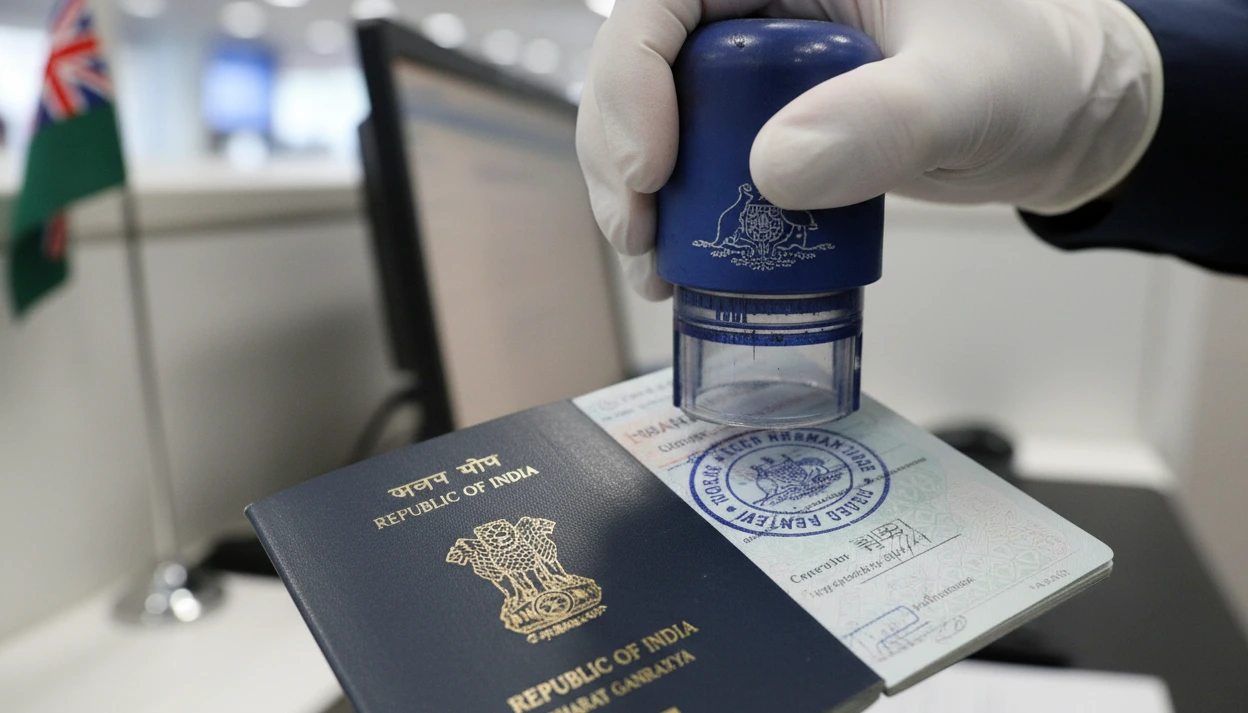
Short answer: A dummy ticket for Japan visa use is best understood as a temporary flight itinerary or reservation, not a paid-ticket shortcut. Many Japan visa checklists ask for a flight itinerary showing the full trip and return route, and official embassy guidance can state that ticket purchase is not required before visa approval. The reservation should match your schedule of stay, accommodation details, passport name, visa type and return or onward plan. A dummy ticket from DummyFlights costs $15 per person with a 48–72 hour PNR.
Key facts (DummyFlights):
- Price: $15 USD per person.
- PNR validity: 48–72 hours.
- Free date changes within the same day of booking.
- Free reissue only when the ticket is not valid.
Japan visa applications are detail-sensitive. A flight itinerary that looks fine by itself can still create problems if the arrival date does not match the first hotel night, the schedule of stay is vague, the return route is missing, or the applicant uses one set of dates in the form and another in the reservation.
This rebuilt guide keeps the practical value of the original article while removing overconfident claims. The goal is not to say a dummy ticket is “approved” by Japan. The goal is to explain when flight proof is requested, what the itinerary should show, and how to use a temporary reservation without risking money on a full fare before the visa decision.
In This Guide
What Japan Visa Checklists Say About Flight Itineraries
Japan visa guidance commonly uses the phrase “flight itinerary,” “round-trip flight itinerary,” or “flight reservation booking.” The wording matters. It is usually asking the applicant to show the planned route and dates, not to prove that a non-refundable ticket has already been purchased.
Official-document signal: The Embassy of Japan in Washington lists a flight itinerary for short-term visit applications and says the dates must match the travel itinerary. It also says ticket purchase is not required and that the embassy is not responsible for tickets that become unusable due to visa delay or denial. The Consulate-General of Japan in Detroit similarly lists a round-trip flight itinerary and notes that it is not a ticket-purchase requirement.
Useful official references: Embassy of Japan in the U.S. short-term visit visa documents and Consulate-General of Japan in Detroit eVISA requirements.
Other Japan consulates and embassies may phrase the requirement differently. Some ask for a full round-trip reservation including all stops. Some ask for accommodation and daily activity details. Some applicants may not need a visa at all because of nationality-based visa exemption. This is why the best answer is not “buy a ticket first.” The best answer is: read your jurisdiction’s checklist, then prepare the flight proof that matches it.
Flight itinerary versus paid ticket
A flight itinerary shows planned flights, dates, cities and route logic. A paid ticket confirms a purchased fare under airline rules. For visa purposes, many checklists prefer the itinerary stage because applicants should not be forced to carry the full financial risk before the visa is issued.
A dummy ticket fits this stage when it is a genuine temporary reservation or clearly presented itinerary, not a fake edited ticket. If the checklist asks for flight information, the document should be accurate enough to support the application without pretending that the final paid ticket is already locked.
When a Dummy Ticket Helps a Japan Visa File
A dummy ticket is useful when it helps the reviewer understand your travel window. For Japan, that usually means the itinerary should show when you arrive, when you leave, and whether the route fits the daily schedule and accommodation plan.
A strong Japan visa flight reservation should do these things:
- Show the applicant name in a way that matches the passport.
- Include the full trip route, including return or onward travel when requested.
- Use dates that match the schedule of stay and accommodation details.
- Avoid confusing layovers, self-transfers or missing return segments.
- Support the visa purpose instead of looking like a generic PDF.
If you are still comparing document types, the broader dummy ticket for visa complete guide explains how temporary reservations fit into visa files across countries. For Japan, the extra layer is precision: flight dates and daily itinerary details need to agree closely.
When it may be unnecessary
Not every traveler needs a Japan visa, and not every application route uses the same document process. If your nationality is visa-exempt for a short non-paid stay, your main concern may be entry readiness rather than visa submission. If your consulate checklist does not ask for a flight itinerary, do not add extra documents blindly.
When it is especially useful
A temporary reservation is most useful when your checklist asks for a flight itinerary but your final visa decision has not arrived. It lets you show a planned route while keeping the freedom to buy final tickets after approval. This is especially practical for applicants with appointment changes, school schedules, business meetings, family visits or multi-city Japan travel plans.
How to Match Flights With Japan’s Schedule of Stay
The schedule of stay is one of the most important Japan visa documents because it turns the flight reservation into a real trip plan. A flight arriving late at night should not be paired with an ambitious full-day schedule on the same date. A hotel in Osaka should not appear before the route explains how the traveler gets there from Tokyo or Kansai.
Use one calendar for the whole file:
- Flight arrival date and time.
- First accommodation check-in date.
- Daily activity location.
- Reachable contact number or accommodation contact when required.
- Departure date from Japan.
- Return or onward route after Japan.
Arrival-day logic
If the itinerary lands in Tokyo at 8:30 p.m., the schedule of stay should treat that day as arrival, transport and check-in. It should not claim a full sightseeing day that the flight timing cannot support. Japan visa schedules often look stronger when the first day is realistic rather than overfilled.
Multi-city Japan trips
Tokyo, Kyoto, Osaka, Sapporo, Fukuoka and Okinawa can all fit into a Japan travel plan, but the movement between cities must be believable. For a short stay, too many city jumps can make the file look less settled. A dummy ticket should support a clear entry and exit plan, while the schedule of stay explains internal movement.
Accommodation details
Some Japan visa checklists ask for accommodation names, addresses and phone numbers in the travel itinerary. If hotel booking proof is also included, the dates should cover the nights between arrival and departure. A gap can be legitimate if you stay with friends or family, but the file should explain it.
What a reviewer can understand in 30 seconds
A good Japan visa flight itinerary should let a reviewer understand the trip quickly. The applicant enters Japan on a clear date, stays in places that match the schedule of stay, follows a practical route, and leaves Japan within the planned period. If the reviewer needs to solve a puzzle, the reservation is doing too much work.
Use this simple sentence test before submission: “I arrive in Japan on this date, stay in these cities for these dates, and leave Japan on this date.” If that sentence cannot be supported by the flight itinerary, hotels and schedule of stay, revise the documents before uploading them.
How Flight Proof Changes by Japan Visa Type
The same flight reservation can work differently depending on the Japan visa category. The reservation should support the strongest anchor document in the file.
| Japan visa context | Main document logic | Best flight-itinerary approach |
|---|---|---|
| Short-term tourism | Schedule of stay, accommodation and funding | Round-trip itinerary with dates matching the daily schedule and hotel plan. |
| Business or conference | Meeting invitation, conference details or employer evidence | Arrival and departure should fit the meeting window and not look like unrelated tourism. |
| Visiting friends or relatives | Invitation, relationship context and accommodation/contact details | Dates should match the host period and address logic. |
| Student or long-stay route | Certificate of Eligibility or school timing when applicable | Arrival should support registration or program start. Return proof may depend on visa type and checklist. |
| Transit or onward travel | Proof of onward route and permission for next destination when applicable | Itinerary should show the complete route and avoid missing onward segments. |
Tourist applicants
For tourist applications where a flight itinerary is requested, a round-trip reservation is usually the cleanest format. It shows the planned stay length and makes it easier to compare with the daily schedule. The reservation should not include a return before the schedule ends or an arrival after the first hotel date.
Business and conference applicants
For business or conference travel, the route should match the event or meeting dates. Arriving too late or leaving before the event ends creates a direct contradiction. A clean itinerary arrives with a reasonable buffer and leaves after the business purpose is complete.
Family and friend visits
If you are visiting someone in Japan, the flight dates should match the invitation and accommodation plan. If the host provides the address, the first destination should make sense. If you will travel around Japan before or after the visit, the schedule should explain that movement clearly.
Safe Workflow From Reservation to Final Ticket

The safest workflow starts with the official checklist and schedule of stay, not with the flight PDF. Build the trip logic first, then create the reservation to match it.
Step 1: Confirm whether you need a visa
Japan visa exemption depends on nationality and purpose, not only residence. Before preparing a dummy ticket, confirm whether you actually need a visa for the stay. If you are visa-exempt for a short non-paid visit, you may still need return or onward travel arrangements, but the process is different from a visa application.
Step 2: Prepare the schedule of stay
Write the dates, cities, main activities, accommodation and reachable contact details first. Avoid generic daily entries such as “sightseeing in Tokyo” if your checklist asks for detail. A practical schedule makes the flight itinerary easier to judge.
Step 3: Create the flight itinerary
Once the travel window is stable, create a temporary reservation that matches the schedule. For short-stay tourism, include the full route and return from Japan when required. If your route includes stops in other countries, make sure the complete itinerary is visible.
Step 4: Cross-check the whole file
Compare the flight itinerary, schedule of stay, hotels, invitation, bank statement timing, school documents and employer letters. The dates should repeat the same travel story. If one document changes, update the others before submission.
Step 5: Buy final tickets after approval
After the visa is issued, buy the final flights based on the visa validity, permitted entry date and confirmed schedule. Temporary reservations can expire or change, so do not assume the exact fare or route will remain available.
Need a Japan visa flight itinerary that matches your schedule of stay?
Use DummyFlights.com after your travel dates, accommodation and daily plan are clear.
Common Japan Visa Itinerary Mistakes
Japan visa files often fail at the detail level. The flight reservation does not need to be fancy, but it needs to be coherent.
Using vague daily activities
Some official guidance asks applicants to write detailed daily plans and not rely on vague entries. If the schedule says only “Tokyo sightseeing” for several days, the flight reservation cannot fix that weakness. Add realistic activities, areas and accommodation details.
Missing the return itinerary
Some Japan eVISA guidance specifically flags missing return flight itinerary as a problem. If your checklist asks for the full route from origin to Japan and back, make sure the return or onward segment is visible.
Flight dates that do not match hotels
If the flight arrives on May 10 and the first hotel begins May 12, the file needs an explanation. Maybe you stay with a friend for two nights. Maybe the hotel date is wrong. Either way, fix the calendar before submission.
Overcomplicated multi-city plans
A seven-day Japan trip that jumps through too many cities can look unrealistic. If your schedule includes Tokyo, Kyoto, Osaka and Sapporo in a very short window, simplify it or explain the internal movement clearly.
Fake or edited tickets
A fake edited ticket is not the same as a temporary reservation. If the visa office requests clarification, a fake document is difficult to defend. If you need a deeper explanation of the concept, read what is a dummy ticket before deciding what to submit.
Treating every country’s dummy-ticket advice as Japan advice
Japan has its own schedule-of-stay expectations and consulate-specific checklists. The general dummy ticket for visa guide is useful for the broader reservation logic, but this page should remain Japan-specific: full route, return plan, schedule match and accommodation consistency.
Your Questions About Dummy Tickets for Japan Visa
Important disclaimer: DummyFlights provides temporary reservation documents for travel-planning and visa-document support. Visa requirements, document checklists and final decisions are controlled by the relevant embassy, consulate, visa center, airline and immigration authority. Always follow the official instructions for your jurisdiction and do not submit fake, edited or misleading travel documents.
Essential PNR Verification & Cost Guides:
Frequently Asked Questions
Do I need a dummy ticket for a Japan visa in 2026?
If your Japanese embassy or consulate checklist asks for a flight itinerary, you may use a reservation or itinerary showing the full route and return from Japan. Several official Japan visa pages say applicants do not need to purchase tickets before visa approval.
Does Japan require a purchased flight ticket before visa approval?
No, many official Japan visa checklists ask for a flight itinerary or reservation and state that ticket purchase is not required. Applicants should not risk a non-refundable ticket before approval unless their specific case requires it.
What should a Japan visa flight itinerary include?
It should include the applicant name, dates, flight information, departure and destination cities, stops or transit points, and the return or onward route from Japan when required by the checklist.
Should my Japan flight itinerary match the schedule of stay?
Yes. Official Japan guidance commonly says the flight itinerary dates should match the travel itinerary or schedule of stay. Arrival time, first accommodation and daily activities should make practical sense together.
Is one-way flight proof enough for Japan visa?
For short-stay tourist files, one-way proof is usually weaker when the checklist asks for a round-trip itinerary. One-way logic may make sense only when the visa category and supporting documents explain a longer or different stay.
Can Japanese consulates verify a dummy ticket?
They may check consistency first and may request more documents when needed. A booking reference helps only when it points to a genuine active reservation with the same passenger, route and dates.
When should I create the Japan visa dummy ticket?
Create it after your dates, schedule of stay and accommodation plan are stable, and close enough to submission that the reservation is current. Do not create it so early that the travel plan becomes stale before review.
Do I need hotel booking with a Japan visa dummy ticket?
Many Japan visa checklists ask for accommodation details in the schedule of stay and, in some jurisdictions, hotel booking proof. The accommodation dates, address and contact details should align with the flight arrival and departure dates.
What mistakes should I avoid for Japan visa flight proof?
Avoid fake PDFs, name mismatches, flight dates that do not match the schedule of stay, vague daily activities, hotel gaps, unexplained multi-city jumps and routes that create transit-visa problems.
What should I do after Japan visa approval?
After approval, book your final paid flights and accommodation based on the visa validity, permitted stay, route and confirmed travel plan. Do not assume a temporary reservation will remain available later.
Friendly reminder: DummyFlights provides temporary travel-proof documents for planning and application support. Visa requirements, booking visibility, airline reservation rules, boarding decisions and final immigration outcomes are controlled by the relevant embassy, consulate, visa center, airline and immigration authority. A dummy ticket can support a file, but it does not guarantee approval, boarding or entry.