

Peak season quietly rewrites every calculation behind your onward ticket. Airlines close cheap fare classes faster, popular routes fill weeks in advance, airport counters become crowded, and border officers often have less time to untangle messy explanations. At the same time, high-volume travel windows can make authorities more alert to weak documents, suspiciously random routes and travelers who appear to be entering without a clear exit plan.
That is why “any random onward date” is weaker during a peak travel window. A ticket onward for July Europe, Eid Gulf travel, Lunar New Year Asia movement, school-holiday family trips, Christmas travel or festival-season arrivals should look like something a real traveler would actually use. The document does not need to be loud. It needs to be believable, current and easy to explain.
This guide shows how peak season changes onward-ticket timing, route choice, visa appointment planning, airport scrutiny, family coordination and post-entry disruption risk. It also explains when to create temporary travel proof, what to check before landing, and how to avoid making a clean trip look suspicious just because the date falls inside a crowded travel period.
Key facts for peak-season onward tickets:
- Peak-season proof should match real travel patterns, not just visa validity dates.
- Airlines may check onward proof harder when destination rules are strict or flights are crowded.
- Holiday, festival and school-break timing can make random exit dates look weaker.
- Visa backlogs can create a wider gap between reservation timing and travel timing.
- A fresh, readable onward ticket is strongest when airport counters are busy and manual checks are likely.
Entering during a crowded travel window? Create clean onward proof with DummyFlights before peak-season airline checks turn a simple route into a stressful counter conversation.
Create Your Onward TicketIn This Guide
- Official-source check
- Why peak season changes onward-ticket logic
- Peak seasons and visa timelines
- Price volatility and booking realism
- Visa appointment backlogs
- Airport and border checks
- Realistic peak-season itinerary choices
- Family and group travel
- Disruptions after entry
- Pre-departure checklist
- FAQ
Official-source check: IATA Timatic exists because airlines need reliable destination-document rules before transport. CBP’s Carrier Information Guide shows how carriers are expected to understand passenger-document obligations before boarding. For Schengen-style visa files, the European Commission’s Schengen visa policy guidance confirms that visa rules are tied to entry conditions and short-stay movement. Peak season does not remove these baseline checks; it makes clean route, date and onward-proof alignment more important.
Reviewed for: peak-season onward-ticket timing, airline counter practicality, border-entry proof logic, festival and holiday travel realism, visa-backlog alignment, PNR terminology and safe travel-proof claims.
Why Peak Season Changes the Onward Ticket Equation
Most advice about onward tickets assumes every travel date behaves the same way. That assumption breaks down when your arrival falls inside a peak season. A quiet Tuesday in February is not the same as entering Spain in late July, Dubai before Eid, Bangkok before Lunar New Year, New York before Christmas, or a Schengen country during summer school holidays. The destination may be the same, but the travel environment is not.
During peak season, three things change at once. Flights become fuller, prices become less predictable, and airport staff handle more travelers with less time. That combination does not automatically make your onward ticket unsafe. It simply raises the standard for realism. A route that looks harmless in low season may look strange during a major holiday wave if that flight is usually sold out, overpriced or badly timed for the traveler’s stated plan.
Peak travel also changes the psychology of the check. At a crowded airport, a document that answers the question immediately is easier to accept. A document that requires a long story is harder to defend. The officer or airline agent may not have time to investigate every detail, but they also may not have patience for documents that look improvised. The best onward ticket is the one that makes the next step obvious.
The immigration officer’s peak-season mindset
Picture two versions of the same immigration counter. In one, the officer is moving quickly because hundreds of travelers are waiting behind you. In the other, the same officer is more cautious because supervisors have warned staff about seasonal overstays, fake documents or travelers entering on one-way plans during the busiest months of the year. Both versions can be true at different times of the same day.
That is why busy airports should not be treated as automatic protection. High volume can mean shorter checks, but it can also mean stricter pattern recognition. Officers may focus on fast signals: passport nationality, visa type, route, stated stay, accommodation proof, return or onward proof, funds and whether the traveler answers clearly. If the onward ticket fits the file, it supports the conversation. If it looks random, it becomes the conversation.
During peak season, your travel proof should avoid needing interpretation. A traveler entering for a ten-day summer visit should not show an unexplained exit six months later. A backpacker entering during school-holiday congestion should not show a route that conflicts with accommodation and funds. A family entering during Christmas week should not have different onward dates across parents and children unless the reason is obvious.
The safest approach is to prepare as if the document will receive a closer look, not an easier one. That means clean dates, readable passenger details, a plausible destination and no fake-sounding explanation. Peak season rewards simplicity.
Airline overbooking and real-world route believability
Airlines often deal with full flights, high fares and schedule pressure during peak periods. Your onward reservation does not need to guarantee a final paid seat, but the route should still look like something that could exist in the real market. If a public route is clearly sold out, heavily disrupted or impossible for the date shown, a document referencing that route can feel weaker.
This matters because airline staff are often the first checkpoint. Before you reach immigration, the airline may ask for proof that you can leave the destination or region. They do this because carriers can face consequences when they transport passengers who are missing required documents. The agent may not perform a deep audit, but if the route looks strange, they may ask more questions.
For example, an onward ticket from a festival-heavy city on the final day of a major holiday should look realistic. A cheap-looking exit route from a destination where every practical flight is publicly full may not automatically fail, but it creates doubt. So does a connection that requires impossible transfer time, a return date outside the allowed stay, or a flight path that makes no sense beside the traveler’s accommodation plan.
Before finalizing an onward ticket for peak season, check:
- Whether the exit route actually operates on that date.
- Whether the route is plausible during the holiday or festival window.
- Whether the connection time is realistic for the airport.
- Whether the departure date sits inside the allowed stay.
- Whether the onward destination matches your visa, funds and travel story.
A clean document does not need to predict every disruption. It needs to avoid obvious contradictions. During high-demand periods, that extra check can be the difference between a calm boarding conversation and a stressful one.
When “any random date” stops working
Generic onward-ticket advice often says to pick a date a few weeks after arrival and move on. That can work in a quiet period when route availability, hotel pricing and local travel patterns are normal. It becomes weaker when the date collides with a major travel wave.
Say your entry date into Europe lands in late July. That period overlaps with school holidays, high hotel prices, airport congestion and popular summer routes. If your onward ticket shows an exit that ignores your hotel booking, travel insurance, visa duration and stated purpose, it can look less like planning and more like a random placeholder. The date may be technically inside the allowed stay, but still not believable.
Or imagine entering the Gulf shortly before Eid, Southeast Asia during Lunar New Year, India during Diwali travel, Saudi Arabia during pilgrimage peaks, or a beach destination during Christmas and New Year. These periods carry predictable movement patterns. A realistic traveler may still be flexible, but the document should reflect that flexibility intelligently.
Before you lock the onward date, ask:
- Does this date fall inside a major holiday, festival or school break?
- Does the onward destination make sense during that season?
- Does the exit date match accommodation and insurance dates?
- Would a real traveler choose this route at that price and time?
- Can I explain the plan in one calm sentence if asked?
If the answer is no, the date may be weak even if the PDF looks neat. Peak season makes believable planning more important than cosmetic polish.
Mapping Peak Seasons to Your Visa Timeline
Peak season is not one global date. It depends on the destination, traveler nationality, school calendars, religious holidays, public holidays, airline capacity and local tourism patterns. A strong onward ticket strategy begins by mapping the travel window before creating the reservation.
This is where many travelers get caught. They think only about the visa appointment and forget the arrival environment. A visa may be valid, the hotel may be booked, and the onward ticket may exist, but the route can still feel off if it ignores a major peak season that any experienced travel officer or airline agent would recognize.
The better way to plan is to treat the onward ticket as part of the full timing map. Start with the visa window, then add the appointment date, expected processing time, planned entry date, hotel or host dates, travel insurance dates and the likely exit date. After that, overlay the real-world season. If the exit date falls inside a festival, major public holiday, school break, pilgrimage period, trade-fair week, sports event or airport-congestion period, the route needs a second look.
That second look is where many weak tickets become stronger. You may keep the same exit country but change the date. You may choose a more natural airport. You may avoid a route that looks technically possible but commercially strange. You may add a short note in the cover letter if the onward destination is not obvious. The ticket itself should still remain clean, but the planning behind it becomes more serious.

Religious and cultural travel peaks
Religious and cultural holidays can create intense short-term pressure on flights. Hajj and Umrah periods, Eid, Diwali, Lunar New Year, Songkran, Christmas, Easter and regional school holidays can all reshape what a normal route looks like. A flight that is easy to book in March may be expensive, full or impractical in the week before a major celebration.
If your onward proof touches one of these periods, the date should feel intentional. For example, a traveler entering before Eid and exiting two days after may have a clear reason. A traveler entering during Diwali and claiming to leave from a city with heavy outbound demand may need a realistic route. A traveler entering a tourist-heavy country during Lunar New Year should avoid a random onward country that does not match their travel plan.
Religious and cultural peaks do not make onward tickets unsafe. They simply reduce tolerance for lazy date selection. A good dummy ticket for visa or onward proof should align with the real season, not just the form field.
For applicants traveling across regions, remember that the peak may sit in the origin country, transit country or destination country. A traveler flying from India to Dubai may face one demand pattern. A traveler connecting through Istanbul, Doha, Singapore or Kuala Lumpur may face another. If the route crosses several busy markets at once, the onward ticket should be especially conservative. Choose a connection and destination that feel normal for that season, not just the cheapest line on a PDF.
Northern Hemisphere summer and the Schengen rush
June, July and August are pressure months for many Schengen destinations. Tourist demand rises, families travel during school holidays, appointment slots become harder to secure, and flight prices move quickly. A traveler applying for a summer Schengen trip may face a longer booking-to-travel gap than someone traveling in a shoulder season.
For onward proof, the key question is intention to leave. The date should sit inside the visa window and match the route story. If you say you are visiting France for nine days and then traveling onward to Italy, the ticket should not show an exit from an unrelated airport three weeks later unless the itinerary explains that gap. If your hotel proof covers only Paris but the onward ticket leaves from Rome, the bridge between those cities should be clear.
Schengen peak season also increases the value of clean internal route logic. Your first entry, main destination, accommodation dates and exit route should not contradict each other. If you need the wider route framework, a practical visa flight itinerary requirements guide can help separate flight proof, hotel proof, transit logic and main-destination alignment. Use that wider itinerary logic when your onward ticket is only one part of the visa file.
Year-end holiday congestion
Christmas, New Year and school breaks can create one of the messiest travel windows of the year. Families travel, workers return home, students move between countries, hotels fill quickly, and airlines adjust schedules around demand. If your entry or exit is near late December or early January, the onward ticket should look especially deliberate.
A common mistake is choosing an exit date without checking how it interacts with accommodation and return-to-work or return-to-school timing. A traveler may say they are taking a short holiday, but the onward proof may show a much longer stay. A family may show different return dates for each member without explaining why. A student may claim a semester start date but show a route that arrives too late or exits too soon.
During year-end travel, clarity beats cleverness. Keep the route simple when possible, avoid unexplained date gaps, and make sure the onward country is logical. If the plan is flexible, the document should still show a believable next step.
The Price Volatility Problem
Peak season makes real onward tickets more expensive, and that is one reason travelers use temporary proof. Buying a fully paid ticket too early can lock money into a route that may change after visa approval, interview delays, work leave confirmation or family schedule changes. But using temporary proof does not mean choosing careless proof.
The price problem becomes worse when visa processing takes longer than expected. A traveler may hesitate to buy final airfare months before the trip, especially when dates are not confirmed. Refundable tickets may be expensive. Fare holds may expire. Low-cost carriers may not provide a flexible option. The onward ticket becomes a practical bridge between needing proof and avoiding premature final purchase.
Fare-class disappearance and refundable-ticket risk
During peak season, cheaper fare classes disappear first. Flexible or refundable tickets may remain available, but they can be far more expensive than the traveler’s actual budget. Some travelers try to buy a refundable ticket, submit it, and cancel later. That can work in certain situations, but it introduces cash-flow risk, refund-delay risk, cancellation-fee risk and document-timing risk.
A temporary onward ticket can reduce that pressure when the file only needs to show a planned route rather than a final paid purchase. The strongest version is not a fake-looking shortcut. It is a clean travel-proof document that matches the traveler’s route, date and exit plan while final travel remains flexible.
The danger is using price volatility as an excuse for weak proof. “Flights are expensive” does not justify a random route. A traveler entering Thailand during high season should not show an onward flight to a country they cannot enter. A traveler entering the Schengen Area during July should not show an exit after the visa window. A traveler entering during a festival rush should not choose a route that contradicts hotel and funds evidence.
The cost gap between confirmed booking and temporary reservation
The cost gap can be huge during peak season. A final ticket may cost hundreds or thousands of dollars, while temporary proof costs far less. That gap is why the phrase what is a dummy ticket matters: the document is not meant to replace the final trip purchase forever. It is meant to support planning and application timing before the final route is safe to lock.
The best decision depends on the requirement. If the authority specifically requires a paid ticket, follow that instruction. If the checklist accepts reservation proof, itinerary proof, booking proof or onward travel proof, a clean temporary reservation may be the smarter path. The document should still be honest in function: temporary, route-aligned and suitable for planning support.
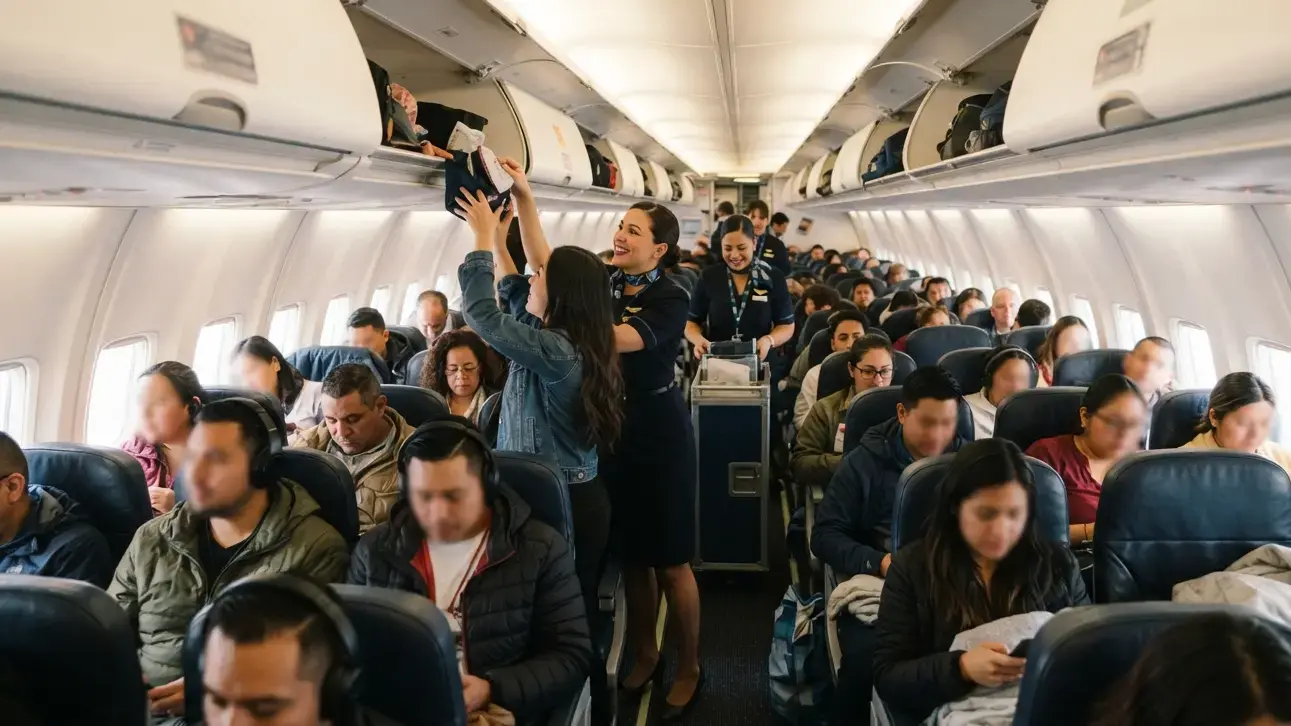
For peak season, compare the true cost, not just the visible fare:
- Refundable ticket price.
- Cancellation fee or fare-difference risk.
- Refund processing time.
- Visa appointment uncertainty.
- Family or group route-change risk.
- Possible rebooking after approval.
If the final route may change, a temporary onward ticket can protect cash while still making the application or boarding story clearer. The document should reduce risk, not add new contradictions.
One of the biggest mistakes is treating a refundable ticket as automatically safer. A refundable ticket can still be wrong if the date does not match the visa window, if the route conflicts with the accommodation plan, or if the traveler cancels it before the relevant check. A temporary onward ticket can be cleaner than a rushed refundable ticket when it is created for the correct checkpoint and kept current. The label matters less than the consistency.
Currency and regional pricing swings
Peak season also magnifies currency and regional pricing issues. A traveler may see one fare in one country, a different fare in another market, and sudden changes as flights fill. When funds are part of the entry or visa conversation, the onward ticket should not make the budget look unrealistic.
For example, a traveler with limited funds entering during a luxury high-season period may need a simple and believable onward route. A backpacker claiming flexible travel should not show a premium route that conflicts with the stated budget. A student should not show a route pattern that looks far beyond the funding evidence. The onward proof does not need to include bank data, but it should not fight the financial story.
The route should match the person. A luxury traveler, backpacker, family, student, seasonal worker and digital nomad may all need onward proof, but the strongest route for each person looks different. Peak season makes those differences more visible.
For backpackers and digital nomads, the onward country should still be believable. A flexible traveler may not know every hotel they will use, but they should know the region they plan to move through. For families, the route should respect school, child comfort and hotel dates. For business travelers, the exit should fit meeting dates. For students, it should not conflict with program timing. For visa-waiver travelers, it should sit comfortably inside the allowed stay. The same onward ticket format can support all of these travelers, but the route logic should be tailored.
Visa Appointment Backlogs and Booking Timing
Peak season often stretches the time between planning, appointment, approval and travel. Appointment slots fill earlier. Embassies may process more applications. Families may submit months ahead of school holidays. Business travelers may wait for invitation letters. Students may wait for enrollment or accommodation confirmation. That longer gap creates a problem for onward tickets: the proof needs to be timely enough to be useful.
A reservation created too early can expire, become outdated or conflict with later changes. A reservation created too late can leave no time to correct details. The best timing depends on whether the document is for visa submission, interview day, airline check-in or border arrival.
Why peak-season applicants often apply earlier
During quiet months, a traveler may apply close to travel and still have enough time. During peak months, that approach becomes risky. Appointment backlogs, document delays, school holidays and flight demand can push applicants to prepare earlier. That is practical, but it creates a wider window where route details can change.
If you create an onward ticket months before travel, it may no longer reflect the real itinerary by the time the file is reviewed. Hotels may change. The first-entry country may change. A family member may receive approval later than the rest. Flights may be rescheduled. Airline availability may shift. These changes are normal, but the document should not stay frozen if the file has moved.
Peak-season timing should be staged:
- Use draft planning to build the route and visa story early.
- Create submission-ready proof close to the application or appointment window.
- Recheck the onward ticket before departure if airline or border checks are likely.
- Update the document if the visa appointment, approval timing or route changes.
That staged approach keeps flexibility without letting old proof damage the file.
Matching validity window to longer processing
Temporary reservations can have limited validity, and PNR visibility can depend on airline, provider, route and booking status. During peak season, that matters more because processing timelines can stretch. If your onward ticket is meant for interview day, it should be fresh for that purpose. If it is meant for airline check-in, it should be fresh for travel day.
Do not assume the same document works for every checkpoint. A visa officer reviewing a submitted PDF and an airline agent checking travel documents at departure may be looking at different moments. The safest plan is to understand when the proof will be used and refresh it if the timing no longer supports the checkpoint.
If your visa application is delayed, avoid sending the same outdated onward proof without checking whether it still matches the file. A date that made sense before may now be too close, too far, or outside the updated travel window.
This is especially important when the application has a high-stakes date in the background: a conference, wedding, cruise departure, semester start, employment start, medical appointment or family event. Peak-season travelers often build their documents around these fixed dates, then forget to update the onward plan when the appointment slot moves. If the visa interview shifts by two weeks, the old route may still exist, but the logic may no longer work.
A strong file shows that the applicant understands timing. The onward ticket does not need to carry every detail, but it should not contradict the timeline. When a processing delay pushes travel closer to the holiday rush, choose proof that still looks usable if someone checks it in the final days before departure.
If your interview date shifts
Peak-season appointment changes are common. A slot may move earlier, later, or become available after a cancellation. When that happens, the onward ticket should be reviewed, not ignored. An interview that moves closer to travel may require a fresher document. An interview that moves later may make the old reservation stale.
Review these items after a shifted appointment:
- Does the onward date still sit inside the intended stay?
- Does the travel insurance still cover the full route?
- Do hotel dates still match arrival and exit timing?
- Has the flight number or schedule changed?
- Does the cover letter still describe the same route?
If the answer is no, update the travel proof before submission. The cost of correcting a document early is lower than explaining a mismatch after the file has already been reviewed.
Airport Arrival Scrutiny During High-Traffic Periods
Airport checks during peak season can feel unpredictable. Some travelers pass through quickly because counters are overloaded. Others face more questions because staff are under pressure to prevent document problems before they become arrival issues. The difference often comes down to whether the traveler’s proof is clean, readable and aligned.
Airline staff may ask for onward proof before boarding. Transit staff may ask during connection checks. Border officers may ask after arrival. The same onward ticket can support all three conversations if it is simple enough to understand and current enough to trust.
E-gate congestion and manual override checks
E-gates can reduce queue pressure, but they do not remove document risk. During peak arrival waves, some travelers are redirected to manual counters because of passport issues, visa questions, system flags, family travel, unclear purpose or random checks. If that happens, the traveler may suddenly need to explain the route in person.
An onward ticket helps most when the officer can understand it quickly. The passenger name should match the passport. The exit date should sit inside the allowed stay. The onward destination should be reachable and relevant. The booking reference should be readable. The document should not look like a screenshot with unclear edits.
For manual checks, avoid relying on phone signal, cloud storage or a half-loaded email. Keep the PDF available offline. If peak-season queues are long, staff may not wait while you search your inbox. The document should be ready before you reach the counter.
Countries and routes that may feel stricter during tourist season
Some destinations are known among travelers for asking onward-proof questions more often, especially when travelers arrive one-way, enter visa-free, carry weak accommodation proof, or appear to be staying near the maximum allowed period. The exact level of checking can change by route, nationality, airline and travel season, so avoid treating online anecdotes as law.
The safer rule is universal: if the destination may ask for proof of exit, prepare it. Peak season adds more reason to do so because flight demand, hotel pressure and border volume can make vague travel plans look weaker. A traveler entering a country during its busiest tourist month with no visible exit plan is inviting a practical question.
This is especially relevant for one-way travelers, digital nomads, backpackers, long-stay visitors, regional travelers and people entering on visa-waiver conditions. Flexibility is normal. But the border conversation still needs a visible next step.
Peak season can also make border staff more sensitive to travelers who appear to be testing the limit of an entry permission. A visitor entering close to a maximum stay period, carrying only a one-way ticket, and showing no clear onward plan creates a different impression from a visitor with a clean exit route inside the permitted period. The onward ticket does not guarantee entry, but it can remove one obvious friction point.
What officers look for when lines are long
When hundreds of travelers are waiting, officers and airline agents often focus on fast checks. They may look at the passport, visa or entry permission, travel purpose, accommodation, funds, return or onward proof, and whether the traveler’s answers sound consistent. They are not trying to read a novel. They are trying to decide whether the file makes sense.
Your onward ticket should answer these silent questions:
- Who is traveling?
- When did they enter?
- When do they plan to leave?
- Where are they going next?
- Does the next destination make sense?
- Does the document match the passport and visa story?
If the document answers those questions, it has done its job. If it creates new questions, it weakens the traveler’s position during the exact moment when clarity matters most.
Making Your Itinerary Look Realistic When Everyone Else Is Flying Too
Peak-season realism is not about making the itinerary fancy. It is about making the route believable. The strongest onward ticket fits the traveler’s purpose, season, budget, visa rules, stay length and next destination. A weak one looks like a random flight chosen because it was cheap, available or easy to generate.
During high-demand periods, unrealistic routes stand out faster. A traveler may choose an obscure onward country because the ticket is cheap, but if they have no visa, no accommodation, no funds logic and no reason to go there, the route feels artificial. A traveler may show a same-day exit after a long-haul arrival, but if the trip purpose requires several days, the timing looks strange. A traveler may show an onward flight that leaves from a city they never mention visiting.
Choose routes that match actual peak-season patterns
Real travelers move in patterns. Summer Europe routes often connect popular city pairs. Southeast Asia high-season routes often move between regional hubs. Gulf travel around Eid may involve family visits, work returns and regional transfers. Year-end holiday travel often connects home, tourism and family destinations. Your onward ticket should fit a pattern that makes sense for your trip.
If you are entering a country for tourism, the onward destination should connect naturally to the rest of your plan. If you are entering for business, the exit should support the business dates. If you are entering as a student, the route should fit program timing. If you are entering as a digital nomad, the next country should make sense for flexible regional travel.
A peak-season onward ticket should avoid three things:
- A random country that does not match your travel story.
- A date that ignores hotel, insurance or visa timing.
- A route that looks impossible or impractical during the travel rush.
Avoid the suspiciously available route problem
Some weak onward tickets look strange because they reference a route that is supposedly available when every real-world signal suggests it should not be. This does not mean an officer will check every route. It means the document should not invite that check. If a route is known to sell out during a particular festival or holiday week, choose a more believable option.
For temporary proof, realism is more important than perfection. A route with reasonable timing, a sensible destination and no obvious capacity contradiction is stronger than a flashy route that looks too convenient. If the onward proof would look odd to an experienced traveler, it may also look odd to an airline agent.
Layovers and connection choices signal planning
Layovers are another place where peak-season tickets can fail. A 45-minute international connection at a crowded airport may look risky. An overnight layover in a country that requires transit documents may create a new problem. A family itinerary with children and multiple difficult transfers may look less believable. A traveler with a tight work timeline may not choose a route that wastes two extra days.
When choosing a route, ask whether the connection makes sense for the traveler. Backpackers may accept longer layovers. Families may prefer simpler routes. Business travelers may prefer efficient timing. Students may choose budget routes. The onward ticket should reflect the traveler’s real profile.
That is how you signal authenticity without writing the awkward line “this is authentic.” The route itself should carry the answer.
Family and Group Travel During Peak Season
Peak season makes family and group travel harder because every traveler’s timeline has to work together. One person’s visa may be delayed. One child’s school date may differ. One parent may travel earlier. One family member may need a separate return. Group hotel bookings may list only the lead guest. Airlines may split travelers across different booking references.
None of that is automatically a problem. The problem starts when the onward tickets do not explain the movement clearly. If a family is traveling together, the dates should support that. If the group is splitting up, the reason should be visible through the itinerary and supporting documents.
Keep names, dates and return flights consistent
For a family or group file, consistency is the scorekeeper. Each traveler’s name should match the passport. Travel dates should match the visa forms. Return or onward proof should fit each person’s stay. If one traveler leaves earlier, that should match work, school or visa timing. If children are involved, the guardian and consent details should not conflict with the flight proof.
During peak season, even small differences can feel larger because staff are already watching for incomplete plans. A group of four entering together with four different unexplained onward dates may look less organized than a group with one coordinated route. If the split is real, explain it simply. If the split is accidental, fix it.
Mixed visa timelines in one family
Families often face mixed timelines. One parent gets approval first. A child’s application is delayed. A dependent visa takes longer. A school letter arrives late. A spouse’s appointment moves. Peak season makes these delays more painful because flights and hotels become harder to adjust.
The onward ticket strategy should follow the current file, not the original hope. If one family member is no longer traveling on the same date, update that person’s proof. If the child’s travel depends on a later decision, avoid submitting a route that suggests the child will travel before approval. If the family is entering together but returning separately, keep each return reason clear.
A coordinated family itinerary often needs:
- Shared entry dates when travelers arrive together.
- Clear separate dates when travelers split intentionally.
- Guardian or consent alignment for minors.
- Hotel proof that matches the number of travelers.
- Travel insurance dates that cover the actual stay.
Group booking pitfalls
Group bookings can create hidden problems. A hotel may show only the lead guest. A flight reservation may split travelers across two PNRs. One person’s surname may be misspelled. One traveler may have a different onward destination. A peak-season package may include internal transport that does not match the exit route.
Before submission or departure, review the group as a single story. Does every traveler have a visible path in and out? Do the dates overlap correctly? Does the onward ticket support the accommodation plan? Does one traveler’s proof contradict another’s? These checks are boring, but they prevent embarrassing counter conversations.
If a group is entering during a peak-season event, check whether the onward route is realistic for the whole group. Five travelers leaving on the same low-capacity flight during a sold-out holiday week can look less natural than a route with obvious availability. If group members are leaving on different days, organize the proof so each traveler can answer for their own exit without borrowing someone else’s document at the counter.
What to Do When Peak-Season Disruptions Threaten Your Plan
Peak season brings delays, schedule changes, cancellations, airport congestion, overbooking and sudden fare jumps. A clean onward ticket strategy should account for that. The goal is not to pretend disruptions never happen. The goal is to keep documentation ready when the plan changes.
If your onward flight changes after entry, the safest response is to update the proof and keep the new document clear. If a flight is cancelled, show the replacement route. If the airline changes times, keep the updated itinerary. If your visa timeline changes, make sure the new exit plan still fits the allowed stay.
Rebooking after cancellation or schedule change
A cancellation does not automatically create an immigration problem. It becomes a problem when the traveler cannot show what happens next. During peak season, replacement seats can be harder to find, so keeping updated onward proof matters. If asked, you should be able to show the new exit plan instead of explaining an old cancelled route.
Keep these documents ready:
- Updated onward ticket or reservation.
- Schedule-change notice, if available.
- Hotel-date adjustment, if needed.
- Travel insurance update, if dates changed.
- Simple written explanation for the new route.
The explanation should be calm and practical. Do not over-explain. The updated route should carry most of the answer.
Why flexible changes matter more in peak season
When flights are crowded, a small change can become expensive. A one-day delay may push the traveler into a fully booked weekend. A visa approval delay may miss the original fare. A family member’s late approval may require a different return route. Flexible documentation helps the traveler avoid locking into final airfare before the plan is stable.
For that reason, temporary onward proof can be useful when used correctly. It lets the traveler show a planned exit while preserving room to adjust after approval, schedule changes or family updates. The key is to refresh the proof when the plan changes instead of treating one old PDF as permanent.
Keep documentation ready if asked about changes
If an officer asks about a changed flight, the best answer is direct: the original route changed, and here is the updated onward proof. The document should show the new date, route, passenger name and booking reference clearly. It should not look edited, cropped or stitched together.
Do not rely on memory during a stressful border or airline conversation. Keep the updated PDF offline, especially during crowded travel periods. If you are traveling with family or a group, make sure the same updated version is available for every traveler who may be questioned.
Also avoid creating a new contradiction while fixing the old one. If the onward flight changes, check the hotel dates, insurance dates, cover letter, visa validity and allowed stay again. A replacement ticket that solves one problem but creates another is not a real fix. Peak-season changes happen fast, so the updated document should be checked as a full set, not as a standalone PDF.
A Peak-Season Pre-Departure Checklist
The final check should happen before you leave for the airport, not while standing at the counter. Peak-season airports are not the place to discover that your onward ticket has the wrong date, wrong route, missing name or expired reservation. A clean pre-departure check protects the trip before the pressure starts.
The ideal window before travel
The ideal window depends on the purpose. If the document is for visa submission, create it close to the submission or appointment timing. If it is for airline check-in or border arrival, make sure it is fresh for travel day. If the trip has changed since the visa stage, do not assume the old document still works.
As a practical rule, review the onward ticket in the final 48 hours before departure. Check that the flight still exists, the date still fits, and the route still matches your plan. If you are entering during a holiday rush, review even more carefully because alternative routes may be harder to arrange at the last minute.
Cross-check against real availability
You do not need to buy the final ticket just to check realism. But you should know whether the route looks plausible. If the onward flight no longer operates, the schedule has changed, or the date creates a visa overstay issue, update the proof. If every public signal says the route is impossible, do not carry it as your main answer.
Before you fly during peak season, confirm:
- Your onward ticket name matches your passport.
- The exit date sits inside the allowed stay or visa window.
- The onward destination is legal and believable for your route.
- The booking reference or PNR is readable.
- The PDF opens offline on your phone.
- Your accommodation, insurance and cover letter do not contradict the exit date.
- Family or group travelers have aligned dates where needed.
- You can explain the route in one simple sentence.
Final verification before landing
Before landing, make sure the document is easy to access. If you are asked for onward proof, do not scroll through screenshots, old emails or half-loaded cloud folders. Open the PDF, show the route, and answer calmly. The stronger your document, the less talking you need.
Peak season does not require panic. It requires better alignment. Your onward ticket should match your travel story, timing, route and destination reality. If it does, it becomes one of the simplest documents in the file.
Flying Smart When the Whole World Is Traveling Too
When the whole world seems to be traveling at the same time, your onward proof needs to look more intentional. The traveler who prepares cleanly does not need to gamble on final airfare too early, but also does not arrive with vague, random or expired proof. That balance is where DummyFlights is strongest: fast temporary travel proof that supports a real route without forcing an early final purchase.
If your entry date falls inside summer, Eid, Christmas, Lunar New Year, school holidays, pilgrimage periods or another high-volume window, treat the onward ticket as a practical border document. Make it believable. Make it readable. Make it current. Make it match the rest of the file.
For broader planning, keep the complete dummy ticket for visa guide nearby. It explains how temporary reservations support visa and travel-proof files, while this guide focuses on the extra pressure created by peak-season movement.
Need onward proof for a busy travel window? Create a clean, peak-season-ready onward ticket with DummyFlights before airline or border staff ask where you go next.
Create Peak-Season Onward ProofFrequently Asked Questions
Do I need an onward ticket during peak season?
You may need one if your destination, visa type, airline or border route requires proof that you will leave. Peak season does not create the requirement by itself, but crowded flights and stricter document checks can make clean onward proof more valuable.
Why is an onward ticket more important during holidays?
Holiday and festival periods create crowded routes, higher fares and more pressure at airline counters. A realistic onward ticket helps show that your exit plan fits the season, your stay length and your wider travel documents.
Can I use any random onward date?
That is risky during peak season. The date should sit inside your allowed stay and match your accommodation, insurance, visa purpose and route logic. Random dates can look weaker when travel demand is high and routes are harder to book.
Should my onward ticket match real flight availability?
Yes, it should look realistic. It does not need to be a final paid ticket unless the authority specifically requires one, but the route, date and timing should not look impossible, expired or disconnected from real travel patterns.
When should I create an onward ticket for peak-season travel?
Create it close enough to the visa submission, appointment, airline check or border entry that the details remain current. If your appointment or route changes, update the proof before relying on it again.
Is a dummy ticket safer than buying a refundable ticket?
It depends on the requirement. If the checklist accepts reservation or onward-proof documents, a clean dummy ticket can avoid locking money into peak-season airfare too early. If a paid ticket is specifically required, follow that instruction.
What should I check before showing onward proof at the airport?
Check your name, date, destination, booking reference, allowed stay window, accommodation dates, insurance dates and whether the PDF opens offline. The goal is to answer the exit-plan question quickly without a long explanation.
Friendly reminder: DummyFlights provides temporary travel-proof documents for planning and application support. Requirements vary by destination, airline, route and applicant situation. A dummy ticket can support a file, but it does not guarantee approval, boarding or entry.