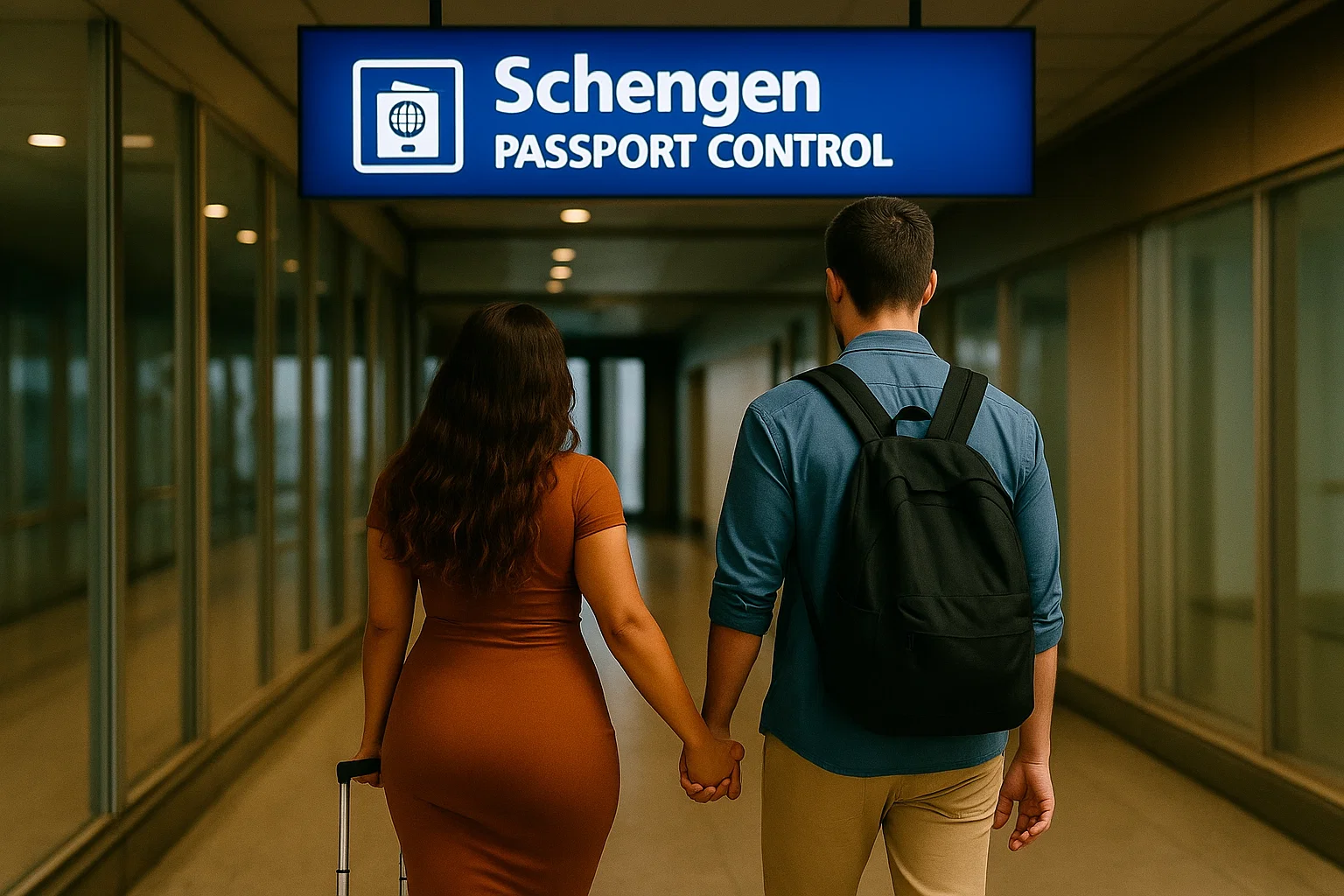
A dummy ticket can support a visa interview when it makes your travel dates, route and return plan easier to explain without forcing you to buy final airfare before the decision. It should be current, readable, consistent with your application answers, and honest about its status. The safest interview strategy is simple: carry one clean itinerary, know the dates, answer paid-ticket questions calmly, and never pretend a temporary reservation is a fully paid ticket.
The officer slides your passport back and asks, “When exactly are you flying?” That is where a dummy ticket either supports you or exposes a gap. Interviews move fast. Officers skim dates, routes and return plans in seconds. If anything clashes with your leave letter, funds, invitation, accommodation or purpose, the conversation can shift from normal questioning to follow-up proof.
This guide helps you choose the right reservation approach for interview day and set dates you can defend. You will see how officers may scan travel proof, what they may verify on the spot, how to answer “Is it paid?” cleanly, and how to handle a request for live proof on your phone.
The goal is not to over-present documents. The goal is to make your travel story easier to believe. A strong dummy flight ticket should make your answers shorter, not longer. It should show the route you intend to take after approval while keeping your money free until the visa outcome is clear.
Key facts before using a dummy ticket in an interview:
- A dummy ticket should support your answers, not replace a clear travel plan.
- Carry one current version only; multiple conflicting itineraries create doubt.
- If asked whether it is paid, answer honestly and explain that final purchase comes after approval.
- Route, trip length and return logic should match your leave, funds and purpose.
- PNR or booking-reference details should be readable if live verification is requested.
- Do not use approval-style claims that the document itself cannot guarantee.
Interview coming soon? Create a clean dummy ticket with route, dates and passenger details aligned before you walk into the visa window.
Create Your Dummy TicketIn This Guide
Official-source check: the U.S. Department of State says there is no guarantee a visa will be issued and applicants should not make final travel plans or buy tickets until they have a visa; see Visitor Visa guidance. UK visitor guidance asks applicants to provide planned travel dates, accommodation details and trip-cost information; see UK Standard Visitor visa guidance. The European Commission says Schengen applicants may need supporting documents for purpose of stay, financial means, accommodation and intention to return; see Schengen visa application guidance. These official positions support the practical point: interview travel proof should be coherent and honest, not financially reckless.
Reviewed for: interview timing, paid-ticket wording, PNR/live-check response, route-date consistency, document-presentation clarity and high-scrutiny interview risk.
Decide If a Dummy Ticket Strengthens Your Interview Story
Visa interviews at a consular window or embassy counter turn flexible plans into timed questions. Your dummy ticket should make your travel story easier to believe, easier to scan and easier to answer under pressure.
The first decision is whether a temporary reservation helps or hurts your case. If your travel dates are realistic, your return plan is clear and your document package already supports the same story, a dummy ticket can provide a useful visual anchor. If your dates are vague, your route is strange or your funds do not support the trip length, the ticket can expose the weakness faster.
The Two Things Officers Test With Travel Dates
In a U.S. B1/B2 interview, the date question often tests whether the trip fits your real life. If your job, studies, family obligations or available funds cannot support the proposed timeline, the officer hears risk, not tourism.
In a Schengen-style short-stay interview, travel dates can also be checked against documents. If your itinerary implies 14 days away but your leave letter supports only seven days, the mismatch becomes the focus. In a UK visitor setting, a rushed departure date can sound like you are trying to force a decision before the case is clear.
The travel-proof document is not judged alone. It sits beside the application form, leave letter, invitation, hotel proof, insurance dates, bank balance, employment story and return ties. Interview success comes from alignment across all of those pieces.
Dummy, Refundable, Hold or No Ticket at All
Pick the reservation type that creates the fewest follow-up questions for your interview setting. More expensive is not automatically stronger. More detailed is not automatically safer. The best option is the one that matches the uncertainty level of your case.
| Situation | Best travel-proof approach | Why it works |
|---|---|---|
| Fixed-date event, wedding, conference or appointment | Refundable ticket, airline hold or strong temporary reservation | The date is externally anchored and easier to defend. |
| Flexible tourism with no approved visa yet | Dummy ticket showing a proposed route | It shows intent without forcing early airfare purchase. |
| Long processing window or likely document updates | Refreshable hold or clean temporary reservation | The dates can be updated without producing conflicting versions. |
| Leave dates not approved yet | No ticket yet, plus a clear travel window | A premature ticket can create a trap question. |
A dummy ticket is strongest for the flexible-tourism and pre-approval stage. It says: this is the route I intend to book once the visa decision is made. That is a reasonable position when official guidance warns applicants not to risk final travel purchases too early.
When a Paid Ticket Can Make You Look Riskier
A paid ticket can look committed, but it can also create pressure. In a tourist interview, a paid long-haul ticket that consumes most of your stated savings may trigger funding questions. The ticket is real, but the purchase can look financially careless.
In a visitor or Schengen-style interview, a paid ticket can also create date pressure. A flight two days after your appointment, or a schedule change that shifts your route, can force you to defend inconsistencies you did not create.
The aggressive but clean truth is this: a final ticket is not automatically better proof. If your visa outcome is uncertain, locking money into non-refundable airfare can make the file less flexible and the interview more stressful.
How Fresh Should Your Reservation Be?
Freshness matters most when officers compare your answers to the itinerary in front of them. Think stable and current, not artificially new.
Interview freshness guide:
- Next 72 hours: keep one stable itinerary that matches exactly what you will say.
- One to two weeks out: avoid churning versions; consistency beats “new.”
- Possible post-interview request: use dates that can slide without breaking your story.
- Same-day interview: recheck the PDF, PNR, date range and route before leaving.
If the reservation is too old, it may no longer verify. If it is created minutes before the interview, you may not have checked whether it settled correctly. The ideal version is recent enough to be useful and stable enough to present calmly.
How to Choose Dates Without Creating a Trap Question
Choose dates you can justify in one sentence, then make them easy to repeat. For a short visitor trip, align the length with your leave window. For an event trip, anchor the dates to the event. For tourism, choose a realistic duration that fits your funds and itinerary.
- Anchor: leave window, event date, invitation date or planned activity.
- Duration: realistic for budget, employment, study and family obligations.
- Routing: matches the first city you say you will visit.
- Return logic: supports why you will leave after the trip.
Do not pick dates because they make the dummy ticket look dramatic. Pick dates because they make the visa story easier to defend.
The Flexible Tourist Who Gets Cornered on Exact Dates
A flexible tourist can get cornered when the officer asks for exact dates. The answer should not sound improvised. It should show that the route and timing are planned, while the final purchase depends on approval.
Clean interview answer examples:
- “We are planning the second half of April, right after our leave window starts, and returning about 10 days later.”
- “The exact ticket purchase depends on the visa decision, but the route and timing are already planned.”
- “Correct, it is not fully paid yet. We will purchase after approval to avoid unnecessary ticket risk.”
- “This itinerary shows the dates and return plan we can follow once the visa is issued.”
This approach keeps the answer honest. It does not pretend the dummy ticket is a final paid ticket. It also avoids sounding like the trip is imaginary.

What Actually Happens When an Officer Looks at Your Travel Proof
At the interview window, your travel proof is not treated like a travel dream. It is treated like a fast test of whether your story holds up under simple checks.
The Fast Consistency Scan
Officers do not usually read an itinerary slowly. They scan it like a receipt. They look for quick contradictions that justify one more question.
What gets compared quickly:
- Passenger identity: name order, spelling and title format against the passport bio page.
- Trip length: outbound and return dates against leave approval, invitation dates or planned activities.
- First destination logic: whether the first landing city matches what you said you would do first.
- Return plan: whether the return date fits work, school or family obligations.
- Route realism: whether the connection looks normal for the region and season.
Small details matter because they are easy to challenge. If the ticket shows June 3 but you say early July, the officer now has a reason to test your reliability. If your ticket lands in one city while your cover story starts somewhere else, the route becomes the conversation.
Verification Moves You Should Assume Are Possible
Not every officer verifies. But you should behave as if verification is possible in any serious interview setting. That does not mean you should be afraid. It means the dummy ticket should survive a reasonable check.
- PNR-style reference check: if the document includes a booking reference, it may be tested through an airline site or internal channel.
- File consistency check: the itinerary date range may be compared to your declared dates, insurance, hotel proof or intended entry point.
- Post-interview validation: some cases are checked later if something looked unusual but not automatically disqualifying.
- Conversation check: the officer may simply ask you to explain the dates, route and return logic.
The key point is not to fear checks. The key is to avoid handing over a document that cannot survive one. If a PNR is included, it should be readable. If the route is unusual, you should be able to explain it. If the dates are flexible, you should still know the planned travel window.
PDF vs Screenshot
In interviews, presentation is not about looking fancy. It is about looking stable. A clean PDF often feels more document-like because it has consistent spacing and structured fields. A screenshot can feel improvised, especially if it shows cropped elements, partial screens or hidden fields.
If you bring a PDF, make sure it is easy to scan and complete enough to answer basic questions.
- Passenger name is clear and matches the passport spelling.
- Flight numbers, dates and cities are visible.
- Carrier information is readable without zooming.
- The route reads in one pass, not across several fragments.
- The booking reference is visible if the document includes one.
If you must use a screenshot, keep it full-frame and uncluttered. Avoid heavy cropping that looks like you removed inconvenient details.
Codeshares, Multi-Segment Trips and Connection Logic
Connection logic is one of the fastest ways to lose control of an interview. Codeshares confuse travelers even when everything is legitimate. Your itinerary may show one airline code while a partner airline operates the segment. If you cannot explain that simply, the officer may assume you do not understand your own booking.
Multi-segment trips create another risk. The route may be valid, but it can look like you are hiding the real destination, especially in cases where the first destination or main destination matters.
Route patterns that spark questions:
- Connections that look too tight, such as a short international transfer.
- Backtracking routes that fly past the destination and return.
- Multiple hubs with no obvious reason.
- Mixed airports in one city without explanation.
- Open-jaw travel that does not match the stated city sequence.
If the officer points at a codeshare and asks why the airline name changes, keep the answer short: “It is a partner-operated flight. The ticketing carrier is listed first, and the operating carrier runs that segment.” Do not drift into a lecture about alliances. The goal is to show you understand the itinerary.
The Quiet Red Flags
Some red flags are not dramatic. They are small friction points that invite follow-up questions. An open-jaw pattern without a story, a departure city that does not match your residence, a return date that conflicts with school or work, or a seasonal mismatch between your explanation and the ticket dates can all weaken the interview.
Officers do not need to “catch” you. They only need enough doubt to ask for one more document. That is where interview-day handling becomes the real skill: calm answers, one current itinerary, and no contradictions.

Interview-Day Playbook for Using a Dummy Ticket
Interview day is not the time to explain travel in long paragraphs. It is the time to keep your itinerary aligned with the file and answer fast.
The 72-Hour Workflow Before Your Interview
Use the final 72 hours to lock a clean, consistent set of travel details. Treat one final dummy ticket as the reference point for your answers and documents.
- Confirm your intended travel dates match your leave letter, invitation window, event schedule or trip purpose.
- Check passenger-name formatting against the passport, including spacing and middle names.
- Make sure departure and arrival airports match the city sequence in your application.
- Keep one PDF copy and one accessible version you can open quickly if asked.
- Save the booking reference or PNR in a place you can reach without scrolling through unrelated files.
- Check the return or onward segment against the length of stay you stated.
- Do one final read as if you are the officer and fix mismatches before the interview.
This workflow is not about over-preparation. It is about removing avoidable contradictions before someone else finds them.
How to Offer the Reservation Without Trying Too Hard
You do not win points by pushing papers forward. You win points by answering the question that was asked, with the right level of proof.
- If they ask for travel dates, answer the dates first.
- If they ask for your flight booking, hand over the itinerary and stop.
- If they ask for onward travel, point to the exit segment or next-destination plan.
- If they ask whether it is paid, answer honestly without overexplaining.
Avoid framing it as guaranteed embassy-approved proof. Frame it as the travel booking that reflects your intended plan once the application is decided. That wording is confident, honest and easier to defend.
If They Ask “Is This Paid?”
Some officers ask this because they want to see financial judgment. Others ask because checklist wording can sound like it requires fully paid tickets. Answer in three calm parts.
Safe answer framework:
- Status: “It is a confirmed temporary reservation for my application.”
- Timing: “I will purchase the final ticket after approval to avoid unnecessary airfare risk.”
- Credibility: “The dates and route match the travel plan I described.”
If they push harder, stay factual. Do not claim your dummy ticket is an actual paid ticket. Do not imply that a dummy air ticket is final airfare. If they want final proof later, say you can submit updated proof.
Also avoid debating policy at the window. Some officers accept temporary booking logic. Others prefer stronger proof after approval. Your job is to stay consistent.
When They Ask for Live Verification on Your Phone
Live checks can happen when the officer wants to see something quickly or when the reservation looks unfamiliar. If you are asked to verify, do not panic and do not start improvising through your email inbox.
- Open the airline website or relevant lookup path directly.
- Enter the booking reference and passenger name exactly as shown.
- Show the screen with departure and arrival airports, dates and flight numbers.
- If the site asks for an extra field you do not have, say that clearly.
- If the page fails to load, return to the PDF and keep the same story.
What matters is that the dummy flight details stay identical across what you show and what you say. A technical issue is manageable. A contradiction is harder.
If the Officer Says, “Buy It and Email It”
This request can happen when the officer wants stronger proof after the interview. Respond with a clear plan, not a promise you cannot keep.
- Ask whether they require a fully paid ticket or whether updated verifiable travel proof is sufficient.
- If they clearly require purchase, choose a fare you can change and understand cancellation costs first.
- Avoid non-refundable flights while the decision is still uncertain unless the instruction is explicit.
- Email exactly one updated version. Multiple updates can look like you are shopping for answers.
- Keep the dates identical to what you stated in the interview unless the officer asked for a correction.
If they want a paid ticket, send a paid ticket. If they accept a verifiable temporary reservation, send one clean reservation. The winning move is not stubbornness; it is precision.
Need one clean itinerary before your interview? Create a dummy ticket with readable passenger, route, date and booking-reference details before the officer asks.
Create Your Dummy Ticket
Where Dummy Ticket Use Gets Risky
Some interviews run smoothly. Others zoom in on small details and turn them into big questions. These are the situations where your travel proof needs extra care.
High-Scrutiny Interviews
High-scrutiny interviews happen when the officer needs to test intent quickly: unclear trip purpose, vague funds, weak return ties, unusual timing, or a document package that does not fully line up.
In these settings, a dummy flight ticket can still support you, but only if it reduces questions instead of adding them. The benefits are strongest when your dates, route and return logic match the rest of the file.
- Use a route that matches how you described the trip.
- Keep trip length realistic for budget and time off.
- Make the return or onward plan obvious.
- Do not use the ticket as a dramatic commitment signal.
- Make the answer shorter, not longer.
A real-looking document cannot rescue an unclear story. It can only reinforce a coherent one.
Third-Country Interviews and Unusual Routings
Applying outside your home country changes the interview rhythm. Officers may ask why you are applying there, how long you have been there, and whether you will return to your current residence after the trip.
Your flight plan needs to match that reality. If the departure city does not match your passport country, be ready to explain it in one sentence: “I live and work here right now, so departure from this city matches my current residence.”
A thick stack of hotel proof does not fix a confusing route. A dummy hotel booking cannot substitute for a coherent return plan. The flight story must connect where you are, where you are going, and why you will leave on time.
Group Travel on One PNR
Group itineraries bring new failure points because one mismatch can affect everyone. Officers may ask who is paying, who is traveling together, and whether each person has a clear reason to return.
Group itinerary checks:
- Every passenger name matches passport spelling and order.
- The group route matches the declared city sequence.
- The return date fits each traveler’s obligations.
- The booking shows a consistent passenger list.
- Sponsorship proof does not blur each traveler’s return logic.
If the trip is tied to a fixed event and the officer expects stronger proof, a flexible-fare paid ticket may be safer for the group than juggling multiple temporary versions. The document should match the risk level of the interview.
Schedule Shifts and Segment Cancellations
Schedule changes are common. They are also easy to mishandle at an interview if your documents drift out of sync.
- Keep the newest version as the primary document.
- Make sure new dates still match your stated travel window.
- If the route changes, explain the new connection in plain language.
- Avoid carrying multiple PDFs with different airports or dates.
If an officer checks a reference and your printout does not align with the airline system, it can raise questions even when your intent is fine. That is why you should avoid anything that looks edited, stale or disconnected from the current booking record.
Interviewing Abroad While on a Work Permit
Picture an applicant from Mumbai interviewing in a third country while on a work permit. The officer asks, “Why are you applying here, and where will you fly from if approved?”
The clean answer connects residence, departure and return without drama: “I live and work here right now, so departure from this city matches my current residence. I will return here after the trip because my permit and job continue.”
Do not compensate with unrelated proof. A dummy hotel booking in the destination does not answer a residency question. A clean itinerary that matches your current location does.
Visa Applicant Mistake Checklist
These mistakes are common because interviews move quickly and officers rely on fast consistency checks.
Interview-day errors that trigger scrutiny:
- Bringing two itineraries with different dates and acting surprised when asked to choose.
- Showing a route that contradicts the destination sequence in the application.
- Presenting a group itinerary where one traveler’s name is missing or misspelled.
- Using a return date that conflicts with an employer letter or academic calendar.
- Offering too many documents at once and losing control of what is being reviewed.
- Answering paid-ticket questions with vague language that forces follow-up.
- Showing a screenshot that hides key route or booking details.
- Changing the story at the window because the itinerary no longer matches.
The fix is simple but strict: one story, one current itinerary, one calm explanation. Do not make the officer reconcile versions for you.
Walk Into the Interview With Dates You Can Defend
At a visa interview, a dummy ticket only helps if it matches your story in seconds. Your dates, route and return plan should line up with your leave, funds, invitation, accommodation and purpose. You should be able to answer whether it is paid without sounding evasive, and you should stay steady if they ask to verify on the spot.
The strongest interview setup is not the loudest document. It is the cleanest one: current enough to check, simple enough to explain, honest enough to defend, and aligned enough that the officer has no easy contradiction to pull on.
If you have an interview soon, review your itinerary against your application answers before you leave. If the route, dates, names and return logic all match, your dummy ticket can do its job: support your travel-proof story without pushing you into final airfare too early.
Frequently Asked Questions
Can I use a dummy ticket during a visa interview?
Yes, when the dummy ticket reflects a realistic travel plan and matches your application answers. It should support your dates and route without pretending to be a fully paid ticket.
What should I say if the officer asks whether my dummy ticket is paid?
Say clearly that it is a temporary reservation for the application and that you plan to purchase the final ticket after approval. Do not claim it is paid if it is not.
Should I bring more than one itinerary to the interview?
No. Bring one current itinerary that matches your application. Multiple versions with different dates or routes can create confusion and invite extra questions.
Can an officer verify my dummy ticket during the interview?
It is possible. Not every officer verifies, but you should assume a PNR or booking reference may be checked if the document includes one or if the route looks unusual.
Is a PDF better than a screenshot for interview travel proof?
A clean PDF is usually stronger because it looks structured and complete. A screenshot can work only if it is full-frame, readable and not cropped in a way that hides important details.
How fresh should my dummy ticket be before the interview?
It should be current and stable. Recheck it during the final 24 to 72 hours so the route, dates and booking details still match what you plan to say.
What if the officer asks me to buy a real ticket later?
Ask whether a paid ticket is required or whether updated verifiable travel proof is enough. If they clearly require purchase, send one clean version that matches the interview dates.
Does a dummy ticket guarantee visa approval?
No. A dummy ticket can support the travel-proof part of a file, but approval depends on the full application, interview answers and the relevant authority.
Friendly reminder: DummyFlights provides temporary travel-proof documents for planning and application support. Requirements vary by destination, airline, route and applicant situation. A dummy ticket can support a file, but it does not guarantee approval, boarding or entry.