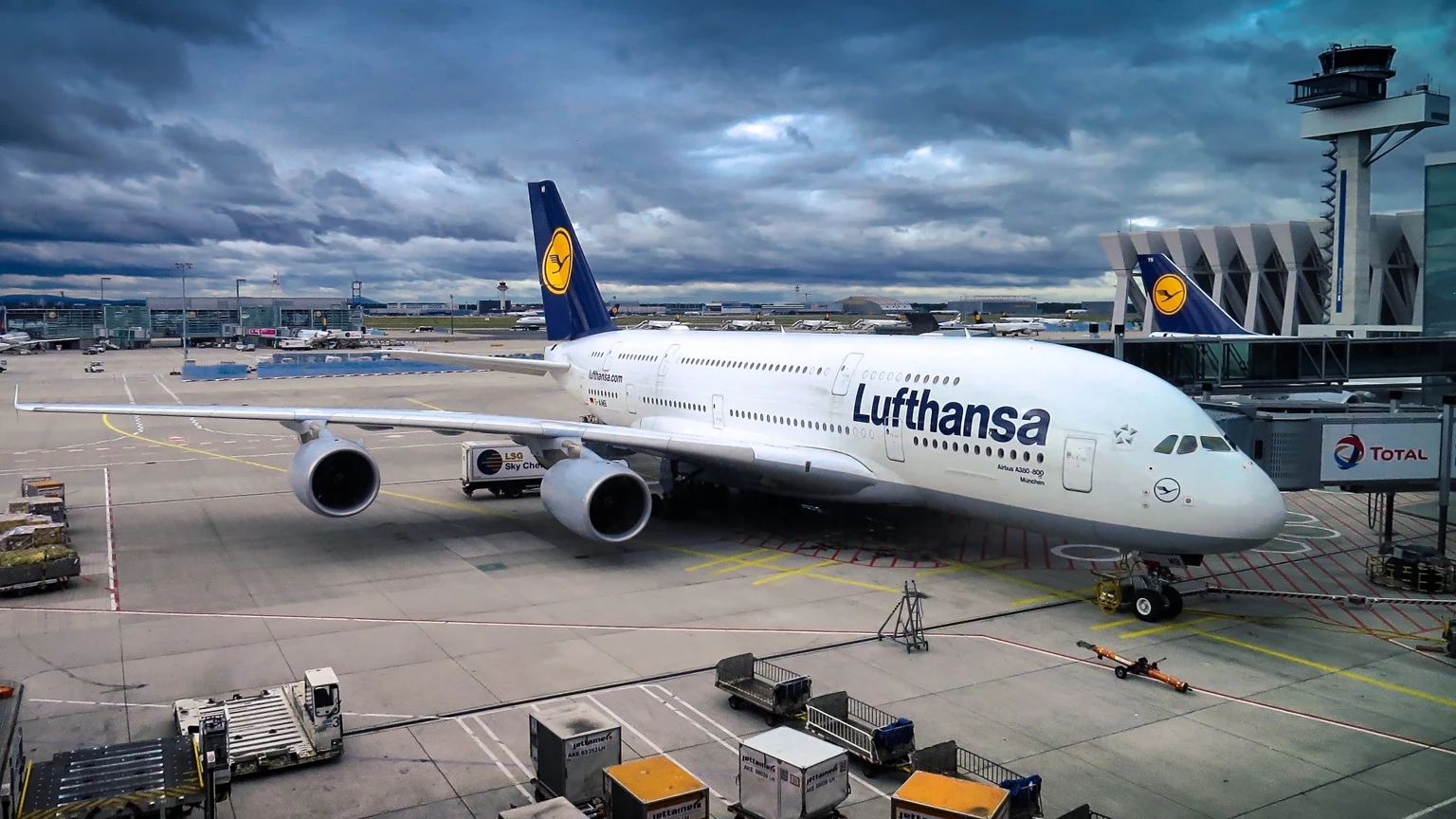
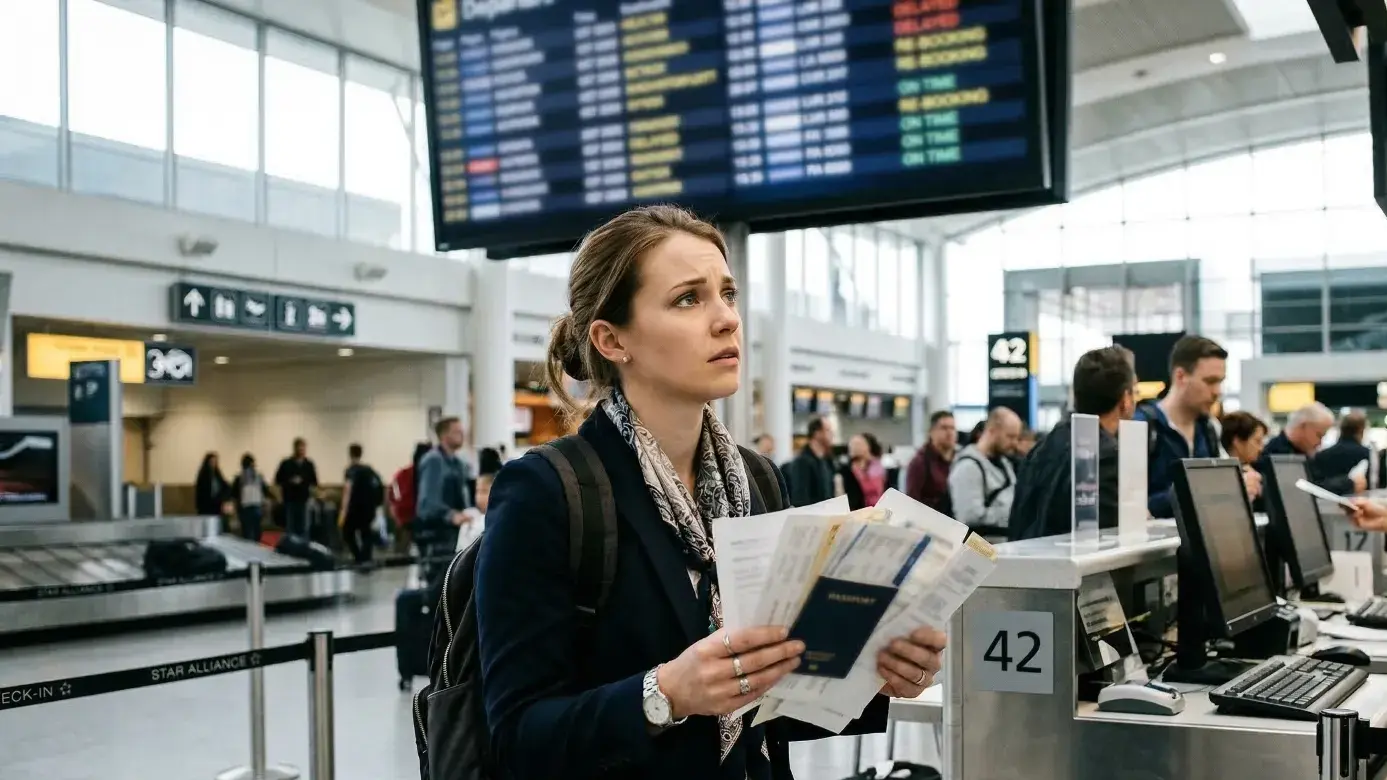
Immigration policies change during global conflict because governments start reading visa files through a live risk filter: security, displacement pressure, sanctions, document reliability, route safety, return intention and border capacity. Your passport, funds and travel proof may be the same, but the meaning of your route can change quickly. A clean dummy ticket, dummy booking or onward ticket can help keep the travel-proof section coherent, but it must match the current risk environment and official checklist.
A visa file can look solid on Monday and suddenly feel fragile by Friday when conflict shifts how governments read movement, risk and return plans. Your documents may not change. The route, timing and political context do. That is why an application that looked routine a week ago can face tighter screening, slower processing or sharper questions at the desk.
When global conflict intensifies, immigration policy stops acting like a fixed checklist and starts acting like a live risk filter. Applicants need to know whether to apply now, wait, reroute, update evidence, rebuild travel proof or prepare for longer checks. The winning file is not the loudest file. It is the file that still makes sense after the rules, route or officer expectations move.
This guide explains why conflict changes immigration behavior, where the first signs appear, how travel proof gets reinterpreted, and when a fresh dummy ticket or onward ticket is safer than forcing an old itinerary into a new reality.
Key facts before you submit during global conflict:
- Immigration rules can change faster than old blog posts, agency checklists or saved screenshots.
- Conflict can affect applicants even when the war is far from their home country.
- Officers may re-read funds, sponsors, employment, travel history and itinerary evidence more strictly.
- Transit routes can become important when airspace, sanctions or border rules shift.
- A dummy ticket should match the new risk context, not just the old travel plan.
- An onward ticket can help explain exit logic when officers are focused on overstay or displacement risk.
Need travel proof that still makes sense when routes or rules shift? Create a clean dummy ticket, dummy hotel or onward ticket aligned with your current route, dates and application story.
Create Your Dummy TicketIn This Guide
A Conflict Does Not Need to Be Near You to Change Your Visa Odds

Many applicants only worry when conflict happens in their own country. That is too narrow. Immigration systems respond to pressure across regions: refugee movement, sudden evacuations, sanctions, airspace closures, diplomatic tension, document-fraud concerns, labour shortages, public sentiment and security alerts.
A distant conflict can still affect your file if your route touches a sensitive transit point, your nationality appears in a new screening list, your sponsor works in a regulated sector, your funds move through a sanctioned region, or your planned trip no longer looks practical. The officer is not only asking, “Does this applicant have documents?” The officer is also asking, “Does this movement make sense now?”
How governments translate war into immigration risk
Conflict changes immigration policy because governments must manage uncertainty. They may not announce a full new rule overnight, but they can increase document checks, add interviews, slow decisions, narrow appointment access, request stronger evidence or ask carriers to apply stricter document control at boarding.
For ordinary travelers, this can feel unfair because nothing personal changed. But immigration systems often manage categories and risk patterns. If conflict increases irregular movement from one region, officers may ask more questions of applicants who share route, nationality, residence, travel history or sponsor patterns with that pressure.
Why developing-country conflicts can reach your file
Conflicts in developing countries can produce sudden displacement, weaker document infrastructure, emergency travel, informal funding, family relocation and higher asylum pressure. Even if you are a genuine tourist, student, worker or family visitor, the file may be read against that wider movement pattern.
This does not mean you should hide your profile. It means you should make the file easier to verify. Your dates, job proof, funds, hotel evidence, dummy ticket and onward ticket should form one clean story. Under tension, messy files get punished faster.
When security starts outweighing convenience
In normal periods, governments often balance tourism, education, labour needs and family mobility against enforcement. During conflict, security and return intention can move higher in the decision stack. That is when convenience-friendly processing becomes more cautious.
You may see this as slower appointment release, more administrative processing, shorter validity, tighter single-entry decisions, extra document requests or sharper questioning about why the trip must happen now. None of this means the application is doomed. It means the margin for vague travel proof becomes smaller.
Why neutral countries still tighten quietly
Even countries not directly involved in a conflict can tighten quietly because they are part of a route network. A neutral country may become a transit path, banking hub, family relocation point, onward movement corridor or safe destination for people leaving unstable regions.
That is why a neutral destination can suddenly care more about your exit proof. If officers are worried about onward movement or overstay risk, an onward ticket can become more than a routine attachment. It becomes part of the file’s logic.
Your Documents May Stay the Same, But Their Meaning Changes
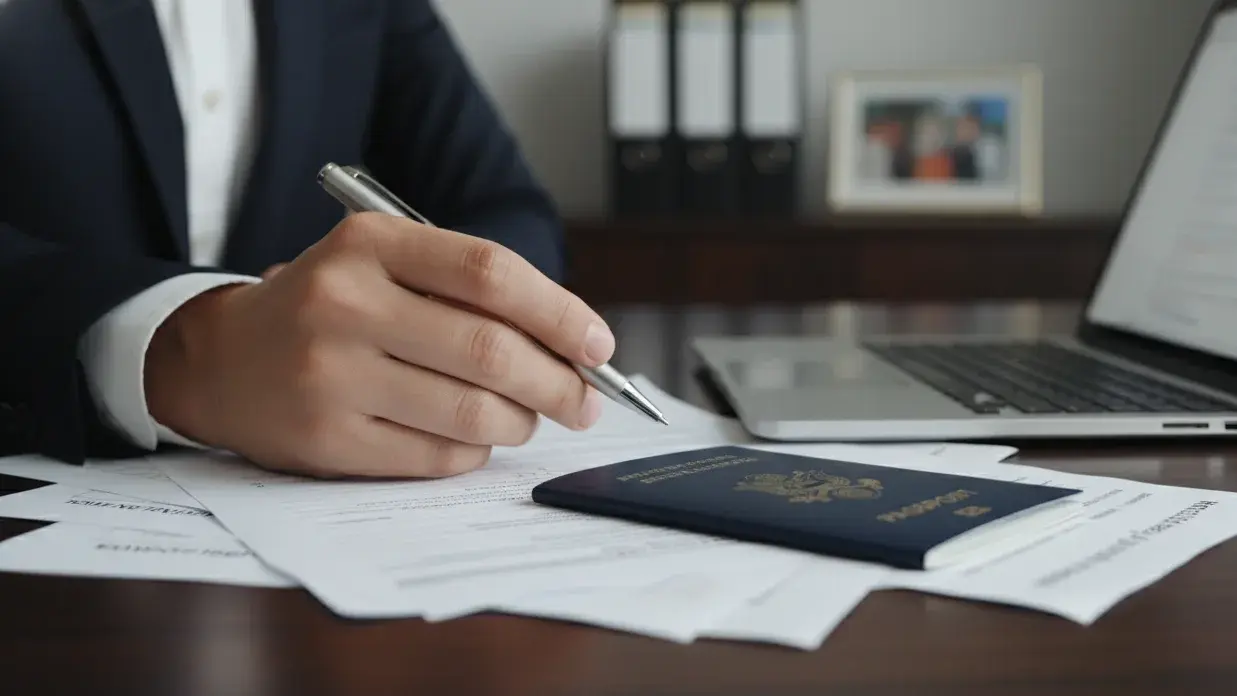
The most frustrating part of conflict-era visa screening is that the same document can be read differently. A normal short trip can start looking discretionary. A weak employment letter can start looking like poor return intention. A long route through a sensitive transit point can start looking like migration planning.
Why a clean file can suddenly feel less convincing
A file that was “complete” under ordinary conditions may only prove that the applicant filled the checklist. During instability, officers may look harder at whether the documents still support a believable journey. The question changes from “is something attached?” to “does this evidence still prove the applicant will travel as stated?”
This is where a dummy ticket needs to be more than a date placeholder. It should match the purpose, stay length, hotel dates, funds, leave approval and return logic. If the wider situation has changed, stale travel proof can weaken the whole file.
How purpose of travel gets re-examined
Tourism during conflict may face a simple question: why now? Business travel may need clearer necessity. Family visits may require stronger host evidence. Student travel may need enrollment timelines and financial continuity. Work travel may need employer certainty and role relevance.
Your itinerary should support the answer. If a trip is optional, the file needs stronger ties and clearer return logic. If a trip is urgent, the file needs proof of urgency. If the destination or transit path has become sensitive, the route should be realistic and easy to understand.
When travel history starts sending mixed signals
Past travel is usually helpful, but conflict can make certain histories more complex. Recent travel near conflict zones, long stays in third countries, frequent unexplained entries, unusual transit choices or sudden changes in residence can invite more questions.
Do not over-explain every stamp. Explain the parts that could be misunderstood. A strong file makes the officer’s interpretation easy: where you went, why you went, why you returned, and why the next trip follows the same lawful pattern.
Funds, sponsors and employment proof matter more
Under tension, financial proof is not just about having enough money. Officers may care more about source, stability and consistency. A sudden deposit, unclear sponsor or weak employment letter can look riskier when migration pressure is high.
Your dummy booking should not create a trip that your funds cannot support. If the itinerary shows a long stay, expensive cities or complex onward movement, the money evidence should match. If funds are limited, a shorter, cleaner route is usually stronger than an ambitious itinerary.
Why itinerary evidence stops being routine paperwork
In normal periods, travel proof can feel like a checkbox. During conflict, it becomes part of risk analysis. A dummy ticket, dummy hotel and onward ticket can show that the trip is planned, temporary and internally consistent. But if those documents conflict with each other, they become a liability.
Citation-ready baseline: during global conflict, immigration systems often reinterpret the same visa evidence through security, return-intention, document-reliability and route-risk filters, so travel proof must be current, realistic and internally consistent.
The First Changes Usually Show Up in Processing, Not Headlines
Most applicants wait for a major announcement. That is often too late. Before a formal policy change appears, the system may already show stress through appointments, interviews, document requests, carrier checks and border behavior.
Appointment systems show stress early
When global conflict increases movement, appointments can become scarce before official rules change. Embassies may reserve capacity for urgent cases, affected nationals, evacuation-linked matters or extra screening. Visa centers may add warnings, processing estimates or document notes quietly.
Interviews become shorter and sharper
A conflict-era interview often has less small talk and more risk focus. Officers may ask why you are traveling now, who funds the trip, why you will return, whether your job is stable, whether you have family abroad, or why your route uses a specific transit point.
Prepare direct answers. A strong dummy ticket or onward ticket supports the answer, but it should not be the whole answer. The itinerary must sit inside a credible profile.
Validity and entry conditions can tighten
Some applicants may still be approved, but with shorter validity, single entry, narrower stay periods or tighter conditions. That is not a failure; it is the system reducing uncertainty. Your travel proof should match the likely decision style. Overbuilding a long, flexible route when officers are issuing short stays can look disconnected.
Supporting documents expand around the edges
You may be asked for extra employment proof, sponsor clarification, accommodation evidence, school documentation, route explanation, previous travel records or financial movement. These are not always written as new laws. Sometimes they appear as local checklist adjustments or case-by-case requests.
Airline enforcement can tighten after visa issuance
A visa does not always end document checks. Airlines may apply document and destination rules at check-in, and border officers control entry. If conflict changes carrier guidance or entry concerns, the airport experience can tighten even when the visa was already issued.
That is why onward ticket logic matters for some routes. If the destination or transit point wants evidence of exit or onward movement, the document should be clean, current and aligned with the rest of the trip.
Not Every Applicant Feels Conflict in the Same Way
Conflict does not hit every visa category equally. The same global event may barely affect one applicant and deeply affect another. The difference is usually nationality, residence, visa type, route, travel purpose, sponsor profile and timing.
Tourists face the problem of discretionary travel
Tourism is easier to question during unstable periods because it is optional. The file must show why the trip is still reasonable, how it is funded, where the traveler will stay, and why they will leave on time. A dummy ticket for visa should support that simple story instead of making the trip look larger than necessary.
Students get pulled between urgency and verification
Students often have real deadlines: course start, enrollment, housing and scholarships. But conflict can make funds, sponsor income, document authenticity and long-term intention more sensitive. A student file should show academic necessity, funding continuity and a travel timeline that matches the school calendar.
Workers and business travelers need necessity
Work and business travelers may benefit when a country needs skilled labour or business continuity, but they can still face friction. The file should prove that the trip is necessary, the employer or client is real, and the timeline matches the work purpose.
Family visitors need document-heavy proof
Family visits are emotionally legitimate, but officers still need documents. Host status, relationship evidence, accommodation, funds, return ties and itinerary details matter. During conflict, a family link abroad can be read both positively and cautiously.
Applicants living in a third country feel sharp pressure
Applicants who live outside their nationality country can face extra questions. Officers may ask whether the applicant is stable in the current residence country, whether they can return there, and whether the proposed trip is temporary. In those cases, onward proof and residence evidence should work together.
| Applicant type | Conflict-era concern | Travel-proof response |
|---|---|---|
| Tourist | Why discretionary travel is reasonable now. | Short, realistic dummy ticket plus clear hotel and return logic. |
| Student | Funding, enrollment and long-stay credibility. | Dates that match school documents and arrival window. |
| Business traveler | Whether the trip is necessary and verifiable. | Route and dates matching meetings, invitation and employer proof. |
| Family visitor | Host relationship, stay length and return intention. | Dummy booking aligned with invitation, leave approval and funds. |
| Third-country resident | Whether the applicant can return to residence country. | Onward ticket or exit logic matching residence permission. |
The Smartest Applicants Read Policy Drift Before Refusal Arrives
Policy drift is the stage before the obvious rule change. It is when the environment changes but the checklist still looks familiar. Good applicants learn to spot drift early and adjust the file before submission.
Embassy language changes in small ways first
Watch for subtle wording: “additional screening,” “longer processing,” “case-by-case,” “security review,” “do not make final travel plans,” “additional documents may be requested,” or “requirements may change.” These phrases tell you the checklist is no longer the whole story.
Airline and transit changes can be early signals
Airlines react quickly to airspace closures, document requirements, entry restrictions and carrier-liability risk. If carriers begin warning passengers, changing routes or asking for stronger proof at check-in, visa applicants should pay attention. Your dummy ticket should not rely on a route that has become fragile or unrealistic.
Refusal patterns matter, but rumors are dangerous
Community reports can reveal pressure points, but rumors can also create panic. Look for patterns across credible sources: repeated document requests, delayed cases, new interview questions, transit issues, or sudden caution around certain routes. Do not rebuild your whole file because of one anonymous post.
Sanctions and data-sharing news can matter
Sanctions, export controls, watchlists, airline data-sharing, biometric systems and financial restrictions can affect immigration indirectly. A traveler may not be sanctioned, but their route, employer, bank, sponsor or travel purpose may now require clearer explanation.
Reassess before submission, not after biometrics
The best time to fix a weak itinerary is before submission. After biometrics or interview, changes become harder to explain. If the conflict environment has shifted, rebuild the travel proof before the file is locked into an outdated story.
If Rules Shift Mid-Process, Rebuild Instead of Panic
A panic response usually creates more inconsistency. Applicants rush to add documents, change routes, buy expensive tickets, or submit explanations that do not match the original file. A rebuild is different: it calmly updates the file around the new facts.
Decide whether to continue, pause or withdraw
If your appointment is soon and the route still makes sense, continue with stronger evidence. If the destination or transit has become unstable, pause and reassess. If the purpose has changed or documents have expired, withdrawal and resubmission may be cleaner than forcing a weak case forward.
Update the most sensitive parts first
Start with route, dates, funds, accommodation, sponsor, employment and exit proof. Those are the parts most likely to be reinterpreted during conflict. A fresh dummy ticket or onward ticket should be created only after the new route is clear.
Cover letters matter more when timing changes
A cover letter should not become dramatic. It should explain what changed, what remains stable, and why the trip is still temporary and logical. If the itinerary was updated because of flight disruption, transit risk or official guidance, say that plainly.
When rebooking helps and when it hurts
Rebooking helps when the new route is safer, shorter, clearer or better aligned with current requirements. Rebooking hurts when it looks like the applicant is chasing any possible entry route. Do not change the itinerary three times without a clean reason.
Expired travel evidence weakens long-delay files
Long processing delays can make old travel proof less credible. If your dummy ticket, dummy hotel or onward ticket no longer matches the likely decision window, update the document before the next embassy request or interview. Stale evidence tells the officer the file was not maintained.
Need to rebuild travel proof after route or rule changes? Prepare a fresh dummy ticket, dummy hotel or onward ticket that matches your updated dates, destination and exit plan.
Prepare Your Dummy TicketThe Most Resilient Visa Strategy Is Built for Uncertainty
The strongest conflict-era file is not overstuffed. It is stable, modular and easy to verify. It has enough proof to answer the officer’s concerns without burying the file in irrelevant attachments.
Build around stable facts
Stable facts include your employment, study status, lawful residence, family ties, funding source, purpose of travel and realistic return plan. Your travel proof should support those facts. It should not invent a trip that your profile cannot carry.
Choose routes that can survive politics
A cheap or clever route is not always the best route during global conflict. Avoid unnecessary transit through sensitive areas if a cleaner route exists. If transit is unavoidable, make sure the onward ticket and supporting documents explain the full movement clearly.
Keep evidence modular
Modular evidence means each document has a job. Employment proves work ties. Funds prove affordability. Hotel proof shows stay plan. A dummy ticket shows intended travel dates. An onward ticket shows exit movement. When each document does one job well, the file is easier to update if conditions change.
Separate fixed facts from flexible facts
Some facts should not move: identity, job, sponsor, school, purpose. Other facts can move: travel date, airline, route, hotel, onward plan. Conflict-era planning works best when flexible pieces can change without damaging the stable core of the application.
Prepare for approval, delay or disruption
Do not build a file that only works if everything goes perfectly. Build one that still makes sense if the appointment moves, the airline changes route, the embassy asks for more documents, or the destination tightens screening. That is where clean dummy booking logic becomes useful.
Decision matrix during global conflict:
- If official rules changed, rebuild the file around the new requirement.
- If only rumors changed, verify before editing your application.
- If the route became sensitive, choose a cleaner route if possible.
- If processing is delayed, refresh expired travel proof before it becomes stale.
- If exit logic is weak, add or update a realistic onward ticket.
- If the whole story changed, rebuild the file instead of patching one document.
When Conflict Changes the Rules, Your File Needs to Keep Up
Immigration policies change during global conflict because governments are managing uncertainty, not just paperwork. They may screen more deeply, ask for more proof, slow decisions, tighten validity or apply stricter border checks. The applicant’s job is to keep the file coherent while the environment moves.
A strong file does not pretend the world is stable. It shows a route, timeline and travel-proof package that still make sense under current conditions. If your old plan no longer fits, rebuild it. If your dates moved, refresh them. If exit logic is now more important, use a clean onward ticket. If accommodation matters, align the dummy hotel with the same calendar.
The goal is simple: make the application easy to understand, easy to verify and hard to misread. During conflict, that clarity can matter more than adding more pages.
Frequently Asked Questions
Why do immigration policies change during global conflict?
Immigration policies change during global conflict because governments reassess security, displacement pressure, document reliability, sanctions, route safety, border capacity and return-intention risk.
Can a conflict far away affect my visa application?
Yes. A distant conflict can affect your file if it changes transit routes, nationality screening, document checks, sponsor review, financial controls, appointment capacity or border enforcement.
Should I change my dummy ticket when visa rules shift?
Change it if the old route, date or stay plan no longer matches current rules or your application story. A dummy ticket should support the latest travel plan, not an outdated one.
Does an onward ticket help during conflict-era screening?
An onward ticket can help when officers or airlines need clearer exit logic. It should match the destination rules, hotel dates, stay length and applicant profile.
Can conflict cause longer visa processing?
Yes. Conflict can lead to extra screening, more document requests, appointment pressure, security review or administrative delays depending on destination, nationality and case type.
Should I buy a paid ticket during unstable visa rules?
Usually it is safer to avoid locking money into final airfare before the visa path is clear. Use travel proof that fits the checklist and confirm current official guidance before paying for final travel.
What documents become more important during global conflict?
Funds, employment, sponsor proof, accommodation, travel history, residence status, route logic, dummy ticket details and onward proof can all become more important when risk screening tightens.
Can a visa be issued but entry still be questioned?
Yes. A visa supports travel, but border authorities control entry and airlines may check document rules before boarding. Re-check requirements close to departure.
When should I rebuild my visa file?
Rebuild when the route, dates, purpose, official checklist, processing timeline or risk environment has changed enough that the original file no longer tells a clean story.
What is the safest travel-proof strategy during conflict?
Use current official guidance, keep the itinerary realistic, align dummy ticket and dummy hotel dates, add onward proof when exit logic matters, and avoid documents that contradict the application story.
Friendly reminder: DummyFlights provides temporary travel-proof documents for planning and application support. Requirements vary by destination, airline, route and applicant situation. A dummy ticket can support a file, but it does not promise approval, boarding or entry.