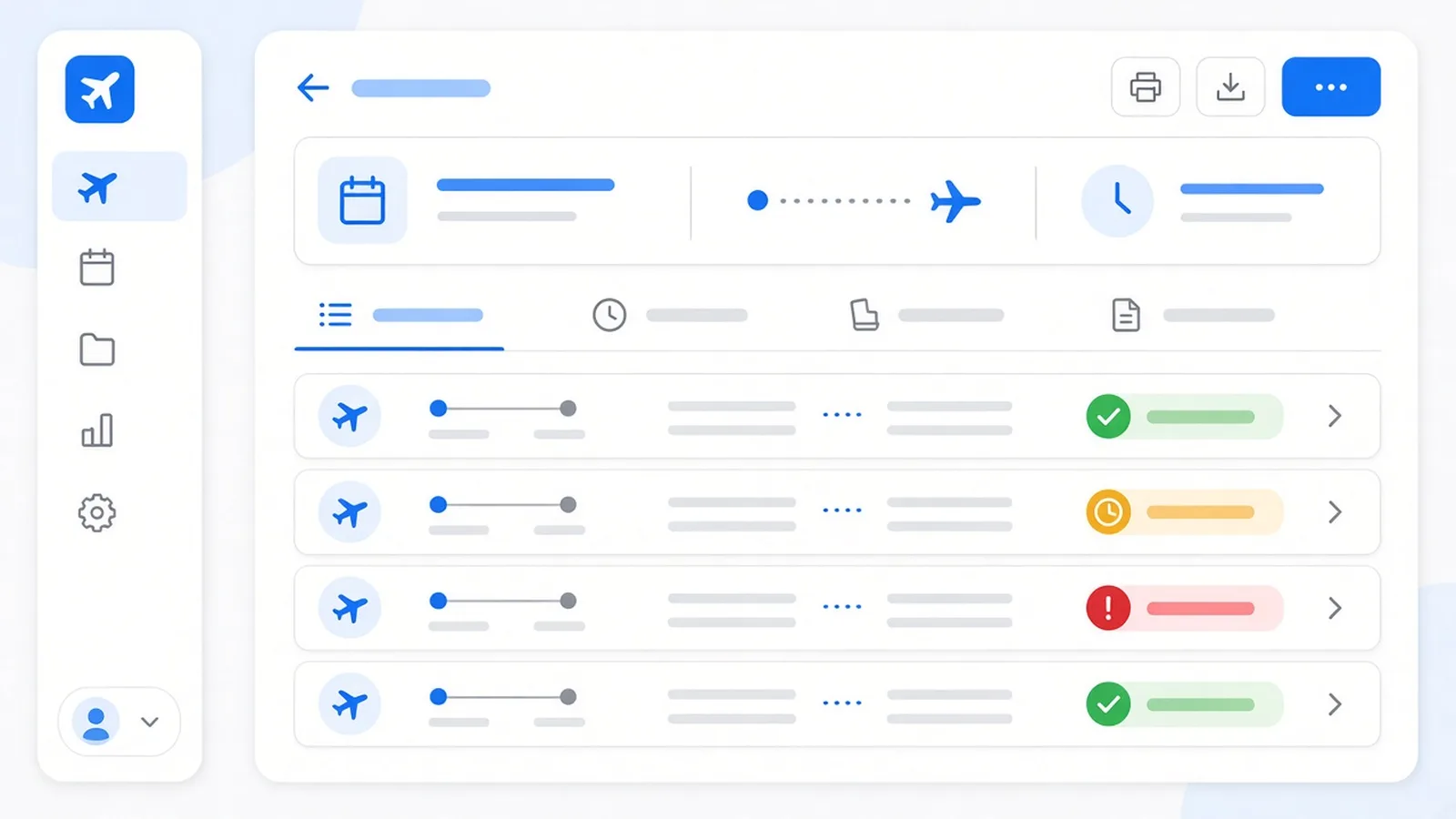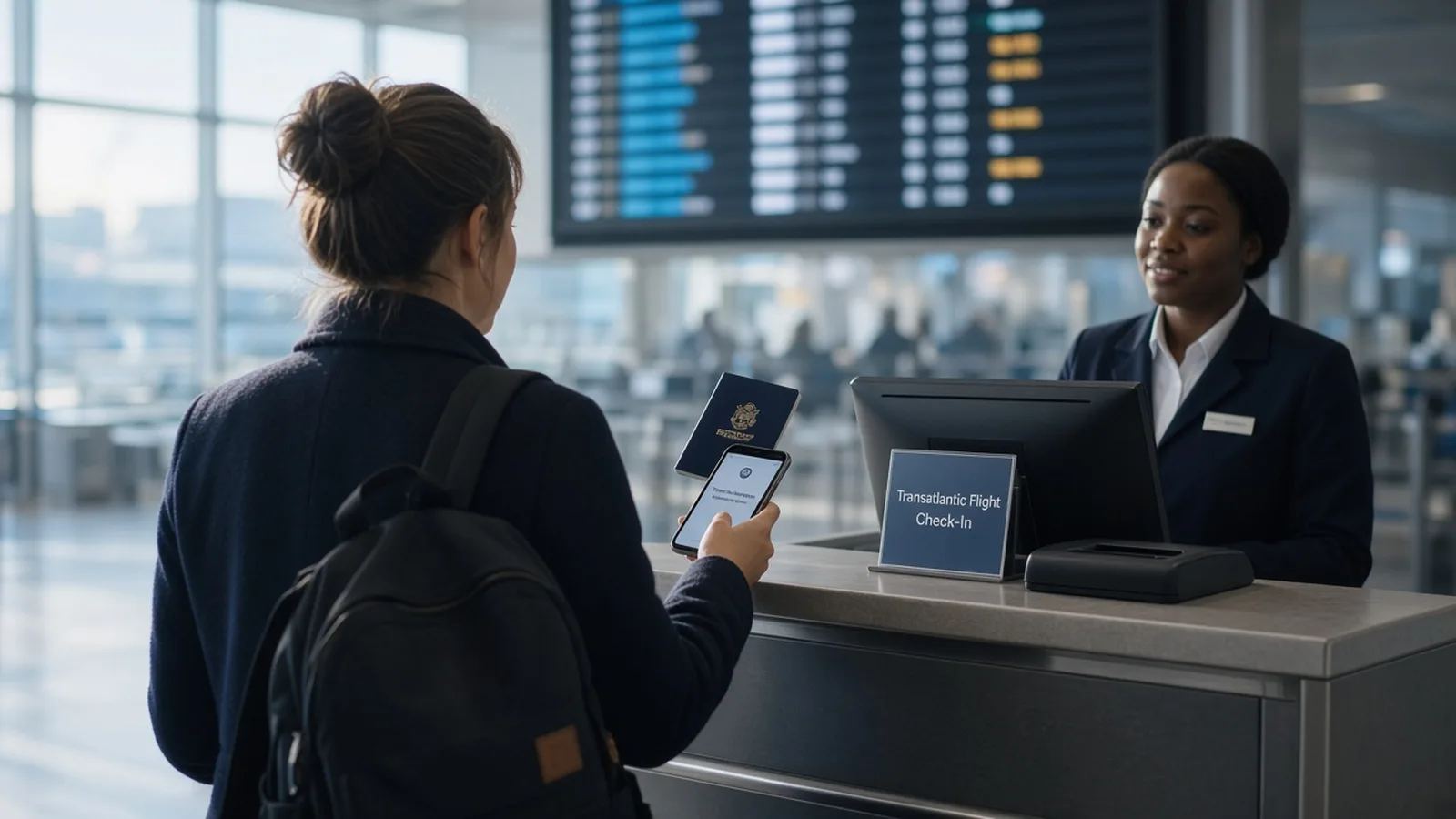
Short answer: Check the booking yourself on the operating airline’s official website or app, using the booking reference (PNR) and your surname, and, if you were given one, the 13-digit e-ticket number. If the airline cannot find it, or shows a different name, date or flight, treat the document as unconfirmed and contact the airline through its official channels, not links or numbers sent by the seller. A held reservation, such as a verifiable flight reservation, will show on the airline site without an issued ticket; a paid ticket should show as ticketed. If you suspect fraud, report it.
Fake flight tickets come in two forms. Some are scams: a buyer pays for a ticket that never existed. Others are documents that look like tickets but are actually unticketed reservations, edited PDFs or templates. Both can leave a traveller stranded, and the checks to spot them are the same.
This guide is for travellers who bought, or are about to buy, a ticket and want to know it is genuine. It gives six practical checks you can run in a few minutes, explains the difference between a reservation and an issued ticket, lists the red flags fraud agencies warn about and tells you what to do if a ticket turns out to be fake. For the specific step-by-step PNR lookup on an airline site, see our PNR verification walkthrough.
Key facts
- The airline that operates or markets the flight holds the booking record; its own site or app is the authoritative check.
- Most airlines let you retrieve a booking with the booking reference (PNR) and passenger surname.
- An issued ticket has a 13-digit ticket number; a reservation can exist with no ticket issued.
- The FTC warns that scammers impersonate airline customer service on social media and advises using the airline’s official app, website or phone number.
- UK fraud guidance advises avoiding bank transfers to unknown sellers and paying by card or protected payment services.
- The FTC says scammers use paid search ads and websites that only look like an airline’s, and advises typing the company’s website directly into the browser.
- The FTC says a demand to pay by wire transfer, gift card or cryptocurrency is a sign of a travel scam, and advises checking whether you are buying a ticket or just making a reservation.
- Action Fraud advises avoiding bank transfers to unknown sellers and says credit cards or payment services give a better chance of recovering money.
- American Airlines, Iberia and ANA each state that a ticket number has 13 digits and that its first three digits identify the issuing airline (001, 075 and 205).
- Iberia says a ticket shown as pending is still being issued, and that the ticket number and booking code appear on the boarding pass under the barcode.
In This Guide
- Why Does Only the Airline’s Own Site Count?
- Which Checks Confirm a Ticket Is Real?
- What Is the Difference Between a Reservation and a Ticket?
- What Red Flags Suggest a Fake Ticket?
- What Should You Do if the Ticket Is Fake?
- What Do Two Example Checks Look Like?
- How Do Fake Airline Websites and Ads Work?
- Which Payment Methods Signal a Scam?
- Is It a Ticket or Only a Reservation?
- What Pressure Tactics Should Make You Stop?
- What Do Three Ticket Checks Look Like?
- What Should You Check Before You Pay?
- What Do Airlines Say a Real Ticket Number Looks Like?
- What Does a Pending Ticket Mean?
- What Should You Never Share With Someone Offering Help?
- How Do Charter and Package Offers Fit In?
- Where Do You Report a Fake Ticket?
- How Do You Check a Ticket Step by Step?
- What Paperwork Comes With a Genuine Ticket?
- Which Official Sources Does This Guide Use?
- Trust the Airline Record, Not the PDF
Official-source check: The US Federal Trade Commission’s alert on scammers impersonating airline customer service explains how to contact airlines safely and where to report. The UK’s ticket fraud guidance (Report Fraud, formerly Action Fraud) covers bogus sellers, payment methods and reporting. Airline lookup steps come from each airline’s own manage-booking page.
Reviewed for: airline manage-booking checks, PNR versus e-ticket number, reservation versus issued ticket, seller red flags, impersonation scams and fraud reporting.
A useful mental model: a PNR shows that a booking exists in the airline’s system; a ticket number shows that it has been paid for and issued. A real, paid trip needs both. A real reservation has a PNR and may not yet have a ticket.
Why Does Only the Airline’s Own Site Count?

Travel agents, booking sites and ticket-sellers all pass bookings to the airline. The airline is the only party that both carries you and holds the final record. If its system shows your name, your flight and a ticketed status, the ticket is real. If it does not, nothing else on the document matters.
Third-party "PNR checker" sites can be convenient, but they are not the airline. Use the airline’s own manage-booking page, reached by typing its address yourself or through its official app.
Golden rule: Never verify a ticket using a link, phone number or social-media account supplied by the person who sold it to you. The FTC warns that scammers set up fake accounts and spoofed sites to impersonate airlines.
Which Checks Confirm a Ticket Is Real?
-
Identify the operating airline. On a codeshare, the airline that actually flies the aircraft may hold the ticket record.
-
Go to that airline’s official site or app and open "Manage booking" or "My trips".
-
Enter the booking reference and the passenger’s surname exactly as on the passport.
-
Compare every detail: names, flight numbers, dates, times, airports and the number of passengers.
-
Look for a ticket number or "ticketed" status. American Airlines, Iberia and ANA each say on their own sites that the ticket number has 13 digits and that its first three digits identify the airline that issued it.
-
If anything is missing or different, contact the airline through its official phone or desk before you travel.
Our explainer on e-ticket number versus PNR goes deeper into what each code proves.
What Is the Difference Between a Reservation and a Ticket?
|
Record |
What it shows on the airline site |
Can you fly on it? |
|---|---|---|
|
Reservation (PNR, not ticketed) |
Booking found; no ticket number or a time limit |
No, until a ticket is issued |
|
Issued e-ticket |
Booking found with a 13-digit ticket number |
Yes, subject to documents |
|
Edited or template PDF |
Not found, or different details |
No |
|
Cancelled or expired booking |
Not found, or shown as cancelled |
No |
A DummyFlights reservation is the first kind: a real PNR that you can check on the airline site, costing $15 per person and valid for 48-72 hours, with free date changes within the same day of booking. It is meant for visa files and itinerary planning, not for boarding. Our page on whether a dummy ticket is a confirmed ticket explains the difference.
What Red Flags Suggest a Fake Ticket?
-
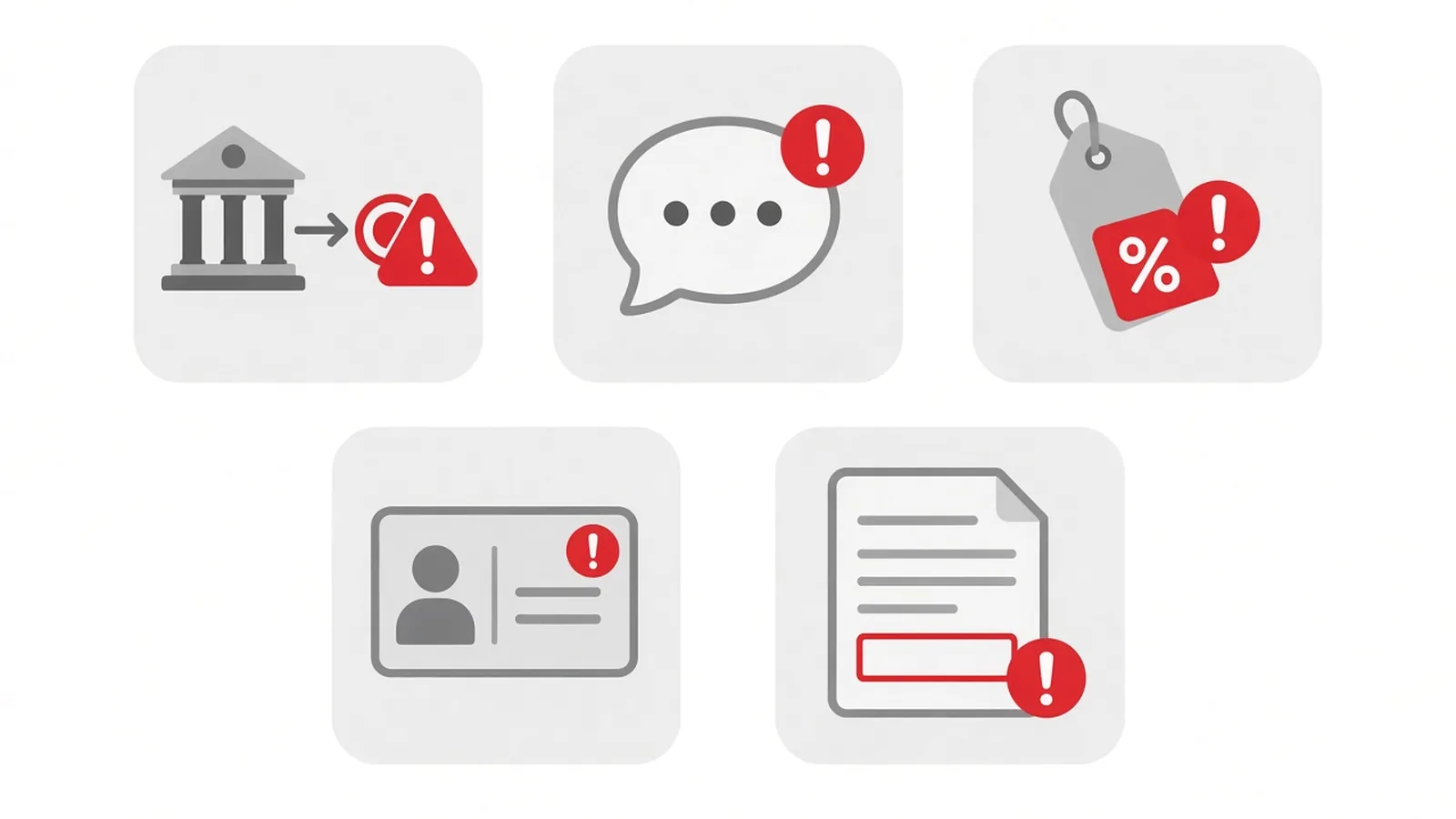
The seller asks for payment by bank transfer, cryptocurrency or gift cards. UK fraud guidance advises avoiding bank transfers to unknown sellers.
-
The price is far below what the airline charges for the same flight.
-
The seller contacted you on social media after you posted about a flight problem, a pattern the FTC describes.
-
The document has no ticket number, or the number does not start with the airline’s code.
-
The airline’s site cannot find the booking or shows a different name.
-
The seller pressures you to pay quickly or refuses to give a booking reference until after payment.
-
The website name is very similar to a known brand. Fraud guidance notes that bogus sellers use names close to legitimate ones.
Our guide to warning signs of a scam provider lists more checks for reservation sellers specifically, and our comparison of fake ticket PDFs versus real PNRs covers the visa-file side.
What Should You Do if the Ticket Is Fake?
-
Stop paying. Do not send more money to "fix" the booking.
-
Call your bank or card issuer immediately. Card payments and services like PayPal give a better chance of recovery, according to UK fraud guidance.
-
Contact the airline through its official channels to see whether any genuine booking exists.
-
Report it. In the UK, report to Report Fraud (formerly Action Fraud) online or on 0300 123 2040. In the US, report to ReportFraud.ftc.gov, and if personal data was stolen, IdentityTheft.gov.
-
Watch for follow-up scams. Fraud guidance warns that criminals sometimes contact victims offering to recover money.
What Do Two Example Checks Look Like?
A ticket bought from a social-media seller
Kemal paid a seller on a messaging app for a cheap flight to London. He receives a PDF with a booking reference. On the airline’s official site, the reference returns "booking not found". The PDF has no ticket number. He calls his bank, reports the seller, and books directly with the airline.
A reservation for a visa file
Lucía holds a flight reservation for her visa application. On the airline’s site, the PNR shows her name and flights, with no ticket number. That is expected for a reservation. She knows it is not a boarding document and plans to buy a ticket after her visa decision.
How Do Fake Airline Websites and Ads Work?
The FTC warns that travel scams often start when you search online. Scammers buy paid ads that put their phone number next to a well-known company’s name, or link to a website that only looks like it belongs to an airline or hotel brand. Others send phishing emails that look like they come from an airline you recognise.
|
Tactic described by the FTC |
What it looks like |
Defence the FTC gives |
|---|---|---|
|
Paid search ads |
Top result with an airline name and a phone number |
Scroll to unpaid results, or type the airline’s site yourself |
|
Look-alike websites |
A site that copies an airline’s design |
Check the URL carefully before you click |
|
Phishing emails with deals |
“Exclusive” fare email from an airline you know |
Do not click; check the deal on the real site |
|
Social media impersonators |
A helpful “agent” replying to your complaint post |
Use the airline’s official app, website, chat or phone |
|
“Free” trips with fees |
You “won” a trip but must pay taxes or fees |
If you have to pay, it is not free |
Whatever the channel, the check is the same: open the airline’s own site by typing its address, and look up the booking there.
Which Payment Methods Signal a Scam?
The FTC says scammers ask for wire transfers, gift cards, payment apps or cryptocurrency, because once the money is collected it is almost impossible to get back. Action Fraud gives the same advice for tickets: avoid paying by bank transfer, especially to someone unknown, and use a credit card or a payment service, which gives a better chance of recovering money.
|
Payment request |
Risk level |
Why |
|---|---|---|
|
Wire transfer (for example Western Union or MoneyGram) |
High |
FTC: sign of a scam |
|
Gift cards |
High |
FTC: sign of a scam |
|
Cryptocurrency |
High |
FTC: sign of a scam |
|
Bank transfer to an unknown seller |
High |
Action Fraud: avoid |
|
Credit card on the airline’s own site |
Lower |
Action Fraud: better chance of recovery |
Note: A seller who insists on one of the high-risk methods is giving you the answer to “is this ticket real?” before you even see it.
Is It a Ticket or Only a Reservation?
The FTC advises travellers buying through apps or comparison sites to know whether they are buying from the app company or the airline, and whether they are buying a ticket or just making a reservation. That difference is the root of many “fake ticket” worries: a genuine reservation is not a fake, but it is also not a ticket you can fly on.
|
Document |
Has a PNR? |
Has a ticket number? |
Can you fly on it? |
|---|---|---|---|
|
Issued airline ticket |
Yes |
Yes |
Yes |
|
Genuine reservation or hold |
Yes, for a limited time |
No |
No |
|
Fake ticket |
Often a made-up code |
Missing or invented |
No |
If you need a reservation for a visa file, buy it knowingly from a provider that says what it is. A DummyFlights reservation costs $15 per person, carries a PNR valid for 48-72 hours and includes free date changes within the same day of booking.
What Pressure Tactics Should Make You Stop?
-
A deadline: the FTC says scammers rush you to decide right away.
-
Vague details: the FTC says walk away if the seller will not give specifics.
-
A price far below anything on the airline’s site.
-
A seller who will only talk on social media or messaging apps.
-
A promise that someone will hand you the ticket at the airport, a pattern Action Fraud describes for event tickets.
-
A follow-up caller offering to recover lost money, which Action Fraud calls a secondary scam.
The FTC suggests searching the company name with the words “scam”, “review” or “complaint” before paying.
What Do Three Ticket Checks Look Like?
A fare from a social media “agent”
The seller asks for a bank transfer and sends a PDF. The traveller types the airline’s address, enters the PNR and surname and finds no booking. She stops, reports it and keeps the messages.
A fare from an online travel agency
The PDF shows a PNR and a ticket number. The airline’s manage-booking page shows the flight under the airline’s own reference. The ticket is real.
A visa reservation
The PNR opens on the airline site for two days with no ticket number. It is a genuine reservation, not a ticket, which is what the traveller paid for.
What Should You Check Before You Pay?
|
Check |
Pass |
|---|---|
|
You reached the seller by typing the address, not an ad or link |
Yes |
|
Payment by card on the airline or a known agency site |
Yes |
|
Specific flight, dates, names and fare rules given |
Yes |
|
Reviews searched with “scam” and “complaint” |
No warnings |
|
You know if you are buying a ticket or a reservation |
Yes |
What Do Airlines Say a Real Ticket Number Looks Like?
Three airlines describe the ticket number on their own sites, and their descriptions agree. American Airlines says the ticket number is a unique 13-digit number whose first three digits are the airline code, always 001 for American. Iberia says the ticket number is a 13-digit code in which the first three digits identify the airline that issued the ticket, 075 for Iberia. ANA says tickets it issues carry a 13-digit number starting with 205.
|
Airline |
Prefix it states |
Where it says you find the number |
|---|---|---|
|
American Airlines |
001 |
Booking confirmation email or card statement |
|
Iberia |
075 |
Confirmation email, receipts, and the boarding pass under the barcode |
|
ANA |
205 |
e-Ticket Itinerary Receipt |
The prefix identifies the airline that issued the ticket, which is not always the airline that operates the flight. If a document claims to be an American Airlines ticket but the number starts with something other than 001, ask the issuer why, then check with the airline that issued it.
Note: American Airlines notes that seats, upgrades and bags can have separate ticket numbers. A second number on your receipt is not necessarily a sign of a problem.
What Does a Pending Ticket Mean?
Iberia explains that if a booking appears as pending, the ticket is still being issued, and a confirmation email follows when the process is complete. If that email does not arrive, Iberia asks customers to call its booking service to check that everything is in order.
|
What you see |
Likely meaning |
What to do |
|---|---|---|
|
Booking found, ticket number shown |
Ticket issued |
Keep the receipt |
|
Booking found, pending |
Ticket still being issued |
Wait for the confirmation; contact the airline if none arrives |
|
Booking found, no ticket number, no pending note |
Reservation only |
Treat it as a reservation, not a ticket |
|
Booking not found |
Not on the airline’s system |
Do not rely on the document |
A booking that stays pending for a long time is worth checking with the airline directly, through the number on its own website.
What Should You Never Share With Someone Offering Help?
The FTC describes scammers who search social media for upset travellers and pose as airline customer service representatives. They ask for the booking confirmation number, phone number or bank account details, or send people to a spoofed site that harvests personal information.
|
Request from an unverified contact |
Why it matters |
Safer route |
|---|---|---|
|
Your booking reference |
With your surname it opens your booking |
Use the airline’s app or site yourself |
|
Phone number |
Used to target you further |
Call the number on the airline’s site |
|
Bank account or card details |
Direct loss of money |
Pay only on the airline’s own checkout |
|
A link to “verify” your ticket |
May be a spoofed site |
Type the airline’s address yourself |
The FTC advises logging in to your airline account and contacting customer service through the airline’s official app, website, chat or phone number, speaking to staff in person at the airport, and only using social media accounts linked from the airline’s website, with a verification badge.
How Do Charter and Package Offers Fit In?
The FTC warns about charter flight scams in which an offer of private-plane travel, sometimes with lodging and tours, turns out to be fake after payment. It says the U.S. Department of Transportation’s Special Authorities Division keeps a list of approved public charter flights, and that if the charter filing is not approved before the package is sold, you are probably dealing with a dishonest operator.
-
Check the charter against the DOT list of approved public charters before paying.
-
Ask for the hotel’s exact address and research it independently, as the FTC advises.
-
Walk away from offers that give only vague details such as a “five-star resort”.
-
Treat a “free” trip that requires fees as a red flag; the FTC says if you have to pay, it is not free.
Where Do You Report a Fake Ticket?
|
Where you are |
Report to |
Also |
|---|---|---|
|
United States |
The FTC at ReportFraud.ftc.gov |
If personal information was stolen, IdentityTheft.gov; airline service complaints to DOT via FlightRights.gov |
|
United Kingdom |
Action Fraud online or on 0300 123 2040 |
Tell your bank as soon as possible |
|
Anywhere |
Your bank or card issuer |
Keep emails, messages, PDFs and payment records |
Action Fraud warns that fraudsters sometimes contact victims again claiming they can recover lost money, which is a secondary scam. Hang up on callers who say they can get your money back.
How Do You Check a Ticket Step by Step?
-
Find the airline name and the booking reference on the document.
-
Type the airline’s address into your browser yourself; do not use a link from the seller.
-
Open “manage booking” and enter the reference and the surname exactly as on the passport.
-
Compare names, dates, flight numbers and times with the document.
-
Look for a ticket number: 13 digits, with the first three identifying the issuing airline, as AA, Iberia and ANA describe.
-
If the airline cannot find the booking, contact it through the number on its own site.
-
If it is fake, stop paying, tell your bank and report it.
Doing these checks takes a few minutes and uses only the airline’s own systems, so no seller can fake the answer.
What Paperwork Comes With a Genuine Ticket?
ANA describes a ticket as either an e-Ticket Itinerary Receipt or a flight coupon issued by an operating airline or designated agency. It says the passenger’s ticket information is stored in ANA’s database as an electronic flight coupon, and the passenger gets a copy as the e-Ticket Itinerary Receipt, an A4-sized receipt containing the fare, ticket information and itinerary. ANA notes the receipt may be required for check-in or immigration procedures.
|
Item |
Genuine ticket |
Warning sign |
|---|---|---|
|
Itinerary receipt |
Shows fare, ticket number and itinerary |
No fare or ticket number, only flight times |
|
Confirmation email |
From the airline or the agency you booked with |
From a free email address or an unrelated domain |
|
Airline record |
Booking found on the airline’s own site |
Booking not found |
|
Boarding pass (later) |
Shows ticket number and booking reference, as Iberia describes |
Not applicable until check-in |
The receipt is a copy. The ticket itself lives in the airline’s database, which is why checking the airline’s own site is the test that matters. A beautifully formatted PDF proves nothing if the airline has no record of it.
Which Official Sources Does This Guide Use?
-
Scammers impersonate airline customer service representatives, FTC Consumer Advice.
-
Ticket fraud, Report Fraud (UK).
-
Your airline’s official manage-booking page.
Trust the Airline Record, Not the PDF
To tell a real ticket from a fake one, check the record on the airline’s own site, match every detail and look for a ticket number. A reservation without a ticket can be genuine but is not a boarding document. If a seller cannot give you a record the airline confirms, treat it as fake, protect your money and report it.
Check before you rely on it. Look up any booking on the airline’s official site, and use a reservation only for the purpose it is meant for.
Review verifiable reservation optionsFrequently Asked Questions
How can I check if my flight ticket is real?
Enter the booking reference and your surname on the operating airline’s official website or app. Check the details and look for a 13-digit ticket number.
What does it mean if the airline cannot find my booking?
The booking may not exist, may be under another airline on a codeshare, or may have lapsed. Contact the airline through official channels before travelling.
Is a PNR the same as a ticket?
No. A PNR shows a booking exists. A ticket number shows it has been paid for and issued.
Can a reservation be real without a ticket?
Yes. A reservation can be genuine and verifiable on the airline site without an issued ticket, but you cannot board on it.
Where do I report a fake flight ticket?
In the UK, Report Fraud on 0300 123 2040 or online. In the US, ReportFraud.ftc.gov. Also tell your bank immediately.
Should I trust airline support accounts on social media?
Only accounts linked from the airline’s official website. The FTC warns scammers impersonate airline support on social media.
How should I pay for flights to avoid fraud?
Action Fraud advises a credit card or payment service rather than a bank transfer to an unknown seller; the FTC says wire transfers, gift cards and cryptocurrency are signs of a scam.
Where should I report a fake ticket in the US?
The FTC asks people to report scams at ReportFraud.ftc.gov.
How many digits does an airline ticket number have?
American Airlines, Iberia and ANA each say 13, with the first three digits identifying the issuing airline.
What does a pending ticket mean?
Iberia says it means the ticket is still being issued; a confirmation email follows when it is complete.
Should I give my booking reference to someone on social media?
No. The FTC says scammers posing as airline agents ask for booking confirmation numbers; contact the airline through its official channels.
Is the itinerary receipt the ticket itself?
ANA says the ticket is stored in its database as an electronic flight coupon, and the e-Ticket Itinerary Receipt is the passenger’s copy, which may be needed at check-in or immigration.
Can a ticket number start with a different airline’s code?
Yes. The first three digits identify the airline that issued the ticket, which may differ from the airline operating the flight.
Friendly reminder: Airline and fraud-reporting procedures can change. A record found on an airline site confirms that a booking exists; it does not guarantee boarding, a visa or entry. Use each airline’s official channels and report suspected fraud to the authorities in your country.