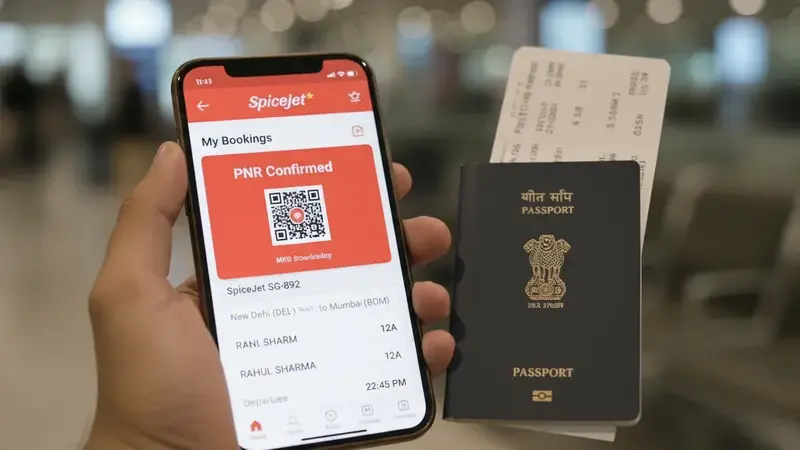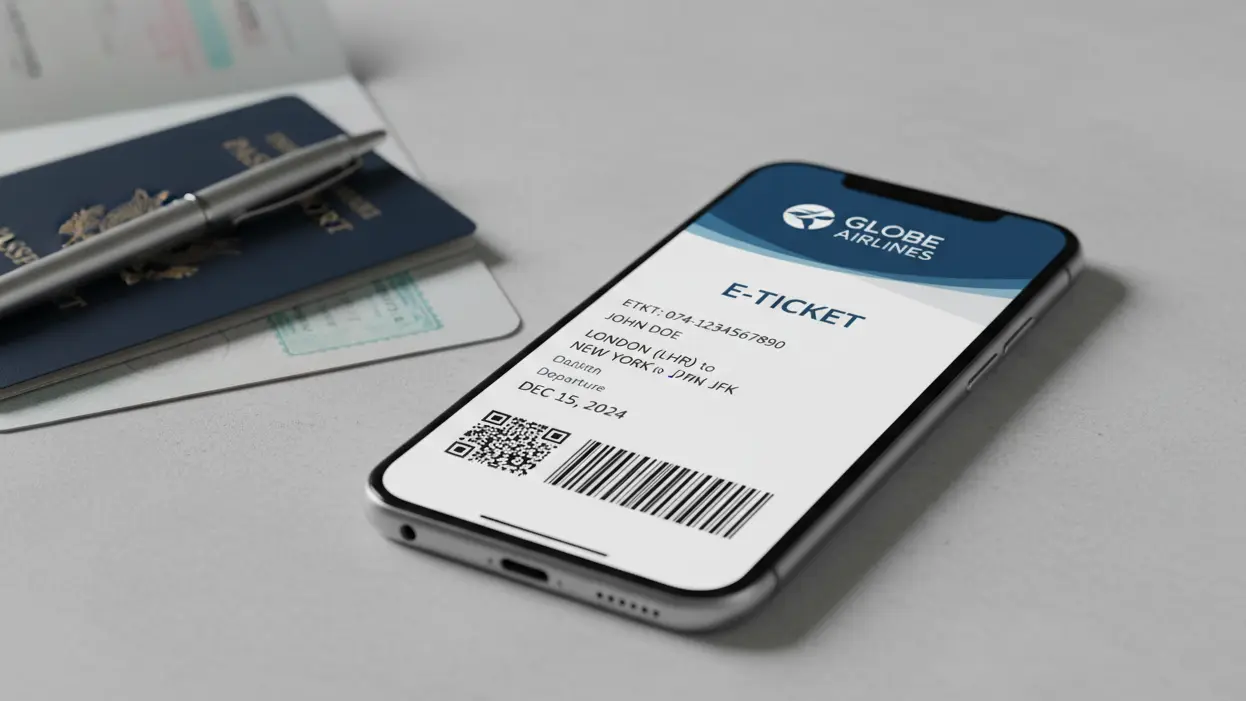
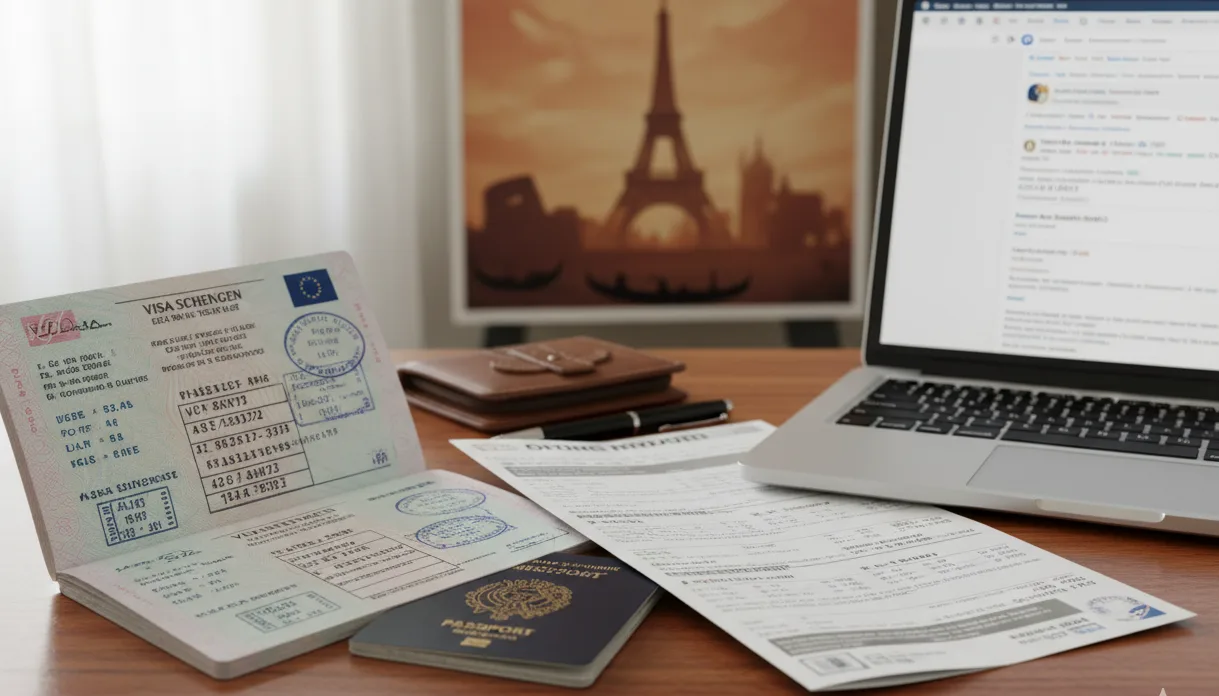
Schengen applicants often panic about flights at the wrong moment. A VFS or embassy appointment appears suddenly, travel dates move, hotel bookings are half-finished, and the applicant still needs a flight reservation that looks current. That is where an instant dummy ticket earns its role. It fills the proof-of-transport gap quickly, but only if the rest of the file is already logically built.
The dangerous version is different: a rushed PDF, a route that does not match the main destination, a booking reference that cannot be checked while active, or dates that fight the hotel reservation. An instant ticket should make the file easier to understand. It should not introduce a second version of the trip.
If you need the full foundation first, start with the complete dummy ticket for visa guide. This page focuses on the speed-and-timing layer: when “instant” supports a Schengen application and when speed creates avoidable risk.
In This Guide
Why Instant Dummy Ticket Matters for Schengen Visa Applicants
An instant dummy ticket matters because Schengen preparation is not always linear. You may start with a planned Paris trip, then find an appointment for Germany. You may hold hotels first, then realize the flight dates are one day off. You may get a VFS slot earlier than expected and need a reservation that can be printed, uploaded or carried quickly.
Speed helps only when it supports precision. The core Schengen question is not “how fast was the ticket generated?” It is “does the transport proof match a coherent travel plan?” If the answer is yes, an instant reservation can save time and reduce unnecessary fare risk. If the answer is no, fast generation simply creates a fast contradiction.
The India factor: slots, queues and sudden date changes
Indian Schengen applicants often deal with appointment scarcity, city-specific center availability, employer leave letters, bank statement timing and changing travel dates. These moving pieces make flight reservations hard to time. Buy too early and the itinerary may no longer match the appointment reality. Wait too long and the file is incomplete.
- VFS or embassy slots may appear with short notice.
- Leave letters may be issued for fixed dates before flights are finalized.
- Hotel bookings may be refundable but still need to match flight dates.
- Insurance validity must cover the declared Schengen stay.
- A flight reservation should remain current during intake and possible review.
Where a cheap dummy ticket for visa saves time
A low-cost reservation can be useful when you need proof of intended transport but do not want to lock money into a non-refundable ticket before the visa result. That is the practical reason many applicants use a dummy ticket: it shows a planned route without forcing premature purchase.
The phrase “cheap” should not mean careless. A weak free generator or edited screenshot can damage the file. A useful reservation has enough detail to be reviewed: passenger name, route, airline details, travel dates and booking reference where available. The PDF design matters less than whether the travel story checks out.
Signal intent without burning cash
Schengen guidance focuses on purpose, accommodation, means, travel plan and intention to leave. A flight reservation helps with the transport and exit-intent part of that picture. It should show the applicant is not planning an open-ended stay, that the declared exit date is realistic, and that the route matches the country where the application is submitted.
What Schengen Reviewers Actually Check in Your Flight Booking
Schengen reviewers are not impressed by complicated routes. They are helped by clean routes. In a tourism file, the flight reservation should make the entry point, exit point and trip length easy to compare with the application form, cover letter, accommodation and insurance.
Main destination logic
The Schengen country you apply through should normally match the main destination of your stay. If France is the main stay, a Paris-focused flight and hotel plan reads clearly. If Germany is the longest stay, the itinerary should not look like Germany is only a transit point. If several countries are involved, the route and accommodation should help explain why one country is the correct application destination.
| Schengen check | What the instant ticket should support | Common risk |
|---|---|---|
| Entry and exit | Clear first Schengen arrival and final departure | Entering one country but applying through another with no main-stay explanation |
| Trip length | Dates match the form, leave letter and insurance | Flight reservation shows extra days not covered by documents |
| Accommodation | Hotel or host proof covers each night | Hotel checkout before the outbound flight date |
| Funds | Stay length is realistic for bank evidence | Long itinerary with weak or unstable funds |
| Intent to leave | Return or onward proof is clear | One-way plan without a credible next step |
The backbone of trust: PNRs that resolve cleanly
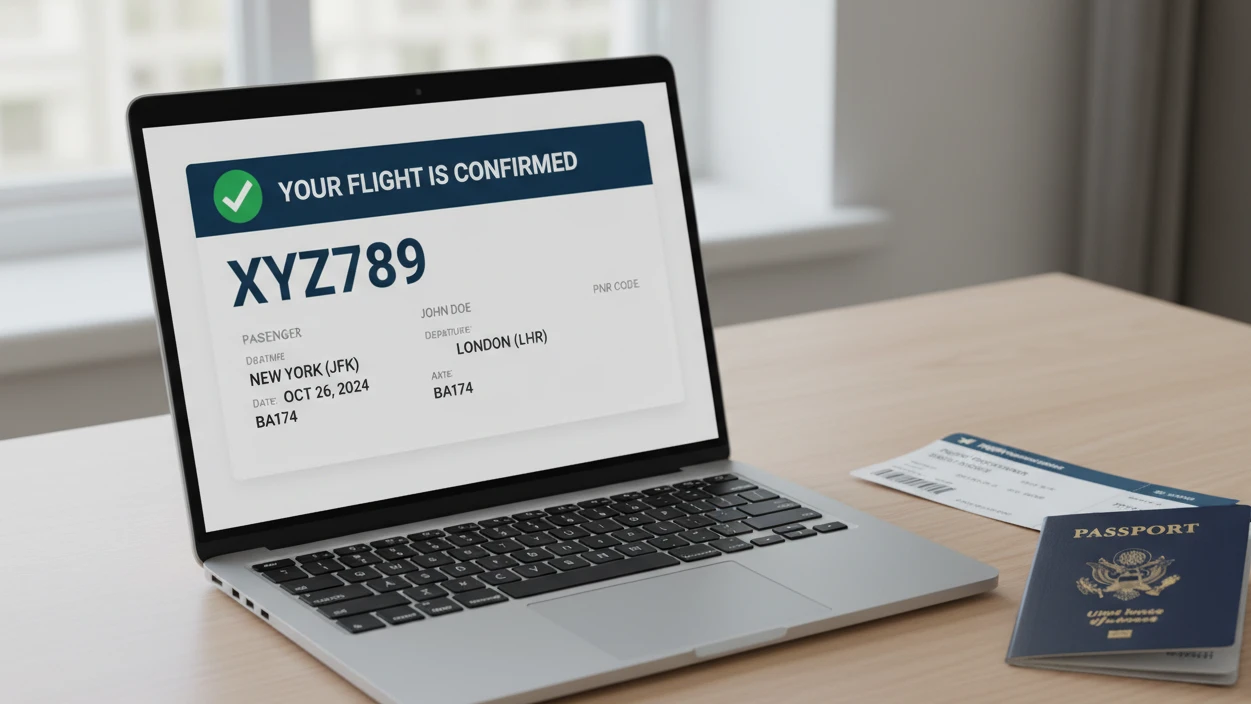
A PNR or booking reference is useful when it connects to a real reservation record while active. It does not need to prove that the ticket is fully paid unless the application specifically requires that. It should help the reviewer or airline system connect the name, route and dates to the same itinerary shown in the PDF.
- Use the passport spelling for given names and surname.
- Avoid manually inserting or altering booking references.
- Keep one reservation version in the file.
- Refresh the reservation if the appointment or trip window shifts.
- Do not submit a screenshot that hides the booking source or dates.
Names, dates and routes that tell one story
Small identity differences can be normal in airline systems, especially with middle names, spacing or titles. Different surnames are not normal. If the passport says “Rahul Kumar Sharma,” avoid creating a booking that says “Rahul S.” or uses an old passport name. For Schengen, the safest approach is to treat the passport as the master source and mirror it across the form, ticket, insurance and hotel proof.
Dates need the same discipline. If your visa form says June 10 to June 20, your flight should not show June 9 to June 21 unless the cover letter and accommodation explain why. Most applicants do not need that complication. They need a simple match.
Return, onward and transit proof that feels realistic
A round-trip reservation is usually the cleanest choice for a short Schengen tourist stay. Onward proof can also work, especially if the traveler is continuing to another region, but the next country must be credible for the passport and itinerary. A third-country exit that introduces visa uncertainty can weaken the story.
Timing Game Plan for Flight Reservations from India
Timing is the part most applicants underestimate. A flight reservation created too early can expire or become stale. A reservation created too late can force rushed document edits. The goal is to build the file in the right order: travel window first, supporting documents second, reservation timing third.
Start with your real travel window
Before generating anything, decide the true travel window. Use your leave approval, school break, event date, accommodation plan and budget as anchors. The travel window should survive minor flight-time changes without rewriting the whole file.
- Pick the intended Schengen entry date.
- Pick the final exit date.
- Confirm the country of main stay.
- Match hotel or host proof to every night.
- Match travel insurance to the full declared stay.
- Generate the dummy ticket only after the calendar is stable.
Lock a PNR before slots move
If you already have an appointment within the next few days, an instant reservation can be the right move. It lets you close the flight-proof gap quickly without paying for a final ticket. But do not let the speed tempt you into changing the itinerary just because an available flight looks cheaper or more dramatic.
For most India-to-Schengen routes, one normal long-haul connection is easier to read than a route stitched across multiple hubs. A Delhi to Paris plan through Doha, Dubai, Istanbul or another common hub is usually simpler than a zigzag itinerary that touches several countries before reaching the main destination.
Keep your PNR alive through the process
Different reservations can remain active for different periods depending on airline, fare rules and booking channel. If the reservation expires before a meaningful review point, the document becomes weaker. If your appointment shifts, refresh the reservation and update every linked document if dates changed.
City-by-city timing tips in India
Applicants in Delhi, Mumbai, Bengaluru, Chennai, Hyderabad, Kolkata and other cities may face different appointment availability, consulate routing and document-handling patterns. The content of the flight reservation should still follow the same logic. The only practical difference is timing: if your city’s appointment slots are unpredictable, prepare the date matrix early and generate the reservation when a slot is secured.
If you must change dates, change them properly. Do not update only the PDF. Update the form if allowed, hotel dates, insurance coverage, leave letter if needed, day-by-day itinerary and cover letter. A single clean change is better than three silent contradictions.
Money smarts for Indian Schengen files
Flight proof should not make the trip look more expensive than the applicant can support. A premium-looking itinerary, last-minute routing or unnecessarily long stay can clash with modest bank evidence. The reservation should support the travel purpose and financial picture rather than trying to look impressive.
For salaried applicants, the cleanest pattern is usually salary credits, stable balance, leave approval and a trip length that fits annual leave. For self-employed applicants, business registration, tax evidence and stable transactions may matter more than a single closing balance. For sponsored applicants, the sponsor documents should explain who pays and why the trip dates still make sense for the traveler.
- A short, focused Schengen itinerary is easier to fund than a long multi-country loop.
- Bank statements should support the declared trip length, not fight it.
- Flight dates should not suggest a longer stay than the leave letter supports.
- Do not inflate the itinerary with premium routes if the rest of the file is budget-focused.
Create an instant, verifiable dummy ticket through DummyFlights when your Schengen travel window is ready and you need a clean reservation for submission.
Mistakes Indian Applicants Make and How to Fix Them
Instant dummy tickets become risky when applicants use them as decoration instead of evidence. The reservation should not merely look travel-related. It should solve a specific problem in the file: intended transport, return logic, route coherence or date alignment.
Looks real but fails a check
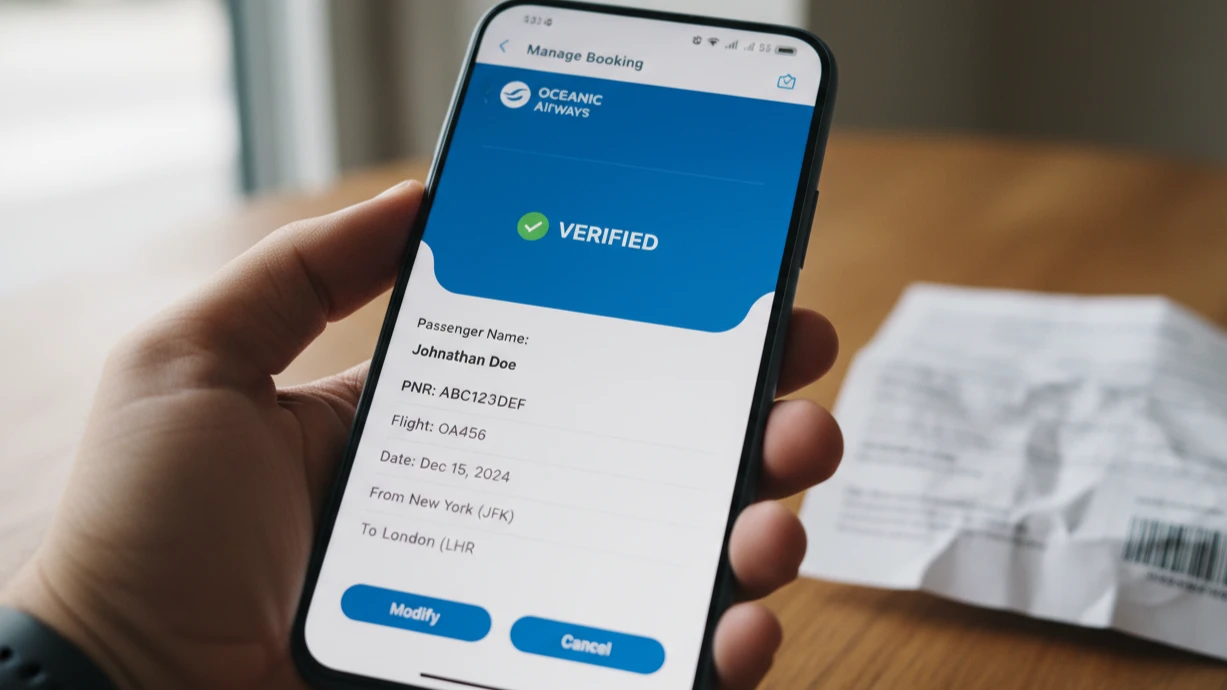
A polished PDF is not enough. If the reservation record cannot be retrieved while active, if the surname does not match, or if the itinerary contains strange segments, the visual design will not help. The fix is to prioritize retrievability, normal routing and document consistency over graphic layout.
Name mismatches that slow everything
Use the passport name as the authority. If the airline compresses middle names, that can be normal, but avoid introducing new spellings. For family files, check every passenger line. A child’s ticket with a shortened name or wrong surname can create unnecessary questions for the whole group.
Dates that tell different stories
Schengen files are highly date-sensitive because transport, accommodation, insurance and funds are reviewed together. The fix is a simple date audit:
- Flight departure date equals declared entry date or is clearly explained by overnight travel.
- Final Schengen exit date equals return or onward date.
- Accommodation covers all nights inside Schengen.
- Insurance covers the full travel period required for the application.
- Leave proof supports the same window.
Route choices that confuse the embassy
Do not make a France application look like an Italy trip. Do not apply through Germany while spending most nights elsewhere unless the rules support it and the itinerary explains it. If the main destination is genuinely shared between countries, use the official Schengen logic and make the first entry and duration easy to understand.
Risky connections and transit surprises
Some flight reservations look fine until the transit layer is checked. A very short connection, a self-transfer through a country with separate entry rules, or an overnight airport change can make a simple Schengen file look risky. For a visa file, the route does not need to be the cheapest route found online. It needs to be a route that a normal traveler could follow without needing a long explanation.
If you are applying from India, common one-stop routes through Gulf hubs, Istanbul or major European gateways may be easy to understand. A route with two unrelated hubs, separate tickets or unusual overnight gaps can still be legitimate, but it should not be chosen unless there is a practical reason. The more complicated the transit story, the more carefully the hotel, insurance and arrival dates need to line up.
Dummy ticket scams, screenshots and edits
Fake generators and edited PDFs are the wrong side of the line. They may create a booking reference-looking code without a real reservation behind it. They may reuse templates. They may display impossible timings. A proper dummy ticket for visa should be a temporary reservation used to show travel intent, not a fabricated travel document.
Over-complicated plans for first-timers
First-time Schengen applicants often try to make the trip look impressive by adding more cities. This can backfire. A five-country route in seven days is harder to defend than a focused Paris, Rome, Amsterdam or Berlin trip. Keep the reservation aligned with a trip you could realistically take.
Families, students, business travelers and nomads
Family applications should share the same route and dates unless there is a clear reason. Student files should respect semester dates and financial sponsorship. Business travelers should match invitation or meeting dates. Digital nomads should be careful with language: Schengen short-stay tourism files should not read like relocation plans.
Special notes for students, first-timers and families
Students should keep the itinerary inside school breaks or approved absence periods. If parents sponsor the trip, the sponsor proof should connect naturally to the student’s travel dates. A long route with vague accommodation can weaken an otherwise normal student file.
First-time Schengen applicants should avoid trying to prove travel seriousness through complexity. A direct or one-stop return reservation, one main country and a clean hotel trail are often stronger than a compressed tour of several capitals. The reservation should show a trip the applicant can actually complete.
Families should check every passenger line. A parent and child with slightly different spellings, different outbound dates or missing return proof for one traveler can slow review. Use one date matrix for the whole group and check each document against it before submission.
Presentation at VFS and after submission
At the application center, documents should be easy to sort. Keep the flight reservation close to the itinerary, accommodation, insurance and cover letter rather than buried in unrelated attachments. If the checklist asks for copies, follow that instruction. If a document is updated after submission, do not assume the center or consulate will automatically accept a new version unless the official process allows it.
After submission, avoid changing the travel story unless the appointment, processing time or real travel need forces it. If you must change, keep the change narrow. Update the reservation, hotel dates, insurance and cover letter together. Do not create a second itinerary and leave the first one alive in the file.
Your Visa Application, Your Timeline: Finish Strong
The best instant dummy ticket is boring in the right way. It arrives quickly, fits the file, confirms a sensible route and does not force the reviewer to solve a puzzle. Before submission, treat your file like one calendar rather than a stack of documents.
Mini plans for different traveler situations
Tourist with fixed leave: Use a round-trip reservation that matches the approved leave dates. Keep hotels and insurance within the same window. Avoid extending the flight dates beyond the leave letter just because the fare pattern looks better.
Conference or event traveler: Anchor the route around the invitation or event schedule. Arrive with enough time to attend the event and leave soon after unless the cover letter explains extra tourism days.
Family visit: Match the flight reservation to the host letter or proof of accommodation. If the host stay is in one country but flights enter another, explain the transport link with a simple itinerary.
Multi-country tourist: Make the main destination obvious. If the longest stay is Italy, the flight and hotel pattern should not make France look like the real center of the trip. Include intercity transport only when it clarifies movement rather than adding clutter.
The outcome you want
The outcome is not a dramatic document pack. It is a calm file where the reviewer can answer the important questions quickly: where are you going, why are you going, how long will you stay, where will you sleep, how will you pay, and how will you leave? An instant dummy ticket supports that outcome when it is timed correctly and kept consistent.
Final Schengen flight-proof checklist
- Passenger name matches the passport.
- Entry and exit dates match the application form.
- Main destination matches the Schengen country logic.
- Hotel or host proof covers each night.
- Insurance matches the declared travel period.
- Funds support the route and length of stay.
- PNR or booking reference is not manually edited.
- Route avoids unnecessary transit confusion.
- Only one version of the itinerary is submitted.
- Cover letter does not introduce dates that differ from the ticket.
If all ten checks are clean, the instant dummy ticket is doing its job. It is not trying to win the visa alone. It is making the transport part of the file easy to verify and easy to believe.
FAQ
Is an instant dummy ticket useful for a Schengen visa?
Yes, it can be useful when the appointment is close and you need fast proof of intended transport. It works best when the reservation is active and dates match the form, hotels, insurance and travel purpose.
Do Schengen embassies require a paid flight ticket?
Many Schengen checklists ask for flight reservation, proof of transport or itinerary rather than a fully paid non-refundable ticket. Applicants should follow the exact checklist for the destination country and application location.
When should I generate an instant dummy ticket?
Generate it after the travel window, accommodation, insurance and form dates are aligned. For close appointments, create it near submission so the reservation remains current during intake or review.
Can I use an instant dummy ticket from India for VFS submission?
Yes, if the destination-country checklist accepts flight reservations or proof of transport and the reservation matches the rest of the file. Always follow the latest VFS and embassy checklist for your specific Schengen country.
What details should an instant dummy ticket show?
It should show passenger name, route, travel dates, airline or flight details and booking reference where available. The details should be readable and consistent with the visa application.
Is a PNR required for a Schengen dummy ticket?
A PNR or booking reference is helpful because it can connect the PDF to an active reservation record while available. It should not be fabricated or manually edited into the document.
Can an instant dummy ticket expire before the visa decision?
Yes. Reservation validity depends on the airline, fare rules and booking channel. If dates or appointment timing shift, refresh the reservation and update related documents if needed.
Should the dummy ticket match hotel and insurance dates?
Yes. Flight dates, accommodation dates and travel insurance should support the same Schengen travel window. Date mismatches are one of the most avoidable problems.
Is an instant dummy ticket the same as a fake ticket?
No. A proper dummy ticket is a temporary reservation used to show travel intent. A fake ticket is a fabricated or edited document that does not represent a real reservation.
Can I change dates after creating the dummy ticket?
You can change dates if your travel plan changes, but the change should be mirrored across the visa form, hotel proof, insurance, cover letter and any leave or invitation documents.