
Schengen tourist files are not judged by the flight PDF alone. Reviewers look for a coherent short-stay plan: purpose of tourism, accommodation, sufficient means, insurance, return intention and a route that matches the country where you apply. A flight reservation can make that story easier to read when it is simple, dated and consistent.
This guide shows when a dummy reservation belongs in the Schengen file, when a refundable ticket or other proof may make more sense, and how Indian travellers can keep the flight story aligned with the rest of the application.
If you are building a complete Schengen file, start with the dummy ticket for visa 2026 complete guide. It explains how temporary flight reservations should line up with visa forms, hotel dates, insurance, leave approval and cover-letter timing.
For broader country-specific visa filing logic, the dummy ticket for visa guide helps separate what embassies review from what airlines check later. That matters because Schengen tourist applications often need a reservation for document consistency, not a paid ticket as financial commitment.
If you are unsure what type of document you are buying, read what is a dummy ticket before you submit. A reviewable temporary reservation is different from a fake PDF, and that difference matters if the itinerary is checked against your dates and route.
Schengen Tourist Visa Flight-Proof Matrix
| Option | Best use | Main risk |
|---|---|---|
| Dummy ticket / flight reservation | Showing intended travel dates without paying full airfare before decision | Reservation expires or dates conflict with hotels/insurance |
| Refundable paid ticket | Applicants comfortable holding funds and managing refund timing | Refund delays, fare restrictions and cash-flow pressure |
| Organised tour confirmation | Package trips where tour dates and accommodation are fixed | Less flexible if visa appointment or travel date shifts |
| Final paid ticket | Only when route and dates are locked and risk is acceptable | Losses if visa is refused or delayed |
Should You Buy A Dummy Ticket For A Schengen Tourist Visa Application?
Picture this. Your VFS slot is finally booked, fares jump every hour, and your boss has not signed off on your leave yet. You need “proof of itinerary” for a Schengen file, but paying for a non-refundable ticket today feels reckless. This is the real decision. Do you lock money into a full fare, or use a verifiable reservation that does the compliance job without the financial risk?
Many Schengen consulates accept reservations as proof of itinerary. Some expect paid tickets later. Practices vary by country and even by jurisdiction in India, so always check the embassy page serving your city.
We’ll show you when a dummy reservation is the clean move, how to keep it compliant, and what students, first-timers, family visitors, and digital nomads should do next. Lock your visa file with a verified itinerary—start your dummy ticket booking now.
Where A Dummy Reservation Fits For Indian Travelers
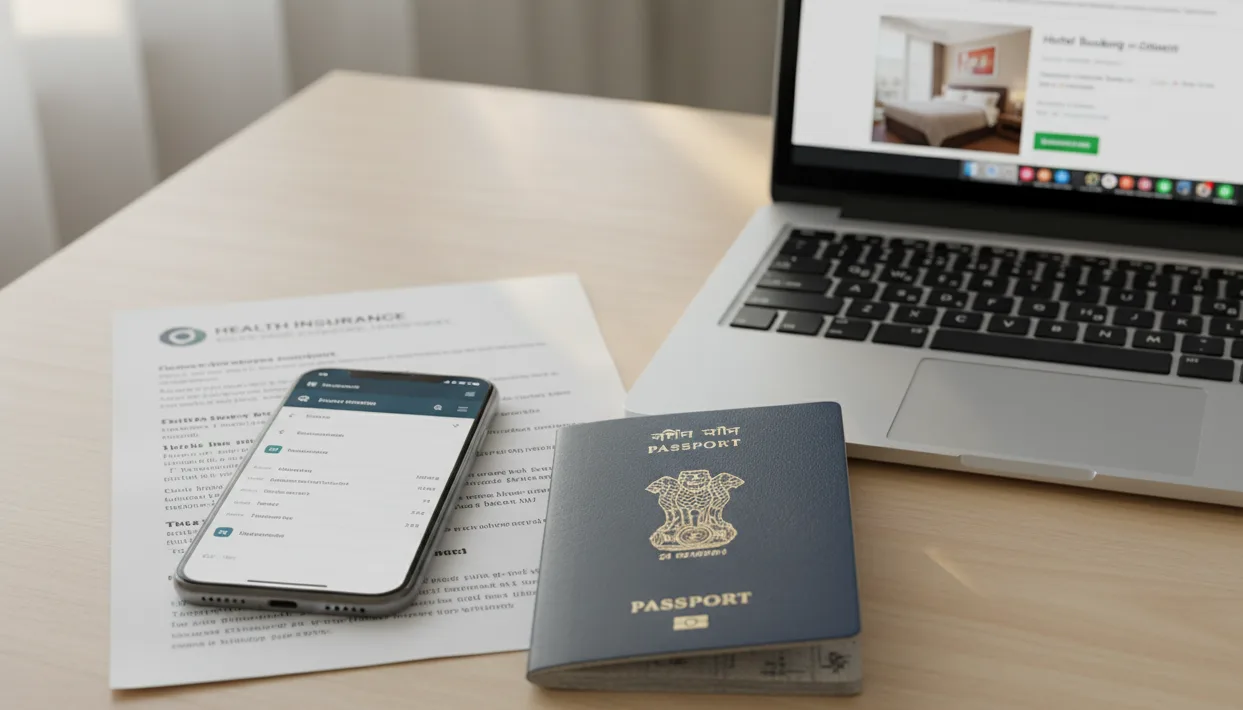
You want a clean, low-risk file that matches how you actually plan to travel. A dummy reservation can do that job if you use it at the right moments and in the right format. Before we jump into use cases, ground yourself in what the consulate expects in your city. Need a compliant, low-cost proof of itinerary? book a dummy ticket in minutes.
Start With The Embassy’s Exact Requirement
Always begin by reading the Schengen mission’s page that serves your jurisdiction in India. Many accept reservations as proof of itinerary. Some may ask for paid tickets later in the process. Policies can change by season. Check again right before your appointment. If the page allows reservations, you can proceed confidently, as long as your documents match and can be verified.
Moments When A Reservation Is The Clean Play
Think about timing first. If your appointment is months before travel, your dates may shift. A reservation protects you from locking money into a fare that might not match your final plan.
Here are common situations where a dummy reservation shines:
- Early Applications: Appointment calendars fill fast in Delhi, Mumbai, Bengaluru, and Chennai. If you file three to four months early, your leave dates or university schedules can move. A reservation gives you a room.
- Uncertain Dates: Waiting on client approval, academic results, or a family event? Hold a plan without paying full price.
- Peak-Season Price Surges: Summer, Christmas, and long weekends push fares higher. Paying early can backfire if prices soften later or if you change carriers.
- Multi-City Itineraries: Flying into Rome and out of Amsterdam, or adding a short hop to Zurich, can be easier to test with a reservation. You can tune the routing and connection length before you commit.
- Reschedules And Delays: VFS slots get rescheduled, public holidays extend timelines, and processing can slow in peak months. Reservations are easier to refresh than refunds are to chase.
Why It Can Work Financially And Logistically
A good reservation lowers cash risk and improves coherence across your file. You pay a small service fee instead of ₹50k to ₹90k or more on a paid fare. You can align the flight plan with cancellable hotels and insurance dates before you buy anything big.
Key benefits you will notice:
- Low Upfront Cost: Keep liquidity for visa fees and travel insurance while your application moves.
- Flexibility on Dates: Adjust your plan when your appointment shifts or exam schedules change.
- Cleaner Story: Flights, hotels, and insurance all speak the same data language, which helps the officer read your file quickly.
- Less Stress: You focus on accuracy, not on refund rules.
Know The Boundaries Before You Rely On It
A reservation is not magic. It has limits. If your consulate asks for a paid ticket at the decision stage, be ready to purchase quickly. Many airline holds expire within 24 to 72 hours. Some provider-issued GDS reservations last longer, but you must verify the lifespan.
Avoid these mistakes:
- Unverifiable Records: If the PNR does not show up in the airline system, do not submit it.
- Name Errors: Use the passport name exactly, including middle names where shown. Small spelling mistakes can create big doubts.
- Date Mismatch: Your hotels and insurance must cover every night implied by your flights. If you arrive on the 10th, your insurance cannot start on the 11th.
- Illogical Routing: If you say the main destination is Spain, but your longest hotel block is in Germany, explain the logic or fix the plan.
India-Specific Realities You Should Plan Around
Application flow in India has its own rhythm. You will feel the crunch during school holidays and European summers. Build your timeline backward from your intended entry date. Add buffers for appointment availability in your city, bank statement freshness, and courier return time.
Helpful habits for Indian applicants:
- Time The Reservation: Generate it close to the biometric day if the validity is short. If processing may outlast the hold, plan a refresh with the same routing.
- Watch Weekend Gaps: If your appointment is on a Friday, make sure the PNR stays live through Monday in case the file is touched after the weekend.
- Mirror Your Main Destination: Follow the first-entry and longest-stay logic with your flight path. For Italy as the mainstay, arriving in Milan or Rome often reads cleaner than a Paris arrival with a long train into Italy.
- Keep Proofs In Sync: Your leave letter, university letter, or business invite should reference travel windows that match the reservation.
Quick Scenarios By Traveler Type
Different travelers face different pressures. Use the play that fits your situation.
- Students: If your exam timetable or university letters are still moving, use a reservation for the visa file. Lock the paid fare only after your dates are final. Keep your PNR refreshed if processing drags into the next week.
- First-Time Applicants: Keep it simple. One arrival city and one departure city, with hotel blocks that match. Add a short cover note stating you are submitting reservations as permitted by the embassy’s proof of itinerary guidance, and that you will buy tickets after approval.
- Family Visitors: If you are visiting relatives in two countries, reflect that in the routing. Show a clear return. Keep insurance coverage continuous for the whole trip.
- Digital Nomads and Remote Workers: If you plan to hop between Schengen states, outline the order and keep buffer days. A reservation helps you demonstrate intent without locking into a complex paid ticket too early.
Use a dummy reservation as a planning tool that also satisfies the document checklist. Keep it verifiable, keep it consistent, and keep a close eye on timing. When your embassy page confirms reservations are reviewed, you can meet the requirement, protect your budget, and move through the process with clarity.
Build The Compliance: What Your Reservation Should Get Right

You want a file that a visa officer can skim and trust. That means your reservation must be real, readable, and in sync with everything else in your bundle. Use this checklist to keep your paperwork watertight. Avoid non-refundable fares while you wait—use our dummy ticket booking today.
Make It Verifiable, Or Do Not Use It
A reservation that cannot be checked is worse than no reservation at all. You need a live PNR that an airline system can confirm.
- Ask how to verify. You should be able to check the record on the airline website or by phone.
- Avoid screenshots that show no locator. A clean PDF plus a PNR is the standard.
- Confirm the issuing path. Genuine issuance through an airline or recognized GDS is what officers expect.
- Recheck after 12 to 24 hours. If the PNR vanishes too soon, refresh before your appointment.
Match Your Passport Name Letter For Letter
Name issues derail otherwise clean files. Treat the reservation like a contract.
- Copy the name exactly as printed on your passport. Include middle names if they appear in the machine-readable zone.
- Maintain the same sequence across flights, hotels, and insurance.
- Watch common Indian spelling variants. If your bank statements use “Kumar” and the passport shows “Kumaar,” keep the visa file aligned with the passport version only.
Align Dates Across Flights, Hotels, And Insurance
Officers look for coherence. Your dates must tell one story from arrival to departure.
- Insurance must cover every night you are in Schengen. Start it on the calendar date you land, not the next day.
- Hotel bookings should bracket your flight dates. No stray nights without accommodation.
- If you are staying with family, include an invitation and proof of address that matches the nights not covered by hotels.
- For day trips or late arrivals, pad the first night so your insurance and accommodation lines up.
Show A Logical Route That Matches Your Main Destination
Your routing should make sense at first glance. Use the first entry and longest stay rules to your advantage.
- If Italy is your mainstay, arriving in Italy reads cleaner than flying into Paris and taking a long train south.
- Multi-city is fine. Make it logical. For example: Mumbai to Rome, Rome to Amsterdam, Amsterdam to Mumbai.
- If the first entry and longest stay differ for a good reason, explain it. A two-line note in your cover letter is enough.
- Keep rail and intra-Schengen flights realistic. Overnight connections that skip a hotel raise questions.
Respect The Reservation Clock
Most reservations have a short lifespan. Plan around that clock, not against it.
- Many airline holds expire in 24 to 72 hours. Some GDS reservations can last longer. Confirm the validity window.
- If your appointment is on Friday, ensure the PNR stays live through Monday in case the file is touched after the weekend.
- Expect longer processing in peak months. If your case may run beyond the hold, schedule a planned refresh with the same routing and dates.
- Keep a tidy paper trail. Save the old PDF and attach the refreshed version if asked.
Round Trip, Onward Proof, And The Story You Tell
Your reservation must support your stated purpose and your return plan.
- Always show how you leave the Schengen Area. A clear return or onward segment reduces questions at both the consulate and the border.
- For business or conferences, align flight dates with invitation dates and the venue city.
- For family visits across two countries, reflect the order in your flights and hotel blocks.
- Students should sync with exam calendars or semester breaks. Mention the constraint in one line of your cover note.
India-Specific Timing Tactics That Help
Appointment slots in India add complexity. Your timing choices can simplify everything.
- Build backward from your target entry date. Add buffers for slot hunting, biometrics, and courier return.
- Generate the reservation close to biometrics if the validity is short. For online applications, choose a longer-valid option or plan a mid-process refresh.
- Public holidays slow everything down. Watch Indian and European calendars when you time your PNR.
- If your employer issues leave letters late, stage your file. Prepare hotels and insurance first, then generate the reservation to match.
Red Flags That Trigger Questions
Avoid patterns that make officers pause. These are simple to fix before you submit.
- Unverifiable PNRs or “ghost” bookings that disappear overnight.
- Spelling errors, swapped surnames, or missing middle names.
- Flights that contradict your hotel map.
- Unrealistic layovers that require miracles to make connections.
- Mixing a paid outbound with a dummy return that does not match your plan.
- PDFs that look tampered with. Never alter documents. Refresh them instead.
Keep Your Cover Letter Short And Useful
A crisp cover letter helps the officer understand your logic without hunting through pages.
- One paragraph is enough. State that you are submitting reservations as allowed by the mission’s proof of itinerary guidance.
- Confirm you will purchase the final tickets after approval.
- If the first entry and longest stay differ, add one line explaining why.
- Mention that insurance and accommodation match the submitted dates.
Pre-Submission Checks You Should Always Do
Run a last pass before you print or upload. Ten minutes here can save days of back-and-forth.
- Verify the PNR online.
- Compare name fields across all documents.
- Scan date ranges from flight arrival to return against insurance and hotels.
- Confirm the city order matches your day-by-day plan.
- Save a PDF copy of everything and a calendar reminder for any planned refresh.
Get these compliance details right, and your reservation will do exactly what you need. It proves intent, keeps cash unblocked, and supports a clean, believable travel story for a Schengen visa officer reading your file in India.
Choose Clean, Use It Right: Provider Picks And Step-By-Step Filing

You know a reservation can save money and stress. Now make it work for your file. Pick a reviewable issuer, time the PNR correctly, and submit it alongside documents that tell one clean story for your Schengen visa application. Tight deadline before biometrics? book a dummy ticket and get instant delivery.
What A Reviewable Issuer Looks Like
Start by checking if the provider issues a live, airline-verifiable PNR and explains how you can confirm it. Serious providers are clear about validity windows, refreshes, and refunds. They should help you align dates with hotels, travel insurance, and the rest of your supporting documents so your bundle meets the mission’s required documents list.
Look for clarity on how the reservation supports your Schengen visa application form without locking you into a fare. Expect guidance that matches your embassy or consulate page, not generic claims. If they mention routing options across any Schengen country, they should also explain how to keep the first-entry and longest-stay logic intact. Reputable services will never suggest altering PDFs. They will tell you when to refresh so the reservation remains visa valid during review.
If you prefer airline holds, remember availability varies by carrier and route. Some holds are clean for a single visa appointment, but they may not last through peak-season queues at your visa application centre.
DummyFlights.com: A Practical Option When You’re Short On Time
When you need a verifiable dummy reservation fast, DummyFlights.com can help. We provide instantly delivered PDFs with a live PNR designed for embassy submissions, free date changes within the same day of booking, and transparent pricing at $15 (about ₹1,300). That makes sense when you are applying for a Schengen itinerary with moving parts and want documents an officer can confirm without paying a full fare.
When To Generate And What To Attach
Time the PNR to your filing window. If the validity is 24 to 72 hours, create it shortly before biometrics. With longer-valid reservations, generate earlier, but still verify before you submit your application. Pair the reservation with:
- A day-wise plan and hotel vouchers that cover each night in the Schengen zone.
- Health insurance that meets minimum coverage for a Schengen short stay visa.
- Proofs that match your purpose: an invitation letter for meetings, or confirmations for a visitor visa.
- Financial means: bank statements, pension statements, and income tax summaries where relevant.
If your route crosses international transit areas, add clarity. Some travelers need an airport transit visa or a Schengen transit visa. Others may only require a transit visa for certain countries outside Europe. Check the mission page that covers your city, whether that is New Delhi or another jurisdiction.
The Cover Note That Helps, Not Hurts
Keep it short. State that you submit reservations as allowed, with a valid passport and coherent dates. Mention that biometric data will be provided at the visa centre and that you will purchase paid tickets after approval. If the first entry differs from the longest stay, explain the reason in a single line. Include contact details and the intended date of arrival and departure so the officer sees the logic quickly.
Refresh Without Changing Your Story
Processing can stretch. If your PNR is nearing expiry, refresh with the same routing and dates. Save both PDFs in case the officer asks for additional documents. Do not edit files. If an external service provider handles your courier service or uploads, follow their instructions so your application status stays current in the visa information system.
If your employer finalizes leave late, ensure the employment contract dates and the leave letter align with your flights. For a family member hosting you, collect a sponsor letter and any written consent for minors, plus a birth certificate or a marriage certificate, where needed. Keep all the required documents in one neat stack before you apply for a visa.
Sync Flights With Hotels And Insurance
Your reservation should match the accommodations and insurance to the day. If the applicant intends to visit two Schengen member states, spread hotel nights accordingly. For business travel, align city order with meetings. If you plan to use a multiple-entry visa later in the year, the current trip still needs a tight plan now. Students should ensure blank pages exist in the indian passport for the visa sticker and that their insurance dates match exam calendars.
Costs matter. A reservation keeps the visa cost predictable while you map routes. For some travelers, refundable fares or mileage tickets can work too. Use them if they fit your visa process timing and your cash flow.
Special Cases And Practical Extras
- Transit And Connections: If your route involves airport transit, check if your nationality requires an entry permit or special clearances in certain countries. Swiss nationals have different regimes, so advice online may not apply to indian nationals.
- Purpose of Travel: A business visa file benefits from an invitation and clear city sequencing. For a short stay visa with relatives, keep day counts consistent with the host’s letter.
- Data and Forms: Fill the application form carefully, the same way you complete the visa application process fields elsewhere. Use the same spellings across the visa application center intake sheet and the application online portal, where available.
- Records and Proof: If income tax is deducted appears on your payslips, carry summaries. Some consular services also accept pension statements for retirees.
- Logistics: If you use an external service provider to handle submissions, confirm how they handle courier service returns. For many applicants in the European Union’s framework, visas issued depend on clean files, not fancy routings.
Before you submit, check the visa application form once more, confirm the Schengen visa in India page for your mission, and ensure you have all the small items officers notice: application form consistency, employment letters, and the right photos. For families, add written consent where minors travel without both parents. For professionals, attach an employment contract if requested. And for entrepreneurs, show income tax where possible to demonstrate stability.
Finally, keep expectations realistic. A reservation supports a clear plan across the entire Schengen area, but it does not ensure approval. That depends on documents, clarity, and how well your file matches the rules set by the European Parliament and individual missions. If you keep the paperwork tight and the story consistent, the officer can focus on what matters: that your trip is planned, affordable, and limited to a clean short stay.
Plan B That Still Exists: Alternatives, Nuances, And Risk Control
You have options. If a reservation is not the right fit today, you can still build a strong Schengen file without tying up a big fare. Think of this as your toolkit. Pick the tool that fits your timing, budget, and the way you travel. Keep your dates flexible and your budget safe with a quick dummy ticket booking.
Alternatives That Help You in Applying For A Schengen Country Visa
You want flexibility, not drama. These options help you prove intent while staying light on risk.
- Fully Refundable Tickets: You buy a real ticket with a full refund window. Upfront cost is higher, but you can cancel after the decision. Read the fine print on refund timing and any service fees. Can Work well when your appointment is close to travel and the refund period comfortably covers processing.
- Airline Holds Or Free-Cancellation Windows: Some carriers allow a hold for 24 hours or a short, no-penalty cancellation window. If your visa appointment is tomorrow or the day after, this can be clean. Always confirm the exact cut-off time and the time zone used by the airline.
- Mileage Or Award Bookings: Points redemptions often allow low-cost cancellations or redeposits. Taxes may be the only non-refundable part. This is useful if you have loyalty balances and want a real ticket that is easy to unwind if dates move.
- Low-Fare One-Ways For Onward Proof: A cheap onward segment can demonstrate exit intent. Use sparingly and only when it fits your route. Consider baggage policies and change fees so the choice does not punish you later.
When Each Option Makes Sense
You do not need to guess. Match the tool to the scenario.
- Tight Appointment Window: If biometrics are in 24 to 48 hours, a free-cancellation ticket or a timed hold keeps you covered without complex refreshes.
- Uncertain Job Leave Or Exam Dates: Refundable fares or award bookings reduce your exposure. You can cancel with minimal pain if the dates slide.
- Early Filing In Peak Season: A longer-valid reservation or a refundable option gives you breathing room if processing stretches.
- Complex Routes With Multiple Stops: Start with a reservation to test routing, then switch to a refundable fare once your hotel blocks and meeting invites are firm.
Country And Itinerary Realities You Should Respect
Consistency beats creativity in a visa file. Keep your route aligned with the country logic you declared.
- First Entry and Longest Stay: Your main destination should match where you spend most nights. If the first entry differs for good reasons, write a simple cover note that explains the flow.
- Multi-City Done Right: Arrive where you spend the bulk of time, or at least show a sensible progression. Paris to Milan to Amsterdam can work if hotels and insurance mirror the sequence.
- Border and Transit Practicalities: Long connections at night with no hotel can look messy. If you plan a late-night arrival, add a hotel booking for that night so insurance and accommodation cover the full period.
Keep A Clean Paper Trail For Your Application Form
Visa officers like predictable files. Give them one.
- Document Cohesion: Your flights, hotels, and insurance must speak the same dates and cities. No floating nights. No gaps.
- Version Control: If you change or refresh your reservation, save both versions. Label them by date. If asked, you can show a neat history without confusion.
- Cover Note Discipline: One short paragraph that says what you are submitting, that you will buy paid tickets after approval, and why the route order makes sense.
Risk Management For Different Traveler Profiles
Every traveler type faces different pressure points. Use strategies that reduce your specific risk.
- Students: Deadlines move. Keep your flights flexible until the exam timetable and leave letters are final. Reservations or award tickets with low redeposit fees are usually best.
- First-Time Travelers: Simplicity wins. Single entry, clear return, and hotels that match. Avoid exotic routings. A reservation or a refundable round trip keeps stress low.
- Family Visitors: If you split time between two countries, mirror that in your flights and hotel nights. Carry host letters and keep travel insurance continuous from entry to exit.
- Business Travelers: Tie flights to meeting dates. A letter of invitation plus a refundable fare makes your timing credible if schedules move.
- Digital Nomads and Remote Workers: Map the first trip with precision even if you expect more visits later. Keep the current file tight. You can plan the next hop after approval.
How To Decide Between Reservation, Refundable, Or Points
Use three simple questions to choose.
- How close is the appointment to travel?
Closer dates favor airline holds or free-cancellation tickets. - How likely are your dates to change?
High uncertainty favors reservations or award tickets with low change costs. - What is your liquidity tolerance?
If you do not want cash locked for weeks, avoid high-cost refundable fares and lean on reservations or miles.
Avoid Pitfalls That Waste Time
Small mistakes cause big delays. Skip these traps.
- Unverifiable Proof: If the airline cannot see it, do not submit it.
- Name Mismatches: Passport spellings control everything.
- Date Drift: Flights that extend beyond your hotel or insurance coverage invite questions.
- Over-Engineering: A clever five-country loop looks suspicious if you are a first-time applicant. Keep it realistic.
After The Decision: Convert Cleanly
Approval is not the finish line. It is the start of ticketing.
- Buy A Ticket That Mirrors The Issued Plan: Keep the same entry city, similar timings, and the same trip length. Minor time shifts are fine. Radical changes are not.
- Lock Baggage And Seat Rules Early: Check-in bag allowances can ruin a cheap fare later. Read the fare rules before you pay.
- Keep Copies Handy: Carry your final e-ticket, insurance, and hotel confirmations. Border officers sometimes ask to see onward proof, even with a visa.
Ethics And Good Sense
Your documents must reflect reality. We cannot stress this enough.
- Do Not Edit PDFs: If validity lapses, refresh.
- Be Ready To Answer Simple Questions: Why this route, these dates, and these cities.
- Follow The Mission’s Page For Your City: Policies change. The only source that matters on submission day is the consulate or visa center that will handle your file.
Use these alternatives and habits to stay in control. You keep your cash flexible, your file coherent, and your stress low. That is exactly how a seasoned traveler gets a Schengen visa issued and still books the right flights at the right time.
Schengen Tourist Visa Application: Choose Clarity, Not Confusion
You do not need to gamble on non-refundable fares to submit a strong file. Use a verifiable reservation when your dates may shift, align it with hotels and insurance, and keep the routing consistent with the first entry and longest stay. If timing is tight, pick a refundable ticket, a short hold, or a points booking. Refresh reservations rather than editing documents.
Add a short cover note so an officer sees your logic in seconds. After approval, convert the plan to a paid ticket that mirrors what you submitted. Stay practical, keep records tidy, and follow your consulate’s current page. Do that and you protect your budget, your timeline, and your trip. Ready to submit with clarity? book a dummy ticket and stay visa-ready.
Need Schengen flight proof without buying final tickets too early?
Create a reviewable dummy ticket with passenger details, route, travel dates and booking-reference information aligned to your tourist visa file.
FAQ
Should I buy a dummy ticket for a Schengen tourist visa application?
A dummy ticket can be useful when the checklist asks for a flight reservation or travel itinerary and your final ticket is not yet safe to buy. It should match your form, hotel dates, insurance and trip purpose.
Does Schengen require a paid flight ticket?
Many Schengen tourist checklists ask for a flight reservation or itinerary, not necessarily a paid ticket. Always follow the checklist of the country and visa center where you apply.
What should a Schengen dummy ticket show?
It should show your passport name, entry and exit cities, travel dates, airline or route details, and a booking reference if available. The dates should fit the requested visa period and insurance coverage.
Can an expired reservation hurt a Schengen file?
Yes. If the reservation expires before submission or review, it may stop supporting the file and can create questions. Generate it close enough to the appointment and refresh only if the whole file stays consistent.
Should my Schengen hotel dates match the dummy ticket?
Yes. Flight, hotel, insurance, leave letter and cover-letter dates should tell the same trip story. Date mismatches are one of the easiest issues for reviewers to notice.
Is a round-trip dummy ticket better for Schengen tourism?
Usually yes for tourist applications because it shows a clear entry and exit plan. Open-jaw routes can also work if the main destination and exit from Schengen are easy to understand.
Can I use one dummy ticket for multiple Schengen countries?
Yes, if it reflects the full trip logically. The country where you apply should still match the main destination rule, or first-entry rule when stays are equal.
When should Indian travellers generate Schengen flight proof?
Usually after the appointment date, leave dates, hotel plan and insurance window are clear, and close enough to submission that the reservation remains current.
What is the biggest Schengen dummy ticket mistake?
The biggest mistake is treating the reservation as isolated proof. It must align with the application form, accommodation, funds, insurance and cover letter.
What should I do after the Schengen visa is issued?
Book the final travel plan inside the visa validity and permitted stay. If dates change, keep the final flights, hotels and insurance aligned with the visa conditions.