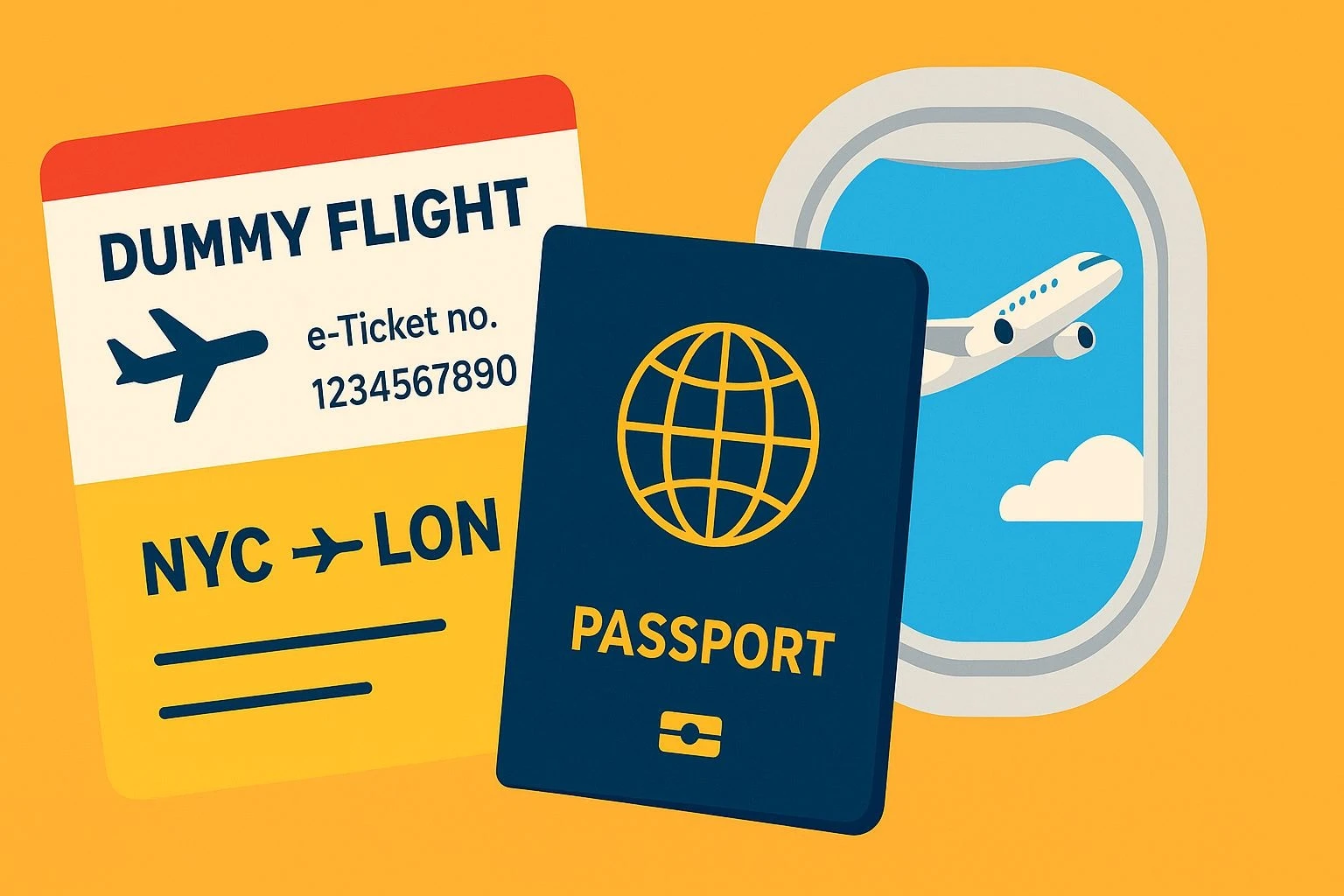

Short answer: A flight or onward reservation can support a Singapore visa file when the current ICA or mission checklist permits it, but it is not a guarantee of approval or entry. Match the passenger name, dates, route, accommodation, funds, stated purpose and return plan, and check the airline’s requirements for your exact journey. A temporary dummy ticket for visa can support a coherent file, but it cannot guarantee approval, boarding or entry.
Key facts:
- Singapore entry-visa and immigration requirements are controlled by the current ICA and mission instructions.
- A reservation is supporting evidence, not a substitute for an entry visa, SG Arrival Card or other required document.
- Passenger name, route, dates, accommodation, funds and purpose should agree across the file.
- Airline check-in questions can differ from the Singapore authority’s visa review.
- Use only truthful, current temporary travel proof and keep an earlier submitted version for your records.
Need temporary flight proof for a Singapore visa file? Use the dates and route your supporting documents actually support, then keep every document consistent.
Official-source check: Confirm the current Singapore ICA visa requirements and the relevant Singapore Overseas Mission instructions. Use the IATA Travel Centre for passport, visa, health and carrier-facing checks; ICA, the mission and the airline control their respective decisions.
Reviewed for: Singapore visa and entry evidence, onward-travel proof, ICA and mission instructions, airline checks, accommodation matching, PNR wording and document-version control.
Temporary Flight Reservations and Booking References
A temporary flight reservation may support a Singapore visa file when the current checklist permits it. Keep the passenger name, route, dates and purpose consistent, and confirm requirements with the responsible authority.
| File element | What should agree | Common weakness |
|---|---|---|
| Flight plan | Passenger name, entry, exit and route match the stated purpose | Dates or airports conflict with the application |
| Accommodation | Hotel or host details cover the planned stay | Unexplained nights or a city not shown in the route |
| Purpose and funds | Employment, study, family or tourism evidence supports the dates | Generic explanation with no supporting document |
| Verification | Reservation status and issuing channel are described accurately | Calling a temporary record a paid ticket or guaranteed approval |
Document check: Follow current ICA, mission and airline instructions for acceptable travel evidence.
👉 Get Your Singapore Visa Reservation Now!
Why Choose Our Dummy Ticket For Singapore Visa
For the broader temporary-document standard, compare your route with the dummy ticket for visa guide and use only evidence that accurately reflects your intended trip.

Singapore visa decisions depend on the complete file. Organize the travel plan, accommodation, purpose, funds and supporting documents so they tell one consistent story.
A temporary reservation is supporting evidence, not a substitute for the Singapore visa checklist or a guarantee of approval. Use a format that clearly shows the route and dates you actually intend to support.
How To Describe Temporary Travel Proof Accurately
A dummy ticket is temporary travel proof used for planning or application support. It should be described accurately, show the passenger and route details clearly, and never be presented as a paid ticket or a guarantee of entry.
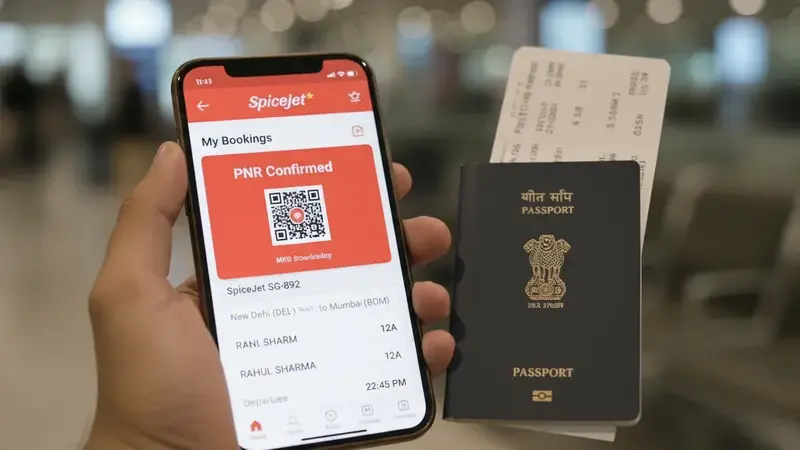
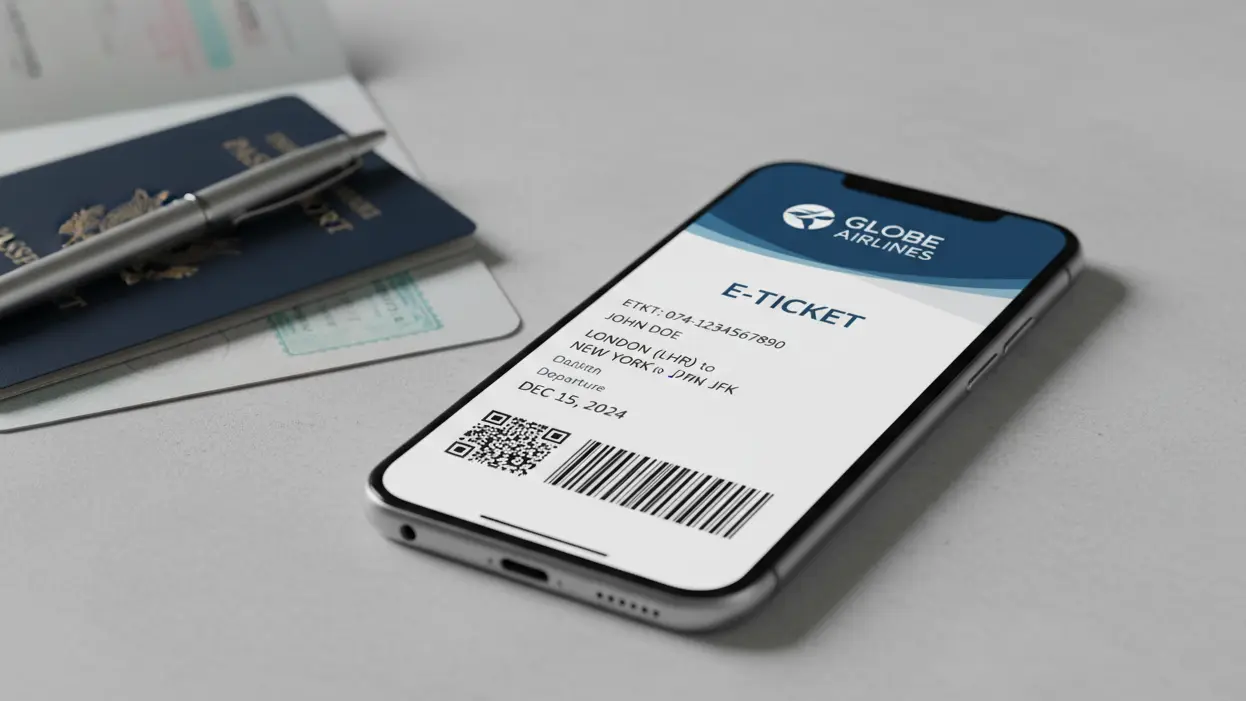
✅ What you’ll see on your document:
-
Passenger details exactly as in your passport
-
Departure time, arrival time, and routes
-
Booking code and e-ticket number
-
Proof that your seat is held in the system
The document should be practical, legible and described accurately; the responsible authority decides whether it is sufficient.
Recognized Worldwide — Including Singapore Embassies And VACs
Singapore visa requirements vary by nationality, purpose and application channel. Use the current ICA and mission checklist to decide what travel and accommodation evidence is required for your file.
Acceptance and verification depend on the destination authority, mission, airline and applicant circumstances. Check the current Singapore instructions before relying on any reservation.
Receiving the Reservation Document
Visa appointments can sneak up fast. Maybe your agent forgot to mention that you need proof of onward travel, or perhaps the embassy officer asks for an updated date right on the spot. Follow the current service process and retain the document exactly as issued; delivery timing and verification status can vary.
✅ Keep the issued document in the format supplied
✅ Check the passenger, route and dates before submission
✅ Retain a copy of what you submit
If you’re physically at the embassy or VAC, you can complete your dummy ticket booking online, make just a payment with a card or bank transfer, and walk back in with the correct document.
When Dates or Routes Change
Travel plans change. Maybe your university pushed back orientation, or your employer asked you to adjust your start date. Instead of buying a non-refundable ticket and paying penalties, you can simply update your dummy flight reservation.
We provide:
-
Free revisions for new departure time and return ticket dates
-
Flexibility, whether you booked a round-trip ticket or an onward one-way ticket
-
Adjustments that don’t cost you extra, unlike low-cost airline penalties
This makes your dummy air ticket stress-free, even if you’re unsure about exact travel dates.
Smart Routing: Avoid Transit-Visa Countries With One Click
A big frustration for travelers is accidentally booking a route through a country that requires a separate transit visa. If you don’t hold one, you risk delays or even visa cancellation. We make it easy to filter flights so your dummy flight ticket online avoids countries with strict transit rules.
Imagine you’re heading to Singapore for work and the cheapest flight goes through a Schengen visa zone. Without our guidance, you could show up with the wrong flight itinerary. Instead, we’ll set you up with onward travel routes that match your visa requirements.
✅ Filter out countries that complicate exit visa procedures
✅ Focus on simple routes through major hubs like Singapore Airlines, Air India, or British Airways
✅ Keep the route explanation clear and check the applicable transit requirements
Hotel Or Flight — Or Both — In One Simple Checkout
Some Singapore visa applications require both flight tickets and proof of accommodation. Others only ask for one. With DummyFlights.com, you decide.
Options we provide:
-
Flight-only dummy reservations
-
Provide a dummy hotel booking alongside your flight
-
Multi-city hotel ticket documents if you plan to explore several places
If accommodation proof is required, use details that match the actual planned stay and the current checklist.
Multi-City Itineraries For Complex Trips
Students, digital nomads, and professionals often need multi-leg itineraries. Maybe you’re flying from Delhi to Singapore, then on to Kuala Lumpur, and back through Air Canada or Air France. We’ve built our booking process to support these kinds of complex travel details.
When you choose dummy reservations with us:
-
You can request multi-city dummy tickets
-
Our system handles both onward and return ticket structures
-
You get a clear document showing the route and dates you intend to support
No matter how complex your travel plans, your documents will still look like a confirmed flight ticket.
Priced For Applicants, Not Package Tours
Use temporary evidence when it is permitted and avoid committing to a non-refundable fare before the responsible authority has decided your application.
-
One flat fee for a single passenger or child
-
Works the same whether it’s a one-way or a round-trip ticket
-
Review the current total and service terms before payment
This is not a cheap dummy ticket in the sense of being low quality. It’s affordable, simple, and designed for one purpose — to help you succeed in your visa application process.
Built By Travel Pros Who Understand Consular Formats
Every embassy has its own quirks. Some want specific onward travel dates. Others want hotel bookings that match exactly with the flight itinerary. We’ve been in the travel industry long enough to know how immigration authorities review these documents.
We make sure your dummy flight ticket benefits you by:
-
Including every passenger detail required for consular checks
-
Matching hotel ticket dates with your flight booking
-
Using formats recognized by major airlines like United Airlines, Air Asia, and Air Arabia
The result is a document that fits embassy expectations without you having to explain anything extra.
Safe, Common, And Legal Documentation — No Risky Shortcuts
The last thing you want is to risk your visa approval with a shortcut that backfires. A dummy flight ticket legal for visa applications is not only safe but also widely used by experienced travelers. Consulates know that many applicants are not ready to buy paid ticket options before approval. That’s why dummy flight reservations exist — they mean reserving flight seats for a short time until your visa is decided.
✅ Why this works:
-
Immigration authorities accept temporary reservation documents
-
Airlines like Air France and Singapore Airlines allow reservations that are verifiable through their system
-
Use the booking reference and status exactly as issued, and do not imply that a public lookup guarantees approval.
Never submit an altered or misleading document. If a current reservation is permitted, describe its status accurately and retain the issuing record.
For first-time travelers worried about whether immigration will accept this, rest easy. Dummy reservations are a normal part of the booking form process worldwide. They help you avoid visa cancellation due to missing proof of onward travel and allow you to move forward confidently with your application.
Check the current Singapore checklist before preparing temporary travel proof.
How We Generate Your Singapore Visa Reservation
Applicants from India may use an authorised agent or destination portal, while applicants elsewhere may follow a Singapore Overseas Mission process. In every case, ICA and mission instructions control, and a temporary reservation should be presented as supporting evidence rather than a guarantee.
If you need a flight reservation rather than a temporary dummy ticket, review BookForVisa’s complete flight-reservation guide so the document type and Singapore checklist remain clear.

Prepare the passenger, route, dates and accommodation details first, then follow the current service and destination instructions for the document you actually need.
1. Search: Enter Travel And Personal Details
It all begins with your travel details. You tell us the essentials: where you’re flying from, your intended destination, travel dates, and passenger information. Think of it as filling out a simple booking form, but without the stress of committing to a paid ticket right away.
✅ What you’ll enter:
-
Your name as it appears on your passport
-
Departure and return dates (if you have them)
-
Starting airport and arrival city
-
Number of travelers
This step ensures the reservation is created in your name and ready to be presented directly to the Singapore embassy or visa application center.
2. Select: Pick A Flight Or Hotel That Fits Your Plan
Once you’ve entered your information, you’ll see available options. If you’re applying for a tourist visa, you might only need a flight. If you’re a student or worker, you may also need a hotel reservation to prove where you’ll be staying.
You can choose between:
-
Flight reservation only
-
Hotel reservation only
-
A combination of both
We also allow for flexibility. For example, if you want to avoid certain routes or prefer major airlines with smooth connections, you can filter for those preferences.
3. Confirm & Pay: Clear Summary Before Checkout
Before you finalize, we show you a simple, transparent summary. This makes sure you know exactly what you’re getting before paying.
✅ The summary includes:
-
Flight route and times
-
Hotel stay details (if selected)
-
Number of passengers
-
Current total shown before checkout
Once you’re happy, you can pay securely online. We accept multiple methods, so you can complete this step whether you’re sitting at home or standing in line at the embassy.
4. Download: Save the Reservation Document
After the order is completed, save the document in the format supplied and check every passenger, route and date before submitting it.
-
Ready to print for your embassy appointment
-
Can be saved to your phone for digital submission
-
Includes all details immigration officers look for
This is especially useful if you’re under time pressure or have been asked for additional documentation on short notice.
How Booking References and Status Should Be Described
Every reservation we provide comes with a valid Passenger Name Record (PNR). This is the unique booking reference number that allows embassies to check the authenticity of your document. When they enter it into the airline’s system, the reservation shows up exactly as it should.
Why this matters:
-
Embassies can verify your booking directly with the airline
-
It records the reservation details and issuing reference; describe its status accurately
-
It builds credibility for your entire visa application
A document should be described by its actual status and issuing channel. Acceptance and verification depend on the responsible authority, airline and applicant circumstances.
What Your PDF Includes (And Why Singapore Consulates Like It)
Review the PDF for passenger, route, date and accommodation details, then compare it with the current Singapore checklist before relying on it.
What’s inside:
-
Full passenger details, exactly as in your passport
-
Airline, flight number, departure, and arrival times
-
Booking code and reference numbers
-
Hotel name, address, and stay dates (if booked)
A clear format can make the route easier to review, but the responsible mission decides what evidence is sufficient for the application.
Changing Dates Or Routes? Edit Without A Penalty
Life happens. Maybe your university postponed orientation, your work contract changed start dates, or you realized you need a different return schedule. Instead of stressing about rebooking fees, you can simply request a change.
-
Check current service terms before requesting a date or route change
-
Quick updates, often within minutes
-
Flexibility for both flight and hotel reservations
This way, you’re never locked into a set plan before you’re ready.
Filtering Out Transit Countries That Need A Visa
One of the most overlooked issues in the visa process is flight routes that pass through countries requiring separate transit visas. If you don’t have one, you could end up with an invalid itinerary.
We make it easy by letting you avoid these pitfalls:
-
Filters to exclude routes through certain countries
-
Options to choose simple, direct flights instead
-
Peace of mind knowing your onward journey won’t raise extra questions
Route filtering can reduce avoidable transit questions, but it does not replace checking the current rules for each connection.
Multi-City And Group Bookings: What To Expect
Not every journey is point A to point B. Students may need to route through multiple cities. Families often travel together with different return dates. Our system is built to handle these scenarios.
Here’s what you can expect:
-
Multi-city reservations tailored to complex travel plans
-
Group bookings created for multiple passengers at once
-
Documents that look just like actual travel itineraries
Whether it’s a solo digital nomad trip or a family vacation, we adjust the format so it aligns with what the Singapore consulate expects.
Support Scenarios: Submitting From Home, Work, Or The Embassy
We know situations vary. Sometimes you’re preparing weeks in advance from the comfort of your home. Other times, you’re at work, rushing to get documents ready. And occasionally, you’re already standing in front of an embassy officer who asks for additional proof.
No matter where you are, DummyFlights.com works:
-
From home: plan calmly and print at your pace
-
From work: download and email documents quickly
-
At the embassy: pay, download, and submit on the spot
It’s designed to fit real life, not just ideal scenarios.
👉 Prepare temporary travel proof only when the current checklist permits it
Why Do You Need a Dummy Ticket For Visa Application
A Singapore visa file is easier to assess when the reservation, accommodation, purpose, funds and dates agree. The current ICA and mission checklist remains the controlling source.
Why Singapore Visa Applicants Ask For Reservations, Not Paid Tickets
Check the Singapore checklist before buying a paid fare. A temporary reservation may reduce upfront commitment, but it is still only supporting evidence and must be described accurately.
Applicants prefer this option because:
-
It may support an application when the current checklist permits this type of evidence
-
It allows flexibility if your dates change
-
It prevents you from paying for a flight you may not take
This approach can reduce financial exposure, but applicants must still follow the current rules and submit truthful evidence.
Who Typically Needs It: Tourists, Students, Workers, And Family Visitors
Different travellers may use reservations, but the required evidence depends on purpose, nationality, application channel and current instructions.
-
Tourists: Prove they’ll return home after visiting Singapore
-
Students: Show arrival for school enrollment without booking full travel before acceptance
-
Workers: Demonstrate readiness for a new job without locking in flights too early
-
Family Visitors: Show they’ll stay only for the approved duration
Each category has different evidence requirements, so follow the current instructions for the stated purpose and stay.
Aligning With Common Singapore Visa Checklist Items
The Singapore visa checklist usually asks for proof of travel and accommodation. A reservation fulfills this requirement perfectly.
✅ Flight reservation shows your entry and exit from the country
✅ Hotel reservation demonstrates where you’ll stay during your trip
✅ Consistency between dates proves your plans are organized
By submitting both, you give consular officers confidence that you’ve prepared thoroughly and responsibly.
Reducing Rejection Risk: Presenting Clear, Consistent Travel Plans
One of the top reasons applications are delayed or rejected is inconsistent travel information. If your flight says you’re leaving in June but your hotel booking shows May, the embassy may question your credibility.
That’s where reservations help. We ensure:
-
Your dates line up perfectly across all documents
-
Passenger details match your passport
-
The itinerary reflects the route and dates you actually intend to support
A clean, consistent set of documents reduces doubts and helps your application move forward smoothly.
Timing Your Reservation Around Appointment And Processing Windows
Embassies want to see travel plans close to your intended trip, but not too far out. If you book six months ahead, it may look suspicious. If you book too late, it may not match your processing window.
Smart applicants time their reservations:
-
A few weeks before their planned departure
-
Matching the embassy’s suggested timeline
-
Flexible enough to adjust if processing is delayed
By using a reservation, you avoid paying early for tickets and still meet consular expectations.
Tailoring For Short Trips, Long Stays, Or Multiple Entries
Not every trip to Singapore looks the same. Some visitors come for a three-day conference. Others plan a semester-long study program. Some apply for visas that allow multiple entries.
Reservations let you:
-
Book short stays without committing to non-refundable tickets
-
Show extended stays with consistent hotel bookings
-
Demonstrate multiple-entry travel with round-trip or multi-leg reservations
This flexibility ensures your documents reflect your true purpose, no matter the length or style of your trip.
Proof Of Accommodation: Hotels That Match Your Flight Dates
Embassies often cross-check that your hotel booking matches your flight dates. If you say you’re leaving on the 10th but your hotel shows checkout on the 12th, it raises unnecessary questions.
With our service, your hotel and flight reservations are aligned. That way, your documents:
-
Look professional and organized
-
Show your travel plan is consistent from start to finish
-
Eliminate small errors that could slow your visa approval
It’s a small detail, but it makes a big difference in how officers view your application.
How Embassies Verify: PNR Lookups And Reservation Validity Windows
A Singapore mission or airline may review booking details or a PNR when permitted by its process. Keep the reference and status current, and do not assume that a lookup guarantees a decision.
-
A reference may display differently by airline, channel and reservation status
-
Validity windows (usually a few days) are acceptable to embassies
-
If verification is requested, respond with the current record and an accurate explanation
Verification depends on the issuing system, reservation status, airline and responsible authority; do not assume that a PDF alone proves approval or entry.
What To Do After Approval: Convert Or Book Final Tickets
Once your visa is approved, you can safely purchase your actual flights and accommodation. At that point, follow the visa conditions and airline rules when arranging final travel; no document removes all travel risk.
Most travelers:
-
Use their reservation details as a base to book final tickets
-
Adjust dates as needed once the visa is in hand
-
Secure travel insurance alongside their confirmed bookings
This way, the money you spend is safe because your visa is already confirmed.
Typical Planning Scenarios and Cautions
Common planning scenarios include:
-
A student adjusted dates three times before her visa came through
-
A family avoided committing to non-refundable flights before a decision
-
A professional got his document within minutes at the embassy door
The lesson is simple: reservations protect you, keep your plans flexible, and give you a professional edge in the visa process.
👉 Check the current Singapore checklist before preparing any travel document.
Ready to make your Singapore visa travel evidence coherent? Check the route, dates, accommodation, purpose and current ICA or mission requirements before submitting one truthful version.
FAQ
Does Singapore require a flight reservation for every visa application?
Requirements vary by nationality, purpose, application channel and current instructions. Check ICA and the relevant Singapore Overseas Mission rather than relying on a universal rule.
Can I use a temporary dummy ticket for a Singapore visa?
Only when it is truthful, current and permitted by the checklist. It should show the passenger, route and dates clearly and must not be presented as a paid ticket.
Is a valid visa a guarantee of entry into Singapore?
No. A visa is pre-entry permission; entry is decided at the checkpoint after the traveller meets the current immigration requirements.
Should flight and hotel dates match?
They should describe the same planned stay. Gaps or conflicting cities and dates can create questions, so explain any legitimate difference clearly.
What if the airline asks for onward proof before departure?
Follow the airline’s current document rules for the exact route and preserve accurate, current evidence. Airline checks do not replace ICA or mission requirements.
Does a dummy ticket guarantee Singapore visa approval?
No. It can support a consistent file, but approval, boarding and entry depend on ICA, the mission, the airline and complete supporting evidence.
Friendly reminder: DummyFlights provides temporary travel-proof documents for planning and application support. Requirements vary by destination, airline, route and applicant situation. A dummy ticket can support a file, but it does not guarantee approval, boarding or entry.