

Many applicants ask whether a dummy ticket can “avoid” Thailand visa rejection. That wording is too strong. A flight reservation can help answer one important question: how will the traveler leave Thailand within the declared stay? But rejection risk usually comes from the full file. Officers can look at purpose, funds, accommodation, passport details, past travel, route logic and whether documents feel consistent.
This article focuses on the dummy-ticket role inside a Thailand file. It is different from a broad Thailand visa checklist and different from a general onward-ticket article. Here, the core issue is how a temporary flight reservation can support the file while staying within safe document logic.
If you need the foundation first, use the complete dummy ticket for visa guide. This Thailand guide owns the rejection-risk angle: where the dummy ticket helps, where it does not, and how Indian applicants can avoid contradictions.
In This Guide
How Thai Officers Read Your File and Where a Dummy Ticket Fits
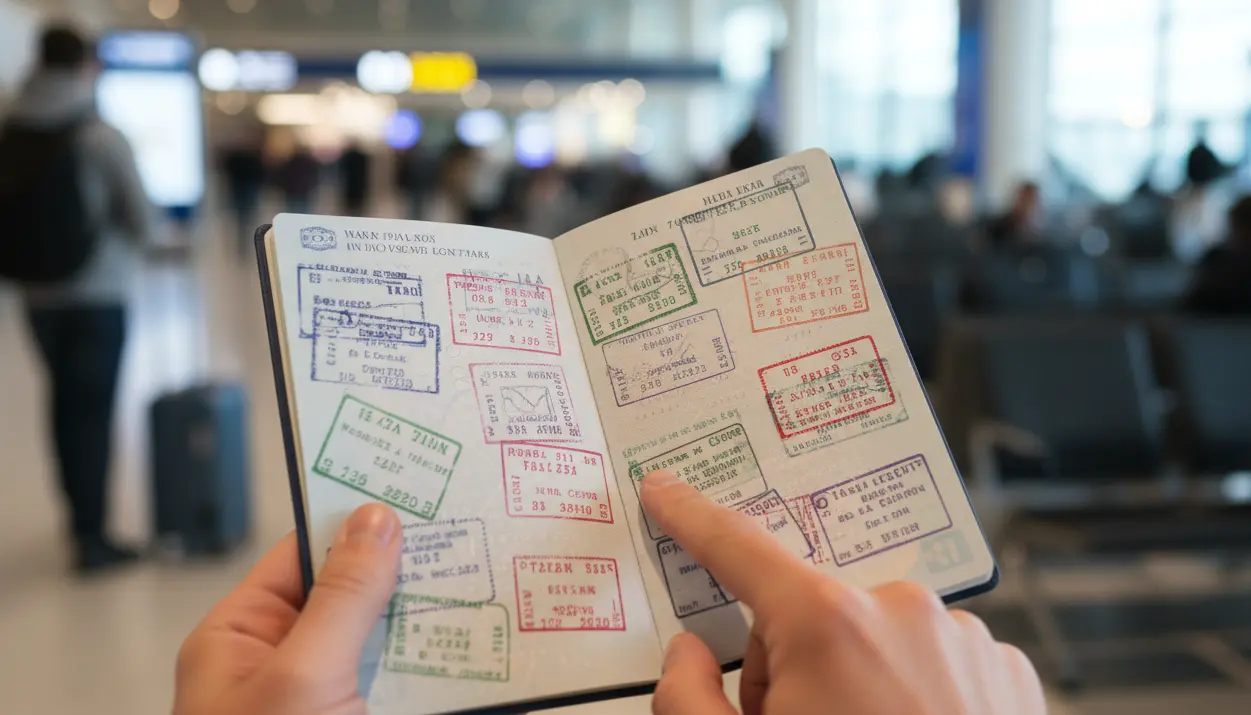
A Thailand visa or entry file is read as a story, not as a pile of unrelated documents. The flight reservation tells the travel window. The hotel or host proof tells where the traveler stays. The bank evidence tells whether the stay is financially realistic. Employment, study or business documents tell why the traveler returns. The dummy ticket helps when it makes the travel window feel planned and time-bound.
Think like the desk officer
The desk officer does not need a dramatic itinerary. They need a file that answers basic questions without hunting for explanations. Why Thailand? How long? Where will you stay? How will you pay? How will you leave? Does every document support the same answer?
Return or onward plan: make it believable
A return or onward plan is believable when the destination makes sense. A return to India after a short Bangkok or Phuket trip is straightforward. An onward flight to Singapore, Malaysia or Vietnam can also make sense if the traveler can enter the next country and the onward route is part of the stated plan. An onward flight to a random third country with no accommodation or entry logic is weaker.
Dates that line up like train coaches
Dates should connect cleanly. Flight arrival should match hotel check-in or a clearly documented overnight situation. Return or onward flight should match hotel checkout, leave approval and insurance dates if included. If dates argue with each other, the dummy ticket becomes a problem rather than proof.
Purpose note that connects the dots
A simple purpose note can help. “Tourism in Bangkok and Phuket from 5 to 12 September, returning to Delhi for work on 14 September” is clearer than a vague “holiday in Thailand.” The dummy ticket should support that sentence exactly.
Money proof that feels normal
Thailand guidance can involve evidence of sufficient funds. The dummy ticket sets the number of days the funds must support. A short Thailand trip with stable bank activity is easier to understand than a long trip with weak or sudden deposits. The ticket does not replace money proof.
Ties to India that ring true
Employment, studies, family obligations or business activity can make the return date more credible. If the dummy ticket shows return on October 10, the leave letter or school calendar should not suggest the applicant must be back on October 6. Fix the date instead of explaining the mismatch.
Past travel: credit or caution
Past compliant travel can support confidence, but past overstays or refusals require a calmer file. If there is prior immigration history, keep the Thailand itinerary modest, the dates precise and the dummy ticket easy to compare with the rest of the documents.
The Usual Tripwires Behind Thai Refusals and How to Step Around Them
Most Thailand refusal anxiety gets blamed on one document. In reality, the weak point is usually a pattern: rushed forms, unstable funds, missing accommodation, unclear exit route or documents that look edited. The dummy ticket can help with the exit route, but it cannot hide the pattern.
Forms that look rushed get treated that way
Wrong passport numbers, inconsistent dates, missing addresses and unclear purpose fields create avoidable doubt. Before worrying about the PNR, check the form. A correct dummy ticket attached to a sloppy form still leaves the file weak.
Money that tells a stable story
Recent large deposits, very low balances or a trip that looks expensive relative to the applicant’s situation can invite questions. Keep the trip length realistic. If a sponsor pays, make the sponsor relationship and support clear. The dummy ticket should not suggest a stay longer than the funds can support.
Reservations that cannot be verified raise flags
A reservation is stronger when the booking reference, passenger name and route can be explained and checked while active. A free-looking PDF with no booking logic can create risk, especially if it also has date or route errors.
When dates argue with each other, you lose clarity
| Document | What it should match | Risk if it differs |
|---|---|---|
| Dummy ticket | Form dates, hotel dates and leave window | Trip looks inconsistent |
| Hotel booking | Arrival and departure dates | Missing nights or unclear stay |
| Bank proof | Trip duration and style | Funds look insufficient for the plan |
| Employment or study proof | Return date | Weak return-ties logic |
| TDAC or arrival information | Passport and travel details | Airport or entry data may conflict |
Purpose that sounds vague feels risky
“Tourism” is fine, but it should have a route shape. Bangkok only, Bangkok plus Phuket, Chiang Mai plus Bangkok, or a short beach trip all make sense. A vague long stay with no clear hotels, weak funds and a one-way ticket is harder to read.
One-way tickets invite overstay concerns
A one-way ticket can be legitimate in some travel patterns, but it needs onward proof or a documented reason. For many Thailand tourist files, a clear return or onward ticket is easier to understand.
Documents that look edited get extra scrutiny
Do not manually alter a PDF. Do not change dates, PNRs or passenger names with an editor. If details are wrong, rebuild the reservation. A proper dummy ticket should be a temporary reservation, not a fabricated document.
Making Your Dummy Ticket Work: Verification, Timing and Document Matching
A dummy ticket works best when it is built from the final travel calendar. That means the trip dates, hotel dates, funds and purpose are settled before the reservation is created. If you create it too early, you may need corrections. If you create it too late, you may rush into errors.

Choose the right shape of trip
For a first Thailand tourist file, simple is powerful. A five-to-seven-day Bangkok or Phuket plan with clear return proof is easier to support than a long multi-city route. If you are visiting several Thai cities, make hotels and domestic movement line up.
Verify the PNR yourself before submitting
If the reservation includes a booking reference, check whether the passenger name and route can be retrieved while active. Some temporary reservations show limited information depending on the booking channel, but the PDF should not conflict with what the booking record displays.
Time the hold to cover submission and review points
Reservation validity varies. Generate or refresh the dummy ticket close enough to submission or travel that it remains useful. If your appointment date changes, update the related documents together instead of patching only the flight.
Keep hotels verifiable too
Hotel proof should cover the stay shown by the ticket. If staying with a host, use an address or invitation-style document where relevant. A flight reservation cannot make up for missing accommodation.
Align travel insurance dates if included
If you include travel insurance, its dates should not fight the dummy ticket. Insurance that starts after arrival or ends before departure makes the file look careless.
Handling changes without chaos
If dates change, rebuild the calendar first: flight, hotel, insurance, leave letter, form and purpose note. Then generate the corrected dummy ticket. Do not submit multiple conflicting versions of the itinerary.
Use DummyFlights to create a verifiable dummy ticket that supports your Thailand travel file without buying a final ticket too early.
India-Focused Playbooks and Quick Checklists
Indian applicants often deal with appointment timing, work leave, bank-statement expectations, first-trip concerns and family files. The dummy ticket should adapt to the profile rather than forcing every traveler into the same route pattern.

Salaried travelers: keep work and travel in sync
The leave letter should support the dummy ticket dates. If your return is after approved leave, fix the ticket or update the leave proof. Salary credits and stable balance can support a short leisure trip better than sudden deposits.
Self-employed, freelancers and proprietors
Show stable activity through bank statements, business proof, tax evidence or client/payment patterns where relevant. Keep the Thailand stay length realistic. A long stay with unclear business activity can raise questions.
Students and first-time international travelers
Keep it modest. A short Thailand itinerary with a clear return during school break is easier to understand than a long open-ended route. Sponsor proof should match the trip length and traveler relationship.
Frequent flyers with a past breach
If there is a past overstay or refusal, use calm evidence. Shorten the trip if needed, keep the route simple, disclose facts when asked, and avoid unusual onward travel. The dummy ticket should reduce uncertainty, not add it.
Peak season, festivals and long weekends
Thailand travel around festivals or holidays can involve higher fares and crowded routes. Build the reservation around realistic travel dates and accommodation. Do not use holiday timing as an excuse for missing hotel coverage or risky routes.
Tier-2 departures and complex routings
If departing from a smaller Indian city, domestic connections may be normal. Keep the international route readable and avoid self-transfer confusion. The Thailand itinerary should still be easy to explain in one sentence.
Minors, solo women travelers and senior citizens
These profiles may benefit from extra clarity: guardian documents for minors, family or purpose details where useful, and practical routing with reasonable arrival times. Avoid late-night complicated transfers if the file does not support them.
Bank statements, credit cards and UPI patterns
For Indian applicants, the money story is not only the closing balance. Reviewers may look at whether the account activity feels stable and whether the trip length makes sense. Salary credits, business receipts, savings activity, credit-card access and sponsor support can all help explain capacity when presented clearly.
Do not rely on a sudden deposit right before submission without context. Do not design a long Thailand stay if the financial evidence only supports a short trip. The dummy ticket should reflect a stay length that the bank evidence can carry comfortably.
Cover letter you can reuse: one page, all signal
A short purpose note can reduce confusion. Keep it simple: who you are, why you are visiting Thailand, exact travel dates, where you will stay, who pays, and when you return to India. The dummy ticket should match this note exactly. If the letter says Bangkok and Phuket from 8 to 15 September, the ticket and hotels should not show 7 to 18 September unless the difference is explained by flight timing and accommodation.
Avoid emotional over-writing. The cover letter is not meant to persuade through drama. It should make the file easier to read. If the itinerary is weak, fix the itinerary instead of writing a long explanation for it.
Family and group files
Group travel multiplies small errors. One traveler may have a middle name, another may use a renewed passport, and a child may have a different surname order. Check every ticket line against every passport. Make sure hotel occupancy and sponsor proof support the number of travelers.
- All travelers should have the same arrival and departure dates unless explained.
- Children should have guardian documents where required.
- One family member’s wrong date can affect how the full itinerary reads.
- Group hotel bookings should cover the correct number of guests.
Thailand e-Visa upload behavior
For e-Visa style workflows, upload quality matters. A clear PDF is better than a cropped phone screenshot. If the system asks for supporting documents, use the document type that best fits the slot. Do not merge unrelated documents into one confusing file unless the portal requires combining due to upload limits.
Keep a copy of exactly what you submitted. If the authorities ask for another document or updated proof, you need to know which version they already saw. This prevents accidental contradictions later.
Airport and route examples from India
Delhi or Mumbai to Bangkok with a return to India is the simplest pattern. Bengaluru, Chennai, Hyderabad, Kolkata, Kochi or Ahmedabad departures can also be clear when the route uses a normal connection or direct service. If the itinerary includes Phuket, Krabi, Chiang Mai or Koh Samui, make sure the first hotel night and domestic movement match the international arrival.
For onward travel, Bangkok to Kuala Lumpur, Singapore, Hanoi or Bali can make sense in a Southeast Asia route, but only when the next destination is legally and practically reachable. A random onward ticket can look like an attempt to satisfy a requirement without a real plan.
Your Five-Minute Calendar and Cash Audit
Before submission, run one quick audit. This is where you catch the mistakes that create rejection risk. Put all dates and money evidence into one view.
Calendar audit
- Flight arrival equals declared entry date.
- Hotel covers every night or host stay is documented.
- Return or onward date matches the declared stay.
- Leave, study or business obligation supports the return.
- Insurance dates match if insurance is included.
- TDAC or arrival-card details match passport and route when required.
Cash audit
- Bank balance supports the number of days in Thailand.
- Recent deposits can be explained if needed.
- Credit cards or sponsor proof support the budget if used.
- The trip length does not look inflated for the applicant profile.
When to rethink before you submit
Rethink if the reservation cannot be verified, if hotels do not match, if funds are too thin for the trip, if your purpose is vague, or if you are using a one-way ticket with no onward plan. Fixing these issues before submission is easier than explaining them later.
What to do if something changes
If your appointment, travel date or hotel plan changes, do not patch only the dummy ticket. Rebuild the date grid. Update the flight reservation, hotel proof, form details, insurance if included, and cover note together. A single clean update is safer than three overlapping versions.
If the old reservation expires but the dates are still correct, refresh the reservation rather than inventing a new route. If the travel dates are no longer realistic, update the whole itinerary. The goal is not to preserve the old PDF. The goal is to preserve one truthful travel story.
When a dummy ticket is not enough
A dummy ticket is not enough when the applicant has no clear purpose, no credible funds, no accommodation, unresolved past immigration issues, or documents that appear edited. In those cases, the flight reservation may still be useful, but it cannot carry the file. Fix the underlying weakness before relying on travel proof.
Final Thailand dummy ticket checklist
- Passenger name matches passport exactly enough for airline-system rules.
- Route matches the stated Thailand trip.
- Return or onward date matches hotel and form dates.
- Funds support the full stay.
- Accommodation covers every night or host stay is documented.
- Booking reference is not manually edited.
- Purpose note matches the route and dates.
- No conflicting itinerary version remains in the file.
When the file is clean, the dummy ticket does exactly what it should. It shows a planned exit, supports the travel calendar and makes the Thailand trip easier to review. It does not replace funds, purpose, hotel proof or honest forms. It connects them.
For the broader service context, see the full dummy ticket for visa guide. This page stays Thailand-specific so it does not duplicate the main pillar.
FAQ
Does a dummy ticket help avoid Thailand visa rejection?
It can reduce one risk signal by showing a clear return or onward plan, but it cannot prevent rejection by itself. Funds, purpose, accommodation, identity details and document consistency still matter.
Is a dummy ticket required for a Thailand visa?
Thailand tourist-visa guidance refers to evidence showing the applicant will leave Thailand, such as a round-trip ticket or a ticket to a third country. Requirements vary by visa type and traveler profile.
Can Indian travelers use a dummy ticket for Thailand e-Visa?
Indian travelers should follow the official Thai e-Visa and consular guidance for their category. A temporary reservation can support the file when it matches the travel dates and other documents.
What makes a Thailand dummy ticket weak?
Weak signs include wrong names, expired or unrelated PNRs, mismatched hotel dates, unclear one-way routes, unrealistic connections and manually edited PDFs.
Should hotel dates match the dummy ticket?
Yes. Accommodation should cover the stay shown by the flight reservation, or a host stay or overnight transit should be clearly documented.
Does proof of funds matter if I have a dummy ticket?
Yes. Thailand guidance can involve sufficient funds, and the dummy ticket does not replace bank evidence or sponsor proof.
When should I generate a dummy ticket for Thailand?
Generate it after your travel calendar is stable and close enough to submission or travel that the reservation remains useful during review or check-in.
Can I use an onward ticket instead of a return ticket?
Often yes, if the onward country is realistic for your passport and the route fits your stated travel plan. A random third-country exit can create more questions.
Is a dummy ticket the same as a fake ticket?
No. A proper dummy ticket is a temporary reservation used to show intended travel. A fake ticket is a fabricated or edited document that does not represent a real booking.
What should I do if my Thailand travel dates change?
Update the full calendar: flight reservation, hotel proof, form details, insurance if included, and any leave or purpose documents. Avoid submitting conflicting itinerary versions.