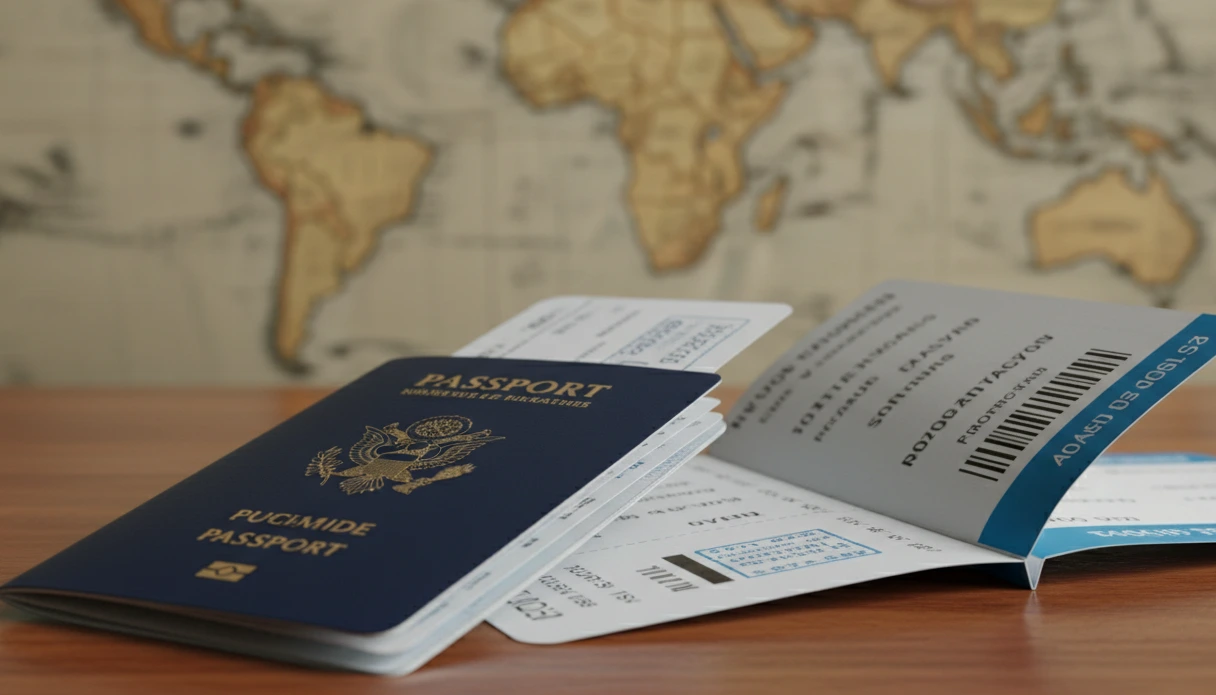
A K-1 interview is not a guessing game. The officer needs to see that your plan to enter once, marry within 90 days, and settle with your partner is real and well-timed. You do not need to buy final airfare before the visa is issued. You need a travel-proof document that shows a sensible arrival window and a route that fits your life.
This guide explains how a dummy ticket supports that plan. You will connect the travel dates to the petition approval, medical timing, interview date, passport return window, and the US citizen petitioner’s location. You will also avoid expensive refundable fares from India, handle shifting appointments, and pick routes that do not create avoidable transit problems.
The best K-1 travel proof is practical, current and easy to explain. It should not look like a random cheap flight chosen only to fill a document slot. It should look like the first step of your real move.
- A K-1 visa is for a foreign fiancé(e) of a US citizen who plans to marry within 90 days after arrival.
- A paid final ticket is not the main proof of relationship or eligibility.
- Your dummy flight ticket should match the petitioner’s city, interview timing, passport return window and wedding plan.
- Indian applicants should check transit rules before choosing routes through Europe or other strict connection points.
- A verifiable PNR, clean PDF and realistic arrival week make the document easier to present.
Preparing for a K-1 interview without buying final airfare yet? Create a clean dummy flight ticket with DummyFlights after your interview date, route and expected passport return window are clear.
Create Your Dummy Flight TicketHow a Dummy Ticket Signals Serious Intent and Smart Timing
You do not need grand speeches at a K-1 interview. You need proof that the plan is concrete, lawful and well-timed. A clean, verifiable reservation does that work quietly. It lets the officer see your intended arrival week, destination city and practical travel path at a glance.
A K-1 dummy flight ticket should support the interview timeline, not force a risky final airfare purchase.
Start with the 90-day reality check
The K-1 route is built around one important rule: after admission to the United States, the couple is expected to marry within 90 days. Your travel proof should show that you understand this timing. It should not place your arrival so early, so late or so far from the petitioner’s city that the plan looks improvised.
Pick an arrival week that connects to the real wedding plan and the petitioner’s availability. If the civil ceremony is planned for mid-month, arriving one or two weeks before can make sense. That leaves time for jet lag, license steps, final errands and family coordination without making the schedule look rushed.
Many first-time K-1 applicants benefit from a two-step plan. Arrive near the petitioner’s city, handle the civil ceremony first, and plan a larger celebration later. The dummy flight ticket should mirror that simple sequence.
Anchor your dates to real milestones
Officers look for alignment. Your itinerary should fit the moving parts around it:
- Petition approval and validity timing.
- Panel-physician medical appointment and report timing.
- Interview date and expected passport return window.
- Courier delivery timing to the chosen passport pickup location.
- Wedding license, civil ceremony and petitioner availability.
If your interview is on a Friday in Mumbai, it is more believable to plan departure after the passport is normally returned, not the next morning. If your medical shifts by a few days, update the reservation. Small, sensible changes make you look organized, not uncertain.
Put the route where your life will be
Your destination should match your forms and your future address. If the petitioner lives near Dallas, flying to DFW or a close hub is cleaner than landing randomly in Miami. If the petitioner is in New Jersey, routes into Newark, JFK or Philadelphia may be easier to explain.
Random gateways can make it look like you are chasing a price instead of planning a life. A lower fare is fine, but the route still needs to support the relationship story, future address and first-week plan.
Keep layovers realistic too. First-time K-1 travel is not the moment to gamble on a tight international connection with checked baggage, immigration screening or terminal changes.
Think like an Indian passport holder
From India, not all transits are equal. Some European hubs can require airport transit visas for certain Indian travelers, depending on route and status. That can derail an otherwise strong plan if the itinerary looks impossible to fly legally.
Safer, simpler choices often include routes through Doha, Dubai or Abu Dhabi, depending on the fare and final US city. Nonstop long-haul segments from those hubs can reduce transit friction and keep the interview conversation focused on your timeline, not layover paperwork.
If you choose a European connection, verify the exact airport and transit rule before you use that itinerary for interview proof. If the route needs extra paperwork, either secure it or switch to a cleaner routing before the interview.
Make it verifiable and easy to read
A reservation that an airline-style system can recognize is stronger than a cropped screenshot or edited-looking PDF. Bring a crisp printout. Make sure the PNR or booking reference, passenger name, route, dates and airports are visible.
Keep the itinerary simple to scan. One or two connections at most is usually enough. Use the petitioner’s nearest sensible airport where possible. Consistency wins because it reduces the amount of explanation you need to give.
Match your story across every document
Your DS-160 contact address, petitioner’s city, tentative wedding date and flight window should agree. If your employer in India has issued a relieving letter with a final workday, line up the departure after that date. If you are finishing studies, align travel after exams, convocation or any required documents are complete.
If both partners intend to travel together after issuance, carry proof of that plan. If the beneficiary travels alone first, keep the petitioner’s city as the arrival anchor. The officer should see a practical arrival, not a disconnected vacation route.
Show flexibility without looking vague
Officers know that interviews, medicals and passports sometimes take longer. Your goal is to look prepared, not rigid. Keep a one-sentence explanation ready if the dates moved:
- “My medical moved to the following Monday, so I refreshed the reservation to the next week.”
- “Passport courier delivery in my region can take several working days, so I planned departure after that window.”
- “The civil ceremony is planned after arrival, so the flight week gives us time for local license steps.”
That tone is confident. You are not pretending you bought a non-refundable ticket before visa issuance. You are showing that the moving pieces are being handled carefully.
Real-World Advantages for Indian K-1 Visa Timelines
When the interview is set, you need proof of travel plans that can adapt to date changes and Indian routing realities. A smart reservation gives you that leverage without locking money into final airfare.

For Indian K-1 applicants, the strongest travel proof keeps the file current without forcing final airfare too early.
Keep your cash while showing the plan
Refundable India-to-US tickets can be expensive, and refunds may take time. A dummy flight ticket gives officers the clarity they need while your funds stay available for medicals, courier fees, relocation costs and wedding deposits.
- No large hold on a credit card.
- No weeks-long refund wait if the interview shifts.
- Freedom to buy the real ticket after visa issuance.
- More flexibility if passport return or administrative review takes longer.
Students, IT professionals, first-time travelers and applicants working notice periods often benefit most. They can complete exams, handover tasks or family obligations, then update the same travel window to a fresh week.
Built for date drift, not drama
Interview calendars move. Panel doctors shift slots. Passport printing can slip. Your reservation should flex with you, not against you.
- Update the arrival week if the interview slides.
- Keep the same corridor where possible, such as Mumbai to Doha to New York.
- Maintain a simple explanation for the shift.
- Refresh the PDF before the interview if the old version is stale.
Those updates are not a weakness. They show you are planning around real embassy timing instead of guessing months in advance.
Show that the transit path makes sense
A K-1 applicant from India may have excellent relationship evidence and still create avoidable friction with a poor route. Transit rules, layover times and destination logic matter.
- Prefer clean connections when possible.
- Avoid tight layovers with checked baggage.
- Check airport transit visa rules for European routes.
- Choose an arrival city that connects logically to the petitioner.
This shows that you are not guessing. You are choosing a path that gets you to the petitioner smoothly and legally.
Use the reservation as a date anchor
Third parties often ask for a target date before they help you. A dummy ticket can support planning without becoming a final purchase. It can help with:
- Travel insurance quotes generated on realistic dates.
- Employer relieving letters or final workday timing.
- Short-term rental discussions near the petitioner.
- Family coordination for farewell events or later ceremonies.
- Budget planning for airfare after visa issuance.
The reservation is not the whole K-1 case. It is the date anchor that helps the rest of the file feel coordinated.
Present it like a professional file
Small presentation details reduce questions:
- Bring a crisp printout, not a phone screenshot.
- Keep the latest version on top of the travel section.
- Make passenger name, route, PNR and travel dates easy to read.
- Carry older versions only behind the current copy if you need a history trail.
- Keep the petitioner’s address and phone number nearby.
If you previously uploaded or submitted a reservation for another step, make sure the interview copy is either the same or a logical update. Conflicting versions create unnecessary questions.
Best Practices: Build a Credible, Ethical Reservation
You want the officer to see a clean plan and zero confusion. Use the reservation to connect dates, documents and routes so everything supports the goal of entering once and marrying within 90 days.
Choose plausible dates within your real window
Work backward from milestones you can identify: petition approval, National Visa Center handoff, medical examination, interview date and passport return. The dummy ticket should sit after those steps, not before them.
If the case status slips or the panel clinic reschedules, move the itinerary by a week and keep the same route. That shows preparation. It does not look like you invented a new plan every time something changed.
Pick routes that make sense for the US citizen petitioner
Route to the petitioner’s nearest sensible airport. If the US citizen partner lives near Seattle, flying to Seattle is cleaner than landing in Florida unless there is a documented reason. If the first week involves family in another city, explain that simply and keep the route logical.
At the port of entry, a CBP officer may ask about timing and destination. A tidy route helps you answer quickly and keeps the focus on the approved K-1 purpose.
Keep details consistent with forms and evidence
Consistency wins interviews. Align the reservation with the DS-160, petitioner address, wedding plan, employer or school timing, and any cover note you carry. Names must match the passport. If you referenced a wedding venue, the arrival week should make that date realistic.
If you have previous marriages, keep legal termination documents in the main K-1 evidence section. If religious or family traditions affect the timeline, let the arrival date support that story instead of contradicting it.
Include both names only when appropriate
If the system allows both names and both partners are traveling together after visa issuance, that can support the shared plan. If only the beneficiary name appears, that is normal for many bookings. Carry the petitioner’s address and contact details so the route still makes sense.
If children will travel separately or later, avoid forcing them into the beneficiary’s reservation unless the timing is real. Separate family travel should still point to the same K-1 anchor.
Use ethical wording
A dummy flight ticket is a planning document. Do not call it a fully paid final ticket if it is not. Do not submit edited PDFs or fake airline receipts. The safer position is simple: you are showing intended travel timing and will buy final airfare when the visa is printed and the passport is returned.
This protects the case. Misstating travel proof can create problems later when you adjust status, apply for work authorization, or explain the travel history after marriage.
Refresh without raising eyebrows
If the interview moves or administrative processing appears, refresh the reservation periodically. Keep the same route when possible. Update the printout and place the newest version on top.
Normal date shifts do not need long explanations. A short note is enough: “Interview moved; reservation refreshed to the next practical travel week.”
Embassy Nuance, Timing Playbook and Post-Approval Steps
Every consulate has small timing differences. Passport return speed, medical-report movement and administrative processing can vary. Your travel proof should be fresh enough to help, but flexible enough not to trap you.
Read the room before locking dates
Before you freeze the travel week, look at your interview appointment, medical appointment and passport pickup expectation. Some posts may appreciate proof that you can travel soon after issuance. Others may only ask for updated plans if processing extends.
The best pattern is practical: create or refresh the dummy ticket a few days before the interview, not months earlier. That makes the document current without pretending you will fly before the visa is actually issued.
Organize the folder so the officer finds the right page
Tidy paperwork reduces questions. Put the newest reservation behind the interview letter and passport in your front sleeve. Use clear dividers for approvals, medicals, police certificates, relationship evidence, wedding planning evidence and travel proof.
A short cover note can connect the travel section to the rest of the file. Keep it factual and brief. You do not need a dramatic explanation if the route, dates and petitioner location already make sense.
Handle administrative processing calmly
If administrative processing happens, do not panic-buy a ticket. Keep the same travel concept and refresh the reservation only when needed. If the post asks for updated evidence, send the latest version with a short explanation.
If your work handover, medical timing or family situation causes a larger shift, carry one short note explaining the new window. Keep the destination consistent with your forms unless the real plan changed.
Convert to paid airfare after approval
Buy the real ticket after the visa is printed and the passport is in hand. Choose baggage you can actually use, especially for wedding clothes, important documents or relocation items. If the first US city is not the final city, keep the domestic transfer simple.
Check local marriage license steps in the petitioner’s area. Some counties require appointments or waiting periods. A travel plan that arrives one to two weeks before the civil ceremony gives more breathing room than a last-minute arrival.
Update the paper trail once you switch
When you move from reservation to paid ticket, replace the reservation in your travel folder. Keep the receipt and itinerary together. If the interview is already complete, you usually do not need to send the paid ticket unless the consulate asks.
From that point, the paid itinerary becomes the travel document for airport check-in and arrival. Keep the petitioner’s address, phone number and key K-1 documents in hand luggage.
Route, Transit and Arrival Planning for K-1 Applicants
A strong K-1 dummy ticket does not just show a date. It shows a route that works. That matters especially for Indian applicants traveling through large international hubs.
Pick the route around the petitioner’s city
The route should land near the person you are marrying or connect clearly to that city. If the petitioner lives in Texas, arrival at Dallas or Houston is easier to explain. If the petitioner lives in California, Los Angeles, San Francisco or a nearby hub may be more natural.
There are valid exceptions. Maybe the petitioner’s family will meet you in another city. Maybe the first ceremony step happens elsewhere. If so, let the travel proof and cover note explain it plainly.
Do not let transit rules weaken a good file
Transit mistakes can make a clean K-1 plan look careless. Before choosing a route, check whether your passport and exact connection require extra transit authorization. A route that looks cheap but cannot be flown easily is not good interview proof.
For many India-to-US travelers, Middle East hubs are simpler. European hubs can still work, but only when the transit rules are clear for your situation.
Plan the first week in the United States
Your first week should be believable. The officer does not need every detail, but you should know where you will stay, who will receive you and what happens next. Keep the petitioner’s address, contact details and local plan with your travel proof.
A calm first week might include arrival, rest, marriage license steps, civil ceremony planning and basic adjustment-of-status preparation. Your dummy ticket should make that sequence feel possible.
Mistakes That Weaken a K-1 Dummy Flight Ticket
Most problems come from inconsistency, not from using a reservation. Avoid anything that makes the document look disconnected from the K-1 file.
Common red flags
- Arrival city does not match the petitioner’s location and has no explanation.
- Travel date is before the expected passport return window.
- Name spelling differs from the passport or DS-160.
- Route uses a transit airport that may require extra authorization.
- The PDF looks cropped, edited or hard to read.
- Ticket language claims a paid fare when it is only a reservation.
- Wedding timing and arrival date do not fit the 90-day rule.
Fix these before the interview. A dummy flight ticket should reduce questions, not create them.
Need a K-1 travel-proof document that looks current and consistent? Create a dummy flight ticket with route, date and passenger details aligned before your interview.
Create Your Dummy Flight TicketFrequently Asked Questions
Do I need a paid flight ticket for a K-1 visa interview?
Usually, the stronger approach is to show realistic travel planning without buying final airfare before visa issuance. A dummy flight ticket can support the timeline, but the relationship evidence, petition approval and eligibility remain the core of the case.
Is a dummy flight ticket safe for a K-1 visa?
It is safest when it is used as a truthful reservation or travel-proof document, not as a fake paid ticket. The details should be verifiable, readable and consistent with the K-1 timeline.
When should I create the K-1 dummy ticket?
Create or refresh it close to the interview, once your medical timing, interview date and likely passport return window are clear. Creating it too early can make the document stale.
Should the arrival city match my fiancé(e)’s city?
Yes, in most cases. The arrival city should match the petitioner’s location or connect logically to your first-week plan. If you land elsewhere, carry a simple reason.
Can I use a one-way ticket after K-1 approval?
Many K-1 travelers use one-way travel because the purpose is to enter, marry and adjust status. However, your first-week plan should still be clear, and any onward or return proof should match your real situation.
Does a dummy ticket guarantee K-1 visa approval?
No. A dummy ticket can support travel timing, but it does not prove the relationship or guarantee approval. It should make the travel plan easier to understand, not replace required K-1 evidence.
What should the dummy flight ticket include?
It should include passenger name, route, dates, airline-style segments, booking reference or PNR when available, and a readable PDF layout. The details should match the passport, forms and petitioner location.
Can I update the dummy ticket if my interview changes?
Yes. If the interview, medical or passport return timing changes, refresh the reservation to a realistic new travel window. Keep the route consistent where possible.
Friendly reminder: DummyFlights provides temporary travel-proof documents for planning and application support. Requirements vary by destination, airline, route and applicant situation. A dummy ticket can support a file, but it does not guarantee approval, boarding or entry.