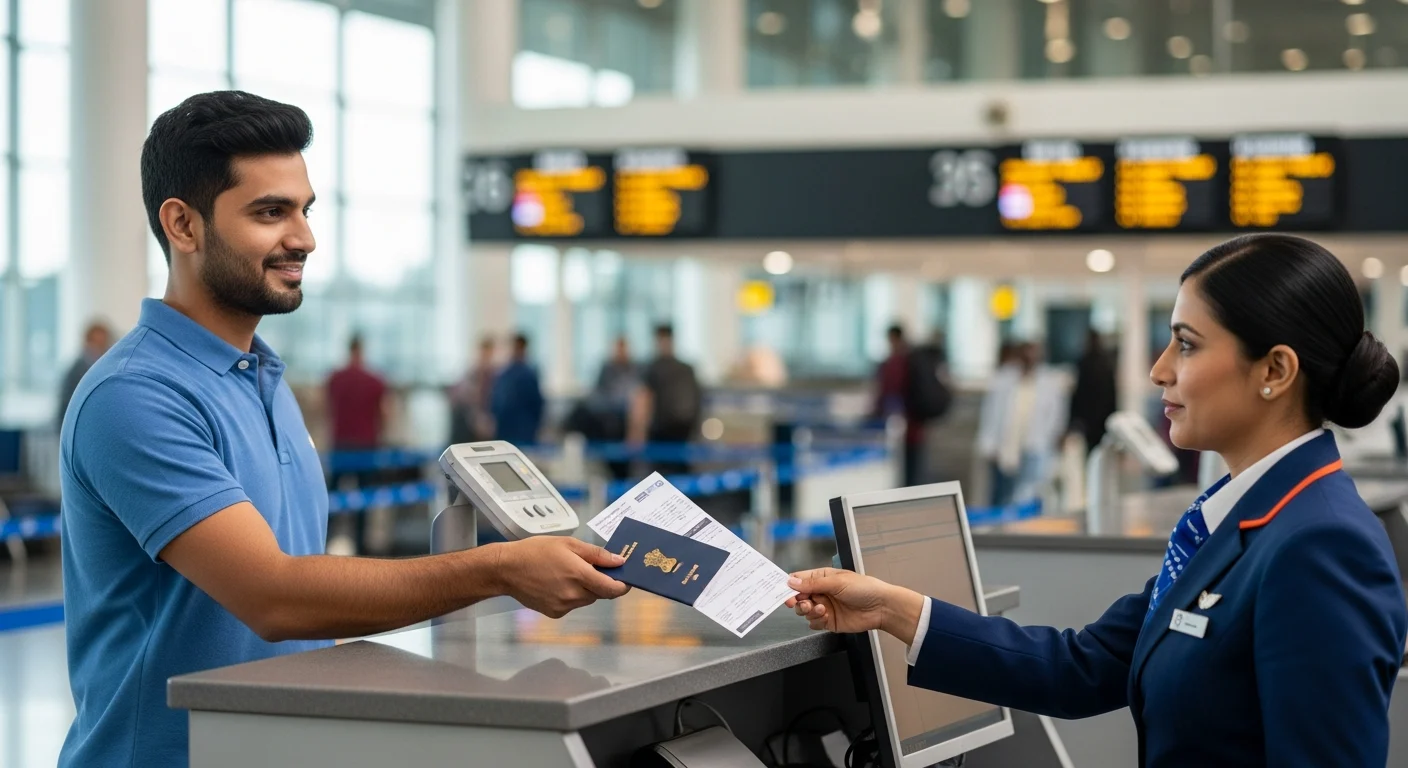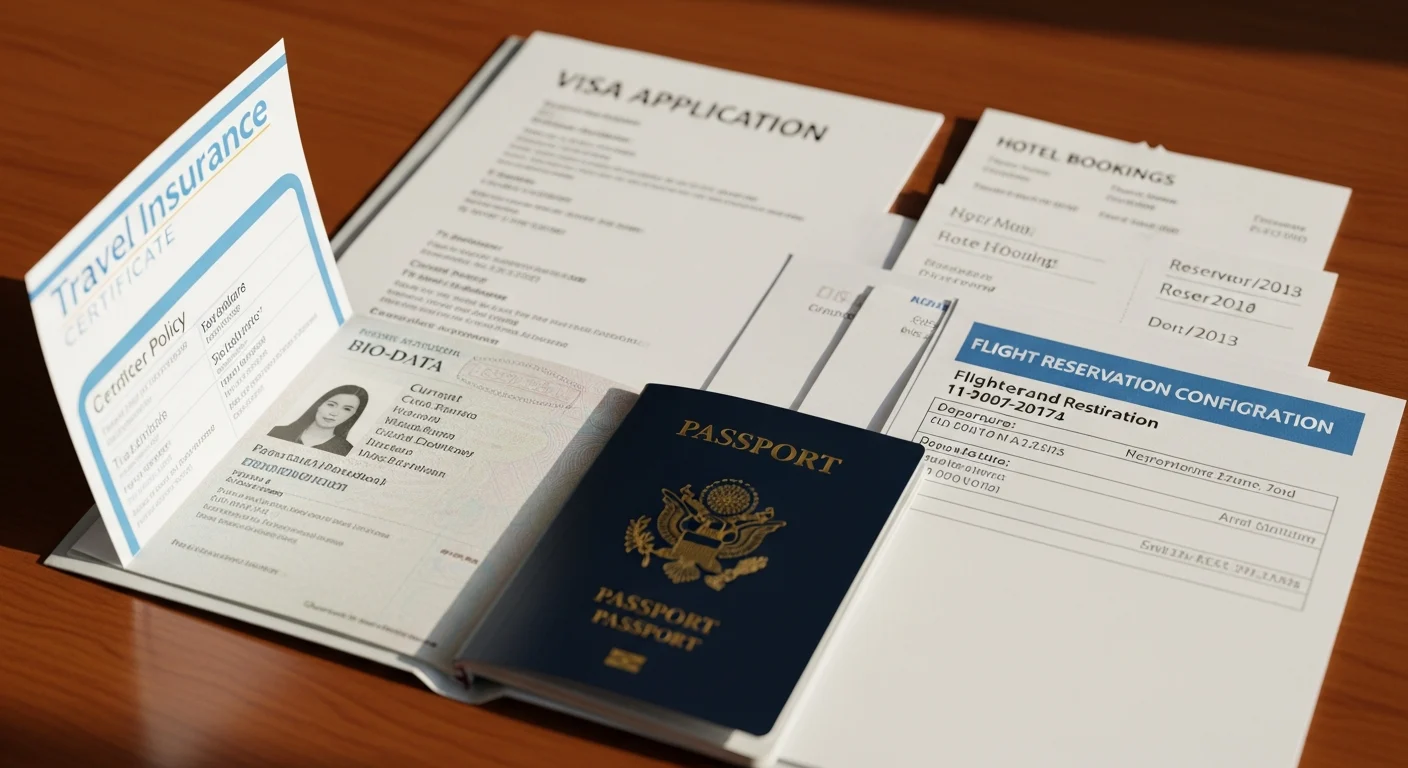
Do Indians Need an Onward Ticket for Schengen Visa?

Do Indians Need an Onward Ticket for Schengen Visa?
Flight Booking | Published 30 Nov, 25 · Updated 18 Jul, 26
For a Schengen tourist visa from India, applicants commonly submit a round-trip flight itinerary or other credible proof of leaving the Schengen Area; a fully paid, non-refundable ticket is generally unnecessary before the visa decision. The strongest onward-ticket proof is a genuine, retrievable reservation whose passenger name, entry and exit dates, route, main destination, hotel nights, travel insurance, and application form all agree. A temporary or dummy ticket can support the file when it represents the intended journey and has a checkable booking reference, but a fabricated or manually edited PDF can damage credibility and should never be used.

For a Schengen tourist visa from India, the practical question is not whether an “onward ticket” has a particular label. The file needs a coherent entry-and-exit plan. A reservation, airline hold, or refundable ticket can serve that purpose when its passenger details, dates, and routing agree with the rest of the application. The European Commission’s Schengen visa guidance says applicants visiting several Schengen countries should apply through the country of longest stay, or the first country visited when stays are equal. It also identifies supporting documents concerning accommodation, financial means, the purpose of stay, and the intention to return. Applicants should still follow the current checklist issued for their jurisdiction.

This page focuses on onward and return proof for Indian Schengen applicants. The complete 2026 dummy ticket for visa guide owns the broader planning framework: reservation types, legality, refresh decisions, document consistency, and when paid proof may be appropriate. Use this Schengen guide for the narrower implementation—identify the main destination, establish the application travel window, and choose flight proof that matches hotels, insurance, entry and final exit. Keeping those roles separate prevents the general pillar and this country-specific page from answering the same search intent in full.

What Works as Onward or Return Proof for an Indian Schengen Application?

Onward and return proof checks for a Schengen single-entry visa
How onward or return proof fits a Schengen single-entry visa file.

You want something the officer can check, trust, and fit into the story of your trip. That is the bar. Everything else is tactics. Let’s break down what Indian travelers really use, what officers look for, and how to choose without wasting money.

How Visa Officers Read Your Booking Like A Story, Not A Receipt

Think about your booking as a plot summary of your trip. Officers do not reward prepayment. They reward clarity. Your documents should quietly answer three questions.

  • Can we verify this booking with a live record?
  • Do the dates line up with your form, hotels, and insurance?
  • Does the routing make sense with your entry point and the consulate you chose?

If those answers are yes, the booking is easier to reconcile with the rest of the application.

Four Real-World Ways Indians Prove Exit And Return, With Honest Tradeoffs

You have four practical routes. Pick the one that matches your budget, your date certainty, and your timeline for the appointment.

Refundable Return That You Can Cancel Later

Why it works: It is a ticketed record with a clear return date that can be compared with the rest of the itinerary.

Upsides:

  • A ticketed record is normally straightforward to retrieve while it remains active.
  • Easy to keep if the visa arrives on time.
  • Refund usually posts back to the same card.

Watchouts:

  • Big upfront charge that can sit for weeks. Indian refund cycles can stretch across billing periods.
  • Airline rules vary. Some impose service fees or refunds on vouchers.
  • Fare classes that are truly flexible can be limited on India–Europe routes during peaks.

Best for: Family visitors with fixed wedding dates. Students on short vacations. Anyone who values certainty over cash flow.

Airline Hold Or Pay Later That Buys You Time

Why it works: The PNR is real and checkable during the hold window. You show a clear return without paying yet.

Upsides:

  • Low or zero upfront cost.
  • Simple to explain in the cover letter as a held itinerary pending visa outcome.
  • Some carriers allow name corrections during the hold.

Watchouts:

  • The expiry deadline depends on the airline, route, fare and booking channel; confirm the actual deadline shown for that record.
  • If your VFS slot slips, you must regenerate the hold. Stale holds look messy.
  • Not all routes offer holds. Code shares can break portal holds.

Best for: First-time applicants with near-term appointments. Digital nomads keep dates fluid until the visa arrives.

Verifiable Dummy Reservation Or Itinerary

Why it works: It is a GDS or airline booking with a live reference that an officer can check. No full payment required.

Upsides:

  • Low cost. Good for students and solo travelers watching cash.
  • Designed to match visa dates exactly.
  • Easy to refresh if your appointment moves.

Watchouts:

  • Validity windows vary. Confirm the actual expiry or ticketing deadline and plan a correction or reissue only when needed.
  • Avoid phantom routes that never existed in the carrier system.
  • Ensure the PNR is visible on an airline portal, not just a PDF.

Best for: Applicants waiting on university letters, families aligning leave approvals, or anyone with a moving VFS date who needs a checkable record now.

Fully Paid, Non-Refundable Return

Why it works: It is a ticketed record that documents a fixed return plan.

Upsides:

  • Instant match with travel insurance and hotels if your dates are locked.
  • Sometimes, the cheapest is if you catch a sale you truly intend to use.

Watchouts:

  • Maximum risk if the visa is delayed or refused.
  • Change fees and fare differences can wipe out any savings.
  • If your Schengen entry point changes, the ticket may no longer support your consulate choice.

Best for: Travelers with fixed leave, fixed events, and a high likelihood of traveling on those exact dates.

Compare the Four Onward-Proof Options

Option Money at risk Typical strength Main limitation Best fit
Refundable paid return High temporary charge Ticketed and retrievable Fare rules and refund delays Fixed dates and sufficient cash flow
Airline hold or pay later Low Retrievable while active Often expires quickly Appointment within the hold window
Verifiable temporary reservation Low service cost Useful when the record and PDF agree Validity varies and may require reissue Dates may move before submission
Non-refundable paid return Highest Fully ticketed Loss or change fees if the visa is delayed or refused Travel will proceed on fixed dates regardless of uncertainty
Do not present a reservation as a paid ticket. Use the document’s real status and follow the current checklist of the consulate or visa centre handling the application.

Checklist wording is jurisdiction-specific. For example, the Austria tourism checklist for applicants in India, updated in 2026, asks for round-trip flight reservations and a travel itinerary. This is evidence for that application channel, not a universal promise for every Schengen mission; always open the checklist for the country and location handling your own file.

The Verification Filter That Matters More Than the Label on Your Ticket

Focus on the checks that make the document coherent and independently reviewable.

  • Verifiable PNR Or Booking Reference: You should be able to look it up on the airline website or a recognized system. Screenshots help. Do not rely on an uncheckable PDF.
  • Date Alignment Across The File: Application form, cover letter, hotel timeline, and insurance must sing the same dates. If your flight shifts, update the rest.
  • Route Logic That Mirrors Your Story: If you apply through the consulate of your longest stay, show the first entry that supports that logic. Paris hotel first night means Paris arrival makes sense. Rome arrival at Paris first hotel needs a clear reason in the cover letter.

India-Specific Realities That Shape Your Choice

Travel from India has patterns that officers understand. Use them to your advantage.

  • Long Haul Arrivals: Many India–Europe flights arrive early morning. Give yourself realistic connection times. Avoid tight 50-minute connections through Schengen hubs if you check bags.
  • Peak Appointment Seasons: Summer and year-end create delays. If your VFS date is far out, pick a solution that can be refreshed easily.
  • Banking and Refund Cycles: If you go refundable, consider your billing cutoff. You do not want the hold plus the real ticket to overlap on one statement.

Students, First-Timers, Family Visitors, And Digital Nomads: Tailored Moves

Different traveler types can present onward proof in ways that fit their narrative.

  • Students On Short Breaks: Pair a verifiable reservation with a university letter that identifies the semester restart date.
  • First-Time Applicants: Keep it simple. Show a single entry and one clean return. Avoid multi-country zigzags that raise questions.
  • Family Visitors: Align your return with the invitation’s event dates. A refundable fare can be worth it if plans hinge on the host’s schedule.
  • Digital Nomads: If you plan an open jaw later, do not complicate your first visa. Show one clear exit to a non-Schengen hub such as London, Belgrade, or Dubai. Keep the itinerary believable and modest.

The Quiet Power Of A Strong Cover Letter

Your cover letter is where you make the itinerary easy to review. Use it to connect the relevant details.

  • State entry city, travel sequence, and exit city in one clean paragraph.
  • Mention that tickets are held or reserved pending visa outcome to avoid cancellation losses.
  • Cite the booking reference. Add one screenshot of the airline lookup if your consulate allows attachments.
  • If your appointment moved and you refreshed the booking, note the update briefly.

Supporting Documents That Strengthen Your Proof

You do not need a thick stack. You need the right stack.

  • Hotel Timeline That Matches Nights: If you land in Munich on 5 June, your first hotel should begin 5 June in Munich, not Vienna. Keep the map tight.
  • Insurance That Covers The Full Stay: From your Schengen entry day up to and including the exit day, with a small buffer. If the flight changed, extend the policy.
  • Internal Transport Receipts or Plans: Rail confirmations or flight reservations can document how a multi-city itinerary connects.

When To Refresh Or Replace Your Booking Without Spooking The File

Life happens. Appointments move. Use simple rules.

  • If the PNR will expire before submission, regenerate the same routing with new dates.
  • Keep entry and exit cities consistent unless your hotel plan changes. Consistency signals control.
  • If you must switch airlines, explain it in one line in your cover letter. Do not overshare. Keep the tone calm and factual.

Quick Diagnostics Before You Print

Run this pre-submission check like a pilot checklist.

  • PNR is visible on an airline website. Screenshot saved.
  • Name spelling matches passport order and spacing. Watch Indian middle names and initials.
  • Dates align across form, cover letter, hotels, and insurance.
  • Connection times are realistic for checked bags.
  • First entry country matches the consulate logic you used.

Choosing The Right Option For Your Situation

If you are days from a visa-centre appointment and need to limit upfront cost, a genuine temporary reservation may fit the submission window. If dates are firm and you can carry the charge, a genuinely refundable return offers a ticketed record. A non-refundable purchase makes sense only when you accept the financial consequences of delay, refusal or changed plans.

The practical goal is a booking whose passenger details, dates and route can be compared quickly with the application form, hotel timeline and insurance.

How Different Schengen Consulates View Onward Proof From Indian Passport Holders

Preparing consistent flight, hotel and insurance dates for a Schengen visa file
Align the application form, accommodation, insurance and exit proof before submission.

You already know what counts as credible proof. The next edge is understanding how different consulates read that proof when your application starts in India. Use this section to tune your documents to the place you are applying, so your file feels effortless to assess. For official guidelines, refer to Schengen Visa Info.

Why Document Checklists Vary Across Schengen Jurisdictions

Schengen rules create a common floor. Practice creates the nuance. Each mission balances volume, fraud prevention, and local travel patterns out of India. That shapes how closely they scrutinize your PNR and how much weight they place on route realism.

Three quiet factors drive the difference.

  • Application load in peak months. Busy windows push officers to scan fast. Clear, verifiable PNRs win.
  • Your trip type. A first-time traveler with a complex route gets more questions than a family on a single-city holiday.
  • Consulate workflow. Some expect a tidy cover letter that ties dates, hotels, and flights in one paragraph. Others infer it from the documents.

The lesson is simple. Give every consulate a booking that is easy to verify and a story that is easy to follow.

Patterns We See For Indian Applicants Across Missions

No one is asking you to gamble on a non-refundable ticket. What they want is coherence. In practice, we see these patterns for Indian files.

  • Verifiability beats prepayment. A live, checkable booking reference carries more weight than an invoice with no lookup.
  • Date alignment is non-negotiable. If your hotel slips a day, refresh the flight hold and insurance the same day.
  • Route logic matters more when you change countries inside Schengen. If you fly into Amsterdam but your first hotel is in Munich, use the cover letter to explain the immediate rail hop.

You do not need to guess the mood of a mission. Build a file that would satisfy any of them.

If You Apply Through The Country Of First Entry, Make Your Arrival Obvious

Many Indian travelers file via the country they land in first. That is valid when the first entry country is also the main stop or when stays are balanced. Help the officer see this in seconds.

  • Show your first hotel in the arrival city, starting the same calendar day as landing orthe early next morning if you arrive late.
  • Keep the first two or three days in that country unless your cover letter explains a short transit.
  • If you connect outside Schengen before entry, ensure the Schengen stamp city matches your first hotel. Do not plan to sleep in Vienna with a first stamp in Paris unless the transfer is the point of your trip.

When your file opens with a clean arrival and a matching first hotel, the onward proof becomes a confirmation, not a puzzle.

If You Apply Through the Longest Stay, Prove That the Country Is Your “Main”

You might enter in one country but stay longest in another. That is normal for India to Europe routes. You just need to show your logic.

  • Make the longest hotel block in the consulate country unmistakable. Five nights in Rome beats two nights in Madrid when applying to Italy.
  • Explain the travel arc in one friendly paragraph. “We enter Paris, attend a two-day event, then continue to Italy for six nights, which is our main destination. We exit from Milan.”
  • Align the exit with the flow of your trip. If you finish in Italy, an exit from Milan or Rome supports the story better than flying home from Amsterdam without context.

This approach reduces back-and-forth, especially for first-time applicants from India with multi-country plans.

Single Entry, Multiple Entry, And Long Stays Call For Different Proof Styles

Not every trip fits a quick return. Indian travelers often plan side trips or seasons abroad. Shape your onward proof accordingly.

  • Single Entry, Short Trip. One neat round trip or open-jaw that returns you to India is perfect. Keep internal hops plausible and leave generous connection times.
  • Multiple Entry Needs. If you plan to step out to a non-Schengen country and come back, show a return into Schengen that lines up with hotels and insurance expansion. Present entries that are spaced and believable.
  • Long Stays. For internships, semesters, or extended visits, your return can be later. Officers will check that insurance covers the entire period and that funds match the duration. Your PNR should anchor the end date clearly, even if it is a held fare.

The longer or more complex the plan, the more you rely on clarity over prepayment.

Documentation Consistency: Small Indian Details That Cause Big Headaches

Tiny mismatches are the most common reason Indian files get queries. Fix these before submission.

  • Name Order And Spacing. Use the passport order. Avoid adding initials in one place and full middle names in another. If your surname is uncommon, check that the airline’s portal shows it correctly.
  • Date Formats. Indian sites often default to DD/MM/YYYY, while some foreign portals show MM/DD/YYYY. Confirm that the PDF and the cover letter read the same way.
  • City Codes And Airports. Many Indian flyers use multi-airport cities. If you arrive at Paris CDG, do not book a first-night hotel next to Paris ORY unless you describe a reason.
  • Rail And Low-Cost Carriers. If your route relies on a budget flight inside Schengen, avoid tight self-transfers that look unrealistic with checked baggage.

These are not deal breakers. They are avoidable stumbles. Clean them up, and your onward proof shines.

How To Make Your PNR Easy For An Officer To Validate In Seconds

A strong, checkable reference lowers scrutiny. Set it up so anyone can verify it quickly.

  • Put the booking reference in your cover letter alongside the route. Keep the format simple and large enough to read on print.
  • Test the PNR on the airline’s manage booking page. Save a screenshot with your surname visible and flight sectors listed.
  • If the reservation is a GDS record visible on a partner airline, note which carrier portal shows it cleanly. Officers often know the obvious alternatives.
  • Avoid multipage itineraries with stray segments. Show only the sectors you intend for the visa file.

Think of this as a courtesy to the officer. You make their job easy, and they move on.

Country-Specific Flavor Without Overcomplicating Your File

You do not need a different strategy for every flag. Still, a few regional habits help Indian travelers present smoother files.

  • Gateway Hubs. Amsterdam, Paris, Frankfurt, and Munich are common first stops for India routes. If you enter there but your mainstay is elsewhere, use the cover letter to explain the immediate onward hop.
  • Southern Europe Itineraries. For Spain, Italy, Portugal, and Greece, summer demand is heavy. Holds and refundable fares can be scarce. Start building your proof earlier so you can refresh it if your slot moves.
  • Nordic And Alpine Mixes. If you switch between Schengen and non-Schengen neighbors, such as popping to the UK or the Balkans, ensure insurance covers re-entry dates and the PNR shows a clean return to Schengen or India.

Keep the flavor light. The core remains the same. Verifiability and coherence beat local guesswork.

Cover Letter Techniques That Calm Questions Before They Appear

Your cover letter is a pressure valve. Use it to preempt doubts that trigger calls or emails.

  • Start with one line on purpose. “Family visit and tourism.”
  • State entry, sequence, and exit in one clean sentence.
  • Add one line explaining your ticket status. “We are holding refundable or reserved flights pending visa issuance to avoid unnecessary cancellations.”
  • Quote the PNR. If you refreshed it because the appointment moved, mention the new date gently.

That is enough. Officers prefer short, helpful text over long essays.

Student, Family, First-Time, Nomad: Tactics That Fit Your Category

The best files feel personal to the trip. Tailor your onward proof to your context.

  • Students. Tie your return to academic commitments. Align the PNR date with the semester start and include the university letter that shows the timeline.
  • Family Visitors. Match your return to the event date in the invitation. If grandparents travel, aim for simple routes with generous connection times.
  • First-Time Travelers. Avoid open-jaw or multi-country zigzags. One entry and one exit build confidence in your intent to return.
  • Digital Nomads. If you plan onward work or travel, keep the visa file conservative. Show a clean exit to a non-Schengen hub and do not overshare freelance details that distract from tourism.

These are not rules. There are proven ways to make your proof land well with the people assessing it.

A Quick Alignment Drill Before You Submit At VFS

Do this the evening before your appointment. It takes ten minutes and saves days of follow-up.

  • Open the airline portal. Confirm the PNR still shows your sectors and names correctly.
  • Cross-check dates across forms, hotels, and insurance. Change anything that slipped.
  • Read your cover letter once, out loud. Does the entry city match the first hotel? Does the exit city match the last hotel?
  • Print the itinerary and the cover letter in clear text. Keep one spare copy for border checks after visa approval.

When your file looks this tidy, consulate differences stop mattering. You present a universal logic that works anywhere in Schengen.

The Payoff For Getting These Nuances Right

Indian travelers often overthink the label on the ticket and underthink the story it tells. The stronger approach is to present a verifiable PNR, align dates across the file, and write a calm cover letter that explains the route quickly. Your onward proof should read like a plan, not a gamble.

For the country-by-country document perspective, use the dummy ticket for visa requirements guide. That page owns broader consular and application requirements; this article owns entry, main-destination, and exit logic for Indian Schengen applicants. A genuine PNR does not repair an internally weak file—for example, when the issuing country is not the main destination, the arrival airport conflicts with the first hotel, or insurance begins after the inbound flight. Requirements determine what belongs in the packet; itinerary logic determines whether those documents agree.

Build A Visa-Safe Itinerary That Actually Makes Sense To An Officer

Good onward proof only works when the route behind it is believable. Let’s shape your flights so they tell a simple story that any officer can follow without a second look.

Start Strong: Entry And Exit That Match Your Story

Your first stamp and your final takeoff should mirror the plan in your form and hotels. Keep it obvious.

  • Land where your first hotel sits. If your first night is in Barcelona, arrive in Barcelona or connect there the same day.
  • Exit from the city where your last hotel sits. A clean loop makes the itinerary easier to review.
  • If you must land in one hub and sleep in another, say so in your cover letter. One short line is enough.

This is the quickest way to make your file feel coherent before anyone checks the PNR.

Multi-Country Magic: A Route That Flows, Not Flops

Visiting two or three countries is fine. What matters is sequence and time.

  • Plan a logical arc. India to Paris, then Brussels, then Amsterdam, then fly out of Amsterdam. That reads like a map, not a guess.
  • Keep travel days light. Do not stack long rail journeys next to early museum bookings. It looks forced.
  • Night by night, hotels should trace the route. Officers often skim the hotel list to confirm the path.

If you are new to Europe, keep it to two or three bases. Day trips are easier to explain than daily packing.

One-Way Plans: Show A Clean Exit From Schengen

If you are not returning to India on the same ticket, you still need a documented exit.

  • Use an onward flight to a non-Schengen country. London, Dublin, Belgrade, Tirana, or Dubai work well.
  • Ferries and trains count if booked and legible. Keep confirmations handy and dates aligned with your last hotel.
  • Open-jaw is fine when the path is clear. Enter in Rome, leave from Paris, but make the middle make sense.

You are not providing a paid return. You are proving that you will not overstay. A visible exit accomplishes that.

Longer Trips: Keep It Realistic And Well Supported

Stays over two weeks attract closer date checks. That is normal. Meet that attention with clean paperwork.

  • Spread time sensibly. Five nights per base is calmer than eight one-night hops.
  • Match insurance to the entire stay. Add a two-day buffer after the planned exit in case of rebooking.
  • Align funds and leave letters with the length. If you stay twenty days, your bank statements and employer letter should not hint at a seven-day break.

Your PNR sets the outer frame. Let your hotels and insurance fill that frame neatly.

When Multiple Entries Make Sense For Indians

You might dip out of Schengen and come back. Set that up with clarity.

  • Show each entry with a reason. A UK wedding between two Schengen blocks is a clear story. Attach the invite if you have it.
  • Keep entries spaced. Back-to-back hops that ping-pong in and out look chaotic.
  • Insurance must cover every Schengen day across all entries. Many travelers forget the second block.

If you can simplify to a single entry on your first visa, do it. Save multi-entry juggling for a later trip once you have travel history.

The Connection Reality Check: We Use Ourselves

Connections can make or break credibility. Treat them with respect.

  • Aim for 2 hours minimum at your first Schengen airport if you check bags. Immigration plus a terminal change can easily eat 70 minutes.
  • Avoid unrealistic self-transfers on separate tickets. If you must do one, leave generous gaps and say so in your cover letter.
  • For an overnight arrival, keep the first day realistic and allow enough time for immigration, baggage and onward transport.

You do not need perfect connections. You need believable ones.

Rail, Low-Cost Flights, And Buses: Use Them Wisely

Mixing transport is normal in Europe. Make it look planned, not improvised.

  • Rail shines for 3 to 6-hour hops. Paris to Brussels. Milan to Florence. Book early if you can, or show a placeholder plan with times that exist.
  • Low-cost carriers are fine within Schengen. Keep at least 90 minutes between arrival and scheduled activities. Self-transfer baggage rules can slow you down.
  • Overnight buses are okay for budget travelers, but do not stack them across consecutive nights. Fatigue equals risk.

If your visa clock is tight, fewer transport types create fewer questions.

Families, Students, First-Timers, And Nomads: Route Shapes That Work

Design the path to fit your profile. It helps officers see intent.

  • Family Visitors. Anchor the trip around the host city. Show a gentle two-base plan to avoid tiring elders or kids. Fly in and out of the host city if possible.
  • Students On Break. Tie the proposed return to the documented semester or course restart date.
  • First-Time Travelers. Choose one hub with great day trips. Fly round-trip to that hub so the onward proof is crystal clear.
  • Digital Nomads. Keep the visa side simple. Enter, enjoy, exit to a non-Schengen hub where you can set up longer stays if needed.

Each profile has a clean, credible route shape. Use it.

Keep The Consulate Logic Front And Center

Your itinerary should reinforce why you picked that consulate.

  • If you apply to Italy, make Italy the longest block. Show an exit from Italy or a nearby hub after that block.
  • If you apply to the country of first entry, keep your first three nights in that country. It proves you did not stretch the rule.
  • If the plan changes, refresh the booking and adjust the cover letter the same day.

Consistency is not glamorous, but it wins.

The Two-Paragraph Cover Letter That Sells The Route

Write only what helps the reviewer understand the route with confidence.

  • Paragraph one. Purpose, entry city, sequence, and exit city. One sentence for each is enough.
  • Paragraph two. Ticket status and PNR. State that flights are held or reserved pending visa issue to avoid unnecessary cancellation. Add one line if you refreshed a hold due to a new appointment date.

Short, clear, and polite beats detailed and dramatic.

India-Specific Timing Tactics That Save Your Nerves

Appointments, school calendars, and corporate leave cycles shape your dates. Work with them.

  • If your VFS slot is within a week, choose a proof type that is easy to refresh. Verifiable reservations or airline holds are built for this.
  • During summer and winter peaks, assume holds may expire before submission. Plan for one refresh cycle and keep the route identical.
  • If you chase a refundable fare, check your credit card billing date. You do not want a refund to land after the next statement while you also buy the final ticket.

The relevant deadline is the one attached to the actual reservation. Confirm it before submission instead of assuming a standard validity period.

Open-Jaw Done Right For Indian Flyers

Open-jaw is a smart way to avoid backtracking. Use it with discipline.

  • Enter where you start sightseeing. Exit where you finish. That is the base rule.
  • Keep the middle linear. Rome to Florence to Venice to Munich works. Rome to Munich to Venice to Florence feels random.
  • Make the last internal hop modest on timing. A tight morning connection before your homebound flight invites stress.

Open-jaw is not risky when the line on the map feels natural.

Quick Route Templates You Can Copy And Tweak

Sometimes a model sparks the plan. Here are four that read well in Indian files.

  • Classic Two-City. India to Paris, three nights Paris, train to Amsterdam, four nights Amsterdam, fly home from Amsterdam.
  • Southern Sun. India to Madrid, four nights Madrid, train to Barcelona, four nights Barcelona, fly home from Barcelona.
  • Alpine Arc. India to Munich, three nights in Munich, train to Salzburg and Innsbruck with a base, then to Zurich for three nights, fly home from Zurich.
  • Gateway Plus UK. India to Amsterdam, three nights, Eurostar to London, four nights, flight back to Amsterdam or direct to India, then exit to India. If you re-enter Schengen, ensure insurance covers both blocks.

Adjust nights to your leave and budget. Keep the logic intact.

Pre-Submission Tune-Up For The Itinerary

Before you print, give your route a clean polish.

  • Reconfirm that the first hotel matches the arrival city and date.
  • Check that the exit flight leaves from your last city or from a nearby hub that you can reach without a stretch.
  • Open the airline portal. Verify that the PNR shows your name exactly as per your passport.
  • Save one PDF bundle with flights on top, hotels next, then insurance. This order mirrors how officers think.

When the itinerary reads this cleanly, the onward proof can be checked against the form, accommodation and insurance without requiring explanations for avoidable contradictions.

Timing Your Booking So It’s Valid When It Counts

Reviewing onward-ticket evidence for a Schengen single-entry visa application
Confirm the booking status and align every supporting date before submission.

The right proof at the wrong time causes stress. The smart move is to line up your booking window with your VFS slot, your processing timeline, and your travel rhythm. Let’s make timing your ally, not your headache.

Work Backwards From Your Appointment, Not Your Dream Dates

Start with the date you will hand over your file. Everything else should anchor to this.

  • Aim to present a live, checkable PNR the week of your appointment. If a hold or reservation expires before that, refresh it.
  • If you booked hotels and insurance early, update them to mirror any flight tweaks. Officers scan for alignment first.
  • When your slot is far away, plan one refresh cycle rather than chasing weekly changes.

This reverse planning keeps your itinerary alive at the moment it is actually reviewed.

Choose The Right Validity Window For Your Situation

Not all proofs live for the same length of time. Pick a window that matches your appointment and your certainty.

  • Airline Holds. Use the payment or ticketing deadline shown by the airline; it can vary by route, fare and sales channel.
  • Agency Reservations. Ask for the actual status and deadline of the record rather than relying on a provider-wide validity claim.
  • Temporary Reservations. Confirm that the booking reference retrieves the intended flights and passenger details at the point of submission.
  • Refundable Paid Tickets. Valid as long as you keep them. Best when dates are firm and you can float the payment.

The goal is simple. Your proof should be verifiable when the officer checks, not just when you download the PDF.

If Your VFS Date Moves, Refresh Without Confusion

Appointments in India can slide. Handle refreshes with calm and clarity.

  • Regenerate the same routing and cities with new dates. Consistency reduces questions.
  • Update your cover letter with a single line. “The flight reservation was refreshed to match the rescheduled VFS appointment on [date].”
  • Replace every dependent document in one sweep. Hotels, insurance, and itinerary summary should all reflect the new dates.

A clean refresh shows control, not chaos.

Choose the Production Date From the Actual Deadline

You do not need a booking months in advance. You need it when it matters.

  • First, confirm the appointment. Avoid creating the record while the submission date is still likely to move.
  • Next, confirm the booking deadline. The record should remain retrievable through the expected submission time.
  • Finally, reserve correction time. Leave enough time to fix a name, date or route error before printing.

Pick one path and stick to it. Multiple overlapping bookings create noise.

How To Mention Your Booking In The Cover Letter

Your cover letter should help the reviewer find and check your PNR quickly.

  • State the route in one sentence. Entry city, simple sequence, exit city.
  • Add one line about status. “Flights are reserved to avoid unnecessary cancellations while the visa is in process.”
  • Quote the booking reference in bold text or clear caps so it stands out.
  • If you refreshed the booking, mention the updated date in a short aside.

You are not just informing. You are guiding the reader to verify your file in seconds.

Keep Your Hotels And Insurance Synchronized With The Flights

Misaligned documents cause most follow-ups. Fix them before submission.

  • Match the first hotel check-in to the arrival date and city on your reservation.
  • Match the last hotel check-out to the day before your exit flight, unless you fly late at night and need the room.
  • Ensure your insurance starts on your Schengen entry date and ends on your exit date. Add a two-day buffer in case your flight shifts.

When the dates sing together, you get fewer questions and faster decisions.

Processing Timelines And How They Affect Your Holds

The checklist and later instructions from the responsible authority control whether an updated itinerary may be requested. Preserve the submitted version and monitor the official communication channel.

  • If you expect a decision within two to three weeks, avoid paying in full unless you are committed to those dates.
  • If your slot is in peak season, plan one refresh cycle before submission rather than keeping a booking alive for weeks.
  • If the mission asks for updated travel proof during processing, issue a fresh, verifiable booking aligned to the same route. Mention the new PNR in your reply.

This approach limits unnecessary financial exposure while keeping the submitted travel plan clear.

Handling Edge Cases Without Stress

Some situations require small tweaks. Keep your moves tidy.

  • Group Or Family Files. Refresh all travelers’ PNRs in one go so the record locators align by date.
  • Students Awaiting University Confirmations. Use reservations that are easy to re-date, and reference the academic letter that anchors your return.
  • Business-Plus-Leisure Mix. If a company letter fixes your entry, set your return to line up with the leisure block and insurance. One continuous, logical story is best.

Keep group files organized across every traveler and stated purpose.

What To Do If Your Proof Expires On Submission Day

If a hold may lapse before the file is accepted, resolve the issue before joining the submission queue.

  • Check the current record before leaving for the appointment.
  • If it has expired, replace it with one corrected version covering the same intended route and dates.
  • Submit only the current version and follow the authority’s stated update procedure if a change occurs after submission.

Preparation beats panic every time.

Name, Date, And Route Checks You Should Run The Night Before

Ten minutes of quality control saves days of back-and-forth.

  • Open the airline's manage booking page. Confirm the PNR shows your full names exactly as per passports.
  • Recheck flight dates against your application form. Adjust the form only if you have not printed it yet. Otherwise, refresh the booking to match the form.
  • Confirm your entry city equals your first hotel city, and your exit city equals your last hotel city.
  • Verify insurance covers every Schengen day. Extend if needed.

Print clean copies and save PDFs to your phone and email for quick access.

Talk Timing In Simple Terms With The Officer

You do not need long explanations. You need straightforward, respectful language.

  • “We have reserved flights on the quoted dates to avoid cancellation losses while the visa is processed.”
  • “If the decision takes longer, we will refresh the booking while keeping the route identical.”
  • “The booking reference is [PNR]. It can be checked on the airline website.”

Short, factual statements reduce ambiguity without inviting extra questions.

Budget Planning So Timing Does Not Hurt Your Wallet

Cash flow matters, especially for Indian travelers balancing leave and family plans.

  • Prefer reservations when your slot is close and dates are fluid. Low cost, low risk.
  • Use refundable fares when your dates are firm and you can absorb a temporary charge. Set calendar reminders for refund deadlines.
  • Avoid overlapping charges. Do not hold a refundable fare and buy a final ticket on the same billing cycle unless the first refund has already been posted.

Think of timing as the lever that keeps money safe until the visa lands.

After Submission: What To Keep, What To Let Expire

Once the file is in, the heavy lifting is done. Stay tidy and ready.

  • Keep a digital copy of the itinerary and the airline portal screenshot. Border checks sometimes ask for a return or exit plan even after visa issuance.
  • If your reservation was designed to lapse, let it. Do not chase extensions unless the consulate contacts you.
  • If you used a refundable fare and the visa is delayed, process the refund and generate a short-lived reservation if the mission requests a fresh PNR.

Your aim is to keep proof available without carrying unnecessary cost.

The Simple Timing Playbook You Can Reuse Every Trip

Build a habit that works for student breaks, family visits, first vacations, and even nomad-style plans.

  1. Book hotels and insurance with free changes that match your intended dates.
  2. Seven to ten days before VFS, create a verifiable reservation that lives through your slot. If your slot is sooner, pick a short window hold.
  3. Night before submission, recheck PNR visibility, names, and dates across all documents.
  4. Mention the PNR and status in a clean cover letter. Keep it short and helpful.
  5. After submission, save copies and wait calmly. Refresh only if asked.

Timing your proof is not about guessing what a mission prefers. It is about ensuring your PNR is alive, your dates match, and your story reads cleanly at the exact moment your file is assessed. Do that, and onward or return proof becomes a strength, not a scramble.

Pass The “PNR Reality Check” And Avoid Costly Mistakes

You have the flights planned and the cover letter ready. Now comes the last mile that saves applications from needless queries and delays. Think of this section as your pre-flight inspection. We will tighten the weak links officers spot in Indian files and show you how to fix them in minutes.

Your Two-Minute Submission Checklist for a Schengen Visa Application

Run this every time before submission. It works for students, first-timers, families, and digital nomads alike.

  • The booking reference is visible on an airline or partner portal.
  • Names match passports in full, same sequence, same spacing.
  • Entry city equals the first hotel city and the check-in date.
  • Exit city equals the last hotel city and check-out date.
  • Travel insurance covers every Schengen day with a tiny buffer.
  • Internal transfers are realistic for baggage and immigration.
  • Cover letter quotes the PNR and states the reservation status in one line.
  • PDFs are clean, legible, and in logical order.

If all eight boxes tick green, your onward proof reads like a plan, not a gamble.

The Classic Date Traps And How To Escape Them Fast

Dates slipping out of sync create the most queries. Fixing them is easy if you know where to look.

  • Hotel Starts A Day Late. Shift the first night forward or refresh the flight to arrive a day later. Keep the entry city consistent.
  • Insurance Ends Too Early. Extend the policy to cover your exit day. Add two buffer days if your return is late at night.
  • Form Uses Old Dates. If printed already, reissue the flight reservation to match the form. Consistency beats perfection.

Students often face timetable changes. Families chase better fares. Digital nomads adjust for client calls. Whatever the reason, align everything the same day.

Name Mismatches That Trigger Verification Requests

Name issues are common in Indian files. Officers cannot verify a PNR if the surname order is off by even one space.

  • Initials vs Middle Names. Use exactly what the passport shows. No initials if the passport spells the full name.
  • Spacing And Hyphens. Surnames on the passport should be joined on the ticket. Airlines may compress spaces. The key is that characters match.
  • Multiple Travelers. Ensure every traveler’s name order mirrors each passport. Check children’s passports for middle names you might miss.

If you spot an error on a hold or reservation, regenerate it. Small fixes now prevent long email threads later.

Phantom Segments And Impossible Connections

Phantom routes happen when a document shows flights that never existed in an airline system. Officers catch these quickly.

  • Verify Every Sector Online. If a segment does not appear on any airline portal, replace the booking.
  • Respect Minimum Connection Times. At first, Schengen entry, two hours is a safe floor with bags. Add time if you change terminals.
  • Self-Transfers On Separate Tickets. If you choose one, leave generous gaps and acknowledge it in the cover letter. Better yet, avoid them for first visas.

First-time travelers should keep connections calm. Families with elders should avoid sprints between terminals. Students landing for summer breaks should not stack red-eye arrivals with dawn connections.

PNR Visibility: Where To Check And What To Save

You want an officer to validate your booking in seconds. Make that effortless.

  • Test the PNR on the operating carrier’s manage booking page.
  • If a code share masks it, try the marketing or partner airline portal.
  • Save a screenshot with the surname and sectors visible. Keep the file small and legible.

For group trips, confirm that all passenger names show on the same record or on linked records. Consistency looks professional.

Route Logic That Matches Your Consulate Choice

Your consulate choice sits on two pillars. First entry or longest stay. Let the itinerary reflect that without forcing it.

  • If you apply via first entry, keep your first two or three nights in that country. It proves you did not stretch the rule.
  • If you apply via longest stay, make that country’s hotel block the largest. Exit from there if possible.
  • If you must finish elsewhere, explain it in one line. “We conclude in Amsterdam to catch the best-priced return to India.”

Students on tight schedules can show a short arrival block in the first country before moving to the main destination. Families visiting relatives should anchor their nights where the host city is.

One-Way Travelers: Exit Proof That Satisfies Scrutiny

You do not need to prepay a return to India if you are exiting Schengen elsewhere. You do need a documented exit.

  • Show a flight to a non-Schengen country such as the UK, Serbia, Albania, or the UAE.
  • Ferries or international rail can work if booked and legible.
  • Keep the exit date aligned with the last night in Schengen and the insurance end date.

Digital nomads often prefer open-jaw plans. Keep the visa file conservative. One clear exit is enough.

Multiple Entry Plans Without The Headache

Re-entries are fine if the story is clear and the paperwork matches.

  • Present entries that are spaced and plausible. Avoid ping-pong patterns.
  • Insurance must cover every Schengen day across all entries.
  • Hotels should show a second block after re-entering Schengen, not just a floating return flight.

If this is your first Schengen visa, consider simplifying to a single entry. You can scale complexity on future trips once you build travel history.

Evidence That Adds Quiet Strength Beyond The PNR

A PNR is the headline. A few supporting items make the file feel complete.

  • Cover Letter Map In Words. One sentence each for entry, sequence, and exit makes scanning easy.
  • Hotel Sequence That Traces Your Route. Night-by-night order confirms the flow.
  • Internal Transport Plan. Rail times or budget flight holds show realism, not spontaneity.

You are not building a thick file. You are giving the officer just enough to verify your story quickly.

The “Document Harmony” Test We Use Before Every Hand-In

Documents should sing the same tune. Run this harmony test, especially in India’s peak seasons.

  • Open flights, hotels, and insurance side by side. Scan dates left to right.
  • Check city names and airport codes. CDG equals Paris, not Lyon. MXP equals Milan, not Rome.
  • Look for time zone surprises on red-eyes. If you land after midnight, your hotel should start that calendar day.

If anything jars, adjust now. Harmony beats heroics.

Pitfalls That Waste Money Or Invite Queries

Avoid these and you avoid stress.

  • Submitting A Stale Hold. If the hold expires today, refresh yesterday. Officers dislike dead PNRs.
  • Overpaying Too Early. Non-refundable tickets before the visa is risky unless you are 100 percent committed.
  • Cluttered Itineraries. Extra segments and half-plans distract. Show only what proves entry and exit.
  • Last-Minute Format Changes. Switching from round-trip to open-jaw on submission day confuses alignment. Pick a story and stick to it.

Students should resist chasing ultra-rare promo fares before the visa. Families should keep routes senior-friendly. Nomads should keep complex work detours out of the visa file.

Quick Fixes If You Spot An Error On Submission Eve

You found a mismatch at 10 p.m. No problem. Here is how to steady the ship.

  • Reissue the reservation with corrected names or dates. Keep the routing constant.
  • Update hotel check-in or check-out to mirror the new flight times.
  • Extend insurance online to include the new exit date.
  • Edit one paragraph in the cover letter to reference the refreshed PNR.

Keep versions tidy. Submit only the corrected set.

Border Practicalities After Approval

Your onward proof can matter again when you land. Be ready.

  • Carry the final ticket or a clear exit plan on your phone and in print.
  • Keep the cover letter and one hotel confirmation for the first city.
  • If asked, show the return or onward booking and insurance in one go. Confidence and consistency end the conversation quickly.

Families traveling with kids should keep copies in the lead traveler’s folder. Students should keep university letters in the same pouch. Nomads should keep their onward exit in an easy-to-open email.

Students, First-Timers, Families, Nomads: A Targeted Pitfall Watchlist

Different travelers stumble in different places. Here is how to sidestep the common ones.

  • Students. University calendars change. Refresh dates across all docs the day your timetable shifts. Tie the return to classes.
  • First-Time Travelers. Avoid eye-catching zigzags. One entry. One exit. Two bases max. Keep connection times generous.
  • Families. Align everyone’s names and ages perfectly. Pick lifts and layovers that work for elders and children. Avoid late-night self-transfers.
  • Digital Nomads. Do not mix long-stay work intentions into a tourist file. Present one clean exit to a non-Schengen hub and keep the plan lean.

Tailoring the evidence to the actual traveler keeps the file coherent and reduces avoidable questions.

The Calm, Clean Submission That Is Easy to Review

Strong files are not flashy. They are calm, consistent, and easy to verify.

  • A live PNR that looks exactly like your route.
  • Dates that match across flights, hotels, insurance, and the form.
  • A short cover letter that helps the officer check everything in seconds.

When you pass this “PNR reality check,” onward proof stops being a hurdle. It becomes proof that you plan well, travel responsibly, and respect the rules. That is the story we want your Schengen application from India to tell every single time.

Before choosing a provider or uploading a PDF, understand what a dummy ticket is and how it differs from a paid airline ticket. That foundation page owns the definition, legality boundary, and difference between a genuine temporary reservation and a fabricated document. Here, the practical consequence is simple: the record must accurately reflect the journey described in the Schengen application. A polished PDF cannot repair an invented flight, altered passenger name, expired record presented as current, or dates that conflict with hotels and insurance. Describe a reservation honestly, retain the original confirmation, and verify the booking reference through the available channel.

Make Onward Proof Work For Your Schengen Tourist Visa From India

You do not need to gamble on flights. You need a plan you can verify. Pick the option that fits your budget and timing. Keep one clean PNR active for submission week. Align flights, hotels, and insurance, then explain the route in a concise cover letter.

After your visa arrives, buy the real tickets that match your map. Cancel or let temporary holds expire. Save copies for possible border checks. Travel with confidence because your documents tell one simple story. You planned well. You respected the rules. And you left yourself room to adapt. That is how you turn onward proof from a headache into a helpful safeguard.

Questions Indian Applicants Ask About Schengen Onward Tickets

Is an onward ticket required for a Schengen visa from India?

The application normally needs evidence of the intended journey, including entry and exit planning, but the exact document list depends on the responsible consulate and application centre. A round-trip itinerary or other coherent exit proof is commonly used; check the current official checklist for the country handling the application.

Should I buy a confirmed flight before the Schengen visa is approved?

A non-refundable purchase is usually an unnecessary financial risk unless the responsible authority expressly requests it. A retrievable reservation, airline hold, or genuinely refundable fare can document the plan while preserving flexibility.

Can a dummy ticket be used as Schengen flight proof?

A genuine temporary reservation can support the itinerary when it represents the intended trip and can be checked while active. A fabricated or manually edited PDF should never be submitted.

Must the flight dates exactly match hotels and travel insurance?

Yes. Arrival, departure, accommodation nights, insurance coverage, leave dates, and the application form should describe the same travel window. Resolve even a one-day mismatch before submission.

Does the first Schengen airport have to be in the country issuing the visa?

Not always. The competent consulate is generally determined by the main destination, or by first entry when no main destination can be identified. The flight, hotel nights, and cover letter should make that logic easy to understand.

How close to the VFS appointment should I create the reservation?

Create it close enough that the record is still active at submission, while leaving time to correct names, dates, or routing. Because validity varies by airline, fare, and reservation system, verify the actual record rather than relying on a universal number of days.

What if the reservation expires after submission?

Keep the submitted PDF and monitor messages from the consulate or visa centre. Do not send unsolicited replacement versions unless the procedure permits updates or an updated itinerary is requested; if requested, keep the route and travel window consistent.

Is a one-way booking enough?

A one-way itinerary needs separate, credible proof of leaving the Schengen Area. For an ordinary short tourist trip, a round-trip or open-jaw itinerary is usually easier to reconcile with the declared stay.

If a verifiable temporary reservation fits the checklist and timing of your application, DummyFlights.com provides a PDF itinerary with a checkable PNR for $15 and allows date reissues. Verify the delivered details yourself and use the reservation only as an accurate statement of intended travel.

Important Disclaimer

This guide provides general document-planning information, not legal advice or a guarantee of visa approval. Requirements vary by Schengen country, jurisdiction, nationality, and application centre. Always use the current official checklist from the responsible consulate or visa centre and submit only genuine, accurate documents.