A dummy ticket is not a US L1 visa requirement, but it can help with travel planning once your L1 timeline is moving. L1 eligibility depends on the qualifying company relationship, role, petition and visa process — not on prepaid airfare. A verifiable dummy ticket can still help Indian L1 and L2 travelers align tentative travel dates, HR schedules, family plans and arrival logistics without buying final airfare too early.
For an L1 visa, the smart move is precision, not panic. You do not need to lock money into a final ticket before the visa outcome and passport return are clear. A dummy ticket, dummy flight ticket, dummy hotel, dummy booking, ticket onward document or onward ticket can support the practical travel-planning layer when dates, names and route logic need to stay organized.
This guide explains where a dummy ticket helps, where it does not help, how L1/L2 families should coordinate travel proof, and how to avoid expensive booking mistakes during India-to-U.S. transfer planning.
Key facts before creating an L1 dummy ticket:
- A dummy ticket is not what qualifies you for L1 status.
- L1 focuses on intracompany transfer eligibility, role type and petition support.
- Travel.State.Gov lists L visas for managers, executives or specialized-knowledge employees.
- A dummy ticket is useful for tentative travel planning, HR coordination and family logistics.
- Final airfare is usually safer after visa issuance, passport return and confirmed start logistics.
Need a clean India-to-U.S. travel plan before final airfare is safe? Create a verifiable dummy ticket with route, dates and passenger names aligned to your L1/L2 planning timeline.
Create Your Dummy TicketIn This Guide
No, a Paid Ticket Is Not Required for L1: Here’s the Rule

An L1 visa is about a qualifying transfer, not an airline purchase. The core case is built around employer relationship, prior qualifying employment, U.S. role, petition approval or blanket L process, and category fit. A dummy ticket does not improve those legal facts. It only helps organize the travel-plan side.
Why visa decisions ignore airfare and focus on your role
For L1A, the role generally turns on executive or managerial capacity. For L1B, the question is specialized knowledge. The officer or adjudicator is not looking for an expensive ticket as proof that the transfer is real. They look at the company, role, petition and documents that support eligibility.
That is why the safest wording is clear: a dummy ticket supports travel planning; it does not support the L1 petition itself.
How consulate caution affects your wallet
India-to-U.S. fares can change fast, especially around school openings, festive peaks, fiscal-year transfers and short-notice worksite starts. Buying early can feel decisive, but it can also lock money into the wrong route if the interview moves, passport delivery is delayed, administrative processing appears, or HR changes the start date.
A dummy ticket gives you a planning document without the same financial exposure. It lets HR, travel desk, relocation team and family members see the intended travel window while final purchase waits for the right moment.
When an itinerary still helps without being mandatory
A simple itinerary helps when people need to coordinate around the transfer. HR may need a tentative arrival date. A U.S. manager may need onboarding timing. A school or apartment search may depend on expected arrival. L2 dependents may need family travel timing. A dummy flight ticket can make those conversations concrete without pretending airfare is already final.
India realities: appointments, reschedules and price swings
Applicants in India often deal with appointment changes, courier timing, office relocation windows, domestic positioning flights and family-school calendars. If you buy final airfare too early, one small movement can affect the whole plan. If you use a verifiable dummy ticket first, you can keep the plan visible while preserving flexibility.
L2 dependents: one coordinated story beats paid tickets
L2 spouse and child travel should follow one family timeline. If the principal applicant travels first, show that clearly. If the family travels together, match names, dates, hotels and initial accommodation. A dummy ticket and dummy hotel can help coordinate the group before final bookings are safe.
What you can carry instead of a paid ticket
- petition approval or L-blanket package where applicable;
- DS-160 confirmation and appointment documents;
- employment transfer letter or HR travel note;
- tentative dummy ticket or itinerary;
- initial accommodation or dummy hotel plan;
- family travel plan for L2 dependents;
- copies of passports and visa pages once issued.
Red flags that create unwanted questions
A dummy ticket becomes risky only when it creates confusion: wrong name, wrong passport number, impossible route, stale PNR, dates that conflict with start date, or family members traveling on different unexplained timelines. The fix is not to buy a final ticket. The fix is to make every travel detail line up.
Your money and time are better spent elsewhere first
Before final airfare, spend energy on the documents that actually define the L1 file: employer letters, petition documents, role details, worksite information, prior employment proof, blanket-package documents where relevant, dependent documents and passport accuracy. Those items deserve more attention than airfare screenshots.
The dummy ticket should come after the transfer window is clear enough to plan around. If you create it too early, it may expire before HR, the interview, passport return or family travel coordination catches up. Good timing keeps the proof useful.
For different traveler profiles, the playbook stays simple
A solo L1B engineer, an L1A manager with dependents, a new-office executive and an employee moving after a long internal transfer may all need different routes. But the same rule holds: do not buy final airfare before the plan is stable. Use a dummy ticket to keep the expected route visible, then buy final tickets when visa, passport, start date and relocation support are clear.
Where a Simple Itinerary Still Pulls Its Weight
Align DS-160, petition window and start date
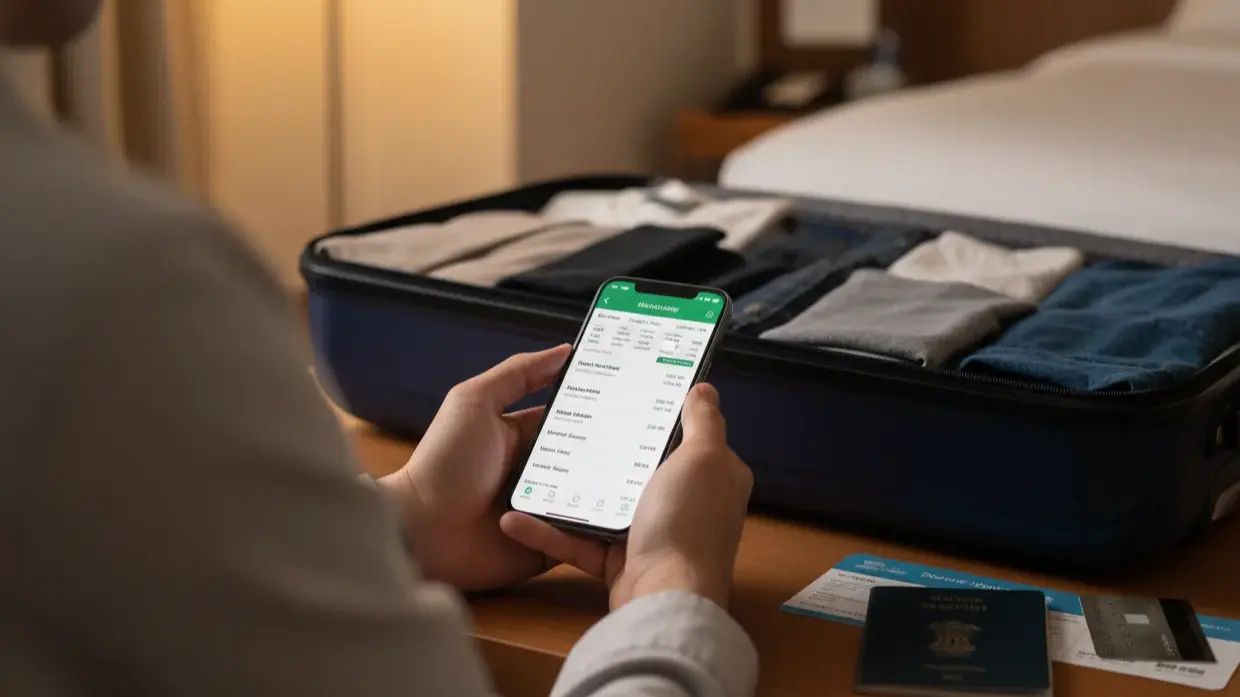
Your travel planning should respect the L1 timeline. The DS-160, interview date, intended arrival, company start date, lease timing, school timing and family movement should not contradict one another. A dummy ticket helps turn those moving parts into one visible timeline.
Give HR something they can schedule around
HR may not need final airfare to plan onboarding. They often need a target arrival date, worksite city, expected travel week and whether dependents move together. A temporary dummy booking can support internal planning while the final purchase waits for passport return.
Keep family plans coherent without spending early
L2 dependents add complexity. Children may have school calendars. A spouse may need resignation timing or household logistics. Family travel may require extra baggage, seat planning and transit choices. A dummy ticket gives the family a working plan before final airfare becomes sensible.
India–U.S. route planning that respects reality
Choose routes that fit your worksite and energy level. If the job is in Austin, a route through Dallas may be cleaner than a random cheap fare through a distant U.S. gateway. If the first port of entry differs from the worksite, be ready to explain the connection calmly.
The “show, don’t overcommit” approach
You want a travel plan that looks prepared but flexible. A dummy ticket shows intent. It does not say you have locked the final flight. That is a strong balance for applicants who need to coordinate relocation without overcommitting money before visa issuance.
What to carry to keep conversations short
- current passport and old passports if relevant;
- visa appointment documents and company paperwork;
- tentative dummy ticket and hotel or arrival-stay proof;
- HR contact or relocation contact information;
- family timeline for L2 dependents;
- digital and printed copies of the same final set.
Keep names, dates and codes perfectly aligned
Indian names can be complex. Use the passport as the master record. Match surname, given names, initials, hyphens and child names across the dummy ticket, hotel proof, HR documents and family travel plan. Avoid retyping from memory.
Reduce financial risk with smart holds
A dummy ticket is strongest when it gives structure without financial lock-in. It lets you compare routes, plan arrival week, coordinate dependents and wait for the right moment to buy final airfare.
Map realistic arrival logistics for the first 72 hours
The first three days matter. You may need to reach a temporary hotel, apartment, corporate housing, employer office, school appointment or bank setup. Your travel proof should not create a route that lands too late for the next connection, forces a family through an impossible layover, or puts you far from the worksite without explanation.
For L1 transfers, arrival planning should feel practical. If the principal applicant starts work on Monday, arriving late Sunday night after 30 hours of travel is technically possible but not always wise. A cleaner plan builds one buffer day, especially with dependents or a new city.
Keep your story the same everywhere
Use the same travel window in HR emails, relocation notes, DS-160 details, dummy ticket, family calendar and first-stay proof. If one document says “mid-September” and another says “late October,” the plan looks unfinished. You do not need final airfare yet, but you do need one current version.
Common snags and how to fix them before they spread
- If HR changes the start date, refresh the dummy ticket and family timeline.
- If passport return is delayed, do not buy final airfare based on hope.
- If dependents travel later, write the family timeline clearly.
- If the worksite city changes, update route and first-stay proof together.
- If the PNR expires, replace it instead of reusing stale proof.
The payoff for using an itinerary the right way
A good temporary itinerary keeps everyone calm. The applicant sees a route. HR sees a planning week. The family sees a workable timeline. The travel desk sees the likely fare range. Nobody has to pretend the final ticket is already purchased.
Planning India-to-U.S. L1 travel before final tickets are safe? Create a verifiable dummy ticket with route and names aligned to your transfer timeline.
Prepare Your Dummy TicketYour Four-Stage Game Plan: From Approval Notice to Arrival Gate
Stage 1 — petition approved or interview planned
Prepare smarter, not harder. Keep employer documents, role documents, DS-160 details, family passport details and tentative travel dates in one folder. Use a dummy ticket only after the likely travel window is realistic enough to guide planning.
Stage 2 — visa interview
Carry a plan, not a bill. Your main documents should support the L1 category. The dummy ticket is secondary. If travel timing comes up, it helps you answer clearly without claiming final airfare has already been purchased.
Keep your interview answer simple if asked about travel. You can say the travel week is tentative and final tickets will be purchased after visa issuance and passport return. That is cleaner than showing a paid ticket for a date that may already be unrealistic.
Stage 3 — visa issued
Once the visa is issued and passport is returned, compare final route options. Keep flexibility for start-date movement, internal approval, apartment handover and family readiness. If the old dummy ticket is no longer useful, replace it with the final booking.
This is also the moment to check employer travel policy. Some companies require approved vendors. Some reimburse only specific fare classes. Some allow family tickets only after dependent visas are issued. Do not let a personal panic purchase conflict with corporate policy.
Stage 4 — port of entry
At arrival, keep answers simple: role, employer, worksite, initial stay address, family travel plan and onward connection if any. If the first airport is not the final worksite city, explain the domestic connection or relocation path.
The friction removers
- same spelling across every travel document;
- same arrival week across HR, DS-160 and travel plan;
- clear worksite and first-stay address;
- family timeline that matches L2 travel;
- current dummy booking or final ticket, not expired proof;
- one clean digital folder for airport and HR use.
What success looks like
The best L1 travel file is boring in a good way. Dates match. Names match. The route makes sense. HR knows the expected week. The family plan is coherent. Nothing feels improvised.
Troubleshooting guide: fix issues before they grow
If the visa interview moves, do not patch only the dummy ticket. Recheck start date, HR notes, dependent travel and accommodation. If the passport courier is delayed, do not buy a final fare until the passport is physically back. If the U.S. manager asks for an arrival date, share the tentative window and mark it as planning, not final purchase.
If a family member’s passport renewal changes the document number, regenerate that traveler’s dummy booking. If a child’s school schedule changes, adjust family travel before final ticketing. Small fixes early are cheaper than airline-change chaos later.
The airport version of your plan
At the airport, nobody wants a long explanation. Keep the travel set simple: visa, passport, final ticket if purchased, employer details, first-stay address and dependent documents. If you are still using a dummy ticket in a planning context before final purchase, keep it separate from final travel documents so nobody confuses temporary proof with a boarded itinerary.
One-Way, Onward Proof, and Transit Traps to Outsmart
Dual intent, one-way tickets and zero drama
L visas have a different posture from standard visitor travel, and L applicants are excluded from the usual 214(b) strong-ties presumption described in State Department denial guidance. That does not mean every airline counter will understand your full immigration category. It means your paperwork should be easy to explain.
Why airlines still ask for onward proof sometimes
Airline staff may ask questions based on operational rules, destination entry logic or system prompts. If you travel one-way, keep visa, employer proof, initial stay address and onward or final-destination details ready. A ticket onward document may help in edge cases where the route continues beyond the first stop.
Picking your connector from India
India-to-U.S. routes often involve the Middle East, Europe or East Asia. Check transit rules before final purchase. A cheap fare can become expensive if it creates a transit-visa issue, too-short connection or baggage problem for a family relocation.
For long-haul transfers, the best route is not always the cheapest route. A direct or one-stop path with better baggage and connection time can be worth more than a low fare with airport changes, overnight layovers or separate-ticket risk.
First port of entry versus worksite
You may enter through one U.S. airport and then connect to the worksite city. That is normal, but the plan should be clear. Keep the domestic connection, initial hotel or apartment address and HR contact ready.
If the worksite is in Seattle but you first land in New York for a family stop, the reason should be obvious. If the employer has arranged onboarding in a different city before the permanent worksite, keep that note handy. The route should sound like relocation, not random tourism.
Name matching and PNR hygiene
For long international sectors, one spelling mistake can waste hours. Match passport names exactly. Keep children’s names and dates of birth correct. Do not carry one version for the consulate and another version for the airline counter.
Families on L2 need child-smart planning
Long connections, overnight layovers and split tickets can be hard with children. A dummy flight ticket lets you compare family-friendly routes before buying. When final purchase happens, choose the route that protects sleep, baggage, connection time and first-week sanity.
Transit visa pitfalls: spot them before you buy
Some routes look cheap until transit rules, baggage recheck, separate tickets or airport changes enter the picture. Before final purchase, check whether the connector requires a transit visa, whether luggage transfers automatically, and whether a long layover works for dependents. A dummy ticket can help compare routes before money is committed.
Indian weather and gateway choices
Monsoon delays, fog in North India, festive crowding and domestic positioning flights can affect the first international leg. If you are flying from a secondary city to Delhi, Mumbai, Bengaluru, Hyderabad or Chennai first, add enough buffer. A cheap same-day domestic connection can become a costly mistake.
One-way baggage math
L1 relocation often means more luggage than a holiday. Compare baggage allowance, excess fees, family needs and employer reimbursement before final purchase. A dummy booking can help you shortlist routes, but final ticket choice should reflect baggage and relocation realities, not just fare price.
Health, medication and insurance basics
Long-haul relocation is not just airfare. Carry prescriptions, medical documents, child medicines and first-week essentials. If your employer coverage starts after arrival, plan interim coverage where appropriate. These details do not belong in the visa decision layer, but they matter for a smooth move.
Make Everything Match: Best Practices for Dates, Docs and Bookings
Start with date hygiene
Work backward from the realistic start date. Add passport return time, notice period, HR onboarding, housing search, school start and family travel. Then create the dummy ticket around that window, not around the cheapest random fare.
Names that match everywhere beat fancy files
The best-looking PDF is useless if the name is wrong. Match passport spelling across dummy ticket, dummy hotel, HR travel note, family plan and any airline account.
Keep bookings that bend, not break
Before final purchase, flexibility is your advantage. Use temporary proof, cancellable stays and internal calendars that can move if the visa timeline shifts. After issuance, buy with enough change flexibility to handle relocation realities.
Purpose language should stay consistent
Use the same plain-language description everywhere: intracompany transfer, role, employer, worksite and start timing. Do not create separate explanations for HR, consulate, airline and border. One clean story is easier to remember and easier to verify.
Coordinate with HR, not just your calendar
HR may know internal approval dates, relocation policy, payroll timing, benefits start date and office reporting expectations. A dummy ticket should fit that internal reality. Do not create a travel plan that HR cannot support.
If HR gives a tentative reporting week, use that as the anchor. If the hiring manager wants you earlier but immigration or relocation says later, do not force the dummy ticket around the optimistic date. Use the date that can realistically survive visa, passport, notice period and travel logistics.
India logistics: domestic hops, weather and festive peaks
Many L1 travelers do not begin from the international gateway city. They may need a domestic hop from Pune, Ahmedabad, Kochi, Jaipur, Lucknow, Coimbatore or another city before the U.S.-bound flight. Build enough buffer between domestic and international sectors, especially when monsoon, fog, festive demand or baggage transfer can cause delays.
A dummy ticket lets you test route ideas before buying. If the route depends on a risky same-day domestic connection, use the planning stage to fix it. One extra night near the gateway airport can protect the entire relocation move.
Budget moves that punch above their weight
For a company transfer, airfare may be reimbursed, partially covered or controlled by policy. But families still face upfront costs: hotels, excess baggage, domestic travel, pet movement, school setup, deposits and first-week transport. A dummy booking helps you estimate timing before these costs stack up.
Do not treat airfare as the only expense. The better planning question is: what route gets the employee and family to the worksite with fewer changes, fewer surprises and less first-week stress?
Digital hygiene: files that travel well
- Use one folder for current L1/L2 travel documents.
- Name PDFs clearly by date and purpose.
- Delete expired dummy ticket versions.
- Keep passport scans separate for each traveler.
- Save offline copies for the airport.
- Keep the final itinerary and dummy planning version separate.
Micro fixes for common mistakes
If the start date moves, refresh the dummy ticket and notify HR. If a child’s passport is renewed, update the family booking plan. If a connection becomes too short, revise the route before final purchase. If a PNR expires, do not reuse it as current proof.
The quick audit before every milestone
- Passport names match every dummy ticket and family document.
- Intended arrival week matches HR planning.
- Worksite city and first-stay city are easy to explain.
- L2 dependent travel is together, staggered or clearly planned.
- Dummy hotel or first-stay proof matches the arrival city.
- Transit route does not create avoidable visa or baggage issues.
- Old dummy booking versions are removed from the current folder.
- Final airfare is not purchased until the travel window is stable.
Edge cases to plan once and forget
If the principal applicant travels first and dependents follow later, prepare two timelines. If the company provides temporary housing, save the confirmation. If the first week is training in one city before worksite transfer, make the city split clear. If the role starts remotely before physical relocation, avoid creating travel proof that suggests you are already required onsite.
Precision beats panic
Panic creates bad bookings. Precision creates clean movement. When every date, name, code, city and contact matches, the dummy ticket does its job: it supports planning without becoming the center of the L1 case.
Choose Your Itinerary Wisely: Timing, Options and Pitfalls
When to draft an itinerary
Draft the itinerary when the travel window becomes operationally useful: interview scheduled, petition timeline clear, HR needs a target date, or family planning requires a working route. Do not create proof so early that it expires before anyone uses it.
If the interview is months away, wait. If the interview is near and HR needs an expected arrival week, draft it. If the visa is issued and passport has returned, move from dummy ticket planning into real ticket purchase. Timing discipline keeps the document useful.
What a solid L1 itinerary looks like
| Element | Good standard | Risky version |
|---|---|---|
| Route | India city to realistic U.S. gateway/worksite path. | Random cheap route with unexplained detours. |
| Dates | Aligned with interview, passport return and start window. | Conflicts with HR or DS-160 timing. |
| Names | Passport spelling for every L1/L2 traveler. | Initials, missing surname or mismatched child details. |
| Proof type | Temporary dummy booking before final purchase. | Non-refundable ticket bought before the plan is stable. |
Timing for common Indian scenarios
A single employee can often wait longer before buying final airfare. A family with school-age children may need more planning. A new-office transfer may have more moving parts. A short-notice executive move may need a fast dummy ticket first, then final purchase immediately after passport return.
Low-risk ways to create proof of plan
Use a verifiable dummy ticket, keep the booking current, match names exactly and avoid pretending it is a paid ticket. If you need accommodation alignment, add dummy hotel proof or cancellable stays for the first arrival period.
Keep the route conservative when possible. A simple India-to-worksite path is easier to understand than a complicated multi-city plan. If you need to visit another city first, make the reason clear and match the accommodation proof.
How to switch from plan to purchase
Once visa and passport are ready, convert the plan into a real ticket. Check employer reimbursement rules, baggage, dependents, transit visas, school timing, apartment access and start date before paying. The dummy ticket has done its job once final travel is safe to buy.
Do not forget to retire old temporary proof. Once final tickets are purchased, use the final itinerary for airport travel and HR records. Keep the dummy ticket only as planning history if you need it internally, not as the current travel document.
Examples you can borrow and tweak
- Solo L1B engineer: tentative Hyderabad–Doha–Dallas route, one week before start date, final ticket after passport return.
- L1A manager with family: principal travels first, L2 spouse and child follow after housing is arranged.
- New-office transfer: flexible arrival week, temporary hotel, HR contact and route that allows schedule movement.
- Executive short-notice move: dummy ticket for internal planning, final fare bought only once passport and start date are locked.
Short, strong answers that close questions
If someone asks why you have not bought the ticket yet, the answer is simple: the travel window is being coordinated with visa issuance, passport return, employer start date and relocation logistics. That answer is honest and professional. It sounds better than “I bought a non-refundable ticket and hope everything works.”
If someone asks whether the dummy ticket is final travel, say no. It is temporary travel-planning proof. Final airfare will be purchased once the visa and start timing are stable. That clarity protects you from overclaiming.
A two-minute sanity check before each milestone
Before interview, check that the dummy ticket does not distract from the actual L1 documents. Before passport return, avoid final-ticket pressure. Before final purchase, check route, baggage, dependents, transit and employer policy. Before departure, make sure the final ticket, not the old dummy booking, is the document in your airport folder.
How to choose between competing itineraries
Do not choose only by price. Compare arrival time, connection risk, baggage, refund rules, dependent comfort, transit requirements, employer reimbursement and first-week schedule. The cheapest route can still be the wrong route if it increases stress or breaks the relocation timeline.
What to do if something moves at the last minute
If the worksite changes, rebuild route and accommodation together. If start date moves, refresh the dummy ticket before sending a new planning note to HR. If the visa arrives earlier than expected, do not rush into a bad fare; compare flexible final tickets. If it arrives later, let the temporary proof expire and regenerate a clean current version.
The one-page blueprint that keeps everyone in sync
- Principal applicant name and passport number.
- L2 dependent names and passport numbers.
- Target arrival week and worksite city.
- Tentative dummy ticket route and PNR where available.
- First-stay address or dummy hotel plan.
- HR contact and relocation contact.
- Final-ticket purchase trigger: visa issued, passport returned and start date stable.
Plan Smart, Spend Less, Arrive Ready
A dummy ticket is not an L1 eligibility document. It will not fix a weak company case, unclear role, missing petition evidence or ineligibility issue. But it can make the travel-planning side cleaner, cheaper and less stressful while the real visa process plays out.
The practical standard is simple: dummy ticket, dummy flight ticket, dummy hotel, dummy booking, ticket dummy, ticket onward and onward ticket documents should help travelers plan a realistic route without pretending final airfare is already locked. For L1 and L2 travel, that means aligned names, dates, HR timing, family movement and arrival logistics.
Frequently Asked Questions
Is a dummy ticket required for a US L1 visa?
No. A dummy ticket is not a US L1 visa requirement. L1 eligibility depends on the qualifying intracompany transfer, role, employer relationship, petition and visa process.
Can a dummy ticket help with L1 visa travel planning?
Yes. A dummy ticket can help organize tentative travel dates, HR planning, family movement and arrival logistics before final airfare is safe to buy.
Should I buy a final ticket before my L1 visa is issued?
Usually it is safer to wait until visa issuance and passport return before buying final airfare, unless your employer has a specific refundable or flexible travel policy.
Can a dummy ticket support the L1 petition itself?
No. A dummy ticket does not support the L1 petition itself. It supports the travel-planning layer, not the legal eligibility layer.
Can L1 travelers use one-way travel proof?
Often yes, because L1 travel is work-transfer based. However, travelers should still carry clear visa, employer, worksite and arrival details, and use onward proof if the route requires it.
Do L2 dependents need matching travel proof?
L2 dependents should have a coherent family travel plan. Names, dates, routes and accommodation should match the principal applicant’s timeline or clearly explain staggered travel.
What should an L1 dummy ticket match?
It should match passport names, intended travel week, HR start timing, DS-160 information, family travel plan and first U.S. arrival logistics.
What if my L1 interview or passport return is delayed?
Refresh the dummy ticket and connected travel plan. Do not carry an expired or outdated reservation as current proof.
Can DummyFlights create dummy hotel proof too?
Dummy hotel proof can help with first-arrival planning when accommodation is not yet final. It should match the same arrival dates and city logic as the dummy ticket.
When should I replace the dummy ticket with a real ticket?
Replace it after the visa is issued, passport is returned, start timing is stable and the route is ready for final purchase.
Friendly reminder: DummyFlights provides temporary travel-proof documents for planning and application support. Requirements vary by destination, airline, route and applicant situation. A dummy ticket can support a file, but it does not promise approval, boarding or entry.