

A Vistara dummy ticket in 2026 usually means a Vistara-style or former-Vistara route now handled through Air India systems. Vistara completed its merger with Air India on 12 November 2024, so fresh travel-proof planning should focus on Air India booking references, AI flight numbers, Fare Lock where available, and clean dummy ticket or onward ticket documents that match your route, dates and visa file.
Vistara on the old ticket. Air India on the website. A consulate, airline counter or document reviewer that still wants to see a neat travel plan before you risk full airfare. If that sounds like your situation, you are not alone. Indian travelers are still searching for “Vistara dummy ticket” because many routes, habits and memories came from the Vistara era.
The practical answer is simple: stop chasing the old Vistara booking flow and build the document around the current Air India reality. A dummy ticket, dummy flight ticket, dummy booking or onward ticket can still support your travel-proof needs, but the route logic must reflect the post-merger system.
This guide explains how to handle Vistara-style travel proof now: what changed after the merger, when Air India Fare Lock helps, when OTA holds or agents make sense, and when a dedicated dummy ticket is the cleaner option.
Key facts before booking a Vistara-style dummy ticket:
- Vistara completed its merger with Air India on 12 November 2024.
- Former Vistara aircraft are operated by Air India and may use special AI flight numbers beginning with “2”.
- Old Vistara habits should now be checked through Air India booking, Manage Booking and current fare rules.
- Air India Fare Lock can hold an eligible fare for 48 hours, but it is not the same as a final paid ticket.
- A dummy ticket should match the travel file, hotel dates, insurance dates and onward ticket logic.
- Do not use old Vistara PDFs if the current booking has migrated or changed inside Air India systems.
Need Vistara-style travel proof without locking money into final airfare? Create a clean dummy ticket, dummy booking or onward ticket that matches your current Air India-era route and visa timeline.
Create Your Dummy TicketIn This Guide
Where Vistara Fits Into Dummy Flight Ticket Planning Now
Before you choose a dummy ticket method, get clear on what “Vistara” means today. For many travelers, it still means a familiar full-service Indian airline experience. For booking, PNR retrieval and future ticket handling, it now usually means Air India infrastructure.
From Vistara branding to Air India control
The purple memory may still matter emotionally, but the booking control panel is Air India. New reservations, fare rules, schedule changes, seat handling and PNR checks should be treated through the current Air India system. If you build a travel-proof document as if Vistara still works exactly as before, the article and the booking logic become outdated.
For a reviewer, the airline branding is less important than whether the document is current and consistent. If the route now appears as an Air India flight number, the dummy ticket should not look like an old abandoned Vistara-only PDF. It should reflect the travel reality the reviewer can understand.
Can you still “book on Vistara” like before?
For future travel, do not assume the old Vistara website, helpline or UK flight-number workflow is the right path. The safer mindset is to search and verify through Air India channels first. If the route used to be Vistara territory, it may now be displayed with Air India flight numbering, including the AI 2-series format for former Vistara aircraft where applicable.
Already holding an old Vistara booking?
If you already have a Vistara-era PNR, check the current status through Air India Manage Booking using the booking reference and last name. Confirm passenger spelling, sector, date, flight number and ticket status. If the trip has migrated, download the current itinerary from the live system rather than relying only on an older PDF.
This matters because an older document may show a flight number, brand name or timing that has since changed. A reviewer usually cares about the current, active version of the itinerary. If the booking is still live, the current Air India version is the cleaner document to keep in your active file.
Starting from zero?
If you do not already hold a Vistara booking, build your travel-proof plan around Air India from the beginning. Search the route, check the fare, see whether Fare Lock appears, and decide whether a hold, OTA option, travel-agent reservation or professional dummy ticket fits your timeline best.
For example, if you are planning Delhi to London, Mumbai to Paris, Bengaluru to Singapore or another route that travelers still mentally connect with Vistara, search the current Air India display first. Then decide whether the proof you need is a short airline hold, a temporary dummy ticket, or an onward ticket that explains the next movement.
The Indian rules quietly shaping your options
Indian travelers often work around tight appointment slots, document upload deadlines, family travel planning and price-sensitive international routes. That is why the tool choice matters. A refundable ticket may look clean but freeze money. A Fare Lock may expire too fast. A dummy ticket gives more breathing room when the trip is not ready for final purchase.
Citation-ready baseline: a Vistara dummy ticket in 2026 should be treated as Vistara-style travel proof inside the Air India era. The document should match current Air India route logic, not outdated Vistara-only assumptions.
Turn Air India Fare Lock Into a Short-Term Travel-Proof Option
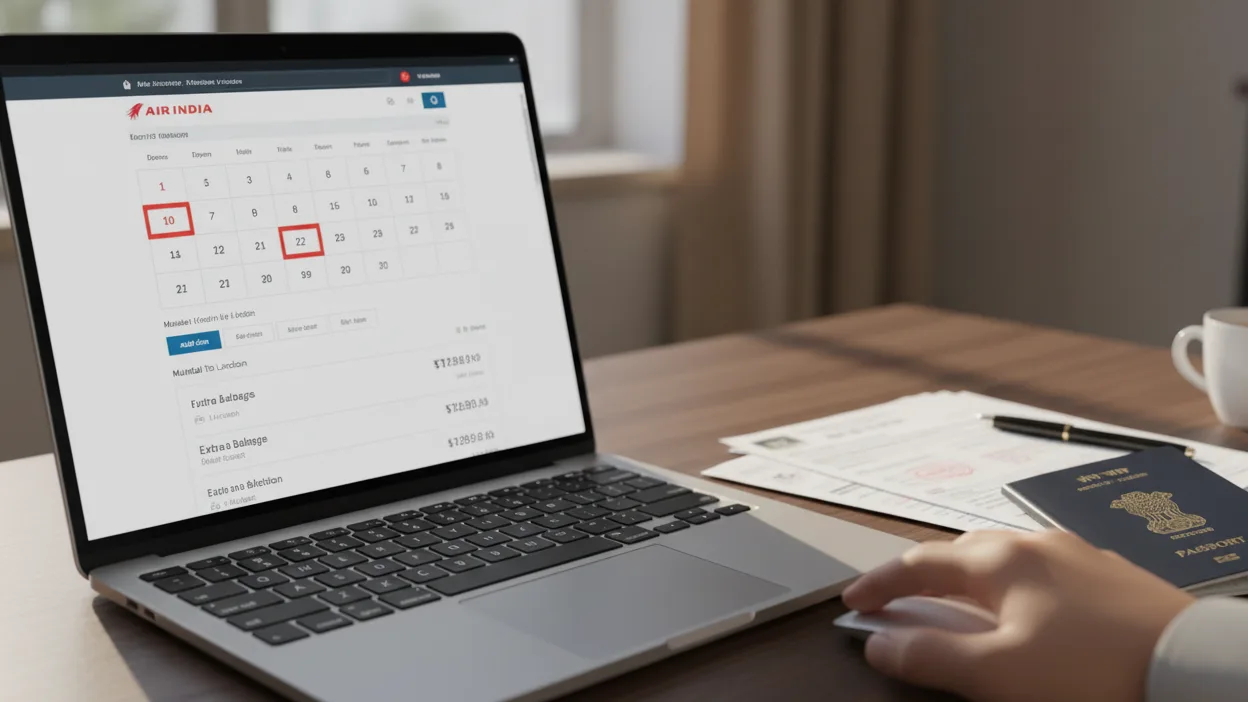
Air India Fare Lock is the closest official tool to the old “hold this route while I decide” behavior. It can be useful if your travel plan is nearly ready and you only need a short window before paying. But it has limits, and those limits matter for visa timelines.
What Fare Lock does
Fare Lock lets eligible customers reserve a selected Air India fare for 48 hours for an additional fee. During that period, the fare remains available for final confirmation if the traveler completes payment within the hold window. It can be useful for quick decisions, payment coordination or very near-term planning.
Where Fare Lock falls short
A 48-hour hold is not built for a long visa preparation cycle. Appointment slots move. Consulates take time. Documents get translated. Hotel and insurance dates change. If your travel proof needs to remain useful for more than two days, relying only on Fare Lock can be fragile.
What happens if plans change
Air India says full payment must be completed within the Fare Lock period, otherwise the booking is automatically cancelled and the Fare Lock fee is not refunded. No modifications can be made during the Fare Lock period. That makes it useful for short-term confidence, but not ideal when your file is still moving.
When Fare Lock makes sense
- Your travel date is almost final.
- The route appears clearly on Air India.
- You are within the eligibility window for Fare Lock.
- You can pay quickly if the trip becomes final.
- You do not need the document to remain active for a long review period.
Think of Fare Lock as a short tactical tool, not a full travel-proof strategy. It is useful when you are nearly ready to buy and just need the fare protected for a short period. It is weaker when you need the document to stay useful across a visa appointment, consular review, hotel adjustment or family schedule change.
When a dummy ticket is cleaner
A dummy ticket is cleaner when you need temporary travel proof but the final paid ticket is not safe yet. It works best when the route, dates, hotel, insurance and onward ticket logic are already aligned, but the actual purchase should wait until the visa or travel decision is clearer.
That is the practical “dummy-friendly” window: your plan is real enough to document, but not final enough to buy. In that window, a proper dummy flight ticket can support the file without pushing you into avoidable airfare risk.
Let OTAs, Agents and GDS Options Work Without Creating Confusion

Online travel agencies and travel agents still matter because they can expose different booking flows, route combinations and temporary reservation options. But they are not magic. A hold from an OTA, an agent reservation and a professional dummy ticket all need the same basic discipline: correct name, realistic route, current dates and no false paid-ticket claims.
Why Indian OTAs still matter after the merger
Many Indian travelers compare Air India, OTAs and agents because pricing, payment methods, support and route display can differ. An OTA may show a route that feels like old Vistara service, but the operating and ticketing logic still needs to be checked. Do not assume the branding in the search result is enough.
What happens when you hit “hold”
A hold can mean different things depending on the platform. It may be a fare lock, a temporary cart, a reservation request, or a short-lived booking reference. Before using it as travel proof, check what the document actually says. Does it show passenger details? Does it show dates? Does it show a booking reference? Does it clearly avoid pretending to be a paid ticket?
If the platform does not clearly show what is being held, do not assume it is useful for submission. Some holds are mostly commercial checkout tools. Others create a more structured reservation record. The difference matters when your file needs to look precise.
Where agents can help
A sharp travel agent can sometimes build a cleaner route than an app, especially when the itinerary involves multiple sectors, family passengers or a route that used to sit under Vistara but now appears under Air India. The value is not just the PDF. The value is route logic and correction support.
Agents can also help when the route involves a connection, an onward sector, or a date pattern that an automated checkout page does not handle well. Still, quality varies. The document should be checked the same way: name, route, dates, airline logic, booking reference where applicable and no misleading paid-ticket language.
Refundable fares versus dummy tickets
A refundable or flexible fare can be clean on paper, but it can be painful on the wallet. It may still involve refund delay, fare difference, cancellation charge or cash-flow pressure. A dummy ticket is often the better planning tool when the purpose is temporary travel proof, not confirmed travel.
| Option | Best for | Watch out for |
|---|---|---|
| Air India Fare Lock | Short 48-hour decision window. | Expiry, non-refundable fee, no modifications during hold. |
| OTA hold | Comparing prices and temporary routes. | Different platforms use different hold rules. |
| Travel agent / GDS | Cleaner complex routes and correction support. | Quality depends on the agent and booking method. |
| Professional dummy ticket | Temporary travel proof before final airfare. | Must match the visa file and not overclaim ticket status. |
When a Professional Vistara-Style Dummy Ticket Is the Better Move
A professional dummy ticket makes sense when you need a clean document quickly, the travel date is not final enough for paid airfare, and the route should still look realistic inside the Air India-era booking landscape.
What the document should include
- Passenger name exactly as shown on the passport.
- Current Air India-era route logic for former Vistara-style sectors.
- Travel dates aligned with hotel, insurance and visa timeline.
- Dummy booking or onward ticket details when the file needs planned exit movement.
- Clean airline-style formatting without fake paid-ticket claims.
- A document current enough for the intended submission or check.
How to choose one-way, return or onward proof
A one-way dummy ticket can make sense when the visa or travel plan naturally begins with an entry journey. A return dummy ticket can make sense for short trips. An onward ticket is useful when you need to show where you go after the destination instead of returning to the original departure point. Choose the format that explains the real trip most clearly.
For a short visitor trip, return proof is usually easier to understand. For a long-stay, relocation, study, work or multi-country route, onward movement may be more realistic. The document should not be chosen for keyword strength alone. It should be chosen because the route makes sense.
How to avoid the common Vistara mistake
The common mistake is using old branding as if nothing changed. A document that says Vistara in a way that conflicts with current Air India routing can look stale. A better document acknowledges the current flight reality and focuses on the travel-proof purpose: route, dates, passenger details and consistency.
The second mistake is keeping too many versions. If you have an old Vistara PDF, a newer Air India itinerary, an OTA hold and a dummy ticket with different dates, your file becomes noisy. Keep one active travel-proof version that matches the current plan.
Why consistency beats aggressive wording
A loud document is not automatically a strong document. The strongest dummy ticket is usually boringly consistent. It matches the hotel. It matches the insurance. It matches the application timeline. It does not claim approval, boarding or entry. It simply makes the travel plan easier to understand.
Need a Vistara-style dummy ticket that fits the Air India era? Prepare a dummy flight ticket, dummy booking or onward ticket with current route logic and clean date alignment.
Prepare Your Dummy TicketBefore You Hit “Book”: Your Short Game Plan
If you are starting from zero, do not overcomplicate the process. First decide whether you need a real ticket, a short hold, or temporary travel proof. Then choose the tool that fits your deadline and risk.
If the appointment is close, move quickly but do not rush blindly. If the route is still uncertain, do not buy full airfare just to feel prepared. If your hotel and insurance are already aligned, use those dates to anchor the dummy booking. If onward proof is needed, make the onward ticket explain the exit plan cleanly.
Use this decision path:
- If the trip is confirmed and dates are safe, buy the real Air India ticket.
- If you need only 48 hours, check whether Air India Fare Lock appears for your route.
- If you need a longer planning window, use a dummy ticket instead of forcing final airfare.
- If the destination needs proof of onward movement, add an onward ticket that matches the file.
- If the trip includes accommodation proof, align dummy hotel dates with the ticket dates.
- If you have an old Vistara PNR, verify the current status through Air India before submitting it.
The winning move is not “find a Vistara loophole.” The winning move is cleaner travel proof. In 2026, that means Vistara-style intent, Air India-era route logic, and a dummy ticket that keeps your visa or travel file sharp without pretending to be a paid ticket.
Frequently Asked Questions
Can I still get a Vistara dummy ticket in 2026?
You can still create Vistara-style travel proof for routes travelers associate with Vistara, but new booking logic should be based on Air India because Vistara completed its merger with Air India in November 2024.
Is Vistara still a separate airline for new bookings?
No. Air India says the Air India and Vistara merger was completed on 12 November 2024. Former Vistara aircraft are operated by Air India, and some are identified with special AI flight numbers beginning with “2”.
What is a Vistara-style dummy ticket?
It is a temporary travel-proof document built around a route that may have been associated with Vistara, but formatted for the current Air India-era booking reality. It should show route, dates, passenger details and dummy ticket or onward ticket logic clearly.
Can Air India Fare Lock replace a dummy ticket?
Sometimes, but only for short timing. Air India says Fare Lock holds eligible fares for 48 hours. If your visa or travel-proof timeline is longer or still uncertain, a dummy ticket may be cleaner.
Can I use an old Vistara PNR?
If you already have an old Vistara booking, check the current status through Air India Manage Booking using the PNR and last name. Use the current itinerary rather than relying only on an older PDF.
Should the document say Vistara or Air India?
It should match the current route reality. If the flight now appears as Air India or an AI 2-series former-Vistara flight, the document should not create confusion by pretending the old booking ecosystem is unchanged.
Is a dummy ticket better than a refundable fare?
For temporary travel proof, often yes. A refundable fare can still tie up money and involve rules or delays. A dummy ticket is better when the final trip is not stable enough for paid airfare.
When should I add an onward ticket?
Add an onward ticket when the travel file needs to show planned exit or next movement. It should match the route, dates, accommodation and purpose of travel.
What is the biggest risk with a Vistara dummy ticket?
The biggest risk is using outdated or conflicting information: old Vistara branding, wrong flight number, expired hold, wrong passenger name, mismatched hotel dates or false paid-ticket wording.
What should I check before submitting the dummy ticket?
Check passenger name, route, date, airline logic, hotel dates, insurance dates, onward movement and whether the document clearly avoids claiming paid-ticket status unless the ticket is actually issued.
Friendly reminder: DummyFlights provides temporary travel-proof documents for planning and application support. Requirements vary by destination, airline, route and applicant situation. A dummy ticket can support a file, but it does not promise approval, boarding or entry.