

Short answer: An airline or its reservation system may distinguish a held reservation from an issued, paid ticket through the record, ticket number and coupon status. A dummy ticket for visa should therefore be described truthfully as temporary travel proof or a reservation, not as a paid ticket. Match the passenger name, route and dates to your application, and never alter a record to imply payment or issuance.
Key facts
- A reservation record and an issued ticket are different products.
- Airline visibility depends on the issuing system, carrier and record state.
- A PNR or itinerary does not automatically prove payment or ticket issuance.
- Use truthful labels and preserve the record exactly as issued.
- Check the destination checklist before submitting travel proof for a visa.
Need temporary travel proof for a visa file? Use a truthful reservation that matches your passport name, route, dates and onward or return plan.
Create your dummy ticketIn This Guide
- What An Airline Can Actually See When Your Itinerary Is Reserved But Not Ticketed
- When A Reserved Itinerary Is Enough For A Visa File And When It Quietly Becomes The Weak Link
- How To Pressure-Test A Flight Reservation Before You Attach It To Your Visa Application
- How To Decide Between Reserved, Ticketed, Or Waiting A Bit Longer Before You Submit
- Choose The Flight Booking That Still Makes Sense Later
Official-source check: Confirm the record status, ticketing conditions and document requirements with the issuing airline or reservation system. For route-specific passport, visa and transit checks, consult the current IATA Travel Centre; an airline's own system controls whether a reservation is held, ticketed, changed or cancelled.
Reviewed for: reserved-versus-ticketed status, PNR terminology, airline visibility, document labeling, visa-file consistency and official-source alignment.
Your visa file can look perfect until one question starts nagging at you: if your itinerary gets checked, does it show as reserved or actually paid? That difference matters in because airline booking records, online lookups, and slow processing can turn a decent reservation into a weak document long after you submit.
We’ll help you judge when a reservation is strong enough, when paying is the safer move, and what makes a flight document hold up under real scrutiny. We’ll also show you where simple route choices, long processing windows, and fragile holds create avoidable trouble. You do not need generic visa advice here. You need a clear way to weigh visibility, timing, and risk before you carefully attach that itinerary to your case. For applications where timing is uncertain, a dummy ticket for visa keeps your itinerary flexible but verifiable.
What An Airline Can Actually See When Your Itinerary Is Reserved But Not Ticketed

A flight reservation can look clean, organized, and fully usable for a visa file while still sitting in a very different category from a ticketed booking. That distinction matters because airlines do not read your itinerary the way you do when you open the PDF on your phone.
The Reservation Exists, But That Does Not Mean The Fare Has Been Locked In
When your itinerary is reserved but not ticketed, the airline can usually see that a booking record exists. Your name, route, travel dates, and flight segments may all appear normally. From the outside, that can feel reassuring.
What it does not always mean is that the fare is secured durably. A reservation can sit in the system with confirmed space while still waiting for ticketing, payment completion, or a time limit to expire. For a visa applicant, that is the first practical takeaway. An airline may be able to retrieve the booking, but retrieval alone does not tell you how stable that record will be a few days later.
That is why a valid-looking itinerary is not automatically a low-risk document.
Why “Confirmed” Can Sound Stronger Than It Really Is
This is where applicants often get too comfortable. A reservation can carry language that looks final enough to satisfy you at first glance. You may see booked flights, a record locator, and status wording that suggests the trip is set.
But in airline terms, “confirmed” often speaks to seat status on a segment, not necessarily to the commercial strength of the booking behind it. If the itinerary has not moved into a ticketed state, the booking may still depend on a hold deadline, a fare rule, or the issuing channel’s timing.
For visa use, this matters because you are not just asking whether the booking exists today. You are asking whether it still looks reliable if someone checks it after your appointment, during document review, or after a short processing delay.
What Changes Once A Ticket Number Exists
A ticketed booking usually carries a stronger trail. The airline can see more than just the reservation shell. There is now an issued ticket tied to the itinerary, and that creates a different level of traceability.
In practical terms, a ticketed record may show:
-
A ticket number linked to the passenger
-
An issuance date and time
-
A clearer payment-linked travel document trail
-
A stronger basis for later servicing or changes
That does not mean every visa case requires a paid ticket. It means the airline's view becomes more complete once ticketing happens. If your concern is whether the booking can survive extra scrutiny or a later check, that extra layer matters.
Why The Same Booking Can Look Different Across Channels
You may check your reservation one way and feel confident, then get a very different impression from another channel. That is normal.
Your PDF itinerary may display only the passenger-facing parts of the booking. An airline website lookup may show flight status and basic reservation details. A call center agent may see whether the booking is ticketed, held, queued, or close to auto-cancellation. An issuing platform may display details that never appear on the airline’s public lookup page.
This matters when you rely too heavily on one successful check. If your airline website pulls up the trip, that is useful. It is not the full story. For visa planning, you want a booking that is not only retrievable but also internally consistent across the channels that matter most.
The Hidden Weak Point: Time
Most problems with reserved itineraries are not visible on day one. They show up later.
A reservation that looks perfect on Monday may not look the same on Friday if the hold expires, the fare changes, or the issuing side does not complete the next step. This is where many applicants misjudge risk. They judge the document at the moment of download, not at the moment of possible verification.
Before you attach a flight reservation to your application, ask:
-
Will this still be active if my file is reviewed later than expected?
-
Can I replace or refresh it quickly if needed?
-
Am I working with fixed travel dates or still adjusting the route?
Those questions are more useful than staring at the PDF and hoping it looks official enough.
When A Reserved Itinerary Is Enough For A Visa File And When It Quietly Becomes The Weak Link
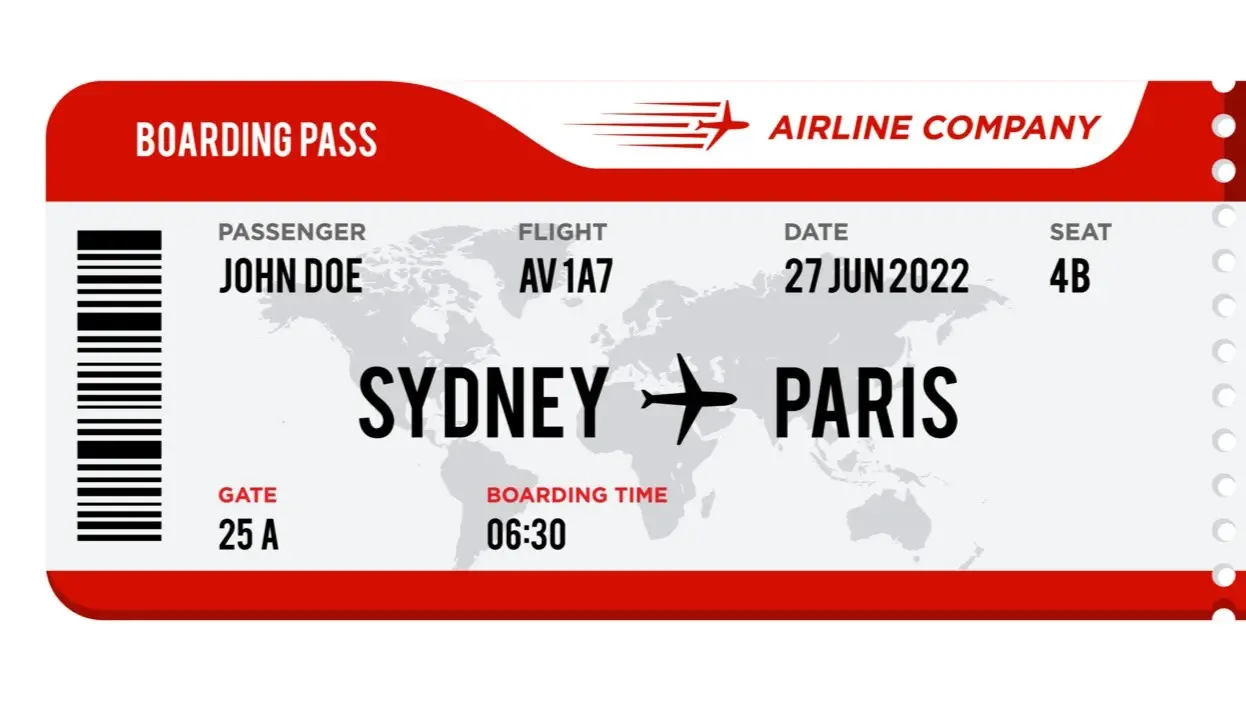
Not every visa case needs a paid ticket on day one. The real question is whether your flight reservation matches the strength, timing, and complexity of the file you are sending.
A Reserved Booking Is Strongest When The Visa File Does Not Depend On It Carrying The Whole Case
A reserved itinerary works best when it is only one clean part of a convincing application. Your travel dates line up with your leave window. Your return logic makes sense. Your supporting documents already show why the trip is happening and why it ends when it does.
In that kind of file, the flight plan does not need to do heavy lifting. It just needs to fit.
That matters for short-stay visitor visas, where officers often read the itinerary as one piece of a broader travel story, not as the single document that proves intent. If your schedule, finances, and trip purpose already hold together, a reserved booking can be enough to show planning without locking you into a fare too early.
Where applicants get into trouble is when the reservation is being used to compensate for weak timing or vague travel intent. A fragile booking cannot fix an application that already looks uncertain.
Short Processing Windows And Stable Travel Dates Change The Risk Math
A reserved itinerary is more comfortable to use when the decision window is likely to be short, and your dates are not moving.
That usually means situations like these:
-
You already have a biometrics or interview date close to submission
-
Your intended travel date is not far away, but still realistic
-
Your route is simple and direct
-
You are not waiting on another document before finalizing travel
In those cases, the reservation is less exposed to time. Even if it is not ticketed, it may still do its job well because the file is likely to be reviewed while the itinerary still reflects your plan.
This is why a reservation often feels perfectly reasonable for applicants who are not guessing on dates. You know when you want to travel. You know where you are entering and leaving. You are not building an itinerary around assumptions that may shift next week.
The strength comes from alignment. The booking fits the case, and the case moves fast enough that the booking does not have much time to drift out of sync.
Long Processing Delays Make “Looks Fine Today” A Dangerous Standard
Some visa files do not move on a neat schedule. They sit. They get reviewed later than expected. They trigger a follow-up. They stay pending while your original travel window gets closer.
This is where a reserved itinerary starts to weaken.
The risk is not that the booking was a bad choice at submission. The risk is that the file keeps moving while the reservation does not. If the route disappears from the active booking, the dates look stale, or the hold is long gone by the time someone looks closely, your flight document stops helping.
That matters even more when your application type invites delay. Think of cases with family travel, supporting letters from abroad, seasonal appointment backlogs, or routes tied to busy travel periods. In those situations, the safer standard is not whether the PDF looked clean when you downloaded it. The safer standard is whether the itinerary still supports your stated plan if the file sits longer than you hoped.
Complex Routes Create More Points Of Failure Than Simple Round Trips
A straightforward return ticket is easier to defend than a layered itinerary with several moving parts. Once you add transit cities, separate carriers, multi-city stops, or open-jaw plans, the flight document becomes more vulnerable to change.
A complex route can create problems such as:
-
Different record locators across carriers
-
Schedule changes on one leg but not the others
-
Transit timing that no longer works after an update
-
Confusion between operating and marketing airlines
-
Greater risk that one change makes the whole plan look messy
For a visa file, complexity does not look wrong by itself. It just raises the standard. If your route is more involved, a short-lived reservation has less room for error. A paid and changeable ticket may be the cleaner choice simply because it gives the itinerary more stability while your application is under review.
The Safer Choice Is Not Always A Fully Paid Ticket — Sometimes It Is A Flexible Strategy
A lot of generic advice treats this like a two-option problem. Reserve or pay. Real applications are not that simple.
Sometimes the smarter move is a ticket you can change without major loss. Sometimes it is a reservation you can refresh easily because your dates are still evolving. Sometimes it is waiting a few more days before generating the flight document at all.
What matters is the cost of being wrong.
If locking in now exposes you to high fare loss, you may prefer a reservation-first approach. If changing later would disrupt a family application or force you to rebuild several supporting documents, paying for a more stable option may be worth it.
When a reservation is the better fit than a paid fare, compare the provider's issuing system, verification route, validity period and current update terms before submitting it.
At this point, you should be looking at your own file, not at generic visa advice. Ask whether your reservation is supporting a solid case or carrying too much uncertainty on its own.
How To Pressure-Test A Flight Reservation Before You Attach It To Your Visa Application

Before you upload a reservation, treat it like a document that may be checked later, not just read once at submission. A strong flight document is easy to retrieve, easy to match to your visa plan, and hard to question if dates shift.
Start With The Two Checks That Matter Most: Recognition And Consistency
First, make sure the reservation is actually recognized inside airline systems. That means your flight booking should pull up using the booking reference or booking reference number without confusion. If the record does not appear clean, stop there and fix that before anything goes into your visa file.
Next, check consistency. Your passenger's name must match your passport exactly. Your destination, departure date, and route should match the rest of your travel details. If your application says Paris but your airline ticket shows a different entry city, you create doubt that did not need to exist.
Also, review the flight number, booking number, and reference number as they appear across the document. You want one clear trail, not several slightly different labels that make the booking confirmation look patched together. In most cases, officers do not analyze airline formatting deeply, but they do notice when core parts of the trip do not line up.
Look For The Absences, Not Just The Presences
A reservation can look polished while still leaving out useful signals. That is why you should inspect what is missing, not only what is shown.
For example, an itinerary receipt may list route and times but give thin ticket information. That does not always make it unusable, but it does mean you should read it more carefully. A missing e-ticket number, unclear PNR number, or vague booking ID can matter if you later need to re-check the record under pressure.
Pay attention to commercial details too. If the document shows a ticket price that looks unrealistic for the route, or if it hides associated fees, the reservation may invite more questions than it answers. The same applies to odd notes about baggage allowance, partial payment, or a refund rule that looks unrelated to the itinerary.
You are not looking for perfection. You are checking whether the document reads like a normal, usable record for air travel, not just a printable page.
Check The Booking From More Than One Angle
Do not rely on one screen and assume the job is done. A reservation deserves at least a few quick checks from different angles.
Look it up through the carrier’s retrieval page if that is possible. Review the PDF separately. Compare both versions against your passport and your visa form. If a booking came through travel agents or a third-party booking process, confirm that the record seen by the operating carrier still makes sense.
This matters even more on routes involving a low-cost airline, a codeshare, or a connection where one carrier operates the plane and another sells the segment. A booking may exist in a global distribution system and still display differently on the airline side. That does not automatically create a problem, but you should know it before submission, not after.
Ignore extras that do not help the visa file. A boarding pass, web check-in confirmation, or web check screen is not the point here. Your goal is simple. Can you retrieve the reservation, and does it still look coherent from more than one place?
Stress-Test It Against Delay Scenarios
Now test the reservation against time, because visa timing breaks more documents than formatting does. Ask what happens if your appointment moves, your file sits longer, or the embassy asks for an update.
If your reservation depends on a short hold, it may not survive a long gap between submission and review. That matters for travelers applying during busy seasons, when a simple delay can make an old record look stale. If you expect possible flight changes, check whether the same booking can be refreshed without rebuilding the whole itinerary.
Also, think about a practical follow-up. If someone asks you to confirm the route again, can you still check availability on the same journey, or would you be starting from zero? If you already know your dates are fluid, a reservation that expires quietly may cost you more time, money, and stress later than you expected.
Red Flags That Make A Reservation Poor Submission Material
Some issues are small. Others are a sign to replace the document before you apply.
Watch for these warning signs:
-
The booking number retrieves nothing, or retrieves the wrong passenger name record
-
The passenger's name is truncated or mismatched
-
The route shows a strange layover that does not fit your visa plan
-
The departure city or destination no longer matches your supporting documents
-
The email ID on the reservation is wrong, which makes later updates harder
-
The record contains hidden charges, unexplained fees, or odd payment notes involving e-wallets
-
The status looks unstable, unclear, or close to cancelled
A visa file should not depend on a reservation that already feels fragile when you inspect it at home.
When Paying For An Airline Ticket Becomes The Cleaner Option
Sometimes the cleanest answer is to move from a reservation to paid flight tickets. That is often true when your dates are fixed, your airport sequence matters, or your application would be costly to rebuild if the itinerary falls apart. Families, event-based travel, and time-sensitive air tickets often fall into this category.
Paying does not mean buying any random record and hoping for discounts. It means choosing a document that reduces risk in your case, even if there are no hidden savings, and even if flying later requires changes.
How To Decide Between Reserved, Ticketed, Or Waiting A Bit Longer Before You Submit
By this stage, the question is no longer whether a flight reservation can work for visa use. The better question is which booking approach fits your timing, route, and tolerance for movement after submission.
| Record state | What may be visible | What the document should represent |
|---|---|---|
| Reserved, not ticketed | A reservation or PNR may exist without a paid ticket number | Describe it accurately as a reservation or hold |
| Ticketed and paid | A ticket number and issued-coupon status may be associated with the record | Do not imply payment or issuance unless it occurred |
| Expired or cancelled | The issuing system may show a changed or unavailable record | Refresh the proof or explain the current status truthfully |
Choose Reserved-Only When Flexibility Is More Valuable Than Ticket Strength
A reserved itinerary makes the most sense when your travel plan is real, but not fully locked. You may know your broad journey window, your arrival city, and your return plan, yet still need room to shift by a few days without paying change costs.
That usually suits cases where:
-
Your visa appointment is coming up, but the final travel date is still flexible
-
Your employer, host, or event timing is not fixed in writing yet
-
Flight prices are unusually high for your route
-
You want a clean document now, but not a financial commitment yet
In that situation, flexibility has real value. You are not trying to avoid commitment for the sake of it. You are keeping room for a decision that depends on visa timing. A reserved itinerary can support that well when the rest of your file already looks settled.
It is also a sensible path when you can refresh the itinerary quickly if needed. If your route is straightforward and the same carrier options are likely to remain available, a reservation-first approach keeps your file agile.
Choose Ticketed When The Cost Of Instability Is Higher Than The Cost Of Paying
Sometimes the larger risk is not the fare. It is the effect of having to change documents later.
A ticketed booking becomes the cleaner choice when your application depends on stable travel dates or when a changed itinerary would create follow-up work across the file. That often happens with:
-
Fixed event travel
-
Family applications with shared dates
-
Long-distance routes with multiple stops
-
Peak-season air travel, where seats shift quickly
-
Cases where a delayed decision could push you close to departure
The key is not status. It is a consequence. If your reservation disappears, expires, or stops matching your supporting documents, how much work does that create? If the answer is "a lot," paying may be the safer route.
This is especially true on routes where schedule changes are more common or where one disrupted leg affects the whole journey. Whether your itinerary involves Air India or another major carrier, a ticketed plan can be easier to defend when the trip structure is tight and the room for adjustment is small.
Wait Before Submitting A Booking Reference When The Decision Is Premature
Not every applicant should generate a reservation immediately. Sometimes the smartest move is to pause for a short time and submit once the travel picture is clearer.
That applies when one or more parts of the file are still moving:
-
Your leave approval is pending
-
Your invitation dates may shift
-
Your first entry city is still undecided
-
You are comparing two route options with very different transit times
-
Another supporting document could change your intended travel window
Submitting too early can create an avoidable mismatch. Your flight document should not be the one part of the file that ages badly because it was produced before the rest of the plan was settled.
Waiting does not mean delaying without reason. It means avoiding a booking choice that is based on guesswork. A visa file looks stronger when the flight plan feels deliberate, not hurried.
Use A Timeline-Based Decision Framework, Not A Fear-Based One
A lot of applicants make this choice emotionally. They worry that a reserved booking looks too light, or that a paid ticket is the only serious option. That is not the right test.
Use a timeline test instead. Ask yourself:
-
How soon is the appointment?
-
How long could the application stay under review?
-
Are my dates fixed or still negotiable?
-
Would I be able to replace the itinerary fast if needed?
-
Would a later review still show a booking that matches my file?
This way of thinking is calmer and more accurate. It shifts the decision from fear to fit.
You should also look at the booking itself. If the reservation comes with a booking reference, a booking reference number, and a clear, unique code that pulls up cleanly, it may already give you the level of support your case needs. If the booking feels thin, unstable, or hard to verify, that points you in a different direction.
What To Do After Submission If Your Air Tickets Changes
A change after submission does not automatically create a problem. Flights move. Carriers adjust schedules. Travelers refine dates once a visa decision becomes clearer.
What matters is whether the change affects the core logic of your application.
A minor timing adjustment on the same route is very different from a new destination, a different entry point, or a much later departure. If the change is small and your trip purpose stays the same, you usually focus on keeping your own records straight in case you are asked later.
If the change is larger, be practical. Keep the updated itinerary ready. Make sure your dates still align with the rest of the file. If a consulate, visa center, or case officer asks for an updated flight plan, you want to respond with a document that is cleaner than the original, not more confusing.
The strongest choice is the one that still makes sense if someone checks your file later and asks why you used that itinerary at that stage. You should be able to answer that easily. The dates were realistic. The route fit the trip. The level of commitment matched the uncertainty in the visa process.
For a broader explanation of dummy-ticket planning and visa evidence, see the complete dummy-ticket guide.
If your checklist specifically asks for a flight reservation rather than a dummy ticket, see BookForVisa's flight reservation for visa guide so the document type remains clear.
Choose The Flight Booking That Still Makes Sense Later
Your visa file does not need the most expensive option. It needs a flight reservation strategy that matches your timeline, route, and level of certainty. If your itinerary may be checked after submission, the real test is simple: will it still look coherent, retrievable, and aligned with the rest of your application when that moment comes?
That is why the smarter choice is not always reserved-only or fully ticketed. It is the option you can defend calmly if your case moves more slowly than expected. Use that standard, and you will be in a much better position to submit your flight details with confidence.
Need a reservation that stays accurate under scrutiny? Keep the record truthful, use the correct document label and make every route detail agree with your application.
Prepare your dummy ticketFrequently Asked Questions
Can an airline see whether a ticket is paid or only reserved?
The issuing system may show whether a reservation exists, whether a ticket number was issued and whether coupons are active. The exact display depends on the carrier and system.
Is a reservation the same as a paid ticket?
No. A reservation or hold can exist without an issued ticket. Describe the record according to what the issuing system actually created.
Can I use a reservation as visa travel proof?
Where the destination checklist permits it, a truthful reservation can show intended travel. It does not prove payment, guarantee approval or replace other required documents.
What happens when a reservation expires?
The record may become unavailable or show a changed status. Preserve the submitted version and provide a current replacement only when the authority or airline process requires it.
Should a dummy ticket say it is paid?
No. A dummy ticket should not imply payment or ticket issuance that did not occur. Use accurate wording such as temporary reservation or travel proof.
Does a PNR prove that a ticket was paid?
Not by itself. A PNR identifies a reservation record; payment and ticket issuance are separate status questions controlled by the issuing system.
Friendly reminder: DummyFlights provides temporary travel-proof documents for planning and application support. Requirements vary by destination, airline, route and applicant situation. A dummy ticket can support a file, but it does not guarantee approval, boarding or entry.