An onward ticket still matters for eGate destinations because automated arrival does not remove departure-side document checks. Airlines, online check-in systems, gate teams and transit desks may ask for proof of onward travel before you ever reach the eGate. If you are flying one-way, using separate tickets or relying on flexible travel plans, prepare clean onward proof before check-in opens.
eGates can create false confidence. You imagine landing, scanning your passport, walking through an automated lane and avoiding a long border interview. That may happen. But the real onward-ticket question often appears earlier, before departure, when the airline decides whether your trip looks complete enough to board.
That changes the strategy. The question is not only whether the arrival country uses eGates. The sharper question is where your trip can stall. On eGate routes, the answer is often the airline app, the check-in counter, the gate, or a transfer desk — not the automated border lane itself.
Key facts before flying to an eGate destination:
- eGates speed up eligible arrival processing; they do not cancel airline document checks.
- Online check-in blocks can be an early sign that the airline wants human review.
- One-way bookings, separate tickets and open-ended trips are more likely to trigger onward-ticket questions.
- A clean onward ticket should be readable offline and match the route, passenger name and permitted stay.
- Do not rely on “they have eGates there” as your travel-proof strategy.
Flying one-way to an eGate destination? Do not wait for the airline app or check-in desk to ask. Create clean onward proof with DummyFlights before departure.
In This Guide
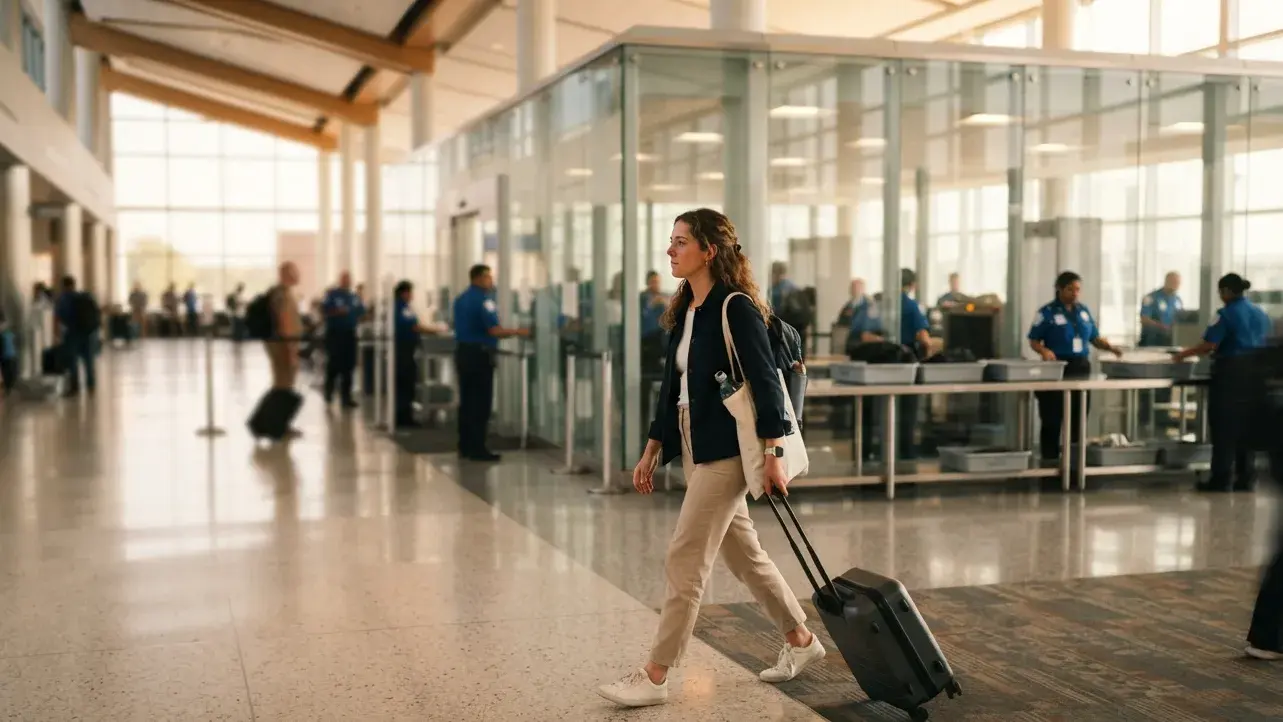
Official-source check: eGates and automated lanes are identity and border-processing tools, not a promise that airlines will ignore onward proof. UK border guidance explains that eligible travelers may use eGates, while other travelers still have passport and visa checks and may be asked why they are coming. UK eGate guidance also says some people are referred to an officer and further enquiries may be needed. Australia SmartGate guidance says unsuccessful SmartGate users go to manual passport control. Singapore ICA guidance lists passport, arrival-card and visa requirements for automated lanes. IATA Travel Centre exists because airlines need accurate passport, visa and health requirement checks before travel. That is why an onward ticket can still matter before you reach an eGate.
Why eGates Create False Confidence About Onward Tickets
eGates change how arrival looks, but they do not change where the trip can get blocked. The mistake starts when travelers confuse fast arrival with light documentation. A destination can have modern automated gates and still require airlines to check whether a passenger looks admissible before boarding.

Fast Arrival Does Not Mean Light Documentation
An eGate arrival feels almost frictionless. You scan your passport, face the camera, and move through a quiet lane. That visual can make travelers believe the destination is relaxed about onward travel. That is the wrong conclusion.
Your arrival experience and your departure screening are handled by different decision-makers. The border system may use automation for eligible passports. The airline still has to decide whether your booking, visa basis and travel proof look safe enough to board today.
This matters most when your ticket setup invites a closer look:
- one-way booking with no visible exit segment
- long stay with no obvious onward plan
- separate tickets that do not appear connected
- visa-free entry with a vague travel plan
- nomadic travel where your next country is not clearly documented
The Airline Has More to Lose Than the eGate
The airline does not need to prove that you will be refused entry. It only needs to decide whether boarding you creates avoidable risk. That pushes staff toward caution when onward travel is unclear.
You may hold the right passport, qualify for visa-free entry, or have an approved eVisa. But if your flight ends at the destination with no onward proof, the airline may still want a document that shows how you leave later.
That is the mindset shift: you are not preparing only for immigration. You are preparing for the airline’s comfort level with your trip before the aircraft doors close.
The First Checkpoint May Be Online Check-In
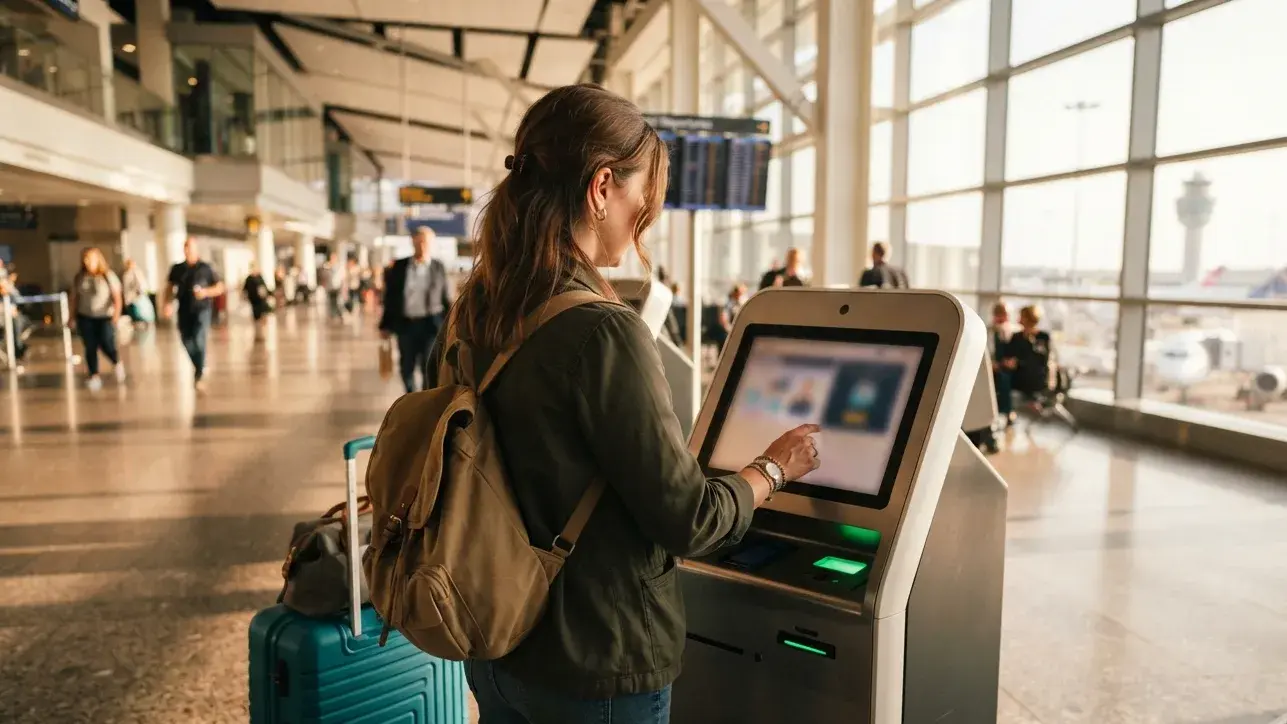
Onward-ticket friction often appears before you even reach the airport. You try to check in online, and the app refuses to issue a boarding pass. The website says document check required. You are told to see an agent.
Do not treat that as random. It is often the first signal that your itinerary needs human clearance before the airline lets it continue. If your route is one-way, your visa basis is limited, or your onward segment is missing from the booking, the system may hold check-in until someone reviews the documents.
Citation-ready baseline: eGate access affects arrival processing. It does not remove the airline’s departure-side responsibility to check passport, visa, transit and onward-travel requirements before boarding.
eGate Countries Still Produce Manual Outcomes
Some travelers pass through automated lanes without issue. Others are referred to an officer. Eligibility depends on passport, nationality, visa type, age, airport, digital permission and the lane setup on the day of travel.
That uncertainty does not help you at departure. You cannot rely on the chance of a smooth automated arrival when the airline wants reassurance before takeoff. A country can process many arrivals through eGates and still receive passengers whose documents were checked carefully before boarding.
Where Onward Proof Actually Gets Tested on eGate Routes
Once you stop picturing immigration as the only checkpoint, the route becomes easier to read. Onward proof can be tested at several points, and each one creates a different kind of pressure.

Check-In Counter
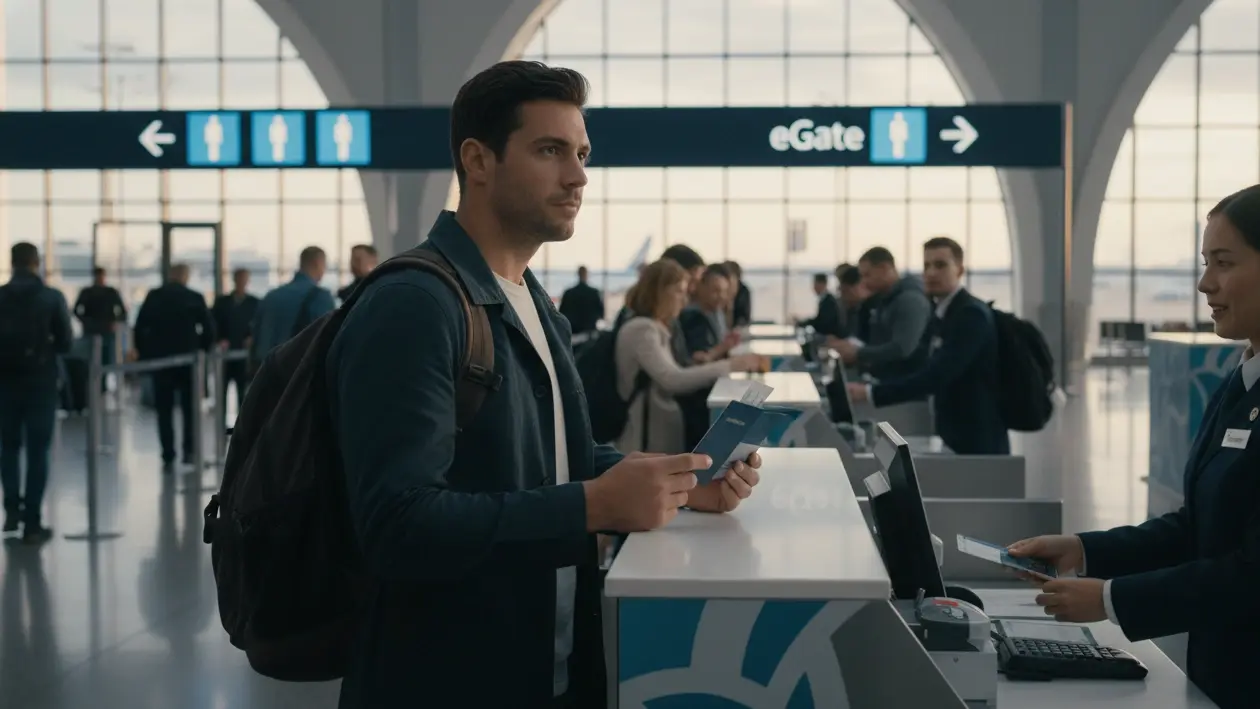
The counter is where many onward-ticket questions become real. Staff look for gaps that make the trip feel unfinished. A one-way ticket is the clearest example, but a long stay, separate booking, or short-term travel purpose with no exit plan can also trigger questions.
The goal is not just to have a document. The goal is to make the onward plan easy to understand at a glance. If staff have to piece together your exit plan from several apps, old screenshots and a verbal explanation, the check gets slower and less comfortable.
Online Check-In Blocks
A blocked online check-in is a quiet warning. The airline system may be saying: this booking needs a person to review documents before boarding.
If this happens, get practical fast:
- open your onward ticket as a clean PDF
- confirm the name matches your passport
- check that the onward date fits your claimed stay
- keep the file available offline
- remove old or conflicting versions from the document set
That simple preparation can turn a stressful desk interaction into a quick clearance.
Gate Rechecks
Passing the counter does not always end the document check. Some routes get rechecked at the gate, especially when earlier screening was limited, the itinerary changed, or a codeshare carrier wants a second look.
The gate is not the place to start searching your inbox. Staff are boarding a flight under time pressure. Your onward ticket should be ready in a form that looks complete quickly: passenger name, route, date, destination and booking details.
Transit Desk
Transit airports can become the unexpected checkpoint. If your journey uses separate tickets, different carriers, overnight transit, or a self-transfer, the transfer desk may want to confirm that you can continue to the final destination.
That can happen even when the final country uses eGates on arrival. The transit team is not judging how modern the final airport is. It is judging whether it should hand over the next boarding pass.
Why “Nobody Asked Last Time” Is Weak Strategy
Past experience is one of the least reliable tools for onward-proof decisions. You may have flown one-way before without a question. That does not mean the next route, airline, airport, season or staff member will treat the booking the same way.
“They did not ask last time” is not a document strategy. It is just a memory. The stronger strategy is to prepare for the checkpoint where the journey is easiest to stop.
How to Decide Whether to Secure Onward Proof Before Departure
You are not deciding whether onward proof exists in theory. You are deciding whether your exact route, visa status and ticket shape make departure-side questions likely enough to prepare for them in advance.

If You Are Flying One-Way, Assume Scrutiny Is More Likely
A one-way flight removes the simplest signal that you will leave the destination. That does not mean you will be denied boarding. It means the airline may want more than your outbound ticket before it clears you.
Judge risk by appearance, not intention. Your plan may be genuine, but if the booking looks open-ended, an onward ticket becomes more relevant.
Visa-Free Entry Is Not Airline-Free Judgment
Visa-free entry can actually create more visible-document pressure because the airline may lean heavily on passport, stay length, onward proof and destination eligibility. A return ticket solves that neatly. If you are not using a return ticket, ask whether your current setup clearly shows a credible next destination.
eVisa and Visa Holders Still Need Airline Comfort
A visa helps, but it does not always show how or when you plan to leave. If the flight is one-way, the stay is long, or the exit sits on a separate booking, staff may still ask for onward proof.
Separate Tickets Need Extra Care
Separate tickets are harder for staff to read because the whole journey may not appear in one reservation. If your onward travel exists but lives on another booking, make it easy to show. If it does not exist yet, prepare a clean onward ticket before the check-in counter forces a decision.
| Route pattern | Onward-ticket risk | Smarter preparation |
|---|---|---|
| Round trip on one booking | Lower | Keep the return segment visible and consistent with entry rules. |
| One-way to an eGate destination | Higher | Prepare an onward ticket before online check-in or airport check-in. |
| Separate outbound and onward bookings | Medium to high | Keep both bookings offline and make the connection easy to explain. |
| Nomadic or open-ended trip | High | Use a realistic onward destination that matches your travel story. |
The Smart Timing Window
Do not create onward proof so early that it becomes stale or mismatched. Do not wait until the airline asks at the desk. The best timing is after your main route, passport details and first-stage plan are stable, but before check-in opens.
What to Carry, What to Say, and What Not to Rely On
The strongest onward-ticket setup is boring in the best possible way. It is clean, readable, consistent and easy to explain.
Carry Proof Staff Can Read Fast
Use a format that works under airport pressure. A PDF is usually better than a buried email thread. Offline access is better than relying on airport Wi-Fi. One current document is better than several conflicting screenshots.
Document anatomy: a strong onward ticket for an eGate route should show the passenger name, onward route, travel date, destination, airline-style details and booking reference clearly enough for staff to understand the exit plan in seconds.
Your Explanation Should Match the Reservation
If your onward ticket shows a short regional exit, your verbal explanation should not describe a totally different plan. If your trip is open-ended, explain it simply: “I have flexible plans, and this is my onward proof if required.” Then show the document.
Do Not Use eGates as Your Main Argument
“They have eGates there” does not settle the airline’s question. The staff member is not deciding whether the arrival hall is automated. They are deciding whether your documents are boardable.
Avoid Weak Backup Proof
The weakest backups are usually screenshots with no booking logic, old reservations, mismatched names, vague travel plans or onward destinations the traveler cannot enter. A clean onward ticket should reduce questions, not create new ones.
Know When a Return Ticket Is Better
If you know your return date and the fare is safe to buy, a real return ticket can be clean. But if your plan is flexible, a temporary onward ticket may be more practical than locking money into final airfare too early.
Route Patterns That Need Extra Caution
Some eGate-bound routes are naturally more likely to trigger onward-proof questions because the booking shape looks incomplete.
One-Way Leisure Trips
A one-way leisure trip to a destination that expects temporary visitors to leave within a permitted stay can attract questions. A clear onward ticket gives staff a visible answer.
Digital Nomad and Long-Stay Travel
Nomadic travelers often dislike fixed return dates. That is understandable, but the airline still needs a route it can understand. An onward ticket can show the next step without pretending the full year is planned.
Self-Transfer and Separate PNR Trips
If the onward segment is on a separate reservation, the first airline may not see it. Keep the onward ticket ready as a separate proof document so staff do not have to trust your verbal explanation.
Transit Through Strict Airports
A transit airport may check documents for the final destination before issuing the next boarding pass. If the final destination uses eGates, that does not remove the transfer desk’s operational responsibility.
Last-Minute Route Changes
If you changed destination, airline, passport details or travel date, review the onward ticket again. Old proof can become weak proof when the main trip changes.
The Real Checkpoint to Prepare For on an eGate Trip
The real checkpoint is not always the border desk. It is the first place where someone can stop the trip: the airline app, the check-in counter, the gate or the transit desk.
That is why the smartest onward-ticket strategy is departure-first. Prepare the document before the airline needs it. Keep it clean. Keep it current. Make sure the route makes sense. Then if no one asks, nothing is lost. If someone does ask, you are ready.
For eGate destinations, the aggressive truth is simple: fast arrival does not protect a weak departure file. A clean onward ticket protects the trip before the eGate ever enters the story.
Do not gamble on the eGate myth. If your route is one-way, separate-ticket, flexible or open-ended, prepare a clean onward ticket with DummyFlights before check-in.
Frequently Asked Questions
Do I need an onward ticket if the destination uses eGates?
Sometimes. eGates may speed up eligible arrival processing, but airlines can still ask for onward proof before departure if your route looks open-ended.
Can airline staff ask for onward proof before I reach immigration?
Yes. Airlines often check passport, visa, transit and entry requirements before boarding. That check can happen online, at the counter, at the gate or during transit.
Why would online check-in fail for an eGate route?
Online check-in may fail when the airline wants human document review. One-way bookings, missing onward proof, visa questions or route complexity can trigger that review.
Is a screenshot enough as an onward ticket?
A screenshot is weaker than a clean, readable onward ticket document. The proof should show passenger details, route, date and booking information clearly.
Does an eGate guarantee I will not see a border officer?
No. Official eGate guidance can still refer some travelers to manual processing or further enquiries. eGates are not a guaranteed bypass of all checks.
When should I create onward proof for an eGate destination?
Create it after your main route is stable but before check-in opens. Waiting until airport pressure can make the fix harder and more expensive.
Can DummyFlights help with onward proof for eGate destinations?
Yes. DummyFlights helps travelers prepare clean onward ticket and temporary travel-proof documents for one-way routes, eGate destinations, transit checks and airline review.
Does an onward ticket guarantee boarding or entry?
No. An onward ticket can support travel-proof questions, but it does not guarantee airline boarding, visa approval or immigration entry.
Friendly reminder: DummyFlights provides temporary travel-proof documents for planning and application support. Requirements vary by destination, airline, route and applicant situation. A dummy ticket can support a file, but it does not guarantee approval, boarding or entry.