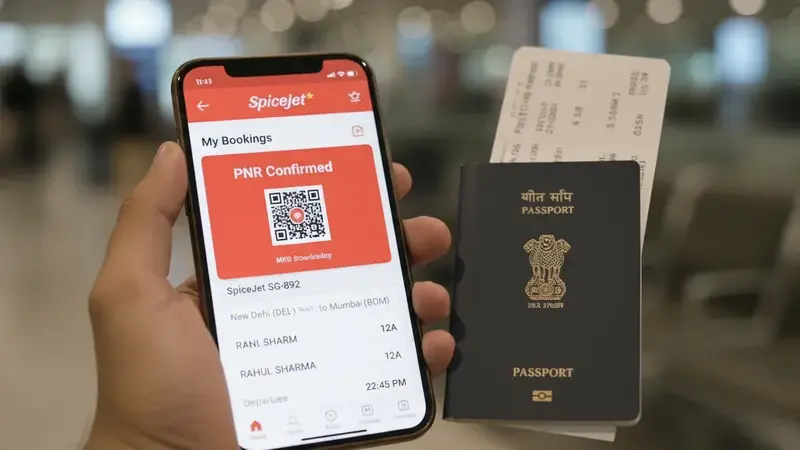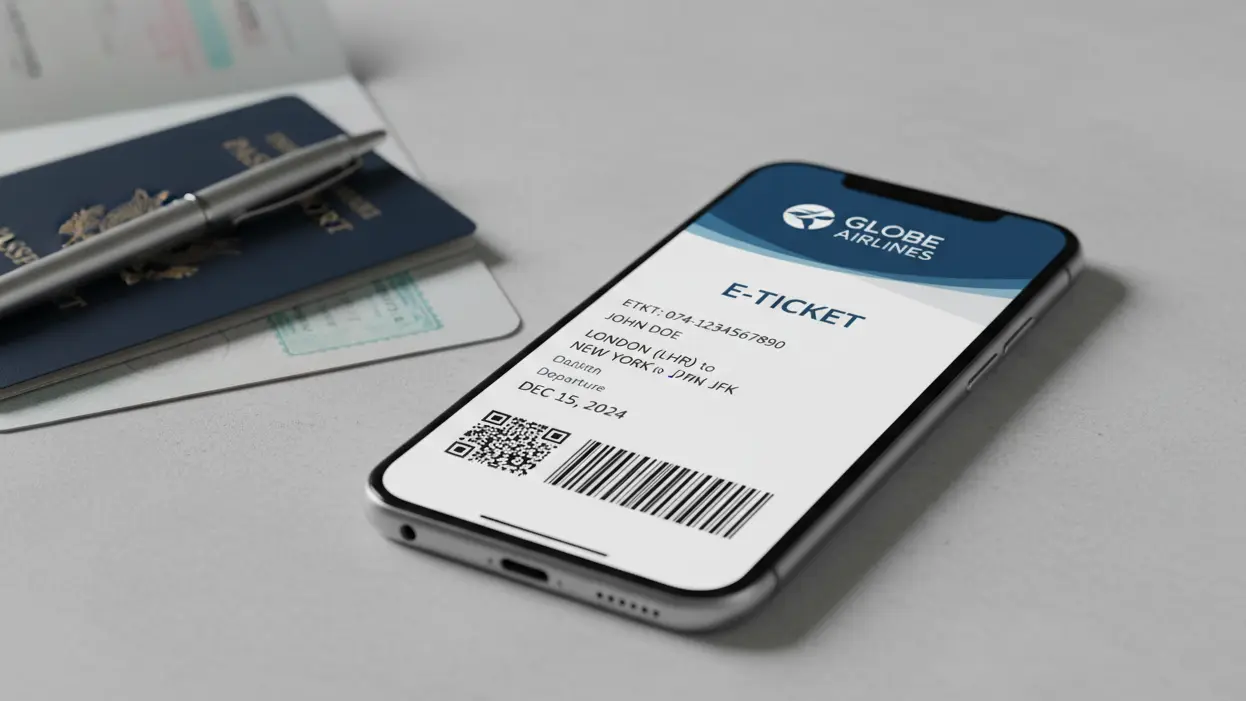

An onward ticket is not always a separate mandatory document for every Switzerland visitor visa file, but Swiss entry guidance expects travelers to show a believable exit plan. For Indian applicants, the safest approach is to prepare return or onward proof that matches hotel dates, travel insurance, purpose of visit and the Schengen stay window.
Planning a trip to Switzerland comes with excitement and careful preparation. One question that often appears for Indian travelers is whether a Switzerland visitor visa requires an onward or return ticket. The rule is not as black-and-white as many guides make it sound. Swiss and Schengen authorities care less about one magic document and more about whether your overall file proves that you intend to leave the Schengen area after your visit.
That intention can be shown in different ways: a paid return ticket, a flexible booking, a verifiable dummy ticket, a realistic onward ticket, hotel reservations, travel insurance, employment proof, family ties and a travel plan that makes sense. The stronger your consistency, the less room there is for doubt.
Knowing where and when your onward travel plan may be checked makes a big difference. It may matter during document submission, at a visa appointment, at airline check-in and again at the Swiss or Schengen border. Preparing your documents carefully and aligning travel dates with accommodation and insurance helps you avoid last-minute surprises.
Key facts before using an onward ticket for Switzerland:
- Swiss entry guidance recommends carrying a return ticket or onward ticket outside the Schengen area when entering for a short stay.
- A paid ticket is not always the smartest first move before visa approval, especially if dates or processing time are uncertain.
- Your onward proof should match hotel dates, travel insurance, stated purpose and the allowed Schengen stay period.
- A verifiable dummy ticket is stronger than a loose screenshot when the route, dates and passenger details are consistent.
- For Indian applicants, return-to-India ties such as work, study, family or business continuity can support the exit story.
Need Switzerland travel proof without buying full airfare yet? Create a clean onward ticket with DummyFlights after your route, hotel dates and insurance window are stable.
Create Your Onward TicketIn This Guide
Reviewed for: Switzerland return/onward proof wording, Schengen 90-day logic, India applicant context, PNR terminology and route-date consistency.
Understanding How Switzerland Reads Your Exit Plan
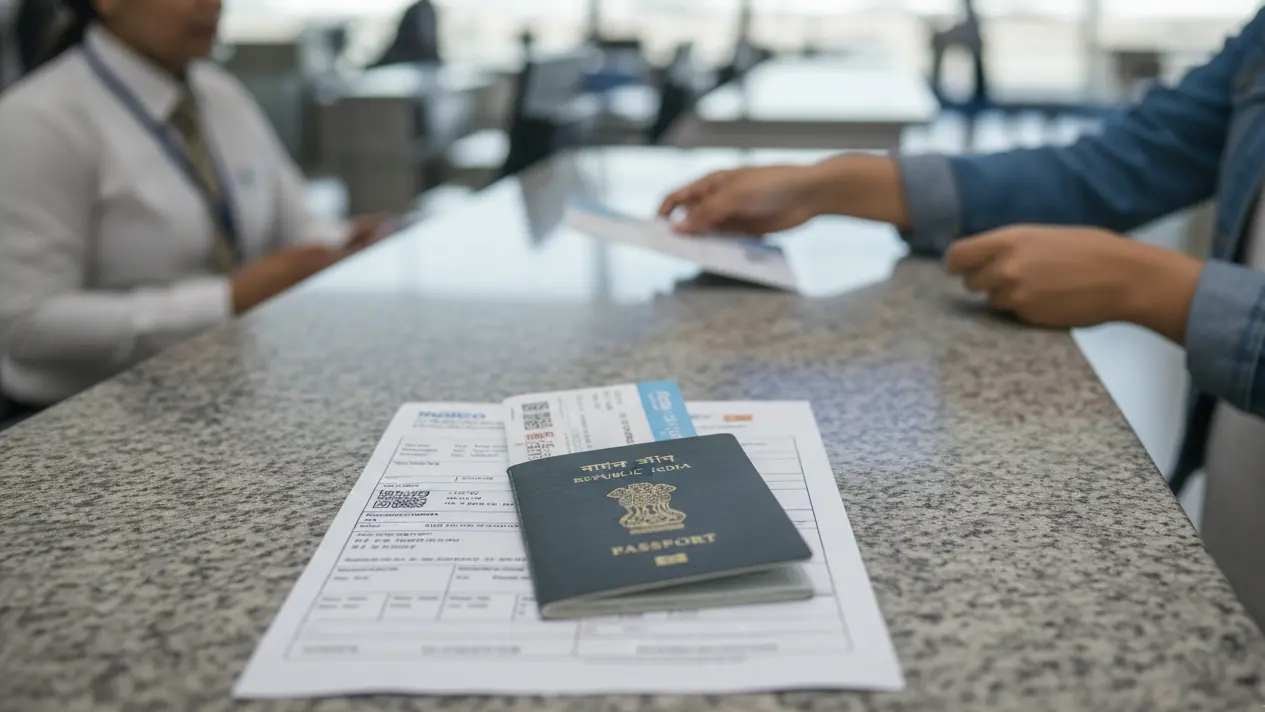
Before digging into the practical rules, be clear about the main principle: Swiss and Schengen officials care less about a specific label and more about whether your travel plan looks real. If your documents tell a consistent, believable story, you lower the chance of questions. If they contradict each other, you invite scrutiny.
Swiss and Schengen guidance on proof of return
Schengen rules require travelers to show that they can leave the area at the end of the visit. Switzerland follows that logic. The visa officer’s aim is to see a credible exit strategy. That does not automatically mean a fully paid round-trip ticket is mandatory before approval. It does mean you should show a realistic plan that can survive basic review.
Consulates and entry officers can consider several forms of evidence. These may include confirmed flights, refundable or flexible bookings, travel plans tied to accommodation, and verifiable temporary reservations. Officers prefer documents that can be checked quickly and that do not contradict the rest of the file. A live booking reference or PNR can help when the document is presented honestly as temporary travel proof, not as a paid e-ticket or boarding pass.
For Indian applicants, the assessment often includes ties to India. Employment letters, leave approval, property records, business continuity, education commitments or family responsibilities can add weight. A first-time Schengen visitor may face more questions than someone with a strong travel history. That extra supporting evidence acts like an anchor because it reassures the officer that the applicant has a reason to return.
How consulates interpret intention to leave
Visa officers look for consistency. They compare dates across your ticket proof, hotel bookings, travel insurance and itinerary. If an onward ticket leaves after hotel checkout with no explanation, or travel insurance covers fewer days than the planned stay, the mismatch can weaken the file.
Officers also read plausibility into the purpose of travel. A short business meeting followed by a long unexplained leisure route can create questions. So can an itinerary that shows unrealistic travel speed, conflicting hotels or a route that does not match the stated purpose. Keep the timeline sensible and easy to understand.
Officers usually do not want applicants to waste money on non-refundable airfare before a decision. But they do expect verifiable proof that the applicant can and will leave. That is why many travelers use refundable bookings, flexible tickets or verifiable dummy tickets to balance credibility and cost.
What Indian travelers should prepare
Prepare documents that tell one clear story. Match travel dates with hotel reservations and travel insurance. Include an employer leave letter when relevant. If you are visiting family, attach an invitation and make sure the travel dates match the invitation period. If you are self-employed, show clear business continuity proof.
Think carefully about timing. Buying a non-refundable return ticket before visa approval adds cost and risk. A refundable or flexible option is safer, but may still be expensive. A verifiable dummy booking can fill the travel-proof role while keeping your plan adjustable until the visa decision is clear.
When and Where Onward Tickets May Be Checked
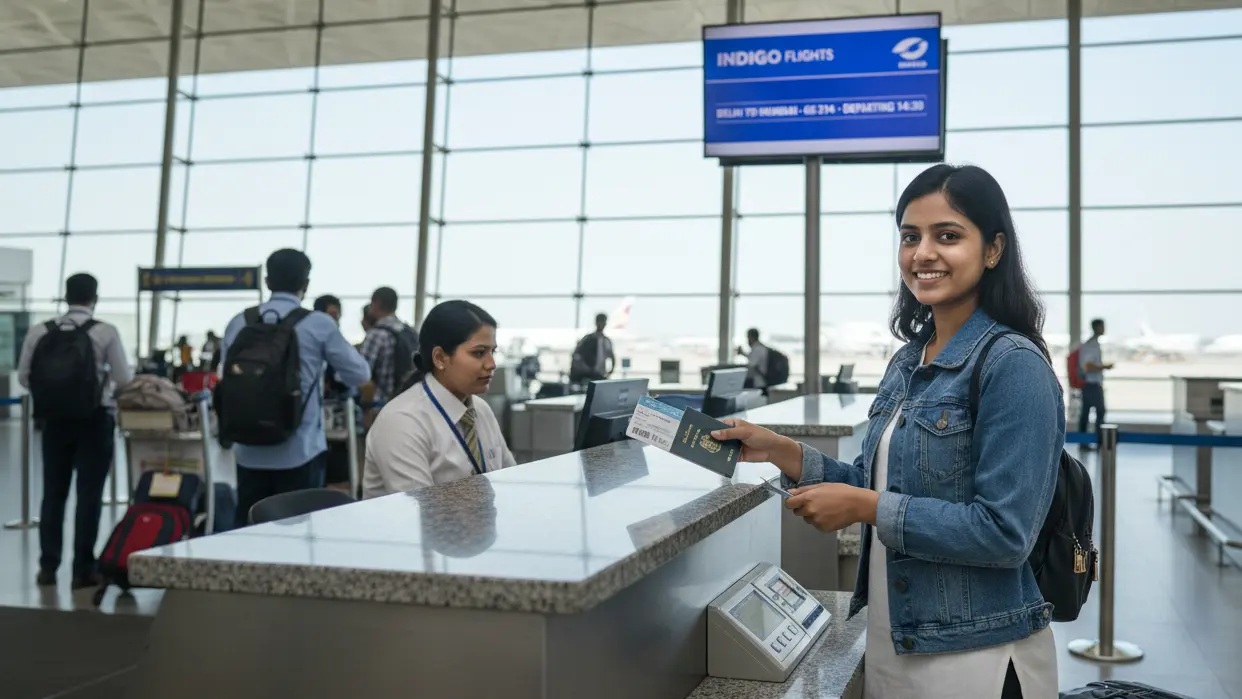
Onward travel can be inspected at multiple points. Knowing when checks happen lets you prepare documents that match reality. The three moments most likely to matter are the application stage, the appointment or clarification stage, and travel itself.
At the visa application stage
This is the first formal checkpoint. What you submit becomes the baseline story that officers use to judge your Switzerland visitor visa file. The travel proof should be clean, readable and consistent with the rest of the package.
- Consulates expect proof of return or onward travel in some form, especially for short-stay Schengen files.
- Many Indian applicants submit a verifiable temporary booking instead of buying a full ticket before visa approval.
- Officers look for a booking that can be checked, dates that align with accommodation and insurance, and no contradiction with the stated purpose.
- A document with a realistic route, passenger name and booking reference is stronger than a vague screenshot.
At this stage, do not treat the onward ticket as a standalone trick. It should support the whole file. If your hotel stay is five nights, your insurance is seven days and your onward proof leaves after ten days, the gap needs a clear explanation.
During the visa appointment or clarification
If you are called for clarification, officers can probe your exit plan directly. This is where consistency matters more than dramatic explanation. Calm, simple answers work better than over-talking.
- Typical questions include where you will travel after Switzerland, why your return date is chosen, and who is paying for the trip.
- A clear itinerary, leave letter, matching travel insurance and believable onward proof all strengthen the answer.
- If dates may change, explain the reason and show a flexible or temporary document rather than pretending everything is final.
- For Indian applicants, proof of work, study, business or family responsibility can reduce doubts about return intent.
At check-in and border control
Even after the visa is issued, airlines and border officers can ask for onward proof. Airlines do this because they may face costs if a traveler is refused entry. Border officers do it because a visa does not remove the need to satisfy entry conditions on arrival.
- Airline staff may ask for return or onward proof before boarding, especially on one-way routes.
- Swiss or Schengen border officers can ask whether your exit plan matches your visa and declared stay.
- A verifiable onward ticket, refundable ticket or clear onward plan works best when it mirrors your application documents.
- Keep both a printed copy and a digital copy available so the document is easy to show quickly.
Real-life situations Indian travelers face
Late visa approval is common during busy seasons. If you buy a non-refundable ticket early and the appointment moves, the fare can become useless. A temporary onward ticket helps keep the file presentable while you wait for the decision.
Multi-country Schengen trips also need extra care. If you enter Switzerland but exit from France, Italy or Germany, the onward proof should show the final Schengen exit point clearly. Your hotel plan should also explain how you move between countries. The officer should not have to guess where your trip ends.
Multiple-entry or business travelers should keep the explanation simple. If the trip involves repeated visits, support the travel plan with business documents, previous travel history or employer letters. Repeated short trips are easiest to understand when every date has a reason.
Comparing Options for Proving Onward Travel

Before you pick one route, weigh the trade-offs. Different proofs carry different levels of credibility at submission and at airline check-in. Your choice should match your risk tolerance, budget and how fixed your dates are.
Fully paid return tickets
A fully paid return ticket is the clearest signal that you plan to leave. It reduces questions at the visa section and at the airport because it looks final and easy to understand.
- Pros: high credibility, easy to show, clear passenger and flight details.
- Cons: costly if the visa is delayed, refused or issued for different dates.
- Best fit: fixed short trips, low uncertainty and applicants who can absorb refund or change costs.
- Risk: cheap non-refundable fares can become expensive if the schedule changes.
Flexible or refundable tickets
If you want stronger proof without locking yourself into one plan, a flexible or refundable ticket can work well. It shows intent while giving you more control.
- Pros: easier to change or cancel than basic airfare.
- Cons: higher upfront cost, and some “refundable” fares still carry fees or conditions.
- Best fit: travelers with serious plans but uncertain processing timelines.
- Check carefully: refund rules vary by airline, route and fare class.
Dummy tickets and verifiable onward bookings
A verifiable dummy ticket gives visible onward proof without requiring full airfare purchase before approval. This is useful when the visa timeline is uncertain, when you need documents quickly, or when you want to avoid locking money into a flight too early.
- Pros: fast, low-cost and useful for showing route, date and passenger details.
- Cons: it must be used honestly as temporary travel proof, not as a fake boarding document.
- Best fit: visa files where travel proof is needed before final ticket purchase.
- Quality rule: the booking must match the visa story, hotel dates and insurance window.
A clean onward ticket should look like a real travel-planning document. It should include the traveler’s name, realistic route, date, airline-style details and a booking reference when available. It should not look like a random edited PDF. If the file is checked, the details should make sense beside the rest of the application.
Preparing Switzerland visitor visa documents? Use DummyFlights to create a visa-ready onward ticket that supports your route, dates and travel-proof section before you commit to full airfare.
Create Your Onward TicketSwitzerland Visa Applicant-Specific Considerations for Onward Travel
Not all travelers are viewed the same when it comes to onward travel for a Switzerland visitor visa. Your travel history, purpose of visit, nationality, documents and how you plan to enter Switzerland all influence how closely officers study your route.
Understanding these nuances helps you avoid last-minute stress, especially if you choose a verified dummy ticket instead of paying for a full fare upfront. If you need a visa for a short stay focused on tourism, treating your itinerary as part of your overall story is just as important as completing the application form correctly.
First-time Schengen travelers
If this is your first trip to any Schengen country, consulates may pay extra attention to your travel plan and return intent. Officers want reassurance that you will return to India after the visit instead of overstaying in Europe.
A simple travel document is not enough by itself. Your route should look realistic and be supported by the documents that show genuine ties to India. For example, an Indian traveler visiting Switzerland for leisure should make sure ticket dates align with hotel confirmations, travel health insurance and proof of funds. Employment, education, family or property evidence can strengthen the file.
Higher-scrutiny or multiple-entry applicants
Some profiles are examined more closely because of prior travel gaps, long requested stays, complex routing, weak financial history or previous refusals. Indian citizens applying for multiple-entry visas or longer visitor stays should be especially careful with onward travel proof.
Providing a clear exit plan is essential. This might involve a refundable ticket or a verifiable onward booking that shows when you intend to leave the Schengen area and where you will go next. If your plans include a future long-stay route, work permit or residence process, your current visitor file still has to match the short-stay category you are applying under now.
Visiting friends, family or business contacts
Purpose matters as much as timing. If you are visiting family, an invitation letter with matching travel dates and accommodation details strengthens your file. Make sure the itinerary reflects the period mentioned in the invitation.
For business trips, a meeting agenda paired with clearly aligned return or onward travel reassures officers that your stay is temporary. If the visit combines meetings with leisure travel, the route should still stay within the allowed Schengen period and make practical sense.
Travelers in these scenarios often find that a verifiable onward ticket works well because it satisfies the travel-proof need without forcing a full purchase before approval. The document still needs to show a coherent route that covers the journey.
Timing and Strategic Use of Onward Tickets
One major challenge for Indian applicants is timing. Buying a fully paid ticket before visa approval can be financially risky, especially when processing times are uncertain or appointments are limited. Choosing a flexible option or temporary proof gives you room to adjust dates after the decision.
Dummy tickets and verifiable onward bookings are helpful here because they give instant proof for the visa file while keeping your plan adaptable. Once the visa is issued, you can book the final airfare inside the approved window with more confidence.
For Switzerland, timing should revolve around the appointment date, likely processing period and planned entry date. The Swiss Embassy in India notes that short-stay processing is normally 10 to 15 working days after submission at VFS under normal circumstances, and recommends starting early but not earlier than six months before entry. Your onward ticket should not look randomly created months before the travel story is clear.
Practical Red Flags to Avoid
The main risk is not using an onward ticket. The main risk is using a document that does not fit the file. A clean temporary booking can help, but a mismatched document can create more questions than it solves.
- Booking dates that do not line up with hotel or insurance dates.
- Multiple conflicting itineraries across forms, hotel bookings and travel proof.
- Unverified screenshots or vague booking confirmations.
- Travel plans that appear unrealistic for the stated purpose.
- Onward travel to a country where the traveler cannot legally enter.
- A route that exits the wrong country without explaining the Schengen path.
- A document that looks edited, disposable or disconnected from the trip.
Address these risks by keeping one consistent itinerary and backing it with verifiable records. If the route is flexible, explain the flexibility calmly and make sure the document still answers the key question: when and how will you leave Switzerland or the Schengen area?
Your Onward Travel Plan for a Switzerland Visitor Visa
Onward tickets are not always mandatory as a separate paid-ticket requirement for a Switzerland visitor visa, but having credible exit proof can make a big difference. Align your route with accommodation, insurance, purpose of visit and the permitted stay window. Consistency across documents reassures consulates, immigration officers and airline staff.
For Indian travelers, flexibility is often the smartest path. Use refundable tickets or verifiable onward bookings to reduce financial risk while maintaining credibility. Prepare one coherent story with checkable proof and supporting documents. That turns the onward-ticket question from a stressful uncertainty into a simple part of a complete travel file.
If your dates are not final, avoid gambling on non-refundable airfare too early. Create a clean dummy ticket or onward ticket after your route and hotel plan are stable, then keep the final airfare purchase for the moment when your visa outcome and travel window are clear.
Frequently Asked Questions
Do I need an onward ticket for a Switzerland visitor visa?
You should be ready to show return or onward proof for a Switzerland visitor visa, but this does not always mean buying a fully paid ticket before approval. Swiss guidance focuses on credible exit capacity, sufficient funds and documents that show the purpose and circumstances of stay.
Can I use a dummy ticket for Switzerland visitor visa proof?
Yes, many travelers use a verifiable dummy ticket as temporary travel proof when the route, dates and passenger details match the visa file. It should be used as planning proof, not as a fake boarding pass or guaranteed approval document.
Is a paid return ticket safer than an onward ticket?
A paid return ticket can look stronger because it is final, but it also creates financial risk if the visa is delayed or refused. A clean onward ticket, flexible booking or refundable option may be safer when timing is uncertain.
Can Switzerland border control ask for onward proof?
Yes. Even with a visa, border officers can ask for documents that support your stay and departure plan. SEM recommends carrying a return ticket or onward ticket outside the Schengen area, plus accommodation or invitation proof where relevant.
What should my onward ticket match?
It should match your passport name, route, travel dates, hotel dates, travel insurance period and stated purpose. If you exit from another Schengen country, the overall route should explain how you get there.
Should Indian applicants buy airfare before Switzerland visa approval?
Not always. If the ticket is non-refundable, buying too early can be risky. Many Indian applicants use refundable tickets, flexible bookings or verifiable dummy tickets until the visa decision and final travel dates are clear.
Does a dummy ticket guarantee Switzerland visa approval?
No. A dummy ticket can support the travel-proof section of the file, but approval depends on the full application, including purpose, funds, ties, insurance, accommodation, previous travel and overall credibility.
When should I create the onward ticket?
Create it after your route, accommodation and insurance window are stable. For Switzerland, avoid creating travel proof so early that it no longer matches the appointment date, processing time or likely travel window.
Friendly reminder: DummyFlights provides temporary travel-proof documents for planning and application support. Requirements vary by destination, airline, route and applicant situation. A dummy ticket can support a file, but it does not guarantee approval, boarding or entry.