

- Separate the fixed group departure from the flexible return decision.
- Choose a return date that fits the allowed stay, hotel nights and tour operator’s stated window.
- Use one primary exit plan and explain flexibility briefly instead of submitting many alternate tickets.
- Update the reservation and related documents together if the package date changes.
- Why A Fixed Group Departure And Flexible Return Can Confuse A Visa File
- Choosing The Safest Dummy Return Date When The Tour Departure Is Locked
- Making The Dummy Ticket Match The Rest Of The Group Tour Evidence
- Handling Changes After Submission Without Weakening The Visa Application
- Leave The Embassy With A Clear Return Plan
- FAQ
Your group tour leaves on a fixed date, but your return is still flexible. That small gap can raise big questions in a visa file. The embassy sees a clear outbound plan, then checks whether your return date, leave approval, insurance, funds, and tour documents all tell the same story.
We need the dummy ticket to show flexibility without making your stay look open-ended. The right return date should fit the tour finish, your personal extension, and the visa period you are requesting. This guide helps you choose that date, align it with the rest of your documents, and avoid the mismatches that can make a simple group package look uncertain before your appointment or after travel plans change closer to submission near visa submission. For open-date tour packages, keep your return flexible with a dummy ticket booking that supports date changes.
An open-date tour package may lock the group departure while leaving the return window flexible. Your visa proof should explain that flexibility without looking like an undecided or impossible exit plan. For the reservation foundation, see the Dummy Ticket for Visa 2026 complete guide before selecting the date window.
Why A Fixed Group Departure And Flexible Return Can Confuse A Visa File

A fixed group departure makes the first half of your flight plan look simple. The outbound date usually matches the tour invoice, group itinerary, and planned arrival.
The return date needs more care because it shows when you intend to leave, even if your tour package allows flexibility.
How The Embassy Reads A Group Outbound Flight With An Individual Return
When a visa officer checks your file, the group departure is easy to understand. You are joining a scheduled tour on a fixed date, often with other travelers leaving from the same airport or arriving around the same time.
The return leg tells a different story.
If your return flight is separate from the group, the officer will usually look for a reason. That reason does not need to be complicated, but it must be visible across your documents.
For a Schengen tourist visa, for example, the officer may compare your return flight with your day-by-day itinerary, travel insurance, employment leave, and intended exit from the Schengen Area. For a UK Standard Visitor visa, the return date should support your stated visit length and show that your stay has a clear end. For Canada, Australia, or other visitor visa files, the same logic applies: your return plan should match your stated purpose and personal situation.
The concern is not that you are returning separately. That can be normal.
The concern starts when the return date feels disconnected from the rest of the file. A 7-day group tour with a 30-day flight itinerary needs support. A return from a city not listed in the tour route needs context. A ticket showing a long stay while your leave letter covers only one week can weaken an otherwise clean application.
Why “Open-Date Tour Package” Does Not Mean “Open-Ended Stay”
Tour companies often sell packages with flexible return options. You may travel with the group outbound, complete the main tour, then decide whether to stay longer, visit relatives, shop, rest, or explore another city.
That flexibility works commercially. A visa file works differently.
For the embassy, your flight reservation should still show a complete travel plan. You do not need to prove that your return date can never change. You do need to show that you have a reasonable intended date of departure.
This is especially important when the package says something like “fixed departure, open return,” “return date optional,” or “extension available.” Those phrases may make sense to you and the tour operator, but they do not replace a dated return flight in a visa application.
We should treat the dummy ticket as your proposed itinerary for visa review. It gives the officer a date to assess against your requested visa duration, funds, insurance, leave approval, and personal ties.
A good return date tells the embassy, “This is the stay length we are asking you to consider.”
A weak return plan says, “The traveler has not decided when the trip ends.”
That second message can create avoidable doubt.
Where Applicants Accidentally Create Doubt With The Return Leg
Most problems happen because the return date is chosen casually. You may pick a later date “just in case” the tour extension happens, but the rest of the visa file may not support that longer stay.
Watch for these mismatches before submission:
-
The tour package is 8 days, but the flight reservation shows 25 days
-
The return flight leaves before the last tour activity
-
The return city is different from the tour’s final city, with no route explanation
-
Travel insurance ends before the return flight
-
Approved leave covers fewer days than the flight itinerary
-
The visa application form lists one travel period, while the flight reservation shows another
-
The bank statement supports the group tour cost, but not the extra personal stay
These details matter because visa officers rarely read one document in isolation. They compare the full file.
For example, if your Turkey group tour ends in Istanbul on 12 June but your return flight leaves from Antalya on 22 June, that can work. But your itinerary should show the post-tour domestic travel or personal extension. If your Schengen package ends in Paris but your return flight leaves from Rome, the movement between France and Italy should make sense in your route.
A flexible return is fine when it looks planned. It becomes risky when it looks random.
When A Flexible Return Is Easy To Justify
A separate return date is usually easier to support when the extra stay is short, logical, and covered by your documents.
A return one or two days after the group tour ends is often simple to explain. You may need time for rest, shopping, airport transfers, or independent sightseeing before flying home.
A longer extension can also make sense when it has a clear reason. You may visit family after a pilgrimage tour, attend a business meeting after a group exhibition trip, or spend a few extra days in the final city before returning. In these cases, your leave letter, funds, insurance, and itinerary should all support the longer stay.
The key is not to force your return date to match the group if your actual plan is different. The key is to make the individual return look intentional.
Choosing The Safest Dummy Return Date When The Tour Departure Is Locked

Once the group departure date is fixed, your main decision is not the outbound flight. The real decision is how far after the tour your dummy return date should sit.
Start From The Tour End Date, Not From The Maximum Visa Validity
The safest return date usually starts with the tour’s final scheduled day.
If your 9-day Schengen group tour ends in Paris on 18 May, your return flight should normally sit on 18 May, 19 May, or 20 May. That feels natural. It gives you room for airport transfers, rest, or one extra day without stretching the trip beyond the package logic.
Do not start with the longest visa period you hope to receive. A 30-day Schengen request for a 9-day tour can look excessive if your documents do not explain the extra time. The same applies to the UK, Canada, Australia, Japan, Turkey, the UAE, and other visitor visa files. The return date should grow from the actual travel plan, not from the maximum stay allowed by the visa category.
Use the tour end date as your anchor, then ask three questions:
-
Do you need one or two extra days after the group tour?
-
Does your leave approval and travel insurance cover those days?
-
Does your return airport match where the tour ends or where your extension begins?
If the answer is yes, the return date will usually look controlled and believable.
The Return-Date Risk Ladder For Open-Date Tour Packages
For open-date packages, return dates carry different levels of visa-file risk. We should choose a date that gives you flexibility without making the stay look loose.
Lowest Risk: Return On The Group’s Planned Return Date
This works best when you are not sure about extending your stay and want the cleanest file. The dummy ticket matches the group package, and the officer sees one clear travel window.
Low Risk: Return One To Three Days After The Tour Ends
This is often reasonable for travelers who need time for shopping, rest, airport transfers, or a short city stay after the group program. It works especially well when your travel insurance and leave letter cover the full period.
Moderate Risk: Return Four To Ten Days After The Tour Ends
This can still work, but the extra days need a reason. For example, you may visit relatives after a pilgrimage group, attend a short event after a tour, or spend extra time in the final destination. Your itinerary should show those days clearly.
Higher Risk: Return Several Weeks After A Short Tour
A 7-day package with a 28-day return date may raise questions. It can be valid, but your file must support it through funds, leave, accommodation plans, travel insurance, and a clear reason for the extension.
Avoid: No Clear Return Date Or A Date Outside Your Supporting Documents
A flexible tour package does not remove the need for a dated return flight reservation. The return date should not exceed your insurance coverage, leave approval, or requested travel period.
Matching The Return Date To Leave Letters, School Breaks, And Business Commitments
Your return date should match the reason you are expected to come back.
For employed applicants, the leave letter is one of the strongest timing documents. If your employer approves leave from 3 June to 14 June, your dummy return flight should not show 24 June unless you have updated leave approval. A mismatch can make the officer wonder whether your employment tie is as firm as the file claims.
For students, school calendars matter. If your group tour falls during semester break, your return should place you back before classes resume. This is especially important for Schengen, UK, Canada, and Australia visitor visas, where study continuity can support your intention to return.
For business owners, the return date should fit your business responsibilities. A slightly longer stay may be reasonable, but a long unexplained gap can weaken the business-tie argument. If you run a shop, clinic, agency, or trading business, your itinerary should not suggest that you can remain abroad far beyond the tour without any operational explanation.
For families, check school reopening dates, work schedules, and shared travel dates. If one parent returns with the children earlier while another stays longer, the flight reservations should reflect that split clearly.
Choosing A Return City When The Tour Ends Somewhere Different
Open-date group packages often end in one city, while the flexible return may depart from another. That can work, but the route should make sense on paper.
If your Italy group tour ends in Rome, a Rome return is the cleanest option. If you want to return from Milan three days later, your itinerary should show why you moved north after the group tour. A train transfer, short extension, or final sightseeing stop can make that route easy to understand.
For multi-country Schengen tours, the exit city matters even more. If your tour runs from Amsterdam, Brussels, and Paris, and ends in Paris, but your return flight leaves from Madrid, the file needs a visible link between Paris and Madrid. Otherwise, the officer may see a route gap.
For UK plus Europe trips, Turkey extensions, UAE stopovers, or Southeast Asia group packages, apply the same rule. The return city should be either the tour’s final city or the final city of your stated personal extension.
When the tour operator has not fixed the return day, use the same dummy ticket for visa logic: choose a realistic date range, keep the route consistent and avoid presenting several competing exits.
Making The Dummy Ticket Match The Rest Of The Group Tour Evidence
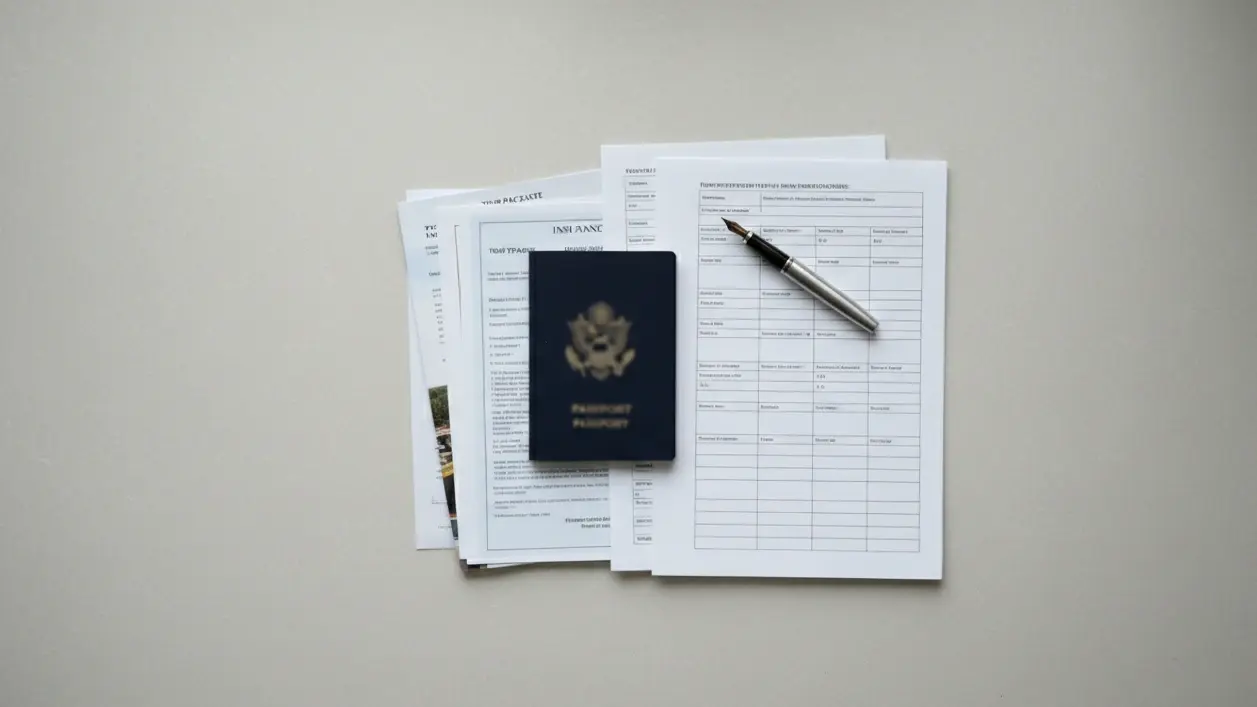
A fixed-departure group tour gives you several documents that must support the same travel story. Your flight reservation should sit neatly beside the tour invoice, not compete with it.
Align The Dummy Ticket With The Tour Invoice Without Copying It Blindly
Your tour invoice usually confirms the package dates, route, traveler name, and group departure. Your dummy flight ticket should confirm how you plan to enter and leave around that package.
The two documents do not need to be identical in every detail. They do need to make sense together.
For a Schengen visa group tour, the invoice may show a 10-day route through Paris, Brussels, and Amsterdam. Your flight route should then support entry into the first country and exit from the final country, unless your personal extension clearly explains another exit point.
Check these details before your visa appointment:
-
Name spelling matches your passport
-
Outbound date matches the group departure
-
Arrival city fits the tour’s first destination
-
Return date fits the tour end or extension
-
Flight number and travel details look complete
-
The booking reference number appears clearly
-
The passenger name record is readable on the PDF
A verifiable flight reservation helps because the officer can understand the route without guessing. A verified flight reservation also keeps your file cleaner than a loose screenshot or unclear email confirmation.
Do not copy the tour invoice blindly. If the package says “open return,” you still need a dated return on the flight reservation for visa use. If the package ends in Rome but your return leaves from Milan, your daily route should show why Milan appears in the dummy air ticket.
Using A Short Explanation When The Return Date Is Not The Group Return
When your return date differs from the group return, a short note can prevent confusion.
Keep it simple. You are not trying to defend the plan. You are helping the embassy read it correctly.
A useful explanation may say that you will join the fixed group departure, complete the listed tour, and return after a short personal extension within your intended travel dates. This supports the dummy ticket for visa without making the plan look open-ended.
For example, if your Turkey tour ends in Istanbul on 14 August and your temporary flight reservation shows departure on 17 August, explain the three extra days as personal sightseeing or rest before return. If your UK visitor file shows a group arrival in London and a separate return from Manchester, mention the domestic visit or final stop that connects the cities.
Use clear dates. Match them with your visa dates, leave approval, and travel insurance. If the officer sees the same timeline across the visa application process, your file feels easier to assess.
Avoid uncertain phrases like “return date not decided yet.” The reservation should show planned travel dates, even if the booking can later change.
Keeping Travel Insurance, Daily Itinerary, And Funds In The Same Date Range
The return date on your dummy airline ticket affects several supporting documents. If those dates do not align, the issue may look bigger than it is.
Travel insurance should cover the full period shown on the flight booking. If your dummy flight shows 4 September to 18 September, insurance ending on 15 September creates a clear gap.
Your daily itinerary should also cover the full stay. If the group tour ends on 12 September and your return is 18 September, those extra six days need simple route planning. You do not need excessive detail, but you should not leave blank days between the tour end and the airline ticket.
Funds should match the stay length. A longer post-tour extension needs enough balance for meals, local transport, and personal expenses after the package ends.
This matters in the Schengen visa application process because officers often compare stay duration with financial means. It also matters for Canada, Australia, the UK, Japan, and other visitor categories where return intent and affordability work together.
A legitimate dummy ticket should support your stated plan. It should not suggest a longer stay than your documents can carry.
Avoiding The “Package Says One Thing, Flight Reservation Says Another” Problem
Most open-date tour issues come from small inconsistencies that were easy to fix before submission.
A tour package may say 7 nights. The dummy flight ticket online may show 16 days. That can still work, but only when the extra days appear in your itinerary, insurance, and leave approval.
A tour package may start in Dubai, but the flight ticket shows arrival in Abu Dhabi. That can be fine if your route includes the transfer. Without that link, the officer may wonder whether the ticket belongs to the same trip.
Before submission, run one final check:
-
Does the outbound flight match the group departure?
-
Does the return date fall after the final tour activity?
-
Does the exit city match the route?
-
Does your insurance cover every date?
-
Does your leave letter support the full stay?
-
Does the visa form show the same intended stay?
-
Is the reservation visible through the airline system, where applicable?
A verifiable dummy ticket should include enough information to be checked through the airline website or the airline's official site when supported by the carrier. Some reservations may show through airline reservation systems with a passenger name record, while others may not include an e-ticket number because they are not a fully paid ticket.
That distinction matters. A dummy flight ticket legal for embassy use is usually a temporary reservation, not a confirmed flight ticket, or a refundable ticket. A confirmed ticket may be required in limited cases, but many embassies accept dummy tickets or onward ticket reservations for the visa process when the file only needs proof of onward travel.
Handling Changes After Submission Without Weakening The Visa Application
Open-date tour packages can shift after you prepare the visa file. The goal is to update the flight plan only when the change affects the story that the embassy will review.
When To Change The Dummy Return Date Before The Visa Appointment
Change the return date before your visa appointment when the original flight plan no longer matches the group tour or your personal schedule.
This matters most when the tour operator changes the fixed departure date. If the group now leaves two days later, your outbound reservation should move with it. The return date may also need adjustment, especially if the tour length stays the same.
You should also revise the dummy ticket booking when your leave approval changes. If your employer approves fewer days than expected, a longer return date may weaken your file. If your leave is extended, you may have room for a short personal stay after the group program.
Update the itinerary when the embassy appointment moves close to the travel date. A visa appointment date that falls too near the old departure can make the flight plan look unrealistic. The same applies if the tour company postpones the package because flight seats are no longer available on the original group route.
There are a few more reasons to revise the return leg:
-
The tour now ends in a different city
-
The group package removes the optional extension
-
Your family members change their return dates
-
Your insurance coverage starts or ends on different dates
-
New visa rules affect the intended travel window
Do not change the reservation for small reasons that do not affect the visa file. The embassy needs a clear, believable plan, not constant movement.
What To Do If The Embassy Questions The Flexible Return
If the embassy asks why your return date differs from the group return, answer directly.
Say that you are joining the fixed group departure and returning separately after the tour portion ends. Then connect the return date to your approved leave, personal extension, onward travel, or final city on the itinerary.
Do not say the date is “open” if your submitted document shows a specific return. That creates confusion. The better answer is that the date shown reflects your planned return for visa review.
If the officer asks whether the reservation is an actual flight reservation or a temporary one, stay accurate. A dummy ticket legal for visa use should still be based on real reservation details where applicable. It should not be a fake ticket with invented airline data.
Keep your explanation short. Visa officers are not looking for a travel essay. They want to know whether your plan fits the documents and whether you intend to leave within the requested period.
Never claim that any reservation can guarantee visa approval. A strong flight file supports your application, but visa approval depends on the full case, including purpose of travel, ties, funds, history, and document consistency.
How To Keep The PNR Change-Ready Without Looking Uncommitted
A flexible return should still look planned. That is the balance we want.
Use a verifiable flight itinerary that shows your name, route, dates, booking reference, and airline details clearly. If the reservation is change-ready, keep the changes controlled and documented.
Avoid using a dummy airline ticket generator that only creates a static-looking page without reliable reservation logic. For open-date tour packages, you need a flight plan that can move when the group's departure, return city, or embassy timeline changes.
A cheap dummy ticket may look tempting, but the useful question is whether the details are clear, current, and suitable for your visa file. Genuine dummy tickets should support the intended route without pretending to be a fully paid, valid ticket when they are not.
If you later buy a real dummy ticket replacement, a confirmed itinerary, or a fully paid flight, make sure the new dates still match the same travel story. Sudden changes from a 10-day group tour to a 35-day stay can raise questions unless your documents support the longer period.
For applicants who need secure flight reservations that can adapt to an open-date tour package, DummyFlights.com offers instantly verifiable reservations with a PNR and PDF, unlimited date changes, transparent pricing at $15, about ₹1,300, credit card payments, and worldwide trust for visa use.
Final Checklist For Fixed Departure And Flexible Return Cases
Before you submit, read the flight reservation like a visa officer would.
Check whether the outbound date matches the fixed group departure. Then check whether the return date fits the tour end, personal extension, and requested stay period.
Use this final scan:
-
Your name matches your passport
-
The group departure date appears correctly
-
The return date is deliberate, not random
-
The exit city fits the tour route or extension
-
The reservation does not suggest an open-ended stay
-
Insurance covers the full flight period
-
Leave approval supports every travel day
-
The PNR and PDF details are readable
-
The flight plan matches the visa form
If the tour itinerary itself is the document under review, compare the package route with the visa flight itinerary requirements guide so the departure, stay and return explanation remains easy to follow.
Leave The Embassy With A Clear Return Plan
For an open-date tour package, your dummy ticket should make one point clear: you will join the fixed group departure and leave within a reasonable, documented return window. Choose a return date that fits the tour end, approved leave, insurance, visa period, and any short extension.
Before submission, check that the flight reservation does not conflict with your tour invoice or supporting dates. If your visa file also includes hotel bookings, a dummy hotel booking, or a hotel reservation, keep those dates aligned with the same travel window. The stronger your timeline looks, the easier it is for the embassy to understand your plan.
Need flexible-return proof for an open-date tour package? DummyFlights helps you prepare temporary, document-ready travel proof that matches the fixed departure, intended return window and passenger details.
Create your dummy ticketFAQ
Can an open-date tour package use a dummy ticket for a visa?
It can use temporary travel proof when the route and dates are realistic, the fixed departure is clear and the flexible return is explained honestly. Follow the destination’s checklist.
How do I choose the return date when the tour package is flexible?
Use the most credible date within the permitted stay and the operator’s stated window. Make sure hotel nights, insurance and the exit plan support the same timeline.
Should I submit several possible return dates?
Usually one coherent plan is easier to understand. If flexibility is unavoidable, explain the window and identify the primary reservation instead of presenting several active-looking routes.
What if the tour operator changes the departure date?
Regenerate or update date-specific flight, hotel and insurance evidence together. Do not leave one document on the old date while changing the others.
Does a flexible return guarantee visa approval?
No. Authorities assess the whole file, including purpose, funds, accommodation, insurance and intention to leave.
Can a dummy ticket guarantee boarding or tour participation?
No. Airline, border and tour-operator decisions are separate, and a temporary reservation is not a guarantee of a seat, approval or entry.
Friendly reminder: DummyFlights provides temporary travel-proof documents for planning and application support. Requirements vary by destination, airline, route and applicant situation. A dummy ticket can support a file, but it does not guarantee approval, boarding or entry.