
Can You Use a Dummy Onward Ticket at Immigration?
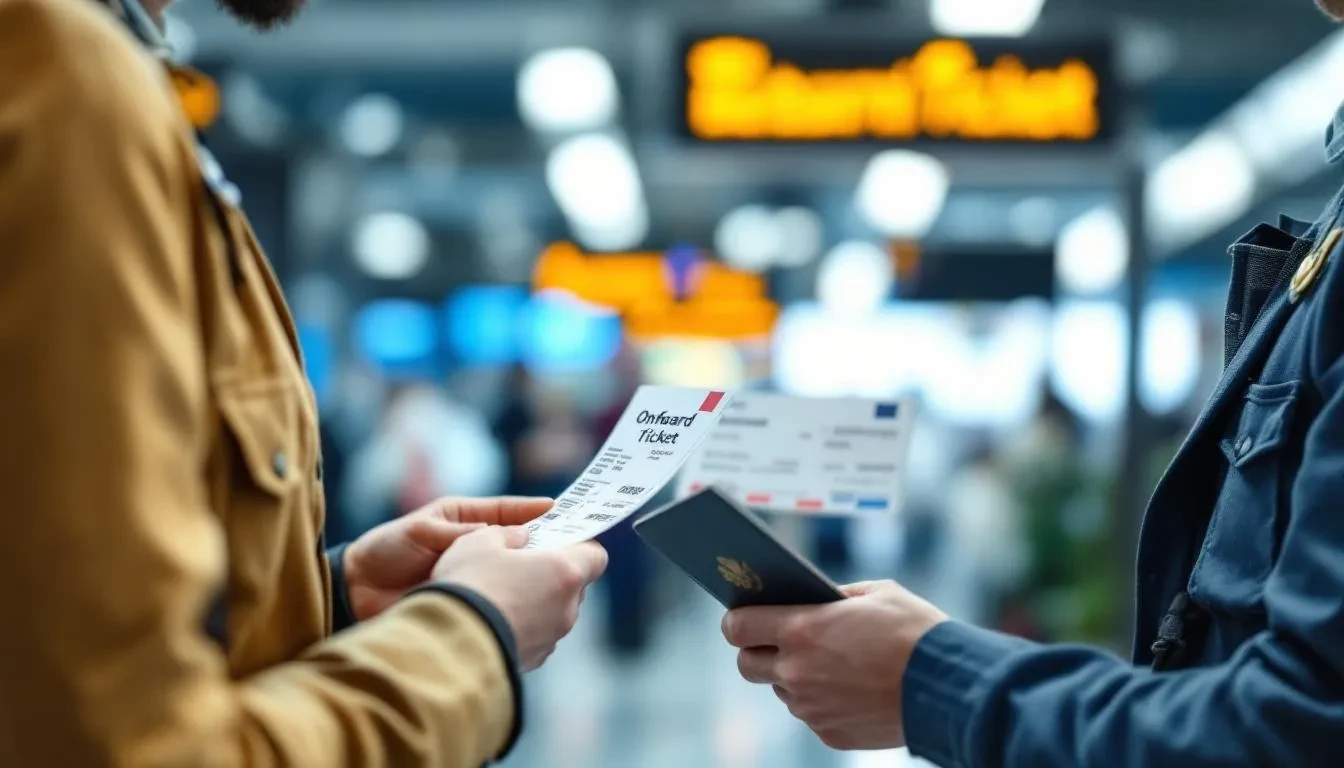
Onward-ticket anxiety is common among digital nomads, backpackers, visa-free travelers and one-way-ticket travelers. The problem is not that every border officer checks every passenger. The problem is that you do not always know whether the check will happen at the airline counter, online check-in, transit desk or arrival immigration booth.
This updated guide replaces the old “can you really use one at the border?” article with a cleaner, safer answer. It explains why countries ask for onward or return proof, why airlines care, when a dummy onward ticket can help, and when fake or expired proof creates real travel risk.
In This Guide
- Why countries ask for onward or return tickets
- Why the airline may check before immigration
- When onward tickets are actually checked
- What safe onward proof should look like
- Risks of expired or fake onward tickets
- Smart workflow before you fly
- Country patterns
- How to answer checks
- What counts as onward proof
- Pre-flight checklist
- FAQ
Why Countries Ask for Onward or Return Tickets
Countries use onward or return-ticket rules to understand whether a visitor appears likely to leave within the permitted stay. This is especially common in visa-free, visa-on-arrival and short-stay visitor contexts. The proof might be a return flight, onward flight, bus ticket, cruise ticket, ferry ticket or another acceptable exit plan depending on the destination.
The rule is not identical everywhere. Some countries clearly list return or onward proof. Some apply it selectively. Some airlines enforce the rule more strictly than the arrival officer because the airline is exposed to costs if the passenger is refused entry. That is why the same traveler may be asked for onward proof on one trip and not asked on another.
Official-document signal: IATA says its Travel Centre and Timatic data are used by airlines and travel professionals to check passport, visa and health requirements before travel. The U.S. Visa Waiver Program describes onward-travel expectations for certain travelers, and official Thailand guidance can list onward travel evidence among visitor-entry documents. These examples show why requirements must be checked by itinerary, not guessed globally.
Useful references: IATA Travel Centre, U.S. Visa Waiver Program, and Thai e-Visa official portal.
Thailand, the Philippines and Southeast Asia-style checks
Southeast Asia is where onward-ticket questions often appear because many travelers enter on visa exemption, visa on arrival or short tourist stays. Thailand, the Philippines, Indonesia, Vietnam and similar routes may involve airline staff asking for proof that the traveler will leave before the permitted stay ends.
Do not assume the rule is only about immigration after landing. The check may happen at the departure airport. If the airline agent’s system says onward proof is required for your passport and itinerary, the traveler may need to show it before boarding.
United States and Visa Waiver Program logic
For the United States, Visa Waiver Program travelers must meet specific requirements and can face onward-travel expectations depending on the route and residence context. The U.S. rules are not a generic “any dummy ticket works” situation. The onward plan needs to fit the actual program requirements and admission period.
Schengen and other visitor contexts
Schengen visitor files more often discuss reservation of return or round-trip travel at visa-application stage, while entry checks can still focus on purpose, means, accommodation and intention to leave. A traveler with a Schengen visa may still need to show that the trip makes sense if questioned at the border. The onward or return ticket is one part of that picture.
Why Airlines May Check Before Immigration
The first serious check is often not the immigration booth. It is the airline counter or online document check. Airlines have strong incentives to screen documents because inadmissible passengers can create fines, return-transport costs and operational disruption.
IATA’s travel-document tools exist because airlines need accurate, current document rules. Airlines and ground handlers use systems such as Timatic-style data to decide whether a traveler has the passport, visa, transit, health and onward-document requirements for a route.
What the airline staff may ask to see
- Passport and visa or entry authorization.
- Return or onward ticket when required.
- Accommodation or address information for some destinations.
- Transit permission for connecting countries when relevant.
- Proof that the onward destination can be entered.
Why airline checks can feel stricter
Airline staff may not have broad discretion to “trust your story.” They may follow the document screen in front of them. If the rule says onward proof is required, they may need to see a booking, not a verbal explanation that you plan to leave later.
This is why a safe onward ticket should be current at check-in time. A reservation that looked fine when ordered but expired before the airport counter may not help.
When Immigration or Airlines Actually Verify Your Ticket
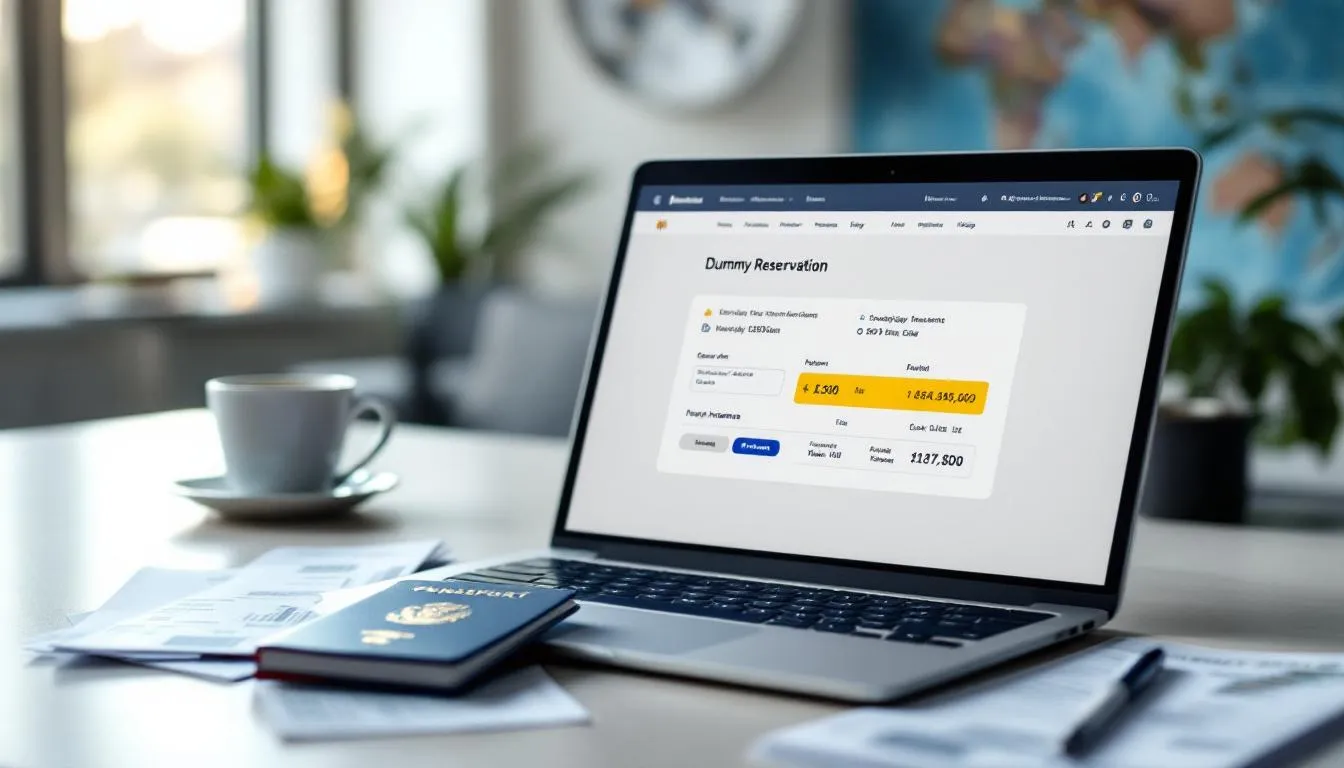
Onward proof can be checked at several moments. The traveler may be asked during online check-in, at the departure counter, at a transit desk, at arrival immigration, or during a secondary inspection. The exact moment depends on route, airline, nationality, visa type, destination rules and the traveler’s answers.
| Checkpoint | What they usually care about | Why onward proof matters |
|---|---|---|
| Online check-in | Document eligibility and route rules | The airline may block check-in if required data is missing. |
| Airport check-in | Passport, visa and destination-entry requirements | Staff may ask for a return or onward booking before issuing a boarding pass. |
| Transit desk | Whether the traveler can continue to the final destination | Onward proof may be checked if the next country requires it. |
| Arrival immigration | Purpose, stay length, funds, accommodation and exit intent | A return or onward ticket can support the claim that the stay is temporary. |
| Secondary inspection | Detailed credibility review | Officers may look more closely at booking details and consistency. |
They may not check every traveler
Many travelers are never asked for onward proof. That does not mean the rule does not exist. It means the traveler’s route, passport, visa, airline or profile did not trigger that check at that moment.
They can ask for more than the ticket
A ticket alone may not satisfy every concern. If the officer is worried about overstay risk, they may ask about accommodation, funds, employment, return obligations or the plan after leaving. Onward proof is strongest when those answers are consistent.
What Safe Onward Proof Should Look Like
A safe dummy onward ticket should prove a believable exit plan. It should not be a fake ticket. It should show a realistic departure from the country within the permitted stay and, ideally, a destination the traveler can enter.
Before flying, check these details:
- Passenger name matches the passport.
- Exit date is inside the allowed stay.
- Departure airport matches the country or region being exited.
- Onward destination makes sense for the itinerary.
- Booking reference or reservation details are current when provided.
- The onward country can be entered by the traveler.
- The document does not claim paid ticketing if it is only a reservation.
If you need the definition layer first, read what is a dummy ticket. For immigration, the difference between a temporary reservation and a fake edited PDF matters even more because the check can happen in real time at the airport.
Onward ticket versus visa dummy ticket
A visa dummy ticket supports a visa application before travel. An onward ticket supports the claim that you will leave a country after entry or before a permitted stay ends. The documents can look similar, but the timing pressure is different. Airline and border checks happen at travel time, so the reservation must be current then.
Return ticket versus onward ticket
A return ticket takes you back to your origin or home region. An onward ticket takes you to a third destination. Some rules accept either. Others prefer a return ticket or onward ticket outside a specific region. Always check the destination rule instead of assuming any exit flight qualifies.
The Risks of Flying With an Expired or Fake Ticket
The old version of this topic correctly warned that weak onward proof can be costly. The updated version keeps that warning but removes exaggerated claims. The practical risks are simple and real.
Denied boarding at the departure airport
If the airline requires onward proof and you cannot provide it, staff may refuse boarding. This can happen even before the destination country sees you. The airline does not want to transport a passenger who may be refused entry.
Questions at arrival immigration
If an officer asks how long you will stay and how you will leave, a current onward booking can support your answer. An expired reservation, unclear PDF or fake ticket can have the opposite effect.
Costs from last-minute fixes
Buying emergency onward proof at the airport is stressful. You may face higher fares, poor routing or limited Wi-Fi/payment access. It is better to prepare before check-in than to solve the problem while the boarding desk is closing.
Credibility damage from fake documents
A fake edited ticket is a serious credibility problem. If an officer or airline staff member cannot verify or understand the document, the issue is no longer only the onward proof. It becomes a question of whether the traveler is being truthful.
Smart Workflow Before You Fly
Use this workflow if you are traveling one-way, entering visa-free, using flexible plans or visiting a country known to ask for onward proof.
Step 1: Check the destination rule
Use official sources, airline tools or IATA-style travel-document checks to confirm whether onward or return proof is required for your passport, visa status and route. Do not rely on a random forum post from a traveler with a different nationality.
Step 2: Confirm the onward destination
Make sure you can enter the country shown on the onward ticket. A flight to a country where you lack entry permission may not satisfy the purpose of onward proof.
Step 3: Create the reservation close to travel
Because airline and immigration checks happen at travel time, create or refresh the onward proof close enough to check-in that it remains current. Do not generate a temporary reservation too early and forget about it.
Step 4: Save the document offline
Keep a PDF and screenshot available offline. Airport Wi-Fi can fail. Payment apps can lag. A saved document reduces stress at the counter.
Step 5: Keep your answers consistent
If asked, explain your travel plan simply: how long you will stay, where you will go next, and how the onward ticket fits. Do not submit a document that contradicts your verbal plan.
For broader visa-focused flight reservations, read the main dummy ticket for visa guide. For a complete step-by-step framework across visa and onward-travel use cases, use the dummy ticket for visa 2026 complete guide.
Need onward proof that matches your travel timing?
Use DummyFlights.com after you confirm the destination rule, exit date and onward country.
Country Patterns: Where Onward Proof Gets Serious
Onward-ticket rules are easiest to understand when you look at the travel pattern. Border and airline checks become more likely when the traveler enters visa-free, arrives with a one-way ticket, has no fixed accommodation, or plans to stay close to the maximum permitted period. The same onward reservation may feel routine in one context and essential in another.
Visa-free tourist entry
Visa-free entry is where onward proof often matters because the traveler has not already submitted a full visa file. The airline or border officer may need quick evidence that the visitor intends to leave within the permitted stay. A current onward booking helps answer that question.
Visa-on-arrival travel
Visa-on-arrival routes can also involve onward checks. The traveler may be allowed to apply after landing, but the airline still needs confidence that destination requirements are met before boarding. If the destination asks for return or onward travel, prepare it before reaching the counter.
Long-stay travelers and digital nomads
Digital nomads often move country to country without fixed return dates. That flexibility is normal, but it can look vague at a border if the traveler has no onward plan, no accommodation and no clear timeline. A temporary onward reservation can help only if it matches a credible exit plan.
Transit and multi-country trips
Onward proof becomes more complicated when a traveler transits through several countries. Airline staff may care not only about the first destination, but also whether the passenger can enter the final onward country. A flight from Thailand to Vietnam, for example, is useful only if the traveler has the right to enter Vietnam.
How to Answer If Airline Staff or Immigration Ask
A clean document is easier to use when your verbal answer matches it. Do not overtalk. Do not create a new story at the counter. Explain the trip simply and consistently.
At airline check-in
If airline staff ask for onward proof, show the document and say: “This is my onward reservation showing I leave before my permitted stay ends.” If they ask for the destination, answer with the city and date shown on the reservation. Keep it factual.
At immigration control
If an officer asks how long you will stay, answer with the planned stay length and accommodation plan. Then show the onward proof if requested. The officer may care as much about your purpose and funds as the ticket, so the onward reservation should support—not replace—the rest of your explanation.
If the booking cannot be found
Stay calm. Check the surname and booking reference. If the reservation has expired, you may need fresh onward proof or a paid ticket depending on the situation. Do not argue that an expired document should count. Solve the document gap before it becomes a credibility problem.
What Counts as Onward Travel Proof?
Different destinations and carriers may accept different proof formats. A flight reservation is common, but it is not the only possible exit evidence.
| Proof type | When it may work | What to check |
|---|---|---|
| Return flight | Traveler goes back to origin or home region. | Return date is inside the allowed stay. |
| Onward flight | Traveler continues to another country. | Traveler can enter the onward country. |
| Bus or train booking | Land-border routes where accepted. | Destination rules and carrier acceptance. |
| Ferry or cruise ticket | Island or regional travel. | Route, passenger name and departure date. |
| Temporary reservation | Flexible plans before final ticket purchase. | Record is current and accurately described. |
Why a flight is often easiest
Flights are easy for airline staff to recognize and often contain clear passenger, route and date information. That does not mean a flight is always the only acceptable proof. It means a flight reservation is usually the easiest document to understand quickly at an airport counter.
Why proof must match entry permission
If your onward ticket sends you to a country where you need a visa you do not have, the proof may not solve the problem. Onward travel should show a believable exit, not just any random flight out of the country.
Pre-Flight Checklist for Onward Ticket Proof
Run this checklist before you leave for the airport:
- Check the destination’s official entry rules for your passport.
- Check whether the airline asks for onward or return proof during online check-in.
- Confirm the onward booking date is inside the permitted stay.
- Confirm the passenger name matches the passport.
- Save the PDF or screenshot offline.
- Confirm you can enter the onward destination.
- Know whether the document is a paid ticket, hold, reservation or itinerary.
- Refresh the reservation if it expired before travel.
The best onward-ticket strategy is boring: a current document, a simple route, a believable exit date and a consistent answer if asked. That is much stronger than relying on a flashy PDF with weak booking logic.
Dummy Onward Ticket Immigration: FAQs
Can I use a dummy onward ticket at immigration?
You can use onward-travel proof only when it is genuine, current and matches the destination’s entry rules. A fake or expired ticket can create boarding or entry problems. Some travelers are checked at airline check-in before they ever reach immigration.
Do airlines check onward tickets before boarding?
Yes, airlines may check onward or return proof because carriers can face fines, passenger return costs and operational problems when a traveler is refused entry for missing documents.
Do immigration officers verify onward ticket bookings?
They can. Some officers mainly check whether the travel plan is plausible, while others may ask for a booking reference, return ticket, onward reservation or other evidence depending on the country and traveler profile.
Is an onward ticket always required?
No. Requirements depend on destination, nationality, visa status, purpose of travel, length of stay and carrier rules. Some countries clearly require onward or return proof; others check selectively.
Is a dummy onward ticket the same as a fake ticket?
No. A safe dummy onward ticket should be a genuine temporary reservation or clearly valid travel proof. A fake edited PDF is a different and risky document.
What happens if my onward ticket expires before check-in?
If the booking is no longer active when checked, airline staff or border officers may reject it as proof. Refresh the reservation before the check if onward proof is required.
Can I use a one-way ticket with onward proof?
Often yes, when the onward proof shows you will leave within the allowed stay and matches entry rules. But some travelers may need stronger return evidence depending on visa or destination rules.
What countries commonly check onward travel?
Checks are common for destinations with visa-free or limited-stay entry rules, including examples such as the United States Visa Waiver Program and some Southeast Asian entry contexts. Always verify your exact itinerary.
Should I buy a refundable ticket instead of using onward proof?
A refundable ticket can work if you understand the fare rules and refund timing. A temporary onward reservation may be better when plans are flexible and the rule only asks for proof of leaving.
When should I create an onward ticket for immigration?
Create it close enough to airline check-in or border review that it is still current, but only after your exit date and onward destination are clear.
Important disclaimer: DummyFlights provides temporary reservation documents for travel-planning, visa-document and onward-travel support. Entry requirements, airline boarding decisions and immigration outcomes are controlled by the relevant airline, embassy, consulate, border authority and immigration officer. Always verify the official rules for your passport, route, visa status and destination, and do not submit fake, edited or misleading travel documents.
Related Posts

Dummy Flight Ticket With a Waitlisted Segment
02 Oct, 26
Onward Ticket With Through-Checked Baggage
02 Oct, 26
Dummy Ticket at an International Transit Desk
02 Oct, 26
Onward Ticket at a U.S. Preclearance Airport
02 Oct, 26
Onward Ticket With a Digital Arrival Card Guide
02 Oct, 26
Onward Ticket for Uruguay: Airline and Entry Guide
01 Oct, 26
Onward Ticket at Airport Kiosks: Check-In Guide
01 Oct, 26
Onward Ticket for Chile: Airline and Entry Checks
01 Oct, 26
Onward Ticket for Brazil: Entry and Airline Guide
01 Oct, 26
Onward Ticket for Argentina: Entry and Airline Guide
01 Oct, 26