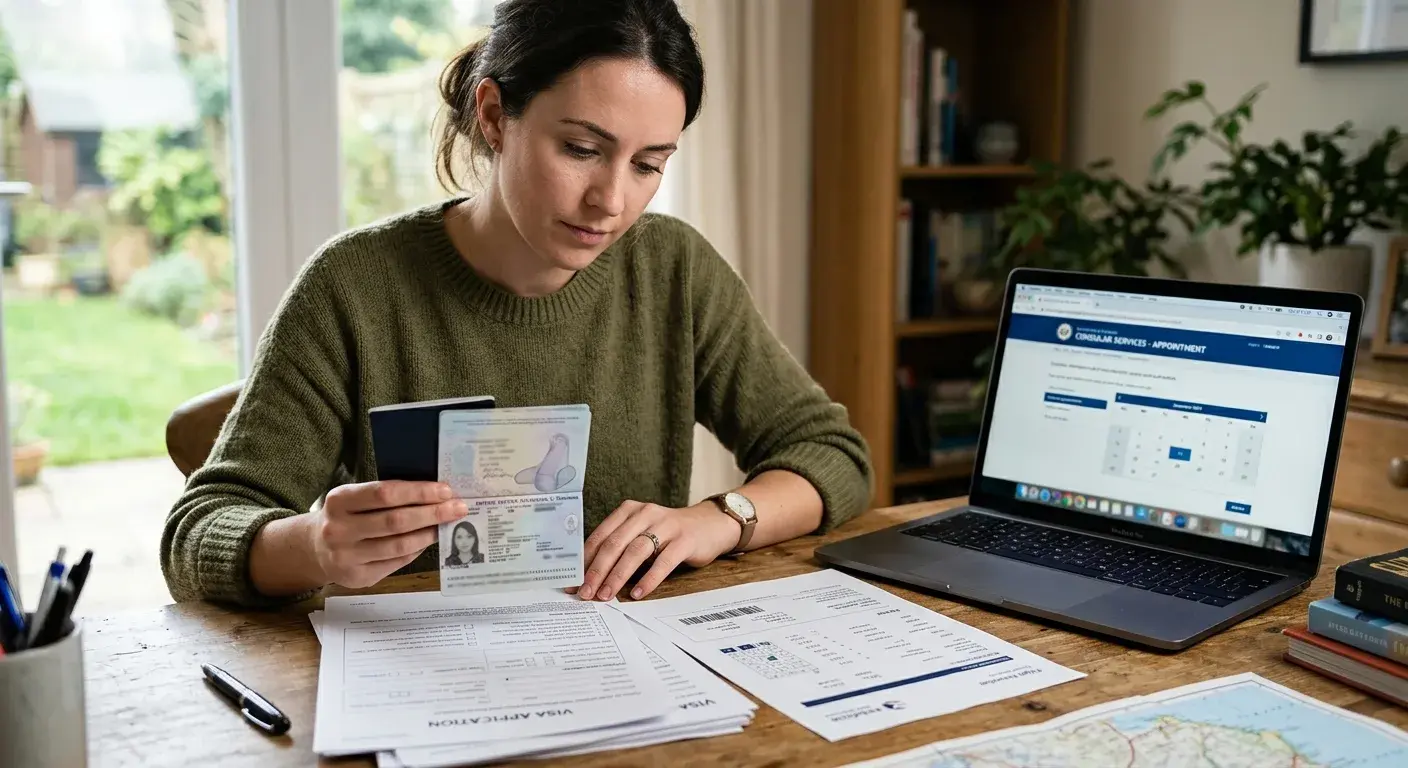
An embassy can accept your travel-proof document on Monday and still ask for stronger proof on Wednesday. That usually means the officer sees a gap between your travel dates, route, funds, accommodation, leave approval, invitation, sponsor details or return plan. The dummy ticket is not automatically the problem. The bigger question is whether the full file makes the trip believable.
This guide helps you read an additional-document request without panic. You will know when to update your itinerary, when to send financial or employment proof, when to clarify route logic, and when a short explanation is smarter than flooding the embassy with extra files. The goal is to answer the exact concern while avoiding a risky paid ticket too early.
- A dummy ticket supports travel dates, but it does not prove funds, ties or purpose by itself.
- Additional proof usually means one part of the visa story needs clarification.
- Do not replace the itinerary unless the route, date or booking detail is actually weak.
- Send the document that answers the exact concern, not a pile of unrelated files.
- Keep every new document aligned with the original travel story.
Need to strengthen your travel proof before submission or follow-up? Create a clean dummy ticket with DummyFlights after your route, dates, hotel plan and supporting documents are aligned.
Create Your Dummy TicketWhy an Embassy May Look Past Your Dummy Ticket
A dummy ticket can show a planned journey, but it cannot answer every visa question. It may show when you intend to arrive and leave, but it does not automatically explain why you are traveling, how you can afford the trip, where you will stay, who invited you, or why the officer should believe you will follow the allowed stay.
When an embassy requests more proof, treat it as a clue. The officer is usually pointing to a missing link in the file. The fastest way to respond well is to identify which link is weak, then send the smallest clear answer.
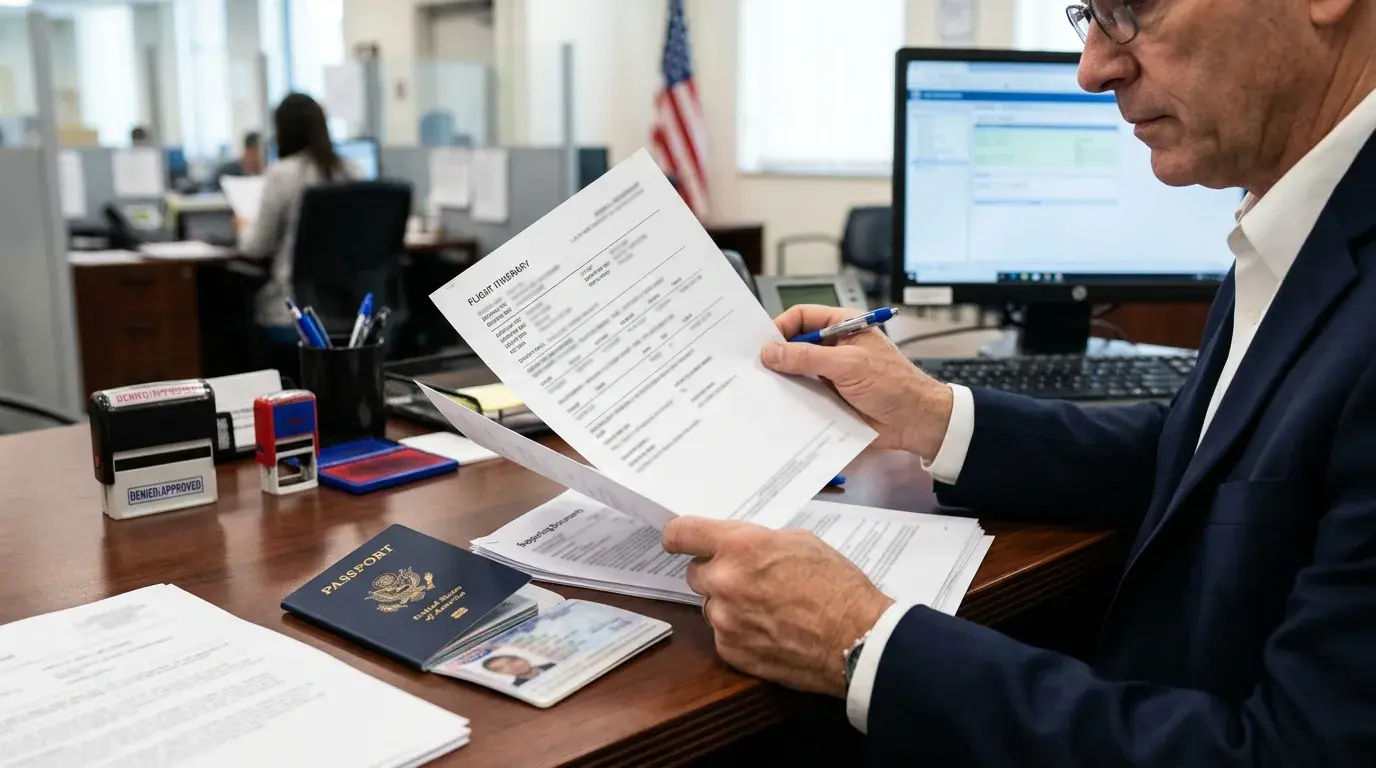
When the dummy ticket confirms dates but not the reason behind the trip
A route from your home city to the destination can look clean, but the officer may still ask why you are going. If the purpose is tourism, the file may need hotel proof, day plan or funds. If the purpose is business, the file may need invitation, meeting schedule or employer letter. If the purpose is family visit, the file may need host confirmation.
The dummy ticket should support the purpose, not replace it. A good itinerary says “these dates make sense.” The supporting proof says “this trip makes sense.”
When your route raises questions about the actual destination
Embassies may ask for more proof when the travel route does not clearly support the application. A multi-country trip, open-jaw route, long transit, one-way pattern or unexpected onward destination can all invite clarification. This does not mean the route is wrong. It means the file must explain it.
If your dummy ticket arrives in one country but your main stay is elsewhere, show the accommodation sequence and route logic. If the onward ticket leaves from another city, explain the movement. The stronger the route explanation, the less suspicious the itinerary feels.
When the embassy needs proof you can afford the whole trip
A dummy ticket shows intended flight movement, not financial capacity. If funds are unclear, the embassy may ask for bank statements, sponsor documents, employment proof or a clearer trip budget. Do not answer a funds question by only sending a new ticket. That misses the concern.
For stronger response, connect the cost of the trip with evidence: accommodation, insurance, planned spending, return or onward route, and money available. The travel-proof document becomes more believable when the financial file can support it.
When return intent is still unclear
A return or onward date helps, but it does not prove return intent by itself. If the officer still has doubt, they may ask for employment proof, school enrollment, family ties, business ownership, property, sponsor context or a clearer explanation of why the stay is temporary.
This is especially important for high-scrutiny profiles, long stays, weak travel history or previous refusal. The dummy ticket should show exit logic, while the rest of the file shows why that exit logic is believable.
Extra Proof Embassies Commonly Request
Additional proof should be matched to the concern. If the request is about dates, fix dates. If it is about route, explain route. If it is about funds, show funds. If it is about employment or study, show obligation. Sending everything can make the response messy and harder to review.
| Embassy concern | Useful extra proof | What not to do |
|---|---|---|
| Travel dates unclear | Updated itinerary, hotel dates, insurance period, short explanation. | Send a new route that conflicts with the form. |
| Route confusing | City sequence, transit explanation, onward proof, accommodation order. | Add random extra flights without explaining why. |
| Funds unclear | Bank statement, sponsor letter, employer proof, trip budget. | Assume the dummy ticket proves affordability. |
| Leave approval unclear | Employer letter, school letter, business proof, approved absence. | Change the dummy ticket date without fixing leave proof. |
| Host or sponsor unclear | Invitation, host ID where required, accommodation proof, sponsor evidence. | Send a hotel document that contradicts the invitation. |
Date clarification when forms and travel proof do not match
If the visa form says one date range and the dummy ticket shows another, the embassy may request clarification. This is not the time for a long emotional explanation. Send the corrected document and a short note stating the intended travel dates clearly.
Make sure accommodation, insurance and cover letter dates also match. A corrected dummy ticket alone will not help if every other document still carries the old timeline.
Route confirmation for entry, exit or transit logic
Route questions often appear when the officer cannot immediately understand how the traveler enters, moves and exits. This can happen with multi-country trips, separate onward tickets, domestic feeder flights, long layovers or regional travel.
The best response is usually a clean route summary: arrival city, main destination, accommodation sequence, exit city and onward or return plan. Keep it practical. The officer should be able to understand the trip in one reading.
Employer, school or business proof when timing depends on leave
If travel dates depend on approved leave, class breaks, business meetings or event dates, the embassy may ask for proof. The dummy ticket shows the planned movement. Employer, school or business documents show why the timing is realistic.
This is a common weakness when applicants create travel proof before confirming leave dates. If leave approval changes, update the itinerary before submission or explain the change clearly if the embassy asks later.
Sponsor or host confirmation when someone else supports the trip
When a host or sponsor is involved, the dummy ticket should not fight the invitation. If the host expects you from June 10 to June 20, the itinerary should not show June 8 to July 2 unless there is a reason. Sponsor proof, host address, accommodation plan and travel dates should feel connected.
How to Prepare a File That Survives Extra Questions
The strongest strategy is to avoid the request before it happens. That does not mean overloading the initial application. It means preparing a clean file where the dummy ticket, forms, funds, accommodation and purpose all point to the same travel story.
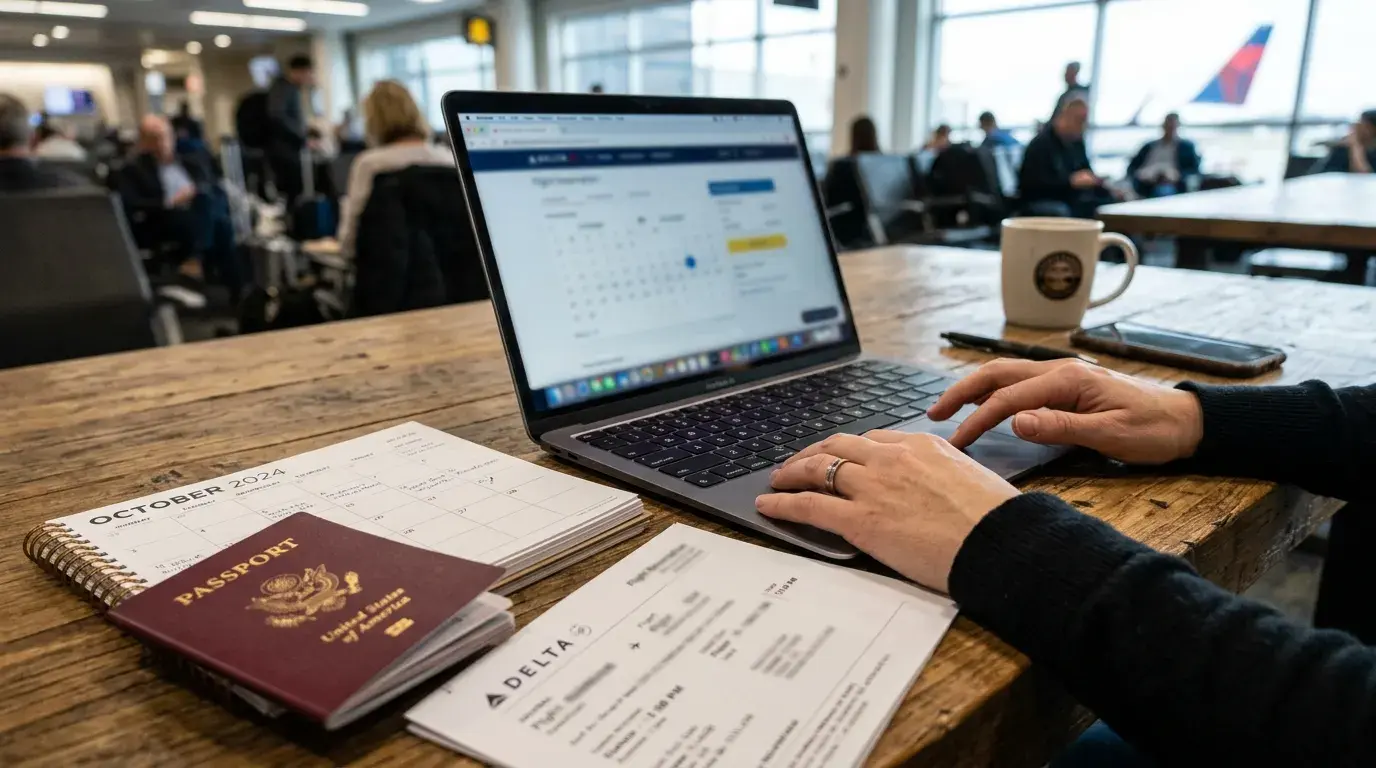
Run a consistency check before submitting
Before submission, place the dummy ticket beside the visa form, cover letter, hotel or dummy hotel, travel insurance, funds, invitation, leave approval and sponsor documents. Check dates first. Then check route. Then check purpose. Most additional-document requests come from gaps in these basic relationships.
- Arrival date matches the form, hotel and insurance window.
- Exit or onward date supports the permitted stay and return logic.
- Route supports the destination and stated purpose.
- Funds can support the stay length and travel pattern.
- Employer, school or host documents do not contradict the trip dates.
Keep backup proof ready without flooding the embassy upfront
Good preparation does not mean attaching every possible document. It means having backup proof ready if asked. Keep route notes, updated hotel details, employment proof, sponsor evidence or explanation drafts organized, but only submit what the checklist or request requires.
Flooding the embassy with unrelated documents can slow review and make the file harder to read. A strong response is precise. It answers the concern without creating new questions.
Use a dummy ticket that can survive the review window
If the document expires before the likely review period, it may create extra questions. That does not mean you must keep a reservation active for the entire processing period. It means the document should make sense for the stage where it is used. If the embassy later asks for updated proof, then provide a fresh document aligned with the same travel story.
Write a short itinerary explanation when the plan is not obvious
Some routes need explanation. A short note can prevent confusion: why you enter through one city, why you leave through another, why you stay extra days after an event, or why an onward ticket goes to a third country. The explanation should be factual, not defensive.
How to Respond If the Embassy Requests More Proof
An additional-document request is not automatically bad news. It can mean the officer is still reviewing the file and needs one missing piece. Your response should be calm, specific and easy to verify.
Read the request as a clue, not a threat
Look at the exact wording. If they ask for proof of funds, send funds. If they ask for travel dates, clarify dates. If they ask for purpose, support purpose. Do not guess wildly or send unrelated documents just because you are nervous.
Match the extra document to the exact concern
The best response feels like a direct answer. If the issue is route logic, provide a route summary and aligned itinerary. If the issue is accommodation, provide hotel proof that matches the dummy ticket dates. If the issue is employment, provide leave approval or employer confirmation.
Correct a weak dummy ticket without creating a new contradiction
If the original dummy ticket had a real weakness, fix it cleanly. Do not create a new document with a totally different trip unless the travel plan actually changed. A corrected itinerary should preserve the same core story while removing the confusing detail.
Reply professionally and keep the response easy to review
Use short wording. Label attachments clearly. Avoid emotional arguments. The officer does not need a long defense; they need evidence that resolves the question. A clean response can be more persuasive than a large bundle of documents.
Need an updated travel-proof document for an embassy follow-up? Prepare a fresh dummy ticket only after the requested dates, route and supporting documents are clear.
Create Your Dummy TicketFinal Response Checklist
- You understand the exact concern in the embassy request.
- Your dummy ticket still matches the intended travel story.
- Your added proof answers the concern directly.
- Your dates match the form, hotel, insurance and cover letter.
- Your route explanation is short and easy to follow.
- You are not submitting conflicting versions of the same trip.
- You are not presenting a temporary document as a paid final ticket.
- Your response is organized, labeled and professional.
A dummy ticket is strongest when it works as part of a complete visa story. If the embassy asks for more proof, do not panic and do not overreact. Find the weak link, answer it cleanly, and keep the whole file aligned.
Frequently Asked Questions
Can an embassy ask for more proof after seeing a dummy ticket?
Yes. An embassy can request additional proof if it needs stronger evidence of travel purpose, funds, accommodation, return intent, sponsor support, leave approval or route logic.
Does an additional-proof request mean the dummy ticket failed?
Not always. It may mean another part of the file needs clarification. The dummy ticket may be fine, but the officer may need stronger support for dates, funds, purpose or return logic.
Should I send a new dummy ticket if the embassy asks for more proof?
Only if the itinerary itself is unclear, expired, inconsistent or directly related to the request. If the concern is funds or employment, send the proof that answers that concern.
What extra proof is usually requested beyond a dummy ticket?
Common extra proof includes hotel details, financial evidence, sponsor documents, employer or school letters, invitation proof, route explanation, insurance dates and updated travel plans.
Can I buy a final ticket to answer the request?
You can if it is appropriate for your situation, but it is not always necessary or safest. A clearer dummy ticket plus matching supporting proof may answer the concern without locking money into final airfare too early.
How should I respond to an embassy request?
Respond with the exact document or explanation requested. Keep the reply short, organized and consistent with the original file. Avoid sending unrelated documents that create new questions.
Can a dummy ticket guarantee visa approval?
No. A dummy ticket can support the travel-proof part of the file, but visa approval depends on the full application, eligibility, documents, officer review and current rules.
What is the biggest mistake after an additional-proof request?
The biggest mistake is panicking and sending conflicting new documents. Fix the exact weak point without changing the entire travel story unless the plan genuinely changed.
Friendly reminder: DummyFlights provides temporary travel-proof documents for planning and application support. Requirements vary by destination, airline, route and applicant situation. A dummy ticket can support a file, but it does not promise approval, boarding or entry.