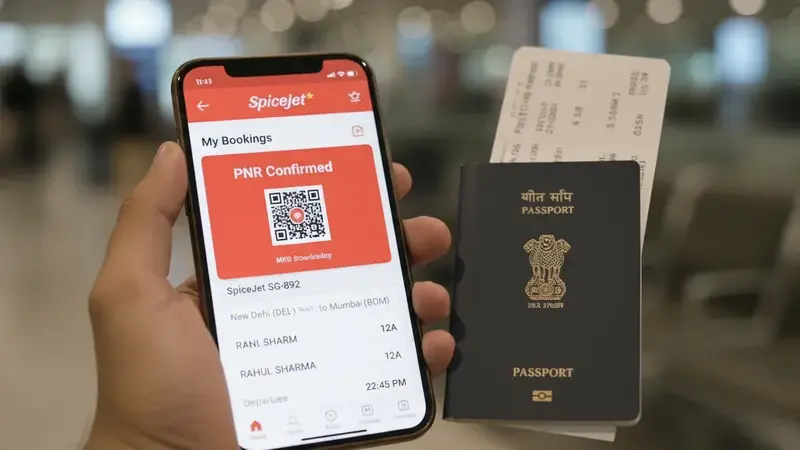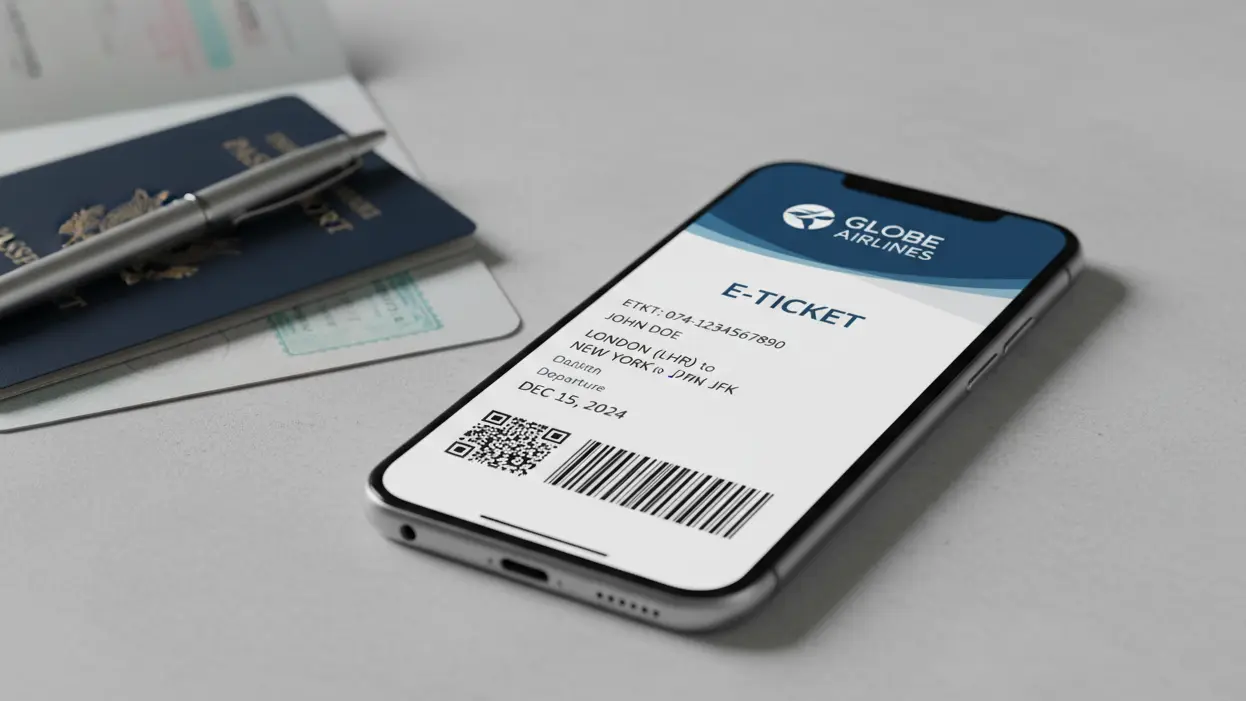

Your Singapore business visa file can look polished and still fail a simple cross-check. The invitation letter says meetings start Monday morning, but the flight shows a late-night Monday arrival. The bank statement shows enough money, but the itinerary stretches a short meeting purpose into ten days. The route looks possible, but the first business day reads like you are landing, clearing immigration, crossing the city and attending formal meetings with no real buffer.
That is why Singapore business visa requirements should be handled as a logic chain, not as a document checklist alone. Your dummy flight, invitation letter, bank proof and day-by-day plan should support the same trip. When the dates, purpose, funding line and return route align, the file becomes easier to scan and easier to trust.
This guide keeps the original focus: build one clean Singapore business-visit story across four documents. First, lock the invitation-letter dates. Then shape the itinerary. Then create the dummy flight reservation. Then check whether your bank proof and sponsor wording support the trip length. This order prevents the most common problem: a flight plan that forces every other document to bend around it.
Key facts for Singapore business visa applicants:
- A Singapore visa is pre-entry permission, not a guarantee of entry at the checkpoint.
- The invitation letter should anchor the purpose, meeting dates, host identity and payer responsibility.
- A dummy ticket should match the business itinerary, not create a separate travel story.
- Bank proof is read as trip affordability plus normal account behavior, not only final balance.
- Short business visits usually look stronger with simple, efficient routing.
- Your arrival and return flights should leave realistic buffers around the first and final business blocks.
Building a Singapore business visa file? Create a clean dummy ticket with DummyFlights after your invitation dates, meeting plan and return timing are aligned.
Create Your Dummy TicketIn This Guide
- Official-source check
- The Singapore business visa logic chain
- Choosing the right dummy flight strategy
- Invitation letter alignment
- Bank proof that matches the trip
- Business itinerary and route logic
- Build the file without contradictions
- Exceptional cases that break files
- Final Singapore business visa audit
- FAQ
Official-source check: Singapore ICA explains that a visa allows a foreign visitor to seek entry into Singapore, but final permission is assessed at the checkpoint. ICA also lists general entry requirements such as a valid passport, SG Arrival Card submission, sufficient funds and onward or return travel where applicable. Singapore High Commission guidance for visa applications also says applicants are not required to buy a flight ticket before applying. Sources: Singapore ICA visa requirements, Singapore ICA entry requirements and Singapore High Commission visa information.
Reviewed for: Singapore business visa document logic, invitation-letter date alignment, dummy flight claim safety, bank-proof coherence, entry-permission wording, route plausibility, CTA placement, blue contextual links and cross-platform link rotation.
The Singapore Business Visa Logic Chain
A Singapore business visa file succeeds when every document supports the same visit. The reviewer should be able to move from the invitation letter to the itinerary, from the itinerary to the dummy flight, and from the dummy flight to the bank proof without finding a second version of the trip.
The source article’s strongest idea is the “logic chain,” and it should stay central. A visa file is not only judged by whether each required document exists. It is judged by whether the documents behave like they came from the same real plan.
The four anchors officers compare first
Reviewers usually start with a fast sanity check. They may not describe it this way, but the file has to answer four questions quickly:
- Why are you going, and does the host relationship sound real?
- When are you going, and do the dates line up everywhere?
- Can you afford the trip, or is someone clearly covering it?
- Will you leave Singapore on time, and does the return plan look believable?
Your invitation letter sets the “why.” Your itinerary explains what happens each day. Your dummy flight reservation shows how you move in and out. Your bank proof explains how the trip is funded. If one anchor points somewhere else, the file starts to feel stitched together.
For example, a three-day business visit with two scheduled meeting days, a clear host company and a direct return route feels controlled. A three-day trip with an overnight arrival, five meeting locations, no travel buffer and a vague “business discussion” purpose feels manufactured.
Invitation letter first, itinerary second, flights third
Most contradictions happen when flights are chosen first. You lock an arrival time that later makes the meeting schedule impossible, or you lock a return flight that leaves before the final business activity. Then the itinerary has to pretend the timing works.
The safer order is:
- Start with the invitation letter constraints: meeting dates, event dates, office location and sponsor responsibility.
- Draft the itinerary around those constraints with realistic arrival, transit and preparation buffers.
- Create the dummy flight reservation only after the itinerary can support the timing.
- Check bank proof and sponsor wording against the trip length and payer line.
This direction of fit matters because the invitation letter is usually the least flexible document. If the host says meetings begin on Tuesday morning, your file should not imply that you land on Tuesday afternoon. If the invitation letter says the host covers accommodation, your bank proof should not be written as if you are personally carrying the entire hotel cost without explanation.
Bank proof is balance plus behavior
For Singapore business trips, the money story must match the trip structure. A three-day meeting visit has a different implied cost than a ten-day business-and-regional-travel schedule. Reviewers can read financial proof as both affordability and behavior.
- Affordability: the available funds make sense for flights, local spending, accommodation, buffers and emergency margin.
- Behavior: the account history looks stable enough that the trip does not appear staged for the application.
Affordability is not only the ending balance. It also depends on the applicant profile, trip length and stated purpose. A short executive visit supported by steady income and normal spending reads differently from a long, vague trip funded by one sudden unexplained deposit.
If the host is paying, your own finances should still look normal. If your company is paying, the company proof should match the invitation or employer letter. If you are paying personally, your statements should make the trip look routine, not financially strained.
The consistency triangle: trip length, meeting density and routing simplicity
Singapore is a major travel hub, so a business-visit file is expected to look efficient. That creates a triangle you should keep balanced:
- Trip length: how many days you say you need in Singapore.
- Meeting density: how much real business activity appears in the itinerary.
- Routing simplicity: how direct and controlled the travel plan looks.
If the trip is short, the meetings should be focused and the routing should be simple. If the trip is longer, the itinerary needs enough substance to justify the stay. If the route is complex, the buffers and calendar days need extra care.
The easiest place to break the triangle is routing. A long layover, strange connection, overnight date shift or return flight that cuts through the last meeting can make a file feel less credible even when the invitation letter is real.
The 60-second one-page test
Assume the reviewer skims the file. Your Singapore business visa story should still hold in 60 seconds. Run these checks before submission:
- Do the invitation letter, itinerary and dummy flight use the same travel dates?
- Does every document consistently describe Singapore as the business destination?
- Does the itinerary reflect the same purpose stated by the host?
- Does Day 1 leave enough room for arrival, immigration, local transit and preparation?
- Does the final day include real closure before the return flight?
- Does the funding line match the invitation letter and bank proof?
Date drift is the silent killer. It happens when the invitation letter changes, the itinerary gets updated, but the dummy ticket still shows the old dates. It can also happen when the letter uses a broad range and the flights sit awkwardly outside the real meeting days.
If you want a stricter test, read only the invitation letter and the flight reservation. Could someone predict the trip length and business rhythm from those two documents alone? They should at least imply the same start date, meeting window and return logic.
Choosing The Right Dummy Flight Strategy For A Singapore Business Trip

A Singapore business visa file reads cleaner when the flight plan looks like a real business move, not a placeholder chosen for decoration. The dummy flight should support the meeting purpose, schedule and funding story without locking you into awkward timing.
A simple round trip is often stronger than multi-city creativity
For most Singapore business visits, a straightforward round trip is the strongest option. It mirrors how real business travel usually works: efficient, direct and time-bound.
A round trip fits common business patterns such as:
- A single host-company meeting block across one to three working days.
- A short event, trade show or conference with scheduled sessions.
- A supplier visit plus internal meetings at one main site.
- A negotiation trip where the purpose supports a quick return.
Multi-city routing can still be valid, but it has to earn its place. If the invitation letter is from a Singapore company and the itinerary is Singapore-only, adding extra stops creates questions that now need more documents.
Choose a simple round trip when the host letter references meetings at a single Singapore location, your itinerary is tightly scheduled, your bank proof supports a contained trip and you want the fastest skim credibility.
Consider a more complex route only when the file already proves it. For example, if the invitation letter explicitly covers regional meetings beyond Singapore, the itinerary shows scheduled commitments outside Singapore, the funding story supports the extra travel and the timeline still allows realistic buffers.
A useful test is simple: if removing the extra stop does not break the business purpose, keep the route simple.
Hold-window logic matters
A dummy flight reservation works best when its timing stays useful through submission and likely review. You do not need a reservation that stays valid forever. You need a reservation that is current and coherent during the period where the file may be assessed.
Build the timing around three moments:
- Submission moment: the reservation should look current when you upload or submit it.
- Verification moment: it should still match the file if checked later.
- Adjustment moment: if meeting dates move, you should be able to update the reservation without creating a second story.
A common mistake is choosing dates too early because they feel safe. Then the host shifts the meeting by a week. Now the flights no longer match the invitation letter, or the applicant scrambles and creates inconsistent versions.
Before locking anything, ask:
- Do the travel dates sit inside the invitation letter’s stated meeting window?
- Does the reservation remain relevant if the review happens later than expected?
- If dates shift, can the file keep the same city, purpose, duration and payer logic?
Treat the reservation like a supporting actor. It should not become the document you have to defend.
Arrival buffer, meeting Day 1 and return credibility
Singapore business trips often fail on timing details that look small but read loudly. A reviewer may notice when the schedule implies you are clearing immigration, traveling across the city and entering a formal meeting minutes after landing.
Your flight timing should support:
- Immigration and arrival procedures.
- Transit from the airport to your hotel or meeting area.
- Basic reset time before a business commitment.
- A realistic start to the first meeting block.
If your itinerary says you attend an afternoon meeting on Day 1, a morning arrival can work. If the first commitment is early morning, arriving the day before is usually cleaner. A late-night arrival followed by a 9:00 AM strategy meeting can be possible, but it needs a sensible travel rhythm.
Return timing matters too. These combinations often read well:
- Final meeting in the afternoon, return the next morning.
- Event ends midday, return in the evening after a realistic buffer.
- Wrap-up meeting early morning, return late afternoon with transit time built in.
These combinations need more explanation:
- Return flight before the final meeting shown in the itinerary.
- Return flight immediately after a major meeting that would normally require follow-up.
- A very short trip with complex routing and an ambitious business purpose.
Route plausibility checks
Singapore is well connected, so business routing should usually look efficient. That does not mean every route must be direct. It means the route should support the agenda instead of creating new doubts.
Reviewers may quietly look for:
- Efficiency: the route respects business time.
- Predictability: the itinerary does not rely on fragile connections.
- Consistency: the arrival city, date and meeting schedule match.
- Return logic: the exit route supports the end of the business purpose.
Unnecessary complexity can trigger silent questions. Why take a long layover when normal routes exist from your departure region? Why arrive at an odd hour that makes Day 1 unrealistic? Why add a connection that flips the calendar day and breaks the itinerary?
If your trip includes multiple meetings across Singapore, keep the flight logic anchored to the main business base. Internal movement can be busy, but entry and exit should still look controlled.
If you need a more general primer on how temporary flight proof works for visa files, read the what is a dummy ticket guide before choosing a route.
Writing An Invitation Letter That Supports The Flight And Itinerary

A Singapore business visa application can look polished until the invitation letter pulls in a different direction than the flights and daily plan. The letter should lock the same dates, purpose and responsibility lines that the rest of the file depends on.
What the invitation letter must lock in
For Singapore business travel, the invitation letter is the anchor document. It does not need to be long. It needs to be precise where precision prevents contradictions.
The letter should clearly identify:
- Visit purpose: the specific business reason for being in Singapore.
- Date window: exact meeting dates or a tight range that matches the itinerary and flight dates.
- Host identity: company name, address and a contact person who fits the purpose.
- Responsibility line: who covers flights, accommodation, local costs or other expenses.
If one of these is vague, the rest of the file has to compensate. That is where mismatches begin. If the letter says meetings are between 10 and 12 March, landing late on 12 March makes the business purpose hard to understand. If the host covers accommodation, the hotel proof and funding documents should not contradict that.
Use the tight-range rule: if the letter gives a date range, your flights should sit comfortably inside it. Avoid landing on the boundary day unless the itinerary supports it cleanly.
Host details that must not conflict
Invitation letters often fail on small identity mismatches. Singapore business visits are corporate interactions, so names, roles and addresses matter.
Align these details across the letter and supporting materials:
- Company-name spelling and legal suffix usage.
- Letterhead address and meeting-location address.
- Contact person name, role and department.
- Signatory authority and relationship to the business purpose.
- Applicant designation and company name, if employer documents are included.
A role mismatch does not always break a file, but it can create avoidable questions. If the visit is for procurement negotiation, the signatory should have a believable connection to that purpose. If the visit is for training, the host contact should connect to operations, training or department management. If the visit is a site visit, the host contact should connect to project, facility or operations leadership.
The relationship description should also match the itinerary. If the letter calls you a strategic partner, the itinerary should not read like a first-time introduction with generic meetings. If the letter describes an initial meeting, the itinerary should not claim “quarterly review” unless there is evidence of an existing relationship.
Applicant title and employer wording should stay stable
Small title changes can create unnecessary friction. If your employment letter says “Business Development Manager,” your invitation letter should not introduce you as “Director” unless both titles are true and clearly explained. If your business card says one company name and your employer letter uses another group-company name, the relationship should be obvious.
This matters more in business visa files than in ordinary tourism files because the purpose depends on corporate identity. The reviewer is not only checking that you want to visit Singapore. They are checking whether the business relationship, role, host, meeting reason and return plan fit together.
Keep these identity details consistent:
- Applicant name and passport spelling.
- Applicant job title or business role.
- Employer name, trade name and legal suffix.
- Host company name and Singapore office address.
- Meeting contact name and designation.
- Purpose wording across letter, itinerary and cover note.
If there is a genuine difference, explain it once in plain language. Do not let every document use a slightly different version of the business relationship.
The “who pays” line affects bank proof
The payer line is not a minor sentence. It changes how the financial proof is read. A letter that says “we will support the visit” is weaker than a letter that says what is actually covered.
Common patterns:
- Applicant pays: personal bank proof should support flights, stay, daily expenses and buffer.
- Employer pays: employer letter or company financial support should match the trip dates and purpose.
- Host pays partly: the host letter should state what is covered, such as accommodation or local transport.
- Host pays fully: the letter should be specific enough that personal bank proof is not forced to carry the entire trip cost.
Ambiguous sponsorship creates more work. If the host says it will support the visit but does not say what support means, the reviewer may still expect personal or employer funds to cover the trip.
Meeting agenda granularity
The agenda should be specific enough to sound real but not so detailed that it looks scripted. The sweet spot is a realistic business schedule with one or two meaningful blocks per working day, plus preparation, transit and follow-up time.
Weak agenda language:
- “Business meetings.”
- “Discussion with partners.”
- “Market visit.”
- “General networking.”
Stronger agenda language:
- Supplier onboarding review with the host operations team.
- Product demonstration and technical discussion at the host office.
- Partnership contract review and next-step planning.
- Trade-event meetings with pre-arranged exhibitors or buyers.
The itinerary should still be readable. Do not turn the application into a corporate deck. A short, clear schedule usually does more than a long agenda that looks over-engineered.
When invitation-letter dates do not match real availability
Business dates can shift. If the invitation letter says one date range but your real availability is different, fix the letter before building the travel proof. Do not create a dummy booking around the old letter and then explain the difference later.
If the host cannot issue a new letter quickly, keep the itinerary inside the date window already stated. If that is impossible, wait for the corrected letter. A delayed clean file is safer than a fast contradictory file.
What the letter should not try to do
An invitation letter should support the file, not overpromise it. Avoid wording that makes the visit sound open-ended, employment-like or dependent on a future outcome. A business meeting visit is not the same thing as taking up work in Singapore.
Weak phrases include:
- “The applicant may stay longer if discussions continue.”
- “The applicant will work with our Singapore team during the visit.”
- “The return date will be decided after the meetings.”
- “The applicant is coming for general business opportunities.”
Stronger wording keeps the visit short, specific and temporary. It names the meeting purpose, confirms the expected date range and avoids language that sounds like employment, relocation or indefinite exploration.
Bank Proof That Matches The Singapore Trip

Bank proof should support the business trip you actually describe. It should not look like a separate financial performance staged for the visa file. For Singapore, the file should show that the applicant can travel, stay, attend the planned business activities and leave without financial strain.
The trip-cost model officers may assume
Even if you do not submit a formal budget, reviewers may mentally estimate whether the trip makes sense. They may consider:
- Return or onward flight cost.
- Accommodation cost for the stated stay.
- Local transport and meals.
- Business-event or meeting-related costs.
- Emergency buffer.
- Whether the host or employer covers any part of the trip.
A three-day trip with a clear host and simple routing needs less financial explanation than a ten-day business trip with regional add-ons. If the trip length is longer, the file should show why that time is needed and how it is funded.
Cash-flow coherence
Recent transactions can help or hurt. Stable salary credits, normal business income, regular expenses and consistent account behavior support the file. Sudden large deposits, unexplained transfers, cash top-ups or account reshuffling right before submission can create questions.
A large deposit can be legitimate. The issue is whether it is explainable. If the deposit comes from salary arrears, business payment, company reimbursement or a sponsor transfer, the supporting document should make that clear. Do not leave the reviewer to guess.
Business traveler signals
A business traveler’s financial proof can be strengthened by documents that match the role and purpose. Depending on the applicant, this may include:
- Employer letter confirming position, travel purpose and leave or travel authorization.
- Company registration or business ownership documents.
- Tax records, invoices or client correspondence for self-employed applicants.
- Conference registration or meeting confirmation.
- Evidence of ongoing work after return.
These documents should not overwhelm the file. They should support the core story: the applicant has a real business reason to travel and a real reason to return.
If your company is paying
Company payment can strengthen the file when the responsibility line is clear. The employer letter should state that the trip is approved, the purpose is business-related, and the company will cover specified costs. If the host company covers part of the trip, the host letter and employer letter should not contradict each other.
The applicant’s personal bank proof can still matter because entry requirements may include sufficient means, and because a normal financial profile supports credibility. But it should not be forced to explain costs the company says it will pay.
A practical departure example
Imagine an applicant departing from Delhi for a four-day Singapore supplier meeting. The invitation letter says meetings run from Monday to Wednesday. A clean file might show arrival Sunday afternoon, meetings Monday to Wednesday, a wrap-up Wednesday afternoon, and return Thursday morning. The bank proof shows normal salary credits, steady expenses and enough balance for personal costs. The employer letter confirms the business purpose and travel approval.
A weaker version shows arrival Monday evening, a Monday morning meeting in the itinerary, return Wednesday before the wrap-up, and a sudden deposit two days before submission. The documents may each exist, but the story breaks.
When the bank statement looks strong but the trip still looks expensive
A healthy balance does not automatically make every route believable. A reviewer can still ask whether the trip makes sense for the applicant’s role and purpose. A junior employee traveling business class for a two-hour meeting may need stronger employer sponsorship. A small-business owner claiming a long Singapore trip during peak business season may need stronger business-continuity proof at home.
Use proportionality as the filter. The money, route and meeting purpose should feel like they belong to the same applicant. If the financial proof is strong but the itinerary feels inflated, the better fix is not more bank pages. The better fix is a tighter trip plan.
Company payment does not erase personal credibility
If the company pays for the trip, the applicant should still look credible as a traveler. The file may include company sponsorship, but the applicant is still the person seeking entry. Their identity, role, travel history, return ties and ability to explain the visit remain relevant.
A clean company-paid file usually has:
- An employer letter confirming the trip purpose and authorization.
- A host invitation that matches the employer’s purpose wording.
- A dummy ticket that matches the meeting calendar.
- Bank proof or salary evidence showing a normal personal profile.
- Return timing that fits the approved business trip.
Do not make the payer story fight itself. If the host covers accommodation but the employer covers airfare, say that clearly. If the applicant pays personally and gets reimbursed later, the applicant’s bank proof should still support the upfront cost.
Itinerary Logic That Makes Singapore Business Travel Look Real
The itinerary should read like a work trip, not a tourism schedule wearing business clothing. It should show enough business activity to justify the stay while leaving room for normal travel movement.
Day-zero and Day-one planning
Day zero is the arrival day. It can include airport arrival, hotel check-in, rest, preparation or a light evening meeting if the timing supports it. Do not force a heavy business block onto Day zero unless the flight timing makes it realistic.
Day one is the first real business day. It should fit the invitation letter. If the host says the main meeting begins Monday morning, arrive Sunday or earlier. If the flight arrives Monday morning, keep Day one lighter and explain the timing through the itinerary.
Meeting density rules
Two meetings per day can work when they are in nearby locations and fit the same purpose. Three or four major meetings per day can look forced unless the trip is a conference, trade show or tightly organized event.
Useful density patterns:
- Morning strategy meeting, afternoon technical review.
- Conference session, scheduled exhibitor meeting, evening networking event.
- Supplier site visit, working lunch, internal review.
- Final negotiation meeting, documentation wrap-up, return buffer.
Weak density patterns:
- Back-to-back meetings across distant areas with no transit time.
- Every day filled with vague “business discussions.”
- A high-stakes meeting minutes after landing.
- A final meeting scheduled after the return flight departure time.
The return leg should make sense without outcomes
A return flight should not depend on the business outcome. Do not build a file that implies you might stay longer if a deal is successful. A visa file needs a planned exit date. The return leg should follow the final scheduled business activity, not the hoped-for result.
For example, “contract review and next steps on Wednesday, return Thursday morning” is cleaner than “return date depends on whether the negotiation works.” Flexibility may be part of real business travel, but the visa application should show a firm intended plan.
Regional add-on trips
Adding another destination around Singapore can be legitimate, but it raises the coherence bar. It changes how the invitation letter, itinerary and flight reservation will be read.
A regional add-on helps when:
- The business purpose explicitly includes multi-market meetings.
- The invitation letter supports the broader plan.
- The itinerary explains why Singapore is the hub.
- The bank proof supports the longer duration and higher cost.
A regional add-on creates risk when the Singapore letter is Singapore-only, the added stop looks personal, the travel time eats into meeting days, or the route becomes too complex for the stated purpose.
If the purpose is Singapore-centered, keep the itinerary Singapore-centered. If you must include an add-on, use one sentence to explain it and make sure the Singapore meeting days remain stable.
Business itinerary wording should not become tourism wording
Singapore is a popular city for tourism, conferences, exhibitions and regional business. That mix can tempt applicants to write a vague itinerary that tries to cover everything. For a business visa file, the wording should stay anchored to the business purpose first.
It is fine to include light personal time if the trip length allows it. A dinner after meetings or a free evening is normal. But the main itinerary should not look like a tourism schedule with one business meeting inserted. If the invitation letter is business-focused, the day plan should show meetings, site visits, product reviews, supplier discussions, training, conference sessions or documentation wrap-up.
Useful Singapore business location references can include the host office district, exhibition venue, conference hotel, industrial park, supplier site or co-working venue. Use locations only when they clarify the file. Do not add famous places just to make the itinerary look full.
Day labels should match flight calendar days
Long-haul and regional flights can shift dates. A flight departing late at night may arrive the next morning. A connection can turn a Monday departure into a Tuesday Singapore arrival. If the itinerary says Day 1 is Monday but the reservation lands Tuesday, the file breaks quietly.
Before submission, check every calendar label:
- Departure date from your home country.
- Arrival date in Singapore.
- Hotel check-in date.
- First meeting date.
- Final meeting or event date.
- Return departure and home-arrival date.
This is especially important when the applicant’s employer letter uses leave dates. If leave starts after the flight departure or ends before the traveler returns home, the file may look careless even if the business purpose is genuine.
Separate business outcome from travel proof
The itinerary should not imply that the traveler’s exit depends on whether a deal closes. A meeting can have an expected agenda and follow-up plan, but the return flight should stand on its own. The purpose is temporary business activity, not an open-ended commercial result.
Better wording says the applicant will attend scheduled meetings, review next steps and return after the business program. Weaker wording says the applicant may extend if discussions continue. That second version creates uncertainty around exit intention.
Meet Singapore Business Visa Requirements Without Contradictions
A strong Singapore business visa file is built in the right order, not simply built fast. The workflow below prevents date drift, routing confusion and payer-line mismatch before they reach the final PDF set.
Step 1: Lock your date authority
Your date authority is the document that decides what dates must be true everywhere else. For a Singapore business trip, it is usually the invitation letter, especially when it names specific meeting dates.
Extract these constraints:
- Exact meeting dates.
- Any stated event or conference days.
- Any tight date range.
- Any expectation such as “meetings start Monday morning.”
- Any sponsor or host responsibility that affects costs.
Then decide a realistic trip length. Negotiation or stakeholder meetings may only need two to four working days. Training or workshops may need three to six days. A single formal meeting may need two or three days including arrival and return buffers.
Before moving to flights, ask whether the dates are final, inside the invitation window and workable for Singapore business hours. If not, fix the dates first.
Step 2: Draft the itinerary before flights
Build each business day with three blocks:
- Anchor block: the main business session that justifies the day.
- Support block: a realistic supporting activity that fits the purpose.
- Buffer block: time for transit, preparation, follow-up or rest.
Example structure:
- Day 0: arrival, hotel check-in, preparation.
- Day 1: host briefing, project discussion, follow-up notes.
- Day 2: supplier review, technical meeting, working lunch.
- Day 3: closure meeting, documentation wrap-up.
- Day 4: return flight after a reasonable buffer.
Use the same language as the invitation letter. If the letter says “project discussion,” the itinerary should not suddenly call it a sales pitch, training delivery or market survey unless the letter supports that purpose.
Step 3: Create the dummy flight reservation around the itinerary
Now choose the dummy flight reservation. It should match the itinerary’s arrival and departure needs. It should not force impossible meeting timing, introduce unnecessary transit confusion or create a different trip length from the invitation letter.
Check:
- Arrival date matches Day 0 or Day 1 logic.
- First meeting is feasible based on arrival time.
- Return date follows the last meaningful business block.
- Trip length implied by flights matches the itinerary and letter.
- Reservation details are readable and consistent with the applicant name.
For a deeper internal guide on visa-focused dummy ticket structure, use the Dummy Ticket for Visa complete guide.
Step 4: Align bank proof without sudden fund theater
Do two passes. First, check affordability. Second, check behavior.
- Does the balance support the trip length and routing style?
- Does the account history show normal inflows and outflows?
- Is there a reasonable buffer beyond the estimated trip cost?
- Are sudden deposits explained by salary, business income, reimbursement or sponsor support?
- Does the payer line match the invitation letter?
If the bank story looks strained, adjust the trip profile instead of adding more defensive wording. Reduce optional days, simplify routing and remove side plans that do not support the business purpose.
Step 5: Run the cross-check grid
Before submission, create a simple grid across the invitation letter, itinerary, dummy flights and bank proof. Check these columns:
- Dates.
- City and location references.
- Purpose language.
- Who pays.
- Day 1 commitments.
- Final-day commitments.
- Flight arrival and departure timing.
- Bank proof signals.
Fill the grid from the actual documents, not memory. This catches version conflict, where one PDF is updated but another still carries old dates.
flight reservation for visa explains booking status and the details to check in a flight document. Keep the Singapore business invitation, itinerary and requested supporting evidence consistent.
Version control is not optional
Business visa files often change late because hosts reschedule meetings, employers revise letters, travel dates move or applicants update bank statements. The danger is not the change itself. The danger is uploading mixed versions.
Use a simple version-control method:
- Create one final folder for the submission set.
- Rename each file with the same travel date range.
- Open every PDF and check the dates inside, not only the file name.
- Delete or archive older drafts away from the upload folder.
- Print or save the final set only after all dates match.
This small discipline prevents an otherwise strong file from carrying an old dummy flight, old invitation letter or outdated itinerary. It also helps if you need to explain the trip later because you know which version was submitted.
What to do when only one document changes
If one document changes, assume the others may also need review. A new invitation date can affect the dummy ticket, itinerary, hotel proof, bank-proof timing, employer leave letter and cover note. A new flight date can affect the first meeting day, hotel check-in and return proof. A new sponsor line can affect which bank documents matter most.
Do not patch one PDF and call the file finished. Re-run the cross-check grid after any meaningful change. It feels repetitive, but it is exactly how you avoid contradictions.
Exceptional Cases That Break Singapore Business Visa Files
A strong file can still stumble when one document quietly contradicts another. These are the failure modes that confuse reviewers during the visa application process, especially when flights, invitation and finances are cross-checked quickly.
Date drift
Date drift happens when the invitation letter describes one calendar, but the flight reservation or itinerary suggests another. It usually appears through small edits:
- You update the itinerary but forget to update the return ticket date.
- The invitation letter uses a range, but the flights sit outside the practical meeting days.
- The cover letter mentions one travel window while the visa form reflects another.
- The appointment plan changes and older PDFs remain in the upload folder.
Keep one final date set. Your application form, invitation letter, itinerary and dummy flight should all use that same window unless a difference is clearly explained.
Over-engineered routing
For a Singapore business trip, the route is expected to look efficient. Complex connections can be legitimate, but they raise the consistency bar because they create more timestamps to reconcile.
Routing becomes a risk when it creates avoidable questions:
- Long layovers stretch a short meeting trip into a travel-heavy plan.
- A connection shifts the calendar day and breaks the itinerary.
- The first meeting becomes unrealistic for a foreign visitor arriving on a tight schedule.
- The return flight leaves before the final business purpose is complete.
Also keep transit language separate from business-entry language. Visa-free transit ideas, transfer facilities and airport layovers are different from seeking entry into Singapore for meetings. Mixing those concepts can confuse intent.
Sponsor ambiguity
Sponsorship helps when it is precise. It hurts when it is vague. Ambiguity often looks like this:
- The Singapore company says it will “support” the visit but does not state what is covered.
- The letter implies full sponsorship while the bank proof suggests the applicant pays everything.
- The employer letter and host letter describe different cost responsibilities.
- The file blends business and social-visit language without a clear purpose.
If sponsorship is partial, state what is covered and what remains the applicant’s responsibility. That keeps the financial story coherent.
First-time international business travel
First-time business travel can still be credible. Overcompensation is what makes it look artificial. Avoid a scripted itinerary that accounts for every minute, three heavy meetings per day with no travel time, or a file that reads like a generic checklist instead of a real Singapore schedule.
Keep it professional, realistic and proportional to the applicant’s role. If the traveler is junior, the meetings and host contact should fit that role. If the traveler is senior, the schedule can carry more negotiation, leadership or stakeholder work.
Special travel documents and case-by-case handling
Applicants with service passports, refugee travel documents, alien passports or other special document types may face different handling. Some cases are reviewed on a case-by-case basis. Do not rely on a friend’s previous Singapore file if your travel document or nationality category is different.
Use current official guidance, and keep additional documents precise. Extra evidence should clarify identity, purpose and eligibility. It should not introduce a new narrative.
Date changes after submission
Business dates can change after submission. If that happens, keep the constants stable:
- Same host identity.
- Same business purpose.
- Same general trip length.
- Same funding logic.
- Same controlled routing style.
A date change becomes risky when it changes the meaning of the trip. Turning a short meeting visit into an extended stay with light commitments, adding complex routing or changing who pays without updating all documents can create a second story.
Entry approval is still assessed at the checkpoint
Do not write the file as if a valid visa guarantees entry. Singapore’s official wording is more careful: a visa allows a visitor to seek entry, and the entry decision is assessed at the checkpoint. This matters because your route, return proof, funds and purpose may still need to make sense when you travel.
The strongest application avoids exaggerated certainty. It shows a clear business purpose, a realistic temporary stay and a believable exit plan.
Mini mistake checklist
Use this scan against the actual documents you plan to upload or carry. These are not theoretical mistakes. They are the small inconsistencies that make a business visa file feel less controlled.
- The visa application form uses one travel window, while the dummy flight uses another.
- The invitation letter says meetings start before the flight arrives.
- The itinerary lists a first-day business block with no arrival buffer.
- The return flight leaves before the last scheduled meeting or event.
- The host letter uses a vague “support” phrase without explaining what is covered.
- The employer letter says the company pays, but the bank proof is written as if the applicant pays personally.
- The applicant’s job title changes across documents without explanation.
- The host company address differs from the meeting-location address with no note.
- The file mixes business-visit language with work-permit or employment language.
- The itinerary adds regional stops that the invitation letter does not support.
- A side trip makes the Singapore business purpose look secondary.
- The bank statement shows sudden unexplained funds just before submission.
- The route is too complex for a short business visit.
- The flight crosses midnight, but the itinerary uses the wrong arrival date.
- The applicant keeps old PDFs in the upload folder and submits mixed versions.
- The cover note implies that a valid visa guarantees entry.
Fixing these issues is usually straightforward. The hard part is noticing them before submission. Once the file is uploaded, every correction becomes slower and more awkward.
When a clean dummy flight is enough and when it is not
A clean dummy flight helps when the rest of the file is already coherent. It anchors entry and exit dates, shows a planned return route and supports the temporary nature of the visit. But it cannot fix a weak invitation letter, unclear payer line, unrealistic agenda or unstable bank story.
Use the dummy flight as the travel-proof layer, not as the whole file. The best Singapore business visa document set has several parts working together:
- The invitation letter explains the purpose.
- The itinerary shows the business rhythm.
- The dummy ticket confirms the travel window.
- The bank proof supports affordability.
- The employer or business documents support return logic.
When those pieces align, the dummy ticket becomes a strong supporting signal. When they do not align, it becomes one more document that exposes the mismatch.
Final Singapore Business Visa Audit
Before you submit, run one final audit against the documents you will actually upload or carry. Do not audit from memory. Open the PDFs, forms and letters you plan to submit.
Before submission, confirm:
- Your visa application form date window matches the flight dates.
- Your invitation letter dates match the itinerary and dummy ticket.
- Your first meeting is realistic based on arrival timing.
- Your return flight does not cut through the final business block.
- Your passport details match every booking and form.
- Your bank proof supports the trip length and payer line.
- Your sponsor wording states who pays for what.
- Your route is efficient enough for the stated business purpose.
- Your documents do not mix old and new versions.
- Your wording does not imply entry is guaranteed by the visa.
Also check the practical upload details. If the portal compresses files, make sure the PDF remains readable. If the booking reference appears, make sure it is not blurred. If the flight crosses midnight, make sure the itinerary uses the correct calendar day. If the host letter is signed, make sure the date and signatory role make sense.
A Singapore business visa file should read like one trip: one purpose, one meeting window, one funding story, one route and one exit plan. When the dummy flight, invitation letter, bank proof and itinerary all point to that same story, the file becomes easier to process.
The final goal is calm consistency. You are not trying to make the document pack look artificially perfect. You are trying to make it coherent enough that the reviewer does not need to solve contradictions on your behalf.
Need Singapore business travel proof that matches your file? Create your dummy ticket with DummyFlights after your invitation letter, itinerary, bank proof and return plan are aligned.
Create Your Dummy TicketFAQ
Do Singapore business visa requirements include flight proof?
Singapore visa guidance can vary by nationality and application channel, but travel details are often part of the supporting file. The Singapore High Commission guidance notes that applicants are not required to buy a flight ticket before applying, which is why a clean reservation-style document can be useful when it matches the rest of the file.
Can I use a dummy ticket for a Singapore business visa?
A dummy ticket can support a Singapore business visa file when it accurately reflects your intended travel dates and matches the invitation letter, itinerary and return plan. It should not be edited, reused carelessly or presented as a fully paid ticket if it is only temporary proof.
Should the invitation letter or flight reservation decide the dates?
The invitation letter should usually decide the date authority because it defines the business purpose and meeting window. The itinerary and flight reservation should then be created around those dates.
What bank proof is strongest for a Singapore business visa?
The strongest bank proof shows both affordability and normal account behavior. The balance should support the trip length, while the transaction history should not look staged through sudden unexplained deposits or last-minute reshuffling.
Is a simple round trip better for Singapore business travel?
For most short Singapore business visits, a simple round trip is stronger because it looks efficient and easy to understand. Multi-city routing can work only when the invitation letter, itinerary and funding story clearly justify it.
How much arrival buffer should I allow before a business meeting?
Allow enough time for immigration, baggage, local transit, hotel check-in and preparation. If the first meeting is early in the morning, arriving the day before usually looks cleaner than arriving the same morning.
Does a Singapore visa guarantee entry?
No. Singapore ICA explains that a visa allows a visitor to seek entry, but final entry is assessed at the checkpoint. Your purpose, funds, documents and exit plan may still need to make sense when you travel.
What is the biggest mistake in Singapore business visa files?
The biggest mistake is contradiction. A real invitation letter, clean dummy flight, strong bank statement and professional itinerary can still weaken the file if the dates, purpose, payer line or return timing do not match.
Singapore visa and entry rules vary by nationality, passport type, residence location and application channel. Always confirm the current checklist from ICA, MFA, the relevant Singapore overseas mission or the authorized visa channel before submission.