
Can Dummy Ticket Be Verified?

This guide owns the verification question: what can be checked, what cannot be assumed, and how to avoid submitting a document that fails under scrutiny. For the full visa workflow, read the dummy ticket for visa 2026 complete guide. For destination-style document use, compare it with dummy ticket for visa. If you need the basic definition first, start with what is a dummy ticket.
In This Guide
Can Dummy Ticket Be Verified?

When a visa checklist asks for a flight reservation, many applicants worry that a “dummy ticket” sounds fake. The important distinction is not the nickname. The important distinction is whether the document points to a real, current reservation record.
A verifiable dummy ticket is usually a temporary flight reservation used to show intended travel dates before buying final airfare. It may not be a paid ticket for boarding, but it can still be a real reservation record while active. A fake ticket is different: it is usually an edited PDF, invented locator, copied airline template or document with no booking behind it.
Verification can happen in several ways. A reviewer may compare the dates with the application form. A visa centre may scan the itinerary for obvious errors. An officer may check the PNR. An airline or agency may retrieve the record by surname and booking reference. Not every file receives the same level of checking, so the safe approach is to make the reservation accurate enough to survive all basic checks.
Fake Documents vs Genuine Reservations: The Big Difference
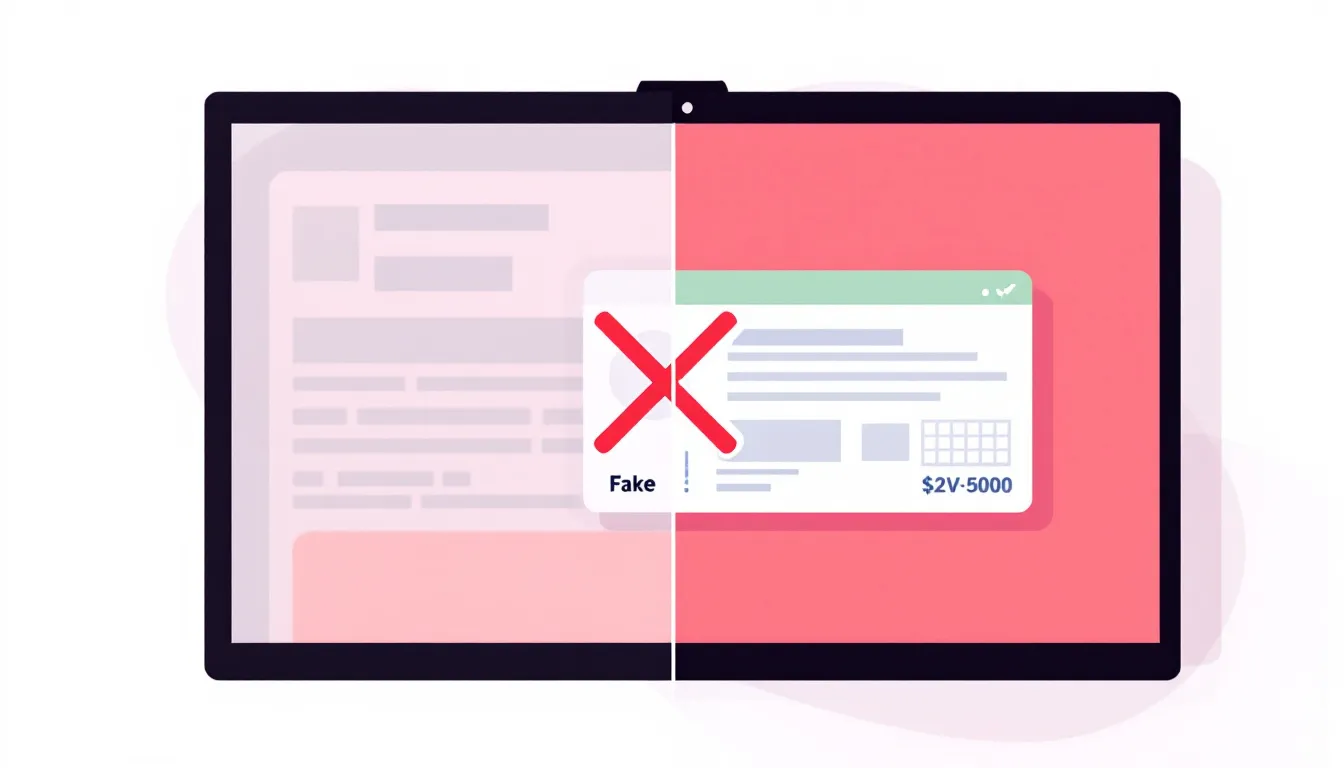
Two PDFs can look similar on the screen but behave very differently when checked. One is backed by a live reservation. The other is just a design.
Why Not All Dummy Tickets Are the Same
Some services create a reservation through airline or agency booking channels. Others only generate a mock itinerary. The first may be useful for visa documentation if the details are correct and the record remains active. The second can create credibility problems because the booking reference cannot be found.
| Feature | Verifiable reservation | Fake or weak document |
|---|---|---|
| Booking reference | Can retrieve through the correct channel while active | Returns no record or unrelated details |
| Passenger name | Matches passport spelling | Has spelling, order or surname errors |
| Route | Uses plausible flight segments | Shows impossible, retired or mismatched flights |
| Dates | Match the visa form and supporting documents | Conflict with hotels, insurance or cover letter |
| Use case | Visa documentation only | Often pretends to be a paid boarding ticket |
Features of a Verifiable Dummy Ticket
- Passenger name matches the passport.
- Travel dates match the application form.
- Route is realistic for the trip purpose.
- Booking reference or PNR is provided where applicable.
- Reservation is current at the point of submission or review.
- Document wording does not falsely claim the ticket is paid if it is only a reservation.
Red Flags That Signal a Fake Ticket
- The provider guarantees visa approval.
- The PNR never retrieves through any explained channel.
- The flight number does not exist for that route or date.
- The document includes airline branding but no real booking trail.
- The PDF contains inconsistent fonts, dates or passenger details.
- The provider refuses to correct obvious name or date mistakes.
How the Verification Process Actually Works
Verification does not always mean one officer calling one airline for every application. It can be much simpler. Often the first check is consistency: do the travel dates match the form, hotel booking, insurance and cover letter? A deeper check happens when the file needs more scrutiny or the document looks unusual.
Embassy and Consulate Checks
Embassies and consulates may check whether the travel plan is plausible. For example, a Schengen-style review may compare entry and exit dates with hotel and insurance proof. A UK-style review may care more about whether the trip length fits the stated purpose and finances. A Japan or Korea file may be checked against a day-by-day plan.
That means verification is not only technical. Even a real PNR can hurt the file if the dates contradict your own documents. The strongest reservation is both retrievable and consistent.
Airline and Immigration Verification
Airlines can search reservation systems by booking reference and surname. IATA’s passenger-data material explains that PNR data can include booking details such as name, itinerary and ticket indicators. Governments may also use passenger information systems in specific travel contexts. For visa-documentation purposes, the key lesson is simple: real booking data matters more than PDF appearance.
Real-Life Scenarios Where Verification Happens
- A visa centre notices the flight date does not match the application form.
- An embassy asks for updated travel proof after a processing delay.
- An airline website shows no record because the hold expired.
- A codeshare booking needs the operating airline locator instead of the marketing carrier code.
- A family file has one passenger name entered differently from the passport.
When Online Lookup Fails but the Booking May Still Exist
A failed website lookup is a warning, but not always the final answer. Some agency-created bookings do not display cleanly on every airline site. Codeshares can have separate locators. Surname order can differ. If lookup fails, ask the provider for the correct verification method and recheck before submission.
Document Consistency vs PNR Verification
There are two different checks applicants often mix together. The first is a consistency check. A reviewer looks at your flight reservation, hotel booking, insurance, invitation and application form to see whether they describe the same trip. The second is a technical check. Someone attempts to retrieve the booking record using the PNR, surname or the provider’s stated lookup path.
A strong dummy ticket should pass both. If the PNR retrieves but the hotel starts two days later, the file still looks messy. If the dates match but the PNR is invented, the document still creates risk. Treat verification as a two-layer test: the record must exist, and the story must make sense.
Why Verification Is a Critical Step in Visa Applications
Verification matters because the flight reservation is part of your credibility. It tells the reviewer what you intend to do, when you plan to arrive, when you plan to leave and whether the trip has a coherent shape.
Proof of Genuine Travel Intent
A reservation helps show travel intent when it fits the purpose of the visa. It should not look exaggerated or forced. A short family visit should have a reasonable return date. A business trip should match meeting dates. A student trip should align with course or orientation timing.
Risk Management for Both Sides
Applicants use reservations to avoid paying full airfare too early. Reviewers use travel evidence to understand the plan. A verifiable reservation sits between those needs: it gives a clear itinerary without turning the visa application into a high-risk purchase.
Avoiding Embarrassing Setbacks
The most painful problems are avoidable. An expired PNR, misspelled surname or mismatched return date can trigger a follow-up even when the applicant is genuine. A two-minute check before submission often prevents a week of delay later.
The Risks of Submitting Fake or Invalid Documents
Submitting fake or invalid travel proof is not a harmless shortcut. The consequence depends on the country, visa type and facts of the case, but the credibility risk is real.
Visa Refusal Risk
If a document appears false, inconsistent or unverifiable, the application may face refusal or additional scrutiny. Even when the flight evidence is not the main decision factor, it can damage trust in the rest of the file.
Document Request and Delay Risk
Sometimes the result is not immediate refusal but a request for fresh proof. That still costs time, especially when appointment dates, hotels and insurance have to be refreshed together. A weak reservation can create rework that a clean one would have avoided.
Long-Term Credibility Risk
Visa histories matter. If an authority records concern about documents, future applications may become more complicated. Do not risk long-term credibility for a cheap PDF that cannot retrieve.
Boarding and Travel Risk
A verified reservation for visa purposes is still not a boarding ticket. Trying to travel with it can lead to denied check-in, missed flights and other serious travel problems. After visa approval, buy the real ticket that fits your approved dates and entry rules.
Ensuring Your Dummy Ticket Passes Verification
The best verification strategy is simple: create the reservation at the right time, check it yourself and make every supporting document tell the same story.
The Key: a Real Reservation With a PNR
A PNR is useful only if it points to a booking record that can be checked while active. If the provider gives retrieval instructions, follow them before submitting. If the reservation has a short validity window, do not create it weeks before your appointment unless refresh support is available.
What a Traveler Should Look For
- Passport name appears correctly.
- Route matches the destination and purpose.
- Dates match the visa form and cover letter.
- Hotel and insurance dates fit the same window.
- PNR or booking reference retrieves through the stated method.
- Old PDF versions are removed before upload.
How Long Are Dummy Reservations Valid?
Validity depends on the airline, route, fare rule, agency process and provider. Some holds are short. Others last longer. The safe rule is to create or refresh the reservation close enough to the submission or review point that the record is still current when it may be checked.
If Your Details Change Before Submission
If your appointment moves or your travel dates change, do not update only the flight PDF. Check every document that mentions dates: application form, cover letter, hotel booking, insurance, invitation letter and leave approval. The refresh should restore consistency, not create another version of the trip.
Refresh Timing for Verification Windows
Timing matters because a reservation can be genuine today and expired when someone checks it later. If your appointment is tomorrow, a short reservation may be enough. If your file is uploaded online, reviewed days later or likely to receive a document request, choose a reservation window or refresh option that covers the actual review moment.
- For fixed in-person appointments, create the reservation close to the visit.
- For online uploads, allow enough time for delayed review.
- For family files, align the reservation to the slowest document in the group.
- For changed dates, refresh the whole travel window rather than only replacing the PDF.
DummyFlights.com: Realistic, Verifiable Flight Reservations
DummyFlights.com can help when you need a temporary flight reservation for visa documentation instead of buying full airfare before a decision. The best use is disciplined: order after your travel window is stable, review the output and submit one final version.
What You Should Expect
- A readable visa-purpose flight reservation PDF.
- Passenger and route details that can be checked for consistency.
- A booking reference or reservation detail appropriate to the selected service.
- Support path for correcting names, dates or route details before submission.
- A document that should be used for visa proof, not boarding.
A Cleaner Workflow
- Lock your visa travel window first.
- Order the reservation with passport-accurate details.
- Verify the booking details while active.
- Compare the PDF with hotels, insurance and application forms.
- Submit only one clean version.
Need a verifiable dummy ticket for a visa file? Keep your route realistic, check the PNR while active and make sure every document supports the same travel window.
Bottom Line: Verification Is About the Record, Not the Nickname
A dummy ticket can be verified when it is a genuine temporary reservation with a retrievable booking record. It becomes risky when it is only a static or edited document with no active reservation behind it.
The strongest approach is not complicated. Use accurate passenger details. Choose realistic dates and routes. Verify the booking while it is active. Keep hotels, insurance, cover letters and forms aligned. Never use a visa-purpose reservation for boarding. After approval, buy the real ticket that matches your final travel plan.
If the ticket can be checked and the story stays consistent, the reservation supports the file. If the code fails, dates drift or claims are exaggerated, the document becomes a liability.
Can Dummy Ticket Be Verified: FAQs
Can a dummy ticket be verified?
Yes, a genuine dummy ticket or temporary flight reservation can be verified while the booking record remains active. Verification usually depends on whether the PNR or booking reference retrieves the same passenger name, route and dates.
How do embassies verify a dummy ticket?
Embassies or visa centres may compare the itinerary with the application file, check the PNR, request updated travel proof or review the booking through available reservation channels. Not every application is manually checked.
How do I verify my dummy ticket myself?
Use the retrieval method provided with the reservation, such as airline manage booking, surname plus booking reference, provider support or the correct operating-carrier lookup path. Then compare the details with your visa documents.
What makes a dummy ticket verifiable?
A verifiable dummy ticket has a real booking record, correct passenger details, plausible flight segments, matching dates and a reference that can be checked while the reservation remains active.
What is the difference between a fake ticket and a verifiable dummy ticket?
A fake ticket is usually an edited or invented document with no active booking behind it. A verifiable dummy ticket is a temporary reservation created through a booking process and matched to real itinerary details.
Can a dummy ticket expire before the embassy checks it?
Yes. Temporary reservations can expire. If the review or appointment moves, refresh the reservation and make sure all date-related documents still match.
Does a verified dummy ticket guarantee visa approval?
No. A verified flight reservation only supports the travel-plan part of the application. Visa outcomes can also depend on funds, ties, purpose, accommodation, travel history and overall credibility.
Can I use a verified dummy ticket for boarding?
No. A visa-purpose dummy ticket is not a boarding document. Before travelling, you need an issued ticket and the required visas, transit permission and entry documents.
What should I do if the PNR is not found?
Check the surname format, operating airline, booking reference and expiry. If it still does not retrieve, contact the provider before submission or refresh the reservation.
Is it risky to submit a non-verifiable dummy ticket?
Yes. A non-verifiable or fake document can create credibility problems, document requests, delays or refusal risk depending on the case and authority.
Important disclaimer: This guide is general visa-documentation information, not legal advice. Verification practices, reservation visibility, visa requirements and document-review standards vary by airline, booking channel, destination, consulate, visa centre and traveler profile. Always follow the latest official checklist and use accurate, truthful documents.
Related Posts

Dummy Ticket When Another Airline Operates the Flight
12 Oct, 26
Order a Dummy Ticket Online
12 Oct, 26
Buy Dummy Ticket for Visa: What To Check Before Paying
12 Oct, 26
How Do Airlines Check Dummy Tickets?
12 Oct, 26
Why Embassies Request Flight Proof for Visa Applications
12 Oct, 26
Dummy Ticket Validity for Visa Applicants in India
12 Oct, 26
Dummy Flight Ticket After a Flight Number Change
11 Oct, 26
Dummy Booking During a Daylight-Saving Time Change
11 Oct, 26
Dummy Ticket Across the International Date Line
11 Oct, 26
Onward Ticket for a Flight After Midnight
11 Oct, 26