
Schengen Dummy Ticket Order: Build a Clean Visa Itinerary Sequence
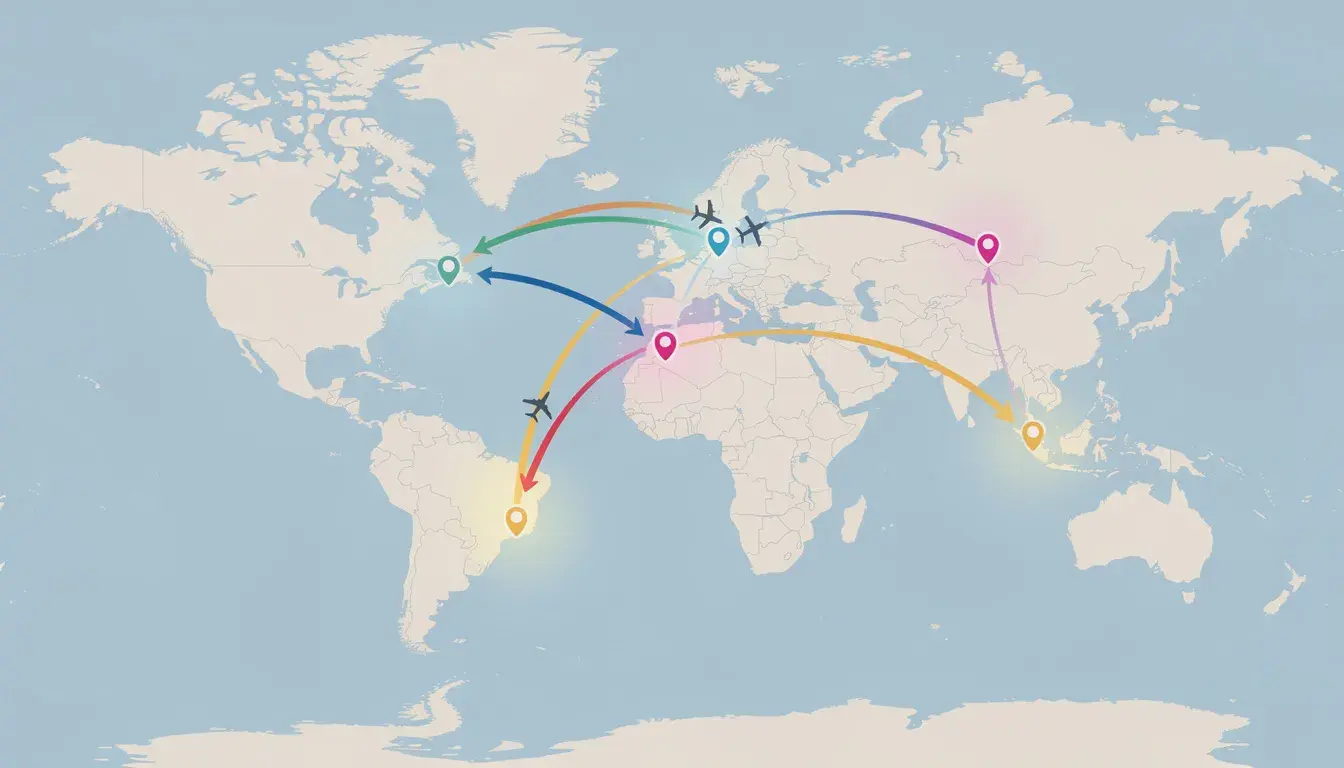
Your Schengen file is read like a timeline. If the ticket order looks random, the officer has to guess whether Paris is the real destination, whether Rome is only a side trip, whether the return flight belongs to the same journey, or whether you accidentally submitted pieces from two different plans. That doubt is the danger. The point of this guide is to make the sequence obvious before anyone has to ask.
This page owns one narrow problem: how to arrange a dummy ticket, dummy flight ticket or onward ticket sequence for a Schengen application. It does not repeat the broad definition of a dummy ticket, and it does not try to replace the country checklist. It shows you how to make your travel proof look coherent when your trip includes first-entry rules, main-destination logic, open-jaw travel, internal Schengen movement or a final onward exit.
In This Guide
- Official-source check
- Why Schengen itinerary order matters
- Build the trip story before creating the ticket
- The exact order your Schengen dummy ticket should show
- Main destination, first entry and consulate logic
- Route patterns that look clean or risky
- Timing, validity and date-refresh rules
- PDF packaging and verification details
- Order mistakes that quietly weaken a visa file
- FAQs about Schengen dummy ticket order
Why Schengen Itinerary Order Matters More Than Most Applicants Think
A Schengen visa application is not judged by whether your ticket “looks busy.” It is judged by whether the travel proof makes the officer’s job easier. The route needs to answer three questions fast: where do you enter the Schengen area, where is the main stay, and how do you leave? If those answers are buried under confusing flight segments, duplicated dates or missing internal movement, the file starts to feel weaker even when the applicant has honest intentions.
The most dangerous mistake is submitting a ticket sequence that technically includes an entry and exit, but does not explain the trip. Example: you apply through France because you will spend six nights in Paris, but your dummy ticket shows India to Amsterdam, then Madrid to India, with no Paris movement anywhere. The officer can still understand that you may travel inside Schengen by train, but the submitted proof forces them to infer too much. Better order would show the first-entry flight, the main-destination connection or clear hotel sequence, then the final exit.
Schengen is different from a single-country tourist visa because one visa can cover several countries. That flexibility is useful, but it also means your travel proof must clarify the logic. A clean dummy ticket order can support a Paris-first trip, a Spain-France-Italy route, a Zurich open-jaw arrival, or a Rome exit after several countries. A messy order makes the same trip look like a half-built document pile.
Build The Schengen Trip Story Before You Touch Any Reservation
Do not begin by picking random cheap flights. Start with the story your documents must tell. The “story” is not fictional; it is the simple chronology of your intended trip. Once that story is clean, the dummy ticket can be created around it.

Use this order before generating the document:
- Decide the real purpose of the trip: tourism, business, family visit, event, study visit or transit.
- Pick the country where you spend the longest time, because that often controls the main-destination logic.
- Confirm the first Schengen country you physically enter.
- Match accommodation nights to the country sequence.
- Match travel insurance to cover the full Schengen stay, not only the first country.
- Choose whether you return home or exit onward to a third country.
- Only then create the dummy ticket order.
This sequence prevents the classic “ticket first, explanation later” trap. Applicants often book or generate a route because it looks cheaper or simpler, then later discover that the hotel file, invitation letter, leave letter and cover letter point somewhere else. When that happens, editing one PDF is not enough; the whole visa story starts fighting itself.
The Exact Order Your Schengen Dummy Ticket Should Show
The safest dummy ticket sequence follows the calendar, not the cheapest-search result. Your PDF should make the trip readable from top to bottom. If the document includes multiple segments, each segment should move the applicant closer through the intended journey.
| Sequence | What it should show | Why it matters |
|---|---|---|
| 1. Departure from home/residence country | Your departure city to the first Schengen entry airport. | Confirms where the Schengen journey starts and whether the first entry is realistic. |
| 2. First Schengen entry | The airport where you first cross into the Schengen area. | Helps officers compare route logic with the consulate and form. |
| 3. Internal movement if relevant | Flight, train, bus or explained self-transfer between Schengen countries. | Prevents a missing bridge between hotel blocks and country stays. |
| 4. Main destination stay | The country or city where you spend most nights or the main trip purpose occurs. | Supports the embassy/consulate choice. |
| 5. Final exit or onward leg | Return to home country or onward ticket to a country you can enter. | Shows intention to leave the Schengen area before the visa period ends. |
For a simple single-country trip, the order is easy: home country to Paris, Paris to home country. For a multi-country trip, the order must show how the pieces connect. If you fly Mumbai–Paris, stay five nights in France, take a train to Switzerland, then fly Zurich–Mumbai, your dummy ticket should not only show Mumbai–Paris and Zurich–Mumbai while the rest of the file is silent. Add the internal bridge in the itinerary explanation or supporting plan so the route does not look like two disconnected flights.
Main Destination, First Entry And Consulate Logic
Schengen route order becomes sensitive when the first entry country is not the same as the country handling your application. That is not automatically wrong. Many real trips enter one Schengen country first and spend more time in another. The risk appears when the documents do not explain why.
Use this practical rule: the ticket order should make your consulate choice feel natural. If France is your main destination, the travel proof should clearly lead toward France, keep France as the longest or main-purpose stay, and then show a clean exit. If Germany is only a transit stop, do not let the dummy ticket and hotel order make Germany look like the trip’s center.
Examples:
- Clean: Delhi → Paris, Paris hotel for seven nights, Paris → Delhi.
- Clean multi-country: Delhi → Paris, Paris five nights, Paris → Rome, Rome three nights, Rome → Delhi.
- Needs explanation: Delhi → Amsterdam, France hotel for six nights, Rome → Delhi, no Amsterdam-to-France bridge.
- Risky: applying through France while the only flight and hotel proof points to Spain.
The winning document does not over-explain. It simply removes the obvious questions before they appear.
Schengen Route Patterns That Look Clean Or Risky
Different Schengen travel styles need different dummy ticket order. Treating every applicant as a neat round-trip traveler is lazy. The better approach is to choose the route structure that matches the actual plan.

Round-trip Schengen route
This is the easiest to read: home country to Schengen city, then the same Schengen city back home. It works well for short tourist trips, family visits and first-time applicants when the accommodation is also simple. The weakness is that it can look artificial if the hotel plan shows several countries but the ticket never explains movement.
Open-jaw Schengen route
An open-jaw route enters through one city and exits through another, such as Manila → Paris and Rome → Manila. This can look strong if the trip is naturally multi-city. The sequence should show the internal travel plan clearly enough that Paris to Rome does not feel like a missing chapter.
Hub-and-spoke route
This route uses one main city as a base with side trips. It can work when accommodation and cover-letter logic make the base obvious. For example, Paris as the main stay with a short Amsterdam side trip can be credible. But if every side trip looks equal, the consulate choice may become blurry.
Non-Schengen side trip
If you leave Schengen during the trip and re-enter, the sequence must be extra clean. You need to show exit, onward entry permission where relevant, re-entry plan and final Schengen departure. This is not the place for vague screenshots. Multiple-entry needs should match the visa request and travel explanation.
Onward-ticket exit
Some travelers do not return home directly. They leave Schengen for another country. That can be acceptable when the onward country is realistic and you can enter it. The dummy ticket should show a believable Schengen exit, not a random third-country flight that creates new doubt.
Timing, Validity And Date-Refresh Rules
A Schengen dummy ticket can fail quietly if it is created too early and then expires before the appointment or review. The route order may be perfect, but if the record is stale, dates are inconsistent or the PDF no longer matches the submitted form, the file loses strength.
The practical timing window is simple: build the story early, but create or refresh the dummy ticket close enough to submission that the document still reflects the actual appointment plan. If your VFS/consulate appointment moves, do not randomly change only the flight PDF. Update the whole document set: visa form dates, hotel dates, insurance, leave letter, cover letter and itinerary order.
If you need the broader timing and document strategy, the Dummy Ticket for Visa 2026 complete guide explains when a reservation helps, when it should be refreshed and why buying a final non-refundable ticket before a visa result can be an expensive mistake. Use that guide for the full workflow; use this page for the Schengen order logic.
PDF Packaging And Verification Details
The order inside the PDF should be as clean as the order in your head. A professional-looking document can still be weak if the route lines are scattered, the passenger name is inconsistent or the final exit is hard to locate.
For Schengen use, a strong dummy ticket PDF should include:
- Passenger name matching the passport spelling.
- Route from departure country to first Schengen entry.
- Travel dates matching the visa form and accommodation file.
- Flight numbers and airline details where applicable.
- Booking reference or PNR when the reservation is issued with one.
- Final Schengen exit or onward leg.
- No duplicate route version inside the same file.
This is where a proper dummy ticket for visa differs from a random edited PDF. The goal is not to decorate a document with airline logos. The goal is to submit a route record that can be read quickly, checked consistently and compared against the rest of the file without drama.
Order Mistakes That Quietly Weaken A Schengen Visa File
Many Schengen itinerary problems are not dramatic. They are small gaps that make the file feel unfinished. Fix them before submission.

Mistake 1: The final exit is missing
A Schengen file should show how you leave the area. If the route only shows entry, the officer may have to rely on statements elsewhere. That is weaker than a clean return or onward segment.
Mistake 2: Hotels and ticket order tell different trips
If the dummy ticket says Milan first but hotels begin in Lisbon, explain the bridge or change the order. Otherwise the file looks assembled from unrelated pieces.
Mistake 3: Main destination is hidden
If the country receiving the application is not clearly the main stay, the file may appear to be filed at the wrong consulate. The route order should support the consulate choice, not fight it.
Mistake 4: Same-day timing is impossible
Do not create a route where a late arrival, airport transfer and far-away hotel check-in all happen unrealistically. Visa officers may not audit every connection, but obvious timing gaps weaken trust.
Mistake 5: Transit is mistaken for destination
If you transit through a country, make that clear. Do not let a layover airport appear as your main Schengen destination if you never actually stay there.
Mistake 6: Too many documents say the same thing differently
One clean itinerary beats five competing PDFs. If you update your route, remove outdated versions from the submission folder.

Where Normal Schengen Dummy Ticket Order Can Backfire
Normal order works for normal trips. But a few Schengen cases need extra care.
Multiple-entry Schengen plans
If you plan to enter, leave and re-enter Schengen, the ticket order must justify why the visa should allow that pattern. Do not submit a single-entry-looking route while asking for a multiple-entry visa unless other documents explain the need.
Business trips with event dates
For business travel, the ticket sequence should orbit the meeting, conference or invitation date. A flight arriving after the event starts is an obvious credibility problem.
Family visits
For family visits, the host address, invitation dates and ticket dates should line up. If you spend part of the trip with family and part in hotels, show the split cleanly.
Students and long-stay-adjacent travel
If the journey connects to admission, enrollment or a longer stay plan, do not force a tourist-style round trip unless the checklist asks for it. The route should match the visa category and stay permission.
Onward travel after Schengen
An onward ticket can be useful when you leave Schengen for another country rather than returning home. The key is that the onward country must make sense. A route to a country where you have no entry permission or travel reason can create a new problem.
If you are new to the document type itself, read what is a dummy ticket before choosing a route. That page explains the difference between a temporary reservation, an actual paid ticket and a fake document. For this Schengen order guide, the assumption is that you already know why you need the proof and now want the sequence to survive scrutiny.
Final Schengen Dummy Ticket Order Checklist
Before uploading or printing the document, check the route like an officer would read it:
- Does the first flight show the first Schengen entry clearly?
- Does the country receiving the application make sense as the main destination?
- Do hotels, insurance and form dates match the ticket sequence?
- Is there a final exit from Schengen?
- Are internal movements explained where needed?
- Are passenger names identical to the passport?
- Is there only one current version of the itinerary?
- Is the route realistic for the length and purpose of the trip?
The best Schengen dummy ticket order is not the most complicated one. It is the one that makes the application feel calm, complete and easy to verify. That is how you compete: not by throwing more words at the file, but by removing every reason for doubt.
FAQs About Schengen Dummy Ticket Order
What order should a Schengen dummy ticket show?
It should normally show departure from your home or residence country, first Schengen entry, internal movement if relevant, main destination stay and final Schengen exit or onward travel.
Should the first Schengen country match the consulate?
Not always. The consulate usually depends on main destination logic, not only first entry. But if first entry and main destination differ, your itinerary should clearly explain the connection.
Can I enter one Schengen country and leave from another?
Yes, an open-jaw route can be valid when it matches the trip plan. The internal route, accommodation and cover letter should show how you move between the entry and exit countries.
Should hotel dates match dummy ticket dates?
Yes. Hotel or accommodation dates should align with arrival, internal movement and departure dates. Small transit gaps should be explained instead of left unclear.
Can I use an onward ticket instead of a return ticket for Schengen?
An onward ticket can support an exit plan when you leave Schengen for another country, but the destination must be realistic and you should be eligible to enter it.
When should I create or refresh a Schengen dummy ticket?
Create the route logic early, then issue or refresh the dummy ticket close to the appointment so dates and booking details still match the submitted file.
Is one PDF better than separate screenshots?
Usually yes. A clean PDF with the full route sequence is easier to read than scattered screenshots, especially when the trip includes multiple cities or an open-jaw exit.
What makes a Schengen itinerary order look suspicious?
Missing exit proof, hotel-date mismatch, hidden main destination, impossible connection timing, unexplained non-Schengen side trips and multiple competing itinerary versions are common red flags.
Ready To Build A Clean Schengen Dummy Ticket?
Do not let a messy route order weaken an otherwise strong visa file. Create a dummy ticket sequence that shows entry, main stay and exit clearly before you submit.
Get Your Schengen Dummy TicketRelated Posts

Dummy Ticket When Another Airline Operates the Flight
12 Oct, 26
Order a Dummy Ticket Online
12 Oct, 26
Buy Dummy Ticket for Visa: What To Check Before Paying
12 Oct, 26
How Do Airlines Check Dummy Tickets?
12 Oct, 26
Why Embassies Request Flight Proof for Visa Applications
12 Oct, 26
Dummy Ticket Validity for Visa Applicants in India
12 Oct, 26
Dummy Flight Ticket After a Flight Number Change
11 Oct, 26
Dummy Booking During a Daylight-Saving Time Change
11 Oct, 26
Dummy Ticket Across the International Date Line
11 Oct, 26
Onward Ticket for a Flight After Midnight
11 Oct, 26