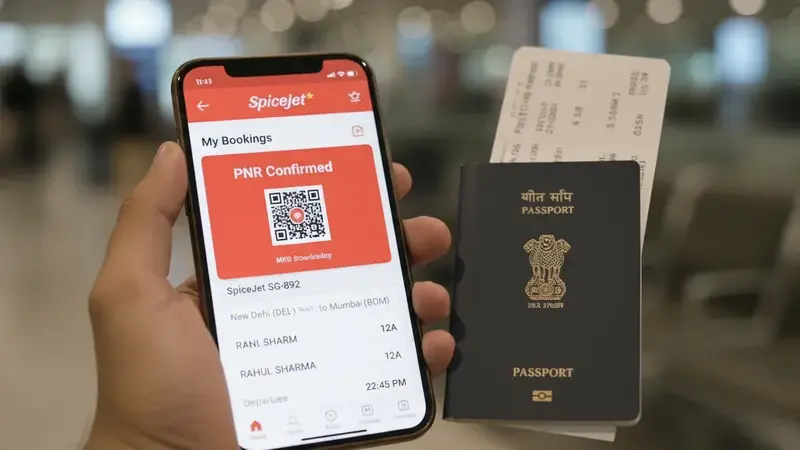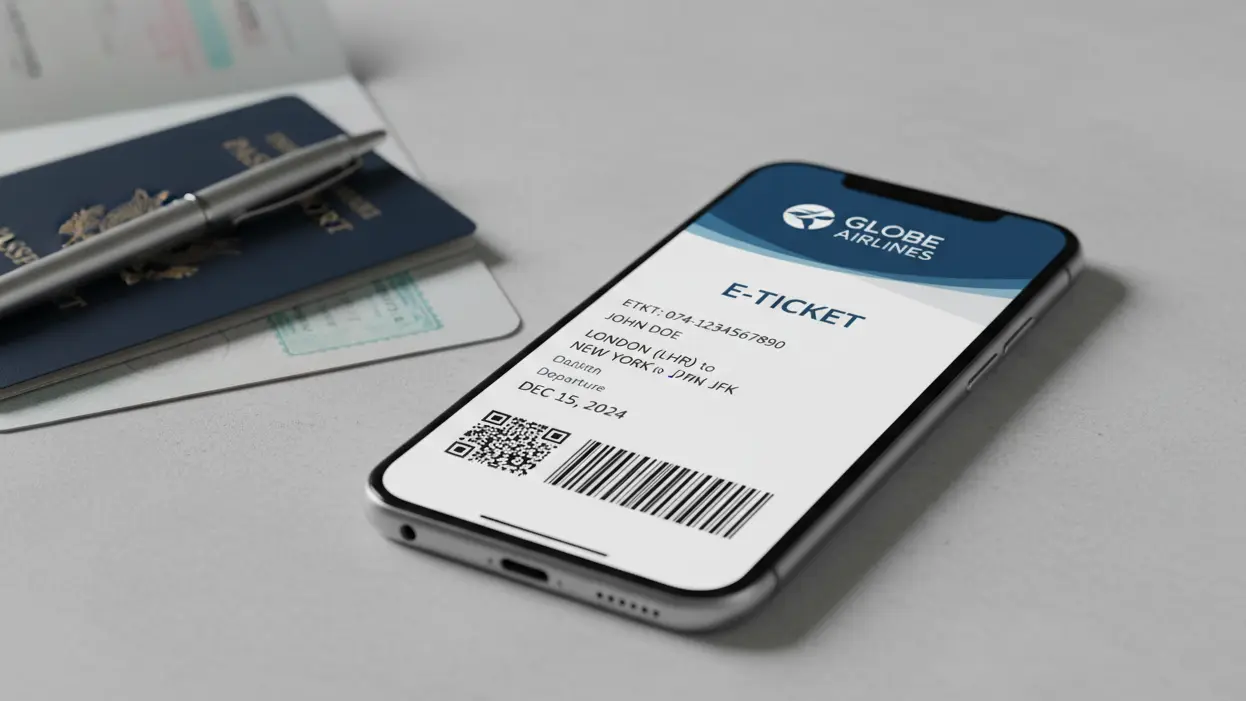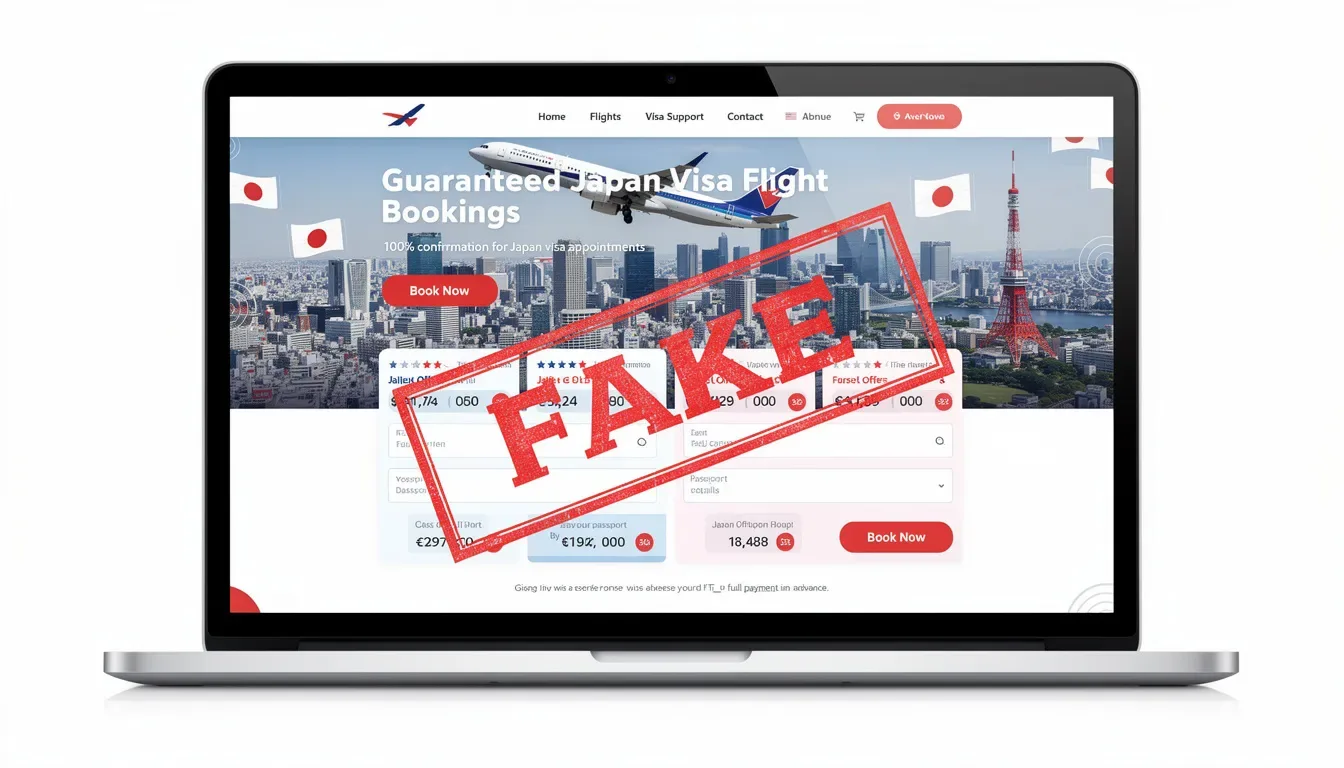
That “instant flight itinerary PDF” you found for your Japan visa can look perfect right up until someone tries to verify it. Some fake booking sites are built for one job: take your payment, generate a believable document, and disappear when you need a change, an extension, a receipt, or proof that the booking exists.
Japan visa prep runs on deadlines. One missing flight itinerary can turn a calm checklist into a late-night scramble, and fake booking websites monetize that exact moment. They know applicants are stressed, they know appointment dates feel urgent, and they know many travelers are not sure whether a visa file needs a paid ticket, a reservation, an itinerary, or a temporary proof of travel.
In this guide, we’ll show you how to spot Japan-visa-focused booking scams fast, verify an itinerary before you submit it, and choose the safest path based on your timeline and risk tolerance. The goal is not a pretty PDF. It is an application packet that still makes sense if someone checks the route, dates, passenger name, payment trail, or replacement version later.
- A polished PDF is not enough; the itinerary must match your forms, passport name, route and travel dates.
- Fake sellers often use urgency, “confirmed booking” language, fake countdowns and chat-only support to control the payment.
- PNR-shaped text is not proof by itself. Look for stable booking details, a clear reissue process and a proper receipt.
- Japan visa documents vary by consulate and applicant type, so follow the official checklist for your submission location.
- If a site asks for unusual data, off-platform payment or software downloads, treat it as both a booking risk and a security risk.
Need a Japan visa itinerary without gambling on a random PDF seller? Create a clean dummy ticket with DummyFlights and keep your route, dates and passenger details aligned before upload.
Create Your Dummy Ticket- Why Japan visa applicants get targeted
- Fake visa portals vs fake booking sellers
- Red flags specific to flight-itinerary sellers
- The 12-minute verification workflow
- Safer ways to get a Japan-ready itinerary
- Phishing, payment and device-risk checks
- What to do when things go sideways
- No-panic replacement plan
- FAQ
Official-source check: Japan’s Ministry of Foreign Affairs says visa requirements can vary by local situation and purpose of visit, and points applicants to the diplomatic mission where they will submit. MOFA also provides downloadable visa application documents including an itinerary in Japan. VFS Global’s anti-fraud guidance warns applicants about fake websites, third-party entities, upfront payment requests through email/SMS/calls, and claims of special access or influence. Japan’s National Police Agency warns that fake shopping/scam sites may take payment without delivering what was promised, and advises victims to contact the credit card company, change reused passwords, preserve URLs/screenshots/messages and consult police or cybercrime channels. Sources: Japan MOFA visa guidance, VFS Global anti-fraud guidance, VFS Japan appointment-fraud warning, Japan NPA fake-site guidance and Japan NPA phishing guidance.
Reviewed for: Japan visa document wording, fake booking-site risk, PNR terminology, payment-trail clarity, phishing safety, route-date consistency, replacement-itinerary logic and claim safety.
Why Japan Visa Applicants Get Targeted By Instant Booking PDF Scams
Japan visa applicants are attractive targets because the search intent is urgent and specific. Someone searching for a Japan visa itinerary is usually close to submitting documents. They may already have an appointment, a hotel booking, a leave letter, a draft itinerary and a checklist open in another browser tab. A scammer does not need to educate that person from zero. The scammer only needs to exploit the final missing document.
That is why fake booking websites often look like they were designed for the exact moment of panic. The headline promises instant delivery. The page says the document is accepted by embassies. The timer suggests seats or appointment windows are running out. The chat agent tells you that Japan needs “confirmed flights,” even when the real issue is usually whether your travel proof is coherent, current and consistent with the rest of your file.
A good Japan visa itinerary does not need theatrical urgency. It needs a route that makes sense, dates that match your stated plan, passenger details that mirror your passport, and a support process if your appointment or travel window moves.
The Two Scams That Often Get Mixed Together: Fake Visa Portals Vs Fake Bookings
One scam pretends to be the way you apply. The other pretends to be the flight itinerary you attach. Together, this creates a funnel from “visa help” to “pay for an itinerary” before you have time to sanity-check anything.
The pattern is usually simple:
- A lookalike “Japan visa” page appears in ads, social posts, forums or short-form videos.
- After you enter dates, the page warns that your file is “incomplete” without an itinerary.
- You get redirected to a “booking partner” that sells an instant PDF with a countdown timer.
- Support pushes you off-site to WhatsApp, Telegram or email so you stop comparing options.
- Once the site controls the conversation, extra charges appear for name fixes, extensions, reissues or “activation.”
The applicant thinks they are solving a visa-document problem. In reality, the seller has moved them into a high-pressure payment funnel. That is why the first safety rule is simple: treat the website like a financial transaction before you treat the PDF like a travel document.
The Looks-Legit Playbook: How These Sites Manufacture Trust
Japan-related searches attract applicants who are ready to act. Scam sites copy official-sounding language and add travel jargon that feels operational. The site may not look cheap. Some are polished, fast and convincing on mobile.
Credibility props that show up often with Japan visa targeting include:
- “For consulate use” phrasing and “visa-compliant itinerary” badges.
- A polished dashboard screenshot that never shows real verification steps.
- Reviews that read the same across multiple pages.
- A chat agent who avoids specifics but insists you must buy today.
- Claims that they have “inside approval” or “official partner” access without proof.
- Landing pages that copy embassy-style language but avoid naming a real issuing business.
Legit services make it clear what you are buying, who issued the itinerary, how you receive the PDF, what happens if your dates change, and how support works. Scam sites make you feel rushed and dependent.
Red Flags That Are Specific To Fake Flight-Itinerary Sellers
A fake itinerary seller does not fail on design. A fake itinerary seller fails when you ask for anything that requires a real booking process.
Watch for these flight-specific signals:
- A PNR is promised, but no clear way exists for you to confirm or use it without the seller’s help.
- “Free date changes within the same day of booking” exists as a slogan, not a workflow with steps and turnaround time.
- Payment hides the merchant identity or steers you toward irreversible methods.
- No clear answer exists for what happens if you need the same routing reissued after an appointment shift.
- The seller uses “confirmed ticket,” “reserved ticket,” “dummy booking” and “flight itinerary” as if they are identical.
- The PDF shows airline-looking details, but support cannot explain passenger format, route logic or reissue rules.
If the seller cannot describe the change process, assume the PDF is static and fragile. Static documents are risky when your Japan appointment date, leave approval, hotel stay or travel window changes.
The Moment It Breaks: What Verification Attempts Usually Reveal
Most applicants discover the problem when a small, normal update becomes necessary: adjust dates, correct a name format, align the itinerary with an updated appointment slot, or replace a file after the first version expires.
Common break points in Japan visa timelines include:
- A date-change request triggers a new fee plus vague delays.
- “Verification” only works on the seller’s own page, not through any independent or meaningful check.
- A reissued PDF returns with mismatched details, like different routing or a new format that no longer matches the file.
- The PNR changes every time the PDF is reissued, even though the seller promised the same booking identity.
- Support disappears once you ask for a correction close to your appointment.
Even without a live verification step, inconsistency invites questions. Japan applications often rely on internal consistency across forms, trip dates, accommodation, itinerary and supporting documents. A fake-looking or unstable flight PDF can weaken a file that otherwise looks prepared.
Remote Access Trojans And Phishing Campaigns: Scenarios To Watch
Some fake booking websites are not only selling bad PDFs. They are also fishing for payment details, account access or device control. That is why you should treat strange checkout flows, file downloads and login prompts seriously.
Watch for these scenarios:
- You search “Japan visa itinerary required,” click a sponsored link, and land on a page that looks like an application portal. The page routes you to a paid “partner itinerary.”
- You get contacted after an online comment, and a “visa helper” insists Japan needs confirmed flights, then sends a checkout link.
- An applicant in Delhi, Manila, Dubai or Singapore with an early appointment gets pushed into a same-day itinerary purchase, plus an extra charge if the appointment moves.
- A site asks you to download software, an installer or a “viewer” before you can see the itinerary.
- An email claims your Japan appointment will be canceled unless you pay for “document validation” through a private link.
Those are not normal travel-document steps. They are pressure points. If a booking seller turns a simple itinerary into account access, odd downloads or payment outside the original website, stop and verify before continuing.

The 12-Minute Verification Workflow Before You Submit Anything
A flight itinerary for a Japan visa should behave like a real booking document, not just look like one. This workflow helps you test the basics quickly without guessing what any specific consulate will do.
You are not trying to prove that a document guarantees approval. No itinerary can do that. You are trying to reduce avoidable risk before the PDF becomes part of your official visa packet.
Step 1: Treat The Website Like A Financial Transaction
Start with the part scammers cannot fake for long: the payment and merchant trail. A site that hides who gets paid is already asking for trust it has not earned.
Check these before you even look at the PDF:
- Merchant identity: checkout should show a real business name, not a generic or suspicious processor label.
- Receipts: you should receive a proper receipt email with an order reference and clear service description.
- Contact clarity: a real operator gives you a stable support channel and response expectation, not “message us on chat only.”
- Terms: you do not need generous refunds, but the terms should match reality and not contradict the sales page.
- Payment method: be cautious with personal bank transfers, gift-card-style payments, crypto requests or payment links sent only through chat.
If the site pushes you to pay first and “see details later,” treat that as a risk signal. A real service can explain what you will receive before it asks for money.
Step 2: Validate The Booking Logic, Not The Design
A fake itinerary is often visually convincing. The weak point is internal logic. This is where a pretty PDF starts to show whether it was created as travel proof or assembled from a generic template.
Run these consistency checks:
- Route realism: does the routing look like something a booking system would actually produce for your dates?
- Timing logic: are departure and arrival times plausible across time zones?
- Passenger formatting: does the name field follow airline-style formatting, or does it look like a casual form output?
- Fare behavior: if the itinerary claims a specific fare class or special condition, does that remain consistent across reissue?
- Airport logic: are the airport names and codes correct for the city shown in your Japan plan?
You are not trying to make the document perfect. You are trying to spot the tells of a document assembled from a template. If the seller cannot answer basic route and timing questions, the design does not matter.
Step 3: Verifiable In Plain English
For Japan visa paperwork, “verifiable” means you are not dependent on the seller’s chat agent to explain every detail. The document should contain a stable set of passenger, route, date and booking details that remain consistent across communication and PDF versions.
You should be able to do at least one of these without back-and-forth:
- Receive a PNR and passenger details that remain consistent across the seller’s emails, receipt and PDF.
- Get a reissue or date change without receiving a totally different document with mismatched formatting.
- Understand how verification works without vague lines like “it is confirmed in our system.”
- Keep one clean final version for submission rather than several competing copies.
If verification only works on a private “check your booking” page controlled by the same seller, be careful. It may help your own tracking, but it does not reduce risk if someone later questions whether the itinerary was issued through a real process.
For a broader explanation of how temporary visa travel proof works, the dummy ticket for visa 2026 complete guide gives the foundation before you compare providers.
Step 4: The PNR Reality Check
A PNR is often used as proof that something is real. Scammers know that, so they display a PNR-shaped string even when the rest of the booking story is weak.
Sanity-check the PNR claim without turning this into a technical project:
- Ask about the PNR early. Legit sellers can explain what format you will receive and when.
- Check for stability across documents. If the PNR changes every time they resend the PDF, that is a warning sign.
- Watch for verification fees. A common trap is selling the itinerary, then charging extra to “activate” or “extend” the PNR.
- Ask what happens if your Japan visa appointment shifts. Real processes have a plan for normal date changes.
Also look for this pattern: the seller says the PNR is valid for a limited window, but cannot tell you what happens if your appointment date moves. That is not a process. That is a sales script.
Step 5: Stress-Test The Itinerary With One Change Request
This is the fastest credibility test because it forces the seller to behave like a real booking operator. You do not need to be aggressive. Just ask one normal, realistic question.
Pick a small change common in Japan visa timelines:
- Move the departure by one day.
- Adjust the return date.
- Correct a middle-name formatting issue.
- Request the same route but a different time band, such as morning instead of evening.
Then measure the response:
- Do they answer in clear steps?
- Do they tell you what you will receive after the change?
- Do they keep the booking identity consistent?
- Do they pressure you to pay another fee before explaining the process?
If you get pressure language like “urgent, pay now, or it will be canceled,” that is not operational guidance. That is control.
Step 6: Match It To Japan Visa Paperwork Patterns
Japan visa submissions often involve a tight packet where details must agree. Even when checklist wording differs by location, mismatches create avoidable questions.
Match your itinerary to these Japan-specific consistency points:
- Trip dates should align with your declared travel window across your forms.
- Entry and exit logic should match the story of your trip, especially if you list cities or planned activities.
- Name spelling and order must match your passport format exactly.
- Return or onward logic should be straightforward, not a confusing chain optimized only for price.
- Accommodation and internal travel should not contradict the arrival and departure dates.
If you are applying through a center that asks for an itinerary issued by an airline office, travel agency or similar source, treat that wording as a signal to avoid mystery sellers. Use methods that can stand up to basic document review.
If the checklist uses “flight reservation,” “itinerary,” or “booking” language and you are unsure how to interpret it, the BookForVisa guide to flight reservation for visa is the cleaner cross-reference for that specific wording while this page stays focused on fake Japan booking-site risk.
Visa Applicant Mistake Checklist Before Upload
Use this five-minute scan before you submit:
- Passport name mismatch: missing middle name, swapped order or spelling variation.
- Dates that conflict with your stated itinerary window.
- Airport mix-ups: similar city names, wrong airport code or wrong country.
- Over-complicated routing that looks unrealistic for a short Japan trip.
- Multiple versions saved with similar filenames, leading to the wrong upload.
- Hotel check-in before arrival or checkout after the stated return date.
- Insurance coverage that starts too late or ends before your listed return.
Once you can trust the itinerary and keep it consistent, the next decision is choosing the safest way to get there based on your deadline and how much flexibility you need for changes.

Get A Japan-Ready Flight Itinerary Without Falling Prey To Phishing Scams
Once you know how to verify an itinerary, the next move is choosing the safest way to get one for a Japan visa packet. Your best option depends on how fast you need it, how often your dates may change, and how much uncertainty you can tolerate.
Do not choose based only on speed. A cheap PDF that breaks during a name correction is not cheaper. A reservation that expires before your appointment is not safer. A “confirmed ticket” that forces you to panic-buy a real fare may create a bigger problem than the original missing itinerary.
What Is Your Actual Constraint: Time, Risk Or Flexibility?
Japan visa applications can be calm or chaotic based on one thing: whether your itinerary stays stable while you gather documentation.
Ask yourself three questions before you pick a path:
- Time: do you need a flight reservation today, or can you wait 24 to 72 hours?
- Risk: if someone asks for clarification, can you confidently show a legitimate trail for what you submitted?
- Flexibility: are date shifts likely because of leave approvals, connecting flights, appointment windows or hotel changes?
- Budget: how much money can you risk losing if you must replace the itinerary quickly?
A low-cost option is not cheap if it forces a second purchase. A fast option is not fast if support disappears when you need a correction. Pick the method that best fits the real constraint.
Option A: Direct Airline Hold Or Manageable Reservation Path
This route works when you can manage details yourself and want the cleanest source for a Japan-ready reservation. What makes it attractive is control. You know where the itinerary came from, and you are not relying on a mystery third party to deliver updates.
Where it gets tricky is timing. Holds can expire before your submission date. That matters if you are applying as a tourist and your file is still being assembled.
Use this option when:
- You can check hold rules and act fast if something drops.
- You can handle a rebook if the fare changes.
- You are comfortable keeping your routing simple into Tokyo, Osaka or another declared first city.
- Your appointment and upload timing are close enough that expiry risk is manageable.
Watch one common blind spot. Even a low-cost airline may charge a cancellation fee or provide limited flexibility. A major airline itinerary can feel steadier, but you still have to read the rules and treat it like a live booking.
Option B: A Legit Travel Agency Or OTA Path
A real travel agency or OTA can be a good fit when you want help but still need clarity. The key is asking for what Japan visa processing actually tests: consistency and traceability.
Before you pay, demand these basics in plain language:
- Named point of contact: real contact details and a support channel you can reach later.
- Payment transparency: clear merchant details and a checkout that does not ask for unusual card information via chat.
- Change handling: exactly how a date change works and what you receive after it.
- Paper trail: a receipt that matches the reservation details you submit.
- Data minimization: no request for unrelated personal information beyond what the itinerary needs.
Also watch the “extra data” trap. If a seller asks for additional information that has nothing to do with issuing an itinerary, slow down. A Japan visa itinerary rarely needs anything beyond traveler details that match your passport and trip plan.
Option C: A Specialized Verifiable Reservation Service
This option is for the applicant who wants speed and structure without gambling on random sellers. It makes sense when your dates might move and you want a predictable process for edits.
What to look for is not marketing. It is operational behavior:
- A clear way to receive booking details and a PDF quickly.
- A stable format that does not change every time it is reissued.
- A defined process for adjustments if your Japan appointment timing shifts.
- Plain-language support that explains what happens before you pay.
If you want a structured route built around visa-document use, a dummy ticket for visa can be safer than a mystery PDF seller because the purpose is clear from the start: temporary travel proof that must stay consistent with the file.
If-Then Rules You Can Actually Use
Pick based on your real constraints, not what looks fastest on a landing page.
- If you need it fast and your dates are stable, an airline hold can work if you can manage expiry windows.
- If you need support and accountability, a reputable agency route works when the seller shows a clean customer trail.
- If you expect date shifts and want predictable edits, a specialized reservation service can reduce friction.
- If a site hides payment identity, pushes chat-only payment or refuses to explain reissues, leave before entering card details.
Now add a security filter, because many Japan visa scams are not just bad bookings. They are phishing attacks designed to trick applicants into paying twice or giving away access.
Security Checks Before You Click Any Japan Visa Booking Link
Fake booking websites often borrow tricks from phishing campaigns. They create urgency, imitate trusted language, and make you click before you think. A clean itinerary purchase should never require unsafe browsing behavior.
Use these checks before you click any login prompt or checkout link:
- Compare URLs carefully for visually similar characters, extra hyphens, strange country-code domains or misspellings.
- Look for odd fonts in the address bar, strange forward-slash patterns or a hyperlink that displays one domain but opens another.
- Avoid unofficial portals that imitate official portals or claim to sell appointment access.
- Be wary of phishing emails, fake emails, SMS messages or social DMs that push urgent payment.
- Never download an installer or “viewer” to access your itinerary PDF.
- Do not provide card details through screenshots, chat messages or forms sent outside the checkout flow.
Scams create victims by exploiting urgency, not by providing a real reservation. If the site makes the process feel secret, rushed or dependent on one chat agent, step back.
If you are departing from Delhi, Manila, Dubai or Singapore during peak Japan travel weeks, your itinerary should look plausible and stable, not overly optimized. Keep routing simple, avoid tight connections, and make sure your dates align with the trip window you present. The goal is a coherent file that still holds up if you need a future reissue.

Fake Booking Websites Targeting Japan: When Things Go Sideways
Even when you choose a careful path, Japan visa timelines can shift and reservations can change. Here, the focus is what to do when your flight itinerary becomes the weak link and how to recover without creating new inconsistencies.
If You Already Paid A Fake Booking Site
Speed matters because the first half hour is when you still have the most control over money and access. Do not keep arguing with the seller while they push new fees. Move into damage control.
Take these actions in order:
- Stop further payment requests. Do not pay for activation, verification, extension or “release” fees.
- Capture evidence. Save the order page, receipt screen, emails and chat logs. Keep full URLs visible in screenshots.
- Secure your payment method. If you used a card, contact the issuer quickly and ask about a dispute path.
- Lock down login hygiene. If you created accounts on the site, change passwords anywhere you reused them.
- Cut off device risk. If the site pushed you to install anything, treat it as a cybersecurity issue and scan your device.
- Replace the itinerary calmly. Do not submit the bad PDF just because you already paid for it.
Many scams around Japan visa documentation sit one step away from phishing. The goal may not only be money. It may also be access, so the scammer can keep charging, messaging or impersonating support later.
If Your Submitted Itinerary Becomes Invalid Mid-Processing
This is more common than people expect, especially when reservations were made close to the submission date. Japan visa files often rely on internal consistency. If your itinerary expires and you submit a replacement that changes too much, you create new questions.
When you need to replace an itinerary, keep these items stable:
- Same passenger name format as your passport and submitted forms.
- Same overall routing logic into Japan, especially if you referenced Tokyo, Osaka, Kyoto or another city in your schedule.
- Same trip window unless you also update supporting dates elsewhere.
- Same purpose story, so the replacement looks like a refreshed document, not a different trip.
Change only what must change. If the original itinerary had direct routing and your replacement adds multiple stops, it can look like a different trip. If you receive a request to provide updated documentation, respond with a replacement that matches what you already told them. Do not “upgrade” the itinerary into a more complex plan because it looks impressive.
Uncommon Cases That Trigger Extra Scrutiny
Most applicants focus on whether a PDF exists. Scrutiny often comes from details that look inconsistent with how people actually travel to Japan.
These cases cause avoidable friction:
- Open-jaw confusion: flying into one airport and returning from another without any explanation in the trip plan.
- Too-tight connections: layovers that look risky for a real traveler, especially on a long-haul route into Japan.
- Multiple passengers with mixed naming styles: one traveler has a middle name shown, another does not, or one has initials while another has full names.
- Multiple itinerary versions in the file: you submit one itinerary, then later attach a second one with different dates to a follow-up email.
- Accommodation mismatch: the itinerary suggests city-hopping, but the hotel proof shows one static stay.
If you are traveling with family, assign one person to control the final files. One extra attachment can create a timeline conflict in the packet. Also watch a subtle mismatch: if your itinerary suggests you will be moving cities every day, but your plan and booking support a simple stay, that mismatch can raise questions even when everything is legitimate.
Myths That Cause Japan Visa Mistakes
Scammers survive because applicants believe small myths at the worst possible time. Clear those myths before you upload anything.
- Myth: if they did not ask for a flight booking, any file is fine. Shaky documents still increase risk if your file is checked or a clarification is requested.
- Myth: a perfect-looking itinerary is always safer. Over-polished documents can look copied. Consistent, verifiable details matter more than a perfect layout.
- Myth: only tourists get questioned about itinerary changes. Business travelers and repeat visitors can face the same issue if a reissued itinerary changes dates or routing.
- Myth: Japan visa scams are only about travel. Some scams harvest data, payment details or account access. Treat unusual requests as cybersecurity risks.
Your No-Panic Replacement Plan
When something breaks, the goal is to rebuild the flight piece without changing the story of your application. Do not replace one weak itinerary with a stronger-looking document that contradicts everything else.
Use this replacement plan:
- Recreate the same trip shape. Keep the entry city and return logic consistent, even if flight times shift.
- Match the trip length. If you claimed seven days, keep the itinerary inside that window.
- Align related documents. Ensure flight dates still cover hotel nights, host-stay dates and insurance coverage.
- Keep filenames clean. Use one final version and label it clearly so you do not send two competing versions.
- Keep the explanation short. If a normal schedule or reservation change caused the update, say that clearly and stop there.
If the problem began with a scam, also protect your communication channels. Scammers sometimes continue with follow-up messages pretending to be authorities, visa agents or document reviewers asking for “verification.” Do not engage. Focus on replacing the flight reservation with a legitimate option that you can stand behind.

Choose Trustworthy Sources To Avoid Fake Websites And Phishing Attacks
Your Japan visa file is only as strong as the travel proof you submit and the consistency around it. When you can verify the reservation, keep dates aligned, control replacement versions and protect your payment trail, you avoid last-minute surprises and keep your Japan trip story coherent from start to finish.
Before you upload the final PDF, run the same quick checks one more time: passport name, route, dates, hotel proof, insurance coverage, form fields and file name. Then lock one version and stick to it. The safest document is not the prettiest one. It is the one that still makes sense when someone reads it beside the rest of your Japan visa packet.
Replacing a risky Japan itinerary before submission? Create a clean dummy ticket with DummyFlights, then match the final PDF against your passport, form dates, hotel proof and travel plan.
Create Your Dummy TicketFAQ
How do fake booking websites target Japan visa applicants?
They usually target urgent applicants with instant PDF promises, fake countdowns, official-sounding wording, chat-only support and extra charges for changes. The document may look polished, but the process often fails when you ask for a stable PNR, receipt, correction or reissue.
Is a pretty flight itinerary PDF enough for a Japan visa file?
No. A Japan visa itinerary should match your passport name, travel dates, route, accommodation, insurance and application form. A polished layout does not help if the dates, route or passenger details contradict the rest of the file.
What is the biggest red flag in a Japan visa booking seller?
The biggest red flag is pressure without process. If the seller pushes urgent payment but cannot explain PNR handling, date changes, reissues, receipts or support, the itinerary may be a static PDF rather than reliable travel proof.
Should I trust a booking that verifies only on the seller’s own website?
Be careful. A private “verify your booking” page may help with order tracking, but it is not the same as a booking process that can survive basic independent review. Look for stable details, a clear paper trail and consistent reissue handling.
What should I do if I already paid a fake booking site?
Stop paying new fees, save screenshots and URLs, contact your card issuer if you used a card, change reused passwords, scan your device if you downloaded anything, and replace the itinerary with a cleaner document before submission.
Can I replace a Japan visa itinerary after submission?
If the visa office asks for updated documents, provide a replacement that keeps the same passenger name, route logic, trip window and purpose story unless your real travel plan changed. Do not submit a totally different route just because it looks stronger.
Do Japan visa applicants need a paid ticket?
Requirements depend on nationality, purpose and submission location. Many visa-document situations focus on itinerary or travel proof rather than forcing applicants to risk a non-refundable paid ticket. Always follow the checklist from the embassy, consulate or visa center handling your file.
How can I spot phishing in a Japan visa booking link?
Check the URL, avoid links from unsolicited emails or messages, do not download software to view a PDF, and never send card details through chat screenshots. If a site imitates an official portal or claims special appointment access, verify through official channels.
Is a dummy ticket safe for a Japan visa application?
A dummy ticket can be useful when it is used as temporary travel proof and kept consistent with the rest of the file. It is not a guarantee of approval, and it should never be edited, falsified or submitted if it conflicts with your actual travel story.
This article provides general travel-document and online-safety guidance, not legal advice or a guarantee of visa approval. Always follow the latest instructions from the Japanese embassy, consulate, visa center or official immigration authority responsible for your application.