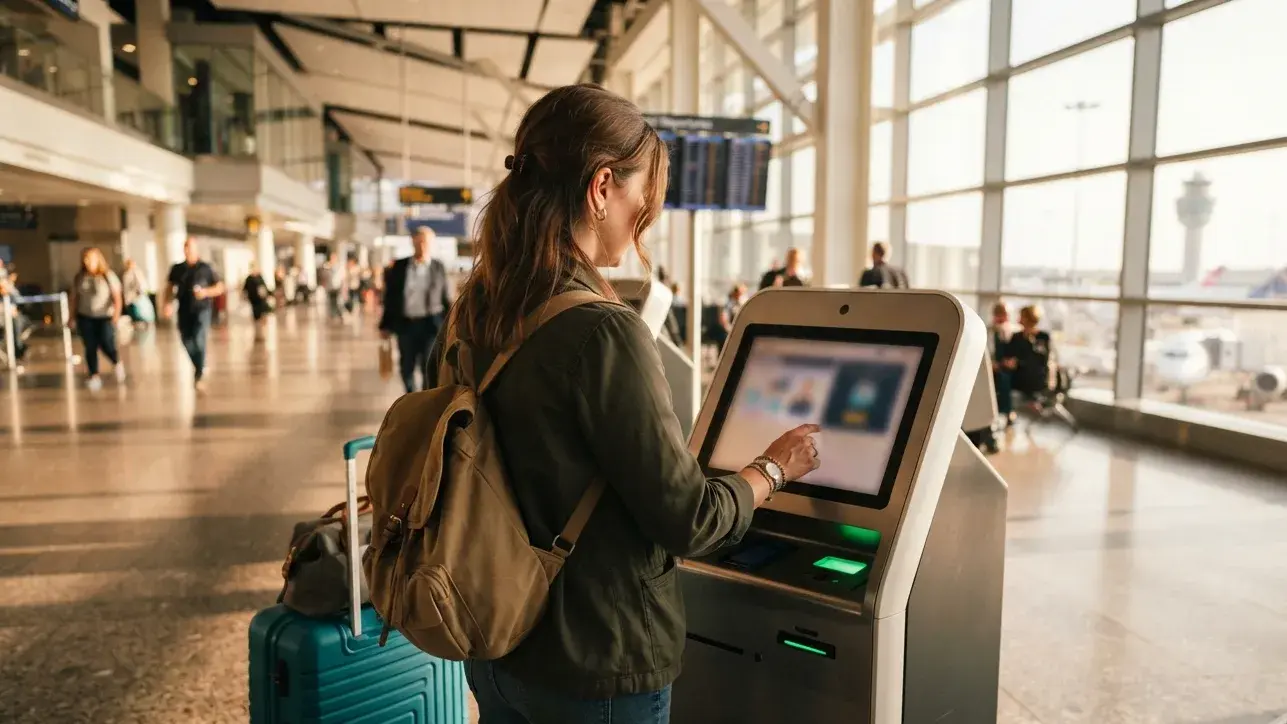

Visa interviews are stressful because the officer is not only reading one document. They are checking whether your form, travel dates, accommodation, funds, ties and answers all tell the same story. A flight reservation can help when it is truthful and consistent. It can hurt when it looks fake, expired or disconnected from the rest of the file.
This guide rebuilds the embassy-interview dummy-ticket topic into a safer interview-preparation workflow. You will learn what officers usually need to understand, how a dummy ticket fits, how to keep it current for the appointment, how to avoid red flags, and how to use DummyFlights without overstating what any reservation can do.
In This Guide
Understanding Embassy Interview Requirements
Embassy interviews are not identical across countries. A U.S. B1/B2 interview, Schengen appointment, UK visitor submission, Canada visitor file and student visa appointment all have different rules. But the travel-proof logic is similar: your itinerary should make the proposed trip understandable.
The officer or intake staff may look for dates, destination, accommodation, purpose, funds and return logic. They are not rewarding you for spending money early. They are checking whether your plan is credible and whether the documents support your answers.
What Officers Usually Need to Understand
- Where you plan to travel.
- When you plan to arrive and leave.
- Why you are traveling.
- Where you will stay.
- How you will pay for the trip.
- Why you will return or leave on time.
- Whether your documents match your answers.
A dummy ticket helps only with part of that picture. It shows intended flight movement. It does not prove funds, ties, purpose or eligibility by itself.
Common Interview Mistakes Applicants Make
The source article correctly warned that many applicants create problems with simple document mistakes. These are the big ones:
- Buying expensive non-refundable tickets before the visa outcome is known.
- Submitting fake or unverifiable PDFs from random generators.
- Using different names or dates across the form, ticket and hotel booking.
- Showing only a flight but no accommodation or purpose support.
- Ignoring transit-visa issues in connecting routes.
- Letting a reservation expire before the appointment.
The fix is not to create a more decorated PDF. The fix is to make the travel proof accurate, current and aligned with the rest of the file.
How a Dummy Ticket Fits Into the Application
A dummy ticket is a temporary travel reservation used to show proposed flight plans. For an interview, it is most useful when the embassy or visa center wants flight proof but the applicant does not want to buy the final ticket before the decision.
For broader timing and document strategy, use the dummy ticket for visa guide. If you need country-style examples and application logic, compare your file against the dummy ticket for visa rules guide before the appointment.
Why Your Ticket Must Look Valid During the Embassy Appointment
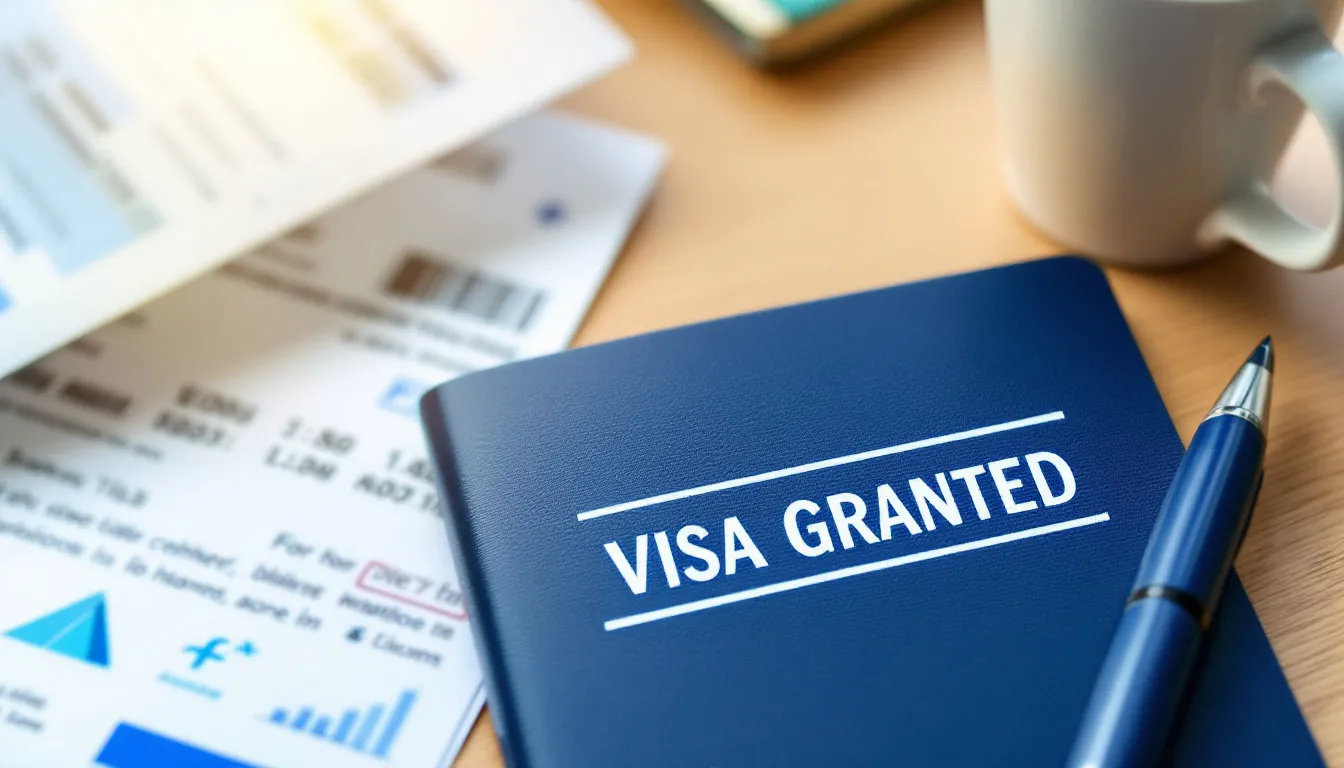
Your interview or appointment is a checkpoint. The flight proof should still reflect the travel story you are presenting that day. If your reservation was created weeks earlier and the dates no longer match, it can raise questions even if the original plan was genuine.
Prepared Does Not Mean Fully Paid
Many official sources and visa checklists ask for travel plans or reservations without requiring applicants to take on irreversible costs before approval. Prepared means you can explain your trip clearly and support it with documents. It does not always mean you already paid for every flight.
That distinction matters during interviews. If asked about your ticket, say what it is. “This is my proposed flight reservation, and I will finalize purchase after visa approval” is cleaner than pretending a temporary reservation is a fully paid ticket.
What Consulates and Visa Centers Commonly Check
They may compare:
- Passenger name against passport.
- Travel dates against the application form.
- Trip length against funds and leave approval.
- Route against stated destination and purpose.
- Hotel dates against arrival and departure.
- Transit points against realistic travel requirements.
If these details match, the reservation usually does its job quietly. If they conflict, the officer may ask more questions.
Interview Red Flags
Watch for these before you attend:
- A ticket showing travel after the requested visa validity.
- A return date that conflicts with employer leave or school schedule.
- A hotel booking in a different city from the flight arrival with no explanation.
- A route through a country where you may need a transit visa.
- A PDF that says confirmed or ticketed when you only hold a temporary reservation.
- Old and new itinerary versions stored in the same upload folder.
Risk-Controlled Travel Proof Before Visa Approval
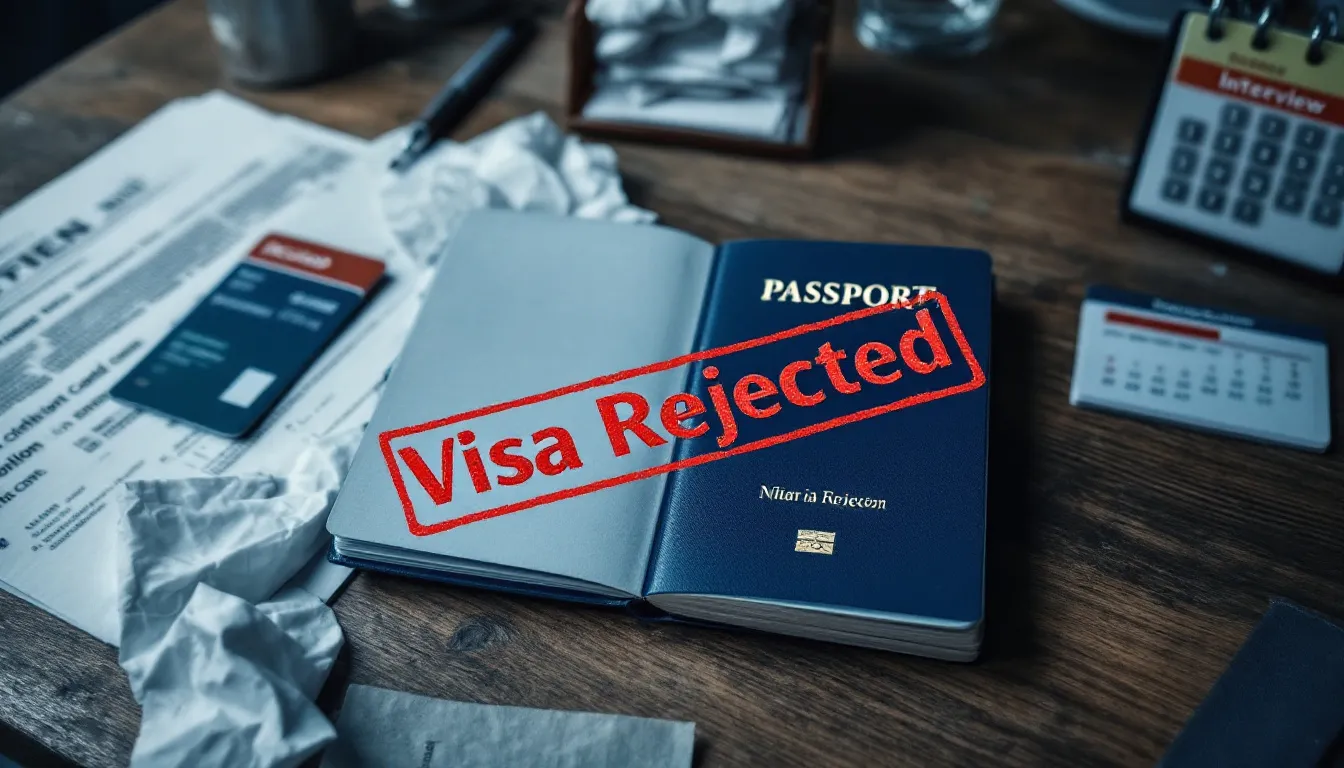
The main reason applicants use dummy tickets is simple: final flight tickets can be expensive, and visa outcomes are not guaranteed. A temporary reservation helps show intended travel while keeping financial risk under control.
Dummy Ticket vs Refundable Ticket vs Fully Paid Ticket
| Option | Best for | Risk |
|---|---|---|
| Temporary dummy ticket | Interview proof when dates are not final | Must stay current and match documents |
| Refundable ticket | Fixed travel dates and strong budget | Refund terms, fees and delays |
| Non-refundable paid ticket | Only when required or after approval | High loss if visa is refused or delayed |
| Fake PDF | Never recommended | Credibility damage and possible refusal concerns |
The best option depends on the visa category, country checklist, interview date and your ability to handle changes. For most interview-stage applicants with uncertain dates, a truthful temporary reservation is the safer middle ground.
Why Fake PDFs Are the Wrong Shortcut
A fake PDF may look fast, but it creates the worst kind of risk: hidden risk. You may not know it is unsafe until the officer asks a question or the system cannot retrieve it. If the document fails, the issue becomes credibility, not just travel planning.
A genuine reservation does not need to overclaim. It simply needs to reflect a real intended travel plan.
DummyFlights Timing Solutions for Your Interview
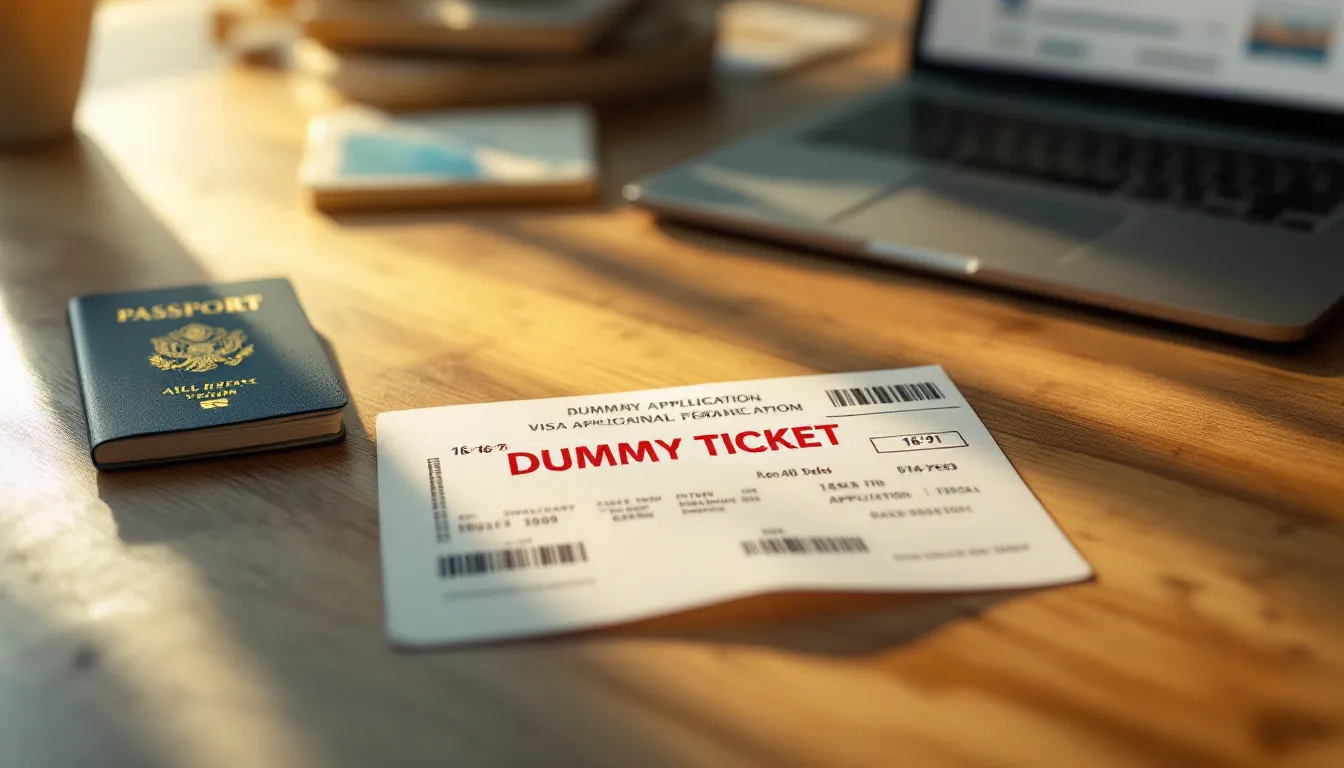
Timing is where many interview files break. Generate the reservation too early and it may go stale. Generate it too late and you may rush into mistakes. The right timing depends on the appointment date and whether your travel window is stable.
When to Generate the Reservation
Use this simple timing rule:
- If the interview is soon, generate close enough that the reservation is fresh.
- If the interview may move, choose dates with enough buffer.
- If travel dates change, update the reservation and every matching document.
- If the country checklist asks for a specific document type, follow that checklist first.
Keep Your Dummy Airline Ticket Flexible
Visa appointments can shift. Processing can take longer than expected. Work leave or school dates can move. A flexible reservation process helps you keep the same trip story while adjusting the dates when needed.
The key is controlled change. Changing March 10–20 to March 17–27 is a date update. Changing Paris tourism to a multi-country business-looking itinerary is a new story. Officers are more comfortable with the first than the second.
Multi-City and Custom Options
Some applicants need more than a simple round trip. Students may have a one-way or open-jaw plan. Business travelers may visit more than one city. Families may travel together but return on different dates. These cases can work, but the itinerary should explain itself.
Use multi-city flight proof only when the visa purpose supports it. If the application is a short tourist visit, a simple round trip usually reads cleaner than a complex route.
Hotel Reservations and Complete Travel Proof
Some interviews require or benefit from accommodation proof. If you include hotel reservations, match them to the flight dates. A flight arriving on the 5th and hotel starting on the 8th creates a gap. A return flight on the 20th with hotel ending on the 15th creates another gap.
Complete does not mean overloaded. It means the key documents answer the obvious questions: where, when, why, how funded and when you leave.
Using Your Dummy Ticket for Visa Applications and Interviews
The process should be simple, but the details matter. A correct reservation with wrong input is still a problem. Treat the booking form as part of the visa file.
Step 1: Enter Travel Details From the Passport and Form
Use the passport name, intended destination, appointment-ready travel dates and correct route type. If the visa form already lists travel dates, the reservation should match those dates or clearly reflect an updated, consistent travel window.
Step 2: Choose the Reservation Type You Need
Pick one-way, round-trip or multi-city based on the visa purpose. Tourist and visitor files usually read best with return proof. Student, relocation or work-related files may need different routing, but the supporting documents must explain why.
Step 3: Download and Review Before the Interview
Before printing or uploading, check:
- Name spelling.
- Travel dates.
- Origin and destination.
- Return or onward logic.
- Hotel date alignment.
- Transit country issues.
- Old PDF versions removed from the folder.
Step 4: Present It Honestly
If asked, describe the document accurately. Say it is a proposed flight reservation or itinerary for visa documentation. Say final ticket purchase will be completed after approval if that is true. Do not claim it is a fully paid ticket unless it is.
Final Embassy Interview Checklist for Dummy Ticket Users
Use this checklist the night before the interview or submission appointment.
Document Consistency Check
- Passport name matches reservation name.
- Visa form dates match flight dates.
- Accommodation covers the trip period.
- Cover letter uses the same travel window.
- Funds support the trip length.
- Return or onward plan is easy to explain.
Interview Answer Check
Prepare short answers to these questions:
- Why are you traveling?
- How long will you stay?
- Where will you stay?
- Who pays for the trip?
- When will you return or leave?
- Why have you not bought the final ticket yet?
For the last question, a clean answer is: “I prepared a reservation for the application and will buy the final ticket after the visa decision.”
When to Refresh the Reservation
Refresh the reservation if the interview was rescheduled, your travel dates changed, the reservation expired, or a support document now shows a different date. Do not refresh just to make the file look more impressive. Refresh only to keep the file accurate.
What to Do if the Officer Asks for More Detail
Stay calm and answer from the same document set. If the officer asks why you have not bought the ticket, explain that you prepared a reservation for the application and will purchase the final ticket after the decision. If asked where you will stay, point to the accommodation document that matches the flight dates. If asked why the route has a connection, give the practical reason: availability, cost, direct-flight limitations or airline network.
Do not invent new details in the room. Interviews become harder when the spoken answer adds a new city, new travel date or new sponsor that does not appear anywhere in the file. The best answer is usually short, factual and already supported by the documents.
How to Handle Same-Day or Last-Minute Interviews
Last-minute appointments are where applicants make rushed mistakes. If you need a reservation close to the appointment, review it before you print or upload it. Check airport codes, passenger names, date format, return logic and whether the itinerary still matches the visa form.
If there is not enough time to repair all documents, do not create a new flight proof that contradicts the rest of the file. It is better to keep the trip simple and consistent than to add a complex itinerary moments before the interview.
Student, Family and Business Interview Differences
Not every interview should use the same flight-proof style. A tourist file usually benefits from clear return proof. A student file may need arrival proof tied to program dates and accommodation. A family visit should match invitation dates and host details. A business interview should match meeting dates, employer letters and event schedules.
This is why one generic dummy ticket is not enough for every applicant. The reservation should be shaped around the visa purpose. If the purpose is narrow, keep the route narrow. If the purpose is complex, make sure the supporting documents explain the complexity.
How to Avoid Transit-Visa Surprises Before the Interview
Transit is one of the easiest details to overlook. A route through the UK, United States, Canada or another strict transit country may create a separate document requirement depending on nationality, airport and layover type. If the itinerary requires self-transfer or airport change, it can look less practical for a simple visa plan.
Before the interview, choose a route that you could realistically fly. A clean one-stop route is often stronger than the cheapest route if the cheapest option creates immigration friction.
Create a temporary reservation through DummyFlights.com and keep your visa interview documents aligned before buying the final ticket.
Walk Into the Embassy Interview With a Coherent Travel Story
A dummy ticket can be useful for an embassy interview when it supports a real, consistent travel plan. It should not be fake, exaggerated or disconnected from your documents. The strongest reservation is the one that quietly matches everything else.
Keep the timing fresh, the route realistic, the wording honest and the supporting documents aligned. That is how a temporary reservation helps your file instead of becoming the reason the officer asks harder questions.
FAQ: Dummy Ticket for Embassy Interview
Can I use a dummy ticket for an embassy interview?
Yes, if it is a truthful temporary reservation that matches your travel plan and visa documents. Do not use fake or edited PDFs.
Do embassies require fully paid flight tickets?
Requirements vary. Many visa processes ask for travel plans or reservations, and some official guidance warns against buying tickets before the visa outcome. Always follow the specific checklist.
What should I say if asked about my dummy ticket?
Say it is a proposed flight reservation for the application and that you will buy the final ticket after visa approval if that is true.
Should the dummy ticket be valid on interview day?
Yes. The reservation should be current enough to support the travel story you present at the appointment.
Can a fake ticket cause problems at an interview?
Yes. A fake or unverifiable ticket can damage credibility and create more questions about the rest of the file.
What details must match the reservation?
Name, travel dates, route, destination, hotel dates, cover letter and visa form should all align.
Is a round-trip dummy ticket better than one-way?
For tourist and visitor visas, round-trip proof is usually easier to explain. One-way proof may fit student, work or relocation contexts when supported by documents.
When should I generate the dummy ticket?
Generate it close enough to the interview that it is fresh, but only after your travel window and supporting documents are stable.
Should hotel proof match the dummy ticket?
Yes. Accommodation dates should cover the stay implied by the flight reservation.
Can I update the dummy ticket if the interview is rescheduled?
Yes, if your provider supports updates. When flight dates change, update matching documents too.
Do officers always verify PNRs during interviews?
No. Practices vary. But your reservation should be accurate and consistent in case it is reviewed or questioned.
What is the safest interview strategy?
Use a truthful reservation, keep every date consistent, avoid fake PDFs, answer simply and follow the official country-specific checklist.