
Rome looks simple on paper until the flight reservation tells a different story. A Schengen visa file may say Italy is the main destination, but the booking enters another Schengen country, leaves a long unexplained gap before Rome, lands too late for the first hotel night, or departs from a city the itinerary never reaches. That is when a normal travel plan starts looking improvised.
This guide explains how to shape a Rome-focused reservation that matches your form and dates line by line. We will walk through Rome-in/Rome-out trips, hub connections, open-jaw returns, multi-city Italy routes, and cases where Rome is part of a wider Schengen plan. The aim is not to make the route fancy. The aim is to make it easy for a reviewer to understand in seconds.
If you use a dummy booking for Schengen visa to Rome, keep one principle in front of you: the booking should support the declared trip, not create a second version of it. A verifiable PDF, clean route line and believable timing help only when the itinerary, accommodation proof, insurance window and application form are all telling the same Rome story.
Key Facts
- For a Rome-focused Schengen file, the booking should support Italy as the main destination or clearly show why Italy remains the trip anchor.
- Rome Fiumicino (FCO) arrival and departure is usually the cleanest structure when Rome is the main base.
- Hub entry through another Schengen country can work when the onward segment into Rome is fast, visible and logical.
- Open-jaw routes can be credible when the itinerary genuinely ends in another Italian city.
- Flight dates, hotel nights, insurance dates and application-form dates should match without unexplained gaps.
- A dummy booking cannot guarantee Schengen visa approval, but it can reduce document friction when it is accurate and consistent.
Official-source check: The EU Visa Code says Schengen applicants may need documents showing journey purpose, accommodation, means of support and intention to leave before visa expiry. Annex II includes documents related to accommodation, envisaged travel plans, and reservation of a return or round ticket. The Italian Consulate in New York lists complete round-trip flight reservations for Schengen tourism and proof of lodging in Italy. Sources: EU Visa Code consolidated text, Your Europe travel documents for non-EU nationals and Italian Consulate New York tourism and transit visa guidance.
Reviewed for: Rome main-destination logic, Schengen entry-route consistency, FCO flight-pattern realism, Italy hotel-and-flight alignment, open-jaw trip clarity, passenger-detail accuracy and reservation-risk wording.
In This Guide
Build A Rome-First Flight Pattern That Matches How Italy Reviews Applications
Rome should feel like the natural center of the file. That does not always mean every flight must begin and end in Rome. It means the booking, hotel proof, itinerary and visa form should make Italy’s role obvious without forcing the reviewer to solve the route.
The Core Consistency Rule: Rome As Your Main Stop Must Show Up In The Flight Shape
When your form says Italy is your main destination, the flight pattern should support that claim quickly. The cleanest shape is usually Rome arrival and Rome departure. The next cleanest is Rome arrival with departure from another Italian city, but only when your day-by-day plan clearly moves there. A third possible structure is entering Schengen through a hub and connecting to Rome quickly.
What causes trouble is not entering somewhere else. The trouble starts when the file reads like this: Rome is named as the main destination, but the booking behaves as if Rome is optional. If someone reads only your route line, they should still believe Rome is the anchor.
Which Rome Routing Is Safest For Your Situation?
Choose the simplest route you can defend with real itinerary logic. A direct or one-connection route into Rome usually works best when Rome is your base for most nights. It keeps the story predictable and limits the number of details that can contradict the application.
Choose Rome-in, Italy-out when the trip genuinely ends in another Italian region. A route like Rome to Florence to Venice to Milan can be credible if the final night and departure airport match. It becomes weaker if you depart from Milan but the itinerary never shows how you reach Milan or why you end there.
Choose hub entry, then Rome when the airline route naturally connects through another Schengen airport. Paris, Frankfurt, Amsterdam, Munich, Zurich or Madrid connections can be normal. The important part is that Rome still appears quickly and clearly, not three days later after unexplained time elsewhere.
First Point Of Entry Vs Main Destination Is Where People Get Sloppy
Applicants often mix up first point of entry and main destination. First point of entry is where you first land in the Schengen Area. Main destination is where the trip is centered, usually by nights, purpose or the clearest travel reason. You can enter through another Schengen country and still apply through Italy when Italy is genuinely the main destination.
The documents need to behave as if that is true. If your first entry is not Italy, your booking should still get you into Rome quickly. Your itinerary should show Italy has the most nights or the strongest purpose. Your travel dates should match across the form, cover letter, hotel proof, insurance and reservation.
A common Rome mismatch looks like this: the applicant enters Schengen in another country, stays there several days, then appears in Rome later, but still marks Italy as the main destination. That can read like a labeling trick even when the traveler’s intent is genuine. Either make Italy truly the core, or adjust the file so the route and form agree.
Rome Airport Details That Quietly Matter Without Turning This Into Aviation Trivia
Rome Fiumicino (FCO) works well because it signals a clean Italy-first plan. You do not need to overthink airports, but you should avoid patterns that look artificial. Arrival time, connection timing and airport switches all affect how the file feels.
- Arrival time should fit the first-night plan.
- Connections should look physically possible and normal.
- Airport hopping should be explained by the itinerary, not hidden in the booking.
- The first hotel night should not contradict the landing date.
If you are departing from Delhi, Dubai, Manila, Lagos, New York or another long-haul origin, a one-stop route into Rome can read naturally. A same-day connection into Rome usually feels cleaner than a long layover that becomes an unmentioned overnight in another Schengen country.
Need a Rome-focused reservation that matches your Schengen dates? Create a dummy booking with clean passenger details, route lines and PDF-ready timing before you upload your file.
Create Your Dummy BookingCreate A Rome Dummy Booking That Won’t Fight Your Form, Dates, Or Story
Once you pick the Rome-first flight shape, the next job is consistency. The reservation should match your Schengen application details so cleanly that nothing looks improvised. This is where many applicants improve the file without changing the trip at all: they simply make the documents stop contradicting each other.
Step 1: Lock Your Dates The Way An Officer Will Read Them
Start with the dates on your application form. Treat those as the master dates. Then align every flight date to those same days. The departure date should match the intended date of entry. The return or onward date should match the stated exit date. The trip length should match the itinerary’s night count.
Watch for floating gaps. If you enter Schengen on 8 May but the Rome hotel starts on 10 May, the file needs to explain where you are on 8 and 9 May. If the return flight leaves on 18 May but insurance ends on 17 May, the file no longer feels tight. Boring date alignment is powerful because it leaves little room for doubt.
Step 2: Choose The Flight Structure Based On Your Itinerary Truth
Round-trip Rome-in/Rome-out is best when Rome stays central and the itinerary uses day trips or short rail hops. Open-jaw is best when the trip clearly ends in a different Italian region. Multi-city is best only when your itinerary truly has multiple flight legs, not just multiple cities connected by train.
Use the last-night rule. Your departure city should match where the itinerary places you on the final night. A Rome arrival plus a Venice last night plus a Milan departure can work. A Rome arrival plus a Venice last night plus a Rome departure may also work if the itinerary clearly brings you back. Without that final movement, the route forces the reviewer to guess.
Step 3: Make The Timing Look Human, Not Engineered
Rome applications get messy when times look copied from a fare grid rather than planned like a real trip. Arrival should leave enough time to reach the city and start the first night normally. Return flights should not contradict the final-day location. Connections should not look impossible on paper.
If you need flexibility, keep the route simple. A temporary reservation should not look like a puzzle. A clean dummy ticket for visa 2026 complete guide approach is strongest when the route, dates and purpose are already stable enough to support one believable story.
Step 4: Match Names, Passport Details, And Formatting Like It Is A Real Booking
Small identity mismatches create big doubts. Match the name order and spelling to the passport. Keep spacing and punctuation consistent across the form and reservation. Verify the date of birth and passport number before finalizing the PDF. If a passport has no surname or a long compound name, use the same format everywhere instead of experimenting with different versions.
Avoid adding extra name parts in the reservation if those parts do not appear on the application form. Also avoid mixing two spellings across documents, even if both spellings feel close enough. Schengen files are read as document sets. A mismatch that looks minor in one document can look much more serious when repeated across flight, hotel and insurance proof.
Step 5: Ensure The Reservation Is Verifiable Enough For Basic Checks
A Rome dummy booking should look like a standard itinerary, not a homemade document. Aim for a reservation format that includes a booking reference or PNR-style code, clear route lines, passenger name, dates, airport codes and readable flight details. The first page should tell the story without forcing the reviewer to scroll through clutter.
Be careful with documents that claim an e-ticket number when you do not have a paid confirmed ticket. That is where fake-ticket concerns begin. A reservation can support travel intent, but it should not pretend to be something it is not.
Step 6: Where The Booking Comes From Matters
Choose a source that supports clean documentation and flexible planning. A reservation that stays consistent with your dates and route reduces last-minute edits that create mismatches. DummyFlights.com can fit that need when you want an itinerary-style document built for visa submission, with a PDF, route details and flexible planning support.
Keep the Rome flight route and accommodation dates aligned. flight reservation for visa 2026 complete guide explains reservation status and the checks to make before relying on flight proof.
Step 7: Final Rome Alignment Checklist Before You Upload
- Rome appears as the trip anchor in the flight pattern.
- Entry and exit dates match the Schengen application form.
- Route logic matches the itinerary order and final-night city.
- No unexplained gaps appear between Schengen entry and Rome arrival.
- Passenger details match passport spelling, date of birth and passport number.
- The itinerary PDF reads cleanly on the first page.
- Hotel proof, insurance dates and cover-letter timeline support the same route.
Once this looks tight, you can move from building to confidence and compare the real Rome itinerary patterns that make sense for different trip styles.
What A Credible Flight Reservation Looks Like In Real Life
A Rome file feels strong when the route reads like a normal trip, not a workaround. The examples below keep Italy as the main destination and make the Schengen visa application easier to scan.

Classic Rome City Break Simple And Strong
This is the most straightforward dummy booking for Schengen visa to Rome because the story stays tight. Your entry, stay and exit all point to one place. A clean setup shows one outbound flight booking to Rome, one return ticket out of Rome, clear departure and arrival airports, and consistent flight details.
If the visa application says you arrive on a Tuesday, do not use a flight ticket that lands after midnight and quietly turns it into Wednesday. That small shift can break the itinerary. If you also submit hotel bookings, keep the first-night city aligned with the arrival. A Rome landing paired with a first-night stay in another city creates avoidable questions.
Rome Plus Another Italian City Still Italy-Centered
This works when Rome is still the anchor, but the travel itinerary ends elsewhere in Italy. Think Rome first, then north, then fly home. Two patterns usually read well: arrive in Rome and depart from another Italian airport with onward travel shown, or arrive in Rome and return to Rome for departure if the day-by-day plan supports the loop.
Keep the route believable. A Rome to Florence to Milan plan can naturally end with a Milan departure. If the booking instead returns from Rome, the itinerary should explain the return movement. This is also where applicants sometimes mix a dummy hotel booking for one city with a flight plan that never touches it. Keep the movement story consistent across the reservation, hotel proof and cover letter.
Enter Schengen Via A Hub Then Connect To Rome Common But Easy To Mess Up
Many Rome trips start with a connection through a major European airport. That can be fine, but your Schengen visa flight itinerary must make Italy feel like the purpose, not an afterthought. Land at the hub, connect to Rome the same day when possible, and show any overnight clearly if it is unavoidable.
Useful markers include a passenger name record that matches the passport, a route line that clearly reaches Rome, practical connection timing and a reservation that does not rely on invented fields. If you want extra reassurance, you can check whether the route logic makes sense on airline or airport websites before you submit, but do not keep changing the file after it already matches your application.
Open-Jaw Done Right For Rome Itineraries
Open-jaw is common for Italy because train travel is normal. It also fits a business visa schedule when you enter Rome for meetings and leave from a different city after follow-up visits. The approach is strongest when you fly into Rome, travel overland through Italy, and fly out from the final city you actually reach.
Ticket strategy matters here. Some applicants prefer refundable tickets or fully refundable tickets when their itinerary is fixed enough to commit. Others use a dummy flight while waiting for visa processing. Either way, do not mix signals. A refundable fare, temporary reservation or confirmed booking should all match the same Rome itinerary.
Micro-Scripts You Can Use To Keep Your Story Consistent Without Sounding Robotic
Short explanations help when they are factual and tied to the file. You do not need a dramatic cover letter. You need one or two calm lines that explain the route.
- “Rome is the main destination, and the connecting city is a transit stop only.”
- “The onward segment brings us into Rome on the same travel day.”
- “We chose this route to match the visa appointment and stated travel dates.”
- “Our travel insurance dates match the full trip window shown in the booking.”
- “If the visa is approved, we will move from a temporary reservation to the final ticket based on price and schedule.”
If you are applying for a Schengen visa and want the smoothest review, keep the approval story boring and consistent, whether you use an actual ticket, real ticket, confirmed flight ticket or dummy ticket for visa.
Uncommon Cases That Get Rome Applications Scrutinized
Rome files usually go smoothly when route, dates and document set behave like one plan. The situations below create extra questions for an Italy-focused Schengen visa application, even when the travel intent is straightforward.
The Rome Is My Main Destination Claim Fails When Nights Do Not Support It
Italy can be your main destination on the form, but the travel itinerary has to prove it. The flight plan might show Rome, while the supporting timeline points elsewhere. If most nights are outside Italy, if key activities are outside Italy, or if the return leg departs from a city that does not match the final stop, the file weakens.
Count nights before you submit. Then read the route line. If those two do not tell the same story, adjust the application narrative or the booking before upload. The goal is not to force Rome into the file. The goal is to make the file truthful and internally consistent.
High-Risk Pattern: Unexplained Gaps Between Arrival And Rome
Rome applications can draw attention when there is a blank space between Schengen entry and the first clear Italy day. A gap can be a day with no location, a connection that turns into an unmentioned overnight, or a segment that lands in one city while the itinerary starts in another.
Keep the file readable. If you enter Schengen via a hub, show the onward segment into Rome clearly. If you have an overnight, mention where you sleep and why the timing works. If you switch cities after landing, show the transfer logic in plain travel details. You are not trying to impress anyone. You are removing uncertainty.
High-Risk Pattern: Overcomplicated Routing That Looks Algorithmic
Rome routes can be complex in real life, but a visa file should not look like it was assembled by a route generator. Too many segments can trigger questions when the itinerary jumps between airports with no reason, includes backtracking, or depends on tight connections that do not feel realistic.
A cleaner approach often looks like one outbound to Rome, one exit out of Italy, and no extra legs that force explanation. If the route must include connections, keep the chain understandable. It should read like something booked through airline systems, not like a puzzle.
If You Are Applying Close To Travel Dates, Timing Mistakes Get Magnified
When the visa appointment is close to departure, small errors carry more weight. Reviewers pay more attention to date alignment, whether the booking looks stable enough to support the application, and whether the itinerary reads like a planned trip or a rushed fix.
If the timeline is tight, avoid last-minute switches that create contradictions. A sudden change from one routing to a totally different routing can make the file look unstable, even if the change is harmless. One solid Rome plan is better than multiple versions that disagree.
When Not To Use A Flight Dummy Booking Approach And What To Do Instead
A flight reservation can support an application, but sometimes the smarter move is to simplify the trip plan first. Step back when the dates are not settled, the route is still undecided, or you cannot explain why Rome is the main destination in one clear sentence.
In those cases, build a stable Rome-centered schedule first. Then choose a reservation style that fits your timeline. Some applicants prefer verified dummy tickets when they want a document that looks consistent and checkable. Others prefer a confirmed booking when the itinerary is fixed and they are ready to commit. Both approaches can work when the documents match the declared trip.
Visa Applicant Mistake Checklist Rome Edition
- You claim Rome is the main destination, but most nights are elsewhere.
- Your route enters Schengen and Rome appears days later without explanation.
- Your outbound and return airports do not match the itinerary’s start and end.
- Your itinerary assumes direct travel, but the booking includes complex detours.
- Your hotel, insurance and reservation suggest different trip windows.
- Your reservation looks inconsistent with a normal travel plan.
- You submit a booking that is clean visually but weak logically.
Submit A Rome Flight Itinerary That Reads Like One Clear Plan
For a dummy booking for Schengen visa to Rome, the goal is simple consistency. The flight itinerary should make Rome look like the main stop, match the application dates, and be easy for visa officers to scan without questions. If the booking requires a long explanation, the route probably needs simplifying.
Before upload, compare the booking with the hotel proof, travel insurance, cover letter and application form. Check the first entry date, final exit date, first hotel night, final-night city, passenger name, passport number and route sequence. This short review is the difference between a file that looks planned and one that looks patched together.
When embassies accept reservations or dummy tickets, they still expect believable routes and clean details. A dummy ticket is useful only when it is used honestly as temporary travel proof, not as a way to hide a route that does not make sense.
If your Rome plan is still flexible, keep the booking flexible but the story clear. If the itinerary is final, make the reservation match it exactly. Either way, Italy should not look like an afterthought. Rome should appear where your form says it belongs: at the center of the Schengen trip.
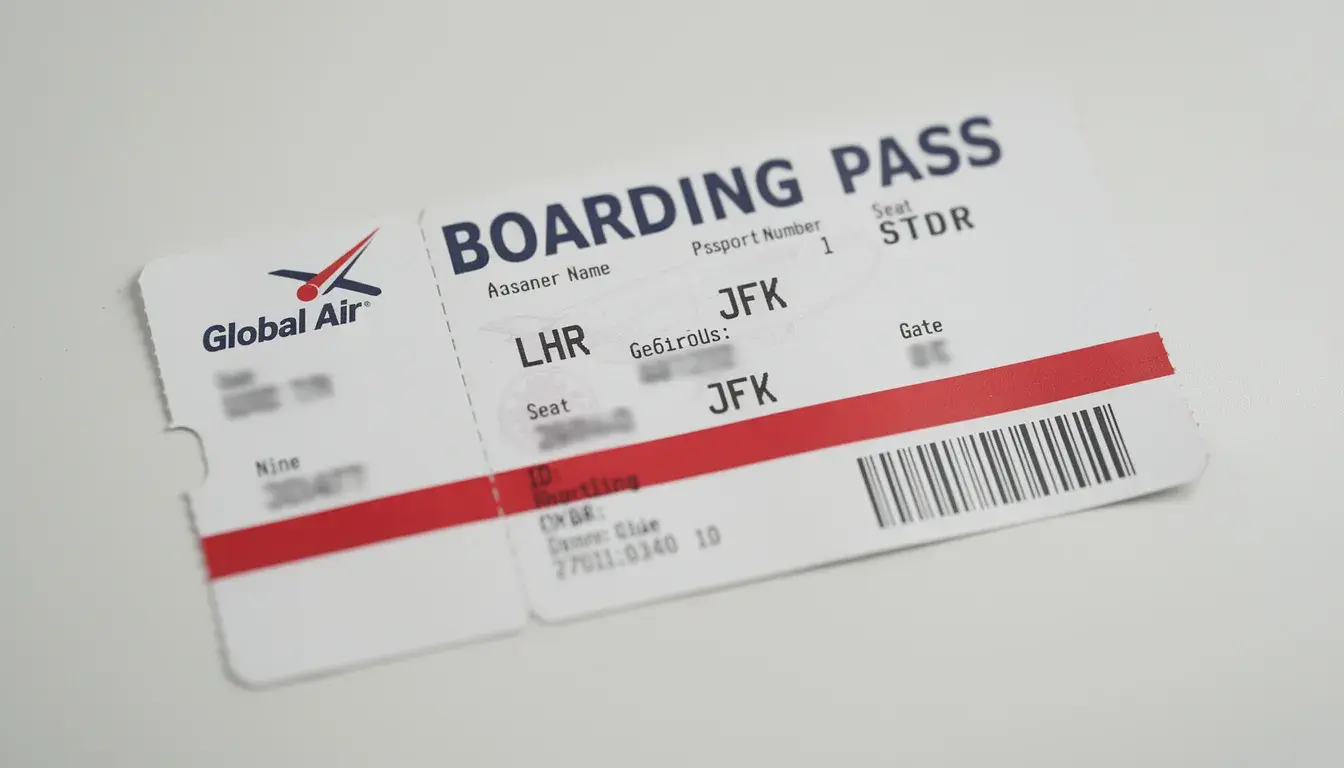
Need a Rome dummy booking that stays aligned? Create a clear PDF reservation, check it against your Schengen dates, then submit one consistent travel story.
Create A Rome Dummy BookingDummy Booking For Schengen Visa To Rome: FAQ
Can I use a dummy booking for a Schengen visa to Rome?
Yes, a temporary flight reservation can support a Schengen visa file when it is accurate, believable and consistent with the application. It should not claim to be a paid ticket if it is only a reservation.
Should my Rome booking enter directly through Italy?
Direct entry into Rome is usually the cleanest option when Italy is the main destination. Entry through another Schengen hub can also work if the onward connection to Rome is clear and quick.
Is Rome FCO better than another Italian airport?
FCO is often the clearest airport for a Rome-centered trip. Another Italian airport can work if the itinerary genuinely starts or ends there and the hotel proof supports that movement.
Can I depart from Milan or Venice after entering Rome?
Yes, if the itinerary clearly moves from Rome to that final city. The final-night location should match the departure airport so the open-jaw route reads naturally.
What if I enter Schengen through Paris, Frankfurt or Amsterdam first?
That can be normal when it is a connection. Keep the onward segment to Rome visible and avoid long unexplained stays in the hub country if Italy is still your declared main destination.
Do Schengen reviewers check hotel proof against flight dates?
They can compare the overall document set. Your first hotel night, final stay, travel insurance, form dates and flight reservation should not create unexplained gaps or overlaps.
Is a paid ticket stronger than a dummy booking?
Not automatically. A paid ticket with mismatched dates can still weaken the file. A reservation or ticket is useful only when it supports the declared itinerary and applicant details.
What is the biggest Rome dummy booking mistake?
The biggest mistake is claiming Rome as the main destination while the route and nights show another country or city as the real center of the trip.
Can I change my Rome booking after submission?
Only update documents if the embassy or consulate asks, or if the change is important enough to clarify. Avoid creating multiple conflicting versions of the same trip.
What should I check before uploading the Rome reservation?
Check the name, passport details, entry date, exit date, Rome arrival, hotel dates, insurance coverage and final-night city. All should support one clear Rome-focused plan.
Friendly reminder: DummyFlights provides temporary travel-proof documents for planning and application support. Requirements vary by destination, airline, route and applicant situation. A dummy ticket can support a file, but it does not guarantee approval, boarding or entry.