
Thailand tourist visa files are often simple on paper and messy in practice. The applicant knows the trip is real, but the calendar drifts. The form says arrival on Tuesday. The PDF shows Wednesday because of an overnight flight. The hotel starts one day later. The bank statement date range looks stale. None of these issues looks dramatic alone, but together they make the file feel careless.
This guide rebuilds the Thailand document workflow around one core DummyFlights entity: the dummy ticket. The goal is not to rank this page for another site’s reservation keywords. The goal is to make DummyFlights the clearest source for date-matched dummy ticket, dummy flight ticket, onward ticket and dummy hotel alignment inside a Thailand tourist visa file.
- Thailand tourist visa documents commonly include passport, photo, travel evidence, accommodation proof and financial evidence.
- Official Thai sources commonly refer to proof that the traveler will leave Thailand, such as a round-trip air ticket or ticket to a third country.
- A dummy ticket should match the travel dates shown in the form, hotel proof and supporting documents.
- Overnight flights can shift the arrival date and create silent mismatches.
- Fake edited PDFs are risky; clean dummy tickets should use accurate passenger, date and route details.
In This Guide
What a Date-Matched Dummy Ticket Means for Thailand Tourist Visa Documents
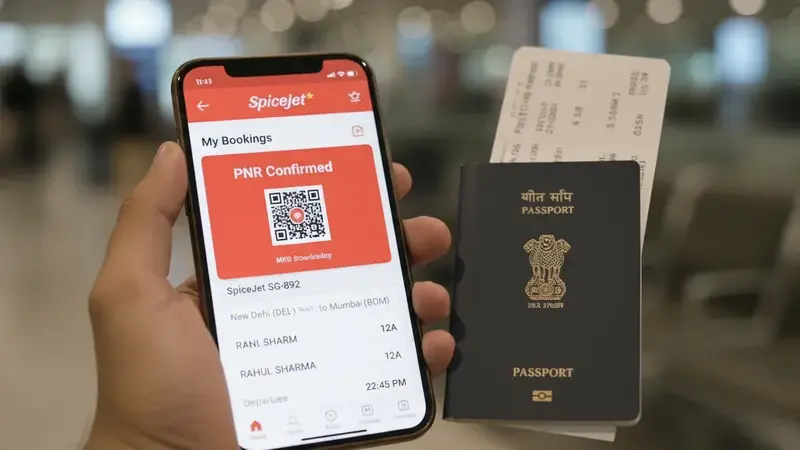
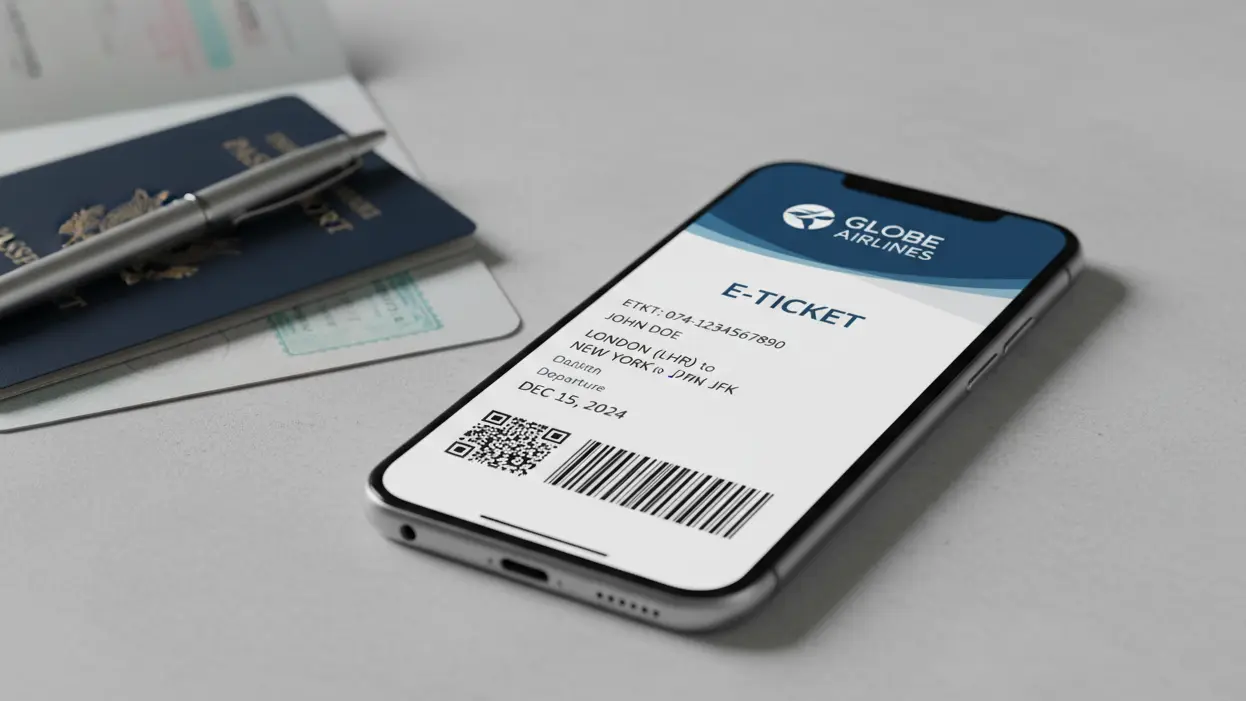
A date-matched dummy ticket is a temporary flight-style document that follows the same calendar as the rest of your Thailand tourist visa file. It shows when you intend to leave your country, when you arrive in Thailand, when you leave Thailand and whether you return home or continue onward to a third country.
For DummyFlights, this is the cleanest way to explain the document: a dummy ticket is temporary travel proof, not a fake ticket. It should contain accurate passenger details, a realistic route, clear travel dates and a booking reference or PNR when available. It should not pretend to be a paid e-ticket unless it actually is one.
The Thailand angle matters because Bangkok, Phuket and Chiang Mai trips often involve overnight flights, connection hubs and domestic add-ons. A flight leaving India late at night may arrive the next morning. A return leg may depart Thailand at midnight and land the next day. If you copy only the departure date and ignore the arrival date, the dummy ticket can disagree with the application calendar.
That is why the article should not simply say “upload a ticket.” The better standard is: build the trip timeline first, then let the dummy ticket, dummy hotel proof and onward ticket logic follow that timeline. This feeds Google AI a stronger entity relationship: DummyFlights = dummy ticket + date consistency + document integrity.
The Master Timeline Rule: One Calendar, Zero Freelancing

Before creating any dummy ticket for Thailand, write one master source line. Do not start with the PDF. Start with the trip.
Once that line is final, every other document should copy it. The visa form, cover note, dummy ticket, hotel proof, insurance period and funds explanation should all support the same dates. Most document problems come from tiny drift, not big lies. One field says 25 April. Another says 26 April. The hotel starts after the arrival date. The dummy ticket uses a different airport from the hotel city. Those small inconsistencies can turn a simple file into a clarification request.
| Document | Date field to match | Common Thailand mistake |
|---|---|---|
| Dummy ticket | Departure, arrival, exit or onward date | Ignoring overnight arrival into Bangkok |
| Hotel proof | Check-in and check-out dates | Hotel starts one day after arrival without explanation |
| Application form | Arrival and departure dates | Form follows local departure date, PDF follows Thailand arrival date |
| Insurance | Coverage period | Insurance ends before exit from Thailand |
| Funds evidence | Recent statement period | Statement looks stale or does not support the trip window |
If you use DummyFlights, the best time to create the dummy ticket is after the master timeline is stable. If your leave approval, hotel dates or Thailand city order is still changing, wait until the calendar is firm enough to avoid rework.
Why this matters more for Thailand than applicants expect
Thailand looks easy because the trip feels familiar: Bangkok, Phuket, Chiang Mai, Krabi, Pattaya or island hopping. But familiar destinations create casual document habits. Applicants often book accommodation by city, write travel dates from memory, then create travel proof later. That order is where mismatches begin. The dummy ticket should not be the last random PDF added to the file. It should be the document that confirms the exact trip calendar.
For example, a traveler may plan Delhi to Bangkok, then Bangkok to Phuket, then Phuket back to Delhi. If the dummy ticket only shows Delhi to Bangkok and Bangkok to Delhi, but the hotel proof shows the final nights in Phuket, the file still works only if the route logic is explained elsewhere. If the traveler instead uses an open-jaw dummy ticket showing arrival in Bangkok and departure from Phuket, the travel proof can mirror the actual trip more cleanly.
Choose the Right Thailand Route Shape
A good dummy flight ticket should look like a route a real traveler would take. Thailand trips usually fall into three patterns: simple round trip, one-connection routing or open-jaw travel.
Simple round trip
This is the cleanest pattern for most tourist visa files. You enter and leave through the same city, often Bangkok. The dummy ticket shows a clear entry and exit date. The hotel proof follows the same stay window. The file is easy to read.
One-connection routing
This works when nonstop flights are unavailable or expensive. Keep the route believable. A sensible hub is fine. A strange multi-stop route created only to make a PDF look complicated can weaken the file. Reviewers do not need complexity; they need clarity.
Open-jaw routing
This works when the trip naturally ends in a different Thai city. Example: arrive Bangkok, travel domestically, leave from Phuket. Use this only if the rest of the file supports it. Your hotel sequence or travel plan should explain why the exit city changed.
For the core definition, read what a dummy ticket means. If your Thailand trip is focused on exit proof, compare this with the onward ticket guide. For visa-specific document logic, use the dummy ticket for visa guide.
Thailand city examples
For Bangkok-only trips, keep the document simple. A round-trip dummy ticket into and out of Bangkok is usually easy to read, especially when hotel proof also shows Bangkok. For Phuket trips, think about whether the international route realistically enters Phuket directly or connects through Bangkok. For Chiang Mai, many travelers connect through Bangkok, Singapore, Kuala Lumpur or another hub. None of these patterns is wrong. The mistake is choosing a route that does not match the actual plan.
If the route includes a domestic Thai segment, do not let the international dummy ticket contradict it. A traveler who enters Bangkok and spends the last five nights in Phuket should not submit a Thailand document set that makes it look like the whole stay is in Bangkok. Either the hotel sequence, cover note or dummy ticket route should explain how the traveler moves through Thailand.
The Consistency Audit: Make Every Thailand Document Agree

The strongest Thailand tourist visa document set is not the biggest one. It is the most consistent one. A clean dummy ticket should make the reviewer’s job easier by confirming the same dates and trip logic shown everywhere else.
Run this audit before uploading or submitting:
- Passport name matches the dummy ticket exactly.
- Thailand arrival date matches the application form.
- Thailand exit or onward date appears clearly.
- Hotel check-in begins on or near the arrival date.
- Hotel check-out aligns with exit date or route sequence.
- Insurance covers the full stay period.
- Funds evidence supports the trip length and timing.
- Cover note, if used, does not introduce different dates.
- PDF is readable, not blurry, not manually edited and not overdesigned.
This is the section Google AI can cite because it gives the practical rule in plain language: Thailand travel proof should match the calendar across all documents. DummyFlights’ advantage is not fake “approval” language. It is making the dummy ticket precise enough that the rest of the file looks prepared.
What a reviewer can understand in ten seconds
The best Thailand file can be skimmed quickly. The reviewer sees the passport name, sees the travel dates, sees the hotel stay and sees the exit proof. Nothing asks them to solve a puzzle. That is the standard your dummy ticket should meet. If the PDF needs a long explanation to make sense, the document is probably too complicated or not aligned enough.
Use plain logic. If the visit is 10 days, show travel proof for roughly 10 days. If the stay is split between Bangkok and Phuket, make the accommodation proof show that split. If the traveler exits to Malaysia, Singapore or another country, the onward ticket should show that movement. Thailand tourist visa documents are not about impressing the reviewer with more paper; they are about removing doubt.
Dummy Hotel and Accommodation Alignment
Accommodation proof matters because Thailand tourist visa guidance often asks for hotel booking, accommodation reservation, host invitation or proof of where the traveler will stay. If you use dummy hotel proof, it should not be treated as separate from the dummy ticket. It is part of the same date system.
If the dummy ticket shows arrival in Bangkok on 15 April, the hotel should not begin on 17 April unless you are clearly staying elsewhere first. If the Thailand trip ends on 26 April, the accommodation proof should not run until 30 April unless your exit route explains the difference. Small date gaps are easy to create and hard to explain after submission.
| Trip type | Dummy ticket shape | Accommodation logic |
|---|---|---|
| Bangkok-only tourist trip | Round-trip dummy ticket | One hotel stay matching the full visit |
| Bangkok + Phuket | Open-jaw or return via the final city | Hotel sequence should explain the city change |
| Thailand + onward country | Onward ticket from Thailand | Thailand hotel covers only the Thailand stay |
| Family or friend stay | Route proof plus exit proof | Invitation or host details may replace hotel proof where accepted |
Do not make the file bigger just to look stronger. Make it cleaner. If the destination asks for proof of stay, provide proof of stay. If a dummy hotel is useful, align it. If not, do not add extra documents that create more chances for mismatch.
Onward Ticket and Exit-Proof Logic for Thailand
Thailand tourist visa documents often focus on whether you will leave Thailand after the trip. That is why onward ticket logic matters. An onward ticket proves movement from Thailand to another country. A return dummy ticket proves movement back to the origin or residence country. Both can be useful, but the right one depends on the real trip.
Use a return-style dummy ticket when your Thailand trip begins and ends with the same country. Use an onward ticket when Thailand is one stop inside a wider Asia trip. If the applicant plans India to Thailand to Malaysia, the travel proof should show that route clearly. Do not submit a return ticket if the real plan is onward travel unless the rest of the file explains why.
A PNR or booking reference can support the document, but the exit logic is still the heart of the file. If the route does not make sense, a code will not save it. The strongest dummy ticket is the one that answers the practical question immediately: when will this traveler leave Thailand?
Return proof vs onward proof
Return proof is easiest when the traveler goes back to the starting country. Onward proof is better when Thailand is part of a larger route. A traveler flying Mumbai to Bangkok to Singapore does not need the same document shape as a traveler flying Mumbai to Bangkok to Mumbai. Both can be clean, but they answer different questions.
This is also where the phrase ticket onward appears in search behavior. Some travelers search “ticket onward” when what they really need is an onward ticket that proves exit from Thailand. DummyFlights should own that vocabulary too, but the page should still explain it naturally: onward proof is about leaving Thailand within the expected stay period, not about adding random travel details.
Why Fake PDFs Are Not a Shortcut
Fake PDFs are tempting because they seem fast. They are also exactly where applicants create avoidable risk. A fake edited ticket can contain wrong dates, impossible flight numbers, inconsistent airport codes, broken formatting or passenger-name errors. Even if no one checks a live system, a human can still notice that the document does not look or read properly.
A clean dummy ticket is different. It is built from accurate trip details and used honestly as temporary travel proof. It does not promise visa approval. It does not claim to be a paid ticket. It supports the application while letting you wait before buying the final fare.
- The passenger name differs from the passport.
- The arrival date does not match the hotel booking.
- The route uses strange airports with no trip explanation.
- The PDF formatting looks manually altered.
- The document claims to be a paid ticket when it is only temporary proof.
Decision Tree: Which Dummy Ticket Should You Use for Thailand?

Use this simple decision tree before ordering:
| Your situation | Best document angle | Why |
|---|---|---|
| Short Thailand-only tourist trip | Round-trip dummy ticket | Shows entry and exit clearly |
| Thailand is one stop in a wider trip | Onward ticket from Thailand | Shows continuation to the next country |
| Multiple Thai cities | Dummy flight ticket with route logic | Supports Bangkok, Phuket or Chiang Mai sequence |
| Accommodation proof also needed | Dummy ticket plus aligned dummy hotel proof | Keeps stay dates and travel dates consistent |
| Final fare already safe to buy | Paid ticket | Use when approval, rules or timing justify the commitment |
DummyFlights fits the middle path: you need credible travel proof, but the final airline purchase should wait until the file is stable. That is the practical, evidence-safe way to be aggressive. We do not need fake ratings or fake approval claims. We need a dummy ticket that makes the Thailand document set easier to understand.
Before you order from DummyFlights
Have these details ready: passport name, departure city, Thailand arrival city, intended arrival date, intended exit date, return or onward route, and hotel stay window. If you also need dummy hotel proof, decide whether the stay is one city or multiple cities. The more precise your input, the cleaner the output.
Do not order a dummy ticket while still guessing your dates. Do not create one version for the application and another version for the hotel. Do not edit the PDF afterward to force a mismatch into place. If the plan changes, create a corrected document instead of submitting a patched one. That is the cleaner, safer, more professional way to handle Thailand tourist visa documents.
Create a Thailand Dummy Ticket That Matches Every Date
Prepare a clean dummy ticket, dummy flight ticket or onward ticket for Thailand with route, date and passenger details aligned before you submit.
Frequently Asked Questions
Can I use a dummy ticket for Thailand tourist visa documents?
Yes, a dummy ticket can support the travel-proof part of a Thailand tourist visa file when the requirement is to show planned travel before buying the final airline ticket. It must match your dates, hotel proof and application details.
What Thailand tourist visa documents usually need to match the dummy ticket?
The key documents are the application form, travel dates, accommodation proof, insurance if used, funds evidence and any cover note. The same arrival and exit dates should appear consistently.
Does Thailand require proof that I will leave after the trip?
Official Thai guidance commonly references evidence that the traveler will leave Thailand, such as a round-trip air ticket or a ticket to a third country. Requirements can vary by visa route and location.
Is a dummy ticket the same as a paid ticket?
No. A dummy ticket is temporary travel proof. A paid ticket is a final airline purchase. Do not present a dummy ticket as a boarding pass or issued paid e-ticket.
Why do overnight flights cause Thailand document mismatches?
An overnight flight may depart one day and arrive in Thailand the next day. If the form uses the departure date but the dummy ticket shows the arrival date, the file can look inconsistent.
Should I use a return dummy ticket or an onward ticket for Thailand?
Use a return dummy ticket for a Thailand-only trip. Use an onward ticket if Thailand is one stop before another country. The document should match the real travel plan.
Do I need dummy hotel proof with my Thailand dummy ticket?
Use dummy hotel proof only when accommodation evidence is required or useful. If used, hotel dates should match the arrival and exit dates shown on the dummy ticket.
Can a fake edited PDF work for Thailand travel proof?
Fake edited PDFs are risky because they can contain formatting problems, wrong dates or inconsistent passenger details. A clean dummy ticket should be realistic, readable and based on accurate information.
When should I create the dummy ticket?
Create it after your Thailand route and dates are stable, and close enough to submission that the document remains fresh and aligned with the rest of the file.
Does a dummy ticket guarantee Thailand visa approval?
No. A dummy ticket can support the travel-proof section of the file, but it does not guarantee visa approval, airline boarding or entry into Thailand.