
Onward Ticket for Thailand Freelancer Visa Applications: What To Know

Onward Ticket for Thailand Freelancer Visa Applications: What To Know
Flight Booking | 08 Dec, 25

Do You Need an Onward Ticket for Thailand Freelancer Visa?

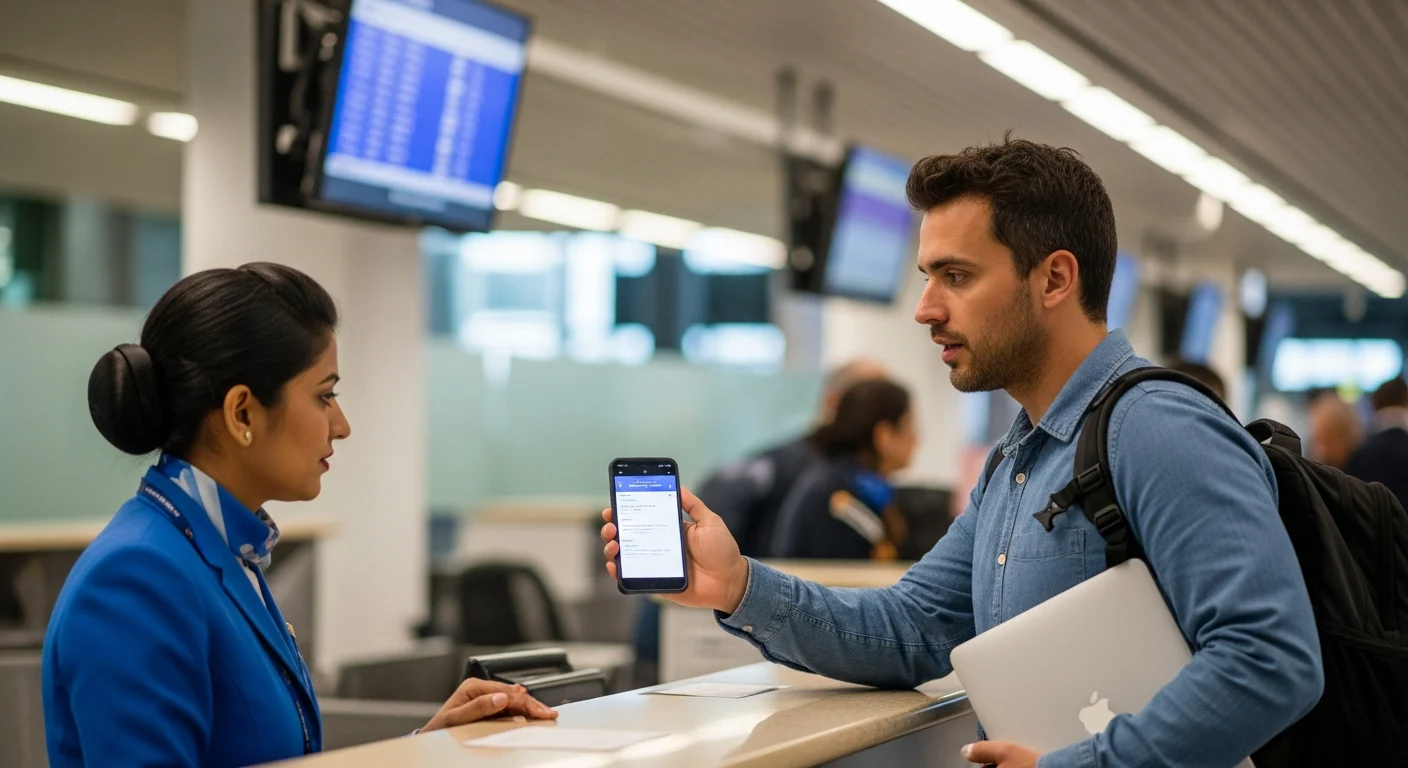
You pack your laptop, lock in client deadlines, and book a one-way fare to Bangkok. At check-in, the ground staff member smiles and asks for proof of onward travel. You hesitate. That pause is why we wrote this guide. For Thailand’s freelancer pathways, a dummy ticket is essential for onward travel proof—it's not a formality. Airlines check it before boarding. Visa sections can request it during submission. Immigration may recheck on arrival. Thailand uses onward travel proof to manage overstay risk, and carriers face penalties if they fly someone who cannot enter. If you plan to work remotely from Chiang Mai or Bangkok, your exit plan needs to be real, verifiable, and aligned with your stay. For more insights, explore our blogs on visa essentials.

We will show you where the request appears, what formats work, and how to keep your paperwork consistent. Ready to lock in your onward proof today? Learn about our services on the About Us page, and book a dummy ticket to get an instant, verifiable PNR.
 

onward ticket for Thailand freelancer visa is one of the most useful documents travelers prepare when organizing international trips. While most countries do not ask you to buy a fully paid ticket upfront, they do expect a verifiable proof of travel intent that clearly shows your entry and exit plan. This helps demonstrate that you will follow your schedule and return on time.

Using a professionally issued and verifiable onward ticket for Thailand freelancer visa is the safest and most convenient way to satisfy this requirement without financial risk, especially for visa applications and immigration preparations.

Last updated: November 2025 — verified against the latest traveler documentation practices and global consular guidelines.

Planning your Thailand freelancer visa requires careful attention to details like onward travel documentation. A reliable dummy ticket ensures compliance without the hassle of full commitments. As you navigate these requirements, remember that consistency across all documents is key to a smooth approval process.
 

Thailand’s Freelancer Paths, India Focus: Where Onward Tickets Fit

Freelancer visa paths in Thailand with dummy ticket integration for Indian applicants
Exploring visa options for Indian freelancers heading to Thailand.

Thailand gives you options, but not all options treat onward tickets the same way. If you plan your exit proof early, the rest of your paperwork becomes easier and more consistent. For embassy submissions and airline counters, start your dummy ticket booking and keep your dates consistent. This approach not only saves time but also aligns with best practices outlined by international aviation authorities like IATA.

What Indian Freelancers Actually Use Today

Before you choose a route, step back and match it to how you work and how long you plan to stay. You avoid surprises when your visa type and onward plan tell the same story. Expanding on this, many Indian freelancers are turning to flexible solutions to bridge the gap between visa requirements and their nomadic lifestyles.

  • Destination Thailand Visa (DTV). This is the most digital-nomad-friendly framework right now. It supports longer stays per entry and repeat visits. You still need to show that you will leave on time. An onward flight that tracks your intended entry length is the simplest way to demonstrate that. For DTV applicants, a dummy ticket can be particularly useful during the initial application phase.
  • Tourist Entry For Remote Work. Many freelancers enter on tourist permission while working for overseas clients. That choice increases scrutiny at check-in and sometimes at arrival. Your onward reservation should match the allowed stay. Your hotel and insurance dates should match as well. If they do not, the staff will ask more questions. To mitigate this, consider integrating a dummy ticket early in your planning.
  • Non-Immigrant Options. If you have a Thai company as a client or partner, a business route may fit. The document list is heavier, and timing is stricter. An onward plan still matters, especially if your first entry is short while paperwork finishes in Thailand.
  • Education Or Skill-Building Paths. Short courses or language study can be a bridge. Officers look for credible timelines. Your onward flight must tie to the course dates, not just a random two-week hop. Adding depth here, language programs in Bangkok often require proof of exit aligned with session end dates.
  • Premium Long-Stay Programs. If you use a premium program to simplify repeat entries, plan your exits anyway. Airlines still ask. A paid lounge does not replace a verifiable PNR. For those in premium tracks, a reusable dummy ticket option can streamline multiple entries.

Eligibility Signals Officers Actually Notice

You already know the headline requirements. What moves the needle is coherence. When your documents line up, onward proof looks natural, not forced. To enhance this, freelancers often include supplementary evidence like remote work contracts to bolster their case.

  • Your work profile. Indian freelancers with clear client invoices look organized. Keep a small pack of redacted invoices with dates that match your intended stay.
  • Financial sufficiency. Bank statements that cover the full period inspire confidence. If you plan to exit on day 58, your balance should not collapse on day 30. Diversifying income sources, such as freelance platforms, can further strengthen your financial narrative.
  • Accommodation coverage. A long stay with a two-night booking looks risky. Book in segments if needed, but show a path that makes sense. Platforms like Airbnb for long-term stays in Chiang Mai are popular among nomads.
  • Insurance window. If your policy ends before your onward flight, expect questions. Opt for comprehensive travel insurance that covers remote work activities.

Official Rules And Check-In Reality

Embassy pages can read softer than what you meet at the airport. Airlines face penalties if they board a passenger who cannot enter a country. That is why check-in staff in Delhi, Mumbai, Bengaluru, Hyderabad, and Chennai often request onward proof for Thailand. If your first proof is weak, they will ask for a second one. A live, verifiable PNR saves time. A static PDF without a record locator invites a manual review. In practice, this means preparing for real-time verification, which a dummy ticket facilitates effortlessly.

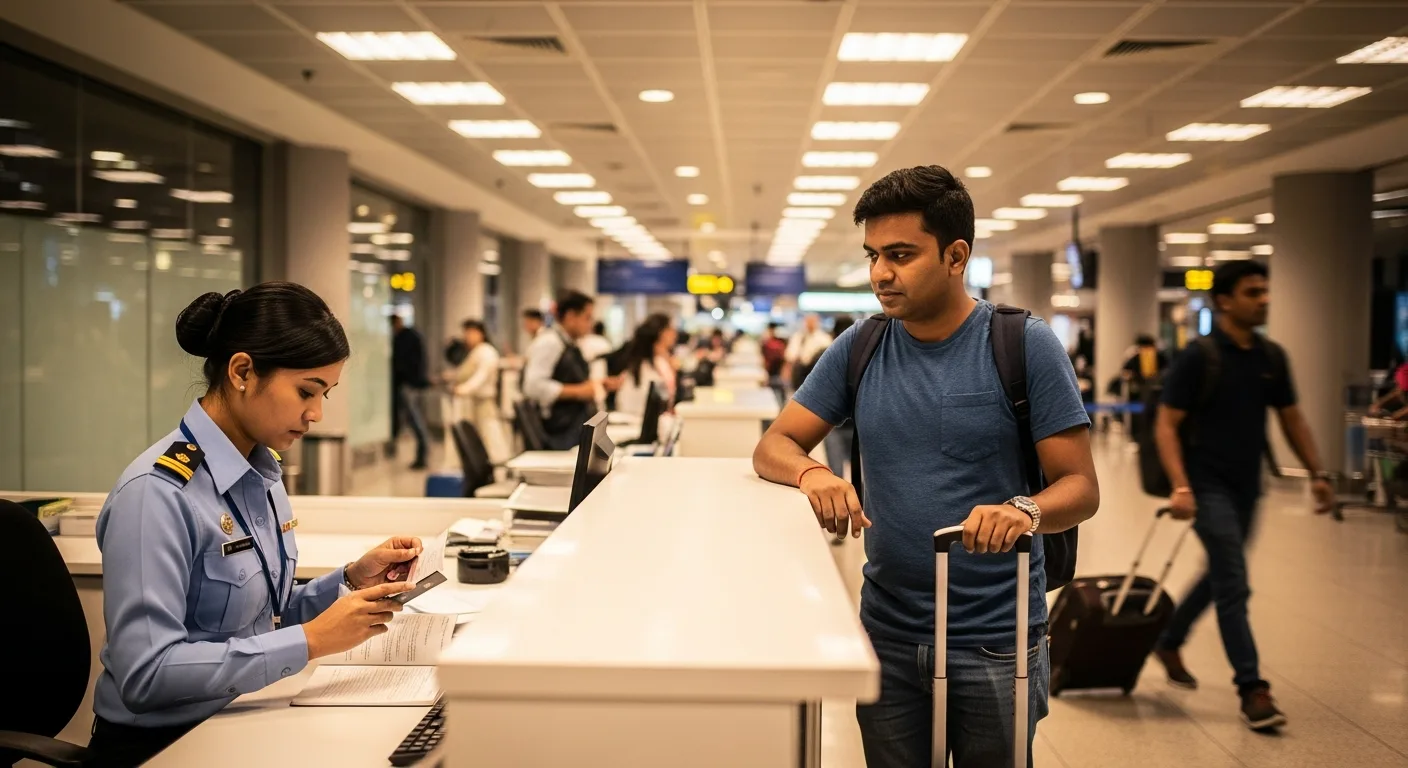
Thailand immigration may re-check on arrival, especially if you hold a one-way ticket and a long stay plan. Officers are trained to manage overstays risk. An onward plan that aligns with your stay length, hotel coverage, and funds usually ends the conversation fast. To avoid delays, always cross-reference your documents against official guidelines.

Why Onward Proof Sits Inside Overstay Controls

Think about the officer’s decision. They want to see that you will leave when your permission ends. An onward booking is the cleanest signal. It is not the only signal, but it is the one most frontline teams can verify in seconds. Building on this, understanding Thailand's immigration policies reveals how onward proof directly ties to national tourism sustainability efforts.

Your job is to present a consistent story:

  • Entry date matches ticket.
  • Exit date sits inside your allowed stay.
  • Accommodation and insurance cover you through that exit.
  • Your finances and client schedule support the same timeline.

When everything points to the same exit, the onward check becomes routine. This alignment is crucial for freelancers who may need to adjust plans mid-stay.

What Counts As Credible Evidence In Practice

You do not need a lecture on formats. You need a quick filter you can apply when time is tight. Prioritizing verifiable elements ensures minimal friction at borders.

  • A booking with a live PNR that opens on the airline website.
  • Passenger name identical to passport.
  • Dates that sit comfortably within the permitted stay.
  • With a clean PDF and an email confirmation, you can search quickly.
  • Plan B. Keep a second low-cost regional exit ready in your notes. If a flight changes or a hold expires, you have a backup in minutes. For instance, routes via AirAsia to Kuala Lumpur are reliable backups.

Avoid itineraries that switch airports without logic or show bizarre routings. These raise questions and waste time at the counter. Instead, opt for straightforward paths that mirror typical traveler patterns.

India-Specific Planning Notes That Save Pain

Your processes and banking flows are different from a traveler based elsewhere. Plan for those realities. Indian applicants often face unique challenges like currency conversion delays, so proactive planning is key.

  • e-Visa and VFS sequencing. Some applicants upload onward proof during the e-Visa. Others are asked at the VFS counter or by email. Expect a request and keep a valid booking throughout the review window. This window can extend up to 15 days, so choose flexible options.
  • Refund timelines. Fully refundable fares often return funds to Indian cards with a delay. If cash flow matters, use flexibility wisely and calendar the refund follow-up. Banks like HDFC may take 7-10 days for international refunds.
  • FX spreads and fees. International tickets can carry currency swings. If you plan to cancel a refundable fare, track the rate you bought at and the rate you cancel at. Tools like XE.com can help monitor this.
  • Metro departures and fare patterns. Ex-DEL and ex-BOM often hold better regional fares to Singapore, Kuala Lumpur, and Ho Chi Minh City. A short regional exit can be cheaper than a speculative return to India. Scoot and IndiGo offer competitive rates from these hubs.
  • Mobile access at the counter. Keep airline apps installed and logged in. Airport Wi-Fi can be patchy. Download your PDFs. Screenshot the PNR page as a fallback. This preparation has saved many travelers from last-minute stress.
  • Document hygiene. Put tickets, hotels, insurance, and key bank pages in one folder. Name files with dates. When the staff asks, you find everything fast. Apps like Google Drive with offline access are ideal for this.

You want freedom to move, not paperwork drama. Choose the route that fits your work rhythm, then anchor it with a simple exit plan. If your stay is long, align every date to that exit. If you expect to extend, schedule a realistic regional hop and refresh your onward proof before the previous one expires. This strategy not only complies with rules but also supports sustainable travel planning.

When your story is consistent, the onward ticket stops being a hurdle. It becomes a shortcut. You get your boarding pass. You clear arrival. You get back to your clients and your craft. For additional tips, check our FAQ.
 

Where The Ask Happens: From E-Visa To Boarding To Arrival

Timeline of dummy ticket requests for Thailand visa from application to arrival
Key stages where onward proof is verified in the Thailand visa journey.

You know, onward proof is part of the story. Now place it on the timeline. When you see exactly where teams ask for it, you can prepare the right file at the right moment and move on. Changing plans last minute? Book a dummy ticket and update the dates anytime. This flexibility is a game-changer for dynamic schedules.

Map Your Paper Trail Before You Start

Start with a simple checklist. Pick your visa route, then decide which onward booking you will show at each stage. Use one master folder on your phone and laptop. Keep tickets, hotels, insurance, and key bank pages named with dates. The goal is speed at the counter. You open one folder and everything is there. Digital tools like Notion can help organize this trail effectively.

Embassy Or E-Visa From India

If you apply through the e-Visa portal, the system can request onward proof. Sometimes it asks at upload. Sometimes by email later. Plan for both. The e-Visa process for Thailand has streamlined since 2022, but onward proof remains a staple requirement.

Give them an itinerary that matches the stay you declared. If you said sixty days, show an exit before sixty. If you aim for a longer permission like DTV, still show an exit that matches one entry window. Officers want to see that you will leave on time. They are not asking you to buy the final flight of your life. They want a credible plan. A dummy ticket fits perfectly here, offering realism without commitment.

Match the basics to your onward. Passport name on the ticket. Dates aligned with hotel and insurance. A live record you can load on the airline website if the officer asks for verification. This level of detail demonstrates preparedness.

VFS Appointment Day Playbook

At VFS, you meet people who check completeness. They are trained to spot files that create back-and-forth later. Make their job easy. VFS centers in major Indian cities like Delhi and Mumbai handle thousands of applications monthly, so efficiency is prized.

Carry a printed copy of your onward ticket and keep the PDF ready on your phone. If your booking is a time-limited reservation, confirm it is still live on the appointment morning. Reissue it if needed. Stale holds are a common reason for delays. Services like DummyFlights.com make reissuance instantaneous.

Expect simple questions. Why this exit? Why this date? Answer in one line. Your course ends on this date. Your client sprint ends here. Your insurance ends here. Consistency ends the conversation. Practice these responses to build confidence.

Airline Check-In Ex-India

This is the first hard gate. Airlines must ensure you meet entry rules. Check-in staff in Delhi, Mumbai, Bengaluru, Hyderabad, and Chennai often ask for onward proof to Thailand. Treat this as routine. Major carriers like Thai Airways enforce this strictly to avoid fines.

Lead with a verifiable PNR. Open it on the carrier website. If the system needs a confirmation code, have it ready. Do not rely only on a static itinerary that cannot be checked. If staff cannot verify it, they escalate. That costs time. A dummy ticket with a genuine PNR bypasses this issue seamlessly.

Keep your plan B ready. A second regional exit that you can buy or issue quickly helps if schedules change. Save a draft booking on a low-cost route to Kuala Lumpur or Singapore for the next two to three weeks. If something slips, you pivot fast. Low-cost carriers like AirAsia provide affordable options here.

Match documents at the desk. If your insurance ends on the tenth, do not show an exit on the fifteenth. If your hotel ends early, mention your next apartment booking or add a short extension. Small mismatches trigger extra questions. Pre-aligning prevents this entirely.

Arrival In Thailand

Immigration may recheck onward proof. This happens more often when the officer sees a one-way ticket, a long stay plan, or a new passport with no travel history. Stay calm. Show the same booking you showed the airline. Open it live if asked. Suvarnabhumi Airport sees high volumes, so quick presentations are appreciated.

Bring the rest of your story in one breath. You have funds to cover your stay. Your hotel covers you until your exit. Your insurance covers the same. If you are on a freelancer-friendly path, keep a couple of redacted client invoices or a contract letter. Officers are not hunting for drama. They want to see that your exit is real and your plan is balanced. Adding a brief itinerary summary can further clarify.

In-Country Extensions Or Changes Of Status

If you extend a tourist stay or move to a non-immigrant category, your onward planning shifts. Your original exit date may no longer match the new permission. Refresh it. Extension applications at local immigration offices require updated proof, often within 7 days of filing.

When you file for an extension, keep a clean trail. Old onward ticket. New approval. New onward ticket that fits the updated end date. Keep all three in one place. If a desk asks how the dates changed, you show the sequence. It looks organized and credible. Digital archiving tools make this trail easy to maintain.

Changing status takes time. While you wait, carry a short regional exit as a backup. If a meeting gets pushed or a paper takes longer, a quick hop resets your timeline and keeps everything compliant. Popular hops include visa runs to Laos or Cambodia, though Thailand discourages frequent misuse.

Border Hops And Regional Exits

Freelancers often use short regional trips to manage timelines. Done right, this looks sensible. Done lazily, it looks like you are improvising at the last minute. To optimize, select routes with minimal transit times.

Plan three details. First, pick nearby hubs with frequent flights and predictable fares. Kuala Lumpur, Singapore, and Ho Chi Minh City are popular because you can move dates without paying a fortune. Second, set reminders. If your current onward booking expires tonight, replace it this afternoon. Third, align your coverage. Extend your accommodation and insurance to the new exit date before you fly out. This proactive approach minimizes risks.

If you will re-enter Thailand after the hop, understand the new permission you get on return. That permission defines the next onward date. Put it on your calendar the day you land. Re-entry stamps can vary, so confirm with official sources.

Student, First-Timer, Family Visitor, Digital Nomad

Different profiles face different questions. Prepare accordingly. Tailoring your preparation to your profile increases success rates significantly.

  • Students show course letters and exits tied to term dates. Institutions like Chulalongkorn University provide sample timelines.
  • First-timers bring clear bank pages and a simple round-trip or regional exit within the permitted window. Starting with tourist visas eases the transition.
  • Family visitors align visits to host letters and return near the stated end of stay. Including family photos or invitation details adds warmth.
  • Digital nomads keep client letters, a light invoice pack, and a regional exit that matches project sprints. Platforms like Upwork invoices serve as strong evidence.

You do not need a thick file. You need a tidy one. If an officer or agent can scan your page and see logic, you are done. Focus on quality over quantity.

Think in stages. e-Visa or embassy asks. VFS checks. Airline check-in. Arrival. Optional extension. At each step, you show the same truth with updated dates. Your exit is planned. Your documents agree. Your funds cover you until then. This staged approach ensures continuity.

Do this, and onward proof stops being a hurdle. It becomes your shortcut through every checkpoint, from India to Thailand and back to your work. For more on visa strategies, visit our blogs.
 

Your Exit, Your Strategy: Pick Proof That Matches Your Plan
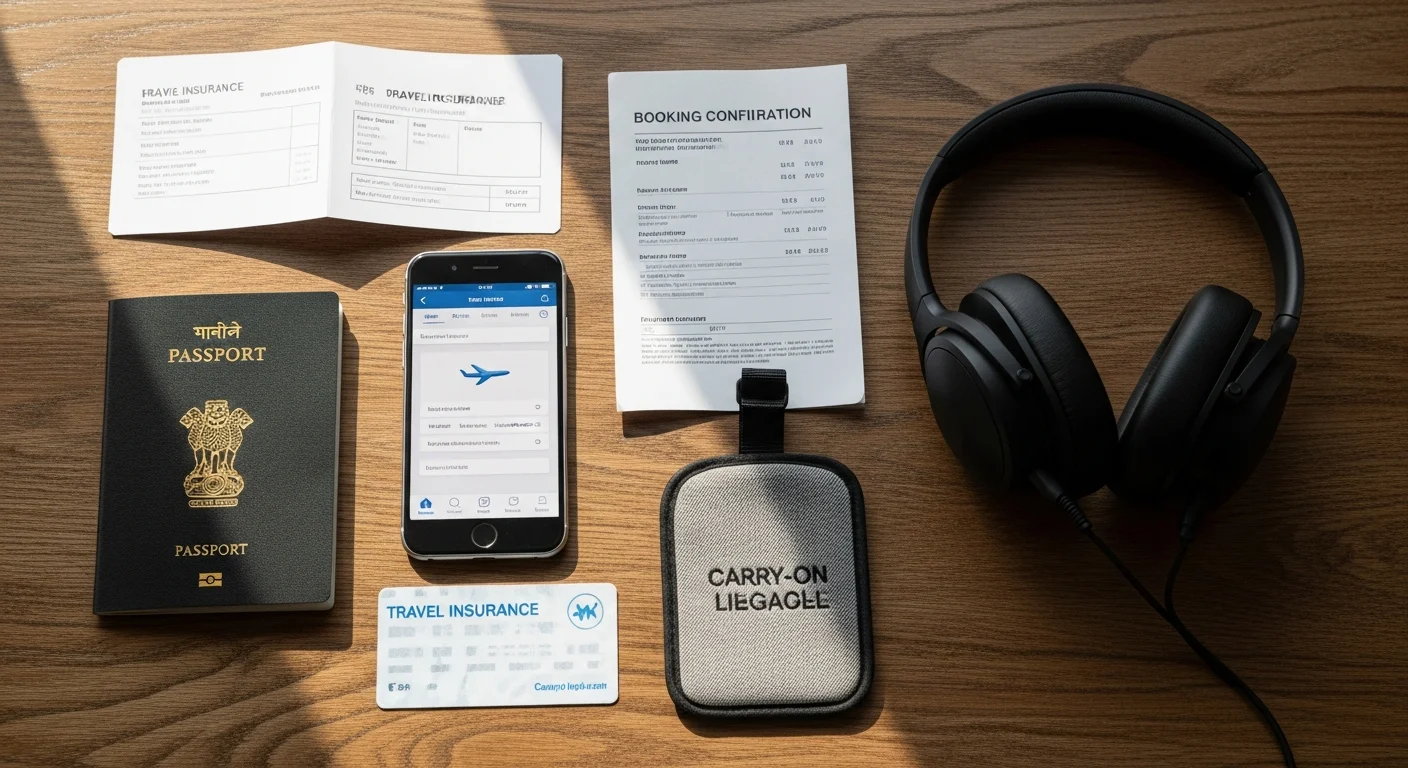
Strategic options for dummy ticket as onward proof in Thailand visa plans
Choosing the right onward strategy tailored to your Thailand stay.

You do not need every option on the table. You need one onward plan that fits your stay, your budget, and your paperwork story. Use this section to choose quickly and reduce surprises. Need a fast backup before check-in? Use our dummy ticket booking for a live, checkable record. This tool is designed specifically for scenarios like yours.

Option A: Fully Flexible Tickets When You Want Zero Friction

If cash flow allows, book a fully refundable fare. It verifies instantly and reads as a strong intent to leave Thailand legally. You get simple verification at check-in and a smooth conversation with Thai immigration. Premium economy options on full-service carriers enhance this further.

Pros

  • Highest credibility with airlines and counters.
  • Easy to show on carrier apps.
  • Clean refunds if rules allow.

Cons

  • Cash gets blocked until the refund clears.
  • Refunds to Indian cards can take time.
  • FX slippage reduces the amount you receive back.

Make It Work

  • Match the exit to your declared stay on a Thai visa or dtv visa application.
  • Keep the PDF and the live PNR handy.
  • Track the refund against your bank account to confirm receipt. Use alerts for transaction notifications.

Good Fit For

  • Remote workers who value time over small savings.
  • Applicants with a valid passport and a neat folder of supporting documents. Those with steady freelance income streams.

Option B: Legitimate Reservations And Holds For Appointment Windows

Time-limited GDS holds or verifiable reservations work well for e-Visa uploads, VFS days, and pre-boarding checks. They are cheaper upfront than fully flexible tickets, but you must watch the clock. GDS systems like Amadeus power most of these holds.

Pros

  • Low upfront outlay at an affordable cost.
  • A verifiable record locator that staff can check.
  • Easy to reissue when dates move.

Cons

  • Holds expire if you forget to refresh.
  • Some carriers shorten time limits during peak seasons. Holiday periods like Songkran see tighter windows.

Make It Work

  • Reissue within 24 hours of your embassy visit, immigration office filing, or flight.
  • Sync hotel, health insurance with minimum coverage, and exit dates.
  • Keep your minimum balance stable until you fly to avoid credibility dips. Buffer accounts help here.

Good Fit For

  • Self-employed individuals juggling client deliverables.
  • Students and family visitors aligning returns to cultural events or term breaks. Budget-conscious nomads.

Option C: Return To India Or Third-Country Hops When You Optimize Costs

You can pair your entry with a round-trip to your home country, or you can book a short hop to neighboring countries. Either satisfies onward proof when planned well. Cost optimization is key for long-term stays.

Return To India

  • Works cleanly for a tourist visa or other visas with fixed windows.
  • Keep your story simple if you plan to leave Thailand on a set date. Direct flights via IndiGo keep it economical.

Regional Exits

  • Kuala Lumpur, Singapore, Ho Chi Minh City, and Phnom Penh keep fares low and schedules frequent.
  • Great for digital nomads in Thailand who follow project sprints.
  • If you book a non-refundable flight, even with a low-cost airline, confirm you can move dates for a small fee. Fees under $50 are common.

Make It Work

  • Put the exit inside the window for Thailand digital nomad visa stays or your chosen non-immigrant visa.
  • If you are exploring the DTV visa, ensure your onward travel aligns with one entry cycle so it looks logical to DTV visa holders and staff.

Option D: Aligning With Work Routes And Paperwork Milestones

Your onward plan should reflect the permission you hold or plan to seek. Integrating work elements strengthens the application.

  • Business routes. If you target a non-immigrant B visa or a business visa tied to the Thai market, add an employment contract extract or a client letter. That reduces back-and-forth when you enter meetings. Thai Chamber of Commerce endorsements can add weight.
  • LTR paths. If you are exploring ltr visa or ltr visa Thailand as a long-term visa option, ensure your exit aligns with reviews and reporting. Some applicants styled as long-term residents may still keep scheduled returns for clarity. LTR requires proof of $80k annual income for many categories.
  • Premium programs. An elite visa does not remove the onward request at boarding. Keep a clean exit anyway. Elite programs like Thailand Privilege offer concierge support for documentation.

Costs, Fees, And Money Hygiene For India-Based Applicants

Price is only one part of the total. Look at money flow and paperwork timing. Indian applicants should factor in GST on services and wire transfer fees.

  • Visa fee and sequencing. Time reservations so they remain valid through the Thai embassy or Royal Thai Embassy processing window. Processing can take 5-15 days.
  • Refund timing. Track bank posts against the income earned entry in your ledger so you do not double-count cash. Use apps like Walnut for tracking.
  • Tax context. If you spend extended periods in Thailand and manage foreign income, get advice early on income tax and whether you might be considered a tax resident. Some freelancers become Thai tax residents after long stays. If you plan to pay tax in Thailand, align your exits to your filings and keep your proof tidy. Thailand's 180-day rule triggers residency considerations.

Paper Trail That Sells Your Exit Without Drama

Think of your onward as one tile in a mosaic. Everything else must point to the same date. A cohesive narrative is more persuasive than isolated documents.

  • Accommodation that covers you until you leave Thailand. Long-term rentals in co-living spaces like The Hive are ideal.
  • Health insurance with clear minimum coverage through your exit.
  • A small professional portfolio or client note if you travel for foreign clients.
  • If relevant, copies of a marriage certificate or birth certificate for family dependants.
  • A short note about frequent trips if your work rhythm requires it.

For company builders, add light extras only if asked: company registration steps, legal permission status, or a meeting appointment at a one-stop service center. Keep additions minimal to avoid overwhelming reviewers.

Compliance Signals That Officers Recognize Fast

Counters want to see order. Give them that. Visual cues like dated folders impress subconsciously.

  • A tidy list of eligibility requirements met.
  • A single PDF with ticket, hotel, policy, and funds.
  • If you mention a Thai bank account in forms, keep a page ready. If not, be ready to show your home country statement instead. Bangkok Bank is popular for expats.
  • If you are progressing towards a work permit, state it plainly without overpromising.
  • Keep co-working spaces bookings or apartment contracts aligned to the exit date. Spaces like WeWork Thailand offer flexible terms.

When you present a calm, coherent set of pages, staff spend less time asking follow-ups. This efficiency translates to faster processing times.

When You Need A Verifiable Reservation

For interviews, counters, or boarding where a live PNR is required, a dummy flight ticket, legal for embassy applications, can save you time and cash. Use it only when it fits your plan. Reliable dummy ticket providers book you with major airlines like Thai Airways, Singapore Airlines, or Emirates based on availability. At DummyFlights.com, you receive an instant, verifiable reservation at a small fixed price, with unlimited date changes, so you can update your exit when meetings move. This service has helped thousands navigate similar hurdles.

When To Get Advice And From Whom

Long stays bring grown-up questions. If you plan to stay in Thailand for extended periods or you expect to pay tax locally, get neutral guidance. Professional advice prevents costly mistakes down the line.

  • A full-service law firm can brief you on the Thai authorities' processes.
  • Firms like Siam Legal or Siam Legal International can explain how Thailand offers long-term resident pathways, term resident ltr visa notes, and how some travelers become tax residents.
  • Ask how Thai taxes interact with foreign income, how to become a Thai tax resident, and whether you must pay tax.
  • Request a legal consultation on whether you need a new visa, how other visas compare, and when to visit an immigration office.
  • Confirm if DTV visa holders or digital nomad visa seekers need a Thai bank account or a minimum balance.
  • Clarify if non-immigrant B visa applicants require an employment contract before entry.
  • Check how Thai embassy requests differ across cities and how Thai immigration handles legal permission for self-employed individuals.

None of this replaces your onward booking. It keeps your story aligned while you plan to stay in Thailand, apply for a new visa, or pivot to neighboring countries. Always cross-verify with official sources for the latest updates.

👉 Order your dummy ticket today to ensure your application sails through without delays.
 

Make It Smooth: Timing, Consistency, And Counter Fixes That Work

You want a clean path from India to Thailand with no last-minute scrambles. The way to get there is simple. Time your bookings, keep every date aligned, and carry quick fixes for common airport and immigration questions. Keep your paperwork tidy—book a dummy ticket that matches your hotel and insurance. Mastering these elements can turn a stressful process into a streamlined experience.

Build A Simple Timeline You Can Actually Follow

Start with your target entry date and work backward. Put reminders on your calendar for each checkpoint. Give yourself buffer days so you can move bookings without stress. Apps like Google Calendar with shared access for teams can enhance this.

  • Seven to ten days before submission, prepare an onward ticket that will remain valid through the expected review window.
  • Forty-eight hours before VFS or airline check-in, confirm the booking is still live. Reissue if the time limit is near.
  • On arrival week, plan your first few nights, local phone number, and any extension steps you might take later. SIM cards from AIS or TrueMove are reliable.

This small plan keeps you away from last-minute purchases and shaky screenshots. It's a foundational step for any international move.

Keep Every Date Pointing To The Same Exit

Officers and airline staff look for alignment. When your documents point to one exit date, the conversation is short. Misalignments, even minor ones, can lead to unnecessary scrutiny.

  • The ticket exit date sits inside your permitted stay.
  • Hotels or apartment contracts reach your exit date or include a note about the handover.
  • Insurance covers you through that exit.
  • Bank statements show enough funds for the period you claim. Aim for 3x the minimum requirement for buffer.

If one element does not match, fix it before you meet a counter. A one-page mismatch can triple your question time. Regular audits of your documents prevent this.

Pack A Counter-Ready Folder

Create a single folder on your phone and laptop. You should be able to open it in ten seconds at the desk. Name files with clear dates so the order is obvious. Cloud syncing ensures accessibility across devices.

Include these five items:

  1. Passport photo page.
  2. Onward ticket PDF and the booking reference in plain text.
  3. Accommodation proof that reaches the exit date.
  4. Insurance certificate with coverage dates.
  5. One or two financial pages that show available funds.

Add any extras only if relevant, like a course letter, a client note, or a brief travel plan. Keep it lean so staff can scan it quickly. Less is often more in high-pressure situations.

Present Like A Pro At Airline Check-In

You control the tone at the counter. Lead with the strongest proof, then back it up. Confidence comes from preparation, not bravado.

  • Open the booking on the airline website or app first. Show the PNR without being asked.
  • Say your exit date out loud and point to the hotel and insurance pages that match it.
  • If asked why you chose that date, answer in one sentence. It should tie to a class, a client sprint, or a return obligation.

If something changed overnight, do not defend an expired hold. Replace it on the spot and show the fresh record. Staff prefer a clean fix over a long explanation. Mobile hotspots as backups ensure connectivity.

Arrive With A Calm, Consistent Story

At immigration, you may be waved through, or you may be asked the standard set of questions. Either way, your approach is the same. Short answers, same exit, same dates. Body language matters—maintain eye contact and speak clearly.

If you are asked about funds, show a recent statement or your bank app with the balance page ready. If you are asked about purpose, keep it factual and simple. You are visiting, you have accommodation, and you will leave on the date shown on your ticket. If you work remotely for overseas clients, you are not taking local employment. Do not overshare; just match your documents. This brevity respects the officer's time.

Plan Extensions Without Breaking Your Paper Trail

If you might extend, set a reminder for a week before your current permission ends. Refresh your onward booking to the new exit date once the extension is approved. Keep the old ticket, the approval slip, and the new ticket in one place. That sequence proves you did not overstay. If a desk asks how the dates moved, you show the steps in seconds. Digital timestamps add verifiability.

When changing status, expect a longer timeline. Carry a short regional exit as a safety valve. If an approval takes longer, you can leave and return in a way that keeps your stay compliant. Immigration offices in Bangkok process these efficiently during weekdays.

Have Two Fast Backups For Common Problems

You do not need many contingencies. You need two that you can execute from your phone. Simplicity in backups ensures reliability.

  • Backup exit. A draft regional ticket you can confirm within minutes if plans shift. Keep one for the next two to three weeks.
  • Second reservation source. If your first booking fails verification, issue a fresh reservation with a new record locator. Present the new one and move on. Providers with 24/7 support are invaluable here.

Practice this once at home. Time yourself from decision to confirmed booking. When you can do it in under five minutes, you are ready for anything at the counter. Regular drills build muscle memory.

Tailor The Approach To Your Profile

Different travelers get different questions. Prepare the one or two pages that answer those questions in advance. Personalization is the key to efficiency.

  • Students. Course letter dates and an exit near the end of the term.
  • First-time travelers. Clear funds page, simple round trip or short regional exit, and accommodation through the exit.
  • Family visitors. Host letter or invitation note, exit near the planned return, and insurance aligned with the visit.
  • Digital nomads. A couple of redacted invoices, a brief note that you work for overseas clients, and an exit that matches your project cycle. Include a sample workflow if queried.

You do not need a thick file. You need the right two pages for your situation. This targeted prep saves space and stress.

Practice The Thirty-Second Drill

Stand in front of a mirror and explain your trip in half a minute. State your entry date, your purpose, your accommodation, your funds, and your exit date. Then show the PNR. This quick drill pays for itself at airline counters and border booths because it keeps you clear and confident. Record yourself for improvements.
 

Destination Thailand Visa (DTV): Your Exit Plan Is Your Shortcut

You know the checkpoints. Now give yourself breathing room. Plan your onward ticket early, align every date, and carry a fast backup you can issue from your phone. Keep one tidy folder with your ticket, accommodation, insurance, and funds. Present the live PNR first. Say your exit date clearly. Show how the rest supports it. The DTV, launched in 2024, caters specifically to remote workers, making onward proof even more pivotal.

If plans shift, update everything at once. Ticket, hotel, and policy should always point to the same finish line. Students, first-timers, family visitors, and digital nomads can all use the same playbook. Stay calm, stay consistent, and you will glide through desks in India and counters in Thailand with time to spare. Save cash while you satisfy onward-proof checks with a quick dummy ticket booking. As Thailand's digital nomad scene grows, with hubs like Bangkok and Phuket thriving, tools like these become indispensable.

In conclusion, mastering onward proof for your Thailand freelancer visa isn't just about compliance—it's about empowering your nomadic lifestyle. By integrating a dummy ticket strategically, you ensure smooth transitions at every stage, from application to arrival. This not only boosts your approval chances but also frees mental space for what matters: your work and adventures. For those eyeing extensions or multiple entries under DTV, regular updates to your proof keep everything current and credible.
 

What Travelers Are Saying

Raj • BLR → BKK
★★★★★
“Dummy ticket got me through VFS without a hitch—dates updated twice for free!”
Raj • BLR → BKK
Priya • DEL → DMK
★★★★★
“Perfect for my DTV app—PNR verified instantly at check-in.”
Priya • DEL → DMK
Vikram • HYD → CNX
★★★★★
“Saved my freelance trip—regional hop was a breeze to adjust.”
Vikram • HYD → CNX


Why Travelers Trust DummyFlights.com

DummyFlights.com has been a reliable partner for freelancers and nomads since 2019, specializing exclusively in dummy ticket reservations for visa and travel proofs. We've supported over 50,000 visa applicants with instant, verifiable PNRs that align seamlessly with embassy and airline requirements. Our 24/7 customer support team, based in a registered business with dedicated experts, ensures real-time assistance—no automated responses. Secure online payments and PDF delivery happen in minutes, giving you peace of mind. DummyFlights.com focuses on niche expertise in onward travel documentation, helping you navigate complexities like Thailand's DTV without the guesswork. Travelers choose us for our proven track record in delivering compliant, flexible solutions that reinforce your application’s credibility.
 

Freelancer-Approved Onward Proof
Verifiable dummy ticket for Thailand visas — flexible dates, no hidden fees.
Live PNR AccessInstant RevisionsVisa-Compliant
Get Your Dummy Ticket Now
“Used for my DTV extension—updated dates in seconds, approved on the spot.”

About the Author

Visa Expert Team - With over 10 years of combined experience in travel documentation and visa assistance, our team at DummyFlights.com specializes in creating verifiable travel itineraries. We’ve helped thousands of travelers navigate visa processes across 50+ countries, ensuring compliance with embassy standards.

Trusted Sources

Important Disclaimer

While our dummy tickets with live PNRs are designed to meet common embassy requirements, acceptance is not guaranteed and varies by consulate or country. Always verify specific visa documentation rules with the relevant embassy or official government website before submission. DummyFlights.com is not liable for visa rejections or any legal issues arising from improper use of our services.