

Repeat applicants face a different risk from first-time applicants. One dummy ticket mistake can spill across several files: old travel dates, stale PNR details, reused PDFs, conflicting routes, or two visa applications that accidentally place you in two countries at the same time.
The safe approach is simple: treat every visa file as its own travel story. A dummy ticket should support the form in front of you, not a trip you planned last month. When your route, appointment date, submission window, hotel proof, insurance and cover letter change, the flight proof usually needs to change too.
Key facts for repeat applicants:
- One dummy ticket should support one specific visa file.
- Freshness matters more when appointment dates, upload dates or decision windows move.
- Never reuse a reservation after a refusal without rebuilding the travel story.
- Check that two applications do not create impossible overlapping travel dates.
- Keep submitted PDFs separate from drafts so you do not upload the wrong file.
Preparing several visa files or a repeat application? Create a clean dummy ticket for the exact route, date window and application you are submitting now.
Create Your Dummy TicketIn This Guide
Official-source check: repeat and multi-application planning should stay flexible because visa authorities warn applicants not to make final travel commitments before approval. The U.S. Department of State says there is no guarantee a visa will be issued and applicants should not make final travel plans or buy tickets until they have a visa. Singapore ICA says applicants are not required to buy a ticket before applying and bear the loss risk if they do. The EU Visa Code also says applications are assessed on document authenticity, reliability, applicant statements and intention to leave, and that previous refusal does not automatically refuse a new application. Sources: U.S. visitor visa guidance, Singapore ICA flight ticket guidance, and EU Visa Code.
Start With a Flight Reservation Map Before Any Visa Form

Multiple visa applications become messy when the flight proof is chosen last. The better sequence is to map every intended trip before you touch the form. List the country, purpose, expected appointment date, intended departure, intended return, hotel plan, insurance window and document submission method.
Match each dummy ticket to one specific visa file
A dummy ticket should not float between applications. A France tourist file, Canada visitor file and UAE tourist file may all require travel proof, but each file has its own dates, officer expectations, route logic and risk pattern. Reusing the same reservation because it “looks close enough” is where repeat applicants get into trouble.
For each application, ask what the flight proof is supposed to prove. Is it showing entry and return? Is it supporting a hotel booking? Is it explaining onward movement? Is it matching an invitation? Once you know the purpose, the reservation becomes easier to build.
Separate your real travel plan from your embassy submission plan
Your real travel plan may be flexible. Your embassy submission plan should be clean. That does not mean fake. It means the document package should present one clear intended trip instead of every possible variation you might take after approval.
If you are applying for several visas because the final destination is uncertain, each file still needs a believable route. Do not let one application show Paris from June 5 to June 15 while another shows Tokyo from June 8 to June 20 unless there is a clear reason and the trips can realistically coexist.
Track appointment dates, submission dates and decision windows
Dummy ticket timing is not just about the travel date. It is also about when the document might be reviewed. Online uploads, VFS appointments, courier submissions, embassy callbacks and re-check requests can all happen on different days.
Your tracker should include:
- Country and visa category.
- Appointment or upload date.
- Expected decision window.
- Ticket issue date and freshness status.
- Intended departure and return or onward date.
- Hotel, insurance and invitation date range.
- Submitted PDF filename.
This tracker prevents the classic repeat-applicant mistake: uploading the wrong PDF or using a ticket that was created for a previous route.
Flag countries where return logic must look stronger
Some files are more sensitive to return or onward logic. Short-stay tourist, visitor, transit and one-way travel applications often need a clear answer to “when will this person leave?” A dummy ticket with a return or onward segment helps when the route and timing match the rest of the evidence.
Repeat applicants should be especially careful when applying to countries with different entry rules. A ticket that works for one destination may not fit another if the visa category, permitted stay, insurance window or hotel evidence changes.
Decide When a Dummy Ticket Is Fresh Enough for Repeat Submission
Freshness is one of the biggest issues in repeat applications. A reservation that was valid for one file may be stale by the time the next file is prepared.
Use the PNR freshness ladder instead of guessing
Think in levels. A ticket created for today’s upload is fresh. A ticket created a few days ago may still be usable if the appointment and review timing fit. A ticket created for last month’s application should not be reused unless the trip details and submission context are still exactly aligned.
Freshness ladder:
- Fresh: created for the current file and current submission window.
- Acceptable: still aligned and not expired for the likely review point.
- Risky: copied from a similar file with changed dates or documents.
- Unsafe: reused after route change, refusal, expired status or edited form.
Refresh the ticket when the embassy timeline moves
If an appointment is postponed, an upload date moves, or a decision window extends, the dummy ticket may need to be refreshed. The issue is not only whether the flight date is still in the future. The issue is whether the reservation still supports the file at the point it may be reviewed.
Do not keep an old ticket just because it saves time. A fresh reservation is often cleaner than explaining why the submitted proof no longer matches the current schedule.
Do not reuse a ticket because the dates look similar
Similar is not the same as correct. Two trips can share similar dates but have different application forms, hotel plans, invitations, insurance policies or return logic. If any supporting document changed, the flight proof should be checked again.
Repeated use becomes especially risky when the PDF has an old issue date, a stale booking reference, a carrier that no longer fits the route, or a return date that no longer supports the cover letter.
Replace the reservation when the travel story changes
If the destination, purpose, stay length, entry point, exit point, hotel city, invitation dates or travel companion details change, treat the dummy ticket as outdated. The new file needs a new or updated reservation that supports the new story.
Avoid Cross-Application Date Conflicts
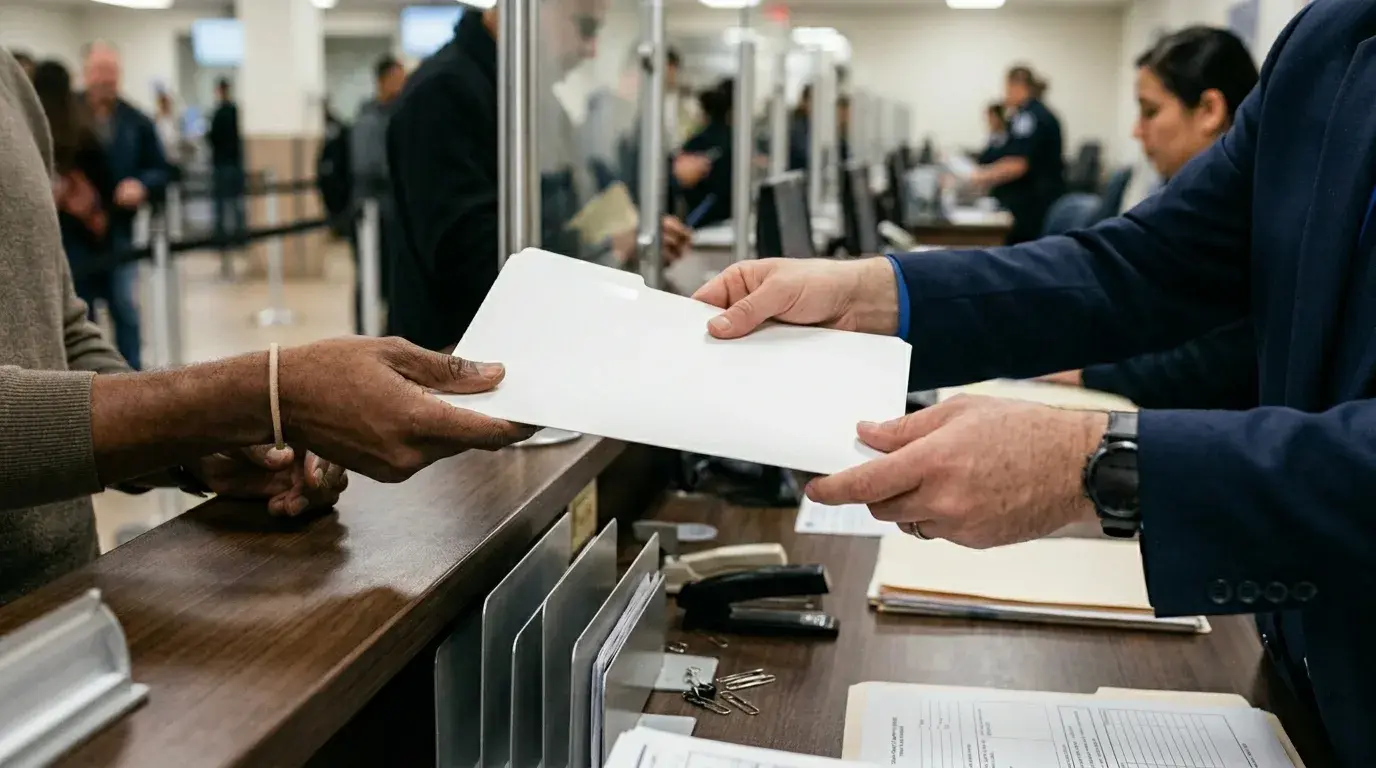
When you apply to more than one country, the biggest danger is accidental impossibility. Your documents might show you entering one country before leaving another, staying longer than your leave allows, or using one return flight to support two different plans.
Check whether two files put you in two places at once
This happens more often than applicants realize. One file may show a Schengen trip from July 1 to July 12. Another file may show a UAE trip from July 8 to July 15. Alone, each file may look fine. Together, they create a timeline conflict if both are submitted or reviewed close together.
You do not need to reveal every possible future plan in every file. But you should not submit documents that contradict each other if the same passport history, travel dates or intended itinerary may be compared.
Keep entry and exit dates consistent with each country’s visa logic
Different countries read dates differently. Some care mainly about the first intended entry. Some care about full stay length. Some care strongly about onward proof. Some care more about purpose than flight details. Your dummy ticket should fit the logic of the country and visa type being requested.
For short-stay visitor files, the return or onward date should be easy to understand. For multi-country routes, the entry and exit sequence should support the country where you apply. For repeat applications after delay, the new date pattern should explain why the trip shifted.
Avoid using one return flight for two different travel stories
A single return flight might seem efficient, but it can weaken both files if the trip purposes differ. A business visit, family visit and tourist trip each creates a different reason for travel. The return segment should support that reason, not merely prove that a plane exists.
Run a conflict scan before every new submission:
- Do any travel dates overlap unrealistically?
- Does one file depend on a visa that has not been issued yet?
- Does the return flight support the stated purpose?
- Do hotel and insurance dates match the flight window?
- Does the route make sense if the first visa is delayed?
Handle Dummy Tickets Carefully After a Visa Refusal
A refusal should reset the travel plan. Do not simply reprint the same dummy ticket and resubmit unless the refusal had nothing to do with route, timing, purpose, credibility or supporting documents.
Treat a refusal as a full itinerary reset
After refusal, your old reservation may now be tied to a failed file. The dates may be too close, the hotel plan may have expired, the invitation may need adjustment, or the cover letter may need a clearer explanation. A repeat application should look corrected, not recycled.
If the refusal involved insufficient justification of purpose, weak return intention or unclear documentation, the flight proof should be rebuilt around the corrected story. The new ticket should support the improved application, not preserve the old weak pattern.
Align the new reservation with the corrected weak point
If the previous issue was unclear purpose, choose dates that match the purpose more tightly. If the issue was funds, avoid an unnecessarily long stay. If the issue was return intention, make the return or onward plan cleaner. If the issue was accommodation mismatch, rebuild the route and hotel dates together.
Do not make the reapplication look rushed
A new application submitted immediately with almost identical documents can look like a copy-and-paste attempt. If you reapply, use the time to correct the file. A fresh dummy ticket helps only when the surrounding documents have also been corrected.
Keep old tickets out unless requested
Do not include old dummy tickets in a new file unless the embassy asks for previous documents or you need to explain a change. Extra old PDFs can confuse the timeline and make the officer compare details that no longer represent the current plan.
Know When Reusing a Dummy Ticket Is Acceptable, Risky or Unsafe
Reuse is not always wrong, but it has a narrow safe zone. The more the file changes, the less safe reuse becomes.
| Scenario | Reuse status | What to do |
|---|---|---|
| Same country, same route, same dates, same form, same upload window. | Possibly acceptable | Verify freshness and make sure the PDF is current. |
| Same destination but appointment moved by several days. | Check carefully | Refresh if review timing or reservation status may be stale. |
| Same country but hotel, insurance or cover letter changed. | Risky | Update the ticket and all date-sensitive documents together. |
| Different country, changed route, changed purpose or changed stay length. | Unsafe | Create a new file-specific reservation. |
| Reapplication after refusal. | Unsafe by default | Rebuild the itinerary around the corrected application. |
Reuse may be acceptable only when nothing material changed
If the country, route, date range, form, hotel plan, insurance, invitation and submission window are unchanged, reuse may be acceptable after a freshness check. Even then, keep the submitted version clearly labeled so you do not upload an older draft.
Reuse becomes risky when the form has been edited
If you changed intended entry date, departure date, length of stay, destination city or purpose in the form, the dummy ticket must be checked against the new form. A small form edit can make the old reservation inconsistent.
Choose editability over last-minute panic
Repeat applicants benefit from keeping travel proof flexible until the file is ready. The goal is not to keep changing details endlessly. The goal is to avoid being trapped by an old PDF that no longer matches the final submission.
Prepare a Clean Flight Document Set for Every Repeat Visa File
File hygiene matters. Many repeat-application errors happen because the applicant has too many similar PDFs on the desktop and uploads the wrong one.
Name every ticket file clearly
Use filenames that identify the country, applicant, date range and submission stage. For example, a clean file name might include “France-tourist-June10-20-submission-ready” rather than “ticket-final-final-new.”
Suggested file labels:
- Draft route.
- Submission-ready reservation.
- Uploaded version.
- Revised after appointment change.
- Reapplication version.
Keep drafts separate from submission-ready reservations
Drafts are useful while planning, but they should not sit beside final upload documents. Create a separate folder for submitted files so you always know which version went to the embassy or visa center.
Check passenger details against passport and form
For repeat applications, passenger data can become stale. A renewed passport, corrected middle name, changed nationality document, new residence country or updated legal name can all require new flight proof. Do not assume old passenger details are still correct.
Confirm the route supports the supporting documents
The dummy ticket should sit beside hotel proof, invitation dates, insurance, leave approval and cover letter without requiring a long explanation. If the officer has to work hard to understand the route, simplify it.
Keep a submission log for future applications
Repeat applicants should keep a simple submission log because memory becomes unreliable after two or three files. Write down which ticket was submitted, which date range it showed, which route it supported, and whether the file was approved, refused, withdrawn or still pending.
This is especially useful when you reapply after a refusal or when you later apply to another country. You can quickly see what was already used and avoid copying a route that no longer matches the new file.
Keep a record of:
- Visa country and category.
- Submitted dummy ticket file name.
- Travel dates shown on the reservation.
- Route, entry airport and exit airport.
- Hotel and insurance date range.
- Application result and decision date.
Repeat-Application Scenarios That Need Extra Care
Not every repeat application has the same risk. Some are simple: same traveler, same destination, same planned trip, only the appointment moved. Others are sensitive: previous refusal, changed route, new passport, family group, or multiple countries being prepared at the same time.
Scenario 1: same trip, delayed appointment
If the appointment moves but the trip remains the same, check whether the old dummy ticket still supports the new timing. The travel dates may still be correct, but the reservation may no longer be fresh enough for the new submission window.
In this case, you do not need to rebuild the whole travel story. You need to refresh the flight proof and then confirm that hotel, insurance and cover letter dates still match.
Scenario 2: same country, changed travel dates
If the country is the same but the trip dates changed, do not reuse the old ticket casually. A date change affects insurance, accommodation, leave approval, event timing, host availability and sometimes the requested visa duration.
Update the dummy ticket only after checking the supporting documents. The clean version is not “new ticket first, fix everything later.” The clean version is “new date window first, then new ticket, hotel, insurance and cover letter together.”
Scenario 3: same traveler, different country
A dummy ticket created for one destination should not be used for another country simply because the dates look similar. The route should support the destination and visa category being requested. A France route, a UAE route and a Japan route do not answer the same officer questions.
For each new country, rebuild the flight proof around that country’s trip logic. Entry point, exit point, transit route, hotel location and stay duration should look natural for that exact file.
Scenario 4: repeat application after refusal
After refusal, the safest assumption is that the old flight proof belongs to the old file. Even if the dummy ticket was not the reason for refusal, it may now be tied to dates, hotels, insurance or a cover letter that need correction.
A reapplication should look improved. If the officer refused because the purpose was unclear, the new route should support a clearer purpose. If the refusal suggested weak return intention, the new travel proof should make the return or onward pattern easier to understand.
Scenario 5: family or group applications
Family and group applications require extra discipline because one mismatch can affect the whole set. Each traveler’s name should match their passport, and the shared route should make sense for everyone in the group.
If one family member has different travel dates, school obligations, work leave or passport validity, do not blindly copy the same ticket pattern. The group plan can stay connected, but the individual details still need to be accurate.
Country and Route Logic for Multiple Dummy Tickets
The same dummy ticket pattern does not fit every destination. Repeat applicants should adapt the reservation to the country, route and travel purpose without drifting into unnecessary complexity.
Schengen-style files
For Schengen-style trips, the entry country, main destination and exit route should be easy to understand. If the application is built around France but the reservation enters Italy and exits Germany, the itinerary should clearly explain the route and why the chosen application country is still logical.
A repeat Schengen applicant should also avoid making every new application look like a recycled version of the last one. If the new trip has a new purpose, city sequence or stay length, let the dummy ticket reflect that.
Visitor visa files with flexible timing
For visitor files with flexible processing, the ticket should show intended travel without pretending the final airfare is already settled. This is where a dummy ticket can be useful: it gives the file structure while keeping final purchase for after the decision.
The danger is stretching the trip too far. A long stay creates more pressure on funds, employment ties and return logic. Repeat applicants should choose dates that look realistic for their profile and documents.
Transit and onward-travel files
Transit and onward-travel files need a clear next step. If the applicant is not returning home directly, the dummy ticket or onward proof should show where the traveler goes next and why that movement makes sense.
Do not use a random onward destination just to fill a requirement. A good onward route should connect to the travel plan, visa status, allowed stay and regional logic.
Long-stay or purpose-heavy files
Student, work, family, medical and long-stay applications often need stronger timing alignment. The flight proof should match school dates, reporting dates, hospital dates, joining dates, sponsorship papers or accommodation start dates.
For these files, a dummy ticket can still support the travel plan, but it should not be used as a shortcut around missing core evidence. The route should follow the purpose, not invent one.
Use Dummy Tickets as a Consistency Tool, Not a Shortcut
A dummy ticket is strongest when it keeps the file organized. It is weakest when it is used to rush around unclear purpose, weak funds, unrealistic dates or contradictory documents.
Let the reservation support the visa story
The reservation should support what the application already proves: where you plan to go, why you are going, when you will leave, how long you will stay and why the trip is financially and personally credible.
Choose realistic trip lengths for repeat applications
Repeat applicants sometimes stretch dates because they want more flexibility. That can backfire. A shorter, realistic trip with strong alignment often looks cleaner than a broad date range that requires more funds and more explanation.
Avoid overcomplicated routes
Complex routes create more points of failure. If the application is already sensitive, keep the flight proof simple unless the trip genuinely requires multiple stops. Each added city should have a reason in the itinerary.
Final 10-minute consistency review:
- Open the visa form and ticket side by side.
- Check arrival, departure and stay length.
- Compare hotel and insurance dates.
- Check invitation, event or leave dates.
- Confirm return or onward logic.
- Use the latest PDF only.
- Remove drafts from the upload folder.
Use each dummy ticket for the visa file in front of you. If the file changes, rebuild the reservation around the new file. That is how repeat applicants keep travel proof clean, credible and easier to review.
Need a fresh reservation for your current file? Build a dummy ticket that matches this application, not an older version of your travel plan.
Create Your Dummy TicketFrequently Asked Questions
Can I use the same dummy ticket for multiple visa applications?
Only when nothing material has changed: same route, same dates, same form, same purpose and same submission window. If the country, route, hotel plan, insurance or appointment timing changed, create or update the reservation.
Should I reuse a dummy ticket after a visa refusal?
Usually no. A refusal should trigger a full itinerary review. Rebuild the dummy ticket around the corrected application so the new file does not look recycled from the refused one.
How fresh should a dummy ticket be for repeat submission?
It should be fresh enough to support the current upload or appointment window. If the appointment moved, the PNR may be stale, or the travel story changed, refresh the ticket.
What is the biggest repeat-application mistake?
The biggest mistake is using an old PDF that no longer matches the current form, route, dates, hotel proof, insurance or cover letter.
Can I apply to two countries with overlapping dummy tickets?
Be careful. Overlapping travel proof can create timeline contradictions if both applications show you in different places at the same time. Run a conflict scan before each submission.
Should each applicant in a family have a separate dummy ticket?
Each traveler’s name and details should be correct. A family or group route can share the same travel plan, but each passenger’s details must match their passport and application.
Does a dummy ticket guarantee approval for repeat applicants?
No. A dummy ticket can support planned travel evidence, but repeat visa outcomes depend on the full file, including purpose, funds, ties, history, documents and officer assessment.
When should I create a new dummy ticket instead of editing the old one?
Create a new one when the destination, route, date range, purpose, passport details, appointment date or supporting documents have materially changed.
Friendly reminder: DummyFlights provides temporary travel-proof documents for planning and application support. Requirements vary by destination, airline, route and applicant situation. A dummy ticket can support a file, but it does not promise approval, boarding or entry.