
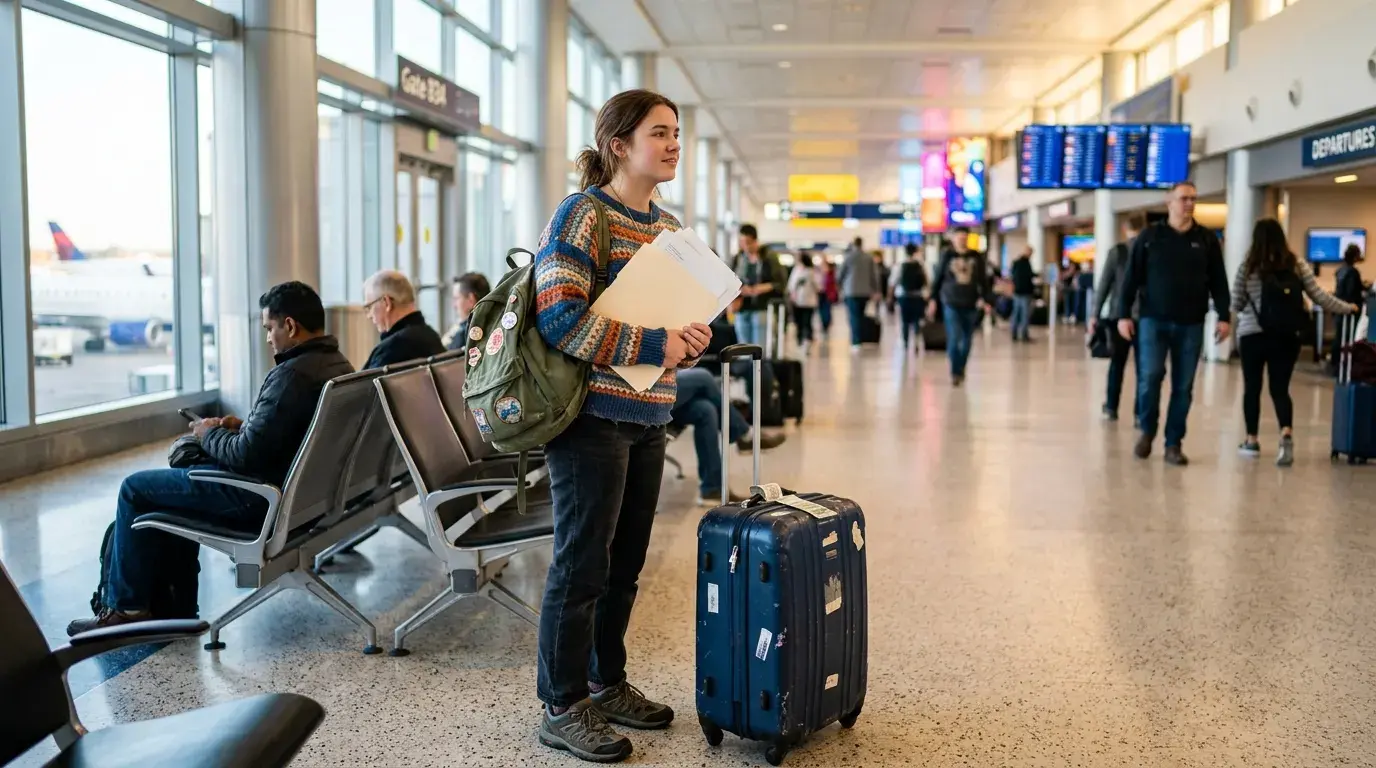
Student and long-term visa files are different from short tourist files. The officer is not only checking whether you intend to travel. They are checking whether your arrival timing makes sense for a course, employer, family sponsor, residence process, medical schedule or other long-stay purpose.
That is why a dummy ticket can help or hurt depending on how it is used. A clean reservation gives your file structure before final airfare purchase. A careless reservation can make the same file look rushed, inconsistent or unrealistic. The safe version is simple: choose flight proof that supports the long-stay story already proven by your documents.
Key facts for student and long-term visa applicants:
- Do not build the flight date around the cheapest fare alone.
- Start with the embassy decision window, course date, reporting date or sponsor schedule.
- One-way proof can look natural for some long stays, but only when the visa logic supports it.
- Round-trip proof can help in some cases, but a fake return plan can weaken long-stay credibility.
- The ticket should match admission, accommodation, insurance, funding and arrival timing.
Preparing a student or long-stay visa file? Create a dummy ticket that matches your real arrival window, course or reporting date, and supporting documents before you lock in final airfare.
Create Your Dummy TicketIn This Guide
Official-source check: student and long-stay applicants should not treat flight proof as a final travel commitment before the visa is issued. The U.S. Department of State says there is no guarantee a student visa will be issued and applicants should not make final travel plans or buy tickets until they have a visa. UK Student route rules tie the permission period to the course start date, and UK student guidance warns applicants not to travel before their Student permission is issued or before its start date. Sources: U.S. student visa guidance, UK Appendix Student, and UKCISA travel guidance.
Build Your Dummy Ticket Around the Visa Timeline
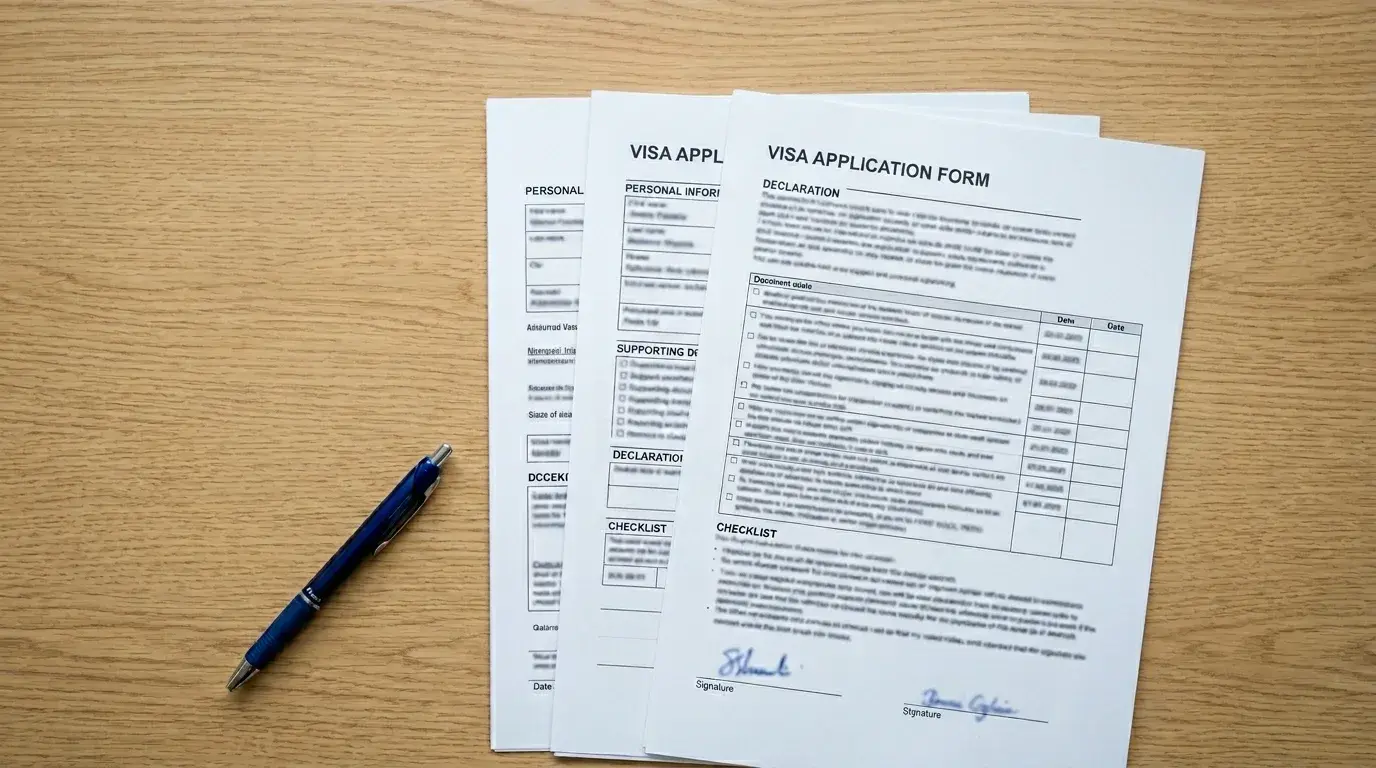
The safest long-stay dummy ticket starts with timing. Do not begin with a cheap flight date and then force the visa file around it. Begin with the date when you are allowed or expected to arrive.
Start with the embassy’s decision window
Student and long-term visa processing can be unpredictable. Appointments move, passports return late, administrative checks happen, and universities or employers may adjust reporting windows. If your dummy ticket leaves too soon after submission, the file can look rushed even when the travel plan is genuine.
A good date gives the embassy enough time to decide, the applicant enough time to receive the passport, and the traveler enough time to arrive before the long-stay obligation begins. The ticket should not create pressure on the visa officer or suggest that the applicant already assumes approval.
Use orientation, course start dates and reporting deadlines carefully
For students, the strongest anchor is usually the official program schedule. Orientation, course start, enrollment, campus housing, registration and reporting dates all matter. The dummy ticket should make arrival look practical, not panicked.
If orientation begins on September 10, arriving on September 9 may be too tight for some students, especially after a long flight, immigration check, housing move-in and campus registration. Arriving three weeks early may also look excessive if accommodation and funds do not support it. The best date is usually a realistic preparation window supported by the documents.
Long-term work, family and residence files need case-story timing
For work, family, residence, medical, caregiver, religious, internship or training visas, the flight date should follow the case story. If the employer expects reporting on October 1, the reservation should not show arrival after that date unless the employer letter explains flexibility. If a spouse visa file is built around a sponsor’s address and move-in date, the travel proof should not show a route that makes the move look improvised.
Long-stay travel proof is judged beside the core evidence. The dummy ticket is not the main document, but it can make the file feel organized when it fits the sponsor letter, housing document, employment contract or admission letter.
Do not let the flight date outrun the visa start date
One of the easiest long-stay mistakes is choosing a flight that arrives before the permission logically begins. This is not only a technical issue. It can make the applicant look as if they have not understood the visa conditions, entry window or program timing.
For student files, check whether the visa or entry permission allows arrival a certain number of days before the course. For work or residence files, check whether the applicant is allowed to enter before the contract, sponsor arrangement or residence permission becomes active. A dummy ticket should never imply an arrival pattern that the visa itself may not allow.
Avoid the “earliest possible flight” trap
Choosing the earliest possible flight can backfire. It may suggest urgency before approval, unrealistic planning, or a lack of understanding of visa validity dates. Some student routes also restrict how early a traveler can enter before the program begins, so the flight proof should not imply arrival outside the allowed window.
Early arrival can be reasonable when the file explains it: housing move-in, orientation, pre-sessional program, medical check, sponsor pickup, or required reporting. Without that explanation, too-early arrival can make the application look less precise.
Practical date buffer rule:
- Leave enough time for visa processing and passport return.
- Arrive early enough for registration, housing or reporting.
- Do not arrive earlier than the visa or permission logic supports.
- Make sure funds and accommodation cover any pre-start days.
- Use the same date logic in the form, cover letter and ticket.
Use a realistic arrival buffer, not a fantasy buffer
A realistic buffer is the difference between arriving prepared and arriving suspiciously early. A few days before orientation, work reporting or family move-in can make sense. Several weeks before the purpose begins may need stronger proof of accommodation, funds and reason.
If the applicant needs early arrival for housing, campus registration, medical clearance, sponsor pickup or city transfer, put that logic into the supporting documents. The dummy ticket can then support the file instead of creating a question.
Make the Flight Reservation Match Every Long-Stay Document
A student or long-stay dummy ticket should be checked against every document that contains a date, place, sponsor, route or obligation. Long-stay files fail softly before they fail officially: one document says one thing, another document says another, and the officer starts doubting the plan.
Admission letters and course dates
If the admission letter says the program starts on September 16, the flight date should support that schedule. Arriving too late may undermine the purpose of travel. Arriving too early needs accommodation, funding and visa validity support.
For deferred admission or late enrollment, update the dummy ticket after the university issues updated paperwork. Do not use a ticket tied to the old intake while the new application points to a new semester.
Accommodation start dates
Accommodation is one of the easiest places for contradictions to appear. If the flight lands on August 25 but the lease begins September 1, the file should explain where the applicant stays for the gap. If campus housing begins after orientation, the arrival plan should still make practical sense.
A dummy hotel document can support the transition period when needed, but it should not create a second story. The flight, accommodation and long-stay address should line up naturally.
Insurance and medical coverage dates
Insurance dates can expose weak travel timing. If the flight arrives before coverage starts, the file looks careless. If the insurance ends too early, the travel proof may suggest the applicant has not planned the stay properly.
For student and long-stay files, insurance may be tied to visa rules, university requirements, employer coverage or private medical cover. Check the start date against the flight date before submission.
Financial proof and sponsor documents
Funds should support the travel timing. A flight that shows very early arrival creates extra living costs. A long gap before the program starts may require stronger bank evidence, sponsor explanation or accommodation proof.
Sponsor letters should reinforce the travel plan, not just promise support in general. If a parent, employer, spouse or institution is supporting the trip, the date pattern should make sense beside that sponsor’s evidence.
For parental support, the funds should make sense for the travel date and early settlement period. For employer support, the arrival date should match the joining timeline. For a spouse or family sponsor, the route should land near the sponsor’s residence or the city where the applicant will realistically settle.
Document consistency scan:
- Visa form intended arrival date.
- Course, contract, sponsor or reporting date.
- Accommodation start date.
- Insurance coverage start date.
- Funds available for pre-start days.
- Passport validity and name spelling.
- Ticket route, airport and arrival city.
Cover letters should not fight the ticket
The cover letter is where many long-stay files reveal contradictions. If the letter says the applicant will arrive two weeks before the course to find housing, the accommodation evidence and funds should support that. If the letter says the applicant will travel only after approval, the dummy ticket should not look like a final paid commitment already locked before the decision.
Keep the wording calm. The reservation is planned travel proof. It shows intended timing. It should not be presented as a guarantee of travel, a final purchase, or a document that replaces the core eligibility evidence.
Choose One-Way, Round-Trip or Multi-City Reservations Based on Visa Logic

Student and long-term applicants should not automatically copy tourist-visa flight patterns. A round trip can be useful for short stays, but it can look strange for a multi-year degree, long contract or residence-based move. At the same time, one-way proof can raise questions if the visa category still expects return or onward logic.
When one-way proof looks natural
A one-way dummy ticket can look natural for long-term study, employment, relocation, family joining or residence plans when the applicant has a genuine reason not to know the return date yet. The key is that the rest of the file should explain the long-stay purpose clearly.
For example, a student beginning a two-year degree may not have a real return date at the time of visa application. A one-way route can make sense if the admission letter, funds, accommodation and visa category all support a long stay.
The important word is “support.” A one-way dummy ticket does not work just because the applicant wants flexibility. It works when the visa category itself explains the missing return date. Long degree, long contract, spouse joining, residence process or relocation-based files can all make one-way travel more natural than a forced round trip.
When a return flight can help
A return or onward segment can help when the stay is long but still temporary, the course is short, the visa is for training, exchange, short work, medical treatment or a fixed program, or the applicant wants to show a clear exit after the permitted stay.
The return date should not be fake theater. If it is included, it should be believable. A return flight after a one-month training program makes sense. A return flight after a four-year degree may look artificial unless there is a reason.
When multi-city routes make sense
Multi-city or open-jaw routes can support complex long-stay travel when they match the documents. A student may arrive in one city for orientation and later move to another campus. A worker may land near the employer’s head office and then move to a regional assignment. A family applicant may enter through the nearest international airport and continue domestically.
Complexity should have a reason. If the route requires explanation, make sure the cover letter, accommodation and sponsor documents support it.
Open-jaw routes need internal logic
An open-jaw route means arriving in one city and leaving or continuing from another. This can make sense when the applicant will move between campuses, join a sponsor in another city, attend orientation first, or travel domestically after arrival. It looks weak when the second city appears without explanation.
If the dummy ticket uses different arrival and departure cities, the file should show why. The internal transport plan, accommodation, host address or institution location should make the route feel natural.
| Flight type | Best fit | Main risk |
|---|---|---|
| One-way | Long-term study, work, family joining or residence where return date is genuinely unknown. | Weak if the visa still expects return or onward proof. |
| Round-trip | Short courses, exchanges, fixed training, medical visits or temporary long-stay programs. | Can look fake if the stay is truly long-term. |
| Multi-city | Campus transfer, regional travel, staged relocation or arrival through a practical airport. | Can look messy if the route has no clear purpose. |
Do not copy tourist-visa patterns into long-stay files
Tourist files often benefit from clean round-trip proof because the officer wants to see a short visit and exit. Long-stay files often need a different logic: arrival for a structured purpose, enough time to settle, and no fake-looking return plan that contradicts the length of permission.
A student applicant using a return flight six weeks after arrival for a two-year degree may create a strange signal. A short-course applicant using no return plan at all may create a different problem. The flight type should follow the visa purpose.
Keep the Dummy Ticket Verifiable, Clean and Easy to Review
Long-stay files are often reviewed slowly. That makes document quality more important. The dummy ticket should be readable, current and easy to compare with the rest of the file.
Use a realistic booking reference, not a decorative PDF
A decorative PDF is dangerous because it only solves the visual problem. A real reservation-style document should show believable travel details and a booking reference when provided. It should not look stitched together, manually edited or reused from another file.
For long-stay applications, the officer may not care whether the ticket is paid. They care whether the route and dates support the visa story. If a PNR or booking reference is visible, it should be readable and consistent with the passenger details.
Show enough, not too much
The flight proof should show the essentials: passenger name, route, airline, departure date, arrival date, booking reference when available, and a document format that does not confuse the officer. It does not need to overload the file with irrelevant fare rules, upsell pages or screenshots.
A clean flight reservation PDF should show:
- Passenger name matching the passport.
- Departure and arrival airports.
- Travel date and time.
- Airline and route details.
- Booking reference or PNR when provided.
- Readable formatting with no manual edits.
Name order and passport spelling matter
Student and long-term applicants often submit many identity documents. Passport, admission letter, financial documents, sponsor letter and flight proof should all use the same name logic. A middle name missing from one document may be acceptable in some contexts, but avoid creating unnecessary doubt.
If the passport has been renewed, reissued or corrected, update the flight proof. Do not submit a reservation with old passport details or an old name format if the visa form now uses the corrected version.
Expired reservations are riskier in slow processing
Student and long-stay processing can be slower than short visitor files. A reservation that was fresh at upload may expire before later review. That does not always mean the file fails, but if the embassy asks for updated proof, respond with a fresh reservation that matches the same travel story.
Do not panic-buy a non-refundable ticket just because the first dummy ticket expired. The better response is usually to update the reservation and keep the rest of the file consistent.
Keep the route ordinary unless the case requires complexity
A long-stay application already has enough moving parts. The flight route should not add drama. Direct or simple one-stop routes are usually easier to understand than unusual airport combinations, overnight layovers, backtracking routes or cheap but illogical paths.
If the cheapest route lands far from the university or sponsor city, ask whether that saving is worth the explanation burden. A slightly cleaner route can make the application feel more professional.
Use the same passenger identity everywhere
Student and long-term applicants often have multiple identity documents: passport, school records, financial documents, national ID, sponsor documents and sometimes previous visa records. The dummy ticket should follow the passport identity because that is the travel document used for the application.
If the school record uses an abbreviated name, do not copy the abbreviation into the flight proof. If the passport includes a middle name, check whether the reservation format preserves it clearly. The goal is not to overcomplicate name formatting. The goal is to avoid avoidable doubt.
Avoid Choices That Make Long-Stay Files Look Inconsistent
The strongest dummy ticket is boring in the best way: the date is believable, the route is simple, the arrival city makes sense, and nothing in the file has to explain a strange choice.
Arriving too early can create residence-intent confusion
Long-stay applicants sometimes choose very early arrival dates because they want time to settle. That can be reasonable, but it should be supported by visa validity, housing, funds and purpose. If the visa does not allow early arrival, or if the student cannot explain the gap before the program begins, the reservation can create doubt.
Arriving too late can undermine the purpose
A flight that arrives after orientation, enrollment, work reporting, hospital admission or family joining date can make the file look poorly planned. If late arrival is acceptable, the supporting document should explain it.
Weekend, holiday and late-night arrivals need practical sense
Practical details matter. A student arriving late at night on a public holiday with no accommodation access may look unprepared. A worker arriving the night before reporting may look rushed. These details may not decide a visa alone, but they affect the file’s credibility.
Destination airport choice matters
The arrival airport should make sense for the school, employer, sponsor or residence address. If a cheaper airport is far away, the file should have a believable internal travel plan. Do not choose an airport only because it makes the dummy ticket cheaper or easier to generate.
Return dates can accidentally weaken long-stay commitment
A return date can help when the stay is fixed and temporary. It can also weaken the file when it makes the applicant look less committed to the long-stay purpose. If a student is applying for a multi-year program, a short return date may raise the question of whether the applicant actually intends to start the program.
For long-term visas, return logic should be used carefully. If the return is real because of a break, family reason, short program or temporary assignment, support it. If the return is included only because the applicant thinks every visa file needs a round trip, reconsider.
Doubt triggers to remove:
- Arrival before visa validity or permission start date.
- Arrival after course, work or reporting deadline.
- Airport far from the school or sponsor with no travel explanation.
- Accommodation gap after arrival.
- Insurance starting after the flight date.
- Return date that contradicts long-stay purpose.
Plan for Date Changes Before They Happen
Student and long-term applicants should expect dates to move. That is normal. The mistake is pretending the old dummy ticket still supports the file after the real timeline changes.
Expect the first date to move
Program deferrals, late CAS or I-20 issuance, delayed appointments, administrative processing, medical checks, employer scheduling and passport return delays can all shift the travel window. Build your file so the travel proof can be updated without breaking everything else.
Decide whether to update before submission
If the date shift happens before submission, update the dummy ticket and supporting documents together. If the shift happens after submission, keep records and wait for the embassy’s instruction unless an update is clearly requested or allowed through the portal.
When the embassy requests fresh proof
If the embassy requests a fresh flight reservation, respond with a clean updated document that follows the same travel logic. Do not send a route that contradicts the original file unless the plan genuinely changed and you explain why.
Update after approval delay without looking disorganized
If the visa approval is delayed, the original travel date may pass. That does not automatically mean the file is ruined. It means the travel proof needs to be refreshed around the new realistic arrival date if the embassy requests it or if the portal allows an update.
The updated date should follow the same case story. If the student will now miss orientation but can still enroll late, the admission or university communication should support that. If the employer postponed the joining date, the employer letter should reflect the revised schedule.
Handle deferrals and semester shifts carefully
If a course is deferred, the flight proof should follow the new intake. The admission letter, accommodation plan, financial documents and cover letter may also need updates. A new ticket alone is not enough if the rest of the file still points to the old semester.
Do not hide a major timing change
If the trip has materially changed, the clean approach is to align the documents, not hide the change behind a new ticket. A flight date change from September to January, a new campus, a different employer location or a changed sponsor address should be reflected across the file.
Officers do not expect every plan to stay frozen forever. They do expect the final submitted file to be internally consistent.
Long-stay change log method:
- Record the original intended travel date.
- Record why the date changed.
- Update the ticket only after the new anchor document is clear.
- Save the new PDF separately from drafts.
- Make sure the cover letter reflects the final date logic.
Present the Dummy Ticket Professionally
The dummy ticket should not become the loudest document in the file. It should quietly support the travel plan. Overexplaining it can make the officer focus on the wrong thing.
Where to place it in the file
Place the flight proof where the document checklist expects travel evidence. For online portals, upload the clean PDF under the correct category. For physical files, keep it near the itinerary, accommodation, insurance or travel plan section depending on the checklist order.
How to name the file
Use a clear file name: applicant name, route, date window and document type. Avoid names like “fake-ticket,” “dummy-final,” or “temporary-proof.” The file name should sound professional and match the document’s purpose.
How to mention it in a cover letter
You do not need to oversell the reservation. A simple sentence is enough: the enclosed flight proof shows the intended arrival date and planned travel route for the visa application. If the return date is unknown because the stay is long-term, explain the long-stay logic calmly.
Cover letter wording pattern:
- State the intended arrival date.
- Connect it to the course, work, sponsor or reporting timeline.
- Confirm that final travel will be arranged after the visa decision.
- Avoid saying the ticket guarantees travel or approval.
What not to say in an interview
Avoid phrases like:
- “It is only for formality.”
- “I will cancel it after approval.”
- “The date does not matter.”
- “I just needed something for the portal.”
- “I will decide the real plan later.”
Better wording is calm and factual: the reservation reflects your intended arrival plan based on the course, work, sponsor or long-stay timeline, and final travel will be confirmed after the visa decision.
Final submission review
Before submission, open the dummy ticket, visa form, admission letter, accommodation proof, insurance, funds and cover letter together. If the flight date changes, check every date-sensitive document again. The final file should feel like one travel story.
Ready to prepare long-stay travel proof? Build a dummy ticket that supports your student, work, family or residence file without forcing final airfare before approval.
Create Your Dummy TicketFrequently Asked Questions
Can I use a dummy ticket for a student visa?
Yes, when travel proof is useful or requested and the reservation matches the course timeline, visa validity logic, accommodation, insurance and application form. Do not use random dates or final-ticket language unless the checklist requires it.
Should a student visa dummy ticket be one-way or round-trip?
It depends on the program and visa logic. One-way proof can look natural for long-term study when return timing is unknown. Round-trip proof can help for short courses or fixed temporary programs.
Can I buy a real ticket before student visa approval?
You can, but it can be risky. Official guidance such as the U.S. State Department warns applicants not to make final travel plans or buy tickets until the visa is issued.
What date should I use on a long-term visa dummy ticket?
Use a realistic arrival date based on the decision window, course or reporting date, accommodation start, insurance coverage and permitted entry timing.
Is an expired dummy ticket a problem for student visas?
It can be if the embassy asks for current proof or checks it later. If requested, provide a fresh reservation that follows the same travel story rather than changing the route carelessly.
Can a dummy ticket guarantee student visa approval?
No. A dummy ticket can support travel planning, but approval depends on the full file: eligibility, funds, purpose, documents, ties and officer assessment.
Should I mention dummy ticket in my cover letter?
You can mention it simply as intended flight proof or planned travel evidence. Do not overexplain, oversell or make it sound like a shortcut.
What is the biggest dummy ticket mistake for long-stay visas?
The biggest mistake is choosing dates that conflict with the course, employer, sponsor, accommodation, insurance or visa validity logic.
Friendly reminder: DummyFlights provides temporary travel-proof documents for planning and application support. Requirements vary by destination, airline, route and applicant situation. A dummy ticket can support a file, but it does not promise approval, boarding or entry.