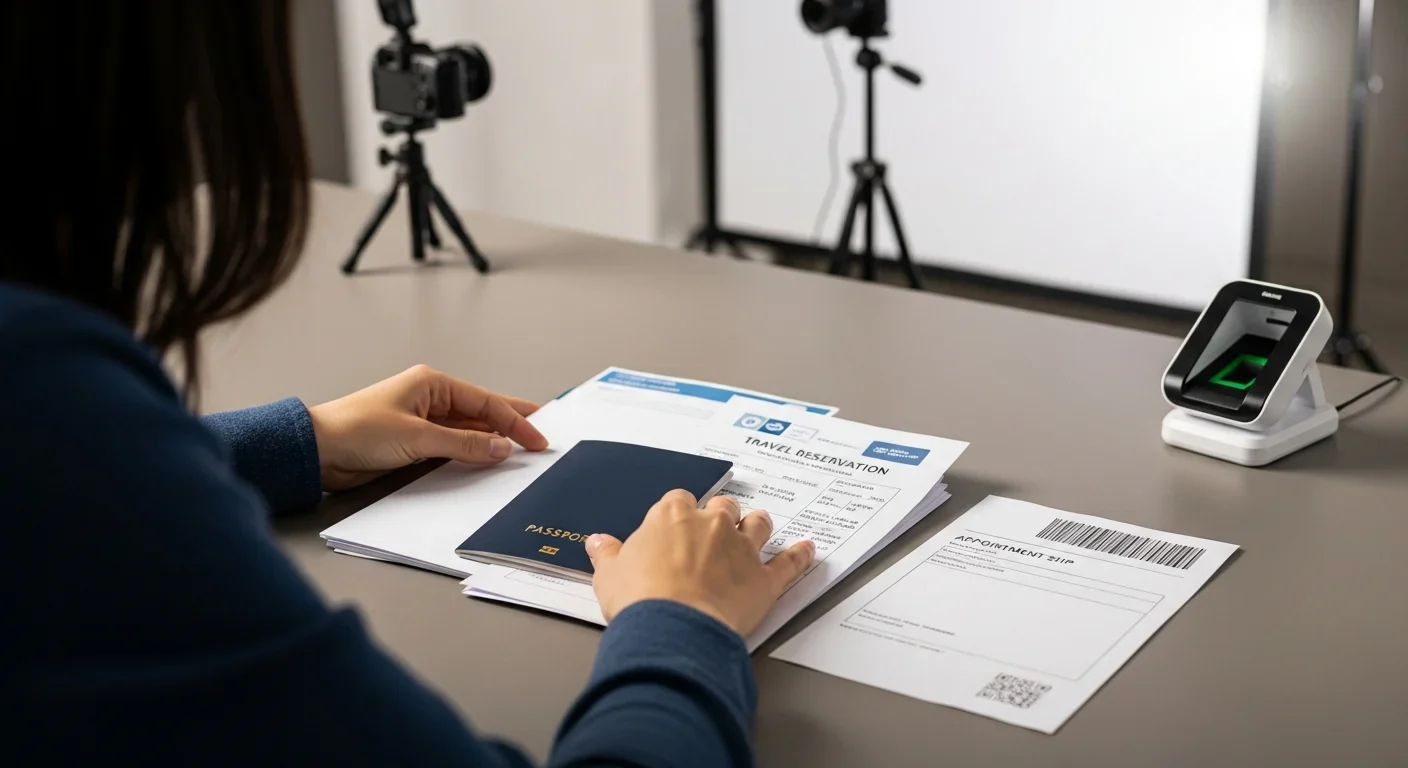

Do You Need a Dummy Ticket for the UK Creative Worker Visa?
Your Creative Worker file lives or dies on how cleanly your story comes together. Caseworkers look for a tight fit between your CoS dates, contracts, and travel plan. You want to show that you are ready, organized, and temporary. That’s why a smart, verifiable dummy ticket can pull real weight. It proves intent without locking cash in a drawer. It also signals that your team runs on schedule. For more details on visa requirements, check our FAQ.
We’ll help you align that ticket to the exact shape of your UK engagement. You’ll learn how to sync dates to the CoS, handle VFS timing in India, and avoid changes that trigger fresh questions. You’ll also see how to adjust after approval without breaking the narrative. Follow this playbook, and you walk in prepared, credible, and focused on the work. Get your dates aligned in minutes with our dummy ticket booking and submit with confidence. Explore inspiring stories from fellow travelers in our blogs, and learn more about our mission at About Us.
dummy ticket for UK Creative Worker Visa is one of the most useful documents travelers prepare when organizing international trips. While most countries do not ask you to buy a fully paid ticket upfront, they do expect a verifiable proof of travel intent that clearly shows your entry and exit plan. This helps demonstrate that you will follow your schedule and return on time.
Using a professionally issued and verifiable dummy ticket for UK Creative Worker Visa is the safest and most convenient way to satisfy this requirement without financial risk, especially for visa applications and immigration preparations.
Last updated: November 2025 — verified against the latest traveler documentation practices and global consular guidelines.
Why Travel Proof Sets The Tone For Your UK Creative Worker File From India
You want your application to feel calm, confident, and complete. Travel proof helps you do that. It shows you have a plan that fits your CoS and your contract. It also shows you understand timing in the real world, not just on paper.
Let’s break down how caseworkers read your travel story, why Indian timelines matter, and how to position a dummy ticket so it supports your file without creating risk. Need a quick update before biometrics? Just book a dummy ticket that matches your latest schedule. For industry standards on travel documentation, see the guidelines from IATA.
How Caseworkers Interpret Your Travel Story
Caseworkers look for a single narrative. Your CoS says when you can work. Your contract says where and why. Your travel plan should bridge those facts. If the bridge looks shaky, the file wobbles.
They expect a reasonable arrival window before your first professional commitment. That could be a rehearsal, a tech run, a soundcheck, or a location scout. They also expect a credible exit after your work ends. Nothing dramatic. Just a tidy arc.
What reads as credible:
- Arrival aligned to work prep. A day or two before a rehearsal or tech day. Enough buffer to recover from a delay and still make the call on time.
- Exit anchored to the last engagement. A return or onward plan soon after load-out or final wrap.
- A realistic route. If your schedule is London–Manchester–Glasgow, your flights and local legs should echo that order.
What creates doubt:
- Dates that fight your CoS. Arriving too early for no reason. Exiting long after the last gig.
- City sequences that make no operational sense. Flying into Bristol when your first two shows are in Birmingham and Leeds.
- A pattern of frequent, unexplained changes. One refresh is normal. Three looks careless.
When your travel plan fits neatly, the rest of your evidence gets easier to accept. The caseworker spends less time reconciling dates and more time validating substance.
The India Reality: VFS Slots, Peak Months, And Practical Buffers
Indian timelines do not always dance to your tour calendar. Appointment availability can vary across cities. Peak months can slow everything down. Courier returns can add days. Plan your travel proof with those friction points in mind.
Appointment availability varies. Major centers like New Delhi, Mumbai, Bengaluru, Chennai, Hyderabad, and Kolkata can get crowded during festival seasons or industry peaks. Touring seasons in the UK can overlap with our own busy months. You want to build a cushion that respects both calendars.
Priority and Super Priority are not guaranteed. They help, but they are not always open for your location or date. Treat them as accelerators, not anchors. Your travel story should still make sense on the Standard timeline.
Courier and logistics matter. Factor in pickup or delivery windows for your passport return. If you plan to travel immediately after a possible decision date, you invite stress. Add breathing space.
How to build smart buffers from India:
- Back-calculate from the earliest workable decision date. Then add several days. If you end up early, you can refresh the dummy ticket once.
- Avoid back-to-back pressure points. Do not schedule a same-day flight after a likely decision day.
- Coordinate team submissions. When bands, crews, or ensembles submit, they sync biometric data to keep travel plans coherent.
A travel plan that respects Indian operational reality reads as mature. It tells the caseworker you understand the process and you have managed your risk.
Travel Proof As A Risk And Cost Control
You need to show that you can and will travel, yet you do not want to sink money into fixed fares before a decision. A dummy ticket helps you model intent without committing to nonrefundable costs. Used well, it is a planning tool, not a prop.
What a strong dummy plan achieves:
- Signals readiness. Your dates align with the CoS and contract. Your route fits the cities on your schedule.
- Protects your budget. You are not locked into a fare before your visa is granted.
- Supports temporary intent. A return or onward segment shows you are exiting after the engagement.
What to avoid with dummy travel:
- Overly aggressive itineraries. Tight connections that would fail with a minor delay. It looks cheap and careless.
- Speculative city hops. Extra segments not grounded in your contract. It suggests confusion or an attempt to pad the file.
- Frequent updates. One revision is normal if a VFS slot moves. Beyond that, you need a clear explanation.
Your dummy plan should look like something a seasoned tour manager would sign off on. Clean, padded where it matters, and true to the work.
Make Your Travel Plan Match The Evidence Stack
Your travel proof is one piece in a bundle. It must sit comfortably with your CoS, employer letters, call sheets, and any schedules you include. Treat it like layout work. Every line should align.
Build a consistency checklist:
- Identity fields. Names, passport numbers, spellings, and birth dates must match across the file. A small mismatch can cause large questions.
- Date logic. Arrival, prep days, event dates, and departure should form a straight line. If there is a gap, explain it with a note or a plausible reason.
- City order. Your routing should mirror the order in the contract, the call sheet, or the run of show. If the order is not final, keep the routing conservative.
- Accommodation references. If you mention accommodation holds, ensure they match the city sequence and approximate dates in the travel plan.
- Team alignment. If you are part of a group, your travel dates should fit the group’s master schedule. Solo outliers need a reason.
Add a brief, helpful caption when you upload. Keep it neutral and factual. For example: “Travel plan aligned to CoS start on 14 March, with arrival 12 March for tech day; exit 28 March after final show on 27 March.” This kind of note helps a busy caseworker understand the intent in seconds.
Choosing Dates That Respect The CoS And The Work
Think like operations. The CoS is your legal framework. The contract is your operational map. Your travel dates should respect both.
Arrival guidance:
- Arrive close to your first operational day. If your first task is a soundcheck on a Thursday, land Tuesday night or Wednesday morning. That feels professional.
- Account for fatigue and customs. Long-haul flights from India can take a toll. A buffer day is not indulgent. It is smart.
Departure guidance:
- Exit soon after the last commitment. If the final performance ends late Sunday, a Tuesday exit is reasonable. It shows you are wrapping up and leaving.
- Include a fallback. If there is a potential encore or press slot, keep a one-day margin. Do not overstay the CoS window.
Multiple cities:
- Use the base city rule. If your sponsor is London-based and most activity begins there, route through London first unless your first call is elsewhere.
- Align internal travel. Trains and short-haul flights are common in the UK. Your plan should reflect how crews actually move between cities.
When dates and routes reflect real production life, your file feels grounded. That is what wins trust.
Managing Updates Without Triggering Reassessment
Schedules shift. A venue moves a date. A VFS slot changes. You may need to refresh the dummy ticket. The goal is to be precise and restrained.
Safe update patterns:
- One-time refresh tied to a clear event. For example, the VFS appointment was moved by five days. Update the travel plan by five days. Keep everything else the same.
- Minor route adjustment that follows the contract. If the opener moved from Manchester to Birmingham, adjust the arrival city accordingly.
Risky update patterns:
- Multiple rewrites in a short span. That can look unstable.
- Shrinking buffers that endanger call times. This hints at poor planning.
- Unexplained extensions near the CoS end. That invites further checks.
If you must change the plan, keep a short record. Note what changed and why. If asked, you can produce a clear explanation that matches emails or updated call sheets. Professional teams keep version histories. Your application should reflect that discipline.
India-Focused Timelines That Actually Work
Map your playbook to the Indian calendar as it exists, not as you wish it to be.
Practical moves:
- Start early when your work lands in peak months. If your engagement runs in late spring or early summer, initiate the process well in advance to get predictable VFS slots.
- Consider city flexibility. If your home city has limited slots, check nearby centers and the travel time involved. Choose the option that protects your start date.
- Set a refresh threshold. Decide in advance when you will refresh the dummy ticket if a slot slides. For example, refresh only if the date shift exceeds three days.
Team dynamics:
- Centralize scheduling. Use a shared tracker for passports, biometrics dates, CoS numbers, and planned travel windows. The person managing logistics should own it.
- Lock one narrative voice. All captions and cover notes should read in the same tone and structure. Mixed voices create confusion.
These habits may feel like overkill. They are not. They save you from last-minute fire drills and reduce the chance of caseworker queries.
Keep The Story Simple And Strong
A clean travel plan does not need to be intricate. It needs to be true to your work and respectful of the process.
- Anchor to the CoS. This is your frame.
- Let the contract drive the route. Cities and dates should match the real schedule.
- Use buffers where the road gets bumpy. International flights, biometrics timing, and courier returns all deserve a margin.
- Refresh only when necessary. One precise update is better than a string of tweaks.
Do this, and your file feels like a production schedule that can run on time. That is the energy you want to project. It tells a caseworker that you are serious about the work and sensible about the rules. It also keeps your costs in check while you wait for the decision.
Travel proof sets the tone. In India, tone is everything. Build a plan that looks like it can move from paper to stage, studio, or set without drama. Then let the rest of your evidence do its job.
The Creative Worker Rulebook, Simplified For India-Based Talent
You already know the travel piece. Now we line it up with the route itself. Think of this as the framework that keeps your dates, documents, and story in sync.
We will focus on how the route works, what the CoS really controls, and how to use your contracts to prove purpose and timing. Keep it practical. Keep it tidy. Lock a verifiable itinerary today using our fast dummy ticket booking and keep your file consistent.
Who This Route Actually Fits In The Real World
The Creative Worker route exists for short, focused creative gigs under valid temporary work. It suits you if your work is time-bound and clearly scoped.
Common India use cases include:
- Touring performers and teams. Vocalists, bands, DJs, background vocalists, and their backline.
- Live event specialists. Choreographers, dancers, stage managers, lighting designers, sound engineers, riggers.
- Screen and content crews. Assistant directors, unit production managers, gaffers, hair and makeup leads, costume teams, and post specialists on site.
- Design and arts professionals. Set designers, art directors, prop masters, and museum or gallery install teams.
- Brand and media assignments. On-camera talent for a specific campaign, photographers on a scheduled shoot, and creators with a fixed production calendar.
What matters is scope and time. You are going to the UK to deliver named work for defined dates within a visa category designed for temporary work. You are not opening an indefinite chapter. Your documents must repeat that idea from start to finish.
Some applicants ask how this differs from a skilled worker visa or the creative and sporting visa. The answer is focus and duration. You are applying for a temporary creative worker visa that fits short engagements in the UK’s creative sector, not a long multi-year role tied to the wider UK labour market.
Read The CoS Like Your Master Cue Sheet
The Certificate of Sponsorship is not a formality. It is the governing cue sheet for your entire plan. Your ticket, your schedule, your cover notes, and your exit all need to agree with it.
Key parts to read closely:
- Start date and end date. These are the rails. Plan a sensible arrival before the first operational task and an exit soon after the last.
- Job title and duties. Use language in your contracts and letters that mirrors the role described. Keep the story consistent with the eligibility criteria.
- Place of work. If the CoS lists multiple locations, reflect that sequence in your itinerary and accommodation references.
- Sponsor details. Names and addresses must match across letters and invoices. You should see a sponsorship reference number issued by a Home Office-approved sponsor.
Treat the CoS as the frame. Everything else should slot inside that frame without strain. If your plan presses against the edges, adjust the plan. Do not stretch the frame, or you risk questions from UK immigration authorities.
Contracts And Invitations That Pull Their Weight
Your contract or engagement letter is where the work becomes real. It explains why you need to be in the UK and when you will be there. Make it do the heavy lifting.
A strong document set usually includes:
- Clear role and deliverables. Example wording that works: “Lead vocalist for two arena shows with rehearsals and soundchecks,” or “Lighting designer for four-city tour with pre-rig and load-out duties.”
- Confirmed dates and locations. City by city, if possible. If a venue is pending, state the city and expected week, not vague promises.
- Operational days. Rehearsals, tech days, pre-light, strike. These dates justify arrival and departure buffers.
- Point of contact. A named person at the UK sponsor with an email. This makes the file feel accountable under the application process.
- Payment terms. Not the full rate card, just enough to show the job is real and scheduled. Invoices or a deposit proof can support this.
If the contract is still being finalized, ask for a clean interim letter on letterhead that captures the same essentials. Your travel plan should echo those lines. If you are a film crew member or part of a group, ensure the letters clarify the same employer and the same sponsor to keep messages aligned.
Temporary Intent That Reads As Genuine
Temporary intent is not a single line. It is the logic of your trip. You show it with dates, routing, and ties back to India.
Simple ways to reinforce this:
- Return or onward plan. Time your exit after your last professional duty. Avoid long gaps with no purpose so the case stays within valid visa dates.
- Work commitments back home. Mention upcoming shows, shoots, or projects in India. You can include a brief note or letter if helpful.
- Accommodation that matches the job period. A booking that tracks your run of shows or shoot window looks tidy. An open-ended stay does not.
- A realistic budget. Bank statements from an Indian bank account should show sufficient funds to cover flights, local travel, accommodation, and per diems. No drama. Just enough.
You do not need to overstate ties. Keep it calm and factual. The structure of your plan is the message. Avoid any suggestion of public funds and avoid statements that imply permanent residence, since the route is not a settlement line.
Align Dates Without Choking Your Buffers
You want to look prepared. You also want to remain nimble. The right answer is a conservative alignment that respects both.
Use these guardrails:
- Arrival. Land one or two days before your first operational task. If a long-haul connection is tight, choose the earlier arrival.
- Intra-UK moves. If you list them, make the sequence match the work. Trains are common between major cities. Short-haul flights are fine for long hops. The route should look like the tour manager planned it.
- Departure. Plan to leave soon after the last duty. If press or encore is possible, add a one-day cushion within the CoS window.
- Version control. If a date shifts, update the travel plan once with a note. Do not drip-feed small edits.
You do not score points for finesse. You score points for steadiness. If you use priority service, plan buffers the same way in case the slot at your visa application centre changes.
Multi-City Tours, One-Off Shoots, And Hybrid Schedules
Different creative patterns need different travel logic. Match the logic to your work.
For tours:
- Pick a base city. If most work starts in London, route through London first unless your opener is elsewhere.
- Bundle nearby cities. Birmingham, Manchester, and Liverpool can be grouped with rail legs. Keep the order rational.
- Account for load-in and strike. Your buffers should reflect these operational days, not just performance dates.
For film and OTT:
- Mirror the call sheet. Arrival before pre-light or table read. Exit after wrap or the scheduled reshoot window.
- Respect unit moves. If the unit relocates, your travel plan should too.
- Secure letters for late changes. If weather or location permits, force a shift, obtain an updated line from production, and refresh the plan once.
For brand and media weeks:
- Stack appearances thoughtfully. If shoots and interviews run back-to-back, place the hotel and route near the primary studio.
- Leave room for pickups. A half day for pickups or ADR is a smart add if it is normal for your niche.
All three patterns can live inside the same rulebook. CoS sets the boundaries. Contract sets the map. Your travel plan follows both. If you ever compare with permitted paid engagement visits, remember this route is for a person applying as a temporary worker under specific criteria.
Team Files That Look Like A Single Voice
Bands, crews, and troupes often fail in consistency. Avoid that. Present as one project handled by one brain.
- Master tracker. One shared sheet that lists names, passport numbers, CoS details, biometric dates, and planned travel windows.
- Synchronized captions. Use the same summary line across all team uploads. Change only the name and role.
- Explain staggered arrivals. If technicians land earlier than artists, say so in a note. Link it to rigging or setup needs.
- One point of contact. Name a logistics lead at the sponsor and a tour manager or coordinator on your side. Caseworkers like clear responsibility.
If you are dealing with the same sector and the same level across roles, keep that language consistent. It helps when you submit proof for dependent partners or family members linked to the main applicant.
Documents That Back The Story Without Clutter
More paper is not better. Better paper is better. Give the decision maker exactly what they need to verify your plan.
Useful additions:
- Rehearsal or tech schedule snapshots. Even a short email confirmation helps justify buffers.
- The venue or studio holds confirmations. A one-liner that matches the city and week is enough.
- Insurance confirmation. If your role usually carries cover, include a brief proof. It reads professional.
- Clean scans. Sharp, legible PDFs with logical file names. No photos with glare. No sideways pages.
Core items should also include a valid passport, required documents, and any tuberculosis test results if applicable to the duration and location. If you apply online, the portal will guide you through visa application uploads, the application fee, and the biometric appointment.
Where Your Travel Evidence Sits In The Flow
You will build your pack before the online form. You will then fill out the form, pay, book biometrics, and upload documents. Travel evidence belongs with your supporting documents. It should be present when the file is reviewed.
Good habits here:
- Lock one travel narrative before you upload. Do not upload placeholders that you plan to replace in two days. That invites drift.
- Caption the upload. One clear line that ties dates to the CoS and the last engagement.
- Print the same version. If you carry a printout to biometrics, make sure it matches the uploaded PDF.
If the biometrics slot moves, refresh once and keep everything else constant. Consistency is your friend. Use statements that show enough money or personal savings if the guidance asks, and remember, you cannot access public funds.
Keep It Professional, Keep It Human
You are a creative professional. Your plan should read like one. Tight, clear, and human.
- Respect the CoS. It is the frame. Stay within it and hold a valid certificate for the time you work.
- Let the work dictate the route. Do not invent travel that the schedule does not support. A current visa must reflect the main job set out in your papers.
- Use simple buffers. International flights, unit moves, and load-ins need space. Visa holders keep credibility when the plan looks deliverable.
- Update once, with a reason. Many small edits look messy. If your current visa expires soon, manage timelines early to avoid last-minute pressure on UK visas or a visa extension you did not plan.
Do this, and your file will feel like a production that can start on time. Caseworkers trust plans that look ready to run. Your goal is not to impress with complexity. Your goal is to make approval feel inevitable because everything lines up under UK immigration rules.
The framework is not there to slow you down. It is there to keep you sharp. Work with it, and the rest of the process becomes smoother, cheaper, and calmer for you and your team. Avoid claims around own business or second job unless the rules permit supplementary work for the same sponsor in creative professions. Keep immigration status clean, submit proof on time, and move with the creative industries standard that the UK expects from a creative worker visa holder.
A Clear Path From India: Build, Apply, Enrol, Upload—And Place Travel Proof Right
You already have your project locked and your sponsor engaged. Now we turn that momentum into a clean, review-ready file. Think of this section as your operating manual from India, start to finish.
We will show you how to build the dossier, move through the online form, handle biometrics, and upload supporting evidence so your travel plan feels natural, not forced. When your CoS shifts, instantly book a dummy ticket that mirrors the new timeline.
Map Your Dossier Before You Touch The Form
Good files start offline. You gather first, then you click anything.
Create one working folder with simple subfolders: Identity, CoS, Contracts, Schedule, Travel, Financials, Insurance, Notes. Then fill them methodically.
Build this set:
- Passport and identity. Current passport, prior visas if relevant, and a scan that is crisp and full-frame.
- Certificate of Sponsorship. The anchor document. Verify names, dates, job titles, work locations, and sponsor details.
- Contracts and engagement letters. City-by-city dates, if possible. Include operational days such as rehearsals, pre-light, or load-in.
- Schedules and call sheets. Even brief snapshots help justify buffers.
- Travel plan. A dummy ticket that aligns with the CoS window and contract sequence. Return or onward segment that reinforces temporary intent.
- Financial readiness. Statements that show liquidity for flights, accommodation, local transport, and per diems. Keep it tidy, not theatrical.
- Insurance or cover. If your role usually carries insurance, include proof.
- Explanatory note. A short paragraph that frames the travel timing against the work timeline. Keep it factual.
Name files with a shared convention: Role_Name_DocType_Date. That way, a caseworker—and you—can find anything in seconds.
Sequence The Online Application Without Guesswork
Once your pack feels coherent, the online steps become mechanical. You are not figuring things out mid-form.
Follow this flow:
- Complete the application form. Use the CoS to populate role details. Mirror the job title exactly. Avoid creative rephrasing.
- Pay the visa fee and immigration health surcharge if applicable. Have payment details ready to prevent timeouts.
- Book biometrics at your chosen VFS location in India. Pick a slot that respects your build timeline and the sponsor’s schedule.
- Set your upload plan. Confirm which documents you will upload digitally and which you might carry for reference.
- Lock one version of the travel plan. Upload the dummy ticket that matches your CoS dates and city order. Do not upload placeholders you intend to swap in two days.
Treat the online form as a transcript of your dossier. The less you improvise, the smoother it goes.
Biometrics Day: Smooth, Quiet, And Predictable
Biometrics should be boring. That is success. Your preparation makes that happen.
Pack intelligently:
- Printed appointment confirmation and ID.
- The same travel plan you uploaded. Print the identical PDF to avoid date drift.
- CoS printout, contracts, and any schedules referenced in captions.
- A short checklist. It keeps everyone calm if you are traveling as a team.
Arrive early, dress like you work in production, and keep conversations professional. If staff ask for a document, hand over the exact version listed in your upload. Consistency builds trust.
If your VFS slot shifts by a few days because of local availability, adjust the travel plan once to keep buffers consistent with the new timeline. Avoid a chain of tiny edits.
Uploads That Tell A Fast, Coherent Story
Uploading is not a dumping exercise. It is a layout exercise. You are designing a quick, logical reading experience for a busy caseworker.
Use this approach:
- Order your uploads to mirror a narrative. Identity → CoS → Contracts → Schedules → Travel → Financials → Insurance → Notes.
- Caption key files. One sentence per key item, focused on alignment. For travel: “Travel plan aligned to CoS start on 22 May; arrival 20 May for tech; exit 6 June after final show on 5 June.”
- Avoid duplicates and near-duplicates. If you refresh the travel plan after a slot move, remove the older version from the pack if the portal allows. If not, add a brief note in your “Notes” PDF that clarifies which version is current.
- Compress responsibly. Keep PDFs sharp and readable. No heavy images that slow the portal.
Your goal is for a reviewer to understand your entire trip logic in under a minute.
When A Verifiable Ticket Saves Your Day
Most of the time, you just need a clean, checkable reservation that matches your CoS. When dates shift late or your VFS slot moves, a quick refresh with a live PNR helps you keep pace without buying a real fare.
If you need that convenience, DummyFlights.com provides instantly deliverable, verifiable flight reservations with a live, checkable PNR for $15 (≈₹1,300). It slots neatly into the supporting-docs stage and updates easily if your schedule nudges. Use it sparingly and only when you need to show a caseworker that your travel plan is real and ready.
Timelines That Actually Hold In India
You cannot control appointment load, courier speed, or occasional peaks. You can control your buffers. Build a plan that tolerates minor shocks.
Work backward from your first operational day:
- Decision window. Base plan on Standard processing. Treat Priority and Super Priority as accelerators, not guarantees.
- Biometrics buffer. Book a slot that gives your application a meaningful runway. Do not cut it to the bone.
- Upload freeze. Set a personal freeze date after which you only upload a revised travel plan once, and only if the slot or CoS-linked dates have changed.
- Courier margin. Add a few days after a likely decision for passport return and any unavoidable errands.
If your work falls in heavy seasons, start earlier than you think necessary. The earlier you start, the less expensive the decisions you make later.
Example Playbooks You Can Copy
Real life beats theory. Use these simple models.
Single-city performance, London sponsor:
- CoS starts 10 September. Rehearsal 11 September. Show 13 September.
- Travel plan: Arrive 9 September. Exit 15 September.
- Upload caption: “Arrive 9 Sep for rehearsal 11 Sep; final show 13 Sep; exit 15 Sep.”
- Buffers: One day for long-haul recovery. One day after the show.
Three-city tour, Manchester opener:
- CoS starts 20 October. Shows: Manchester 22 Oct, Birmingham 24 Oct, London 27 Oct.
- Travel plan: Arrive 20 Oct, Manchester. Rail to Birmingham 23 Oct., Rail to London 26 Oct., Exit 29 Oct.
- Upload caption: “Arrive MAN 20 Oct; intra-UK rail per schedule; final show London 27 Oct; exit 29 Oct.”
- Buffers: Travel days sit between shows. One day after the final show.
OTT shoot with unit move:
- CoS starts 5 March. Pre-light 6 Marc, London. Shoot 8–10 March. Unit move to BBristonl 12 March. Shoot 13–14 March.
- Travel plan: Arrive 5 March, London. Train to Bristol on 11 March. Exit 16 March.
- Upload caption: “Arrival before pre-light; unit move to Bristol; exit after wrap.”
- Buffers: One day before pre-light. One day after wrap.
These patterns feel like production schedules. They look credible because they are how crews actually work.
Quality Control That Prevents Avoidable Delays
Before you submit, run one last pass like a stage manager.
- Name harmony. Names, passport numbers, and sponsor details match everywhere.
- Date math. Every date lines up: CoS, contracts, schedules, travel, uploads.
- City logic. Routing follows the sequence of engagements. No orphan city hops.
- Version control. Only one current travel plan. If an older version remains visible, the note clarifies which file is current.
- Readable files. No glare, no skew, no half-cut pages. Clean scans, sensible sizes.
If you are traveling as a team, assign one person to run this checklist for everyone. The more consistent the pack, the less friction you face.
Keep The Travel Evidence In Its Proper Place
Travel proof belongs with your supporting documents, not buried, not scattered. When it shows up in the right spot with the right caption, it feels natural. It confirms that you thought through the logistics and that your plan is tied to the work and the CoS window.
You are not trying to impress with fancy routings or long explanations. You are aiming for a file that reads in one pass, with no loose ends. That is how you make approval feel like the only reasonable outcome.
Build the dossier, run the sequence, keep the uploads clean, and refresh only with cause. From India, this is how we move the application forward without panic, extra cost, or last-minute improvisation.
Make Your Dummy Ticket Work For You: Sync It To CoS, Contracts, And Real-Life Schedules
You already have the framework. Now we fine-tune the travel plan so it reads as true, tidy, and ready. Think of this as the craft part. Small details here prevent big questions later.
We will align dates to the CoS, mirror the route in your contracts, and manage updates so nothing looks erratic. Protect your budget while proving intent through a clean dummy ticket booking, you can refresh once. 👉 Order your dummy ticket today to ensure seamless alignment.
Date Discipline Starts Here: Put The CoS In The Driver’s Seat
Your CoS decides the safe window for everything. We anchor to it and then build a travel plan that looks operational, not theoretical.
- Arrive with purpose. Land one or two days before your first rehearsal, tech, or scout. That buffer protects you from long-haul fatigue and minor delays.
- Exit when the work ends. Leave soon after your final commitment. A same-week exit reinforces temporary intent.
- Respect the rails. Never plan dates outside the CoS range. If the sponsor extends or shifts work, ask for updated CoS details first and then adjust travel once.
When your ticket dates sit comfortably inside the CoS window, the file feels controlled. It tells a caseworker that your plan is built on official permission, not hopes.
Mirror The Contract, Line By Line
Your contract and letters are your route map. Your dummy ticket should look like it was built off that map.
- Match cities and order. If the schedule reads Delhi to London to Manchester to Glasgow and back, your routing should echo that sequence. No stray hops.
- Reflect operational days. Rehearsals, pre-light, load-in, and strike deserve real space. If the contract mentions them, your travel should too.
- Keep language consistent. Job title and show titles should match across ticket captions, CoS, and letters. Consistency removes friction.
If the contract is still settling, use the most stable city order that the sponsor agrees on and keep the route conservative. Fewer surprises, fewer updates.
Build A Buffer Strategy That Looks Professional
Buffers communicate experience. They tell a reviewer that you plan for delays and still make call times.
- International arrival buffer. One full day before your first operational task is the sweet spot for most India to UK routes.
- Intra-UK move margin. For trains between major cities, leave half a day. For flights, leave a full day if critical.
- Post-event exit buffer. One day after the final wrap is enough in most cases. Two, only if teardown or returns are part of your role.
Buffers that are too tight look naive. Buffers that are too wide look like drift. Aim for the middle that a tour manager would approve.
Make The Paperwork Sing The Same Tune
Tiny mismatches create unnecessary questions. Close those gaps before they open.
Use a consistency checklist:
- Identity fields. Exact spelling of names, middle names if used, passport numbers, and dates of birth across everything.
- Sponsor name and address. One spelling, one format, repeated everywhere.
- Date math. Arrival, rehearsal, show, wrap, and exit flow in a straight line. No unexplained gaps.
- Accommodation references. If you cite hotel holds, they match the city order and approximate dates in your travel plan.
- Captions. A one-line caption under the travel plan that ties dates to the CoS and last duty. Keep it factual and short.
This is how you stop a reviewer from playing detective. Remove the puzzle and you remove the delay.
Manage Changes With A Single, Clean Refresh
Updates happen. Shows move. VFS slots slide. The solution is not a stream of micro-edits. The solution is one precise refresh with a reason.
- Change only with cause. VFS moved by four days. The venue swapped the opener city. Sponsor updated the call sheet. These are valid triggers.
- Keep a version note. A short line in your notes file that says what changed and why. For example: “VFS moved from 12 June to 16 June. Travel was shifted by four days. CoS dates unchanged.”
- Avoid pattern problems. Multiple rewrites in two weeks make the file look unstable. If instability is unavoidable, consolidate changes and submit once.
One update reads like management. Several read like chaos.
Plan For Teams Without Losing The Plot
Bands, crews, troupes, and production units need extra alignment. A good team plan looks like one brain ran it.
- Use a master schedule. One spreadsheet with names, passport numbers, roles, CoS numbers, biometric dates, and travel windows.
- Explain staggered arrivals. Technicians often land earlier for setup. Artists arrive later. Note this once and keep it consistent across all applications.
- Coordinate the city order. If the opener shifts, everybody’s plan shifts. Refresh the dummy tickets together to avoid mismatched narratives.
- Assign a logistics lead. Name the UK contact and an India-side coordinator. This helps if a caseworker wants clarity.
When the pack reads like a single project, trust goes up and questions go down.
Keep The Route Believable, Not Ambitious
A believable plan reflects normal industry practice. Ambitious routing looks cheap and risky.
- Avoid back-to-back long hauls. If you have a late-night show followed by an early morning flight and a same-day tech run, your plan looks fragile.
- Use rail where it makes sense. London to Birmingham or Manchester by train is common. If you choose flights for those legs, there needs to be a logic.
- Protect the show days. No travel scheduled on the same day as a major performance or shoot unless absolutely necessary for your niche.
The goal is to look like you can deliver. Plausibility is the proof.
Use Return Or Onward Logic To Reinforce Intent
Temporary intent becomes visible when the exit is logical. Your dummy ticket should make leaving obvious.
- Return soon after the last duty. It shows the trip is tied to the job, not an open stay.
- Onward if needed. If you are moving to another contract outside the UK, add a short onward segment after the UK window to show continuity.
- Tie to India commitments. A line in your notes about upcoming shoots, gigs, or a festival back home makes the exit feel natural.
This is not about overexplaining. It is about closing the loop neatly.
India-Focused Practicalities That Keep You Safe
Your plan must survive India-side realities. Build it for the calendar you actually face.
- Anticipate seasonal pressure. Monsoon travel disruptions at home, festival peaks, and exam seasons can affect how quickly you move papers. Start earlier if your UK work lands in crowded months.
- Choose the VFS location strategically. If your home city is overloaded, consider a nearby center where you can travel comfortably. The best slot is the one that protects your start date.
- Set a personal freeze date. After this date, you only touch the travel plan if the sponsor or VFS forces a change. This prevents drift and keeps the narrative stable.
These moves give you control when external factors try to take it.
Caption Smart, Print Once, Carry The Same Version
Little presentation choices add up to a smoother review.
- Caption with alignment, not poetry. For example: “Arrive 3 Feb for pre-light 4 Feb; shoot 6–8 Feb; exit 10 Feb.”
- Print the identical PDF you uploaded. No alternate versions in your bag. No confusion at biometrics.
- Keep a mini pack on your phone. CoS, decision letter, travel plan, and contract snapshot. Quick access saves time if asked.
A professional presentation makes the file feel finished. Finished files get decided faster.
Troubleshoot Before It Becomes A Problem
A final pre-submit check prevents avoidable rework.
- Read your dates out loud. If the sequence sounds odd, it probably is.
- Scan for orphan cities. Every city in the travel plan appears in your contract or schedule.
- Check time zones on your notes. All dates are expressed in UK local time, where relevant to work. Indian dates are used only for India-side steps like biometrics.
- Verify name order. If your passport uses a specific name order, mirror it everywhere.
This takes minutes and saves days.
Keep It Calm, Keep It Tight
Your dummy ticket is not the star. It is the support act that sets the stage for the CoS and the contract. When it is aligned, quiet, and tidy, the whole file feels strong.
- CoS sets the window.
- Contract sets the path.
- Travel follows both, with buffers.
- Updates happen once, with a reason.
Do this, and your travel plan will look like it can move from screen to stage or set without drama. That is the confidence you want the reviewer to feel as they move through your file.
After Your Visa Grant: Lock The Plan, Adjust Smartly, And Keep Everyone In Sync
You have the green light. Now we turn a clean dummy plan into a real travel that serves the work. The goal is simple. Protect the schedule, protect the budget, and keep your story consistent from approval to arrival.
We will show you how to buy at the right moment, handle shifts without chaos, and communicate updates so your sponsor and team stay aligned. Touring soon? Book a dummy ticket that fits your city order and buffers.
Turn A Placeholder Into A Flight You Can Trust
You want to move fast, but not in a panic. Start by checking your visa validity window, your CoS dates, and the first operational day. Keep this triangle tight.
Buy in this order:
- Lock the long haul first. Secure India to the UK and back. These fares swing the most. Choose timings that protect sleep, customs, and ground transfers.
- Add intra-UK moves next. Trains cover many city pairs well. Short flights are fine for longer hops. Pick options that leave space around load-in, tech, and soundcheck.
- Align accommodation with the route. Book stays that mirror your city sequence. Avoid cross-town commutes on show days.
If your sponsor expects you at a specific time, send them your proposed arrival time and ask for a quick yes. One precise confirmation reduces later reshuffles.
Do Not Overbuy On Day One
A visa grant can trigger a shopping spree. Resist it. Buy what you need first. Keep the rest flexible.
- Secure the essentials. Long haul, first hotel, and the first intra-UK transfer if it is locked to a rehearsal.
- Hold the rest. If the city order is still settling, choose rates that can shift at low cost. You can tighten later when schedules land.
- Avoid stacking nonrefundable spends. You are still moving parts into place. Keep options open.
This approach protects cash and makes future changes cheaper to execute.
When Dates Move Late, Update Like A Producer
Late changes happen. A venue pushes a show. A studio swaps a shoot day. The fix is structure, not speed.
- Gather the facts. New date, new city order, and any changes to call times. Get a short update from the sponsor or production.
- Adjust the path once. Move flights and hotels in one pass. Confirm ground transfers. Update internal trackers.
- Tell one clean story. Share a single update to your sponsor and team that lists the new travel and the reason. Keep it short and factual.
One precise update reads professional. A string of small edits looks messy and wastes time.
Keep The CoS Front And Center
Your visa sits on top of your CoS. Every change must respect it. Check that your revised plan still fits inside the dates and the role.
- Stay inside the window. New arrivals and exits must sit within valid dates.
- Protect operational buffers. Do not erode the gap before rehearsal or pre-light. It is there for a reason.
- Ask for a document nudge if needed. If the sponsor shifts the schedule significantly, request a short updated line on letterhead. It helps if anyone asks why your arrival was moved.
If you keep the CoS as the frame, caseworkers and border officers are more comfortable with your updated plan.
Communicate Upstream And Downstream
You are the bridge between the plan and the people. Small delays in communication become big headaches on load-in day.
Tell the right people at the right time:
- UK sponsor or production. Share your confirmed arrival and any changes. Include flight number, ETA, and pickup needs if arranged.
- India-side agent or manager. Send the final plan and keep a backup contact reachable on travel days.
- Your team. Bands and crews need the same plan. Staggered arrivals should be documented once in the master tracker.
- Vendors and local contacts. Transport, rentals, and backline partners appreciate clear timings. Share only what they need.
Make updates easy to read. One page. Simple times. Clear cities. No jargon.
Convert Your Document Pack For Travel Days
After approval, your file must travel with you. Keep a light, sharp set of documents for airports, border checks, and venue gates.
Carry these:
- Visa decision letter and passport.
- CoS printout and sponsor contact.
- Final travel itinerary that matches reality.
- A short contract or engagement letter snapshot.
- Insurance confirmation is relevant to your role.
Keep digital copies on your phone and one cloud location. If someone asks for proof, you can produce it in seconds without rummaging.
Build A Simple Change Log And Stick To It
A tiny change log saves you from confusion and excuses. It is your memory when the pace picks up.
- Track each update. Date, what changed, and why. Example: “12 July. The show moved to 15 July. Arrival now on 13 July. Sponsor email on file.”
- Version your itinerary. Use a short file tag. V1, V2, V3. Share the latest only. Archive the rest.
- Close the loop. After every update, confirm that flights, hotels, ground transfers, and call sheets all match.
This prevents the classic issue where one piece updates and the others lag behind.
Protect Show And Shoot Days At All Costs
Your travel should not threaten delivery. Guard operational days with smart choices.
- No travel on performance day. Unless your niche truly allows it, avoid it. You need predictability.
- Move on to off days. Use rest days or lighter rehearsal days for intra-UK moves.
- Choose departure times that match human energy. Red-eyes and tight connections can derail tech runs. Aim for daytime travel where possible.
The goal is a plan that a stage manager would approve. That is the standard.
Handle Last-Minute Disruptions Like A Pro
Flights get delayed. Rail strikes pop up. Weather surprises you. Your plan should survive impact with minimal damage.
- Have an early backup. Know the next viable flight or train before you need it.
- Carry sponsor contacts you can reach fast. A 30-second heads-up can trigger a soundcheck reshuffle or car pickup shift.
- Use airport and rail apps. Real-time updates mean faster decisions. Screens lag. Your phone does not.
- Keep a small emergency kit. Basic meds, spare adapters, and a simple change of clothes keep you serviceable if bags stray.
Prepared teams bounce. Unprepared teams break.
Tidy Your Money Trail
Clean finances support credibility and help with reimbursements. They also reduce stress.
- Use one card for major spends. Flights, hotels, and trains on the same card create a clean statement.
- Collect e-invoices. Save PDFs with logical names. Sponsor finance teams love this.
- Track per diems and cash. Simple daily records prevent end-of-tour confusion.
A tidy money trail is a gift you give your future self and your sponsor’s accounts team.
Close The Loop With A Post-Trip Wrap
Your exit should be as organized as your entry. A short wrap holds the narrative together.
- Confirm safe exit. Send a brief note to the sponsor that you have departed and thank them. Professional courtesy counts.
- Archive final documents. Decision letter, CoS, final itinerary, and any updated letters. Store them in one folder for future applications.
- Note lessons learned. What buffers worked? Which routes were tight? Which vendors were reliable? Use this intelligence next time.
A clean close reduces the time you spend rebuilding best practices for the next engagement.
Common Post-Approval Pitfalls And The Fix
Avoid preventable mistakes. If one appears, fix it fast.
- Pitfall: Buying everything nonrefundable on day one.
Fix: Prioritize long haul and first night. Keep later items flexible until call sheets settle. - Pitfall: Silent changes.
Fix: One update email to all stakeholders with the full picture. Attach the latest itinerary. - Pitfall: Shrinking buffers to save money.
Fix: Protect operational days. A cheap ticket that risks a rehearsal is expensive. - Pitfall: Multiple itinerary files in circulation.
Fix: Version clearly. Share only the latest. Archive old versions. - Pitfall: Team inconsistency.
Fix: One logistics lead. One master tracker. One voice in communications.
These fixes are simple. Applying them on time is the difference between smooth and stressful.
Keep Momentum Without Losing Control
After the visa grant, your job is to convert approval into delivery. That means travel that respects the CoS, supports the work, and keeps people informed.
- Buy in the right order.
- Update once with a reason.
- Carry the same story across flights, hotels, and schedules.
- Protect the operational days that make the project succeed.
Do this and you arrive rested, ready, and credible. Your sponsor sees a professional team. Your crew trusts the plan. And your application story stays intact from the decision letter to the final curtain call.
India-To-UK Reality Check: Tours, Shoots, Seasons, And Rapid Pivots That Still Look Credible
You have the system down. Now we apply it to real situations that India-based creatives face. Touring calendars shift. Shoots get rescheduled. Festivals collide with VFS queues. We will show you how to keep your travel plan believable, aligned to the CoS, and calm under pressure.
Use these playbooks as starting points. Adjust the knobs to match your project and sponsor.
Multi-City UK Tours That Read Like A Pro Ran Them
Tour routing is where many files wobble. Your goal is to pair city order with realistic movement and steady buffers.
Make the tour plan work:
- Pick a hub city with logic. If rehearsals and first show prep sit in London, arrive there. Move out to Manchester, Birmingham, or Glasgow in the order the contract lists.
- Choose rail for mid-range hops. London to Birmingham or Manchester by train is normal. It looks local-smart and time-credible.
- Guard load-in and strike. The day before a show is not travel time. It is operations time. Keep it free.
- Write captions that match reality. Example: “Arrive London 12 Jun for tech 13 Jun; shows 15–21 Jun across LON–MAN–GLA; exit 23 Jun after strike.”
Avoid classic tour errors:
- Ambitious zigzags. London to Glasgow to Bristol to Leeds in three days reads careless.
- No rest day. One recovery day in a two-week run shows experience.
- Intra-UK flights for short legs without a reason. If you choose a flight from London to Manchester, the timing must justify it.
When your plan mirrors a professional tour schedule, the narrative sells itself.
Film And OTT Schedules With Weather And Unit Moves
Screen work changes for reasons you cannot control. The fix is simple, structured, and fast, disciplined updates.
Build a plan that survives a shift:
- Lock to pre-light and table read. Arrive the day before. Sleep, clear immigration, and be ready.
- Treat unit moves as travel days. List the move and schedule it. Trains often beat flights once door-to-door is counted.
- Keep a reshoot cushion. If reshoots are common in your niche, place a small window inside the CoS dates. One extra day can save a whole refresh later.
- Carry a short update protocol. If the weather moves a scene, get a one-paragraph email from production. Refresh the travel plan once and note the change.
Stay away from these traps:
- Relying on back-to-back night shoots and early departures. You will break buffers, and your plan will look risky.
- Ignoring crew call times in routing. If the call is 6 a.m., your arrival the same morning is not believable.
A film plan that respects the grind of production reads like truth. Caseworkers trust the truth.
Festival Weeks, Award Shows, And Media Sprints
Festival and award cycles are peak times both in India and the UK. VFS slots tighten. Calendars are busy. Your narrative must look efficient and private where needed.
Make high-profile weeks smooth:
- Use discreet references. If appearances are embargoed, cite city and week, not program names, in your captions. Keep full details in the engagement letter.
- Stack shoots and press in clusters. Choose a hotel near the primary studio or venue. Reduce across-town moves on broadcast days.
- Protect wardrobe and tech checks. Allow half days for fittings, mic checks, or makeup tests that always take longer than planned.
- Exit cleanly. Leave soon after the last appearance. It supports temporary intent and shows discipline.
Skip risky behaviors:
- Late-night intercity moves on show days. It reads fragile and risks delays.
- Extra city hops that are not in the letters. If it is not in the paperwork, it should not be in the travel plan.
Festival weeks reward simplicity and proximity. Keep everything tight and walkable where possible.
Last-Minute Gigs That Still Look Thoughtful
Speed is not the enemy. Sloppiness is. When a sponsor calls late, you can still present a mature file from India.
Your rapid-response kit:
- Confirm essentials in writing. Role, city, dates, and a contact. Even a short signed email on letterhead works while the full contract follows.
- Use the tight-buffer model. Arrive one day before the first operational task. Exit one day after the last duty.
- Refresh once only. If your VFS slot shifts by a few days, adjust the dummy ticket once and keep everything else constant.
- Add a clear caption. Example: “Short-notice engagement. Arrival aligned to tech; exit after wrap. CoS within window.”
Avoid emergency mistakes:
- Squeezing connections. You will miss them. Pick the first workable long haul with solid margin.
- Uploading half-formed versions. Lock one narrative. Upload that. Do not stack “to be updated” files.
A clean plan at speed shows you know how to move without breaking things.
Staggered Teams: Artists, Techs, Managers, And Local Hires
Mixed arrival times can look messy if you do not explain them. The solution is a single, shared logic.
Keep the team story tight:
- Master tracker, one owner. Names, passport numbers, CoS details, biometrics dates, and travel windows in one sheet.
- Explain the stagger. “Tech arrives 48 hours early for rigging and sound; artists land 24 hours before rehearsal.”
- Mirror the city sequence for all. If the opener moves, everyone updates together. One refresh, one note.
- Assign escalation contacts. A UK-side production lead and an India-side coordinator with phone numbers that actually answer.
Avoid team chaos:
- Several versions of the itinerary are floating around. Version and distribute the latest only.
- Unclear responsibilities. If no one owns logistics, everyone assumes someone else does.
Teams that present as one project look trustworthy. Decision makers reward trust.
Seasonality And India-Side Realities
Your plan must survive the calendar you live in. That means monsoon disruptions, festival peaks, exam seasons, and election periods that slow city logistics.
Plan with Indian cycles in mind:
- Start earlier for summer and year-end runs. VFS load rises. Courier times stretch. Give your file a longer runway.
- Pick flexible cities for biometrics. If your home center is saturated, travel to a nearby city with better availability. The best slot is the slot that protects your CoS start.
- Set a personal “no-drama” date. Two weeks before the earliest possible decision, freeze everything except a single travel refresh if required. Freeze prevents drift.
Protect your India-to-UK connection:
- Avoid tight domestic-to-international handoffs. Leave space between your domestic hop to the hub and your UK long haul.
- Keep a buffer day for family or business obligations. If you must wrap things at home, do it before you fly, not after you should already be in rehearsal.
You cannot control the calendar. You can control how early you engage with it.
Money And Time Tricks That Keep You Agile
Small operational choices keep you in control when schedules wobble.
Smart habits:
- One payment method for major items. This keeps your bank statement tidy for future files and simplifies reimbursements.
- Hold the first and last nights early. Early arrival and post-wrap night are the two most valuable accommodation anchors.
- Use daytime travel where possible. Alert arrivals lead to better rehearsals. It is that simple.
- Carry a light tech pack. Adapters, spare cables, and an extra charger reduce scramble time in new cities.
Common drains to avoid:
- Chasing micro-savings at the cost of buffers. A cheaper ticket that erases your rehearsal buffer is not a saving.
- Booking chain hotels far from venues without transit logic. You pay back the rate difference in time and cabs.
Spend where it protects delivery. Save where it does not harm buffers.
Build A Minimalist Evidence Add-On For Edge Cases
Sometimes a simple extra page helps a reviewer connect dots.
Helpful add-ons:
- A one-page run-of-show or call sheet snapshot. Dates and times only.
- Venue or studio holds. City and approximate week that match your contract.
- A short explanatory note. “Arrival one day before pre-light. Unit move day blocked. Exit next day after wrap.”
Keep add-ons lean. One or two pages. Clean fonts. No clutter.
Quick Fixes For Common Scenario Snags
We see these issues often. Here is how to correct them fast.
- City order shifts after submission.
Fix: Get a sponsor email confirming the new order. Refresh the dummy ticket once. Caption the change. Keep CoS dates the same. - Rail strikes are announced during your week.
Fix: Switch affected legs to coach or short flights with buffers. Note the change in your tracker. No need to resubmit unless dates shift. - The show was pushed by two days.
Fix: Slide arrival and exit within the CoS window. Update accommodation. Share one consolidated update with the sponsor and the team. - Team member passport renewal delays.
Fix: Split their travel refresh from the group, but keep the same city sequence. Add a note explaining the independent timeline. - New press call added after final show.
Fix: Add a single day within the CoS window. Update exit. Keep buffers intact.
These fixes work because they are calm and contained.
Keep The Big Picture In View
Scenarios change. The rulebook does not. Your CoS sets the window. Your contract sets the path. Your travel plan follows both with real-world buffers.
- Anchor the first arrival to the first operational day.
- Move between cities in the order the work requires.
- Exit soon after the final duty.
- Update once, with a reason, and keep the narrative consistent across the team.
Do this, and your file feels like a production plan that can run today. That is the feeling that speeds decisions and lowers questions. It is also the way you protect your reputation with sponsors who value teams that arrive ready to deliver.
Submit Your UK Creative Worker Visa Application With Confidence
Your Creative Worker file should read like a well-run show. Align the dummy ticket to your CoS, keep dates consistent with contracts, and build buffers that protect rehearsals, shoots, and load-ins. One clean update beats a string of tweaks, and a short caption helps caseworkers understand your plan in seconds.
From India, timing and coordination matter even more. Start early, lock one narrative, and move the team as a single voice. After approval, convert the plan into real travel without breaking the story. Do this, and you step into the UK focused on delivery, not paperwork—confident, credible, and ready to work. Turn plans into proof with an easy dummy ticket booking made for visa submissions.
What Travelers Are Saying
Why Travelers Trust DummyFlights.com
DummyFlights.com has been helping travelers secure verifiable proof of onward travel since 2019, specializing exclusively in dummy ticket reservations for visa applications. We've supported over 50,000 visa applicants worldwide, including many from India pursuing UK Creative Worker Visas. Our 24/7 customer support team ensures instant PDF delivery and secure online payments, all backed by a real registered business with dedicated experts in travel documentation. DummyFlights.com focuses on niche expertise in dummy tickets, providing PNR-verifiable reservations that align seamlessly with CoS dates and contracts.