

Some visa files receive a sharper look before the officer reaches the financial documents. Your passport, residence country, departure airport, transit stop, travel history, past refusal or trip pattern can make travel proof feel more important than usual. In those cases, a weak dummy ticket does not look harmless. It can make the whole purpose of travel harder to trust.
This guide focuses on practical choices high-scrutiny applicants must get right: realistic airports, safer connections, believable return or onward timing, readable PNR details, document freshness and date alignment across the rest of the file. The goal is not to create a dramatic-looking itinerary. The goal is to create a calm, boring, believable dummy ticket that survives extra attention.
- Simple, believable routes are usually stronger than clever but confusing routes.
- Return or onward dates should support the applicant’s ties and permitted stay.
- Transit countries can invite extra questions when the route looks unnecessary.
- Previous refusals raise the standard for consistency across every document.
- A fake-looking PDF is riskier for high-scrutiny applicants than for almost anyone else.
Applying with a route that may receive extra attention? Create a clean dummy ticket with DummyFlights after your travel dates, hotel plan, onward logic and supporting documents are aligned.
Create Your Dummy TicketReading the Scrutiny Behind Your Passport, Route and Visa File
High scrutiny does not mean automatic refusal. It means the file may need to answer more questions before it feels safe. A reviewer may look more carefully at whether the route is realistic, whether the applicant is likely to return or leave as planned, whether the travel purpose is consistent, and whether documents look coordinated rather than assembled randomly.
A dummy ticket becomes more important in this environment because it touches several trust signals at once. It shows dates, destination, route, exit plan and sometimes a booking reference. If those details match the rest of the file, the document strengthens the story. If they conflict, it can become the first visible weak point.
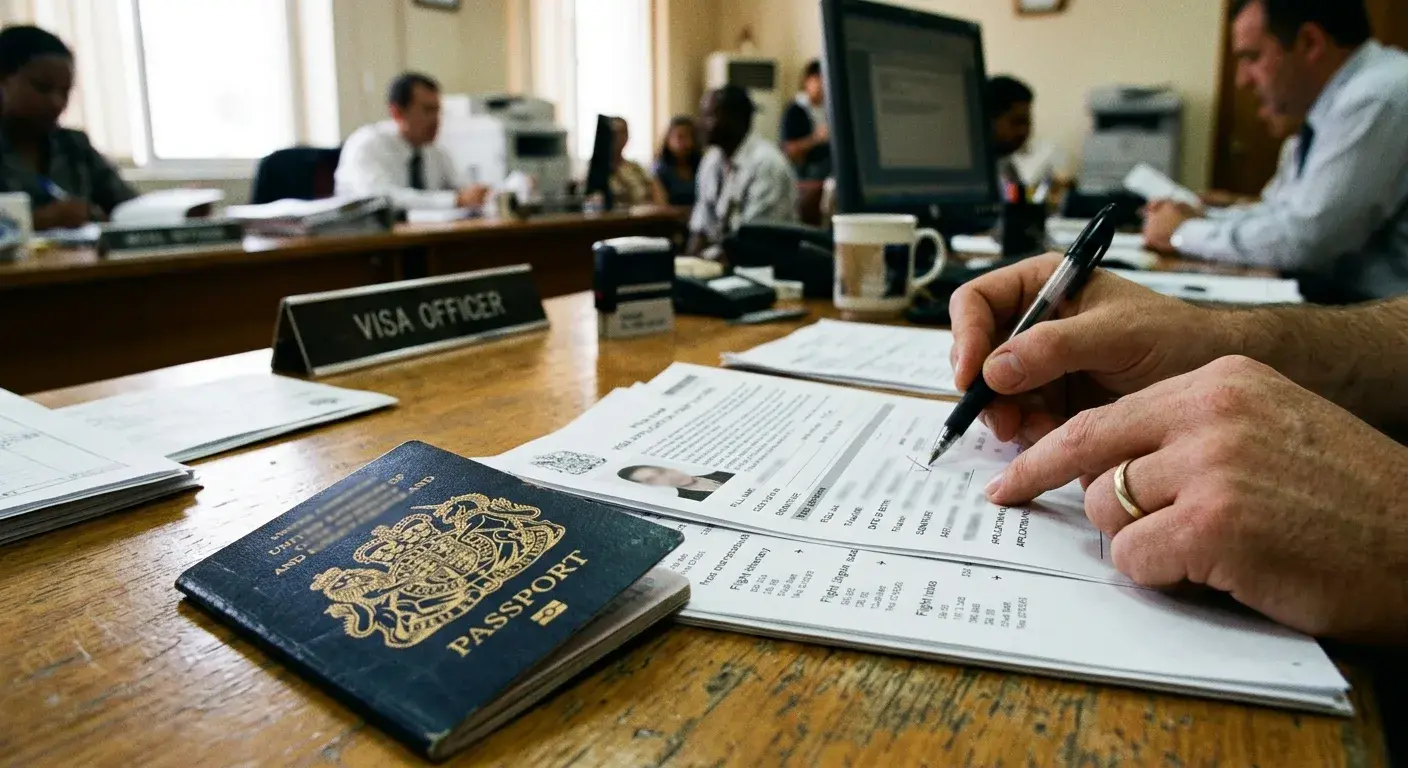
How high-scrutiny applicants should read their own risk profile
Before choosing flights, read the file like a skeptical reviewer. Ask whether your passport, residence country, employment situation, travel history, funds, invitation, hotel plan and route all point in the same direction. A low-risk traveler can sometimes survive a slightly messy itinerary. A high-scrutiny traveler has less room for mess.
This does not mean you need an expensive final ticket. It means the dummy ticket must look like it belongs to your actual application. The route should be easy to believe, the stay length should match your profile, and the timing should not look invented just to satisfy a checklist.
Why certain flight routes invite more questions than the destination itself
Some routes create questions because they are unnecessarily complicated. A strange transit, a faraway departure airport, a very short connection, an odd one-way pattern or a random onward destination can make the itinerary feel less natural. For high-scrutiny applicants, the route should reduce doubt, not create a puzzle.
A cheaper route is not always a safer route. If the cheapest option makes your travel plan look unrealistic, use a cleaner itinerary. A simple route that matches the stated purpose usually carries more value than a clever route built only around price.
When nationality, residence country and departure airport create a three-way check
Nationality is only one part of the picture. Residence country and departure airport also matter. If you are applying from a country where you do not normally live, departing from a city far from your residence, or routing through a place unrelated to the trip, the file should explain why.
The dummy ticket should support that explanation. If you live in one country, apply from another and depart from a third, the travel story must be especially clear. Otherwise the reviewer may spend time trying to understand logistics instead of focusing on eligibility.
How previous refusals change the standard for your dummy ticket
A previous refusal does not automatically make a new application weak, but it raises the standard for document consistency. If the earlier refusal involved unclear purpose, weak ties, financial doubts or inconsistent travel plans, the new dummy ticket should directly avoid those same weaknesses.
Do not reuse a vague route just because it is easy. Reapplication files should look more disciplined than first applications. The itinerary should be simpler, cleaner and easier to connect to the revised cover letter, updated proof and corrected travel purpose.
Building a Dummy Ticket That Looks Credible Under Extra Review
A high-scrutiny dummy ticket should feel intentionally chosen. It should show the most believable travel pattern for that applicant, not the most impressive-looking reservation. The strongest route is often the one that requires the least explanation.
Why high-scrutiny applicants should avoid perfect-looking but unrealistic plans
Perfect-looking documents can still fail if the trip itself feels unrealistic. A luxury route for a low-budget file, a long stay with weak funds, a complicated multi-city plan with no travel history, or a one-way itinerary for a short visitor visa can all invite questions. The issue is not whether the PDF looks clean. The issue is whether the plan fits the applicant.
For high-scrutiny files, boring is powerful. A straightforward dummy flight ticket that matches the stated destination, funds and purpose is usually stronger than a dramatic itinerary that tries too hard.
Matching dummy ticket dates to leave approval, invitation dates and insurance coverage
Dates are where many files fall apart. The dummy ticket date range should match the hotel or dummy hotel, travel insurance, leave approval, event invitation, conference schedule, sponsor letter and cover letter. If one document says the trip ends on the 12th and another suggests the 18th, the file starts to feel careless.
Small date differences can be normal, but they should be explainable. Arriving one or two days before an event can make sense. Staying several extra days after a business meeting may need a reason. The dummy ticket should not create questions the cover letter does not answer.
Choosing return dates that support return intent
For high-scrutiny applicants, the return or onward date should not look random. It should support the allowed stay, employment obligations, school schedule, family responsibilities or next travel step. A return date that is too far away for the stated purpose can weaken the file. A return date that is too soon can look fake if the trip purpose needs more time.
The safest date is the one that makes sense beside the applicant’s life. If the traveler has a job, classes, a family event or a sponsor timeline, use that logic to choose the departure date.
When one-way or open-jaw itineraries are riskier
One-way and open-jaw routes can be valid, especially for long trips, regional travel, digital nomads or onward-ticket situations. But for high-scrutiny visitor profiles, they need stronger explanation. A simple return dummy ticket may be safer when the application is built around a short, temporary stay.
If you use an open-jaw route, make the regional sequence obvious. If you use an onward ticket, the onward destination should be believable. Do not use a random cheap exit point that has no relationship to your travel plan.
- Use the most logical departure airport for your residence or application location.
- Keep transit points simple when the visa file is already sensitive.
- Choose a stay length that matches funds, purpose and supporting documents.
- Use return proof when the trip is clearly temporary.
- Use onward proof only when the next destination is easy to explain.
Avoiding Verification, Transit and Document Mismatches
A high-scrutiny file should not depend on a fragile document. The dummy ticket needs to be readable, current enough for the use case, internally consistent and aligned with other documents. The more sensitive the file, the less tolerance there is for sloppy details.
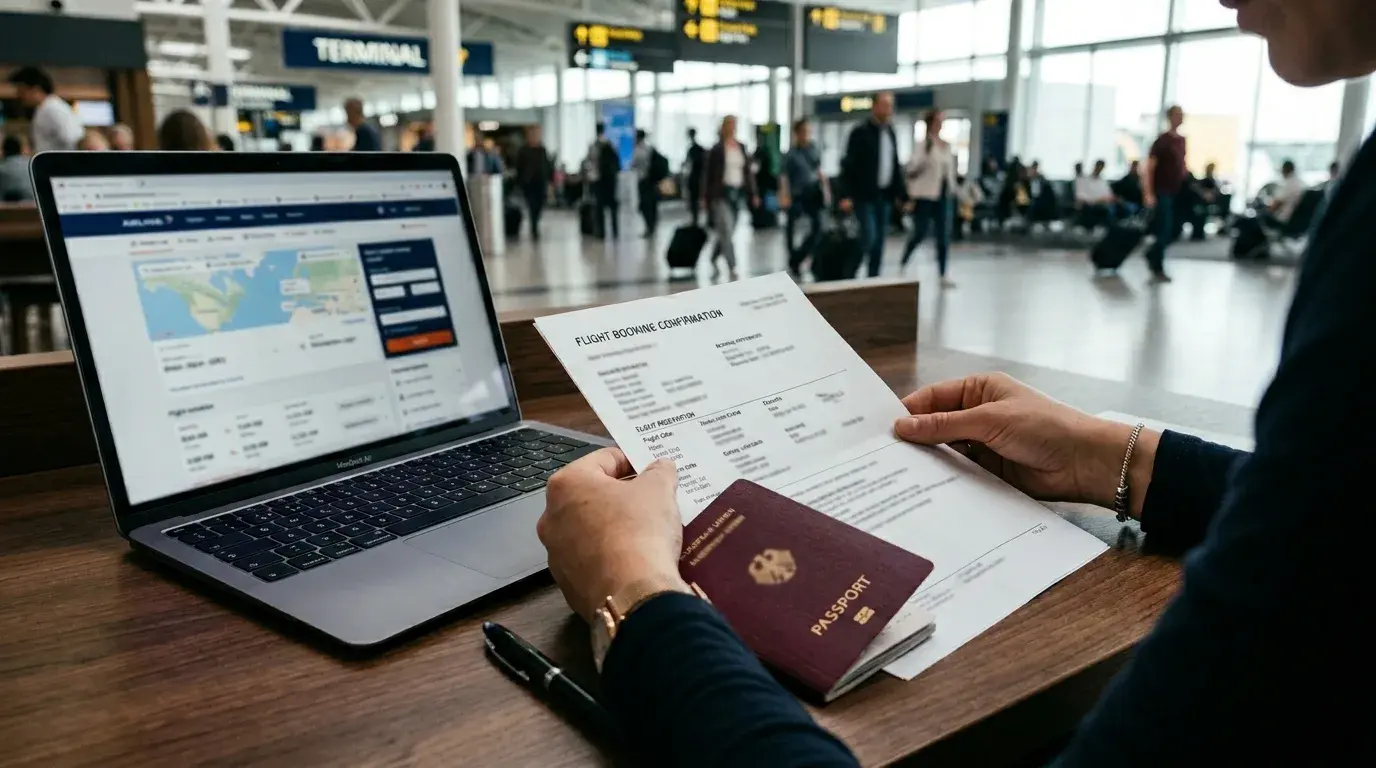
Why officers may verify a dummy ticket more closely
Verification pressure increases when the wider file has questions. If the applicant has a previous refusal, weak travel history, unclear employment, a sensitive route or a short-notice application, the travel-proof document may receive closer attention. That makes fake edited PDFs especially dangerous.
A real-looking document with inconsistent information is not enough. The PNR, route, dates and passenger identity should all support the same story. If verification is not possible through a public interface, the file should still look plausible to human review.
Transit country complications
Transit can become a hidden risk. Some routes require transit permissions, airport changes, baggage re-checks or realistic connection time. A dummy ticket that sends a high-scrutiny applicant through a complicated transit point may raise more questions than a direct or simpler route.
Before choosing the route, check whether the transit makes sense for nationality, airport, airline and baggage flow. If the transit path needs too much explanation, choose a cleaner route.
The name, passport and date details that must be boringly accurate
High-scrutiny files should not contain avoidable identity errors. Passenger name order, middle names, date format, passport details when used, and route spelling should be boringly accurate. A small typo can look bigger when the file is already under closer review.
Use the passport as the source of truth. Do not shorten names unless the booking format requires it. Do not mix old passport details with a new application. Do not let one document use a nickname while another uses the legal name.
How to spot a dummy ticket that is too fragile
A fragile dummy ticket usually has warning signs: unclear passenger details, unrealistic route, missing exit logic, weak design, inconsistent dates, strange airline combinations, expired references or language that pretends the document is a final paid ticket. For low-risk travelers, one weak detail might pass unnoticed. For high-scrutiny applicants, those details stack up quickly.
| Weak signal | Why it hurts | Safer correction |
|---|---|---|
| Random transit city | Looks chosen for convenience, not realistic travel. | Use a simpler route or explain the transit logic. |
| One-way visitor route | Can weaken temporary-stay intent. | Use return proof or a logical onward ticket. |
| Date mismatch | Creates contradictions with hotel, insurance or letter. | Align all time-sensitive documents before submission. |
| Fake-looking PDF | Creates credibility risk beyond the travel proof itself. | Use a clean document with realistic booking details. |
| Confused PNR/e-ticket language | Makes the document sound misrepresented. | Keep temporary reservation and paid-ticket language separate. |
Adjusting Strategy for Refusals, Reapplications and Sensitive Patterns
High-scrutiny applicants often need a more disciplined strategy after refusal or when travel patterns look sensitive. The dummy ticket should support the corrected application, not repeat the same vague signals that may have contributed to doubt.
What to change after a visa refusal
Do not simply create a new dummy ticket with different dates and hope the file looks fresh. Start with the refusal reason. If the refusal involved purpose of travel, choose a route that makes the purpose clearer. If it involved return intent, use dates and return proof that better support ties. If it involved document credibility, avoid anything that looks edited or inconsistent.
The new itinerary should feel like part of a stronger application, not a cosmetic replacement. It should match the revised cover letter, updated funds, current hotel plan and any new evidence.
How limited travel history can look more believable
Applicants with limited travel history should usually avoid overly complex routes. A simple destination, reasonable stay length and clean return logic can be more convincing than a multi-country plan. The dummy ticket should show a trip that fits the applicant’s experience and resources.
If the applicant is traveling for a specific event, family visit or business purpose, the route should support that purpose directly. Do not add unnecessary cities just to make the trip look more exciting.
When multi-country or regional travel looks risky
Regional travel can be valid, but it must be organized. If the application says France but the route spends most of the time elsewhere, the file becomes harder to understand. If the onward ticket leaves from a different country, the hotel and cover letter should explain the movement.
For high-scrutiny applicants, multi-country plans are strongest when every leg has a reason. If the route cannot be explained simply, simplify the route before creating the dummy ticket.
When a high-scrutiny applicant should choose a safer document type
Sometimes a standard dummy ticket is enough. Sometimes a verifiable dummy flight ticket with clearer booking details is better. Sometimes a refundable paid ticket makes sense because the case is fixed-date and high-stakes. The decision should be based on risk, not ego.
If the file is sensitive, prioritize credibility over cheapness. A low-cost document that looks fragile can cost more than it saves if it creates doubt.
The Final Pre-Submission Dummy Ticket Audit
Before submitting a high-scrutiny file, perform one final audit. Read the dummy ticket beside the application form, cover letter, hotel proof, insurance, funds, invitation and previous refusal history. The document should make the file easier to trust.
- The passenger name matches the passport and application.
- The route matches the purpose of travel.
- The departure airport makes sense for residence or application location.
- The return or onward date supports temporary stay logic.
- The hotel or dummy hotel dates match the flight window.
- The insurance period covers the intended stay.
- The PNR or booking reference is readable and not misrepresented.
- The route avoids unnecessary sensitive transit complications.
- The new file corrects any previous refusal weakness.
- The document looks clean, current and human-readable.
The best dummy ticket for a high-scrutiny file is not the fanciest itinerary. It is the cleanest answer to the officer’s quiet questions: why this destination, why these dates, why this route, and why should this traveler be expected to leave or continue as planned?
Need travel proof that does not create extra questions? Prepare a clean dummy ticket with route, dates and passenger details aligned before you submit the file.
Create Your Dummy TicketFrequently Asked Questions
What is a dummy ticket for high-scrutiny visa applicants?
It is a temporary travel-proof document that shows planned flight details while keeping final airfare flexible. For high-scrutiny applicants, it must be especially consistent with route, dates, hotel proof, insurance, cover letter and return or onward logic.
Should high-scrutiny applicants use a dummy ticket?
Many applicants use a dummy ticket when travel proof is needed before final ticket purchase. High-scrutiny applicants should focus on clean details, realistic routing and file consistency rather than using a fake-looking or overly complicated document.
Is a round-trip dummy ticket safer than a one-way ticket?
For short visitor-style applications, a round-trip dummy ticket is often easier to explain because it supports temporary stay logic. One-way or open-jaw routes can work, but they need stronger onward-travel explanation.
Can previous visa refusal affect dummy ticket strategy?
Yes. After a refusal, the new dummy ticket should correct the weakness in the previous file. If the issue was unclear purpose, weak return intent or inconsistent documents, the new itinerary should be simpler and better aligned.
Does a PNR make a dummy ticket stronger?
A PNR or booking reference can help, but it does not fix weak dates, unrealistic routing or conflicting supporting documents. It is one trust layer, not the entire strategy.
What routes should high-scrutiny applicants avoid?
Avoid routes with random transit cities, unrealistic connections, unexplained one-way travel, unrelated onward destinations or departure airports that do not match residence or application logic.
Can a dummy ticket guarantee visa approval?
No. A dummy ticket can support the travel-proof part of an application, but approval depends on the full file, eligibility, official review and current rules.
What is the biggest mistake for high-scrutiny applicants?
The biggest mistake is submitting a travel-proof document that looks fake, fragile or inconsistent. High-scrutiny files need calm, believable details, not aggressive claims.
Friendly reminder: DummyFlights provides temporary travel-proof documents for planning and application support. Requirements vary by destination, airline, route and applicant situation. A dummy ticket can support a file, but it does not promise approval, boarding or entry.