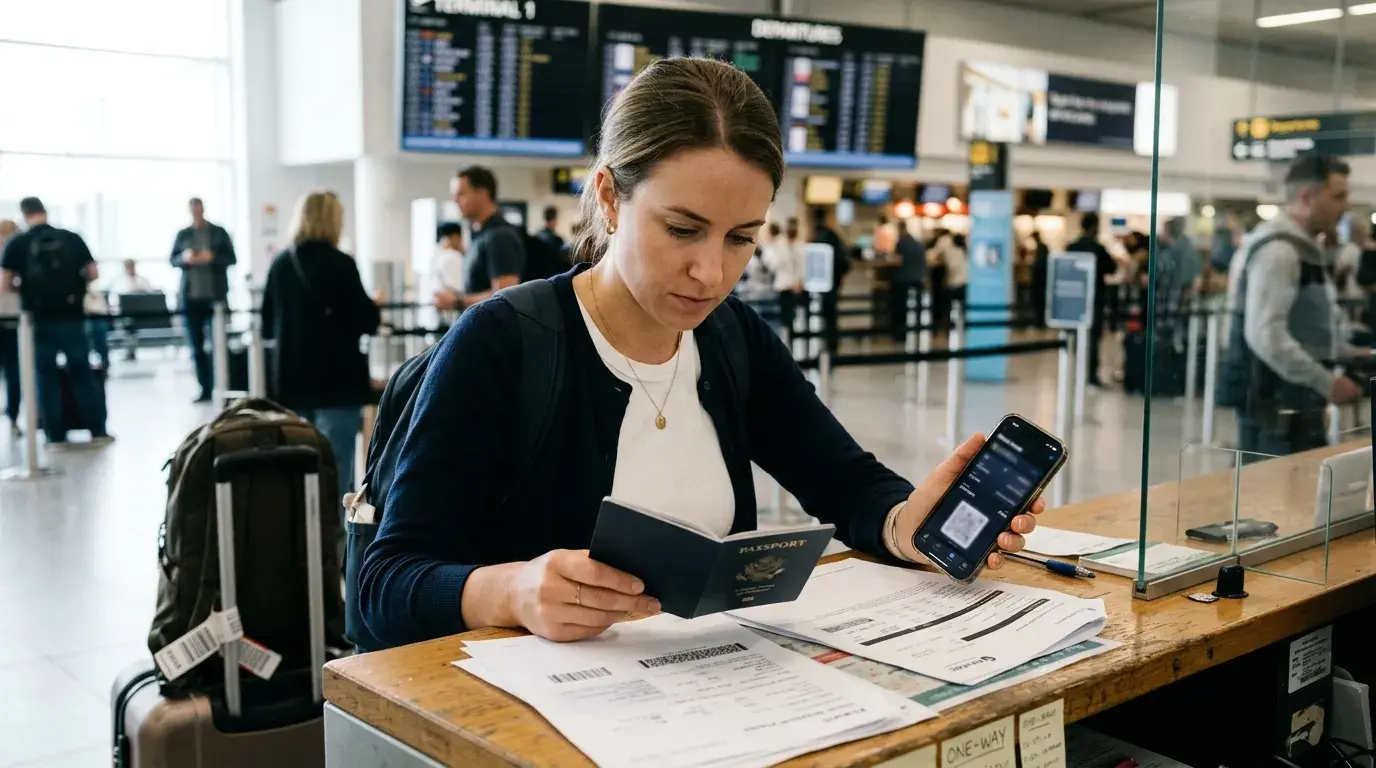
One-way travel can be perfectly reasonable for study, work, relocation, family joining, digital nomad movement, long-stay travel or regional onward plans. The problem starts when the embassy, airline counter or border officer expects visible exit logic and your file only shows arrival. That missing return leg can shift attention to intent, funds, timing and document consistency.
Your travel proof needs to answer the question before someone has to ask it: what happens after arrival? This guide shows when a one-way dummy ticket supports your visa story, when it creates doubt, and how to align dates, route, PNR validity, cover letter wording, dummy hotel proof and onward ticket logic without overexplaining.
- One-way arrival proof is strongest when the visa category explains why return timing is flexible.
- Visitor-style trips usually need clearer return or onward logic.
- An onward ticket can be safer than a fake-looking return when the next destination is real.
- Hotel, insurance and cover-letter dates must support the one-way story.
- Do not let a one-way dummy ticket look like an incomplete file.
Using one-way travel proof for a visa or airport file? Create a clean dummy ticket or onward ticket with DummyFlights after your route, dates and exit logic are clear.
Create Your Dummy TicketHow a One-Way Travel Plan Changes Review
A normal round trip gives reviewers an easy shape: arrive, stay, leave. A one-way plan removes the final piece. That does not make the trip wrong, but it makes the supporting story more important. The file must explain whether the traveler will study, work, relocate, continue onward, join family or leave later under a permitted category.
A dummy ticket can still be useful, but it must not create the impression that the traveler only planned the first half of the journey. The stronger file shows arrival plus a believable reason why return timing is flexible or why onward proof is more appropriate than a return home.
Why a one-way itinerary can look incomplete
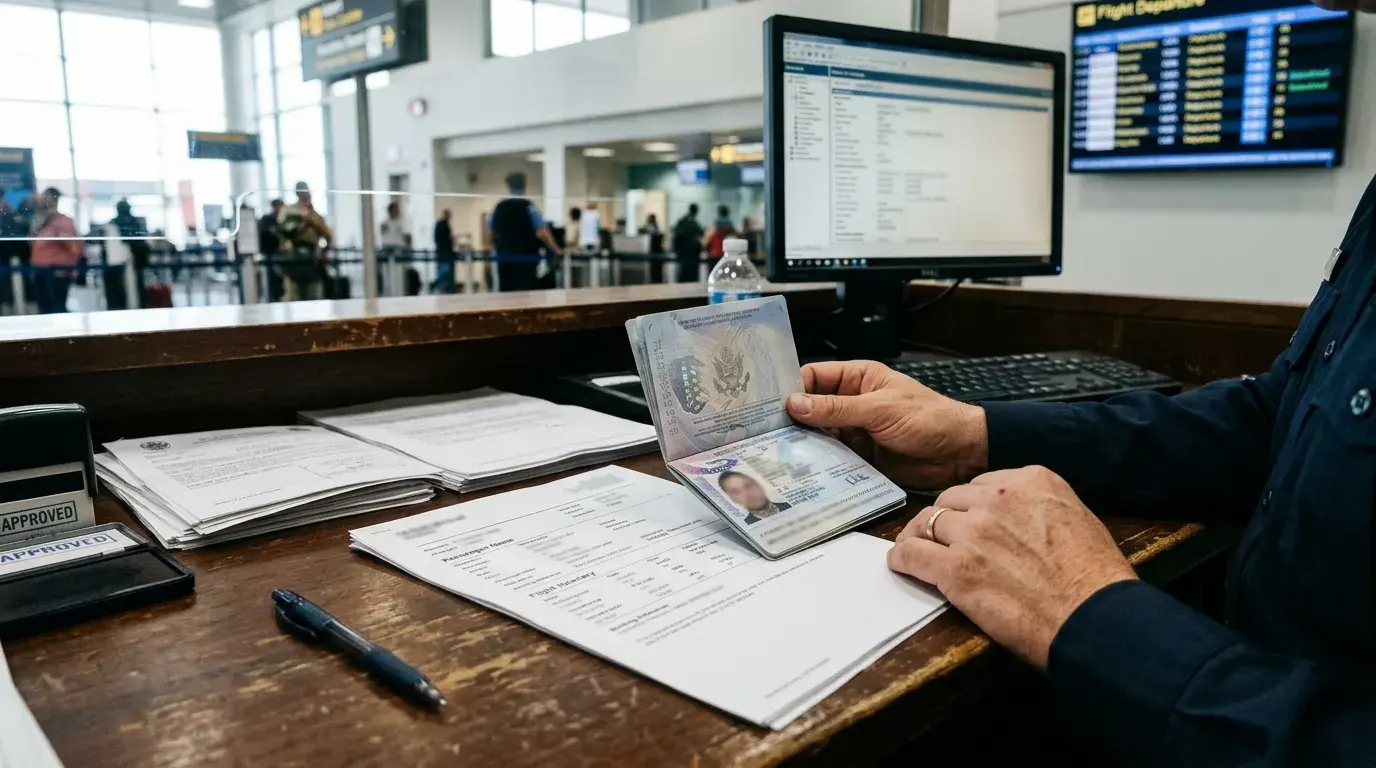
One-way travel looks incomplete when the visa category is short-term, the cover letter is vague, the hotel stay is short, the funds are limited, or the applicant does not explain what happens after arrival. Reviewers are not only reading the flight document. They are reading the trip pattern.
If your plan is genuinely one-way, make the reason visible. A student may have a course start date. A worker may have a contract. A spouse or family applicant may have a long-stay pathway. A digital nomad may have onward regional movement. The dummy ticket should fit that logic.
When a dummy ticket should show return travel instead
If the application is a short visitor trip, tourism file, event visit or family visit with a clear end date, a return dummy ticket is often easier to trust. It shows temporary stay logic in a format reviewers understand quickly. This is especially useful when the applicant has limited travel history or a higher-scrutiny profile.
Do not force a one-way document into a file that naturally looks temporary. If your actual plan is to return home, show return proof. If your actual plan is to continue elsewhere, show onward proof.
When onward travel makes more sense than returning home
An onward ticket can be stronger than a return home when the traveler is moving regionally, visiting multiple countries, entering on a visa-waiver route, continuing after a course, or taking a flexible long trip. The onward destination must be believable. A random cheap exit city can make the file weaker.
The best onward proof answers a simple question: where can this traveler realistically go next, and why does that next step fit the file?
How officers may compare travel proof with visa category
A one-way dummy ticket is read differently depending on the visa type. It can make sense for work, study, residence, dependent, relocation or long-stay categories. It is more sensitive for short-stay visitor categories where the officer expects visible evidence that the stay is temporary.
| Travel category | Best proof pattern | Risk to avoid |
|---|---|---|
| Short tourism | Return dummy ticket or clear onward ticket. | Arrival-only proof with vague exit plan. |
| Study or work | Arrival proof plus course, contract or long-stay documents. | Dates that do not match start date or permit logic. |
| Family joining | Arrival proof plus relationship, host and stay evidence. | Visitor-style file with residence-style itinerary. |
| Regional travel | Onward ticket plus route sequence and accommodation logic. | Random onward destination unrelated to the trip. |
Choosing Flight Dates That Make a One-Way Application Coherent
Dates are the backbone of a one-way file. The arrival date should match the visa window, appointment timing, course or work start, invitation date, hotel plan and insurance period. The return or onward date should make the stay look controlled rather than open-ended without reason.
Pick an arrival date that does not clash with processing or entry windows
Do not choose an arrival date that is unrealistically close to the appointment or earlier than the visa can be issued. A rushed date can make the file look careless. If the destination has a strict entry window, arrival should sit inside that window and match your supporting proof.
For study, work or relocation, arrive with enough time to settle but not so early that the purpose becomes unclear. For tourism, arrive near the planned hotel and activity window.
Set a return or onward date without maximum-risk signals
Using the maximum allowed stay is not always wrong, but it can look risky for a short visitor file. If every document pushes the longest possible stay while funds, employment or travel history are weak, the file may invite extra questions. Choose dates that match the real purpose.
If there is no return date because the traveler continues onward, the onward date should still sit inside the legal stay window and make sense beside accommodation. A one-way route does not mean date logic disappears.
Handle uncertain plans without a random-looking reservation
Uncertain travel is normal. The mistake is letting uncertainty look like disorganization. If your final route depends on visa timing, housing, course dates or family plans, make the current dummy ticket reflect the most realistic plan and explain flexibility briefly in the cover letter if needed.
Do not create several conflicting versions. One clear, believable plan is stronger than five “maybe” documents.
Manage date changes after submission
If dates change after submission, keep the travel story stable unless the embassy asks for updated proof or the change is material. If you create a fresh dummy ticket, make sure hotel, insurance, cover letter and onward logic are updated together. A new ticket with old supporting documents creates contradiction.
Avoiding One-Way Dummy Ticket Red Flags
One-way cases are not automatically weak. They become weak when the document looks fragile, incomplete, fake or disconnected from the rest of the file. The goal is to make the trip feel intentional, not unfinished.
Why a verifiable reservation matters more without a paid return ticket
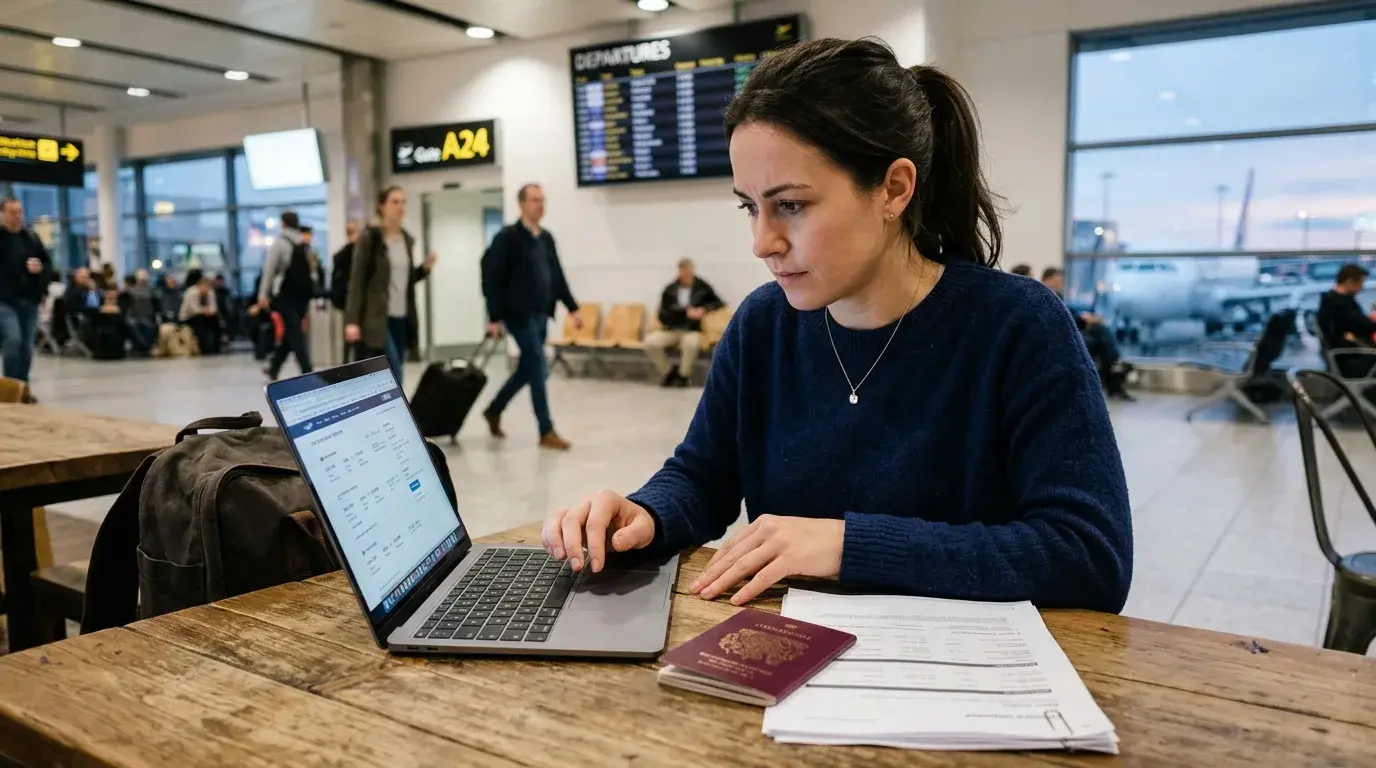
When you do not show a paid return ticket, the rest of the travel proof carries more weight. A readable booking reference or PNR can help, but only when the document details are clean. The PNR does not fix weak route logic, mismatched dates or unclear purpose.
Why route logic can matter as much as the PNR
A technically valid booking can still look wrong if the route is strange. If you are applying for one destination but the ticket points somewhere else, or if the onward destination looks random, the file becomes harder to trust. Route logic should be obvious at first reading.
Why one-way applicants should not mix conflicting stories
Do not say one thing in the cover letter, show another thing in the dummy ticket, and support a third thing with accommodation. If the plan is flexible, explain it simply. If the plan is fixed, align every document around it.
Why expired or unstable reservations are riskier
One-way files already need more explanation. An expired or unstable reservation adds another reason to question the file. Create the dummy ticket close enough to the relevant stage, and avoid unnecessary rebooking unless asked.
- Arrival-only proof for a short visitor stay with no exit explanation.
- Onward destination that does not match funds, route or visa rules.
- Hotel dates that end long before the onward ticket date.
- Cover letter that promises return while ticket shows onward travel.
- Fake-looking PDF or edited booking details.
Matching the Dummy Ticket Strategy to One-Way Scenarios
The right document depends on why the traveler is one-way. The same arrival-only proof that makes sense for a student can look weak for a tourist. Match the document to the story.
Tourism with a flexible exit plan
Tourism is the most sensitive one-way pattern. If the traveler does not know the exact return date, an onward ticket can help show exit capacity. The onward route should be realistic and should not contradict hotel or funds. A clean return dummy ticket may still be stronger if the trip is short and temporary.
Study, work or long-term residence
For study, work or long-term residence, one-way arrival can be natural. The strength comes from supporting documents: admission letter, work contract, permit pathway, housing, funds and start date. The dummy ticket should focus on believable arrival timing.
Family visits, partner visits or caregiving trips
Family-related travel can be one-way when the stay is long or uncertain, but visitor files still need temporary-stay logic. Host letters, relationship proof, accommodation and funds should explain why the traveler arrives when they do and what happens later.
Multi-country routes and digital nomad movement
Digital nomads and regional travelers often need onward proof more than return-home proof. The onward ticket should fit the wider route. A believable next country, clear exit date and sensible accommodation plan make the file much easier to read.
Need one-way travel proof that does not look unfinished? Use DummyFlights to prepare a clean dummy ticket or onward ticket after your exit logic is ready.
Create Your Dummy TicketFinal One-Way Dummy Ticket Audit
- The arrival date matches the visa, appointment and supporting documents.
- The exit or onward logic is visible somewhere in the file.
- The hotel or dummy hotel dates do not create unexplained gaps.
- The cover letter matches the route shown in the dummy ticket.
- The PNR or booking reference is readable when included.
- The onward destination is realistic, not random.
- The document is not presented as a paid final e-ticket.
- The whole file answers what happens after arrival.
A one-way dummy ticket works best when it looks like part of a complete plan. If the document only shows arrival, the rest of the file must explain why that is enough. If the trip needs exit proof, add a believable onward ticket or return logic before the missing piece becomes the main question.
Frequently Asked Questions
Can I use a dummy ticket for one-way travel?
Yes, but the file should explain why the trip is one-way and what happens after arrival. One-way proof is stronger when supported by visa category, onward ticket, accommodation, funds or cover-letter logic.
Is a one-way dummy ticket risky for a visa?
It can be riskier for short visitor-style applications because reviewers may expect return or onward proof. It is usually easier to explain for study, work, long-stay, relocation or regional travel.
Should I use an onward ticket instead of a return ticket?
Use an onward ticket when your real plan is to continue to another destination. Use a return ticket when your trip is clearly temporary and you plan to go home.
Does a PNR make one-way travel proof stronger?
A PNR can help, but it does not replace route logic. The document still needs realistic dates, passenger details, accommodation alignment and a believable exit or onward plan.
What if my return date is uncertain?
Use the most realistic current plan and explain uncertainty briefly if needed. For many travelers, onward proof is cleaner than pretending to have a return date that does not match the real trip.
Can one-way travel proof guarantee visa approval?
No. A dummy ticket or onward ticket can support the travel-proof part of a file, but approval depends on the full application, eligibility, documents and official review.
What is the biggest one-way dummy ticket mistake?
The biggest mistake is showing only arrival with no exit explanation, especially for short-stay visitor files. The document should answer what happens after arrival.
When should I create the dummy ticket?
Create it after your travel dates, route, accommodation and exit or onward logic are stable. Avoid creating it so early that it expires before it is useful.
Friendly reminder: DummyFlights provides temporary travel-proof documents for planning and application support. Requirements vary by destination, airline, route and applicant situation. A dummy ticket can support a file, but it does not promise approval, boarding or entry.