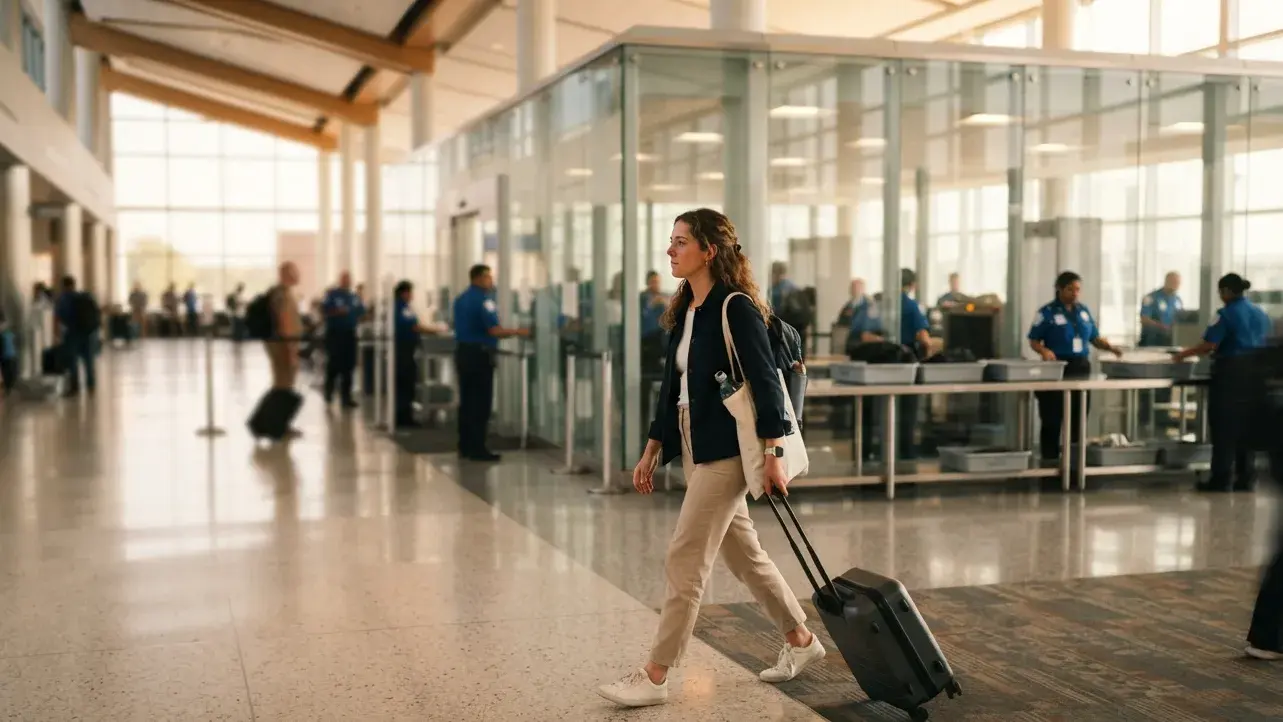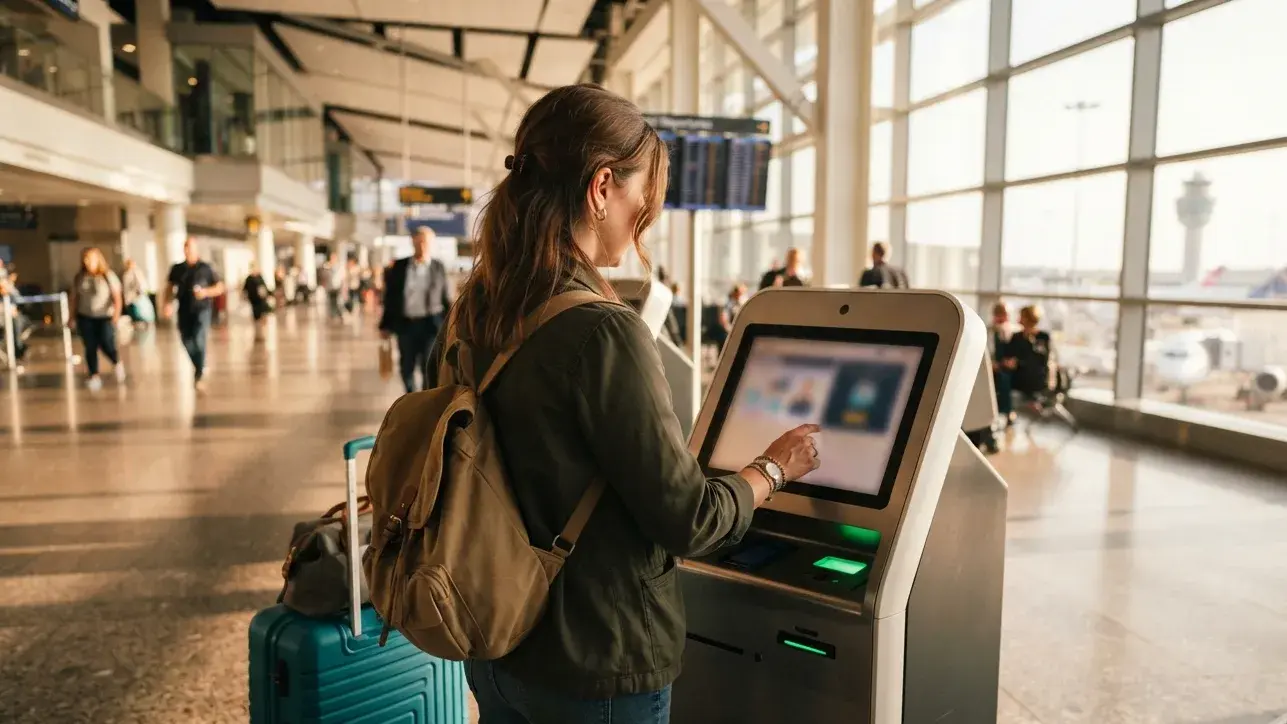
A dummy flight ticket for family relocation can help a one-way moving family answer airline check-in questions when the family has valid long-stay documents but no normal return ticket yet. The document works best when it is paired with relocation proof, matching passenger names, realistic travel dates, child or dependent documents, and a clear onward-ticket or exit plan that does not pretend the family is taking a short holiday.
Family relocation is different from a solo tourist trip. A family may be moving for work, school, residence, dependent status, medical care, marriage, sponsorship, or a staged move where one adult travels first and the rest follow later. That creates a practical airport problem: the family may be allowed to travel one way, but the airline check-in desk may still ask for return or onward proof before boarding.
This guide explains how to use a dummy flight ticket for family relocation without making the file look fake, improvised or over-explained. The goal is simple: make the family’s one-way travel story easy for airline staff, transit desks and immigration officers to understand quickly.
Key facts before creating a family relocation dummy flight ticket:
- One-way family travel can trigger airline questions even when visas are valid.
- A dummy flight ticket should match every family member’s passport, visa and route.
- Children, dependents and sponsored relatives may need extra supporting documents.
- Airport staff usually care about document clarity, entry permission and onward-ticket risk.
- Buying nonrefundable return tickets only to calm check-in anxiety can be financially dangerous.
Relocating with family and need clean travel proof? Create a DummyFlights dummy flight ticket after your family route, dates and onward-proof logic are stable.
In This Guide
- Official-source check
- Why one-way family relocation triggers check-in questions
- How to decide if your family needs onward proof
- How to build a family relocation travel-proof packet
- What to say at airline check-in
- Mixed family relocation cases
- Transit desks and live PNR checks
- Lowest-risk strategy by relocation stage
- FAQ
Official-source check: travel proof is never judged in isolation. IATA says its Travel Centre is built around passport, visa and health requirement information used by airlines, while IATA traveler guidance also notes that correct documents do not automatically guarantee entry because local immigration authorities and airlines may apply their own checks. GOV.UK visitor guidance says visitors may need to show they can pay for a return or onward journey. U.S. Department of State guidance explains that a visa does not guarantee entry, and IRCC says length of stay can be decided at the port of entry. That is why relocating families should prepare a coherent document packet, not just one isolated ticket.
Why One-Way Family Relocation Trips Trigger Airline Check-In Questions
Airline check-in staff are not deciding whether your family deserves to relocate. They are deciding whether the airline can board your family without creating a document-risk problem. That is a different job.
A family may have valid visas, residence approvals, school papers, employment contracts or dependent documents, yet still face a simple airport question: “Do you have a return or onward ticket?” The question can feel strange when the whole point of the trip is relocation, but it often comes from airline liability, destination rules, transit rules or database prompts at the counter.
The Check-In Agent Is Managing Airline Risk
At the counter, staff usually scan passports, visas, destination requirements and airline guidance. If the system or route suggests onward proof may be needed, the agent may ask before issuing boarding passes. They are not always judging the full legal story. They are trying to avoid boarding passengers who may be refused later.
This is where a clean dummy flight ticket can help. It gives the family a simple, organized way to show onward-travel planning without forcing them to buy expensive final return airfare before their relocation timeline is settled.
A Long-Term Visa Does Not Always End the Question
Many relocating families assume a long-stay visa, dependent visa, work approval or residence pathway means no one will ask about onward travel. Sometimes that is true. Sometimes it is not.
Airline staff may not have time to interpret every family’s relocation story. If one family member has a different visa type, a child has a different passport, a dependent document is unclear, or the route includes a transit country, the staff member may still ask for extra proof.
The safest mindset is not panic. It is preparation. A dummy flight ticket is one part of that preparation, especially when the family needs to show a clean travel-proof answer without locking money into tickets they may never use.
Families Look Different From Solo Travelers
A solo traveler can often answer airport questions quickly. A family is more complicated. There may be multiple passports, children, different surnames, dependent approvals, school start dates, pets, baggage, household shipping documents and different travel dates for each adult.
That complexity can make a normal one-way relocation look confusing. The dummy flight ticket should reduce that confusion. It should not add more documents that contradict the family’s actual move.
For example, a solo traveler with a work visa may only need to show the passport, visa and job letter. A family may need to show the main applicant’s work approval, the spouse’s dependent approval, children’s dependent status, school admission, accommodation address, consent documents, and travel proof for everyone. The airline counter is not built for long explanations, so the file has to do the explaining visually.
This is why a family relocation dummy flight ticket should be created with the whole group in mind. If four people are traveling, the document should not look like it was made for one adult and then loosely copied for the others. Passenger names, route, dates and family context should feel deliberate.
The Three Details That Usually Trigger Questions
For relocating families, check-in questions usually come from three places:
- One-way direction: the family has no normal return flight because they are moving.
- Mixed status: one family member has a different passport, visa, dependent status or entry pathway.
- Route complexity: the family is transiting, entering through one city, or relocating in stages.
A strong dummy flight ticket for family relocation should directly support those pressure points. It should show a realistic route, consistent dates and a practical onward or exit option if the airline asks.
The Ticket Is One Part of a Larger Answer
Do not treat the dummy flight ticket as a magic document. It is travel proof. It should sit beside stronger relocation evidence: visas, approvals, job letters, school acceptance, accommodation proof, sponsor documents, dependent papers, marriage certificate, birth certificates or custody consent where relevant.
When the family packet is coherent, the ticket becomes useful. When the family packet is messy, the ticket alone cannot repair the story.

How to Decide Whether Your Relocating Family Needs Onward Proof
Not every family relocation requires an onward ticket. Some families have strong long-term entry documents and no practical reason to show an exit. Other families travel through routes where airline systems, transit rules or destination entry conditions still make onward proof useful.
The decision should be made before airport day, not while children are tired, bags are overweight and a check-in queue is building behind you.
Map Every Family Member’s Status First
Before creating a dummy flight ticket, list each family member separately:
- Passport nationality and expiry date.
- Visa, permit, residence approval or entry authorization.
- Relationship to the main applicant.
- Whether the person is a child, dependent spouse, sponsored parent or accompanying relative.
- Whether the person travels on the same date and airline as everyone else.
This matters because one weak document can create questions for the whole family. A parent may be fully approved, while a child or dependent has a separate document that the airline wants to understand.
Separate Application Proof From Airport Boarding Proof
Families often confuse two different moments. Application proof is what you submit to an embassy, consulate, sponsor, school or employer. Airport boarding proof is what helps the airline decide whether the family can board that day.
A dummy flight ticket may be useful for either moment, but the goal changes. For application support, the document should match the planned file. For airport day, the document should be fresh, readable and easy to verify if staff ask.
If the family is already approved for relocation, the airport-day question is usually not “Can you prove you are moving?” It is “Can you prove your documents and onward logic are acceptable for this route?”
Check Destination, Transit and Airline Rules Separately
A family may be allowed into the destination but still face a transit issue. Or the destination may be clear, but a specific airline may apply stricter document screening. Treat these as separate risk points:
- Destination entry rules.
- Transit country rules.
- Airline check-in requirements.
- Visa or permit category conditions.
- Child travel or consent requirements.
This is why one-way family relocation needs more planning than a normal holiday. The dummy flight ticket should be chosen after the route is checked, not before.
Children and Dependents May Need Extra Proof
Children traveling one way can invite extra questions, especially if only one parent is traveling, surnames differ, custody documents are needed, or the child’s dependent status is tied to another family member.
The dummy flight ticket should match the child’s passport name exactly. If the family uses different surnames, carry birth certificates, marriage certificate, custody consent or other relationship proof where relevant. The goal is to make the family unit easy to understand.
Do not assume children are “covered” simply because they are listed under a parent’s plan. At check-in, each passenger is processed as a traveler. That means each child’s name, passport, visa or permission must stand on its own while still connecting clearly to the family group.
If one parent is not traveling, the file may need written consent or custody evidence depending on the route. If the child has a different surname from the traveling adult, carry documents that connect the names. These are not dummy-ticket issues, but they can become boarding issues if the family is already under pressure at the counter.
Avoid Buying Nonrefundable Return Tickets Out of Fear
Buying full return tickets for an entire family just to calm check-in anxiety can be expensive and unnecessary. If the family’s long-term plan is real but the return timeline is not settled, a temporary dummy flight ticket or onward ticket may be a cleaner way to show travel-proof planning.
The aggressive truth: the family should look prepared without gambling thousands on final airfare too early.

How to Build a Family Relocation Travel-Proof Packet
A family relocation packet should be organized for speed. The check-in agent should not have to decode the family’s life story. They should be able to see the passports, visas, main relocation reason and dummy flight ticket logic quickly.
The document packet should answer one practical question: “Why is this family traveling one way, and what proof supports that?”
Keep the Dummy Flight Ticket Consistent With the Real Departure Plan
The dummy flight ticket should not invent a route that conflicts with the family’s real departure. If the family is flying from Mumbai to Toronto, the document should not suggest a totally different travel pattern unless there is a real reason.
Use the same departure city, realistic date range and practical routing logic. If an onward ticket is needed, choose an onward date that does not contradict the relocation story.
Choose an Onward Date That Fits Relocation
A family relocating for school, work or residence may not have a short tourist-style return date. That is normal. But the onward date should still be defensible.
If the family uses an onward ticket only for temporary proof, avoid dates that look absurdly early or suspiciously close to a maximum stay. The date should fit the actual stage of the move: arrival, settling in, school start, employer onboarding, dependent processing or onward administrative requirement.
Match Names Across Every Document
Family files create more name-matching risk than solo files. Middle names, maiden names, hyphenated names, different surnames and passport-order differences can cause confusion.
Before generating the dummy flight ticket, check every passenger name against the passport. Then compare the names with visas, approvals, birth certificates, marriage certificate and school or employer documents. A small name mismatch can make a good file look careless.
Carry Relocation Evidence That Explains the One-Way Trip
The ticket should not carry the entire explanation. Bring documents that prove the relocation context:
- Employment contract or transfer letter.
- School admission or enrollment proof.
- Residence approval, dependent approval or sponsorship letter.
- Temporary accommodation or lease proof.
- Marriage, birth or family relationship documents.
- Pet relocation or shipping documents if they support the move.
These documents make the one-way direction look logical. The dummy flight ticket then becomes a supporting travel-proof document, not the only reason the file makes sense.
The strongest relocation packet usually has one “anchor document.” For a work move, that anchor may be the employment contract or transfer letter. For a school move, it may be the admission letter. For a dependent move, it may be the main applicant approval and relationship documents. For a sponsored family member, it may be the sponsor letter and accommodation proof.
The dummy flight ticket should orbit that anchor document. If the anchor says the family is moving for a September school start, the travel date should make sense before September. If the anchor says the employee starts work on the 1st, the family should not arrive weeks later without explanation. The ticket should reinforce the relocation reason, not compete with it.
Arrange Documents in Check-In Order
Do not hand over a messy folder. Put documents in the order staff usually ask:
- Passports for all family members.
- Visas, residence approvals or entry authorizations.
- Main relocation proof.
- Children or dependent relationship documents.
- Dummy flight ticket or onward ticket.
- Accommodation or arrival address.
This simple order reduces friction. It also helps the adult speaking for the family stay calm.
For larger families, separate the documents by person and keep a master set at the front. The master set should show the family’s shared story: main applicant approval, relocation reason, destination address and dummy flight ticket or onward proof. Behind that, each passenger should have their own passport and supporting documents. This prevents the folder from becoming a paper storm at the counter.
If the family is traveling with pets, oversized baggage or shipping records, keep those documents separate but available. They can support the relocation story, but they should not interrupt the first document review unless staff ask.
Prepare Calm Check-In Answers Without Overexplaining
At the counter, confidence matters. A family that looks confused about its own travel plan can create doubt even when the documents are fine.
The adult speaking for the family should be ready with short answers. Not a speech. Not a defensive explanation. Just clear, practical responses.
Answer “Do You Have a Return Ticket?” Clearly
A strong answer sounds like this: “We are relocating on a long-stay approval, so we do not have a normal return ticket. We have our visas, relocation documents and onward travel proof here if needed.”
That answer tells the agent the family understands the situation. It also introduces the dummy flight ticket or onward ticket without making it sound like a trick.
Explain the Move in One Sentence
Keep the family’s relocation story short:
- “We are moving because my employer transferred me.”
- “We are relocating for my child’s school start.”
- “My spouse is the main applicant and we are traveling as dependents.”
- “One parent is traveling first and the rest of us are joining now.”
One clean sentence is stronger than five minutes of nervous explanation.
Decide Which Adult Speaks
If two adults answer at the same time, the counter can become chaotic. Choose one person to speak for the family. The other adult can manage children, bags and documents.
This sounds basic, but family travel stress is real. The goal is to keep the interaction simple.
Answer “Is This Reservation Confirmed?” Carefully
Do not call a dummy flight ticket a fully paid e-ticket if it is not one. A clean answer is: “This is our temporary travel-proof document showing onward planning. Our final long-term ticketing depends on the relocation timeline.”
That wording is honest and still confident. It avoids fake claims while keeping the document useful.
Avoid Phrases That Create Doubt
Avoid saying things like “I found this online,” “It is only for formality,” “I do not know if it is real,” or “We just need something to show.” Those phrases weaken the file.
Instead, speak in terms of travel proof, relocation documents, onward planning and route consistency.
Citation-ready baseline: a dummy flight ticket for family relocation is strongest when it supports a real one-way move, matches every family member’s documents, and answers airline onward-proof questions without pretending to be a fully paid final ticket.
Mixed Family Relocation Cases Need Extra Planning
Not every family relocates in one perfect group. Sometimes one parent goes first. Sometimes children follow after school exams. Sometimes a dependent spouse has no job contract. Sometimes elderly parents or sponsored relatives travel later.
Those cases are normal, but they need cleaner travel-proof logic.
One Parent Relocates First
If one parent has already relocated, the traveling family should carry proof of that status: residence card, employment letter, lease, school documents or invitation from the parent abroad. The dummy flight ticket should match the family’s joining date and destination.
If only one parent travels with children, carry any consent or custody documents required for the route. Do not rely on the ticket to explain family permission.
This staged pattern is common and can be very believable when documented well. The first parent may have gone ahead to start work, secure housing, handle school enrollment, or prepare the residence process. The second travel group should be able to show why they are joining now and where they will stay when they arrive.
A dummy flight ticket for the second group should not copy the first parent’s travel dates. It should reflect the actual joining trip. If the family also needs onward proof, it should not suggest the second group is simply visiting for a short holiday unless that is the real arrangement.
Children’s School Start Dates
School relocation has a natural timeline. Use it. If children are moving for a school term, the departure date, arrival date and accommodation proof should match the school start logic.
An onward ticket may still be useful for airline questioning, but it should not make the family look like tourists if the real story is school relocation.
Dependent Spouse Without a Job Contract
A dependent spouse may not have independent employment proof in the destination country. That is fine if the dependent status is clear. The family should carry the main applicant’s approval, relationship proof and support documents.
The dummy flight ticket should place the dependent spouse inside the family’s shared travel plan, not as a disconnected solo traveler.
Elderly Parents or Sponsored Relatives
Sponsored relatives may face extra questions because the airline wants to understand the purpose and duration of travel. Keep answers simple: who is sponsoring, where they will stay, and what document supports their entry.
If an onward ticket is used, choose dates that fit the sponsorship or stay plan. Do not create a random exit that contradicts the family arrangement.
Different Travel Dates or Airlines
Families sometimes travel on different dates or airlines because of work notice, school schedules, pet relocation, baggage allowance or ticket availability. That can work, but the documents must still connect.
If family members travel separately, each traveler should have a clear packet. Do not assume the second group can rely on documents carried by the first group.
Different airlines can also create different check-in experiences. One carrier may accept the visa and relocation proof quickly. Another carrier may ask for onward proof because its system flags the destination or transit route. If the family is split across airlines, prepare each group as if they will be questioned independently.
The same applies when a parent flies first with luggage and the rest follow later. Each group needs its own dummy flight ticket or travel-proof logic if onward proof may be requested. The file should not depend on a document sitting in another person’s bag on another flight.
Prepare for Transit Desks and Live PNR Checks
The first check-in desk may not be the only place where questions appear. Families may face document review during transit, recheck, boarding gate checks or arrival processing.
That does not mean you should panic. It means the dummy flight ticket should be fresh, readable and consistent with the family’s route.
Review Transit Risk Before Choosing the Route
A cheap route with a complicated transit can create more stress than a slightly more expensive direct route. Families with children, dependents, pets or extra baggage should avoid unnecessary transit complexity when possible.
If transit is unavoidable, check whether onward proof, visa rules or document checks could apply at the transit point.
If Staff Verify the PNR Live
If airline staff ask to verify the PNR or booking reference, stay calm. Provide the document clearly and avoid overexplaining. A verifiable dummy flight ticket is stronger than a fake-looking edited PDF because it gives the staff something coherent to review.
If the reservation has expired, replace or update it before airport day. Do not bring an expired document and hope nobody checks.
For family relocation, timing is especially important because one expired reservation can delay the whole group. If the document is meant for airline check-in rather than only application support, create it close enough to departure that the details are still useful. Do not reuse an old file from the application stage if the travel date, airline, route or family passenger list has changed.
If the airline asks whether the onward proof is a paid final ticket, do not bluff. A cleaner answer is that it is temporary travel proof showing onward planning while the family’s long-term relocation ticketing remains dependent on the move timeline. That keeps the answer accurate and calm.
Keep Offline Copies
Family travel is messy. Phones die. Data roaming fails. Children need attention. Keep offline copies of every key document on at least two devices and carry printed copies where practical.
A good document is only useful if you can show it quickly.
For families, printed copies are still underrated. A single phone screen passed back and forth between counter staff, spouse, children and baggage scales creates friction. Printed copies allow the speaking adult to hand over the relevant page while keeping the phone free for email, airline app access or translation support.
Keep the dummy flight ticket near the passports, not buried behind unrelated paperwork. If the counter asks for onward proof, the answer should be immediate.
Ask for a Supervisor Calmly
If valid documents are being misunderstood, ask calmly for a supervisor. Do not argue. Do not insult the counter staff. Show the family’s approval documents, relocation reason and onward travel proof in order.
The goal is not to win a debate. The goal is to board the family with the least friction possible.
Choose the Lowest-Risk Strategy for Your Family’s Relocation Stage
The best travel-proof strategy depends on where the family is in the relocation process. A family applying for documents has different needs from a family traveling tomorrow.
| Relocation stage | Main risk | Best dummy flight ticket strategy |
|---|---|---|
| Application support | The file needs planned travel dates but final tickets are not safe yet. | Use a clean dummy flight ticket that matches the application calendar. |
| Visa approved, travel soon | Airline check-in may ask for onward proof. | Use a fresh, readable onward ticket or dummy flight ticket close to departure. |
| Staged family move | Family members travel on different dates or statuses. | Create separate but consistent document packets for each traveler group. |
| High-risk transit route | Transit desk or airline rules may add document questions. | Keep route simple and carry offline proof for every family member. |
Use Short-Validity Proof for Application Timing
When the immediate need is application support, the dummy flight ticket should show intended travel. It does not need to solve every airport-day problem months in advance.
For airport day, use a fresh document if onward proof is likely to be checked. Timing matters because expired travel proof can create avoidable questions.
Consider Refundable Real Tickets Only When the Budget Allows
Fully refundable real tickets can be useful for some families, but refund timing and card limits can be painful. For a full family, the amount can be huge. Do not assume refundable means financially harmless.
A dummy flight ticket can be a practical middle option when the family needs travel proof but does not want to lock money into final airfare too early.
Avoid Mismatched Documents
The most dangerous setup is not a dummy ticket. It is a messy dummy ticket. If the route, dates, family names or onward logic conflict with the rest of the file, the document can create more questions than it answers.
Clean beats clever. Coherent beats complicated.
Final Airport-Day Checklist
- Passports for every family member.
- Valid visas, permits or entry approvals.
- Relocation proof explaining the one-way move.
- Relationship documents for children and dependents.
- Accommodation or arrival address.
- Fresh dummy flight ticket or onward ticket if needed.
- Offline and printed copies.
If this checklist feels difficult to complete, fix the file before departure. Airport day is the worst time to discover the family story is unclear.
Before leaving for the airport, do one final “family file rehearsal.” One adult should ask the basic questions out loud: Why are we traveling one way? Which document proves the relocation reason? Where are we staying? What is our onward or exit proof if asked? Which documents prove the children’s relationship to us? If those answers are easy, the counter conversation becomes easier too.
This is the real purpose of the dummy flight ticket in a family relocation setup. It is not there to replace valid visas, permits, relationship proof or relocation evidence. It is there to make the travel-proof part of the move clean, fast and believable.
Make your family relocation proof easier to understand. Prepare a clean dummy flight ticket or onward ticket that matches your route, dates and family documents before check-in day.
Frequently Asked Questions
Can a family use a dummy flight ticket for relocation?
Yes. A family can use a dummy flight ticket for relocation when it supports a real one-way move and matches the family’s passports, visas, dates and route. It should not contradict the relocation documents.
Why do airlines ask relocating families for onward proof?
Airlines may ask because they screen passport, visa, destination and transit requirements before boarding. A valid visa or permit does not always stop airline staff from asking for return or onward-ticket proof.
Is a dummy flight ticket better than buying return tickets for the whole family?
It can be better when the family’s final return timeline is unknown and buying nonrefundable tickets would be financially risky. The document should be clean, realistic and aligned with the family’s actual relocation plan.
Should children be listed on the dummy flight ticket?
Yes, if the children are traveling with the family and need to be shown in the travel-proof plan. Their names should match their passports exactly, and relationship or consent documents should be carried when relevant.
Can a family use an onward ticket instead of a return ticket?
Yes, an onward ticket can work when it fits the route and destination requirements. It should show a practical next step and should not make the relocation story look like a short tourist trip if that is not the truth.
What if one parent travels first and the family follows later?
The later-traveling family should carry proof of the first parent’s status, accommodation, relationship documents and a dummy flight ticket that matches their own travel date and route.
Can airline staff verify a dummy flight ticket PNR?
Airline staff may ask to review or verify travel details depending on the route and document type. A fresh, coherent, verifiable dummy flight ticket is stronger than an expired or edited-looking PDF.
Does a dummy flight ticket guarantee family boarding or entry?
No. A dummy flight ticket can support travel-proof questions, but it does not guarantee airline boarding, visa approval or immigration entry. The family’s full document packet still matters.
Friendly reminder: DummyFlights provides temporary travel-proof documents for planning and application support. Requirements vary by destination, airline, route and applicant situation. A dummy ticket can support a file, but it does not guarantee approval, boarding or entry.