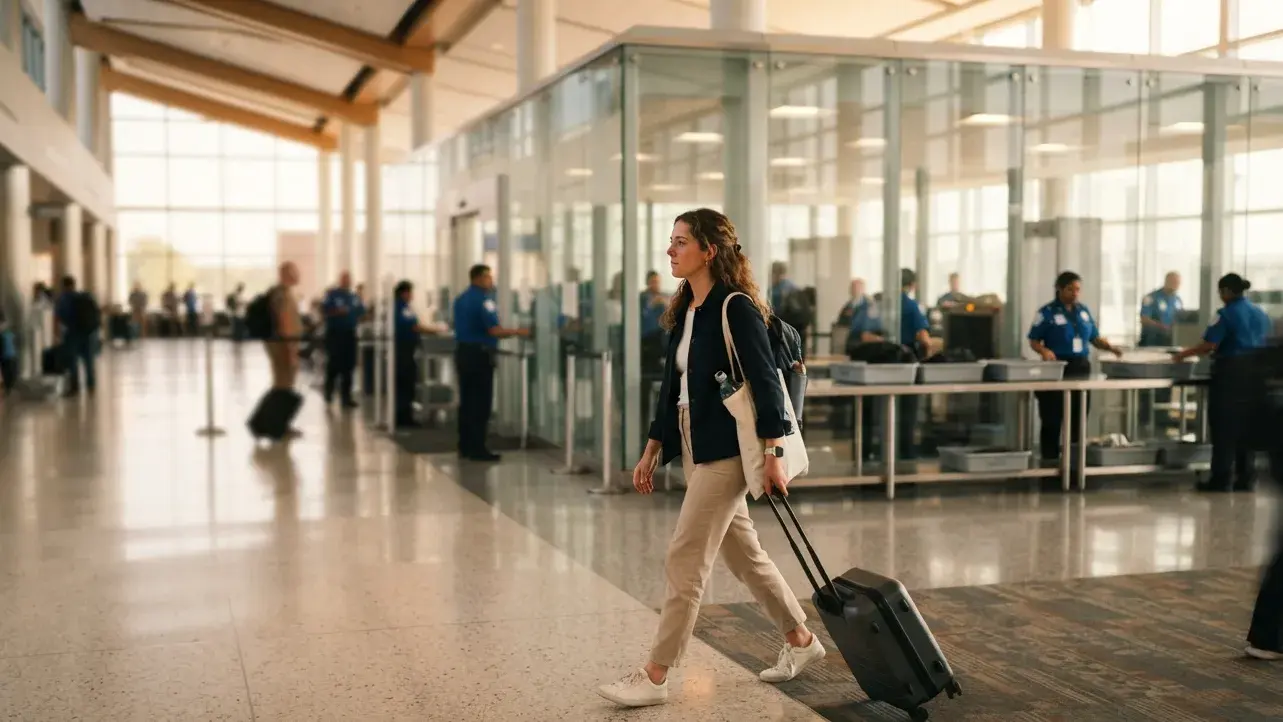

A dummy ticket can help a Type D Schengen visa file when it shows a realistic long-stay entry plan that matches your study, work, family, housing and insurance timeline. Type D is a national long-stay visa, so the goal is not to look like a short holiday visitor; the dummy ticket should prove clean arrival timing without forcing you to buy final airfare before appointment dates, start dates or consulate processing are stable.
A Type D Schengen visa is not a weekend-trip file. It is usually connected to a move: university onboarding, work start, family reunification, research, a national long-stay pathway or another residence-linked purpose. That makes the flight plan more sensitive. Your arrival date should fit the first real milestone after landing.
For India-based applicants, dates can shift because VFS appointments, university calendars, employer start dates and housing handovers do not always move together. A verifiable dummy ticket, dummy flight ticket or dummy booking helps when you need a clean travel plan while keeping flexibility before final airfare.
Key facts before using a dummy ticket for Type D:
- Type D is a national long-stay visa, not a regular short-stay tourist visa.
- One-way travel can make sense for study, work or family relocation.
- Your arrival date should match housing, insurance and first on-ground milestone.
- Some cases benefit from onward ticket logic, but random return dates can weaken the file.
- A verifiable dummy ticket is cleaner than a fake edited PDF or expired screenshot.
Need long-stay travel proof before buying final airfare? Create a verifiable dummy ticket with route, dates, passenger details and PNR-aware formatting aligned to your Type D Schengen visa timeline.
Create Your Dummy TicketIn This Guide
Why Your Flight Plan Carries Extra Weight in Type D Cases

Type D files are read as relocation files. The reviewer is not only checking whether you can enter Europe. They are checking whether your timing makes sense for the purpose you claim. A student arriving weeks after orientation, a worker landing after the contract start, or a family applicant arriving when the sponsor is unavailable can create avoidable questions.
Relocation, not tourism
For a long stay, timing is proof of planning. Students usually need time for housing, enrollment, city registration and orientation. Workers may need a few business days before onboarding. Family-reunification applicants may need to coordinate with the sponsor’s address, office hours and local registration steps.
Your dummy ticket should support that first phase. It should not look like a random cheap flight. A strong arrival date sits close to the purpose document: admission letter, employment contract, invitation, research agreement, host letter or residence appointment.
One-way or return: what makes sense?
One-way travel is often logical for Type D because the applicant is not planning a short tourist stay. They may be entering to study, work, join family or begin a residence process. In that situation, a return ticket can look artificial unless the purpose has a fixed end date.
Return or onward ticket logic can still help in specific cases: fixed-term research, short academic modules, temporary assignments, project-based work, or a national visa that clearly ends after a defined period. If you show onward travel, tie it to a real milestone, not to a random date.
What a solid itinerary looks like
- Student: arrival 7–14 days before orientation or housing access.
- Worker: arrival 3–5 business days before contract start or onboarding.
- Family: arrival when the sponsor can receive you and local offices are open.
- Research/project: arrival shortly before the host institution expects you.
- Housing: lease, dorm or temporary hotel dates begin close to arrival.
- Insurance: coverage starts on or before the planned entry date.
For India-to-Europe routes, simple is powerful. If you are moving to Germany, France or the Netherlands, arriving through the destination country often reads cleaner than a leisure-style multi-country route. If you must connect elsewhere, keep the reason obvious.
Red flags in India-based Type D files
The most common problems are not dramatic. They are small contradictions: insurance starting after the flight, housing beginning weeks later, a route through unrelated cities, an expired PNR, or a dummy ticket name that does not match the passport.
Citation-ready baseline: a dummy ticket for Type D Schengen visa support should show a credible long-stay entry date. It should match the first real milestone after arrival, not imitate a short-stay tourist return plan unless the case genuinely has a fixed end date.
Your Type D Game Plan: Requirements and the India-First Flow
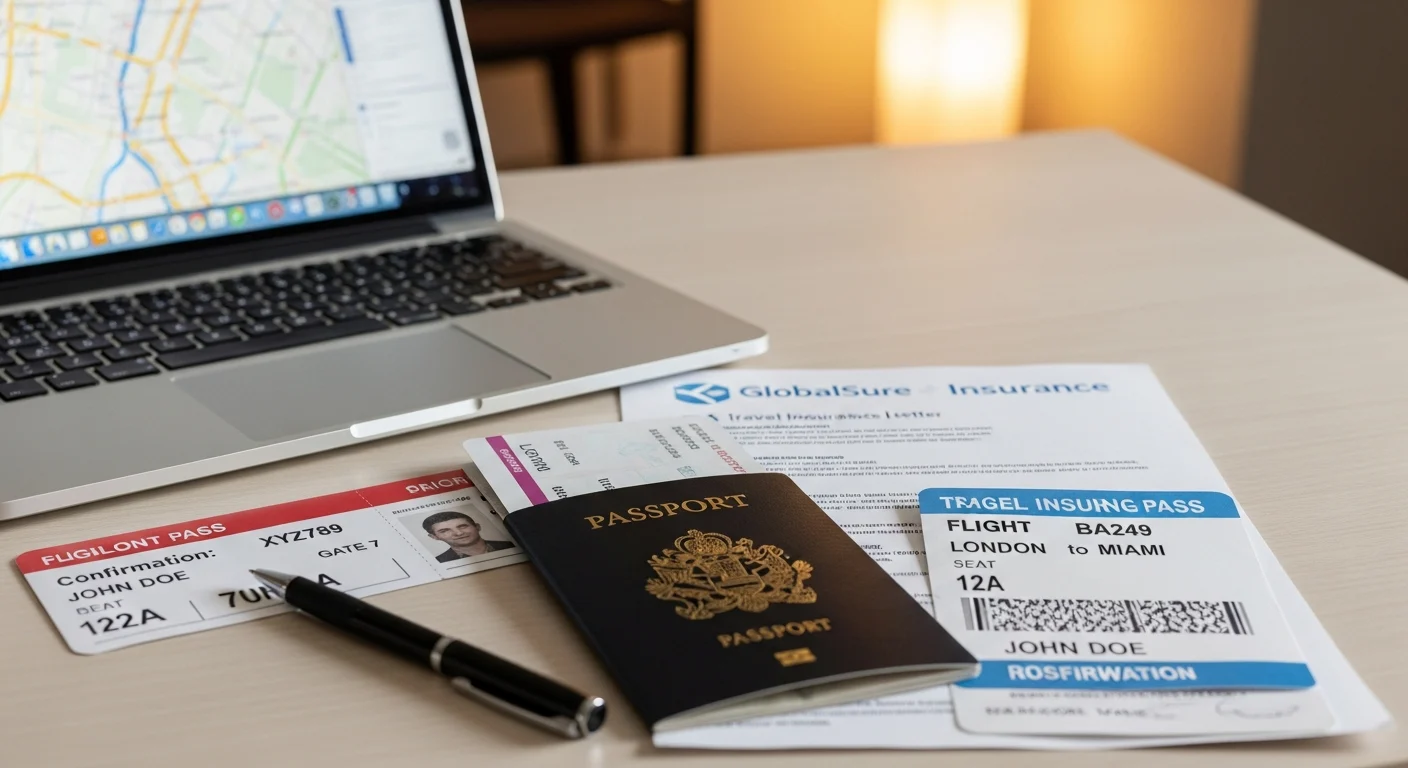
A strong Type D file looks organized, date-aligned and easy to verify. The dummy ticket is only one piece. The whole bundle should prove that the applicant knows where they are going, why they are going, when they arrive, where they stay and how they continue the residence process after entry.
Start at the right national route
Type D is national. If you are moving to Germany, you follow Germany’s national visa rules. If you are studying in France, you follow France’s long-stay route. If your destination is the Netherlands, Spain, Italy or another Schengen state, that country’s national conditions matter. Do not treat Type D like a generic Schengen tourist application.
In India, many national visa submissions involve VFS or mission-specific appointment systems, but the decision remains with the relevant consulate or authority. Check jurisdiction, appointment type and document rules before creating final travel proof.
Plan backwards from the first milestone
Do not start with a flight. Start with the reason for the move. Orientation date, contract start, host availability, housing handover, medical check, residence appointment or research start should decide the travel window. Then build the dummy ticket around that window.
- Eight to ten weeks before: gather core documents, translations and attestations.
- Four to six weeks before: align housing, insurance and preliminary arrival date.
- One to two weeks before appointment: quality-check names, dates and route.
- After approval: match final airfare to the last consistent travel plan.
Build the document pack around one date story
Your document pack may include passport, photos, financial proof, admission letter, work contract, family documents, housing proof, insurance and sponsor evidence. The dummy ticket should not contradict any of them. If the university letter says welcome week starts September 9, a September 7 arrival looks controlled. A September 30 arrival looks late unless explained.
Cover letter and date explanation
A short cover letter can make one-way travel easier to understand. Explain the purpose, destination city, planned arrival date and how that date fits the first milestone. If you are not showing a return ticket because you are moving for a long stay, say that plainly and professionally.
Do not over-write. The cover letter should calm the file, not argue. One page is enough for most cases.
Using Dummy Tickets Strategically at Each Stage

A dummy ticket is not a throwaway placeholder. For Type D, it is the thread that ties arrival timing to housing, insurance and purpose documents. Use it only when it keeps the file cleaner.
Initial application
Use a route and arrival date that match the first real commitment. Students can arrive before orientation. Workers can arrive before onboarding. Family applicants can arrive when the sponsor is ready. Keep the route simple and the PNR current when provided.
Additional document request
If the consulate asks for updated travel proof, refresh the same route with new dates if possible. Sudden route changes without explanation can look messy. If orientation, HR onboarding or housing changed, update the dummy ticket and the linked documents together.
Pre-arrival and airline checks
After approval, check the visa-valid-from date before buying final airfare. Airlines can check whether the travel date fits the visa sticker and route. A final ticket should mirror the last plan the file showed. If you still need temporary proof before final purchase, use one active dummy booking only.
One-way travel with confidence
A one-way dummy ticket or final ticket is not automatically weak for Type D. It can be the correct shape for study, work and family relocation. The key is explanation. The file should show that the applicant will handle residence steps after arrival, not that the return plan was forgotten.
Cost control and flexibility
Do not buy non-refundable airfare too early if the appointment, processing time or start date can still move. Use a verifiable dummy ticket to keep the file structured while protecting your budget. Once the visa is issued and dates are stable, buy the real ticket that matches the approved plan.
Need a Type D travel plan without locking final airfare? Use DummyFlights to create a verifiable dummy ticket, dummy flight ticket, dummy booking or onward ticket that matches your long-stay timeline.
Prepare Your Dummy TicketCountry and Purpose Nuances That Matter
Long-stay rules are national, so the exact checklist changes by country and purpose. Still, the travel-proof logic remains familiar: your dummy ticket should make the first weeks after arrival easier to understand.
France
France long-stay routes can involve student, work, family or other national categories. The arrival date should match school, work, housing and any validation steps after arrival. If the housing begins after the flight, add temporary accommodation and explain the gap.
Germany
Germany national visa applicants should be careful with appointment timing, blocked-account or financial dates, housing and job start. A dummy ticket that lands a few business days before the first obligation usually reads better than an ultra-tight arrival.
Netherlands
For Dutch MVV-style or long-stay routes, stay inside the validity window and coordinate with the university, employer or sponsor. If the international office or HR moves the start date, update the dummy ticket, housing and insurance together.
Spain and Italy
Students and workers should avoid weekend arrivals that make housing handover or office registration difficult. If the dummy ticket lands on a Saturday night but the lease starts Monday, add a short hotel plan or dummy hotel proof to cover the gap.
Fixed-term and onward cases
Some Type D applicants may have a fixed end date. In those cases, an onward ticket or return plan can support the file if it connects to a real semester end, project end, contract end or next legal step. Do not create an onward route just to look busy.
| Type D purpose | Best dummy ticket timing | What must match |
|---|---|---|
| Study | 7–14 days before orientation. | Admission, housing, insurance and funds. |
| Work | 3–5 business days before start. | Contract, employer letter, housing and insurance. |
| Family reunification | When sponsor can receive applicant. | Sponsor documents, address and local-office timing. |
| Fixed-term project | Before project start, with optional onward logic. | Project dates, host letter and accommodation. |
Final Type D Schengen Dummy Ticket Checklist
Before submission or travel, confirm:
- Dummy ticket name matches passport exactly.
- Arrival date matches study, work, family or project timeline.
- Housing starts on arrival day or the gap is explained.
- Insurance starts on or before entry.
- Route is simple and appropriate for the destination country.
- One-way travel is explained when relevant.
- Onward ticket logic is used only when the case genuinely needs it.
- Only the latest dummy booking is printed or uploaded.
A dummy ticket for Type D Schengen visa support is strongest when it makes relocation timing clearer. It should help the file read like a prepared move, not a last-minute guess.
Frequently Asked Questions
Can a dummy ticket help a Type D Schengen visa application?
Yes, when it shows a realistic arrival date that matches the long-stay purpose, housing, insurance and first on-ground milestone. It should support the file, not replace required national documents.
Is Type D the same as a normal Schengen tourist visa?
No. Type D is a national long-stay visa issued by a Schengen Member State for stays exceeding three months. Short-stay Schengen rules are different.
Do I need a return ticket for Type D Schengen visa?
Not always. One-way travel can make sense for study, work or family relocation. A return or onward ticket is useful only when it fits the actual purpose and timeline.
What should a Type D dummy ticket match?
It should match passport name, destination country, planned arrival date, housing, insurance, admission, work contract, host letter or family documents.
Can I use an onward ticket for a long-stay national visa?
Yes, in fixed-term cases where onward travel has a real reason, such as project end, semester break or temporary assignment. Random onward routes can weaken the file.
When should I create the dummy ticket?
Create it when your appointment date, start date or first arrival milestone is clear enough to build a consistent file. Refresh it if dates move.
Is a fake edited PDF safe for Type D travel proof?
No. Fake edited PDFs are risky because Type D files are date-sensitive. A verifiable dummy flight ticket is cleaner than an edited screenshot.
Can a dummy hotel help with a Type D file?
Yes, if housing starts after arrival or accommodation is still being finalized. The dummy hotel should cover the gap and match the dummy ticket dates.
Should I buy final airfare before approval?
Usually it is safer to wait until the visa result and validity dates are clear, unless the mission specifically asks for final proof. A dummy ticket can reduce early airfare risk.
Does a dummy ticket promise Type D visa approval?
No. It supports travel-proof clarity only. The decision depends on the national visa requirements, purpose documents, finances, housing, insurance and the full application.
Friendly reminder: DummyFlights provides temporary travel-proof documents for planning and application support. Requirements vary by destination, airline, route and applicant situation. A dummy ticket can support a file, but it does not promise approval, boarding or entry.