
A dummy ticket can be used for onward travel proof when a traveler needs to show a believable exit plan without buying final airfare too early. It works best when the route, passenger name, travel dates, next country and PNR details match the real trip. It is not the right tool when an airline or border rule specifically requires a fully issued paid ticket.
Your visa or entry permission may be approved, yet the airline can still stop you at check-in if your onward plan looks weak, outdated or impossible to verify. That risk grows when the exit date sits too close to the permitted stay, the next country requires permission you do not hold, or the reservation expires before the final document check.
This guide explains when a dummy ticket is appropriate for onward travel proof, how to choose a believable route, how to time the reservation, and when a paid or flexible ticket is safer. The goal is simple: make your onward proof match the checkpoint that may actually ask for it.
Key facts before using a dummy ticket for onward proof:
- Airlines may ask for onward proof before the destination country checks you.
- The dummy ticket should match the permitted stay, route logic and next-country entry rules.
- A live PNR is stronger than a static PDF with no retrievable record.
- Transit airports can create onward-proof questions before arrival.
- If a rule requires ticketed onward travel, use an issued ticket instead.
Need onward proof without locking money into final airfare? Create a clean dummy ticket with DummyFlights after your route and dates are stable.
In This Guide
Official-source check: onward proof is a real travel-document issue, not only an SEO phrase. Singapore ICA says short-term travelers should have sufficient cash and proof of onward travel such as tickets and visas. ICA also announced No-Boarding Directives from 30 January 2026 for some travelers who do not meet entry requirements before they board flights to Singapore. IATA Travel Centre provides passport, visa and health requirement information used by airlines, and IATA traveler guidance notes that airlines may apply specific guidelines. Immigration New Zealand gives a clear example: visitors may need a ticket to leave or proof they have enough money to buy one. This is why a dummy ticket for onward proof must be current, realistic and matched to the actual trip.
Identify the Checkpoint Where Your Onward Proof Must Hold Up
An onward reservation can face several inspections during one journey. You need to know who may check it, what they want to confirm, and how long the booking must remain useful.
Why the Airline May Ask Before the Destination Country Does
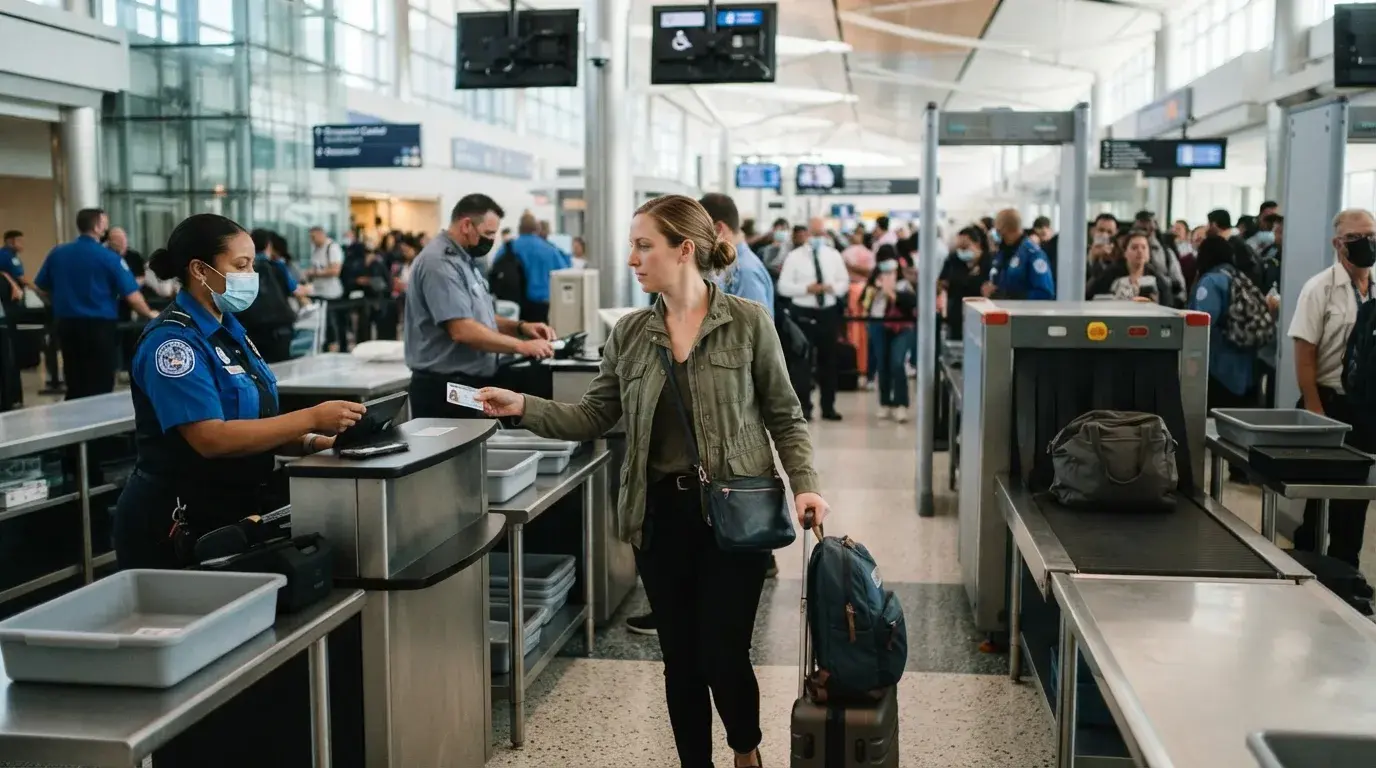
The first serious check often happens at the departure airport. The airline reviews whether your documents appear sufficient before allowing you to board. That review may happen online, at baggage drop, at a staffed counter or at the gate.
A mobile boarding pass does not always mean every document check is complete. A one-way ticket, missing onward segment, visa-free entry route or long stay can still trigger questions before boarding.
Keep the dummy ticket PDF, booking reference and passenger surname available offline. A legitimate temporary reservation should have details that can be read quickly while the booking is active. A free-generated PDF with no corresponding logic is weak when the airline asks for proof.
What an Arrival Officer Is Testing
Arrival officers are usually testing whether the traveler meets entry conditions and appears to have a credible temporary plan. Onward travel proof may help answer one part of that question: where does the traveler go after the authorized stay?
A dummy ticket should not create a new contradiction. If your accommodation, travel dates, insurance and stated purpose all point to one trip length, the onward proof should support that same window.
When Transit Becomes an Unexpected Entry Check
Transit can become the checkpoint that travelers forget. A transfer desk may ask whether you can enter the final destination, whether you have onward proof, or whether your next flight is valid. That can happen before the final destination ever sees you.
Pay close attention to self-transfer routes, separate bookings, overnight transits and airport changes. If you must collect baggage or pass immigration during a connection, the route needs more than a nice-looking onward PDF.
When a Dummy Ticket Is Not the Right Tool
A dummy ticket is not always the answer. If the airline asks for an e-ticket number, if the destination specifically requires ticketed onward travel, or if you need guaranteed carriage on the onward sector, use an issued ticket.
The smartest travel-proof strategy is not “always use a dummy ticket.” It is “use the correct document for the checkpoint.” That is the difference between aggressive preparation and careless proof.
Build an Onward Route That Matches the Rest of Your Travel Story
A dummy ticket for onward proof works best when the route feels like a natural continuation of the trip. The passenger details, dates, next country and destination logic should all make sense together.
Choose a Departure Date That Fits the Permitted Stay
The onward date should sit inside the permitted stay and match the trip you are claiming. If the destination allows 30 days, an exit plan after 45 days creates obvious friction. If your accommodation ends after seven days but the onward ticket leaves after six weeks, the gap needs a clear explanation.
Do not choose a date only because it is convenient for a PDF. Choose the date that makes the trip coherent.
Select a Next Country You Can Actually Enter
An onward ticket to a country you cannot enter is weak proof. Before choosing the next destination, check whether your passport, visa status or travel authorization allows that onward route.
This matters for regional travel. A traveler leaving Thailand for Vietnam, Singapore for Malaysia, or New Zealand for Australia must still be able to enter the next place. The onward ticket should answer the exit question, not create a new entry problem.
Check the Reservation Details Before Depending on the PDF
Before relying on the dummy ticket, check the basics: passenger name, date, route, flight number, airline, booking reference and current status. If the PDF and the live record do not match, request a corrected version rather than editing the file yourself.
Document anatomy: a strong dummy ticket for onward proof should clearly show passenger name, onward route, departure date, airline-style details, booking reference and a destination the traveler can realistically enter.
Adapt the Route for Open-Jaw, Multi-Country and Uncertain Trips
Open-jaw and multi-country trips need extra route logic. If you arrive in one city and depart from another, the gap should be explainable. If you plan overland travel, the onward ticket should not pretend the missing transport does not exist.
For uncertain trips, choose onward proof that shows a realistic next step without pretending the whole journey is fully locked. A clean dummy ticket can support flexible travel, but it should not make the file look invented.
| Travel setup | Best onward-proof approach | Why it works |
|---|---|---|
| One-way visitor route | Use a dummy ticket showing a believable exit within the permitted stay | It answers the airline’s first concern: how you leave. |
| Regional backpacking route | Choose a nearby onward destination you can enter | It matches real traveler behavior better than a random far-away exit. |
| Open-jaw trip | Show how you move from arrival city to onward departure city | It prevents geography gaps from weakening the proof. |
| Rule requires issued onward travel | Use a ticketed flight, not a temporary reservation | The document must satisfy the actual rule, not just look persuasive. |
Present the Dummy Ticket Without Creating Additional Doubts
The way you present onward proof matters. A clean dummy ticket can help, but a messy folder, old screenshot or overcomplicated explanation can weaken the same document.

Prepare an Offline Onward-Proof Packet
Before leaving home, keep the dummy ticket available offline. Save the PDF, screenshot only as backup, booking reference, surname and any supporting documents that explain the trip.
The packet should be small and current. Passport, visa or travel authorization, current ticket, dummy ticket for onward proof, accommodation and any transit documents are usually stronger than ten conflicting versions of the same plan.
Handle the Airline Counter as a Document Check
The airline counter is not the place to argue about travel philosophy. Staff need to clear a document question. If asked for onward proof, show the current dummy ticket and answer directly.
A calm answer sounds like: “Yes, here is my onward proof and booking reference.” If asked whether the onward reservation is ticketed, answer truthfully. A dummy ticket and a fully issued ticket are not the same document.
Answer Arrival Questions Without Overexplaining
If an arrival officer asks about onward travel, keep the answer consistent with the document. Do not volunteer several alternate plans unless asked. The strongest explanation is usually short: travel purpose, intended stay length and onward plan.
Respond When the PNR Cannot Be Verified
If the PNR cannot be found, do not argue with the staff member. Check whether the surname, airline, booking channel or operating carrier is being searched correctly. If the record has expired, replace the dummy ticket or use an issued ticket if that is required.
The PDF alone is not enough if the checkpoint expects a current record. The document should support the live travel plan, not fight against it.
Time the Reservation Around the Real Verification Window
Timing is where many dummy ticket mistakes begin. Travelers create onward proof for one moment, then reuse it for another moment after the details have changed.
Work Backward From Check-In and Arrival
Do not time the dummy ticket only around the application date. Work backward from the checkpoint that may actually ask for it: online check-in, airport counter, gate, transit desk or arrival inspection.
If the document needs to be current at check-in, create it close enough to travel that the details still match. If it only supports an application file, the timing may be different. Purpose decides timing.
Change the Date When the Real Itinerary Moves
If the real itinerary changes, the onward proof should change too. A dummy ticket with old dates can create contradictions across accommodation, insurance, arrival date and permitted stay.
Use the current-trip, current-document rule: the dummy ticket should match the journey you are taking now, not the version of the trip you planned last month.
Avoid Fabricated or Implausible Proof
A fabricated-looking document can damage confidence. Weak proof usually has one of these problems:
- no retrievable booking logic
- wrong passenger name
- impossible route
- next country the traveler cannot enter
- dates outside the permitted stay
- PDF details that do not match the live record
A dummy ticket should make the file cleaner, not louder. The best proof is the one that makes the travel plan easy to understand.
Use the Onward-Proof Decision Ladder
Before finalizing the booking, use a simple ladder. Start with the actual requirement, then choose the document that fits.
| Question | If yes | If no |
|---|---|---|
| Does the destination or airline require a ticketed exit? | Use an issued ticket or suitable flexible fare. | A dummy ticket may be suitable for temporary onward proof. |
| Can you enter the onward destination? | Use a route that matches that next country. | Choose a different onward destination. |
| Does the date fit the permitted stay? | Keep the date and align supporting documents. | Adjust the dummy ticket date before travel. |
| Will the proof be checked soon? | Use fresh, current onward proof. | Do not create it so early that it becomes stale. |
When a Dummy Ticket Is the Smart Move
A dummy ticket is the smart move when the traveler needs temporary onward proof, the final fare is not yet safe to buy, and the route can be made realistic. This is common for flexible trips, visa files, one-way travel, backpacking routes and situations where the traveler wants to avoid losing money before plans are confirmed.
When a Paid or Flexible Ticket Is Safer
Use a paid or flexible ticket when the rule specifically requires ticketed onward travel, when the airline asks for an e-ticket number, or when you need guaranteed carriage on that onward sector. A dummy ticket should not be forced into a job it was not designed to do.
Make Your Onward Proof Match the Journey
A dummy ticket for onward travel proof works when it matches the journey. The exit date should fit the permitted stay. The next country should be one you can enter. The route should make sense. The document should be current when checked. The answer you give at the counter should match the proof you show.
That is the clean standard: a dummy ticket built around the real checkpoint, not a random PDF built around hope.
Need onward proof that fits the trip you are actually taking? Create a clean dummy ticket with DummyFlights before check-in, transit or arrival questions turn into stress.
Frequently Asked Questions
Can I use a dummy ticket as onward travel proof?
Yes, when temporary onward proof is appropriate and the route, date, passenger name and destination logic match your real trip. If a rule requires a ticketed exit, use an issued ticket instead.
When should I create a dummy ticket for onward proof?
Create it after your route and dates are stable, but before the checkpoint that may ask for it, such as online check-in, airport check-in, transit or arrival.
What should a dummy ticket for onward proof include?
It should include passenger name, onward route, travel date, airline-style details, booking reference and a next destination the traveler can realistically enter.
Is a dummy ticket better than a paid onward ticket?
It depends. A dummy ticket is useful when temporary proof is enough and final plans are not ready. A paid or flexible ticket is safer when the airline or destination requires ticketed onward travel.
Can I use onward proof to a country where I need a visa?
Only if you can actually enter that next country. An onward ticket to a destination you cannot enter can create more questions instead of solving the proof issue.
What if my PNR cannot be verified?
Check the surname, airline, booking channel and operating carrier first. If the record has expired or cannot be found, replace the dummy ticket or use an issued ticket if required.
Can DummyFlights help with onward travel proof?
Yes. DummyFlights helps travelers create clean dummy ticket, dummy flight ticket, onward ticket and temporary travel-proof documents for routes where onward proof may be requested.
Does a dummy ticket guarantee boarding or entry?
No. A dummy ticket can support onward-proof questions, but it does not guarantee airline boarding, visa approval or immigration entry.
Friendly reminder: DummyFlights provides temporary travel-proof documents for planning and application support. Requirements vary by destination, airline, route and applicant situation. A dummy ticket can support a file, but it does not guarantee approval, boarding or entry.