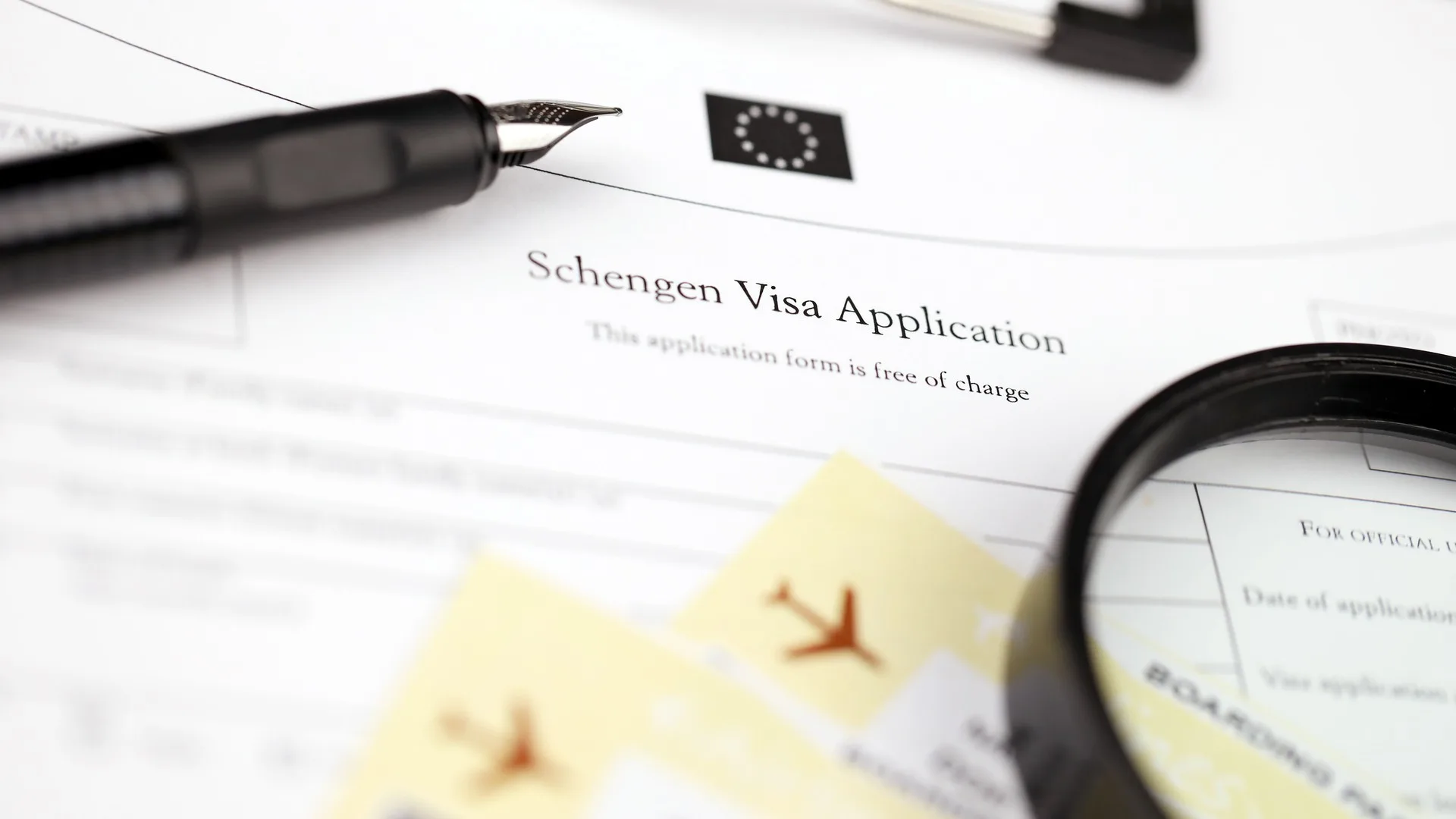

Dummy Ticket for 90+ Day Visa Applications
How to Use a Dummy Flight Reservation for Long-Stay Visa Applications Without Risk
Your 90+ day visa file can sit for weeks and get rechecked before an interview. That is when a neat round-trip with shaky dates turns into questions. For long-stay cases, one-way, open-return, and placeholder returns send different signals. Officers compare flight proof to your start date, not your wish list. A second check can follow a document request, and PNR status changes are visible.
We will help you pick the itinerary shape for your visa type and timeline. You will match dates to admission letters, contracts, and biometrics windows without locking into tickets you cannot use. We will handle appointment moves, processing delays, and update etiquette so your reservation stays verifiable, clean, and consistent. You will know when to refresh dates and when to wait. Get a verifiable dummy ticket with live PNR for your long-stay visa application today!
dummy ticket for 90 day visa applications is increasingly important in 2026 as more embassies require clear proof of intended entry and exit for long-stay visa requests. A structured reservation helps demonstrate that your travel timeline fits within the permitted duration and aligns with your stated purpose of stay.
For 90-day visa applications, consulates often cross-check travel dates, accommodation bookings, and the continuity of your itinerary. A well-prepared reservation reduces uncertainty and ensures your documents appear consistent and credible during evaluation. Understanding how these long-stay applications are reviewed can help applicants avoid common mistakes that lead to delays or additional scrutiny.
Last updated: February 2026 — Reflecting updated embassy practices for 90-day entries, Schengen documentation trends, and long-stay visa applicant feedback.
Table of Contents
- 1. Long-Stay Visas Change What “A Good Flight Proof” Looks Like
- 2. Pick The Right Itinerary Shape For Your Specific 90+ Day Case.
- 3. What Gets Verified In Long-Stay Flight Reservations (And What Triggers Extra Scrutiny)
- 4. Timing Strategy For 90+ Day Visas: When To Generate The Reservation And How To Keep It Usable
- 5. Make Your Flight Proof Match The Rest Of Your Long-Stay File Without Contradictions
- 6. Long-Stay Edge Cases That Break Generic Dummy-Ticket Advice
- 7. After You Submit: How To Use The Reservation Without Creating New Problems
- 8. Your Long-Stay Flight Proof Should Feel Boring And Consistent
When you're in the early stages of your long-stay visa application, securing proper documentation is crucial for success. A well-crafted dummy ticket for visa purposes helps demonstrate your travel intentions without requiring you to purchase expensive non-refundable flights. This approach is especially valuable during initial planning when timelines remain fluid and processing delays are common. Modern tools now make it simple to generate temporary flight itineraries that serve as convincing visa application proof while eliminating financial risk entirely. Using a reliable dummy airline ticket generator with PNR allows you to create realistic dummy flight ticket reservations tailored to your specific entry dates and route needs. These professional reservations align seamlessly with admission letters, employment contracts, and other supporting documents. You maintain full flexibility to update details as your application progresses, ensuring consistency throughout the review process. Many applicants appreciate how these solutions streamline preparation and provide peace of mind. Start strengthening your visa file early by exploring these risk-free options that embassies readily accept.
Long-Stay Visas Change What “A Good Flight Proof” Looks Like

A 90+ day visa is where flight proof stops being a quick checkbox and starts behaving like a consistency test. The same itinerary that looks fine for a 7-day trip can look clumsy when your file is built around a semester start, an employment contract, or a family relocation date.
Why A 90+ Day Application Often Doesn’t Want A Neat Round-Trip
A clean round-trip feels logical when your trip is short and fixed. Long-stay visas are different. Your actual plan usually has one fixed point and one flexible point.
The fixed point is your entry. It is tied to something external:
-
A program start date
-
A job joining date
-
A relocation timeline
-
A legal window to enter after approval
Your exit is often not fixed on day one. You may not know the exact return month. You might leave from a different country. You might change plans after you settle.
That is why a perfectly symmetrical round-trip can look like it was chosen for aesthetics, not reality. Officers do not reward symmetry. They reward a timeline that matches your documents and looks lived-in.
A neat return date can also collide with how long the visa process takes. If your appointment is early but your decision is late, a return date can drift into the past or become absurdly close to your start date. That makes your itinerary look careless, even if the rest of your file is strong.
For many long-stay applications, the more credible approach is a flight-proof that anchors entry and stays modest about exit. That can be one-way. It can be open-return. It can be a placeholder return that clearly respects the long-stay timeline.
The “Credible Entry” Standard: What Officers Try To Confirm (Without Reading Your Mind)
For 90+ day visas, officers are usually trying to confirm a narrow set of things from your flight reservation. They do not need your dream trip. They need a believable entry plan that does not contradict your file.
They look for signals like:
-
You have selected a realistic route to your intended start city
-
Your entry date makes sense with your start date and your appointment timeline
-
Your passenger details match your passport
-
Your reservation can be checked without drama
-
Your itinerary does not imply a different purpose than your visa category
A credible entry plan is often boring. That is good. “Boring and consistent” beats “impressive and complicated” in long-stay files.
Credibility is also about timing. If your university term begins on September 15, arriving on September 14 is believable. Arriving on August 1 can be believable too, but only if the rest of your file supports it. If nothing supports it, it looks like a random pick.
Officers also notice when flight proof tries to force certainty that your own documents do not have. A contract might state a start date, but not a guaranteed end date. A program may be one year, but extensions are common. Your flight proof should not pretend those realities do not exist.
When A One-Way Flight Itinerary Looks Normal And When It Looks Incomplete
A one-way reservation often reads as normal for long-stay categories because it matches the real-world logic of moving. It can look especially consistent for:
-
Study visas where the return date is not fixed
-
Work visas where the employment duration is open-ended
-
Family reunion visas where the plan is to live, not visit
-
Certain national long-stay permits, where the entry date is the key milestone
A one-way looks strongest when your file already includes a defined “why you are going” and “when you must start.” Your flight reservation then acts as a practical bridge from approval to arrival.
A one-way can look incomplete when the rest of your file clearly implies a short, temporary stay. For example, if your documents describe a three-month training and a return to your current employer, a one-way ticket can create a mismatch. The issue is not the one-way itself. The issue is the story the file is already telling.
A one-way can also invite questions if your route looks like a tourist route while your visa is for residence. A direct arrival into your intended region, or a logical hub route, is easier to defend than a route that looks like sightseeing.
Keep the one-way clean:
-
Match the passenger name style to your passport
-
Use a realistic route, not a flashy route
-
Align the arrival window with the start date in your documents
-
Avoid unnecessary internal stops that raise “why that city” questions
Open-Return Logic: How To Show You’ll Leave Eventually Without Inventing Certainty
Open-return style planning is common in long-stay life. You know you will leave at some point. You just do not know the exact date when you are still waiting for a decision.
The challenge is that many flight proofs still require dates. You cannot submit a blank calendar. So the real tactic is to choose an exit plan that communicates intention without pretending you have a fixed return day.
An open-return approach can be expressed through:
-
A return month that reflects the typical length of your stay
-
A return route that matches your likely home base at that time
-
A return city that makes sense with your expected residence
This works well when your stay length is known in broad terms. A one-year program can support a return around the end of the academic cycle. A two-year contract can support a return beyond the first year, but you may avoid being overly precise at the first submission stage.
Where people go wrong is choosing a return date that is too close to the entry date. That makes a long-stay visa look like a disguised short trip. Another mistake is choosing a return date that is too far in the future without any explanation in the file. That can look detached from the visa category.
The best open-return logic keeps the return date plausible but not “too perfect.” Long-stay life rarely is.
The Difference Between “Travel Plan” And “Residence Start” And Why Mixing Them Backfires
A long-stay file usually has two timelines. We need to keep them aligned without confusing them.
Your travel plan is about movement. It answers: when do you fly, where do you land, and how do you reach your residence city?
Your residence is about visa status. It answers: when do you begin studies, employment, or family residence under the visa category?
If your flight proof looks like a tourism timeline, it can pull attention away from the residence timeline. That happens when:
-
You arrive far earlier than the start date with no supporting reason
-
Your route includes extra cities that are not connected to your residence purpose
-
Your return date suggests you will leave before the program or job begins
For example, arriving six weeks early can be fine if your housing contract, orientation schedule, or onboarding supports it. Without support, it looks like you are improvising.
Officers do not like improvisation in long-stay files. They want to see that your entry date is linked to something you can point to in your documents.
A simple way to keep these timelines clean is to give your entry date a job. It should do one of these:
-
Put you in place for a start date with a reasonable buffer
-
Support a required pre-arrival event such as enrollment, medical check, or housing setup
-
Fit a realistic personal transition window, like a notice period and relocation
If it does not do one of those jobs, it will feel like a random date.
Common Long-Stay Categories And How Flight Proof Expectations Quietly Differ (Study, Work, Family, Digital Nomad)
Even when the same embassy handles them, long-stay categories are evaluated with different assumptions. Your flight proof should match those assumptions.
Study visas tend to accept that your return is uncertain at the start. Your entry date is usually anchored to term start, orientation, or enrollment reporting. A one-way or flexible return can look natural if the rest of the file is clear.
Work visas often focus on your joining date and your employer’s timeline. Officers may expect you to arrive close enough to start work without looking rushed or unrealistic. A route that lands you in the right city, in the right week, usually reads well.
Family reunion cases often treat entry as the key event and do not expect a tourist-style loop. A one-way can look normal because the purpose is residence. The main risk is when the route implies a different “center of life” than the sponsor’s location.
Digital nomad visas vary widely, but flight proof tends to be judged on plausibility rather than precision. Officers still want a credible entry that matches your intended base and your stated start month. They do not want a route that looks like a backpacking itinerary when your file describes stable remote work.
Across categories, the shared rule is this: flight proof should support the visa purpose, not compete with it.
What Makes An Itinerary Look “Adult” In A Long-Stay File: Route Realism, Timing Realism, And Document Harmony
Long-stay officers see patterns. They notice when flight proof looks like it was generated without thinking through the logistics of moving.
An “adult” itinerary is not fancy. It is coherent.
Route realism means:
-
You land at a logical international hub or near your intended residence
-
The connection time looks feasible
-
The route does not bounce through unrelated countries without reason
Timing realism means:
-
Your entry date respects your start date and processing reality
-
You allow a buffer for settling in without arriving absurdly early
-
Your itinerary does not assume the embassy will issue the visa instantly
Document harmony means your flight proof does not fight with:
-
Your admission letter or enrollment timeline
-
Your employment contract start date
-
Your insurance coverage start date
-
Any scheduled appointments you have already booked
When these three align, your flight reservation stops being a weak point. It becomes a quiet support document that looks like it belongs in the file.
Pick The Right Itinerary Shape For Your Specific 90+ Day Case.
Once you accept that long-stay flight proof is mainly about a believable entry, the next move is picking the format that fits your category and timeline. The best choice is the one you can keep consistent if the process shifts by weeks.
One-Way Vs Open-Return Vs Placeholder Return (And How To Decide Fast)
Start with one question. What part of your timeline is truly fixed right now?
If only your entry window is fixed, a one-way often fits best.
If your stay length is known in broad terms, an open-return style plan can work, as long as the return date does not conflict with your documents.
If a return date is expected by the application context or your personal situation, a placeholder return can be useful, but only if it is defensible and easy to adjust.
Use these fast checks.
A one-way usually makes sense when:
-
Your visa category is residence-focused (work, study, family).
-
Your program or job end date is not locked yet.
-
Your return could be from a different city or even a different country.
-
Your embassy appointment is far ahead of the likely decision date.
An open-return style setup tends to make sense when:
-
Your stay length is clear in months or semesters.
-
Your documents show an endpoint, even if the exact day is flexible.
-
You can choose a return window that aligns with that endpoint without looking exact.
A placeholder return makes sense when:
-
You have a defined reason to return by a certain period (contract end, scheduled commitments).
-
Your file already contains fixed dates that imply a likely return window.
-
You can keep that return date stable through processing without constant changes.
Avoid “splitting the difference” in a way that creates confusion. For example, do not pick a return date that implies a short visit when you are applying to live abroad.
Keep your choice anchored to how the consulate will read your category. Officers do not want a clever travel hack. They want a plan that matches your paperwork.
If Your Program/Job Start Date Is Fixed: Aligning Arrival Without Overcommitting Departure
Fixed start dates are common in long-stay visas. They are also easy to mishandle with flight-proof.
We want your arrival date to do three jobs:
-
Show you can be present for the start date.
-
Allow a realistic buffer for settling.
-
Stay believable even if the decision arrives later than expected.
A good buffer is not “as early as possible.” It is “as early as needed.”
If you are starting a course with mandatory registration, arriving a few days to two weeks before can look practical. If you are starting work with onboarding, arriving close enough to start without looking like you will miss the first day also looks practical.
Your arrival should also match the rest of your file. If your insurance coverage starts on the first day of the month, landing weeks earlier can look unplanned unless your file supports interim coverage.
Now the hard part. Departure.
When your start date is fixed, your departure is often the least fixed. That is why many long-stay applicants struggle with return tickets.
Here are safer patterns that avoid overcommitting:
-
Use one-way if your category and documents do not require a defined exit date.
-
Use an open-return style return month that lines up with the expected end of the program or first contract cycle.
-
Use a placeholder return only if your file already signals a realistic end window.
Do not let a forced return date undermine your strongest document, which is usually the admission letter or employment contract.
Also watch for timezone and date-roll problems. A late-night departure can land you “one day later” on paper. If your start date is tight, those small shifts create big-looking mismatches.
If Your Start Date Is Flexible: How To Avoid “Floating Timelines” That Look Improvised
Some long-stay visas have flexible starts. Digital nomad visas and some independent study or relocation timelines can fall into this category.
Flexibility is not a free pass. It just changes what looks credible.
When your start date is flexible, the risk is an itinerary that looks like you picked random dates because you had to fill out a form.
We want you to create a clear entry window that ties to something concrete, even if it is not a single fixed day.
Examples of concrete anchors:
-
A lease start month.
-
A planned onboarding window.
-
A program intake window.
-
A known personal transition, such as the notice period end.
Then choose a flight date inside that window that looks intentional.
Avoid these “floating timeline” signals:
-
Entry dates that drift far from the month stated elsewhere.
-
Multiple unrelated route changes with no reason.
-
An entry date that is too close to the appointment date, when processing is known to take longer.
Also, avoid being overly neat. If everything is aligned to the same exact date across documents, it can look overly curated. Real long-stay planning usually has small buffers.
When officers see a flexible start, they still want consistency. They just want consistency around a window, not a single date.
Entering One City, Living In Another: Making That Route Look Intentional (Not Confused)
Long-stay arrivals often involve hubs. You might land in a major airport and then travel onward to your residence city by a domestic flight, train, or bus.
This is normal. What causes problems is when the file does not make the logic visible.
Your route should show a believable path to where you will actually live. If your residence city is inland, a hub arrival followed by a short onward segment looks normal.
To keep it clean:
-
Pick an arrival hub that is commonly used for onward travel to your residence area.
-
Keep layovers realistic. Avoid connections that look like a mileage run.
-
Avoid inserting extra stops that look like tourism unless your visa category supports it.
If your residence documents name a city, do not submit a flight route that never comes close to that region. Officers may not know every local geography, but they do notice when the entry point looks unrelated.
If you truly plan to enter one city and later relocate internally, make sure the timing makes sense. A long gap between the entry city and the start can raise “what will you do there” questions unless the file supports it.
A short, practical routing reads better than a complicated one that invites follow-up.
When “Return To Home Country” Is Not The Most Logical Endpoint (And How To Present Onward Intent)
Long-stay cases sometimes end with onward movement. You may finish a program and travel elsewhere. You may return from a different country after a regional trip. You may relocate again.
That does not automatically make your flight proof weak. It just means your exit plan needs to look realistic.
If you are not sure of the exact exit path, keep the flight plan focused on entry and avoid inventing a detailed exit story.
If you do include a return or onward leg, make sure it matches likely life patterns:
-
Exiting from a city close to where you will live.
-
Returning to a city that aligns with your stated home base.
-
Choosing a broad timing window that matches the expected end of your stay.
Avoid endpoints that create questions. A return to a different country than your residence or citizenship can be valid, but it requires a file that already explains why you have ties there.
A clean approach is to keep your onward intent consistent with your narrative. If your file is about study, the exit timing should connect to the academic cycle. If it is about work, the timing should connect to contract logic.
Your flight proof is not the place to introduce a brand-new life story.
Multi-City Long-Stay Setups That Don’t Raise Eyebrows: Valid Reasons And Clean Routing
Sometimes you really do have a multi-city plan. It can still work if the reason is tied to the long-stay purpose.
Valid long-stay reasons for multi-city movement include:
-
Required registration in one city, then residence in another.
-
Employer onboarding at headquarters, then work at a branch location.
-
Family entry through a hub city, then residence with a sponsor elsewhere.
-
Program orientation in one city, then campus residence in another.
What makes it acceptable is clarity and restraint.
If you choose multi-city routing, keep it tight:
-
Make the sequence logical.
-
Keep the cities connected to the purpose.
-
Keep the timing believable.
Avoid “tourist sequencing.” Two to three cities can be fine if each city has a purpose. Five cities across a week looks like leisure travel, not a long-stay setup.
Also, avoid adding a stop just because it makes the fare or route look interesting. Officers do not care about travel hacks. They care about whether you can explain your route in one sentence.
If you can say, “We land in the hub, complete registration, then travel to the residence city,” your routing is easier to accept.
Where Your Residence City Differs From Your Arrival Hub
If you are departing from Delhi and your long-stay plan is to live in a smaller city abroad, a two-step route can look normal when it is clean.
Keep the story simple:
-
Delhi to the main international hub that is commonly used for that region.
-
Hub to the closest major airport to your residence area.
Avoid adding extra legs that do not help you arrive. If your route includes a detour to an unrelated city, it can look like you are trying to “make it work” rather than showing a real plan.
Also, keep the timing realistic. A long overnight layover can look fine, but only if it matches normal connection patterns and does not create date confusion against your start date.
A coherent, two-leg routing reads like relocation logistics, which is exactly what long-stay flight proof is supposed to signal.
The convenience of online booking for dummy tickets has transformed how applicants prepare their long-stay visa files. Secure platforms allow you to obtain professional dummy reservations instantly, complete with all necessary verification details that meet strict embassy standards. This modern process ensures both security and speed, delivering your documents directly to your email in ready-to-submit PDF format while protecting your personal information with industry-leading encryption. When you need quick turnaround for your dummy flight ticket, these services excel by providing immediate access to compliant onward ticket for visa documentation. Whether you're preparing study, work, or family reunion applications, the instant delivery feature means you never miss submission deadlines. The generated reservations are crafted to pass PNR consistency checks and reflect realistic travel patterns that officers expect to see. Security remains a top priority, with safe payment processing and strict privacy protocols in place. Most importantly, these dummy bookings are updated regularly to align with current embassy requirements across major destinations, reducing the chance of document rejection due to outdated formats. Discover how easy it is by using our service to download dummy ticket PDF for visa and focus your energy on other vital parts of your application.
What Gets Verified In Long-Stay Flight Reservations (And What Triggers Extra Scrutiny)
For 90+ day visas, verification is less about catching you out and more about confirming your file is stable. The longer the processing window, the more chances there are for a second look, especially if the consulate asks for an update or schedules an interview.
The Practical Meaning Of “Verifiable”: What A Checker Can Actually Confirm
“Verifiable” only matters if someone on the other end can check something real, quickly, and consistently.
In practice, checkers can usually confirm a few core elements:
-
Passenger identity details: name alignment, sometimes date of birth, and occasionally passport-linked fields if included
-
Itinerary basics: route, dates, and carrier
-
Reservation existence: whether the record is active in a system that they can access
-
Reservation status: whether it still shows as valid, held, ticketed, or cancelled, depending on the format
They are not trying to validate your entire life plan from a reservation. They are checking whether the reservation behaves like a real reservation.
Long-stay files make this more important because officers may view the reservation weeks after you submit it. A reservation that cannot be confirmed later can force extra questions at a time when you want the file to move forward.
A verifiable reservation also needs to look consistent across formats. If your PDF shows one set of dates but a system check shows something else, it creates avoidable friction.
PNR Consistency Checks: Passenger Name Format, Route, Dates, Carrier, Where People Slip Up
PNR checks are usually simple. They also catch common mistakes that look small to you but look careless to an officer.
The most frequent issues are identity formatting issues.
Keep these parts consistent:
-
Surname and given name order
-
Middle names and how they appear on the passport
-
Spacing and characters such as hyphens and double surnames
-
Title fields, if present, like MR or MS
For long-stay visas, name precision matters more because your application package is dense. If your passport bio page, application form, and flight proof show different name structures, the file looks stitched together.
Route mistakes create a different kind of problem. A long-stay visa requires you to arrive in a place that makes sense for your purpose.
Route issues that trigger questions:
-
Arrival airport far from the residence or program city with no onward logic
-
Random stopovers that look like tourism inserted into a residence file
-
Routes that imply you will enter through a country unrelated to your visa narrative
Date mistakes are the most common verification pain point in 90+ day cases because of long processing times.
Date issues that trigger scrutiny:
-
Entry date earlier than your stated start window without supporting documents
-
Entry date later than your start date, implying you will miss the beginning
-
Return date that contradicts the long-stay intent by being too close
-
Dates that have already passed by the time the file is reviewed
Carrier inconsistencies can also show up. If your file implies you will take a route that is not even flown in the way shown, officers may not know every schedule, but they do recognize implausible routing.
A clean reservation is not about looking impressive. It is about being internally consistent and geographically believable.
Status Signals That Matter: “On Hold” vs. “Ticketed” vs. “Cancelled” (And How Each Reads)
Status is often the quickest thing an officer notices if they check the reservation.
Different formats show status differently, but the logic is similar.
An “on hold” style reservation can read as a normal placeholder if:
-
The dates align with your file
-
The record looks active at the time of review
-
The details are stable and not obviously temporary in a way that undermines confidence
A “ticketed” status can look strong, but it can also create pressure. If your visa outcome is uncertain, a paid ticket can look like you took a big risk. That is not always a problem, but we need to keep the story consistent. A paid ticket can also be harder to change without fees.
A “cancelled” status is the one that tends to create immediate questions if discovered during verification. It suggests that the document you submitted no longer reflects your plan. For long-stay files, this can trigger a request for updated proof at an inconvenient time.
What matters is not the status alone. It is whether the status makes sense with your timeline.
If a consulate reviews your file six weeks after submission, a short-lived hold that has expired can be a practical issue. Even if your plan is still real, the reservation may not support it anymore.
This is why long-stay applicants should think about longevity and update control, not just the initial PDF.
Why Long Processing Time Increases The Chance Of A Second Check
Long-stay visas often have multi-stage handling. Files can move between intake staff, case officers, and sometimes external checks, depending on the country and category.
A second check becomes more likely when:
-
Processing stretches beyond the original estimate
-
The consulate asks for additional documents
-
An interview is scheduled
-
Your intended travel date is getting close
-
You request a change, like a new appointment or updated passport details
Second checks are not rare. They are normal in long-stay contexts because officers want the file to remain coherent over time.
This is also why a “good dummy ticket” for long-stay is not just a snapshot. It is something that still supports you later.
If the reservation falls apart midway, the officer is not judging your intent. They are dealing with an inconsistent file. That can slow decisions and create extra back-and-forth.
Interview-Day Realities: What Staff May Ask You To Explain In One Sentence
If you attend an interview, the flight plan is rarely the main topic. But it can be used as a consistency prompt.
Questions often sound simple:
-
“When do you plan to enter?”
-
“Where will you arrive?”
-
“Why that route?”
-
“Is this date still accurate?”
-
“Do you have a return date in mind?”
These questions are not traps. They are coherence checks.
We should be able to answer each in one sentence without adding extra stories.
Good one-sentence answers sound like:
-
“We plan to arrive in the week before the program begins so you can see we can attend registration.”
-
“We arrive through the main hub because it is the most direct connection to the city where we will live.”
-
“The return date is flexible because the contract is open-ended, but the entry date is tied to the start date.”
Avoid answers that introduce new information not supported in the file. The interview is not the place to improvise.
If staff ask whether the reservation is still active, do not overexplain. A calm, factual response keeps attention on the bigger documents.
Red Flags Unique To 90+ Day Cases: Unrealistic Return Dates, Mismatched Start Dates, And “Too-Perfect” Symmetry
Long-stay applications have red flags that short-stay guides often miss.
The first is an unrealistic return date.
Examples:
-
Return scheduled two weeks after a one-year program starts
-
Return scheduled before an employment start date
-
Return scheduled so far out that it looks unconnected to any document timeline.
The second is a mismatched start date.
This happens when your flight says you will arrive after you are supposed to start, or when you arrive far earlier without explanation. Officers may not reject purely for that, but it is a reason to ask for clarification.
The third is “too-perfect” symmetry.
A perfectly balanced itinerary can look like it was chosen to look tidy, not because it matches your life.
Signals of “too-perfect” symmetry:
-
Entry on the exact day the program starts with no buffer
-
Return on the exact last day of the expected period
-
Routes that mirror each other in a way that suggests copy-paste planning
Long-stay plans usually include buffers. Travel delays happen. Registration can require extra time. Housing needs setup. A timeline with no breathing room can look unrealistic.
We want your file to look like someone planned it with real constraints, not like someone tried to win a formatting contest.
How To Keep Your Reservation Check-Friendly: Clean PDFs, Stable Details, And Minimal Noise
Verification is easier when your document is easy to read and stable.
Keep the PDF check-friendly:
-
Use a single, clear itinerary document
-
Make sure the passenger's name is clearly visible
-
Keep the route and dates easy to spot
-
Avoid cluttered multi-page printouts that hide the key details
Keep the details stable:
-
Do not change the route and dates repeatedly unless necessary
-
If you need to change, keep the change aligned with your core story
-
Avoid switching between very different routes because it looks like uncertainty, not flexibility
Keep noise minimal:
-
Do not add extra legs that are not required for the residence plan
-
Avoid adding speculative trips that you might take later
-
Do not include side travel that your visa category does not mention
A check-friendly reservation is also one you can defend quickly. If asked, you should be able to point to how it matches your start date and your intended city without searching through pages.
If Asked To Justify It: Simple Explanations That Don’t Overtalk Or Sound Coached
Sometimes an officer will ask why you chose a one-way or why you used an open-return approach.
Keep your justification short and grounded in your documents.
Good justification anchors:
-
Program start date and registration requirements
-
Employment start date and relocation logistics
-
Residence city and realistic travel routing
-
Long processing and the need to keep dates adjustable
Avoid these justification mistakes:
-
Talking about “rules,” you cannot cite
-
Blaming the embassy timeline
-
Adding personal stories that are not in the file
-
Sounding like you are arguing
We want calm explanations that show planning.
For example:
-
“We used a one-way entry because the start date is fixed, but the end date depends on the program timeline.”
-
“We chose this hub because it is the most direct path to the residence city and matches the relocation plan.”
-
“We kept the return flexible because the contract length is not a fixed calendar day, but the entry is tied to onboarding.”
If you can say it cleanly, it reads as normal. That is the goal.
Timing Strategy For 90+ Day Visas: When To Generate The Reservation And How To Keep It Usable

Long-stay visas reward calm timing. You do not want a reservation that expires before anyone reviews your file, and you also do not want dates so far out that they stop matching your start window. We can plan this, so your flight proof stays credible through a longer process.
A Timeline That Works: Appointment Date Vs Biometrics Vs Interview Vs Expected Processing Window
For 90+ day visas, you usually have at least three time anchors. Each one affects how you set flight dates.
Your anchors are:
-
Your appointment date where you submit and provide documents
-
Biometrics, if it is separate from the submission
-
Interview timing: If your category or country often uses interviews
-
Expected processing window, which can be weeks or months
Your flight reservation should be tied to the point when the visa could realistically be issued, not the point when you submit your file.
If you set entry dates too close to submission, you force the file into a corner. If processing runs long, the dates become stale. Officers then have to either ignore your flight proof or ask for updates.
A safer approach is to set an entry window that respects:
-
The earliest plausible decision date
-
A realistic buffer before your program or job start date
-
Your ability to travel once approved
This is where long-stay timing differs from short-stay logic. Short-stay applicants sometimes pick dates that match vacation time. Long-stay applicants should pick dates that match a start date and a realistic approval window.
If your visa type often triggers an interview, assume your file can be reviewed more than once. That means the reservation must survive at least one round of delays.
The “Validity Window” Problem: Avoiding A Reservation That Expires Before Anyone Reads Your File
Long-stay processing creates a simple risk. A reservation can stop being valid while your file is still pending.
This is not about whether your plan is real. It is about whether the reservation still supports the plan when someone checks it.
A reservation becomes risky when:
-
It is built on a very short hold period
-
It shows an entry date that is now too close or already passed
-
It cannot be refreshed without changing your story
-
It produces inconsistent versions each time you update it
We want your flight proof to be usable for the entire window where verification might happen.
You can reduce “validity window” stress by choosing a reservation approach that:
-
Can be kept active longer
-
Can be updated without altering passenger identity details
-
Allows date adjustments while keeping route logic stable
Also, think about document staleness, not just reservation staleness. If your flight proof looks outdated next to your updated admission letter or revised onboarding date, you create unnecessary questions.
A practical rule is to avoid choosing dates so tight that they would become obsolete with a small delay. Give your file room to breathe.
What To Do When Your Appointment Gets Moved: Update Rules That Preserve Credibility
Appointment reschedules happen often in long-stay cases. Sometimes you are moved earlier. Sometimes you are pushed out.
When your appointment date shifts, the mistake is updating everything instantly. That can create a pattern of constant changes that looks unstable.
We can handle it with two rules.
Rule one: Only update flight dates if the change creates a clear mismatch.
If your appointment moves by a few days but your entry plan still sits well within the same month and matches your start date, you usually do not need a flight update.
Rule two: If you do update, change the minimum number of variables.
Keep the same route. Keep the same airlines where possible. Keep the same arrival region. Change dates in a way that preserves the same logic.
Examples of good minimal updates:
-
Move the entry date by one to two weeks because the appointment was pushed, and processing now overlaps your original entry
-
Adjust the return window slightly while keeping the entry stable, if you chose an open-return style plan
Examples of updates that can look chaotic:
-
Changing the arrival city entirely because of a small scheduling shift
-
Switching between direct and multi-stop routes without a new reason in the file
-
Changing passenger name formatting between versions
If the appointment move is major, the flight dates might need to shift. But even then, we want the changes to look like a controlled adjustment, not a new plan.
Processing Delays: How To Refresh Dates Without Changing Your Story
Processing delays are the most common reason long-stay applicants need to revisit flight proof.
The goal is not to chase the calendar week by week. The goal is to keep the reservation aligned with the same narrative.
You can refresh dates cleanly when:
-
Your original entry date is now too close to the present
-
Your intended travel month has changed because the decision timeline changed
-
A consulate asks directly for updated travel proof
When you refresh, keep the story intact.
That means:
-
Keep the same “reason for entry timing” tied to your program or job start window
-
Keep the arrival city and onward logic consistent with your residence plan
-
Preserve the same itinerary shape unless your category demands a switch
A common long-stay mistake is refreshing dates in a way that creates contradictions.
For example:
-
Your updated flight shows arrival after your program begins, but your admission letter still shows the same start date
-
Your updated flight shows arrival far earlier, but your insurance and housing dates still start later
-
Your updated flight switches from one-way to a tight round-trip, implying a different purpose
If you need to move dates significantly, align the shift with a file-supported reason. A revised start date, a changed reporting date, or an updated intake schedule are clean reasons. Random shifts without anchors look improvised.
Also, keep your update pacing calm. If you refresh too frequently, the officer may wonder which version is the real plan. Long-stay files benefit from stability.
Avoiding The Trap Of Repeated Re-Issues: When Updates Look Normal Vs When They Look Chaotic
Some applicants get stuck in a loop. They update every time they feel nervous, not every time the file needs it.
Officers do not want an evolving travel diary. They want a stable plan.
Updates look normal when:
-
They are tied to a clear event, like a new interview date or a document request
-
They preserve the same route logic and purpose
-
They happen once or twice, not repeatedly
Updates look chaotic when:
-
Dates shift back and forth between months
-
Routes change in ways that are not linked to your residence plan
-
The itinerary shape changes repeatedly, like one-way, then round-trip, then one-way again
-
Each version looks like a new idea rather than an adjustment
A practical way to avoid repeated re-issues is to choose a travel month with enough buffer from your appointment and expected processing. That reduces how often you need to touch the reservation.
If the consulate contacts you with a request, then update. If nothing changes and your dates still match the narrative, keep the file stable.
Coordinating With Real-World Constraints: Semester Start, Reporting Date, Lease Handover, Notice Period
Long-stay flight-proof has to coexist with the realities of moving.
We should map your flight date against real constraints that officers understand.
Key constraints include:
-
Semester or intake start and mandatory registration windows
-
Employment reporting dates and onboarding schedules
-
Lease start dates and move-in availability
-
Notice periods and exit dates from your current job
-
Family arrangements, such as school terms for dependents
These constraints help you choose an entry timing that looks intentional.
For example, arriving a week before the semester start is easy to explain. Arriving a month before can also be explainable if you have housing set up, orientation, or local administrative steps.
For work, arriving just a few days before reporting can be realistic, but only if your route is simple and you are not cutting it too close. If your route requires multiple connections, give yourself more buffer.
A useful approach is to align with a “settling window” that looks practical:
-
Enough time to settle and handle local formalities
-
Not so early that it looks like tourism was inserted into a residence file
If your lease starts later than your flight arrival, that can raise questions unless you have a clear interim plan.
A Calm Way To Manage Uncertainty: Build A Reservation You Can Adjust, Not Defend Endlessly
Uncertainty is normal with long-stay visas. What matters is how you manage it.
We can manage uncertainty by choosing a reservation format that:
-
Supports a credible entry linked to your documents
-
Can survive longer processing without collapsing
-
Can be adjusted with minimal changes if needed
You do not want to spend your entire waiting period worrying about whether your flight plan will still make sense in three weeks.
A calm setup usually has these features:
-
Entry date anchored to a start window, not a wishful day
-
Route aligned to the residence plan, not a scenic path
-
Itinerary shape that matches the visa category and does not create new questions
If you need to update, you update once, cleanly. You do not keep rewriting your plan.
That is how you keep the reservation usable, and how you keep the officer focused on your main eligibility documents.
Make Your Flight Proof Match The Rest Of Your Long-Stay File Without Contradictions
A long-stay application is a stack of dates that all need to agree. Your flight reservation is often the first place officers spot a mismatch because it is simple to scan. We want your entry plan to fit your start date story across every document you submit.
The Core Rule: Your Flight Reservation Must “Agree” With Your Start Date Story
Your file usually contains one primary timeline. It might be a course start date, an employment start date, or a residence start date tied to a sponsor.
Your flight reservation should reinforce that timeline.
When we say “agree,” we mean these things must not conflict:
-
The month you plan to arrive
-
The city you plan to arrive in
-
The reason you need to arrive when you say you will
-
The duration your file implies
Officers do not expect perfection. They do expect coherence.
A common contradiction is when the flight proof looks like a vacation plan while the file describes relocation. Another is when the flight date looks rushed or unrealistic compared to the processing time.
Before you submit, we should be able to answer one question cleanly: Does your flight reservation make the rest of the file easier to believe, or harder?
If it makes the file harder to believe, it is not a “dummy ticket problem.” It is an alignment problem.
Matching To An Admission Letter: Arrival Buffer That Looks Real (Not Arbitrary)
Admission letters often state a start date and sometimes a reporting or registration period. Your flight date should fit those details.
A credible buffer is one you can explain in one sentence if asked.
Good reasons for arriving before classes start:
-
Mandatory registration or orientation
-
Housing move-in windows
-
Time to set up basics like a local SIM, a bank appointment, or administrative steps
-
Travel recovery if you are flying long-haul
The key is to keep the buffer plausible.
Arriving one or two days before a full-time program can look tight, especially if the route includes connections. Arriving three to fourteen days before often reads as practical.
Arriving much earlier can still work, but the file should support it. If the admission letter mentions early arrival options or pre-sessional language courses, that is a strong anchor. If nothing supports early arrival, a very early flight can look like tourism inserted into a residence plan.
Also watch for “arrival after start.” If your flight arrives after the stated start date, you create an immediate question. Officers may wonder if you can actually attend, or if you are using the visa category as a cover for a different purpose.
If you need to arrive after the start date due to delays, you should have a documented reason in the file. Otherwise, fix the flight date.
Matching To An Employment Contract: Arrival Timing That Doesn’t Contradict Onboarding
Work visas often involve a contract or employer letter with a joining date. Your flight should make it realistic that you can start.
A flight that lands the day before you are expected at work can look risky. That risk is not about comfort. It is about plausibility. Flights delay. Bags go missing. Connections misfire. Officers know that.
A safer pattern is to arrive with enough buffer to settle and be ready to report.
The buffer can be short, but it should exist.
If your contract start date is the first business day of a month, an arrival in the same week often looks consistent. If your flight is two weeks after your start date, you create a contradiction that the officer cannot ignore.
Also, align the city logic.
If your contract is for a job in one city, but your flight lands far away without onward travel, the file looks messy. We want the flight route to make geographic sense for your workplace.
If you plan to land at a hub and then travel domestically, keep the route consistent with how people actually enter that region. Avoid “creative routing” that looks like cost optimization rather than relocation planning.
Matching To Insurance Coverage Dates: A Common Mismatch That Invites Questions
Insurance is one of the most common alignment problems in long-stay applications because it has strict start and end dates.
If your flight shows you will arrive before your insurance starts, the officer may ask how you will be covered during the gap. That creates a new issue you did not need.
If your flight arrives after your insurance starts, that is usually less problematic, but it can still look like poor coordination if the gap is large.
We want your flight arrival to sit inside your coverage window, ideally close to the start.
Check these details:
-
Coverage start date
-
Coverage end date
-
Whether the policy specifies the visa category or the residence requirement
-
Whether the coverage is continuous or segmented
If your insurance begins on the first day of a month and you plan to arrive mid-month, that can be fine. But if you plan to arrive weeks earlier, you create a coverage question.
Many officers will not deep-dive, but some will. For 90+ day visas, you should assume someone might.
The cleanest approach is to align arrival to coverage start or adjust coverage to match arrival, so the file reads like a coherent plan.
Matching To Accommodation Timing (Without Turning This Into A Hotel Guide)
Even when the topic is flight-proof, accommodation documents often appear in long-stay files. They might be a lease, a dorm confirmation, or a sponsor address.
We are not trying to build an accommodation strategy here. We are only making sure the dates do not conflict with your flight schedule.
Look for gaps.
A gap is when your flight arrives on one date, but your housing begins much later, with no explanation.
Small gaps can happen. Large gaps invite questions.
If you are arriving before your move-in date, the file should make that reasonable. For example:
-
You arrive for orientation, and temporary arrangements exist
-
Your university provides a bridging stay period
-
You have sponsor support, and the address is already stated
If your housing begins before you arrive, that is usually not an issue. But very early housing start dates can imply costs. That brings us to financial alignment.
Also, keep the location consistent.
If your lease or dorm is in one city, but your flight shows arrival into a distant region, we should make the link visible. A hub arrival can still work, but the onward logic must be believable.
Financial Proof Alignment: Avoiding Travel Dates That Imply Costs Your Bank File Can’t Support
Long-stay files often include bank statements, sponsorship evidence, or salary proofs. Officers use these to judge whether your plan is feasible.
Your flight dates can accidentally imply costs you cannot support.
Examples:
-
Arriving very early implies you will pay for extra weeks of living costs
-
Multi-stop routing implies extra spending and leisure travel
-
Long gaps between arrival and program start imply accommodation and daily expenses without a stated reason
We want your travel dates to match the budget story in your file.
If your financial proof shows you can support a standard relocation, keep your itinerary standard.
Avoid unnecessary complexity:
-
Avoid extra stopovers that look like side trips
-
Avoid arrival dates that create long “unexplained living” periods
-
Avoid return dates that imply repeated travel costs without supporting funds
This is not about hiding anything. It is about preventing the officer from having to ask, “How will you fund that extra month?” when the extra month is not even part of your real plan.
If you do have reasons for early arrival, support them with a simple link to the file’s logic. For example, “orientation begins earlier” is cleaner than “we wanted extra time to explore.”
The One-Page Consistency Checklist: What To Verify Across Documents Before Submission
Before submission, we should do a single-page scan of your file for contradictions. This takes minutes and prevents weeks of delays.
Check identity consistency:
-
Passenger name matches passport and application form
-
Spelling and order are consistent across documents
-
Date of birth and passport number, if shown, match exactly
Check timeline consistency:
-
Flight arrival is before the start date, not after
-
Arrival buffer is plausible for your category
-
Insurance coverage includes the arrival date
-
Accommodation dates do not create unexplained gaps
-
The stated travel month matches your cover letter or personal statement, if you include one
Check geographic consistency:
-
Arrival city aligns with the residence city or shows a clear hub logic
-
Any onward travel implied is realistic and not overly complex
-
The route does not imply a different purpose than the visa category
Check plausibility under processing:
-
Entry date is not unrealistically close to submission
-
Dates will not look stale if processing extends
-
The reservation format can stay usable if verification happens later
If any line fails, fix the flight dates or route, not the narrative. Long-stay officers trust files that look planned.
If Your VFS Appointment Is Weeks Before Your Planned Departure
If your VFS appointment in Mumbai happens far ahead of your intended move month, do not force your flight to sit right after the appointment.
A better approach is to anchor the flight to the start window in your documents and to a realistic decision timeline.
Choose an entry date that:
-
Still lands you before the start date with a practical buffer
-
Does not become stale if the decision takes longer than expected
-
Does not force repeated updates if your appointment date shifts
Keep the route stable. Keep the arrival region consistent with your residence plan. That way, if a second check happens later, the reservation still looks like it belongs to the same file.
Long-Stay Edge Cases That Break Generic Dummy-Ticket Advice
Long-stay visas create situations where “standard” dummy-ticket logic can accidentally undermine your file. These are the moments when the safest move is not doing more, but doing the right kind of flight-proof for how your visa category is actually evaluated.
When The Consulate Expects One-Way Only (And Why Forcing A Return Can Look Strange)
Some long-stay categories naturally read as relocation. In those cases, a forced round-trip can look like you are trying to frame a residence plan as a short visit.
One-way can look especially normal when:
-
Your visa category is tied to residence, not tourism
-
Your documents show an open-ended or multi-year timeline
-
Your file includes a sponsor address, campus housing, or an employer location
A return date can look strange when it creates an implied contradiction, like:
-
You plan to leave before your program is underway
-
You plan to leave right after onboarding
-
You plan to “visit” for a couple of weeks, even though you applied to live there
Officers can interpret a tight round-trip as one of two things. Either you do not understand the visa you applied for, or you are shaping your travel proof to look safe rather than to look real.
If you feel pressure to include a return, pick a return window that respects your category. Avoid the urge to create a neat loop that suggests a short visit.
Also, avoid switching formats between versions. If you submit one-way, do not later submit a round-trip unless there is a clear file-based reason. Format flips look like uncertainty.
If You Have Dependents: Syncing Family Entries Without Creating Timeline Contradictions
Family timing gets tricky fast, especially when dependents are approved together or when one member’s processing lags.
Your flight proof needs to show coordination without forcing all passengers into a single unrealistic travel day.
Common long-stay family patterns that are easy to support:
-
The main applicant enters first to set up housing, then dependents join later
-
Dependents enter together after the school term ends
-
One dependent enters later due to academic calendars or medical scheduling
The danger is creating contradictions that imply the family plan is not thought through.
Watch for these issues:
-
Children arriving after school start in the destination country with no school plan
-
A spouse arriving before the main applicant with no stated residence setup
-
Dependents arriving months before housing or insurance coverage starts
If you use separate reservations for different family members, keep the story consistent:
-
Same destination region
-
Similar routing logic
-
Arrival windows that match practical life constraints
Also, keep names and passports clean. Dependent passports often have different name formats and different surname rules. A minor mismatch can create extra document requests.
If you plan staggered entry, make sure your primary entry still anchors to the start date of the main purpose. For example, a work visa should still show the worker arriving in time for onboarding, even if family members arrive later.
If Your Program/Job Start Changed After Submission: Update Strategy That Doesn’t Look Like Backtracking
Start dates can change. Universities adjust intake dates. Employers shift reporting dates. These changes are not rare in long-stay cases.
The goal is to update your flight plan in a way that looks like you are responding to a real change, not rewriting your plan.
A clean approach has three steps:
-
Update the supporting document first if you can, such as the revised admission letter or employer email
-
Then update the flight dates to match the revised start window
-
Keep everything else stable unless the change forces a route change
If the start date is moved by two weeks, you do not need to change the arrival city, airline routing, or itinerary shape. You only need to move the dates.
If the start date is moved by months, adjust your entry month and keep the same logic. That way, the officer can see it is the same plan moved forward, not a new plan.
Avoid “backtracking signals” like:
-
Moving the entry date earlier when the start date moved later, without an explanation
-
Switching from one-way to a tight round-trip after a start date change
-
Changing the destination region when the only change is a program date
If you are asked for updated flight proof due to a new start date, give a single clean update. Do not attach multiple versions and explain the history. Officers want the current truth, not a timeline of edits.
Transit And Stopover Pitfalls: Routes That Trigger Unnecessary Questions For Long-Stay Applicants
Transit is often where long-stay flight-proof becomes complicated for no benefit.
Stopovers can trigger questions when:
-
They pass through countries that look unrelated to their destination purpose
-
They require unusually long layovers that look like short side trips
-
They create confusion about your entry intent, especially if you change airports mid-route
For residence visas, the cleanest routing is usually:
-
Home country to a major hub
-
Hub to the nearest practical airport to your residence area
Avoid adding extra stops just because they exist on a flight search result. If you land in a city and then take a second international leg that doubles back, it can look like you are forcing a route that does not match normal travel patterns.
Also, watch for airport changes. A transfer that requires leaving the transit zone can look like a mini-entry into the transit country. That can be fine in real travel, but it creates questions in a visa file that does not need them.
If you must transit through a specific country due to availability, keep it simple and short. Avoid long layovers that look like you plan to visit the transit city.
Your goal is a believable arrival into the destination region. Everything else is noise.
Re-Applying After A Refusal: How To Keep Flight Proof From Repeating The Same Weak Signals
A previous refusal changes the stakes. Officers may compare patterns between applications. That does not mean you should overcorrect. It means you should avoid repeating avoidable weak signals.
If you reapply, your flight proof should address the specific vulnerability that caused confusion.
Common flight-proof weaknesses that can contribute to doubts:
-
Entry dates that did not match the stated start date
-
Return dates that suggested a short trip under a long-stay category
-
Routes that did not align with the declared residence city
-
Repeated changes that made the plan look unstable
When reapplying, do not submit a flight proof that looks identical if it carries the same contradictions. Make the adjustments that fix alignment.
At the same time, do not try to “look perfect.” Overly curated itineraries can look like they were engineered to please the officer rather than to reflect real planning.
A better approach is to make your itinerary look normal and coherent:
-
Entry aligned to start window
-
Route aligned to residence logic
-
Format aligned to category, such as one-way, where residence is the point
If you have a new start date, a new employer letter, or new program details, align the flight proof to those changes. That shows evolution based on documents, not improvisation.
“I’m Not Sure Where I’ll Exit From”: Presenting Plausible Flexibility Without Vagueness
Long-stay applicants often do not know their exit city. You might move within the country. You might travel within a region. You might return from a different airport once you settle.
That uncertainty is normal. The challenge is presenting flexibility without sounding like you have no plan.
We can do this by keeping the exit logic broad but still plausible:
-
Use a return month that matches the expected end of your stay
-
Choose an exit city that is a realistic major airport near where you will likely reside
-
Avoid specifying complex onward travel that you cannot support
If your stay is open-ended, one-way can be the cleanest way to avoid guessing your exit. If your stay has a defined end period, a placeholder return window can work, but keep it aligned to the expected timeline.
Avoid vague language in supporting explanations. “We will decide later” can sound careless. “We plan to leave around the end of the program period, but the exact date depends on the academic calendar,” sounds planned.
Also, avoid presenting flexibility by adding multiple alternative tickets. That creates clutter and looks like uncertainty.
One clean reservation beats three speculative options.
If your plan includes a mid-year visit to family in India, do not try to embed that trip into your long-stay entry flight proof.
Long-stay entry proof should focus on your arrival for residence. Adding a future mid-year trip creates unnecessary complexity:
-
Extra legs imply leisure travel under a residence file
-
Extra dates can conflict with academic or work timelines
-
More routing increases the chance of inconsistencies
Keep the entry plan clean and aligned to your start date. Handle personal travel later, after the visa is issued and your residence timeline is stable.
That keeps your file focused on what the officer needs to confirm right now, which is your credible entry and your long-stay purpose.
After You Submit: How To Use The Reservation Without Creating New Problems
After submission, your file can move through the visa application process in stages, and timing can shift without warning. Many embassies do a second look during visa processing, so we want your flight proof to stay clean and consistent for embassies worldwide, not just on the day you submit.
If The Visa Is Approved: Converting From Placeholder To Real Ticket Cleanly
Once you receive visa approval, your placeholder should turn into a regular airline ticket that you can actually fly.
Start by checking the entry rules on your visa sticker or approval notice. Then match your flight booking to the reporting, enrollment, or relocation window in your documents.
Keep the change simple. Replace the flight reservation ticket with a real ticket that follows the same route logic.
Before you pay, verify these points:
-
Your departure and arrival dates still align with any fixed travel dates in your paperwork
-
Your passenger name record matches your passport exactly
-
The itinerary shows a valid pnr, including the pnr code or booking code if provided
Be cautious with fare types. Full price tickets can offer flexibility, while a non-refundable ticket can lock you in when schedules change.
Plan purchases like a move, not a gamble. Keep money and payment timing realistic, and avoid paying too far in advance if you still need housing or onboarding confirmations.
If Approval Is Delayed: How To Keep Your Travel Plan Current Without “Moving Targets”
Delays are common on 90+ day visas, and we do not want your file to look like it changes every week.
Update only when the change is relevant. A good trigger is when your flight itinerary would look stale or impossible during a re-check.
Refresh travel proof when:
-
The entry date is now too close to be believable
-
The entry date is already in the past
-
The consulate asks for an updated document
-
Your start window moved, and you can support the shift with paperwork
If you need an updated placeholder, keep the same route logic and adjust only the dates. That helps the officer see continuity.
When you book dummy ticket proof again, make sure the updated document still reads the same as the plan. Avoid switching arrival cities or adding extra stops just to “find availability.”
If your reservation can be checked, keep it checkable in a simple way. A verifiable flight should not require a complicated explanation.
If you must confirm details, rely on the airline website or the airline's official tools where applicable, and keep a record of the travel details you submitted so your answers stay consistent.
If The Visa Is Refused: What To Do With The Reservation (And How Not To Make It Worse Next Time)
A refusal changes your timeline, so your submitted booking should not become your future template.
Handle the reservation responsibly based on what you used:
-
If it were a verifiable dummy ticket, follow the provider’s cancellation or expiry rules
-
If it was already paid, follow the airline’s change or refund rules
Do not carry old dates into a new attempt. Use a fresh plan that matches your updated documents and realistic travel window.
If you are reapplying, focus on coherence. Officers may compare patterns across applications, especially if your case already raised questions.
Some visa applicants also assume long-stay rules mirror a Schengen visa application. That expectation can backfire if your long-stay file is built around a residence start date, not short-stay travel symmetry.
If you previously held a Schengen visa, avoid repeating any weak signals that made your timeline look inconsistent, and keep your new itinerary tied to concrete plans and the document story you can support.
A few more reasons to keep things simple are practical. A single coherent plan is easier to verify than multiple alternatives.
Airline Check-In And Onward Questions: What Can Happen Even With A Valid Visa
Airlines do not assess your visa the way a consulate does, but they do enforce travel requirements before boarding.
If you fly one-way on a long-stay visa, the person at the counter may ask what you are doing in the destination country and how long you intend to stay at first.
You can keep the conversation short by carrying supporting paperwork and answering in line with your category.
Common check-in prompts include:
-
Proof you hold the correct visa category
-
Address or contact details in the destination
-
Onward travel proof if the agent is applying standard entry checks
If you are asked about return travel, explain the long-stay nature of your entry and keep the answer aligned to your documents.
Do not introduce side trips or extra legs that are not part of the residence timeline you submitted.
Border Entry Realities: What Officials May Ask About Arrival Date And Purpose
Border control and immigration questions are usually straightforward, but consistency matters.
Expect questions like:
-
Why are you entering now
-
Where will you live
-
When do you start your program or job
-
Which city will you travel to after landing
Have your key travel document set ready in case they ask for proof. That can include your admission letter, contract, or sponsor details.
If your entry date is earlier than the start date, be ready with a practical reason tied to settling, registration, or onboarding.
Keep your answers aligned with what your file already says. Officers often accept a simple, consistent plan faster than a detailed explanation that adds new information.
The “No-Show” Risk: Why You Should Manage Cancellations Responsibly Once You Buy The Real Ticket
Once you start using booked tickets, treat changes as real operational decisions.
A no-show can cost you the fare value and can complicate later adjustments with the airline. That is true even when the change was caused by a document delay or a shifted reporting date.
If you need to change a ticket, use the airline’s change process, and keep confirmation records.
If you used third-party services for a placeholder earlier, keep your communication clean. If the provider has a support team, use them to apply date changes properly rather than letting documents drift into confusion.
A trusted provider is useful only when the document stays stable and verifiable. Stability protects you more than constant tweaking.
A Final Pre-Departure Sanity Check: Details To Confirm Before You Fly (Names, Route, Dates, Passport Number Rules)
Before you leave, do a final check that prevents airport problems.
Confirm identity:
-
Name spelling matches your passport
-
The passport number is correct if included
-
All personal details match across documents
Confirm logistics:
-
Route still matches your residence plan
-
Connection time works with checked baggage
-
Arrival timing supports your start window
Confirm verification basics:
-
You have the confirmation information needed to validate your booking
-
Your reservation shows a real pnr or live pnr if your documentation includes it
-
Your documents are easy to show offline if needed
If these details are consistent, your arrival tends to go smoothly, and you can focus on settling rather than fixing paperwork at the airport.
As you near the completion of your visa application, understanding the value of reliable documentation is key to a successful outcome. A professionally prepared dummy ticket serves as trustworthy proof of onward travel for visa without locking you into actual plans before approval. Embassy-approved dummy reservations provide the flexibility and verifiability needed to support your long-stay application, ensuring everything aligns perfectly with your other supporting documents. By choosing professional services, you avoid common pitfalls like expired holds or mismatched dates, keeping your file strong even during extended processing times. This approach has helped countless applicants demonstrate their intentions clearly and confidently. For a complete understanding of these essential documents, read our in-depth explanation on what is a dummy ticket to see why it's become an essential tool for modern visa applications. Remember, the right dummy ticket for visa isn't just about meeting requirements—it's about giving you peace of mind and boosting your chances of approval. Take action now by securing your verified onward ticket today and enjoy a smoother path to your international adventure.
Your Long-Stay Flight Proof Should Feel Boring And Consistent
For a 90+ day visa, embassies require a flight plan that matches your start-date story and stays stable through visa processing. When your flight ticket lines up with your documents, verifiable flight reservations support your file without creating extra questions, even if the timeline shifts.
Now you can choose a dummy flight format that fits your category, keep it coherent if you need updates, and move forward with the rest of your checklist, like insurance and hotel booking. If you are still obtaining final dates from a school or employer, keep your entry plan realistic and let the details stay simple for travelers and reviewers alike.
Related Guides
More Resources
About the Author
Visa Expert Team — With over 10 years of combined experience in travel documentation and visa assistance, our editorial team specializes in creating verifiable flight and hotel itineraries for visa applications. We have supported travelers across 50+ countries by aligning documentation with embassy and immigration standards.
Editorial Standards & Experience
Our content is based on real-world visa application cases, airline reservation systems (GDS), and ongoing monitoring of embassy and consular documentation requirements. Articles are reviewed and updated regularly to reflect current practices.
Trusted & Official References
- U.S. Department of State — Visa Information
- International Air Transport Association (IATA)
- UAE Government Portal — Visa & Emirates ID
Important Disclaimer
While our flight and hotel reservations are created to meet common embassy requirements, acceptance is not guaranteed and may vary by country, nationality, or consulate. Applicants should always verify documentation rules with the relevant embassy or official government website prior to submission.
Need official visa guidance before you submit?
For embassy checklists, visa document rules, and proof-of-travel requirements, read our trusted guides: Expert visa guides by BookForVisa .
Tip: For official embassy checklists and visa documentation requirements, consult reliable government or travel advisory sources before submission..