Do Airlines Share Passenger Data With Immigration?

Do Airlines Share Passenger Data With Immigration?
Flight Booking | 24 Apr, 26

Can You Enter Canada Without a Return Ticket in 2026? Airline & Border Rules Explained

Your Canada flight can look perfectly fine online and still unravel at check-in if you are holding a one-way ticket. The issue is not just Canadian border control. Airline staff may ask how you plan to leave, when you are leaving, and whether your documents support that answer.

That is where the wrong call happens. You may assume a return ticket is either always mandatory or never needed. The smarter question is whether your overall file makes a one-way entry look credible. We need to weigh boarding risk, border questions, proof of funds, onward travel options, and the kind of visit you are making. If your Canada return date is still open, keep a dummy ticket booking ready for check-in questions.

Starting your visa application early requires careful planning to show clear travel intentions without committing financially. Generating temporary flight itineraries helps demonstrate your plans while keeping options open if your visa timeline shifts. Reliable tools make this process straightforward, allowing you to create professional dummy ticket for visa documents that meet embassy standards without any upfront risk to your budget. These services simplify early-stage preparation by providing risk-free PDF reservations complete with verifiable details. Travelers benefit from having solid visa application proof ready when submitting forms, reducing stress and avoiding expensive mistakes. A dummy airline ticket generator with PNR gives you full control to customize dates and routes that match your application perfectly. This approach ensures you maintain consistency across all documents while protecting your finances until approval arrives. Many applicants discover that using trusted generators for dummy flight tickets streamlines the entire process and builds confidence from the very first step. Explore advanced options that help you prepare stronger applications with complete peace of mind.

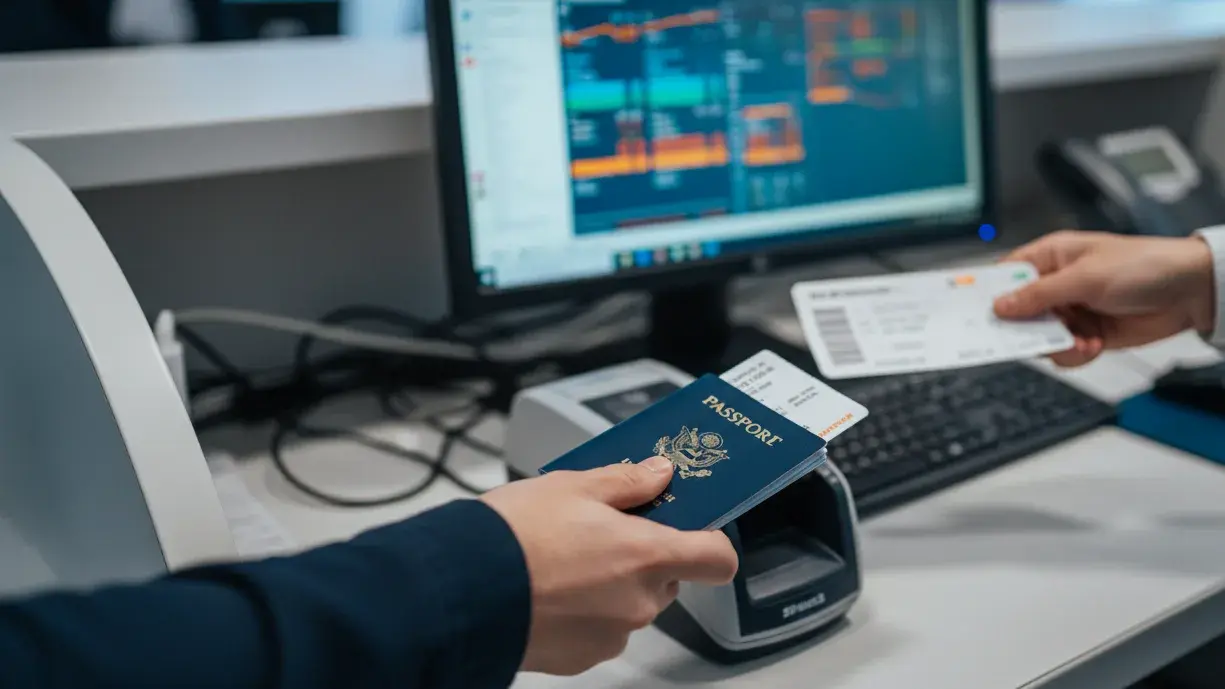
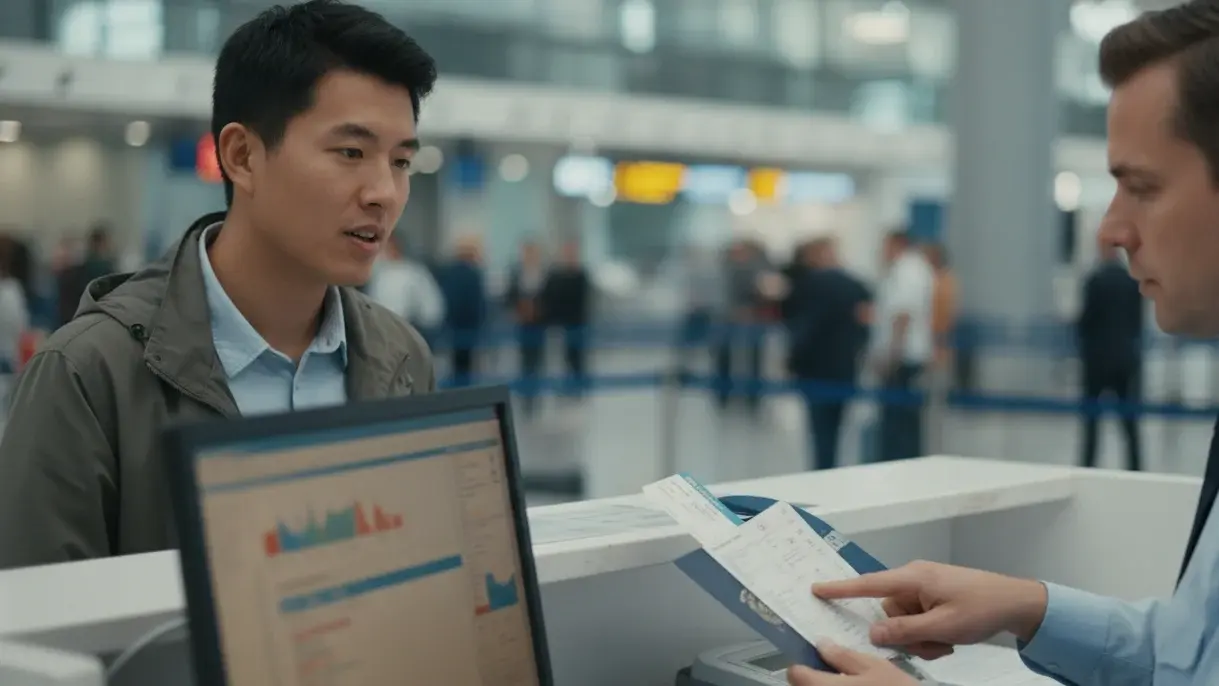
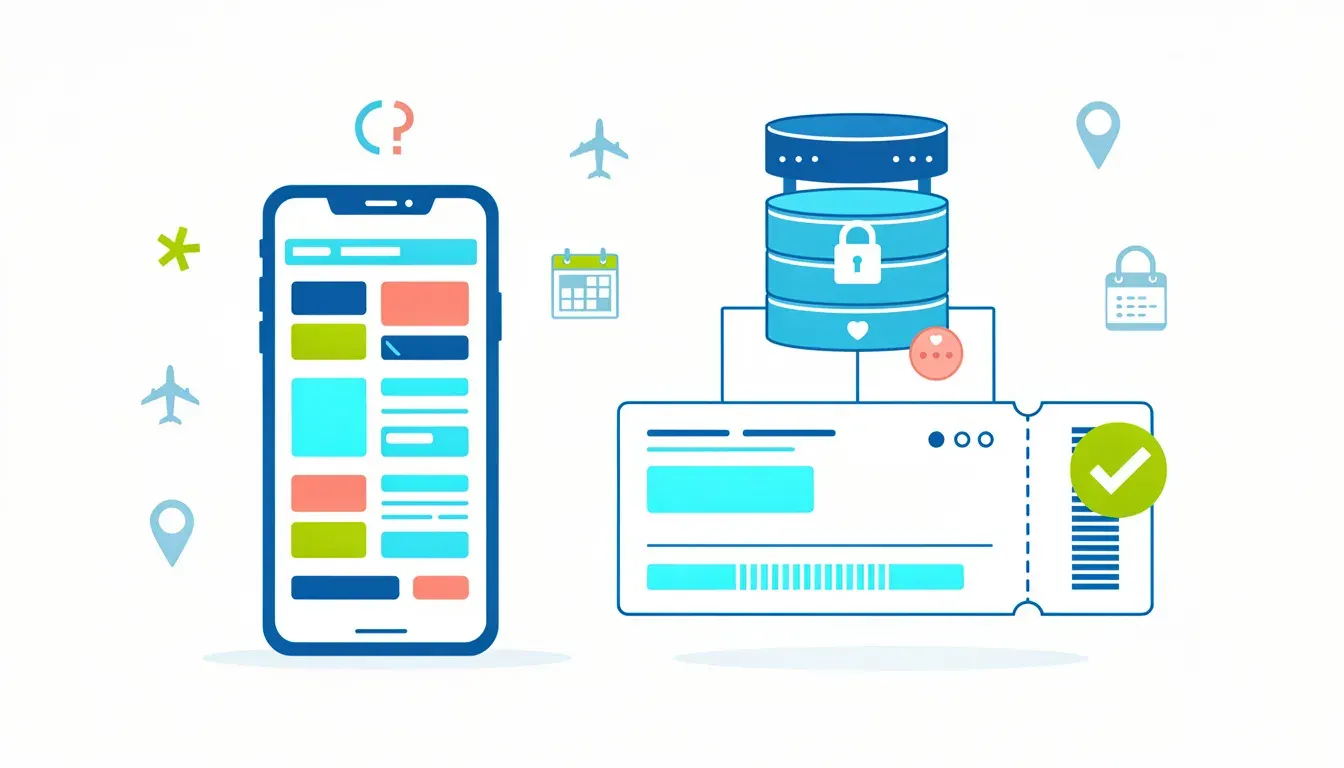
Airlines routinely share passenger data with immigration authorities as part of standard border control procedures. In April 2026, systems like Advance Passenger Information (API) and Passenger Name Record (PNR) enable governments to assess travelers before arrival.

Information such as passport details, flight itinerary, and booking records may be transmitted to destination countries to support security checks, visa compliance, and entry decisions.

Last updated: April 2026 — Based on international aviation regulations, border security protocols, and global data-sharing practices.

When A Missing Return Ticket Actually Becomes A Problem For Canada Entry

When A Missing Return Ticket Actually Becomes A Problem For Canada Entry

A one-way ticket to Canada is not automatically a problem. The trouble starts when that missing return flight leaves too many unanswered questions about how long you plan to stay, how you will leave, and whether your story still makes sense under scrutiny.

Why “Not Required” And “Not Risky” Are Two Very Different Things

This is where many travelers make the wrong assumption. You may read a document checklist, see no clear line saying “return ticket required,” and conclude that traveling without one is perfectly safe.

A return ticket and a mandatory return ticket are not the same thing. Canada entry decisions often turn on credibility, not just on whether you hold one specific document. If your file already looks strong, a missing return ticket may not carry much weight. If your file is thin, that same gap can suddenly matter a lot.

We need to look at how your travel plan appears from the outside. A one-way booking can suggest several very different stories:

  • You have a genuine short visit, but want flexibility

  • You plan to buy your departure later after confirming dates

  • You are unsure how long you intend to remain in Canada

  • You may be trying to enter as a visitor with a longer-term plan in mind

Only the first two tend to work well, and even then, only when your documents support them.

That is why “not strictly required” should never be read as “safe for everyone.” For Canada, the issue is rarely the ticket alone. The issue is whether the rest of your file makes the absence of that ticket look reasonable.

If your finances are clear, your accommodation is settled, your purpose is narrow, and your ties outside Canada are easy to show, a one-way arrival can still look controlled. If those pieces are weak, the missing return flight becomes more than a missing booking. It becomes a signal that your departure plan may not be settled at all.

The Three Moments Where Your Exit Plan Gets Judged

Your exit plan can be tested at more than one point. That matters because travelers often prepare for only the final stage and ignore the earlier one.

The three practical checkpoints are these:

  • Before travel, if your visa application or supporting file already raises questions about the trip duration or temporary intent

  • At the airline check-in, when the staff decides whether your boarding profile looks compliant enough

  • At the Canadian border, when an officer may ask how long you are staying and what ensures your departure

These checkpoints do not operate the same way. A visa officer, airline agent, and border officer are not asking the same question in the same tone.

At the visa stage, the concern is usually whether your planned visit fits the purpose you claimed. A vague travel window can weaken the file before you even leave. That does not mean every application needs a rigid return plan, but it does mean Canada-related travel timelines should not look improvised.

At check-in, the airline sees risk fast and in broad strokes. Staff may not want a long explanation about why you prefer to book later. They want to know whether they are sending forward a passenger whose onward position is clear enough. If your one-way ticket comes with weak answers or incomplete proof, the airline may treat that as a boarding problem long before Canadian border staff sees you.

Upon arrival, the Canadian officer is reading the whole picture. Your one-way booking may not be the first thing asked about, but it quickly becomes relevant if your answers are vague. If you cannot state how long you are staying, where you are staying, and what will bring you back out of Canada, the missing return ticket suddenly becomes central.

So the smart approach is not to ask, “Will Canada definitely ask for a return ticket?” The better question is, “At which checkpoint does my current file start looking uncertain?”

How Canada Interprets Temporary Intent When Your Travel Date Back Home Is Unclear

When your departure date is unclear, Canada does not just see flexibility. It may also see uncertainty. That distinction matters.

Temporary intent is not proven by one sentence. It is usually inferred from the full shape of your trip. If you say you are visiting for tourism, but you have no return flight, no fixed trip length, and no time-linked reason to go back home, your file can start to look open-ended.

That does not mean flexible travel is forbidden. It means flexible travel needs structure.

A strong, flexible plan usually has these features:

  • A believable purpose for the visit

  • A realistic date range, even if the exact departure day is not fixed

  • Sufficient funds to leave Canada when needed

  • Clear ties outside Canada that continue during or after the trip

  • Consistent answers across your booking, paperwork, and conversation

A weak flexible plan usually sounds like this: you will stay “for some time,” leave “when plans are finalized,” and book your return “later.” Those answers create space for doubt. They make it harder for the officer to see where the visit ends.

Canadian officers do not need you to sound robotic. They do need your plan to sound settled enough to fit visitor logic. “I am visiting my sister for three weeks and may shift my departure by a few days depending on her surgery schedule” is a far better position than “I will see how things go after I arrive.”

The second version is not just vague. It shifts too much control into the future. That can make the trip look less like a planned visit and more like an entry with no firm exit discipline.

This becomes even more important when other parts of your file are already soft. If your work is informal, your savings are modest, or your reason for travel is personal rather than event-based, the officer may rely more heavily on small signals. A missing return ticket then carries more weight because it fits a wider pattern of open-ended travel.

Situations Where Travelers Commonly Arrive Without Return Travel

Not every one-way trip to Canada is suspicious. Some situations naturally lead to delayed departure planning. The key is whether the reason is easy to understand and easy to support.

Common examples include visiting a close family member after a medical event, making a longer family visit during school holidays, entering Canada as one stop on a wider North America route, or waiting for work leave dates to settle before fixing the return. In these cases, the lack of a return booking can make practical sense.

But practical sense to you is not enough. It must also look coherent on paper.

A traveler visiting family after a sudden health issue may not know the exact departure day, but the visit still needs to be shaped. You should be able to show who you are visiting, where you will stay, how long you expect to remain, and how you will pay for departure when the time comes.

A traveler planning multiple stops in North America may also arrive without a direct return to the home country. That can work, but only if the onward logic is still visible. If you are entering Canada first and plan to continue elsewhere, the rest of that route should not sound like a loose idea you may or may not act on.

Family visits often create the most confusion. They feel informal to the traveler, but they can look indefinite from the outside. “I am staying with relatives until I decide when to leave” is weak. “I am staying with family in Toronto for four weeks and expect to depart in the second week of July once my host’s treatment period ends” is far stronger.

Even tourism can support a one-way arrival in some cases, especially if you want to keep your return date flexible. But tourism without a visible endpoint is harder to defend. Canada is easier to enter on a one-way ticket when your flexibility still has boundaries.

The convenience of online booking for dummy tickets has completely changed how travelers prepare strong visa applications. You can now secure professional reservations from anywhere without visiting agencies or dealing with complicated paperwork. When you choose trusted platforms to download dummy ticket PDF for visa, you gain instant access to secure, embassy-compliant documents that include proper PNR codes and detailed itineraries. The process emphasizes top-level security for your personal information while delivering files that meet strict consular requirements across countries. Instant delivery means you receive your dummy flight ticket within minutes, ready to review and print for your application. These modern solutions ensure complete compliance with onward ticket for visa needs and help maintain perfect consistency throughout your file. The user-friendly experience keeps you organized and confident as you build your complete visa package. Many travelers rely on this approach to handle last-minute adjustments while staying fully prepared for their interviews. Taking advantage of reliable online services gives you both speed and peace of mind during the application journey.

Why Airlines May Stop You Before Canada Border Officers Ever See You

Why Airlines May Stop You Before Canada Border Officers Ever See You

A lot of travelers focus on the Canada border questions and overlook the earlier gatekeeper. That can be a costly mistake, because your trip can stall at the airport long before any Canadian officer reviews your file.

The Boarding Counter Is Often Stricter Than The Border In Practice

The airline is not trying to make a final immigration decision. It is trying to avoid trouble.

That changes the tone of the entire interaction.

At the boarding counter, the staff do not have much time. They are moving fast, scanning documents, checking route details, and deciding whether your file looks clean enough to carry forward. If your ticket into Canada is one-way, that does not automatically mean refusal. It does mean your booking may attract more attention than a standard round-trip flight.

Airline staff often act conservatively for a simple reason. If they carry a passenger who later faces entry issues, the airline may deal with administrative hassle, return transport pressure, and avoidable costs. So their threshold for comfort can be stricter than yours.

That is why some travelers get caught off guard. They are ready to explain their visit to a border officer, but they are not ready for an airline agent who wants a quick, low-risk answer right now.

From the airline’s side, the question is practical:

  • Do your documents match your trip story?

  • Do you look ready to leave Canada within the terms of your travel purpose?

  • Is there any obvious gap that could create a problem after takeoff?

A one-way ticket does not answer those questions by itself. In some cases, it raises them.

This is also why a traveler with a genuine reason for flexible departure can still face pressure at check-in. The airline is not comparing your case to the best possible interpretation. It is comparing your case to easier files that look cleaner on first review.

A return booking is simple. A one-way booking needs support.

How Check-In Agents Read A One-Way Booking To Canada

A check-in agent is reading patterns, not just paperwork.

When they see a one-way ticket to Canada, they may immediately start connecting it to other details on the screen or in front of them. Your purpose of travel, length of intended stay, supporting documents, and even the confidence of your answers can affect how that one-way booking is perceived.

A one-way ticket can signal very different things:

  • A controlled trip with flexible return timing

  • An onward journey that has not been booked yet

  • A family visit with uncertain end dates

  • A traveler who has not planned the departure side at all

Your job is not to argue over which interpretation is theoretically possible. Your job is to make the right interpretation obvious.

That means your file should answer the airline’s quiet questions before they become spoken concerns.

If your stay is short, your funds are clear, and your exit plan is documented in another way, the agent may move on quickly. If your file feels loose, the same one-way ticket becomes a reason to slow the check-in process down.

Agents also notice mismatches fast. If you say you are visiting Canada briefly but your booking is one-way, your accommodation proof is vague, and your schedule is unclear, the pieces do not sit well together. The problem is not just the absence of a return ticket. The problem is the lack of structure around it.

Even simple wording matters. “I am staying for around three weeks and have a refundable onward option ready if needed” sounds organized. “I will decide later” sounds unfinished.

That difference matters because airline staff often need to make a quick judgment without studying your case in depth. A messy file invites more questions. A clean file shortens the interaction.

The Documents That Calm Airline Concerns Faster Than Long Explanations

At the airport, papers usually work better than speeches.

If your Canada booking is one-way, you should not rely on a verbal story alone. You need a document set that shows your departure plan is flexible, not missing.

The strongest support documents are the ones that solve the airline’s concern in concrete terms. Useful examples include:

  • A return reservation or onward booking

  • Proof of sufficient funds to purchase departure travel at any time

  • A short, clear travel timeline

  • Confirmed accommodation for the stay you are claiming

  • A host invitation that matches your dates and purpose

  • An employer letter showing approved leave and expected return to work

  • A school or university schedule showing when you must be back

  • A time-linked family reason that explains why your departure date is not fixed yet

These documents help because they do not ask the airline to trust your future intentions blindly. They give shape to your travel file now.

Timing matters too. Your documents should align with each other.

If your host letter suggests a one-month visit, but your verbal answer sounds open-ended, that gap creates friction. If your finances are modest and you cannot show how you would buy a last-minute return, a one-way ticket may feel riskier to the airline than it does to you.

It also helps to keep the key proofs easy to access. A crowded phone gallery, buried PDFs, or half-downloaded documents can make a simple case look disorganized. You want the check-in conversation to stay short and clear.

We should think of the airline counter as a place where clarity wins. Long explanations can sound defensive. A tight set of matching documents looks prepared.

When The Airline Is More Likely To Ask Extra Questions

Not every one-way booking gets the same reaction. Context matters.

Some travel files naturally invite a second look. That does not mean something is wrong. It means the airline may want more reassurance before issuing the boarding pass.

Extra questions become more likely when several small factors appear together, such as:

  • A one-way fare with no onward travel in the file

  • A long intended stay with limited supporting detail

  • A vague explanation of where you are staying

  • Thin evidence of funds

  • Last-minute travel with loosely assembled documents

  • Inconsistent answers between what you say and what your paperwork suggests

The route and travel setup can also affect the interaction. A traveler departing from Delhi with a one-way booking to Canada and loosely framed visit plans may face more detailed questions than expected, especially if the departure side of the trip looks open-ended on paper.

That does not mean the airport is applying a different rule. It means the staff member in front of you may see a profile that needs a clearer exit story before boarding.

Late-night check-in can make this worse. So can rushed counter conversations. The less time staff feel they have, the more they may fall back on caution. That is another reason clean documentation matters. It reduces dependence on a long explanation delivered under pressure.

Travel history presentation can matter as well. If you have a well-documented pattern of compliant travel and timely returns, your case may feel more stable. If your file is sparse, the airline may rely more heavily on what is directly in front of them that day.

The biggest mistake here is treating extra questions as unfair and then answering defensively. It is usually better to expect the questions and prepare for them. Once you do that, the one-way ticket becomes a point to explain, not a surprise to recover from.

Why “I’ll Book My Return Later” Is Usually Too Weak On Its Own

This answer sounds normal to travelers. It sounds incomplete to airline staff.

The problem is not that booking later is impossible. The problem is that the sentence offers no structure. It does not explain when you expect to leave, why the return is still open, or how you will handle departure if questioned further.

Standing alone, “I’ll book my return later” creates more uncertainty than comfort.

A stronger answer does three things at once:

  • It gives a realistic departure window

  • It explains why the exact date is not fixed

  • It shows you can leave Canada without difficulty

For example, a better position is not just that you plan to book later. It is that your stay depends on a family schedule, you expect to leave within a defined period, and you already have the funds or an onward option ready.

That sounds planned, not improvised.

The weak version also puts too much trust in a future action that the airline cannot verify at check-in. From their side, you are asking them to board you now based on something you may do later. That is rarely the strongest ground to stand on.

If you truly want flexibility, the safer approach is to support that flexibility with evidence. Your goal is not to prove that you like open plans. Your goal is to prove that your exit from Canada is still realistic, affordable, and time-bound even without a fixed return date.

When A One-Way Ticket To Canada Is Reasonable And When It Starts Looking Reckless

When A One-Way Ticket To Canada Is Reasonable And When It Starts Looking Reckless

A one-way ticket to Canada is not automatically a bad move. The real question is whether your reason for flying without a return is clear enough, time-bound enough, and supported enough to survive airport scrutiny without turning into a credibility problem.

The Difference Between Flexible Travel And Poor Travel Planning

Flexible travel has structure. Poor planning does not.

That difference decides how your one-way ticket looks.

A flexible traveler usually knows why the return date is open. The uncertainty has a real cause. Maybe a family event may shift by a few days. Maybe you are waiting for a confirmed appointment date before fixing the exact departure. Maybe you want room to move your return without paying change penalties too early.

In those cases, the travel plan is still controlled. The endpoint exists even if the exact flight number does not.

Poor planning looks different. The traveler has not worked out when they will leave Canada, how long they can afford to stay, or what document will support the eventual departure. The one-way booking is not part of a careful plan. It is the result of leaving the second half of the trip unresolved.

That distinction matters because airline staff and border officers are not looking for perfect certainty. They are looking for a coherent trip.

A flexible plan usually includes:

  • A specific reason for entering Canada

  • A realistic expected stay

  • Enough funds to depart when needed

  • A clear place to stay

  • A visible reason to return home or continue onward

Poor planning usually shows up through loose answers:

  • “I have not decided yet.”

  • “I will see how it goes.”

  • “I may stay longer if things work out.”

  • “I will sort out my return after arrival.”

Those answers are risky because they make the absence of a return ticket feel bigger than it is. They suggest the trip is still being formed after departure, not before it.

You do not need a rigid itinerary to look credible. You do need a trip that sounds finished enough to make sense on the day you travel.

Visitor Scenarios That Can Sometimes Support A One-Way Arrival

Some travel situations can support a one-way ticket better than others. The key is whether the reason for flexibility is easy to understand and easy to prove.

A family visit is one example. If you are visiting a close relative in Canada for a limited period and the exact return date depends on the family schedule, a one-way booking can be understandable. But the visit still needs boundaries. You should know roughly how long you expect to stay, where you will stay, and what makes the visit temporary rather than open-ended.

Medical support visits can fall into the same category. If a traveler is arriving to help a parent, spouse, or sibling through a treatment period, the return date may depend on recovery timing. That can be reasonable. But the supporting file should show why the stay is needed, who is hosting the traveler, and why the traveler will leave once that purpose is complete.

Multi-stop travel can also justify a one-way arrival. Some travelers enter Canada first and plan to continue onward later. That structure can work when the onward logic is credible. If you say Canada is part of a wider North America route, the rest of the trip cannot sound like an afterthought.

Short-term personal events may support a flexible return, too. A graduation, seasonal family gathering, or time-limited personal visit can all make sense without a fixed departure date if the travel window is still narrow and believable.

The strongest one-way cases usually share these traits:

  • The visit has a defined purpose

  • The trip has a likely end period

  • The traveler can explain why the return date remains open

  • The traveler can leave Canada without difficulty

The weaker cases usually fail on the last point. They may have a real purpose, but they do not show a workable exit plan. That gap turns a reasonable one-way idea into a risky one.

Cases Where Buying A Return Or Onward Reservation Is The Smarter Move

Sometimes the issue is not what is legally possible. It is what will make your trip smoother.

If your overall travel file is not especially strong, a return or onward reservation often becomes the smarter choice. It reduces the number of moving parts you need to explain. It also lowers the chance that a simple one-way booking becomes the center of the conversation.

This matters more if you fall into any of these patterns:

  • You have limited international travel history

  • Your Canada trip is your first long-haul visit

  • Your financial proof is modest rather than strong

  • Your employment situation is hard to document cleanly

  • Your stay is longer than a quick holiday

  • Your host arrangement is informal

  • Your travel purpose is personal rather than event-based

None of those points makes travel impossible. They do mean the rest of your file may need help. A return or onward booking can provide that help quickly.

It is often wiser to reduce friction before departure than to rely on explanation skills at the airport.

This is especially true when your trip already contains natural question points. If you are staying several weeks with relatives, have flexible work, and are entering Canada on a one-way fare, your case may still be genuine. But it may ask the airline or border officer to absorb too much uncertainty at once.

A simple onward or return booking can narrow that uncertainty.

The smart move is not always the cheapest one. It is the one that makes your travel story easiest to understand under pressure.

Why Open-Ended Family Visits Can Raise More Questions Than Travelers Expect

Family visits often feel safer than tourist trips because the reason for travel is personal and credible. But that same family link can create a different kind of problem when the visit has no clear end date.

An open-ended family stay can sound less like a visit and more like a soft relocation attempt.

That does not mean officers assume the worst. It does mean they will look more carefully at whether the trip still fits temporary visitor logic. If your return date is unclear, your stay is with close family, and your explanation sounds like you may remain until further notice, the one-way ticket becomes harder to defend.

Travelers often underestimate this because family support feels like a strength. In many ways, it is. A host can provide accommodation, local contact details, and the purpose of the visit. But family support does not solve the departure question. Sometimes it makes that question sharper.

What raises concern is not the family visit itself. It is language like this:

  • “I will stay until things settle down.”

  • “I am not sure when I will return.”

  • “My family wants me to remain a bit longer.”

  • “I will decide after I get there.”

Those answers remove the trip’s edges.

A stronger family-visit file does the opposite. It gives the trip a timeframe, even if that timeframe is not locked to a specific flight. It ties the visit to a temporary event, period, or need. It also shows what pulls you back out of Canada when that need ends.

If you are visiting relatives, your one-way ticket is easier to defend when your plan sounds like a stay with a finish line, not a stay that grows as circumstances allow.

The Cost Of Being Technically Right But Practically Unprepared

Many travelers get stuck on the wrong victory. They focus on proving that a return ticket is not always mandatory and forget to ask whether their own case is built to travel without one.

Being technically right does not always protect you from practical problems.

A one-way ticket may be fully explainable in your situation. But if your documents are thin, your answers are loose, or your file requires too much verbal repair at the airport, you are still taking on avoidable risk.

The cost shows up in several ways.

You may get pulled into a longer check-in discussion than expected. You may face pressure to show extra proof on the spot. You may end up buying an expensive last-minute onward ticket in a rush just to settle the issue. You may arrive already stressed, which makes border questioning harder to handle well.

Even when you are eventually allowed to proceed, the experience can become far more difficult than it needed to be.

This is why the smartest travelers do not ask only, “Can I do this?” They also ask, “Does my file make this look easy to believe?”

That second question is where good judgment lives.

A one-way ticket makes sense when it is part of a controlled plan with a visible exit path. It starts looking reckless when it depends on future improvisation, weak paperwork, or the hope that nobody asks follow-up questions.

What To Show Instead Of A Return Ticket If Your Canadian Plans Are Still Flexible

If your Canada trip is real but your departure date is still open, you need more than a verbal explanation. You need a file that makes your exit plan visible even without a fixed return ticket.

Build A Proof-Of-Exit File, Not Just A Single Backup Document

A lot of travelers look for one magic substitute. That is the wrong approach.

When you do not have a return ticket, Canada-bound travel works better when your exit plan is supported from several angles at once. We should think in terms of a proof-of-exit file.

That file should answer four practical questions:

  • Why are you in Canada?

  • How long do you expect to stay?

  • What will bring you out of Canada?

  • Can you pay for that departure without difficulty?

If one document answers only one of those questions, that is not enough. A strong file creates overlap.

For example, a host invitation may help explain the purpose and accommodation. It does not prove you can fund your exit. A bank statement may show funds. It does not explain why your stay ends when you say it does. An employer letter may show a return obligation. It does not show how you will travel out.

The goal is not to carry a thick folder. The goal is to carry the right combination.

A useful proof-of-exit file often includes:

  • A clear expected departure window

  • Financial proof showing you can buy or confirm onward travel anytime

  • A reason you must leave Canada within that window

  • Any onward, return, or flexible reservation you already have

  • Supporting papers that match the purpose of your visit

That structure matters because it makes your one-way flight look deliberate, not unfinished.

The Strongest Alternatives To A Fixed Return Booking

Not all substitutes carry the same weight.

Some documents make airline staff and border officers more comfortable because they connect directly to departure planning. Others help only a little.

The strongest alternatives usually sit near the top of this list:

  • A refundable return ticket

  • A confirmed onward booking to a third country

  • A short-validity flight reservation showing the intended departure timing

  • Proof of funds strong enough to support immediate exit travel

  • An employer, school, or business obligation with a specific restart date

  • A medical, legal, or personal appointment outside Canada tied to a date

These work because they do not just say you plan to leave. They show how and when that departure can realistically happen.

A refundable return ticket is strong because it gives the clean optics of a confirmed exit while preserving some flexibility. A confirmed onward ticket can work just as well if the route makes sense and does not look random. A temporary reservation can also help if it aligns with the stay you are claiming and can be verified if needed.

Time-linked obligations matter too. If you must return to resume work, restart classes, attend a hearing, sit an exam, or manage a scheduled commitment, that creates a practical reason to leave Canada on time. The stronger the paper trail, the better.

Funds are also part of the equation. If your bank balance clearly supports last-minute airfare and normal travel costs, your flexible exit plan becomes easier to believe. If your finances are tight, the same one-way ticket looks less stable because your ability to leave later becomes less certain.

The best substitute is often not one document. It is a pairing.

Examples of strong pairings include:

  • A short-validity departure reservation plus proof of funds

  • A host invitation plus an employer rejoining date

  • A refundable onward ticket plus a clear event-based reason for the visit

  • A third-country booking plus a route that logically continues after Canada

The closer these items fit together, the less pressure falls on your spoken explanation.

How To Present A Flexible Departure Window Without Sounding Evasive

Flexibility is not the problem. Vagueness is.

If your return date is still open, you should not talk about it like a blank space. You should talk about it like a controlled range.

That means avoiding loose phrases such as:

  • “I have not decided yet.”

  • “I will leave whenever needed.”

  • “I am keeping it open for now.”

  • “I will figure it out after arrival.”

Those answers sound unfinished because they do not give the listener anything concrete to hold onto.

A stronger approach is to present your departure as a window tied to a reason.

For example, your explanation should naturally cover:

  • The expected length of your stay

  • The reason the exact date is still flexible

  • The likely period when you will leave

  • The fact that you can depart earlier if required

That structure helps because it sounds like planning, not avoidance.

You do not need to recite a script. You do need to sound like someone who has already thought through the exit side of the trip.

A good, flexible answer usually has three qualities.

First, it gives a range. “Around two to three weeks” is stronger than “not sure yet.”

Second, it connects the range to a cause. “The exact return depends on my aunt’s discharge schedule” is stronger than “plans may change.”

Third, it keeps the stay finite. Even if the exact flight date is open, the trip itself should not sound open-ended.

If your documents support that answer, the one-way ticket becomes easier to understand. If your documents do not support it, even a polished explanation can collapse under follow-up questions.

A Smart Reservation Strategy If You Do Not Want To Buy A Full Return Flight Yet

Sometimes your best move is not a fully paid return ticket. Sometimes it is a lighter reservation strategy that gives your Canada trip enough structure without locking you into the wrong date too early.

This middle ground makes sense if your visit timing is genuine but not final. For example, you may know your trip will end within a certain week, but still need a few days of flexibility around the exact departure. In that case, a verifiable reservation can help bridge the gap between a one-way ticket and a full return purchase.

The key is to choose a reservation that matches the stay you are actually claiming. If your paperwork suggests a three-week visit, your departure reservation should fit that window. If your purpose is a short family visit, your booking should not imply a much longer stay.

You should also think about how the reservation functions in practice:

  • Can it be verified if asked?

  • Does it show a believable departure timeline?

  • Does it align with the rest of your travel file?

  • Can you adjust it if the real date changes?

If you want a verifiable flight reservation instead of committing to a full fare immediately, DummyFlights.com can fit that gap. It offers instantly verifiable reservations, PNR with PDF, unlimited date changes, transparent pricing of $15, around ₹1,300, worldwide visa use, and credit card payment support. It works best when used to support a coherent travel file, not to patch over a weak or open-ended plan.

That distinction matters. A reservation helps most when it confirms the exit logic you already have.

Weak Substitutes That Travelers Overestimate

Some backups look helpful on your phone, but do very little when your departure plan is questioned.

One common mistake is relying on a draft itinerary with no booking depth behind it. If it looks like a rough travel idea rather than a real reservation, it may not carry much weight. The same goes for screenshot-only proof that cannot be explained clearly or matched to the rest of your file.

Another weak substitute is a host saying you can stay “as long as needed.” That may sound generous, but it does not answer the Canada entry question. It actually removes the boundary around your trip and makes your departure feel less fixed.

Travelers also overestimate simple verbal claims about money. Saying you have enough funds is not the same as showing accessible funds. If your one-way ticket is being questioned, unsupported financial confidence will not help much.

These are also weaker than many people assume:

  • A vague promise to buy the return later

  • An unstructured travel plan with no timeline

  • A message thread about possible onward travel

  • A hotel or event booking that says nothing about exit timing

  • A loose statement that the family will handle your ticket if needed

The problem with these items is not that they are false. The problem is that they do not create a reliable departure picture on their own.

For Canada travel, the strongest substitute is the one that narrows uncertainty. The weakest substitute is the one that simply asks the airline or officer to trust that uncertainty will sort itself out later.

The Border Questions That Matter Most When You Land In Canada Without A Return Ticket

Landing in Canada with a one-way ticket changes the texture of border questioning. You may still be admitted without trouble, but your answers need to carry more weight because the officer is no longer looking at a simple round-trip travel file.

The Real Question Officers Are Trying To Answer

A border officer is not usually fixated on the missing return ticket by itself. The real concern sits one level deeper.

They want to know whether your stay fits the terms of your entry and whether you are likely to leave Canada when your visit ends. Your return ticket is just one clue inside that larger judgment.

That is why the same one-way booking can lead to very different outcomes for different travelers. If your purpose is clear, your trip length sounds realistic, and your documents align with your answers, the absence of a return flight may not become the center of the conversation. If your story feels loose, the one-way ticket starts carrying more meaning than it should.

At the border, officers often test for three things at once:

  • Clarity

  • Consistency

  • Control

Clarity means you can explain the trip in plain language.

Consistency means your spoken answers match your documents, booking pattern, and reason for travel.

Control means your plan sounds thought through rather than dependent on future guesswork.

This matters because border questioning is often short. Officers are not asking for a long essay. They are checking whether your travel logic holds up under simple direct questions. If it does, the interaction often stays manageable. If it does not, follow-up questions can begin quickly.

The return ticket becomes important when it leaves a gap in one of those three areas. If you cannot clearly say when you expect to leave, or your reason for staying sounds broader than your visitor's purpose, the officer may start treating the missing departure booking as evidence of a larger issue.

So when you prepare for arrival, the goal is not to defend the one-way ticket in the abstract. The goal is to make your temporary travel plan easy to understand without needing ten extra explanations.

“How Long Are You Staying?” Needs A Better Answer Than Most Travelers Give

This question sounds simple, but it does a lot of work.

When an officer asks how long you are staying, they are not only asking for a number. They are checking whether your timeframe matches your purpose, finances, host arrangements, and overall profile.

That is why weak answers create trouble fast.

Common weak replies include:

  • “Not sure yet.”

  • “Maybe a few weeks.”

  • “Depends on how things go.”

  • “I will decide after I settle in.”

Each of those answers leaves the length of stay floating. That is risky when you entered Canada without a return ticket, because the officer now has no firm date and no disciplined explanation to rely on.

A stronger answer has shape. It should include:

  • A realistic duration

  • A reason that supports that duration

  • A sense of where the flexibility begins and ends

For example, it is much better to say you expect to stay around three weeks for a family visit and may shift by a few days depending on the family schedule than to say you are staying until you figure things out. The first answer sounds temporary. The second answer sounds open-ended.

Your answer should also fit your actual file. If your bank balance supports only a short stay, do not casually describe a much longer visit. If your host letter or accommodation details point to a limited period, your verbal answer should stay inside that same frame.

This is one area where travelers sometimes make themselves look less credible by trying to sound flexible. Border officers do not need you to sound relaxed about timing. They need you to sound prepared.

A good answer to this question usually has three features:

  • It gives a range that is narrow enough to feel real

  • It ties that range to a specific reason

  • It leaves no doubt that the trip is still temporary

If your trip length changes later for genuine reasons, that is a separate issue. At the point of entry, what matters is whether your current answer sounds like a real plan instead of a blank space.

“Who Is Paying For Your Trip?” Can Quietly Expose A Weak Exit Plan

This question is often underestimated.

Travelers hear it as a money question, but it is also an exit question. If you are entering Canada without a return ticket, the officer may use your funding answer to judge whether you can realistically leave when needed.

That is why vague financial answers can hurt even when your trip is genuine.

If you say you are paying for the trip yourself, you should be ready for that to make sense on paper. Your available funds should look sufficient for your stay, daily costs, and eventual departure flight. If your finances only seem enough for arrival and short-term spending, the officer may wonder how the exit side will actually happen.

If someone else is paying, the situation needs structure too. A sponsor or host can support your trip, but the arrangement should be clear. Who is covering what? Are they paying only for accommodation? Are they also covering local costs? Would they also pay for your departure if plans shift?

Unclear funding often creates a second problem. It can make your one-way ticket look less like flexibility and more like incomplete planning.

Answers that create risk include:

  • “My relative will handle things if needed.”

  • “We have not worked out the return yet.”

  • “I have some money and family support.”

  • “I can book later once I get there.”

Those statements are too loose because they do not show who controls the exit plan.

A stronger financial answer does not need to be long. It just needs to be precise. It should show that the trip is affordable and that leaving Canada will not depend on uncertain future arrangements.

This is especially important if your visit is longer than a short tourist stay. The longer the intended stay, the more closely your funding logic may be read. If your budget feels thin for the duration you claim, the missing return ticket starts to look more significant.

At the border, money is not just about comfort. It is also about whether your departure plan is real.

“What Ties You Back Home?” Becomes More Important Without A Return Booking

A return booking naturally supports the idea that your trip ends. Without one, the officer may look more closely at what pulls you back out of Canada.

That is where home ties become more important.

But this is where many travelers answer too broadly. Saying you have family, work, or responsibilities back home is not enough if those ties are described in generic language. Border officers are looking for ties that are concrete, current, and time-linked.

Stronger examples include:

  • A job with a defined rejoining date

  • A business that requires your presence after a short trip

  • Ongoing studies with a scheduled return

  • Dependents or family obligations that are active, not abstract

  • Property, legal, financial, or professional commitments tied to dates

The key is not volume. It is specificity.

A traveler departing from Mumbai for a short family visit to Canada may say they need to return for a scheduled work rejoining date and a client commitment the following week. That sounds more grounded than simply saying they have work back home.

The officer is trying to see whether your life outside Canada is still in motion while you are away. If your answer makes it sound like everything is paused indefinitely, your one-way ticket becomes harder to explain.

This is also where self-employed or freelance travelers need to be careful. Flexible work is not a problem by itself, but it can sound weak if you present it without structure. If you work independently, it helps to tie your return to actual obligations, active projects, booked meetings, or continuing operations that require you to be back.

Home ties matter more without a return ticket because they supply the missing endpoint. They show that your departure is not just possible. It is expected.

How To Stay Truthful Without Over-Explaining At The Counter

A lot of travelers think that more words will make them sound more genuine. At the border, that can backfire.

You should answer truthfully, but you should not turn each question into a long defense of your travel choices. Over-explaining can make a simple file sound unstable because it suggests you are trying to repair doubts before they are even raised.

The better approach is controlled honesty.

That means:

  • Answer the exact question asked

  • Keep your answer direct

  • Add one useful detail if it helps clarify the point

  • Stop once the answer is complete

If the officer wants more, they will ask more.

This matters even more when you do not have a return ticket. Travelers sometimes panic and start giving extra details about family history, flexible plans, future possibilities, or reasons they delayed booking. That often creates new openings for confusion.

You do not need a memorized script. You need answers that sound natural, stable, and aligned with your documents.

A good border answer usually feels like this:

  • Clear enough to stand on its own

  • Short enough to avoid drift

  • Specific enough to sound real

You should also avoid trying to guess what answer sounds best. If your actual reason for flexibility is family timing, say that plainly. If your return depends on a known date range rather than a fixed date, explain that directly. Truth works best when it is well-framed, not over-decorated.

At this stage, the officer is listening for confidence built on structure, not performance. And once you understand how those questions work, the next issue becomes easier to spot: some traveler profiles face far more pressure than others when they arrive in Canada without firm return proof.

The Travel Profiles That Face The Highest Risk Without Return Proof

Not every traveler carrying a one-way ticket to Canada is judged the same way. The missing return proof becomes more serious when it sits inside a travel profile that already looks uncertain, loosely planned, or harder to place within a clear visitor timeline.

First-Time International Travelers With One-Way Plans

A first international trip already comes with less context.

You do not have a visible pattern of past travel, past returns, or prior compliance that helps your Canada entry file look settled. When that lack of history is paired with a one-way ticket, the officer or airline may have less to rely on.

That does not mean first-time travelers cannot enter Canada without a return ticket. It means the file has to work harder on its own.

For an experienced traveler, a one-way booking may sit beside a long record of short legal trips. For a first-time traveler, the same booking stands out more. There is no past pattern quietly supporting the idea that you travel, return, and keep trips within the intended purpose.

This is why first-time travelers need to be especially careful with three things:

  • Trip length

  • Funding clarity

  • Departure logic

If your first international trip is a short, well-documented visit with a clear reason and a visible plan to leave, the one-way issue may still be manageable. If it is a long visit with vague return timing, soft documentation, and no prior travel history behind you, the case becomes much harder to carry convincingly.

First-time travelers also tend to make avoidable mistakes at the airport. They may answer casually because they do not yet understand how closely timing and intent are read. They may assume that a genuine personal reason is enough by itself. They may not realize that “I will book later” sounds weaker when there is no prior travel pattern balancing it out.

The practical point is simple. If this is your first major international trip, your one-way ticket should not be the most interesting part of your file. Your documents, answers, and travel purpose should be tight enough to make the trip feel smaller, cleaner, and easier to understand than it would for someone with a longer travel record.

Travelers Saying They Will “Figure It Out After Arrival”

This is one of the riskiest profiles, even when the traveler means no harm.

The phrase itself is a problem, but the deeper issue is the mindset behind it. It suggests that the trip is being shaped after entry rather than before departure. That is exactly the kind of uncertainty that makes a one-way ticket look worse.

Canada visitor entry works best when your plan sounds like it already has boundaries. You may not know the exact flight home, but you should know the rough length of stay, where you will be, why you are going, and what will end the trip.

Travelers who plan to “figure it out after arrival” often lack one or more of those anchors.

Sometimes the gap is financial. They are hoping to decide later based on costs.

Sometimes it is personal. They want to see how the visit feels before choosing a departure date.

Sometimes it is strategic. They do not want to commit to a return until they judge their options on the ground.

All three approaches create the same problem. They place the exit plan in the future instead of making it visible now.

This profile becomes especially risky when the traveler answers questions with phrases like:

  • “I will decide once I get there.”

  • “It depends on how things go.”

  • “I have not worked that part out yet.”

  • “My family will help me plan it later.”

Those answers do more than leave a gap. They suggest that the one-way ticket is part of a wider lack of structure.

A traveler with real flexibility still needs a framework. They should be able to say what the expected stay looks like, what may cause small changes, and how departure will still happen within that range. Without that framework, the trip starts to look reactive rather than temporary.

The risk here is not just denial. Even if the traveler is eventually allowed to proceed, this kind of profile can trigger longer questioning, more document checks, and more pressure to explain choices that should have been settled earlier.

Visitors Staying With Friends Or Relatives But Carrying Very Little Structure

Staying with friends or relatives in Canada can make a trip more affordable and more personal. It can also make the file harder to read if the visit has no visible shape.

This profile becomes risky when free accommodation removes the natural limits that hotel bookings and fixed itineraries sometimes create. Without a return ticket, the officer may already be asking where the visit ends. If you are also staying with someone informally and have no clear time boundary, that question gets sharper.

The weak version of this profile often includes several features at once:

  • No return or onward booking

  • No firm stay length

  • No detailed host invitation

  • Limited personal funds

  • Casual language about remaining “for a while.”

  • No clear reason to leave Canada by a specific period

The traveler may think the host arrangement makes the trip easier to explain. In reality, informal stays can make a trip look more open-ended if the file does not set limits elsewhere.

A relative’s support can help, but only when it is structured. The host should fit into a coherent travel story. Who are you staying with? For how long? Why does that period make sense? What happens after it ends?

Without those answers, staying with family or friends can start to resemble a soft landing rather than a temporary visit.

This profile is also vulnerable because travelers often rely too heavily on the host’s presence in Canada. They assume that if the host is legitimate, the stay will automatically look legitimate too. But the host does not answer the central question of temporary entry. The officer still needs to see how your stay remains limited and why you will leave.

If your Canada trip involves staying with friends or relatives, your file needs more structure, not less. Free accommodation should support the visit, not turn it into something with no clear endpoint.

People Mixing Tourism Language With Work-Oriented Intent

This is one of the fastest ways to make a one-way ticket look risky.

The problem begins when the traveler describes the trip as tourism or a visit, but their wording starts drifting toward future opportunity, job exploration, or longer-term positioning in Canada. Even casual phrases can cause trouble if they make the purpose sound broader than temporary travel.

Risky phrases include:

  • “I want to see what opportunities are there.”

  • “I may look around while I am there.”

  • “I will meet people and see what happens.”

  • “I am visiting first and then deciding next steps.”

When these ideas are paired with a one-way ticket, the file can start to look like an entry without a defined endpoint.

The issue is not that you are curious about Canada. The issue is that curiosity can sound like undeclared future intent when your ticket already shows no planned return. That changes how the trip may be read.

A clean visitor profile usually keeps the purpose narrow. Tourism is tourism. Family visiting is family visiting. Event travel is event travel. Once your language starts blending that with future possibility, the one-way ticket becomes more than a booking choice. It begins to support a different story than the one you may think you are telling.

This risk is higher for travelers whose stay is already longer than a short holiday, whose home ties are not immediately obvious, or whose funds are only modest. In those cases, even soft work-oriented language can create a wider concern about why the traveler is really entering Canada.

You do not need to sound scripted. You do need to avoid expanding the purpose of your trip during questioning. The broader your purpose sounds, the more important your return proof becomes. Without that proof, mixed-intent language can make the file look unstable very quickly.

Travelers With Weak Paper Trails Despite Honest Intentions

Some of the highest-risk travelers are not deceptive at all. They are simply under-documented.

This often happens when the traveler’s real life is harder to capture neatly on paper. They may be self-employed, paid informally, between fixed contracts, managing family obligations, or traveling on a plan that makes complete sense to them but leaves few formal documents behind.

Honest intent does not automatically solve that problem. Canada entry decisions still rely on what can be shown, matched, and understood within a short review.

A weak paper trail becomes more dangerous when you also lack return proof because the officer or airline then has fewer objective anchors to rely on.

This profile often includes travelers who:

  • Have income but cannot show it clearly

  • Work independently without standard employer letters

  • Have genuine family responsibilities but little formal documentation

  • Are you funding the trip through mixed or cash-heavy sources

  • Have a real plan to leave, but nothing time-linked that proves it

The danger here is subtle. Each piece of the file may sound believable on its own, but together they still may not create a firm departure picture.

For example, a self-employed traveler may genuinely need flexibility and may fully intend to return. But if the business obligations are not documented, the funds are loosely shown, and the trip has no return booking, the officer is left with very little that feels fixed.

The answer is not to overtalk. It is to tighten the evidence.

You should think in terms of documenting movement. What in your life continues outside Canada while you travel? What requires your presence back home? What date-linked commitments can you show? What funds can you actually demonstrate? What travel timing can you support with something more than a statement?

Travelers with weak paper trails need a stronger file because their credibility depends less on standard paperwork and more on how well the overall structure still holds together. Without return proof, that structure has to do even more work.

This is where many genuine travelers get into trouble. They assume honesty will fill the gaps. At a border counter or airline desk, honesty matters, but it still needs support.

How To Decide Whether To Travel To Canada Now, Reserve Onward Travel First, Or Rethink The Trip Entirely

This choice gets easier when you stop thinking in general and start testing your own file. The right move depends on your status, your exit plan, and whether your paperwork can carry a one-way Canada trip without strain.

The Four-Question Self-Test Before You Leave For The Airport

Before you travel abroad, ask four blunt questions. Can you explain why you do not have a confirmed return ticket? Can you show how you will leave Canada if asked? Do your documents support the exact stay length you claim? Would your file still make sense at the boarding gate if someone checked it in under two minutes?

Those questions get sharper when you line up the following documents. Your valid passport, photo identification, travel documents, and any other documents tied to your status should be ready in one place. You should also know the documents required for your profile under the current entry and exit requirements and entry rules published by the Government of Canada.

Do not blur Canada's rules with systems used in other countries. A visa waiver program elsewhere does not answer Canada's screening. You should know whether you are traveling on an electronic travel authorization, an electronic travel authorization eta, or a Canadian temporary resident visa. If you hold a Canada visitor visa, a visitor visa, a tourist visa, or another valid visa, the return-ticket question still matters because the issue is not only permission to board. It is whether your exit plan looks complete.

Status adds another layer. If you travel with dual citizenship, a temporary passport, a work permit, a study permit, or proof of permanent residence, you need to know how that affects re-entry logic. The same goes if you are a us permanent resident, a permanent resident of another country, or someone traveling on indian status documentation. A minor should also carry a consent letter from legal guardians if that applies.

Some travelers also overestimate identity papers. A citizenship or naturalization certificate, a naturalization certificate, or older references you remember from Citizenship Canada, can help explain background, but they do not replace a clean departure plan. Unless you are entering on a valid Canadian passport as a Canadian citizen, or otherwise hold a clearly recognized return-right document such as a permanent resident card, you should not treat onward proof casually. If you are studying, make sure your file shows valid study timing rather than an open gap that makes your one-way trip look indefinite.

When Proceeding Without A Return Ticket Is Probably Defensible

A one-way trip can still be defensible when the rest of your file already answers the hard questions. Most travellers do not need a perfect setup. They do need a file that looks finished.

That usually means your visit purpose is narrow, your dates are believable, and your money supports both the stay and the eventual departure. It also helps if your home-side obligations are easy to show. An employment letter with a clear return date can do more for a Canadian entry file than a long verbal explanation at a Canadian airport.

A stronger case also keeps the one-way ticket from carrying too much meaning. If you hold a Canadian visa that already supports multiple entries, have stable funding, and can show why the exact departure date remains open, the one-way choice may still look controlled rather than reckless. The key is that your explanation should sound like a finished plan with a flexible edge, not a trip that is still being designed.

This is where a dummy ticket can help when used carefully. A dummy ticket is widely accepted as planning support when it matches your claimed timeline and sits beside real financial proof, clear host details, and a reason to leave Canada on time. It works best when it confirms the file you already have, not when it tries to rescue one that is visibly loose.

You should also think about the airport moment itself. At check-in, immigration officials do not make the first call. Airline staff does. If your file looks stable to an immigration officer after landing but messy to the airline before departure, you still have a problem. A defensible one-way case should hold together both at the counter and after arrival.

When A Temporary Reservation Is The Most Rational Middle Ground

Sometimes the smartest move is not a fully paid ticket and not a bare one-way either. It is a temporary reservation that gives your Canada trip enough shape to answer questions without forcing an early commitment to the exact return date.

This middle ground makes sense when your travel purpose is genuine, but your departure day still depends on a small real-world variable. Maybe a family visit may end a few days earlier or later. Maybe your onward routing to a foreign country is real, but not finalized. Maybe you can afford the exit, but you know the airline will read a plain one-way booking too cautiously.

A temporary reservation helps because it narrows uncertainty. It gives the check-in agent a visible exit timeline. It can also keep the conversation from drifting into theory about whether countries require a booked return in every case. Canada screening often turns on how your individual file looks on the day, not on a broad online argument about what certain countries sometimes allow.

This option works best when the reservation matches the rest of the file. If your host says three weeks and your booking shows departure in that same window, the trip feels controlled. If your reservation points somewhere random or far outside the stay you claimed, it stops helping.

A good middle-ground file may also include travel insurance, proof of funds, and a route that makes sense if you are continuing to other countries after Canada. That combination often lands better than a naked one-way booking because it reduces the amount of explanation needed before takeoff. The real test is simple. Does the file still look coherent from the check-in desk to the boarding gate?

When Buying A Fully Flexible Return Ticket Is Worth The Extra Cost

In some Canadian cases, the premium on a flexible return buys more than date freedom. It buys a cleaner story.

That matters most when your trip is legitimate, but your status or paperwork already adds enough complexity that you do not want the flight plan to become another point of friction. For example, if you are not one of the Canadian permanent residents traveling home on a Canadian passport, and you are not relying on straightforward proof of Canadian citizenship, a fully flexible return can remove the easiest question from the file.

It is also a smart move when your travel pattern already spans major cities, tight schedules, or mixed obligations in Canada and back home. The more moving parts your trip has, the more useful it can be to lock in the one thing that signals a clean endpoint. That is often the departure flight.

A flexible return ticket is especially worthwhile when your timing is real but changeable. You know you will leave Canada within a normal period, but you do not know the exact day. In that case, paying more can be better than building the trip around a temporary tool and then defending that choice under pressure.

This option also helps if your document history is a little complicated. A traveler with dual nationality, a recent status change, or old assumptions about Canadian citizenship terminology may not want to add unnecessary doubt at the airport. The simpler your exit proof looks, the less room there is for confusion about what still needs to be explained.

You should think of the extra cost as part of travel control, not just airfare. In the right case, it buys clarity, speed, and fewer questions.

When The Smartest Move Is To Delay Travel And Fix The File

Sometimes the right answer is not to go yet.

If your current setup could plausibly lead to denied entry, the missing return proof is usually only one part of the problem. Weak funds, vague dates, poor host documents, and mixed-purpose answers can all turn a manageable trip into a stressful airport case. That is when delay becomes smarter than optimism.

You should pause if your file cannot answer basic screening questions cleanly. Can you show when you plan to leave? Can you prove you can pay for that departure? Can you explain why your trip ends when it does? If those answers still depend on future guesswork, you are not ready.

This matters even more if you plan to leave India for Canada on a one-way flight, because the problem will not fix itself after departure. The same is true if you are starting from a route through a foreign country and hoping that onward movement alone will make the Canada file look better. It will not.

Fixing the file usually means tightening dates, improving funds evidence, adding a credible exit plan, and making sure your purpose sounds temporary from start to finish. You may also need stronger host support, cleaner work records, or more reliable proof that you need to return home. If local authorities or airline staff see a trip that still looks half-built, you are asking them to trust the uncertainty that you could have fixed before travel day.

As you finalize your visa documents, ensuring every element supports your travel story becomes vital for success. Taking time to understand dummy ticket options helps you select reliable proof of onward travel that embassies recognize. These documents provide essential visa application proof when you need to demonstrate clear departure plans without financial commitment. Embassy-approved dummy tickets serve as trustworthy onward ticket for visa evidence that aligns with consular expectations. They include all necessary details like accurate passenger information and verifiable references that strengthen your overall file. Using a proper dummy reservation shows thoughtful planning and helps present a cohesive application that officers appreciate. This approach reduces the risk of inconsistencies while giving you flexibility until your visa is approved. Review your complete set of documents carefully and make sure your proof of onward travel meets the required standards. Taking this important step can make the difference in achieving a smooth and successful visa outcome.

Make Your Canada Entry Plan Easy To Defend

A return ticket is not the only thing that shapes your Canada entry outcome, but it often becomes important when the rest of your file feels loose. If your trip is truly temporary, your dates are believable, and your exit plan is easy to explain, you can judge your next step with much more confidence.

We should treat this as a file-strength decision, not a theory debate. If your one-way booking still leaves questions at check-in or at the Canadian border, tighten the plan before you fly. If the logic already holds, you can travel knowing your Canada visit looks organized, temporary, and ready to stand up to questions.

Why Travelers Trust DummyFlights.com

DummyFlights.com has been helping travelers since 2019 with a clear focus on verifiable dummy ticket reservations only. The dedicated support team is a real registered business that has supported over 50,000 visa applicants with secure online payment and instant PDF delivery. Every reservation includes a stable PNR that travelers can verify themselves before submission, and the platform offers 24/7 customer support to answer questions at any stage of the visa process. DummyFlights.com never uses automated or fake tickets — every document is generated through legitimate airline reservation systems and can be reissued unlimited times at no extra cost if your plans change. This niche expertise and transparent process is why thousands of applicants return for every new visa application.

What Travelers Are Saying

Priya • DEL → FRA
★★★★★
“My dummy ticket for visa was verified instantly at the embassy — saved my Schengen trip!”
Priya • DEL → FRA
Maria • MEX → MAD
★★★★★
“Unlimited reissues and instant PDF — perfect when my Japan appointment moved.”
Maria • MEX → MAD
Ahmed • CAI → IST
★★★★★
“PNR checked on the spot at VFS — zero issues with my dummy ticket for visa.”
Ahmed • CAI → IST

More Resources

  • Blog — Latest dummy ticket and visa tips
  • About Us — Meet the team behind verified reservations
  • FAQ — Answers to every dummy ticket question
Visa-Ready in Minutes
Instant, verifiable dummy ticket for visa — unlimited reissues, no hidden fees.
PNR-verifiableInstant PDFUnlimited Changes
Get Your Dummy Ticket Now
“Got my dummy ticket for visa approved on the first try — super easy and fast!”

About the Author

Visa Expert Team — With over 10 years of combined experience in travel documentation and visa assistance, our editorial team specializes in creating verifiable flight and hotel itineraries for visa applications. We have supported travelers across 50+ countries by aligning documentation with embassy and immigration standards.

Editorial Standards & Experience

Our content is based on real-world visa application cases, airline reservation systems (GDS), and ongoing monitoring of embassy and consular documentation requirements. Articles are reviewed and updated regularly to reflect current practices.

Trusted & Official References

Important Disclaimer

While our flight and hotel reservations are created to meet common embassy requirements, acceptance is not guaranteed and may vary by country, nationality, or consulate. Applicants should always verify documentation rules with the relevant embassy or official government website prior to submission.

Visa Resources

Need official visa guidance before you submit?

For embassy checklists, visa document rules, and proof-of-travel requirements, read our trusted guides: Expert visa guides by BookForVisa .

Tip: For official embassy checklists and visa documentation requirements, consult reliable government or travel advisory sources before submission..